Activated carbon is a cornerstone material in modern water treatment, prized for its exceptional adsorption capacity, extensive surface area, and chemical stability. Its efficacy in removing organic contaminants, chlorine, taste and odor compounds, and certain heavy metals is unparalleled. The performance of activated carbon, however, is intrinsically linked to its physical properties—primarily particle size distribution, pore structure, and surface chemistry—which are directly determined by the production process and, crucially, the grinding and milling equipment used. Selecting the right production machinery is not merely a matter of output; it is a strategic decision that defines product quality, operational efficiency, and economic viability for manufacturers serving the critical water treatment sector.
The transformation of carbonaceous raw materials (like coconut shell, coal, or wood) into high-performance activated carbon involves two key stages: carbonization and activation. Following these, the activated material often requires size reduction to meet specific application requirements.
Different water treatment systems demand different activated carbon forms:
| Application | Common Form | Typical Particle Size Range | Key Performance Driver |
|---|---|---|---|
| Powdered Activated Carbon (PAC) | Powder | 10-50 μm (approx. 325-1500 mesh) | Rapid adsorption kinetics, used in slurry systems. |
| Granular Activated Carbon (GAC) | Granules | 0.4 – 2.5 mm (approx. 10-40 mesh) | High mechanical strength for fixed-bed filters, long service life. |
| Extruded Activated Carbon (EAC) | Cylinders/Pellets | 1 – 4 mm diameter | Low pressure drop, high density, used in vapor phase. |
Precise control over the final particle size distribution is critical. For PAC, ultrafine and consistent fineness ensures maximum surface area exposure and fast reaction times. For GAC precursors, controlled crushing to specific granule sizes minimizes fines generation, preserving yield and ensuring structural integrity for subsequent sieving and grading.
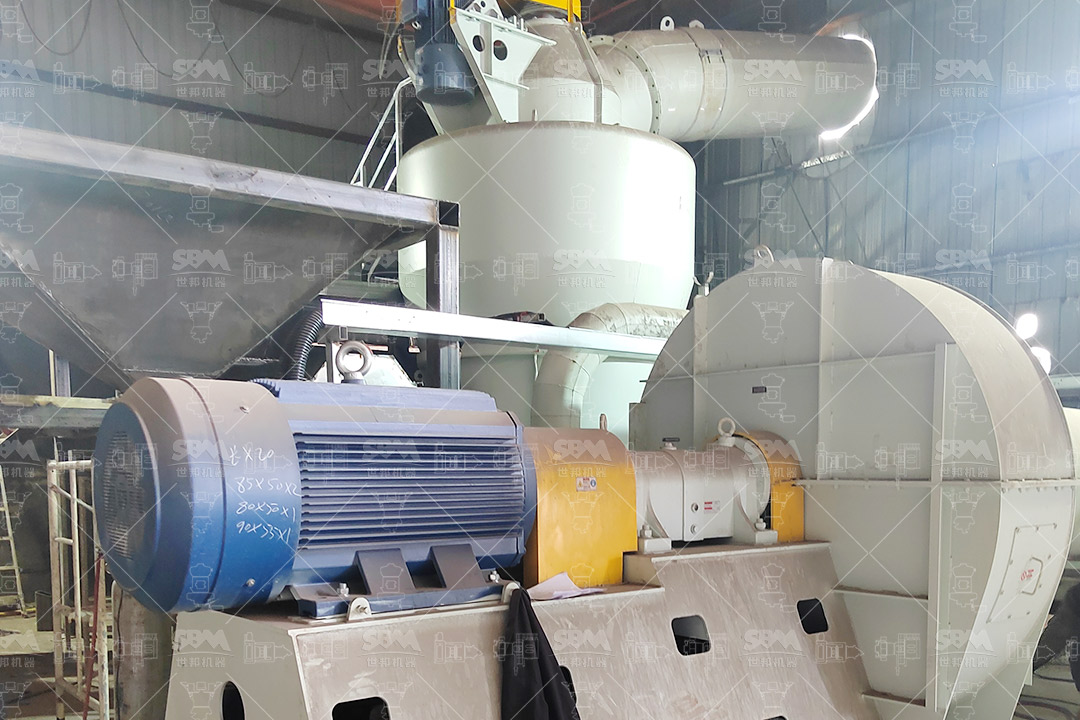
The abrasive and often fibrous nature of carbon materials necessitates robust, precision-engineered milling solutions. The ideal equipment must deliver controlled size reduction, high classification accuracy, energy efficiency, and operational reliability.
Producing high-quality PAC requires mills capable of achieving micron and sub-micron fineness with narrow particle size distribution. Jet mills and advanced vertical roller mills are commonly employed.
Recommended Product: SCM Series Ultrafine Mill
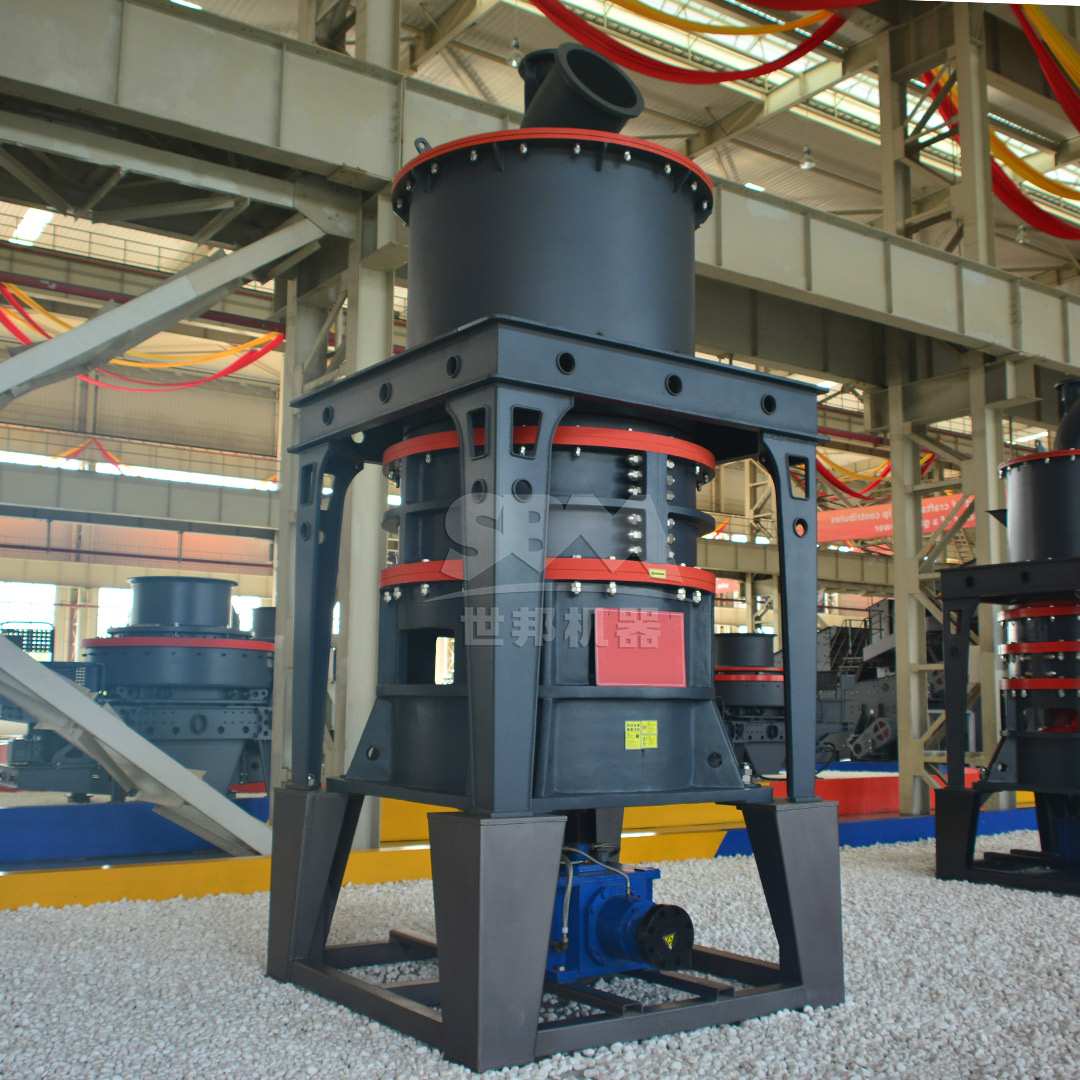
For manufacturers targeting the high-value PAC market, our SCM Series Ultrafine Mill represents an optimal solution. Engineered for materials like activated carbon, it excels in producing powders in the range of 325 to 2500 mesh (45-5μm). Its high-precision vertical turbine classifier ensures no coarse powder mixing, resulting in a uniform finished product essential for consistent adsorption performance. The mill’s high efficiency translates to capacity twice that of traditional jet mills while consuming 30% less energy, significantly lowering production costs. Furthermore, its fully sealed system with pulse dust collection exceeding 99.9% efficiency makes it an environmentally sound choice, containing carbon dust effectively—a vital consideration for plant safety and environmental compliance.
| Model | Capacity (t/h) | Output Fineness | Main Power | Suitability |
|---|---|---|---|---|
| SCM800 | 0.5 – 4.5 | 325-2500 mesh | 75 kW | Pilot/Lab Scale PAC |
| SCM1000 | 1.0 – 8.5 | 325-2500 mesh | 132 kW | Medium-Scale PAC Production |
| SCM1680 | 5.0 – 25 | 325-2500 mesh | 315 kW | Large-Scale PAC Production |
The production of GAC involves crushing activated carbon blocks or large granules into smaller, classified size ranges. This requires equipment that can apply controlled impact or compression to minimize the generation of undesirable fine powder, thus maximizing the yield of the target granular fraction.
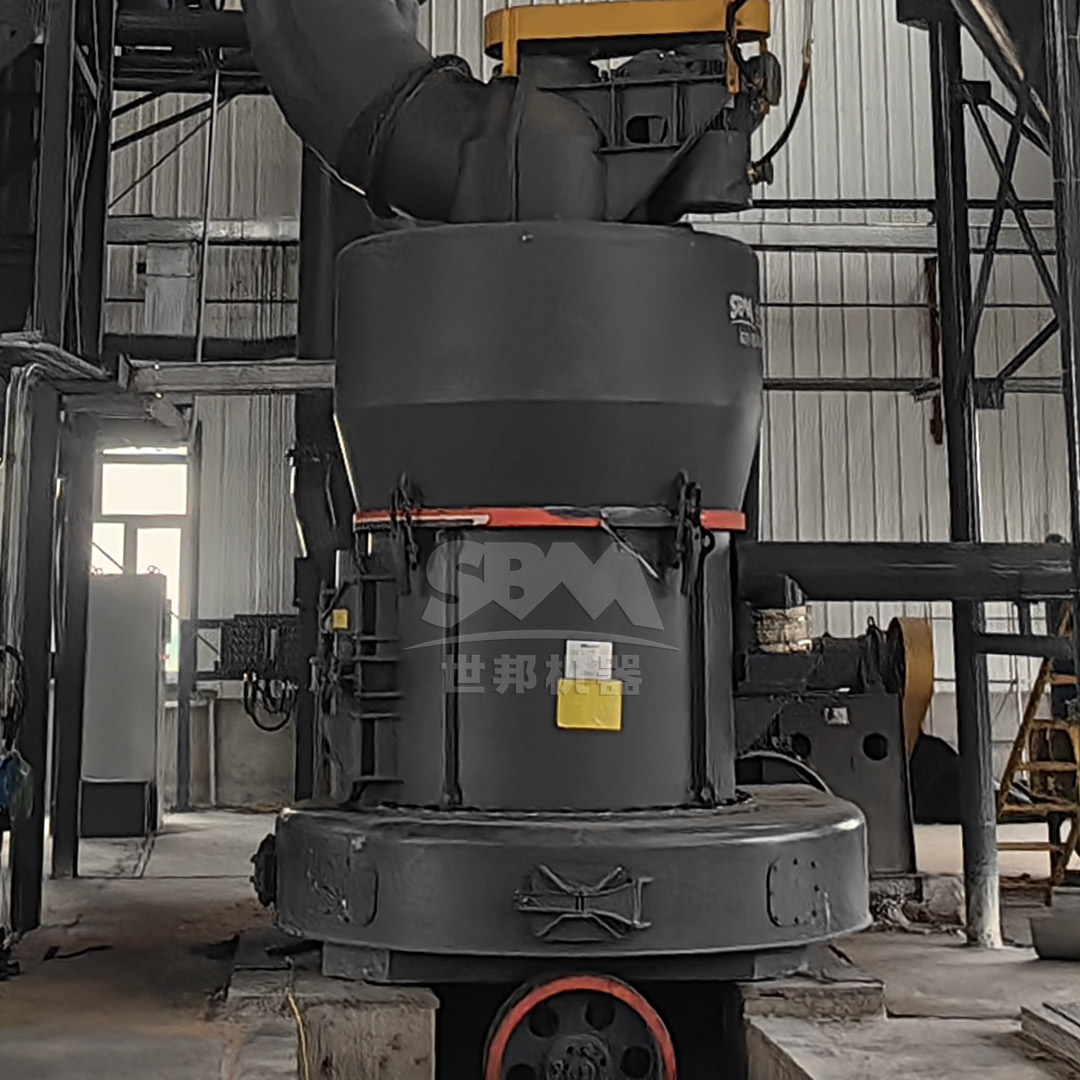
Recommended Product: MTW Series European Trapezium Mill & Hammer Mill
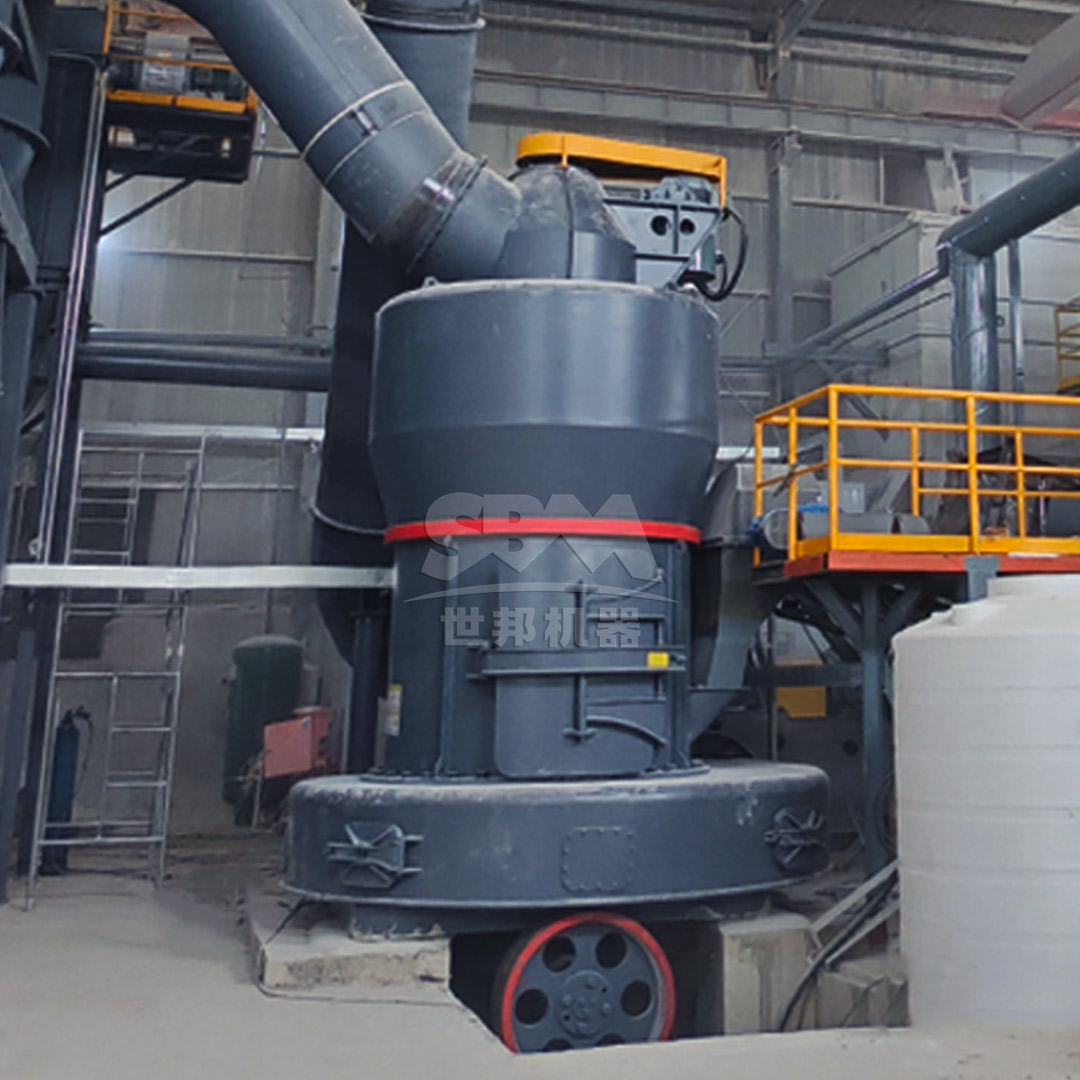
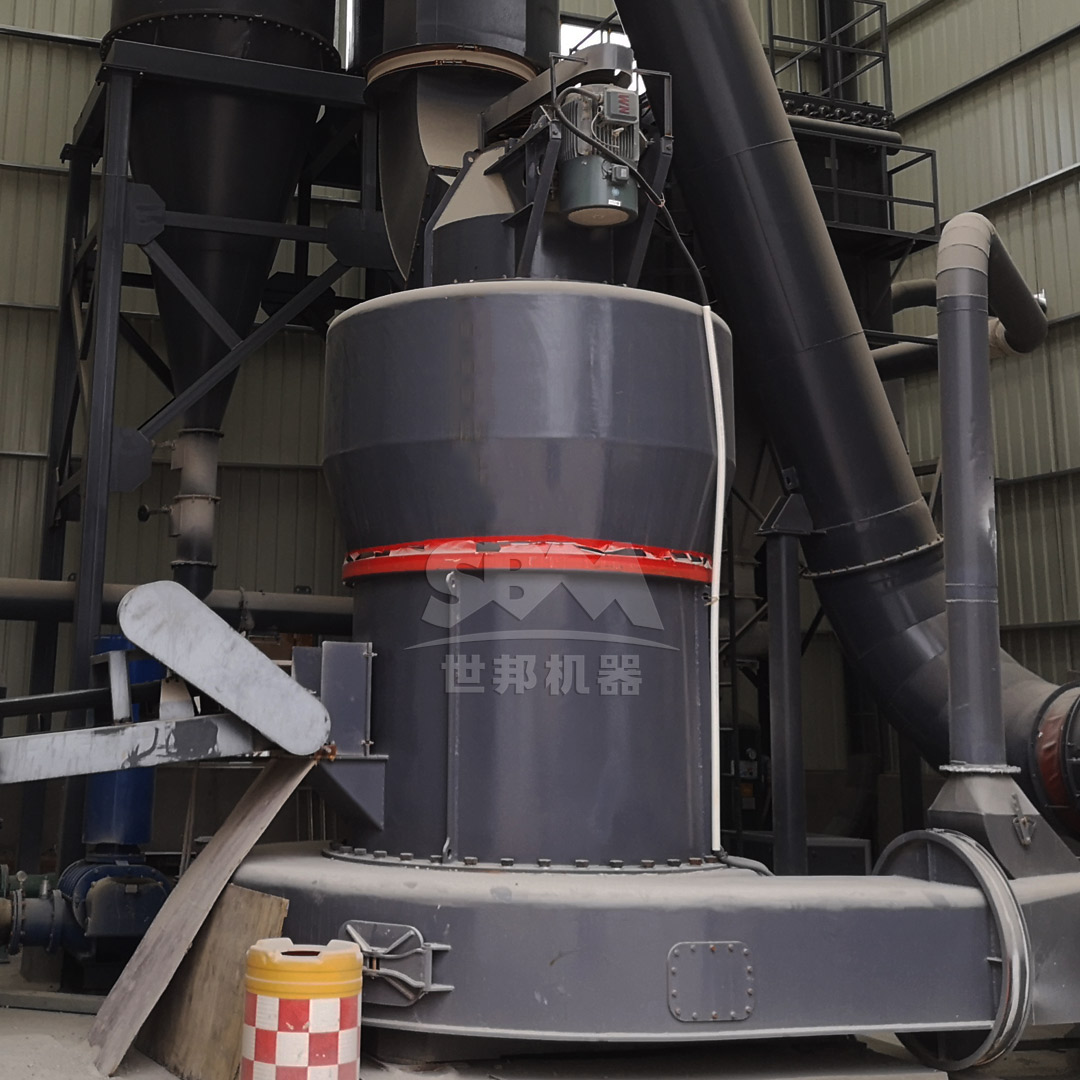
For the initial and intermediate crushing stages in GAC production lines, our MTW Series European Trapezium Mill offers exceptional durability and efficiency. Its anti-wear shovel design and wear-resistant volute structure are specifically advantageous for handling abrasive carbon materials, reducing maintenance costs by up to 30%. With an output fineness range of 30-325 mesh (600-45μm), it is perfect for producing the base granular material that will be further screened into specific GAC grades. For primary size reduction of larger carbonized feedstock, our Hammer Mill (e.g., Model PC4012-90) provides high-capacity crushing from 40mm feed down to 0-3mm, offering a stable and cost-effective first stage with its robust, high-manganese steel hammer design.
When investing in activated carbon milling equipment, manufacturers must evaluate beyond basic capacity.
Milling is energy-intensive. Technologies like the integral bevel gear drive in the MTW Series (98% transmission efficiency) or the bed grinding principle in vertical roller mills can reduce power consumption by 30-50% compared to traditional ball mills, offering a rapid return on investment.
The integration of advanced, adjustable classifiers (like the multi-rotor system in the LUM Ultrafine Mill) is non-negotiable. It allows real-time tuning of the particle size cut point, ensuring the final product consistently meets the stringent specifications required for water treatment carbons.
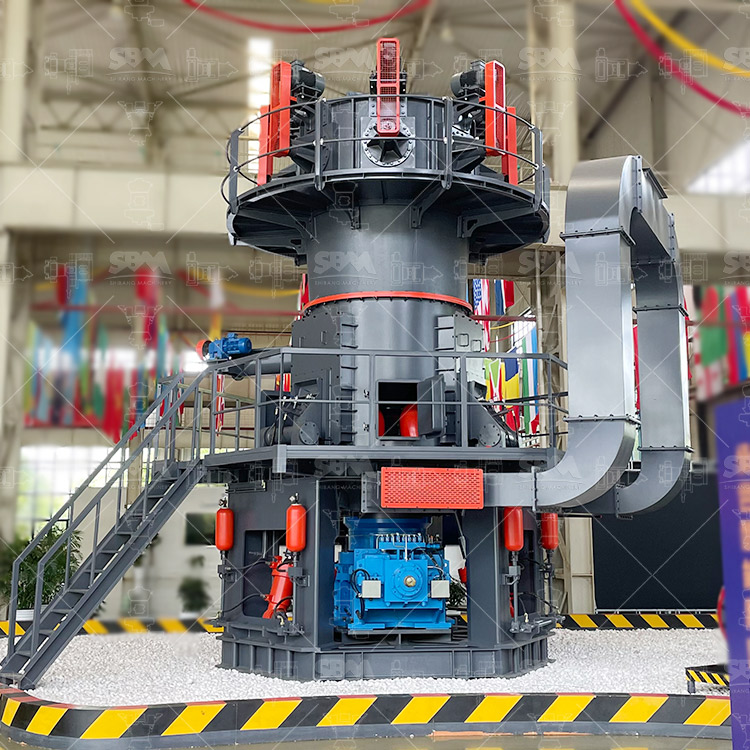
Activated carbon is highly abrasive. Equipment with specialized wear protection—such as the special material rollers and rings in the SCM Mill or the modular quick-change grinding roller system in the LM Vertical Mill—dramatically extends service life and minimizes downtime, ensuring continuous production.
Full-system negative pressure operation, high-efficiency pulse jet bag filters (exceeding 99.9% collection), and soundproof designs are essential. They prevent carbon dust emissions, protect worker health, and keep noise pollution within regulatory limits, as demonstrated in our LM and SCM series mills.
The production of high-performance activated carbon for water treatment is a sophisticated process where engineering excellence in milling technology plays a defining role. The choice between equipment for ultrafine PAC or robust GAC production hinges on achieving precise particle control, operational economy, and unwavering reliability. Our suite of grinding solutions, from the high-precision SCM Ultrafine Mill for premium powders to the durable MTW European Trapezium Mill for granular products, is engineered to meet these exacting demands. By partnering with a technology provider that understands the specific challenges of carbon processing, manufacturers can optimize their production lines, enhance product quality, and secure a competitive advantage in the vital global water treatment market.