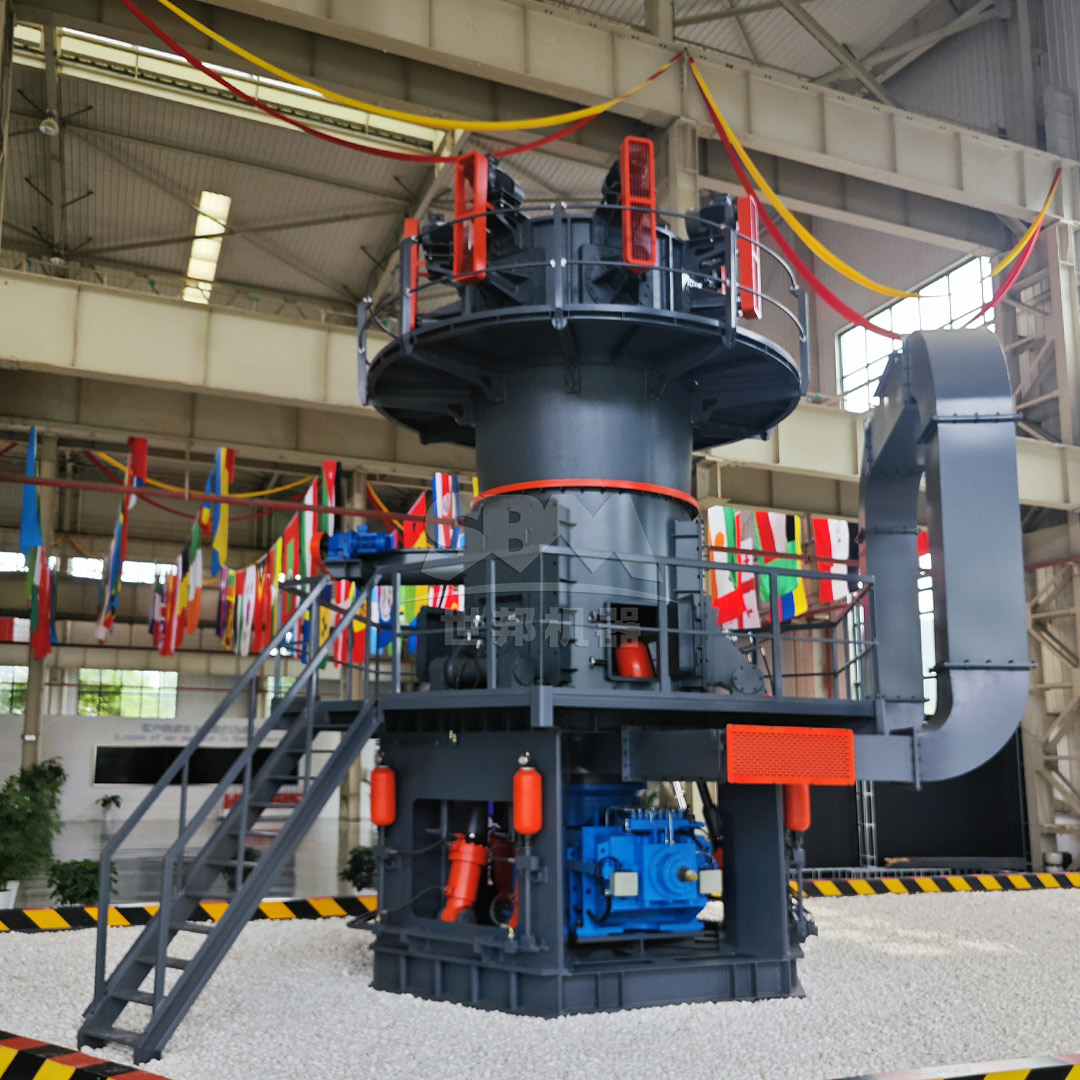
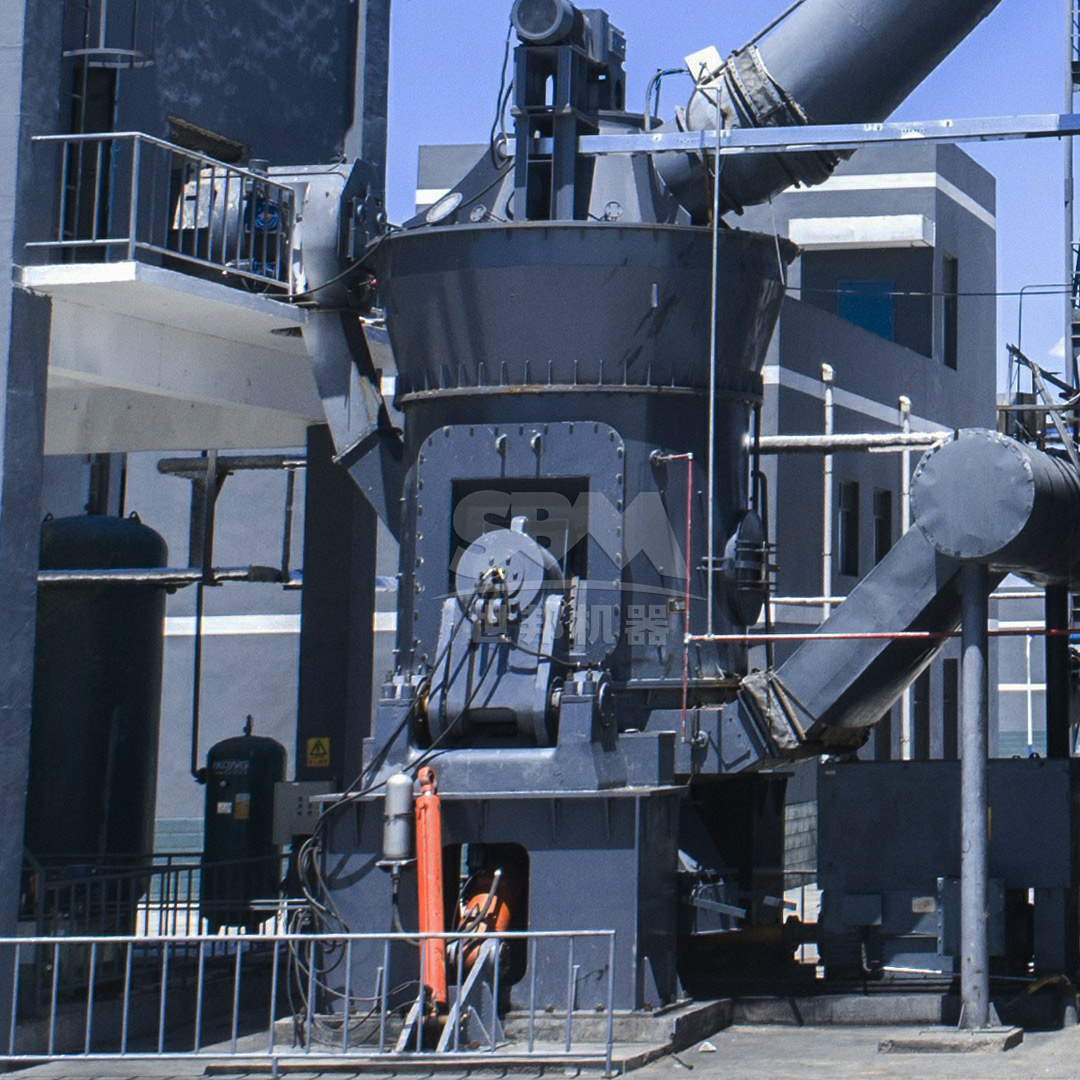
Attapulgite, a hydrated magnesium aluminum silicate mineral, is a critical component in drilling mud formulations due to its unique thixotropic properties, high surface area, and excellent suspension characteristics. In the oil and gas drilling industry, attapulgite-based drilling fluids are essential for maintaining wellbore stability, cooling drill bits, and carrying cuttings to the surface. However, to fully exploit the potential of attapulgite, it must be processed into a fine powder with precise particle size distribution. This requires specialized grinding equipment capable of delivering consistent fineness, high capacity, and energy-efficient operation.
Choosing the right grinding mill for attapulgite processing is a strategic decision that impacts product quality, operational costs, and overall project profitability. This article provides a comprehensive guide to selecting the appropriate grinding equipment for attapulgite intended for drilling mud applications. We will examine key selection criteria, compare different mill technologies, and highlight two of our company’s flagship products—the SCM Series Ultrafine Mill and the MTW Series European Trapezium Mill—that are particularly well-suited for this application.
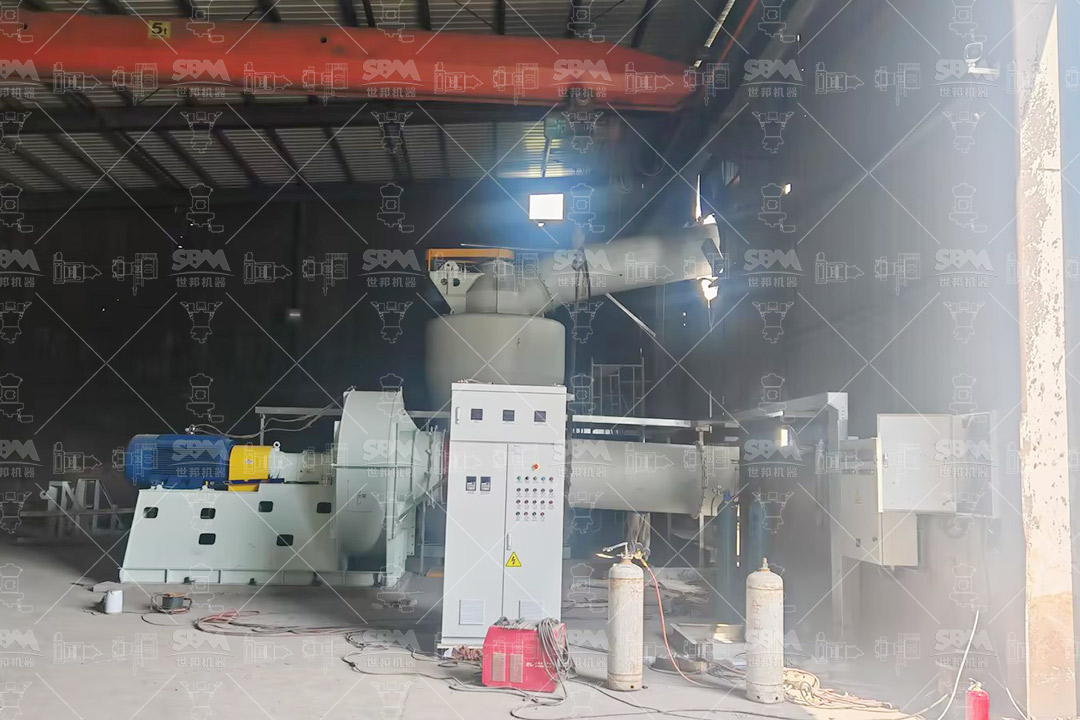
Attapulgite’s crystal structure consists of needle-like particles that form a network in suspension, providing excellent viscosity and gel strength. To preserve these properties, the grinding process must avoid excessive heat generation and over-grinding, which can destroy the fibrous morphology. The ideal mill should deliver a narrow particle size distribution, typically in the range of 200 to 400 mesh (74 to 38 microns) for drilling mud, while minimizing fines that could negatively impact rheology. Additionally, the equipment must handle the mineral’s moderate hardness (Mohs 2-3) and moisture content without clogging or excessive wear.
Drilling mud grade attapulgite generally requires a fineness of 200-325 mesh. However, some high-performance formulations may demand finer grades up to 600 mesh. The mill must be capable of precise classification to avoid coarse particles that can settle in the wellbore and fine particles that increase fluid loss. A dynamic classifier with adjustable speed is essential for achieving the desired cut point.
Production capacity should align with the drilling project’s demand, which can range from a few tons per hour for small operations to over 30 tons per hour for large-scale supply. The mill should be scalable and available in multiple models to match varying throughput requirements without compromising efficiency.
Grinding is an energy-intensive process. Mills that consume less power per ton of product are more economical and environmentally friendly. Advanced designs such as vertical roller mills and ultrafine mills often outperform traditional ball mills in energy efficiency.
Attapulgite is abrasive, though less so than harder minerals. Grinding elements (rollers, rings, liners) should be made from high-chrome or other wear-resistant materials to extend service life. Easy maintenance features, such as quick-change roller assemblies and hydraulic adjustment, reduce downtime and operating costs.
Attapulgite dust can be hazardous to workers and the environment. The mill should be equipped with efficient dust collection systems, such as pulse-jet bag filters, to meet stringent emission standards. Negative pressure operation and sealed systems prevent dust leakage.
Attapulgite may contain moisture up to 10-15%. The grinding system should either handle moderate moisture or include a drying function, such as hot air generation, to prevent clogging and ensure smooth operation.
Several types of grinding mills are used for attapulgite processing. Below is a comparison of common options:
| Mill Type | Fineness Range | Capacity (t/h) | Energy Efficiency | Notes |
|---|---|---|---|---|
| Ball Mill | 0.074-0.8 mm | 0.65-450 | Low | High wear, large footprint, difficult to achieve fine grades |
| Raymond Mill (MTM) | 45-325 mesh | 3-22 | Medium | Good for moderate fineness, but limited for ultrafine |
| Hammer Mill | 0-3 mm | 8-70 | Low | For coarse crushing only |
| Vertical Roller Mill (LM) | 30-325 mesh | 3-250 | High | High capacity, integrated drying, but higher investment |
| Ultrafine Mill (SCM) | 325-2500 mesh | 0.5-25 | Very High | Best for fine to ultrafine grades, precise classification |
| European Trapezium Mill (MTW) | 30-325 mesh | 3-45 | High | Robust, efficient, good for medium-fine grinding |
For drilling mud applications, the most suitable mills are typically those that can achieve 200-325 mesh with high efficiency and reliable operation. The SCM Series Ultrafine Mill and MTW Series European Trapezium Mill from our company are excellent choices for this purpose.
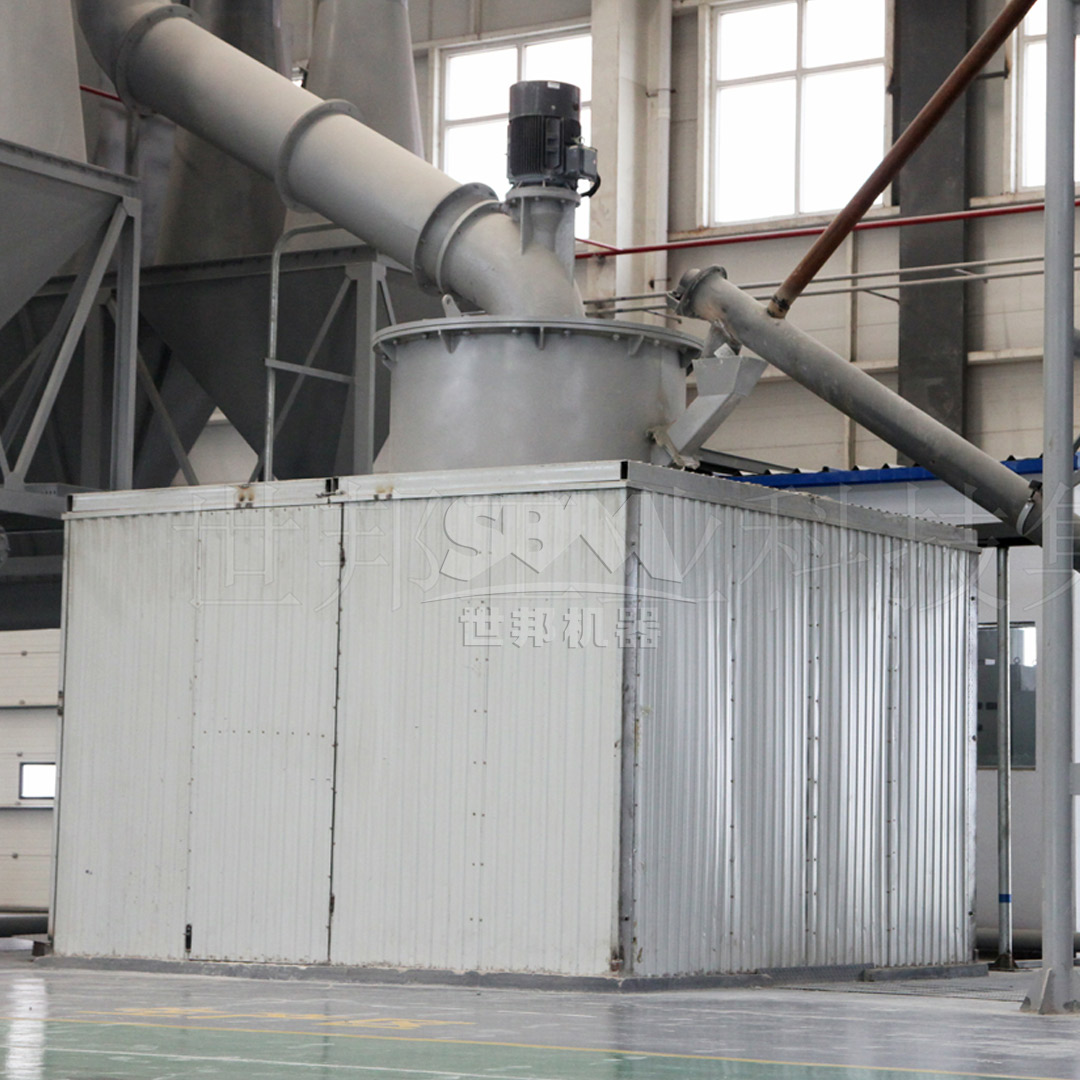
The SCM Series Ultrafine Mill is a state-of-the-art grinding mill designed for producing fine and ultrafine powders from various non-metallic minerals, including attapulgite. With a fineness range of 325-2500 mesh and capacity up to 25 t/h, it is ideal for producing high-quality attapulgite for drilling mud and other advanced applications.
The main motor drives three layers of grinding rings to rotate. Materials are dispersed into the grinding path by centrifugal force, crushed by roller pressure, and ground layer by layer. Finally, powder collection is completed by a cyclone collector and a pulse dust removal system.
| Model | Capacity (t/h) | Main Power (kW) | Feed Size (mm) | Fineness (mesh) |
|---|---|---|---|---|
| SCM800 | 0.5-4.5 | 75 | 0-20 | 325-2500 |
| SCM900 | 0.8-6.5 | 90 | 0-20 | 325-2500 |
| SCM1000 | 1.0-8.5 | 132 | 0-20 | 325-2500 |
| SCM1250 | 2.5-14 | 185 | 0-20 | 325-2500 |
| SCM1680 | 5.0-25 | 315 | 0-20 | 325-2500 |
For drilling mud applications requiring 200-325 mesh, the SCM mill can be easily adjusted to produce the optimal particle size while maintaining high capacity. Its energy efficiency and precise classification make it a superior choice for large-scale attapulgite processing.
The MTW Series European Trapezium Mill is another excellent option for attapulgite grinding, particularly for medium-fine grades. With a fineness range of 30-325 mesh and capacity up to 45 t/h, it combines robust construction with advanced technology to deliver reliable performance.
The main motor drives the grinding rollers to revolve around the central axis while self-rotating to generate centrifugal force. Shovels throw materials between the ring and rollers to form a material layer, achieving efficient crushing through extrusion. The classification system precisely controls the finished product size.
| Model | Capacity (t/h) | Main Power (kW) | Feed Size (mm) | Fineness (mesh) |
|---|---|---|---|---|
| MTW110 | 3-9 | 55 | <30 | 10-325 |
| MTW110Z | 3-10 | 55 | <30 | 10-325 |
| MTW138Z | 6-17 | 90 | <35 | 10-325 |
| MTW175G | 9.5-25 | 160 | <40 | 10-325 |
| MTW215G | 15-45 | 280 | <50 | 10-325 |
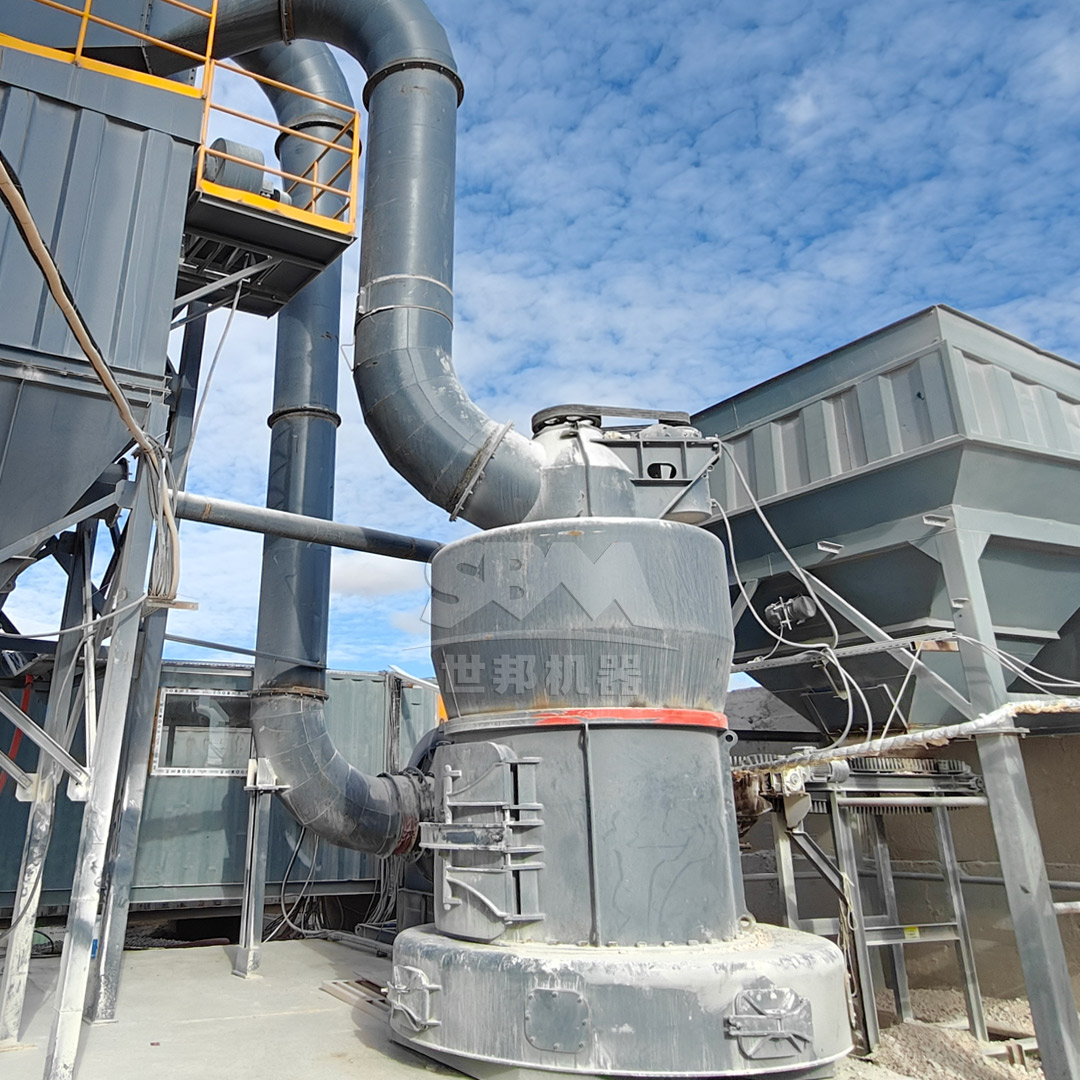
The MTW mill is particularly advantageous for operations that require a balance between fine grinding and high capacity. Its robust construction and efficient classification make it a dependable workhorse for attapulgite processing plants.
Both the SCM and MTW mills are excellent choices for attapulgite processing, but the final decision should be based on specific project requirements:
Selecting the right grinding mill for attapulgite processing is critical to producing high-quality drilling mud that meets API standards and performs reliably in the field. The SCM Series Ultrafine Mill and MTW Series European Trapezium Mill from our company represent the best-in-class solutions for this application. With their advanced engineering, energy efficiency, and precise classification, they ensure that your attapulgite product achieves the desired fineness, rheology, and suspension properties.
When choosing between them, consider your specific fineness and capacity requirements, as well as your budget and long-term operational goals. Our team of experts is ready to assist you in selecting the optimal mill configuration for your attapulgite processing plant. Contact us today to learn more about how our grinding equipment can enhance your drilling mud production.