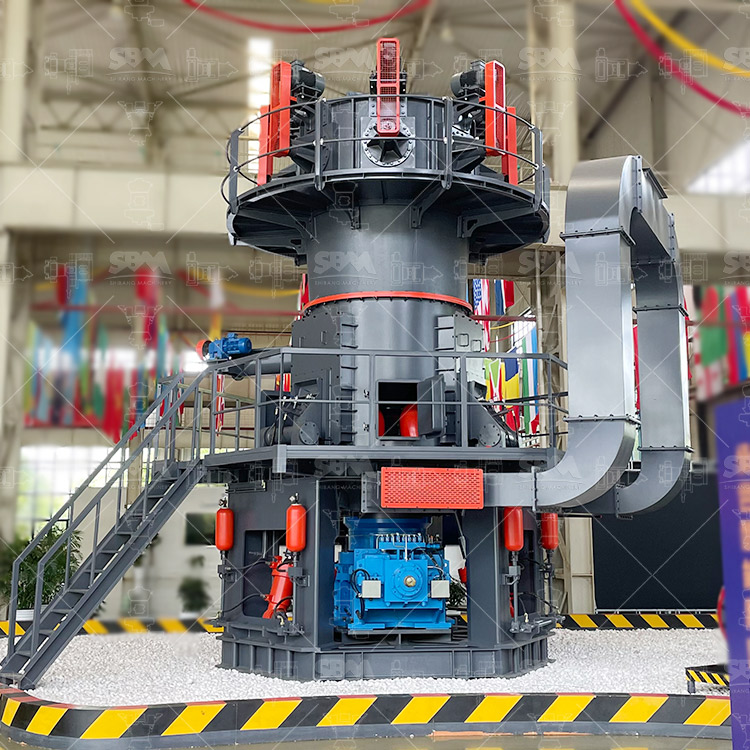
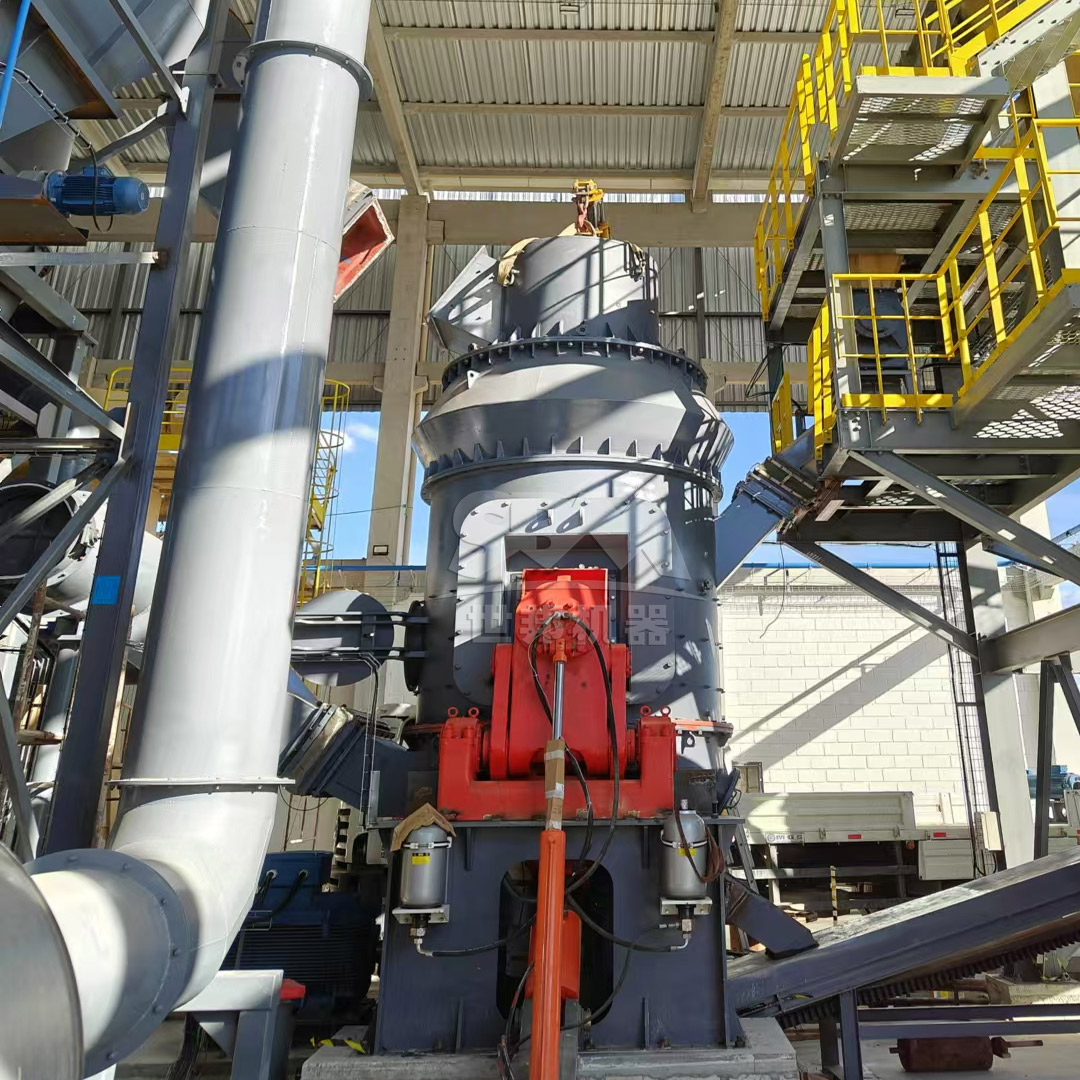
Bentonite, a naturally occurring clay primarily composed of montmorillonite, plays a crucial role as a thickening, gelling, and stabilizing agent in lubricating greases. Its unique layered structure and cation exchange capacity allow it to form stable colloidal gels in non-aqueous media, providing the necessary consistency and performance characteristics for high-temperature and high-load applications. The transformation of raw bentonite into a high-performance lubricant additive requires precise and sophisticated processing. This article delves into the critical production stages and the specialized equipment essential for manufacturing premium-grade bentonite additives for the lubricating oil industry.
The manufacturing process for bentonite lubricant additives is a multi-stage operation, each demanding specific technological solutions to ensure product purity, consistency, and performance.
Raw bentonite ore, typically mined in large lumps, must first be reduced in size. Primary crushers, such as Jaw Crushers or Hammer Mills, break down the ore to a manageable size (generally below 50mm). Following crushing, the material, which often has high natural moisture content, undergoes drying in rotary dryers to reduce moisture to optimal levels for subsequent grinding and activation. Efficient drying is critical to prevent clogging in fine grinding equipment and to ensure effective chemical activation.
| Processing Stage | Key Equipment | Target Output |
|---|---|---|
| Primary Size Reduction | Jaw Crusher, Hammer Mill | ≤ 50mm |
| Drying | Rotary Dryer | Moisture < 10-15% |
| Fine/Ultrafine Grinding | Raymond Mill, Vertical Roller Mill, Ultrafine Mill | 45μm – 5μm (325 – 2500 mesh) |
| Classification & Collection | Classifier, Cyclone, Pulse Dust Collector | Precise particle size cut, high yield |
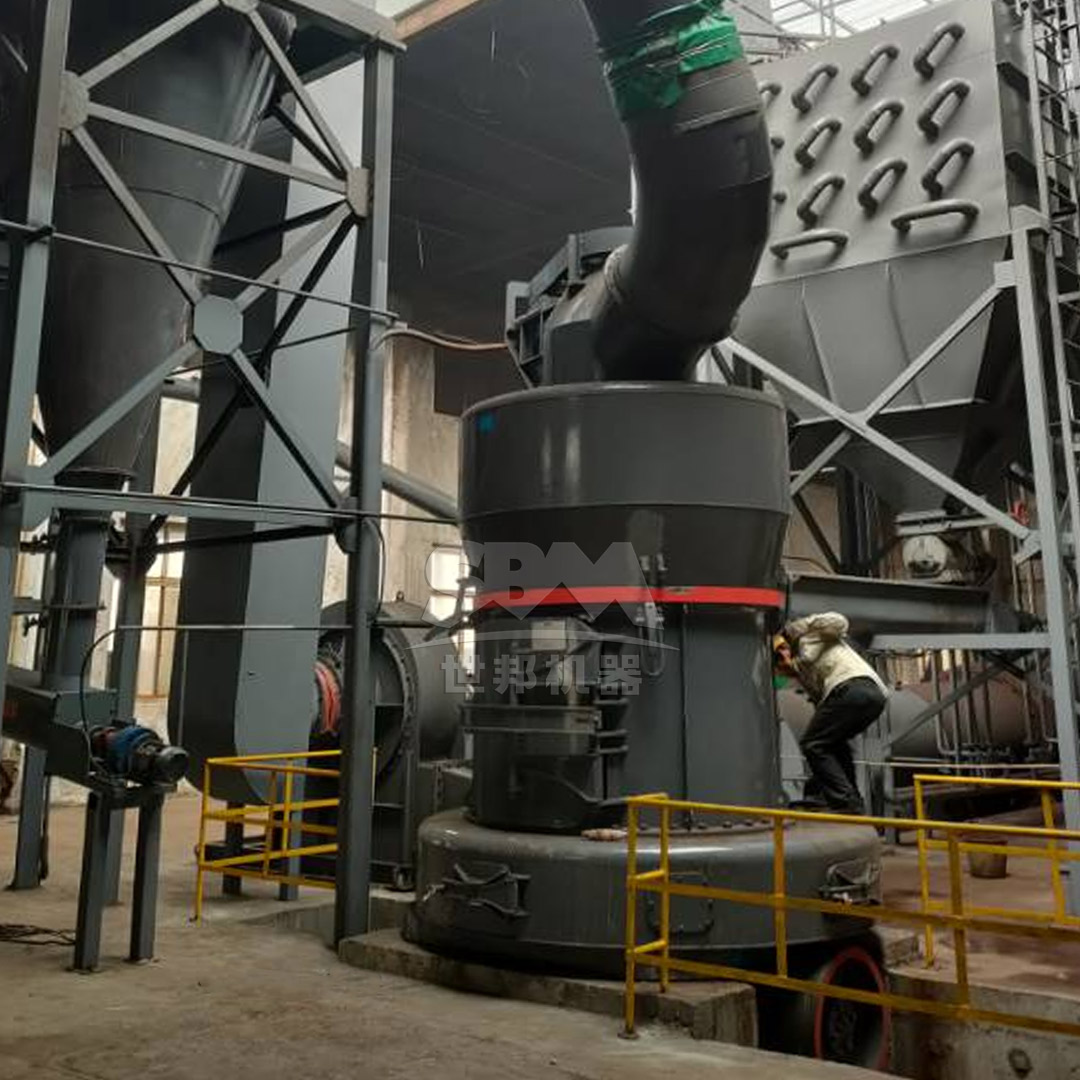
While some applications use natural bentonite, lubricant-grade additives typically require purified and organically modified (activated) bentonite. Purification may involve wet processing steps like dispersion, centrifugation, and sedimentation to remove non-clay impurities. The pivotal step is organophilization, where the natural inorganic cations (e.g., Na+, Ca2+) in the bentonite interlayer are exchanged with long-chain alkyl ammonium cations. This chemical modification renders the clay surface organophilic, enabling it to disperse and swell in organic lubricant bases. This process requires precise reaction vessels and mixing systems.
The efficacy of bentonite as a thickener is profoundly influenced by its particle size and distribution. Finer particles offer a larger surface area, leading to more efficient gel formation and improved grease texture. Therefore, fine and ultrafine grinding is the most equipment-intensive and critical stage. The goal is to achieve a consistent powder in the range of 30 mesh (600μm) down to 2500 mesh (5μm), depending on the grease specification.
Selecting the right grinding system is paramount for achieving target fineness, maintaining high throughput, and controlling operational costs. Different mill types serve different stages of the size reduction spectrum.
This stage prepares material for final ultrafine grinding or serves as the final step for standard-grade products. Robust, high-capacity mills are essential.
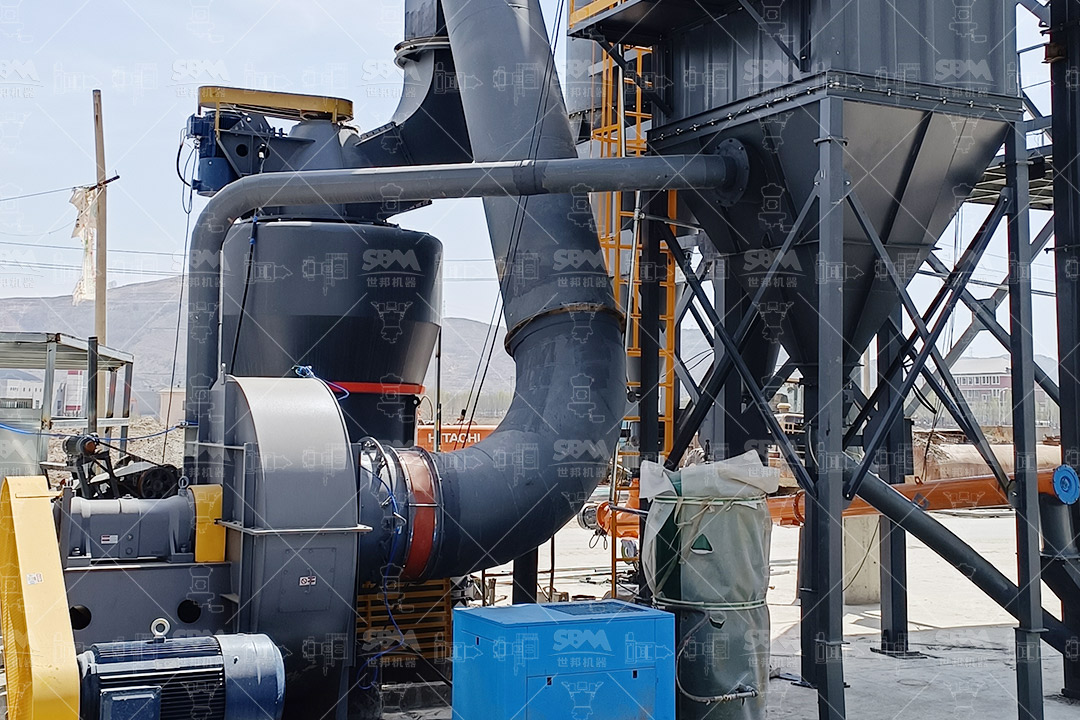
Recommended Equipment: MTW Series European Trapezium Mill
For consistent production of bentonite powder in the 30-325 mesh range, the MTW Series European Trapezium Mill is an industry-preferred solution. Its advantages are particularly relevant for bentonite processing:
Producing high-performance, translucent gel greases often requires bentonite ground to ultrafine levels. This demands mills with superior classification accuracy and energy efficiency.
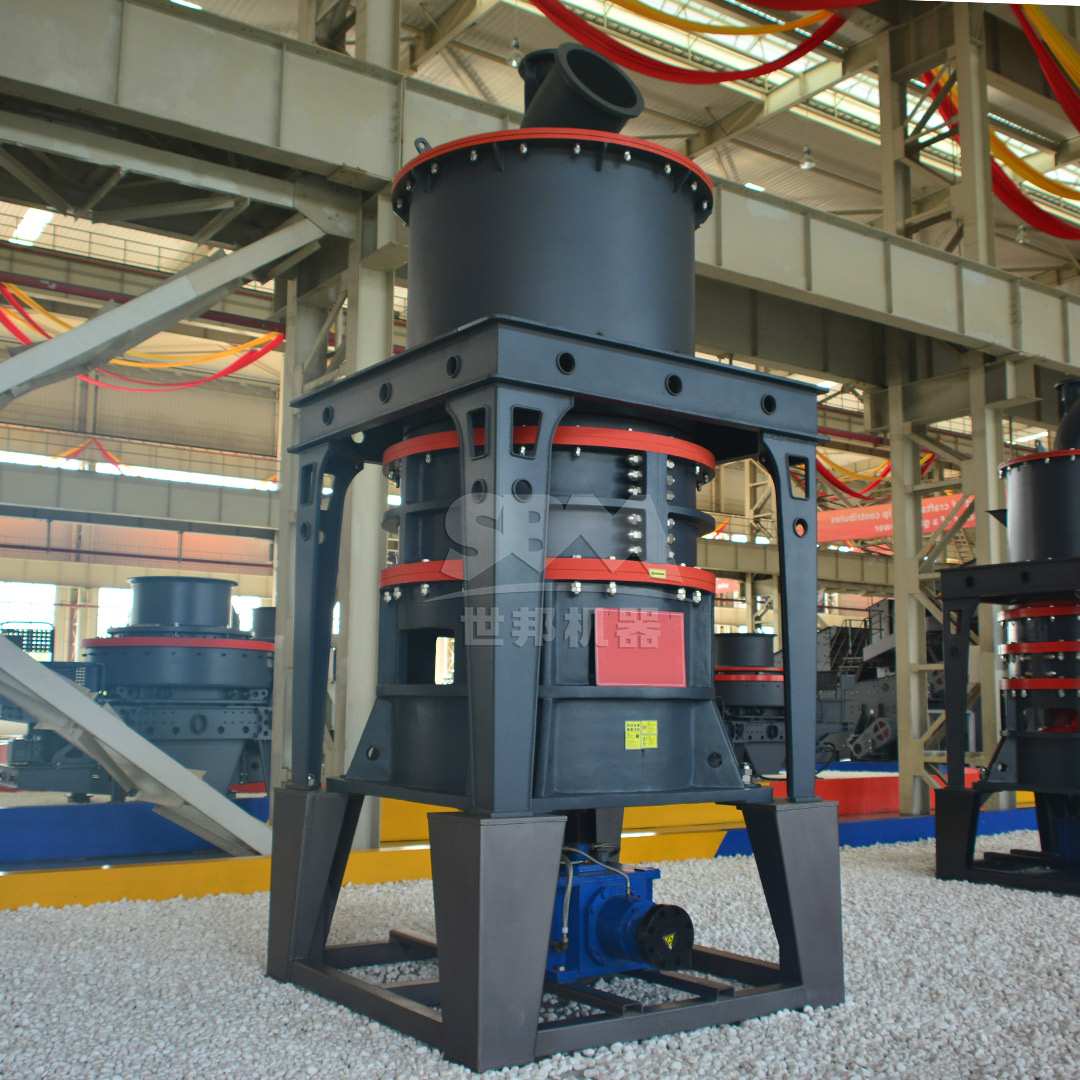
Recommended Equipment: SCM Series Ultrafine Mill
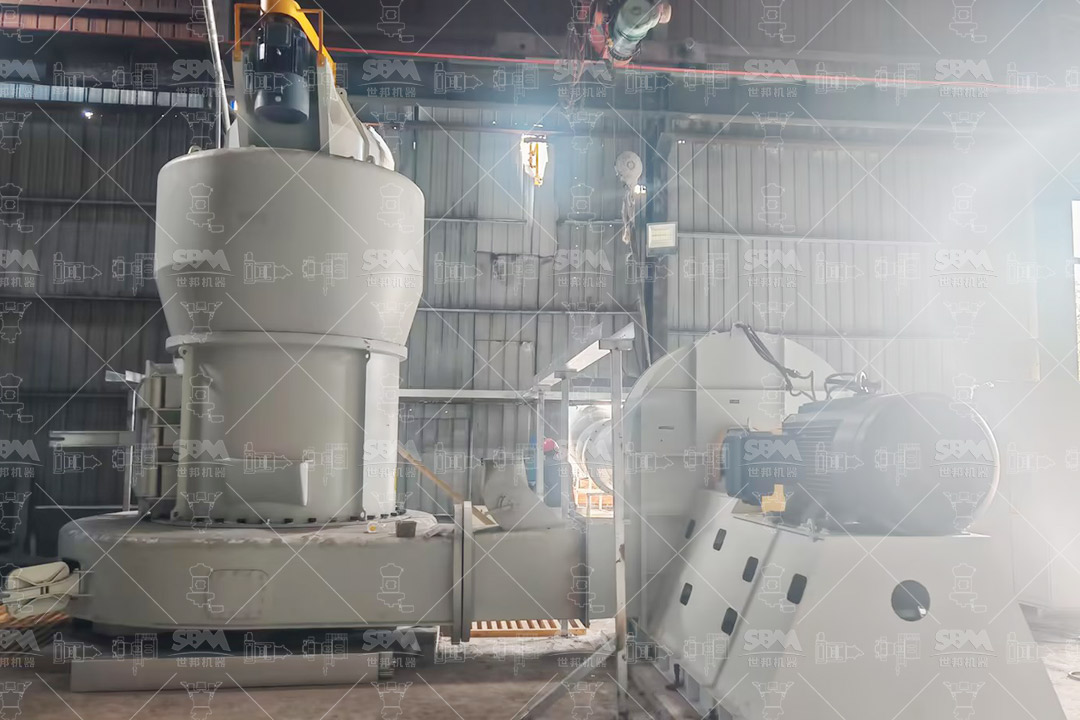
To achieve the premium fineness of 325-2500 mesh required for advanced lubricant formulations, the SCM Series Ultrafine Mill stands out. It is specifically designed for the challenges of ultrafine powder production:
| Mill Type | Target Fineness | Key Advantage for Bentonite | Typical Model Capacity |
|---|---|---|---|
| MTW Series | 30-325 mesh | High capacity, low wear, cost-effective for standard grades | MTW215G: 15-45 t/h |
| SCM Series | 325-2500 mesh | Ultrafine precision, superior product uniformity, energy saving | SCM1680: 5-25 t/h |
| Ball Mill | 0.074-0.8mm | High reliability, suitable for wet or dry processing | GMQG2445: 5.5-10.5 t/h |
A successful bentonite processing line relies on more than just the main mill.
Consistent and controlled feed of raw material into the mill is vital for stable operation and product consistency. Vibrating Feeders or Screw Feeders, often with variable speed drives, are used to ensure a steady flow rate matched to the mill’s capacity.
After grinding, the air-powder mixture must be efficiently separated. High-Efficiency Cyclones perform primary collection, while Pulse Jet Baghouse Dust Collectors capture the finest particles, achieving collection efficiencies over 99.9%. This not only maximizes yield but is also a non-negotiable requirement for environmental compliance and worker safety.
The final ultrafine bentonite powder is typically packaged in moisture-proof bags or bulk containers. Automated packaging lines with precision weighing systems ensure consistency. Furthermore, modern grinding plants incorporate Programmable Logic Controller (PLC) systems for centralized control, monitoring key parameters like temperature, pressure, and motor load, enabling unmanned operation and rapid response to anomalies.
The production of high-quality bentonite additives for lubricating oils is a sophisticated engineering endeavor. It moves beyond simple crushing to encompass precise drying, chemical modification, and most critically, controlled fine and ultrafine grinding. The choice of grinding equipment—such as the high-capacity MTW Series Mill for standard grades and the precision SCM Series Ultrafine Mill for premium applications—directly determines the product’s performance characteristics, production efficiency, and overall cost-effectiveness. Coupled with robust auxiliary systems for classification, dust collection, and automation, a well-designed bentonite processing line is a cornerstone for manufacturers aiming to meet the stringent demands of the global lubricants industry. Investing in advanced, reliable production technology is not an option but a necessity for achieving consistency, quality, and competitiveness in this specialized market.