Attapulgite, also known as palygorskite, is a unique magnesium aluminum phyllosilicate mineral widely used in the construction industry. Its high sorptivity, colloidal properties, and thermal stability make it a crucial additive in building materials such as drilling muds, paints, adhesives, and sealants. Producing high-quality attapulgite powder requires specialized equipment capable of precise grinding, classification, and dust control. This article explores the key machines and process optimization strategies for manufacturing building material grade attapulgite powder.
The journey from raw ore to fine powder begins with size reduction. Attapulgite ore, often containing moisture and impurities, must first be crushed to a manageable size for grinding. Hammer mills and jaw crushers are typically employed in this stage. Our company’s Hammer Mill (0-3mm) is an ideal solution for primary crushing, offering high capacity and wear-resistant manganese steel liners that ensure long service life even with abrasive attapulgite ore. The hammer mill reduces feed material from 0-40mm down to 0-3mm, preparing it for subsequent fine grinding stages with minimal downtime.
| Model | Capacity (t/h) | Power (kW) | Rotor Diameter (mm) |
|---|---|---|---|
| PC4008-75 | 8-15 | 75 | 750×800 |
| PC4015-132 | 40-70 | 132 | 1150×1500 |
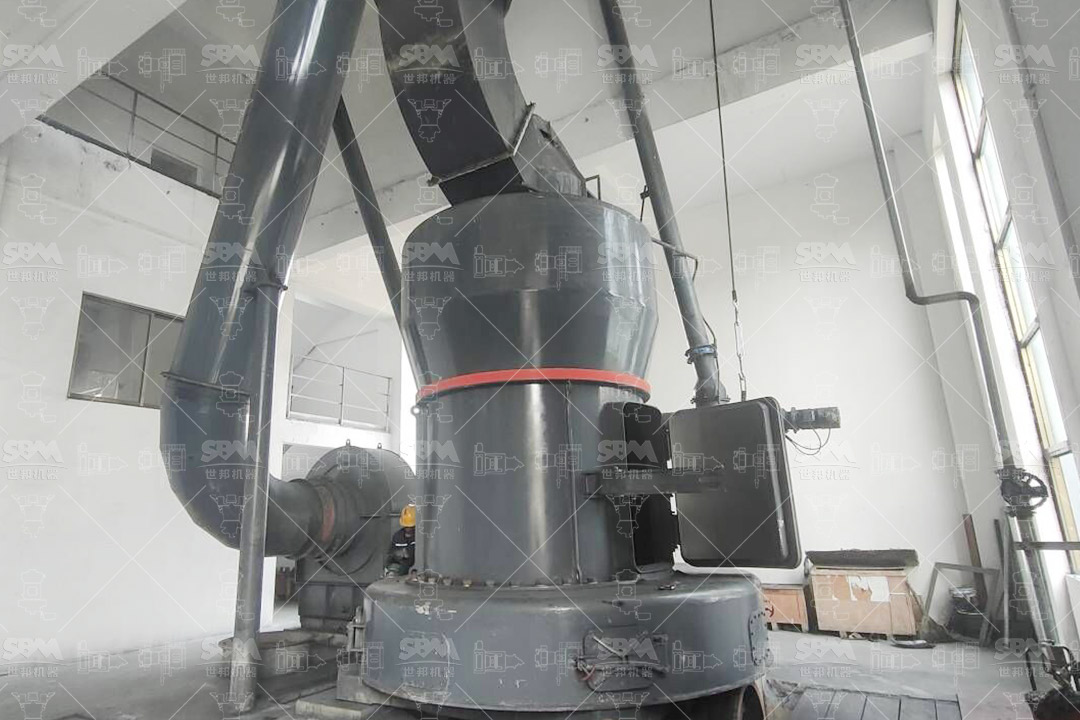
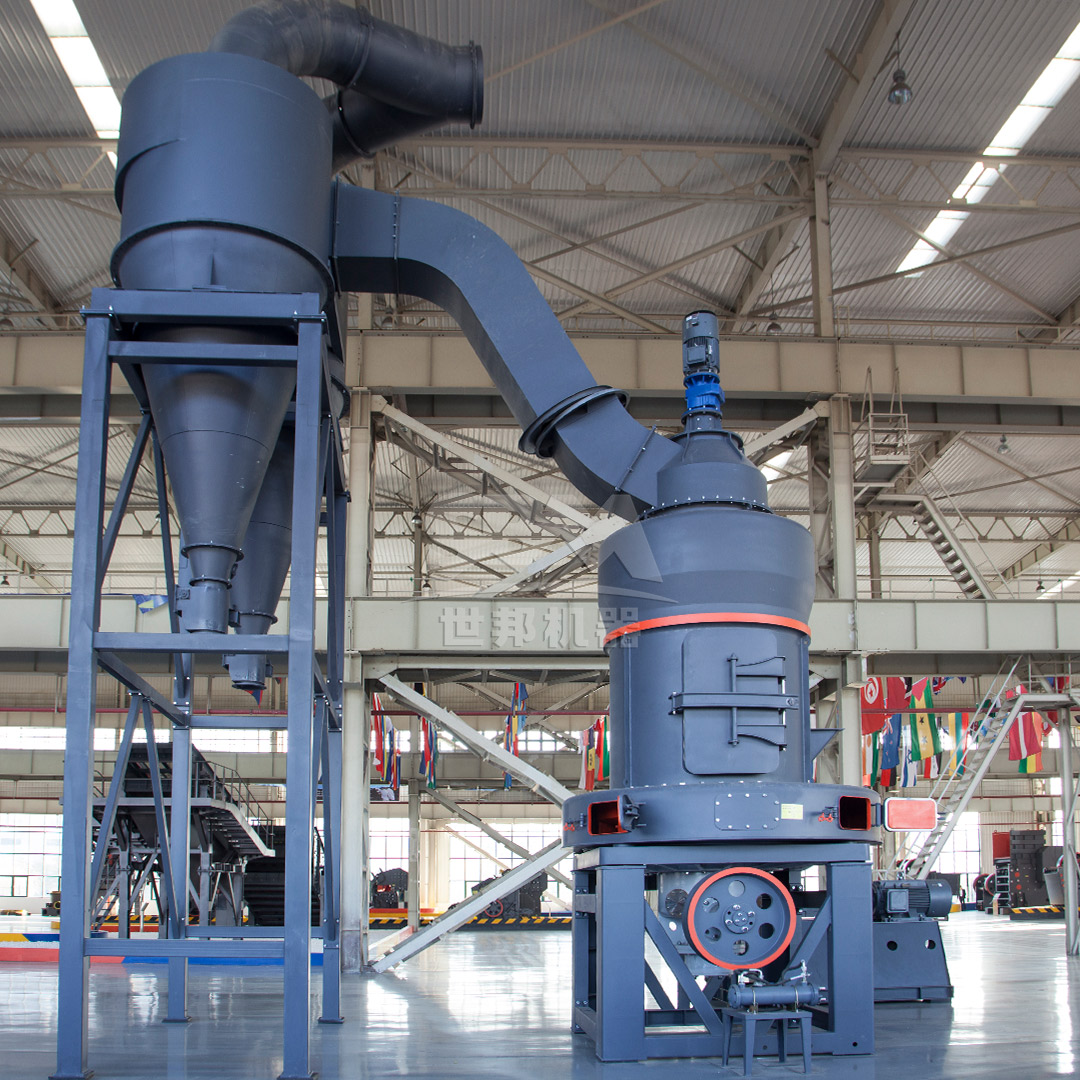
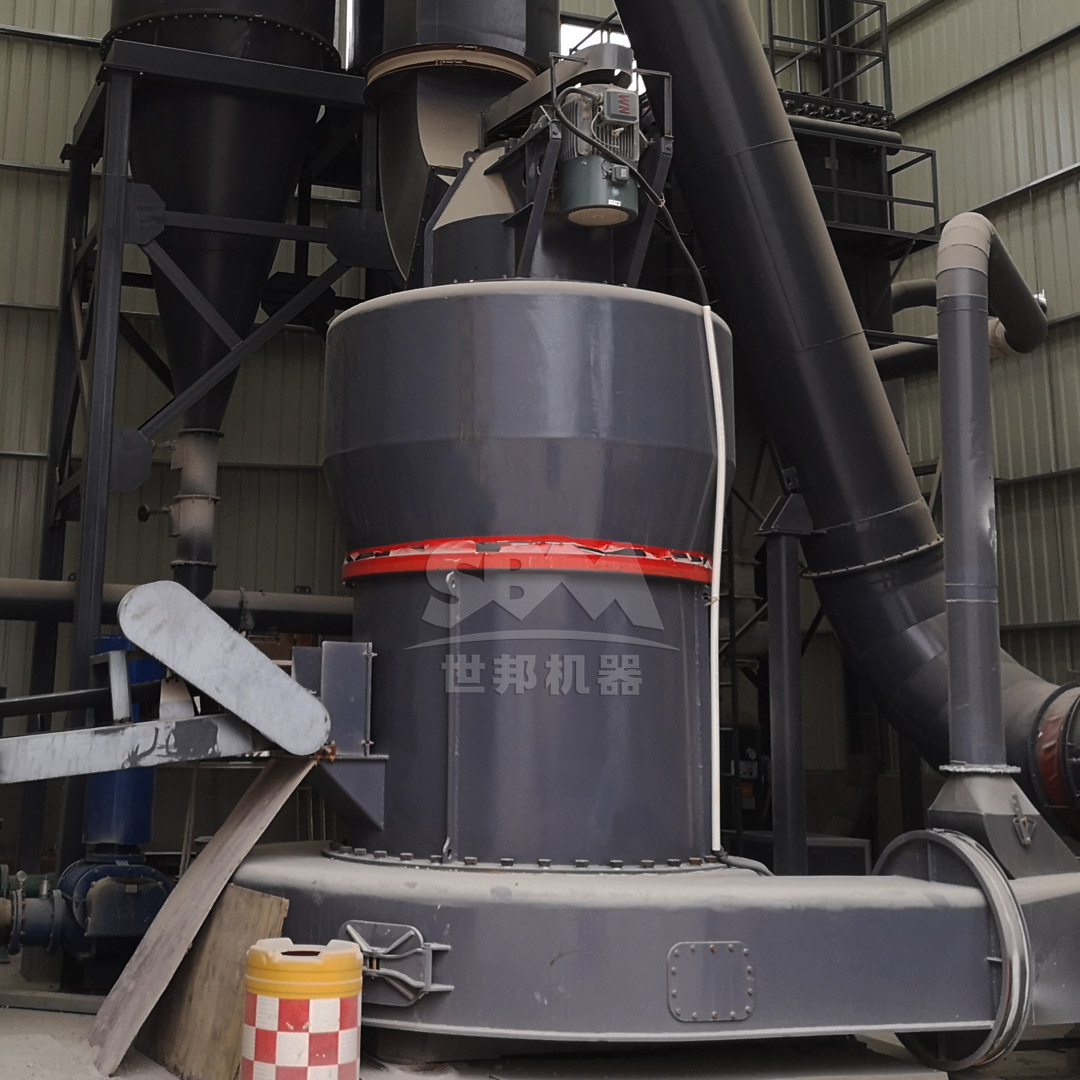
Achieving the required fineness for building material grade attapulgite powder—typically 325 to 2500 mesh (45-5 μm)—demands high-efficiency grinding mills. Two distinct technologies stand out for this application: the pendulum roller mill for coarse to medium fineness and the ultrafine vertical roller mill for super-fine powders. For attapulgite processed in the 325-600 mesh range for paint and coating applications, our MTW Series European Trapezium Mill (600-45μm) delivers exceptional performance. With an integral bevel gear drive achieving 98% transmission efficiency and optimized arc air ducts that reduce energy loss, the MTW mill ensures consistent product quality while reducing operating costs by up to 30% compared to traditional mills.
| Parameter | MTW Mill | LUM Vertical Roller Mill |
|---|---|---|
| Output Fineness | 30-325 mesh | 325-2500 mesh |
| Feed Size | ≤50mm | ≤20mm |
| Capacity Range | 3-45 t/h | 1.6-15 t/h |
| Key Advantage | High transmission efficiency | Precise multi-rotor classification |
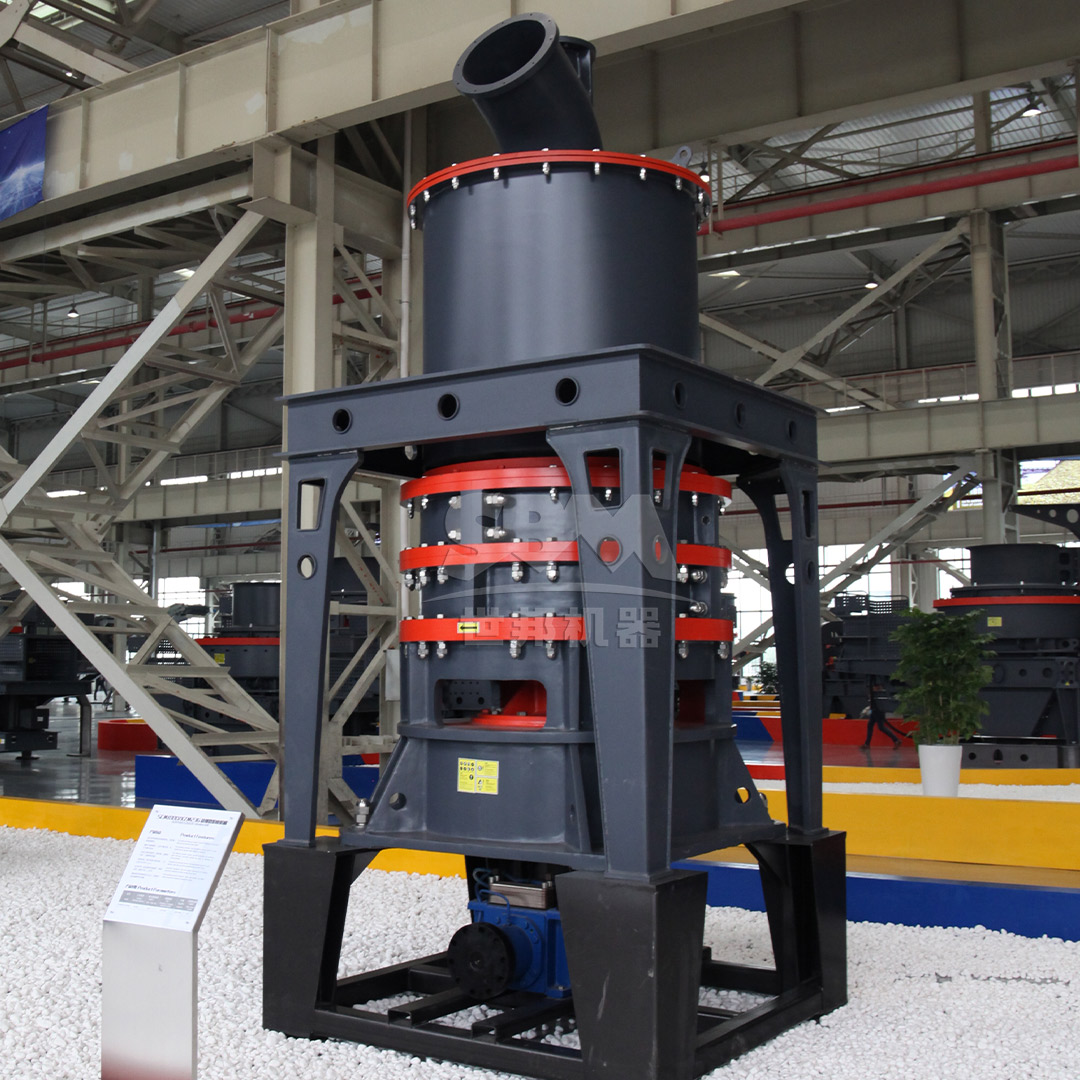
For advanced applications such as high-performance adhesives and specialty sealants, attapulgite powder must reach ultrafine particle sizes (below 10 μm). In such cases, the SCM Series Ultrafine Mill (45-5μm) becomes indispensable. This mill employs a unique three-layer grinding ring structure and vertical turbine classifier to achieve precise particle size cutting without coarse powder contamination. With capacity up to 25 t/h and energy consumption 30% lower than jet mills, the SCM series offers a compelling combination of productivity and sustainability. The intelligent control system with automatic finished product granularity feedback ensures consistent quality even when processing variable feed materials.
| Model | Capacity (t/h) | Main Power (kW) | Fineness Range (mesh) |
|---|---|---|---|
| SCM800 | 0.5-4.5 | 75 | 325-2500 |
| SCM1680 | 5.0-25 | 315 | 325-2500 |
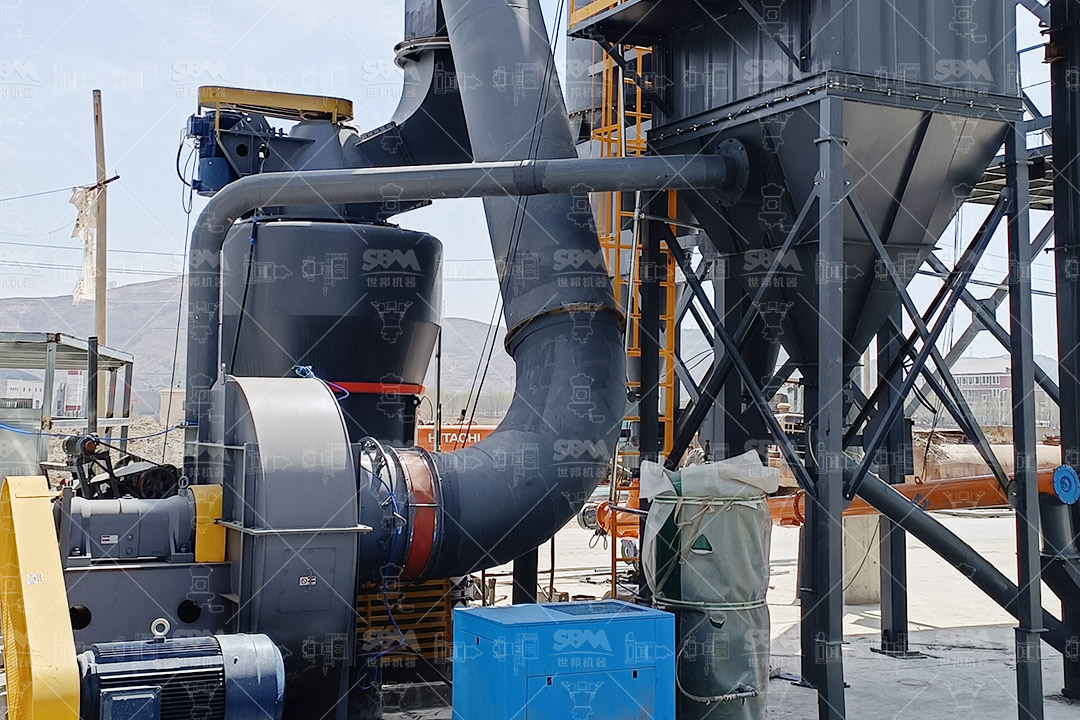
Attapulgite’s natural moisture content (often 20-40%) poses a challenge for dry grinding. Integrating a hot air circulation system with the mill, as featured in the LM Series Vertical Roller Mill, allows simultaneous drying and grinding. This reduces the need for separate dryers, cutting capital costs by up to 40% and reducing the plant footprint by 50%. Furthermore, dynamic classifiers with multi-stage adjustment technology enable precise control over product fineness, ensuring that coarse particles are returned for re-grinding while only qualified fines enter the collection system.
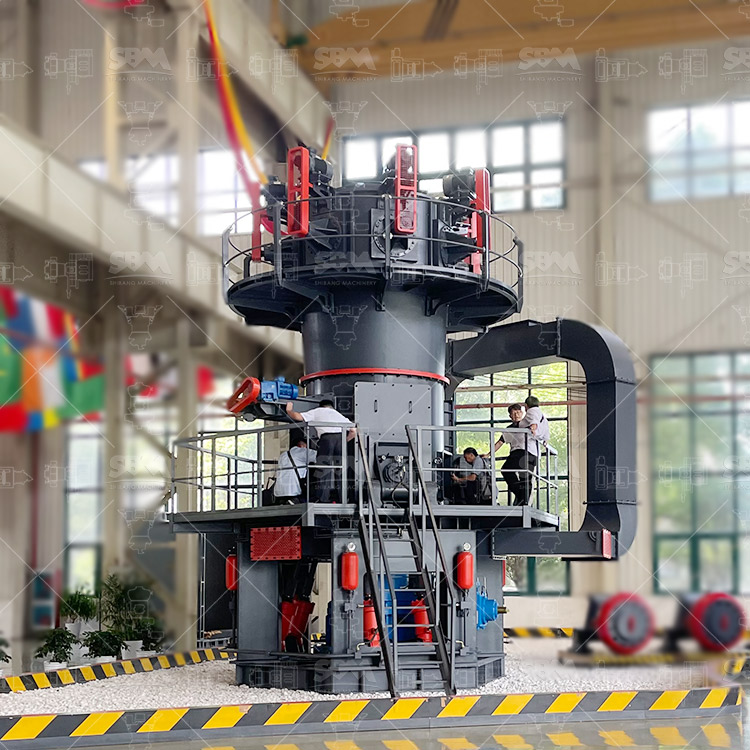
In modern attapulgite processing plants, environmental responsibility is non-negotiable. Our equipment incorporates multiple dust control mechanisms: fully sealed negative pressure systems in the LM and LUM mills, and pulse dust collectors with filtration efficiency exceeding international standards. The soundproof room design in the SCM mill ensures noise levels remain below 85 dB(A), creating a safer, more comfortable working environment. These features not only help meet strict emission regulations but also improve product recovery rates—reducing waste and increasing profitability.
Producing building material grade attapulgite powder requires a harmonized system of crushing, grinding, classification, and dust collection. From the robust Hammer Mill for initial size reduction to the high-precision SCM Ultrafine Mill for nanometer-scale particles, our portfolio offers tailored solutions for every production scale. By integrating intelligent controls and eco-friendly designs, our machines deliver higher capacity, lower energy consumption, and superior product quality. To optimize your attapulgite powder production line, assess your target fineness, capacity needs, and moisture content, then select the mill—whether it’s the MTW for medium grind or the SCM for ultrafine applications—that aligns best with your operational goals. With the right equipment and process optimization, you can achieve consistent, high-quality output that meets the demanding standards of the building materials industry.