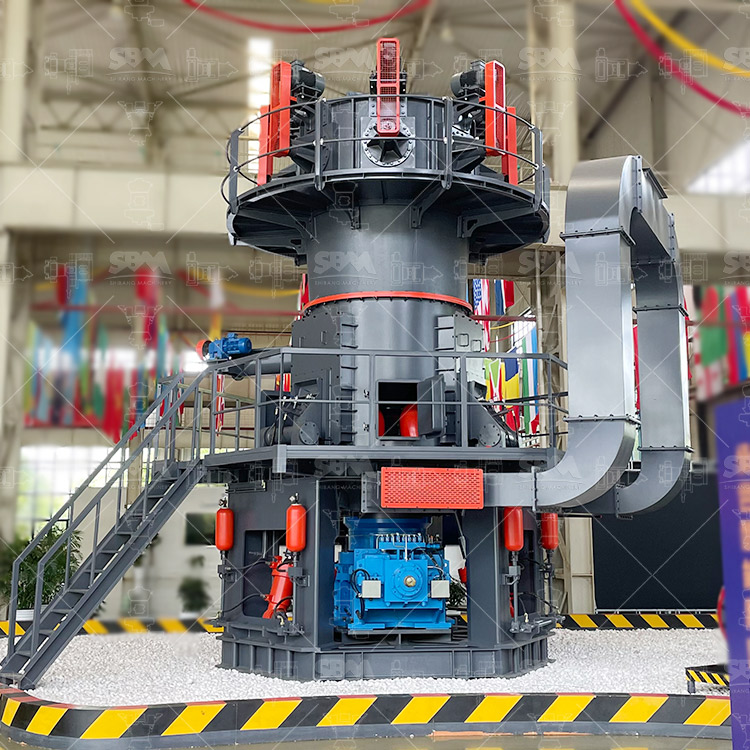
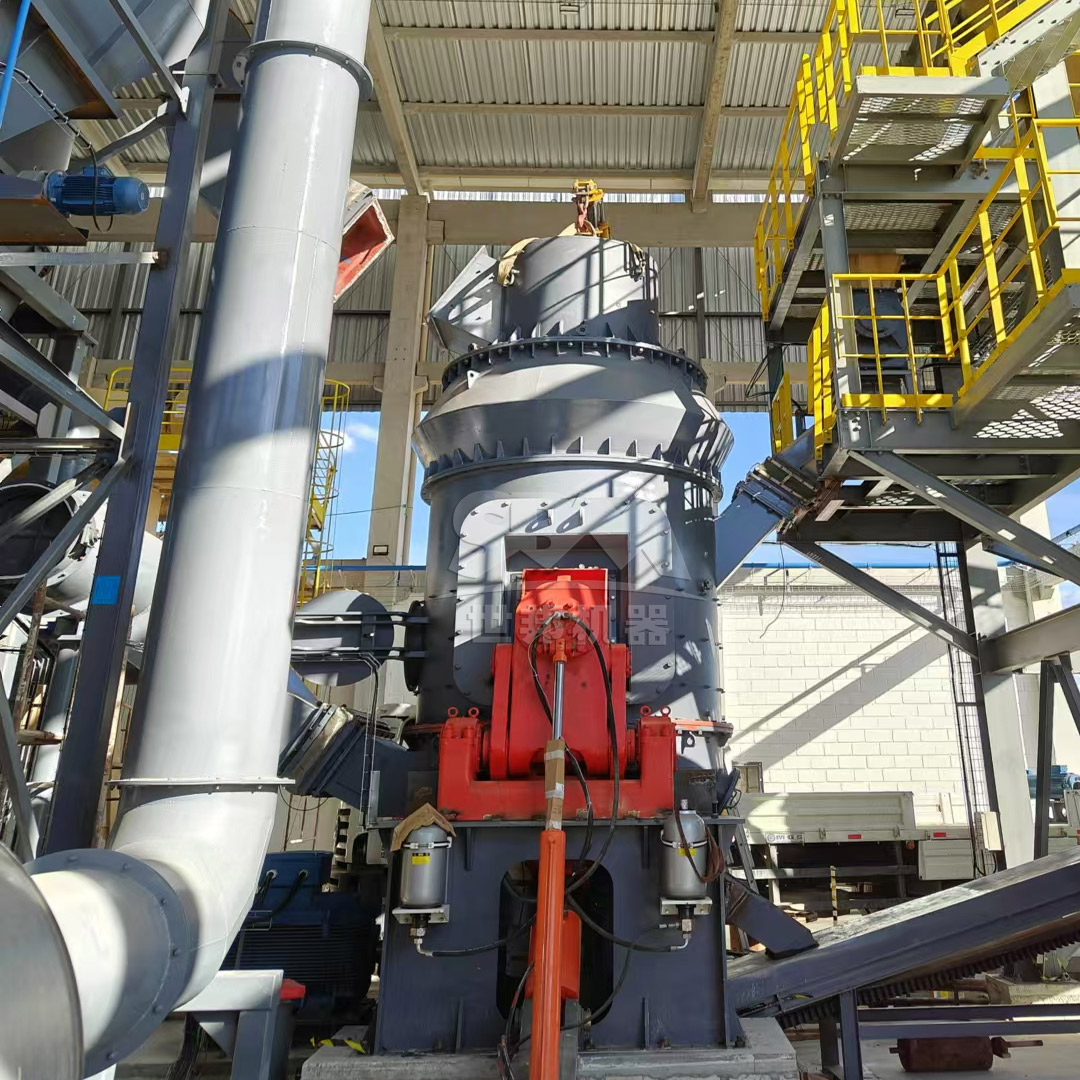
The production of high-quality talc powder for the building materials industry is a sophisticated process that demands precision, efficiency, and strict control over particle size distribution and purity. Talc, valued for its platy structure, softness, and chemical inertness, is a key functional filler in products like plastics, paints, sealants, and roofing materials. Achieving the required fineness (typically ranging from 45μm to ultra-fine grades below 5μm) while maintaining throughput and operational economy hinges on a well-designed production line and the selection of appropriate grinding and classifying equipment. This article outlines a standard production flow and delves into the critical machinery, with a focus on recommending optimal solutions for different processing stages.
A complete building material grade talc powder production line typically consists of the following stages:
| Stage | Key Equipment | Primary Function |
|---|---|---|
| 1. Pre-Crushing | Jaw Crusher, Hammer Mill | Size reduction to <50mm |
| 2. Grinding | Raymond Mill, Vertical Roller Mill, Ultrafine Mill | Main size reduction to target fineness |
| 3. Classification | Integrated or Independent Air Classifier | Particle size separation & control |
| 4. Dedusting | Pulse Jet Bag Filter, Cyclone Collector | Product collection & environmental protection |
| 5. Conveying & Storage | Bucket Elevator, Screw Conveyor, Silos | Material handling and buffer storage |
For initial size reduction, a Hammer Mill is often an excellent choice due to its high reduction ratio, simplicity, and ability to handle moderately abrasive materials like talc. It efficiently breaks down large lumps to a size suitable for feed into fine grinding mills.
This is the heart of the production line. The choice depends heavily on the target fineness and required capacity.
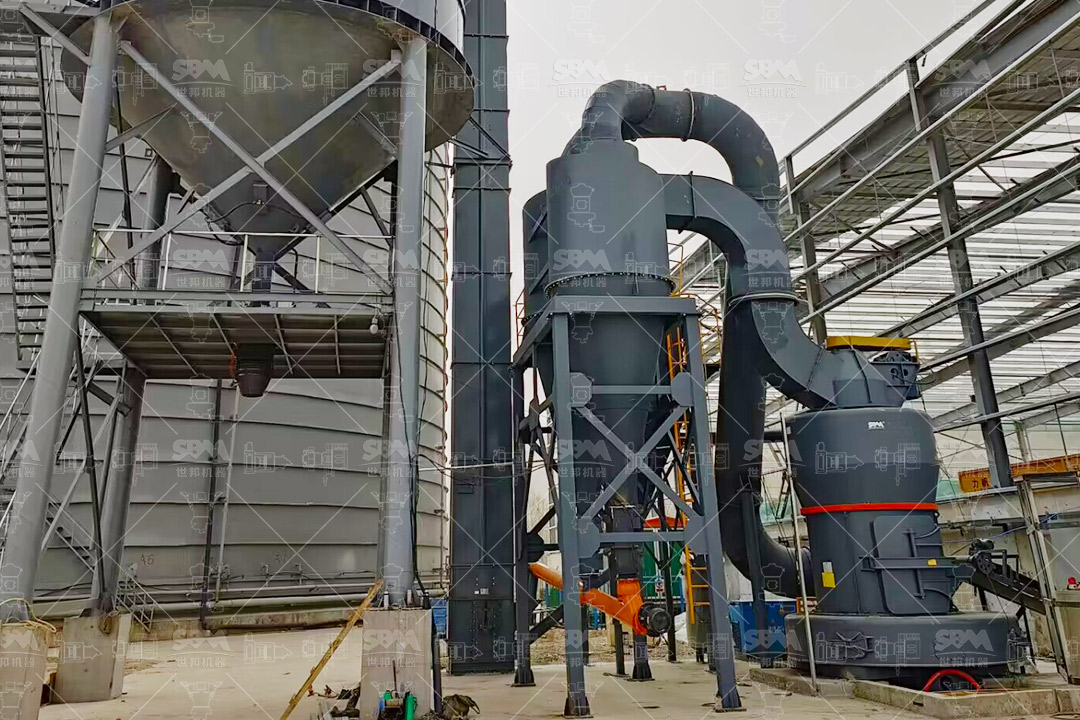
For producing talc powder in the range of 30 to 325 mesh, the MTW Series European Trapezium Mill stands out as a premier choice. This mill represents an advanced generation of grinding technology, offering significant advantages for building material grade production. Its anti-wear shovel design and combined shovel blades drastically reduce maintenance frequency and cost, a critical factor for continuous industrial operation. The optimized arc air duct and integral bevel gear drive (with 98% transmission efficiency) contribute to remarkable energy savings. Furthermore, its wear-resistant volute structure and high-precision classifier ensure consistent product quality with uniform particle size distribution, which is vital for performance in polymers and coatings.
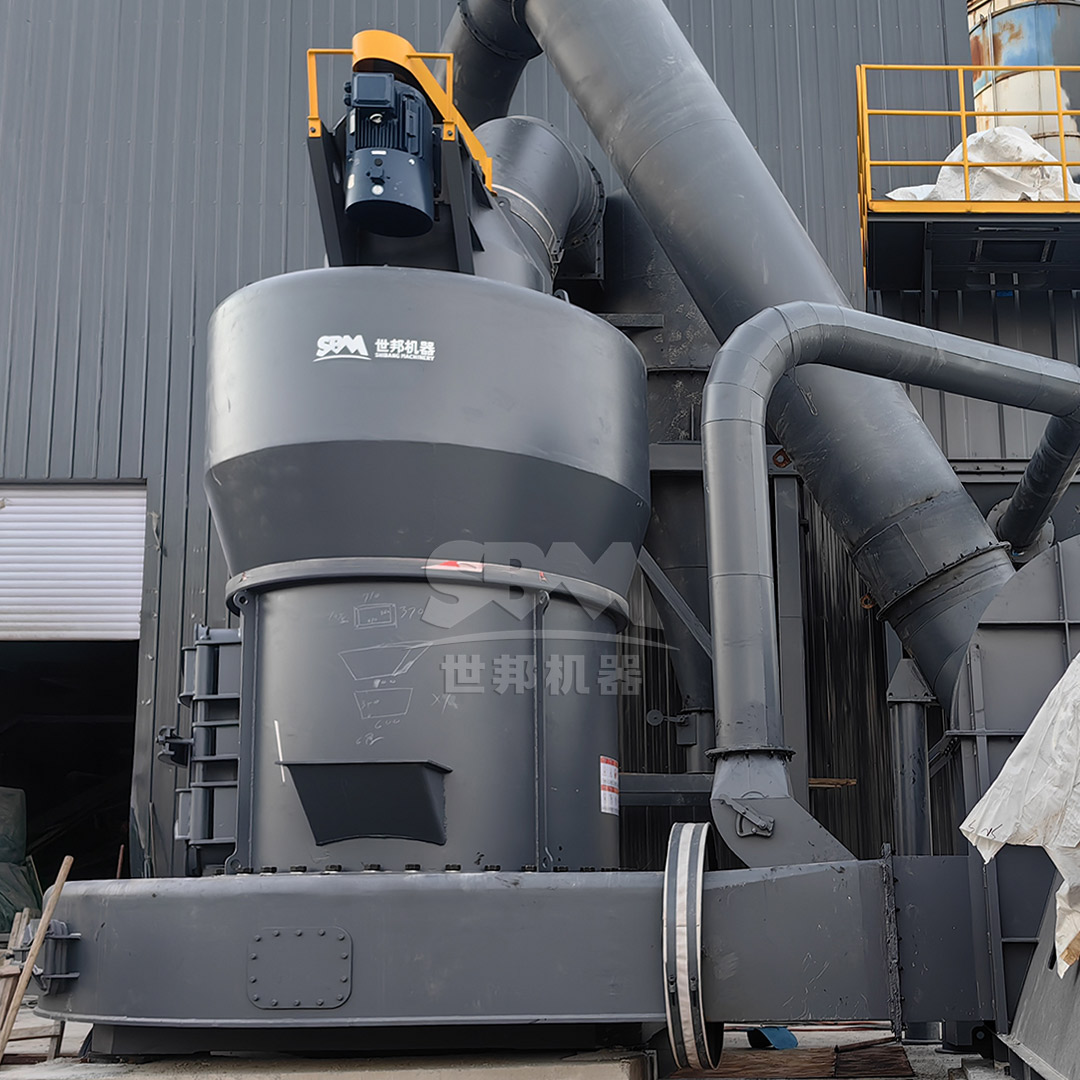
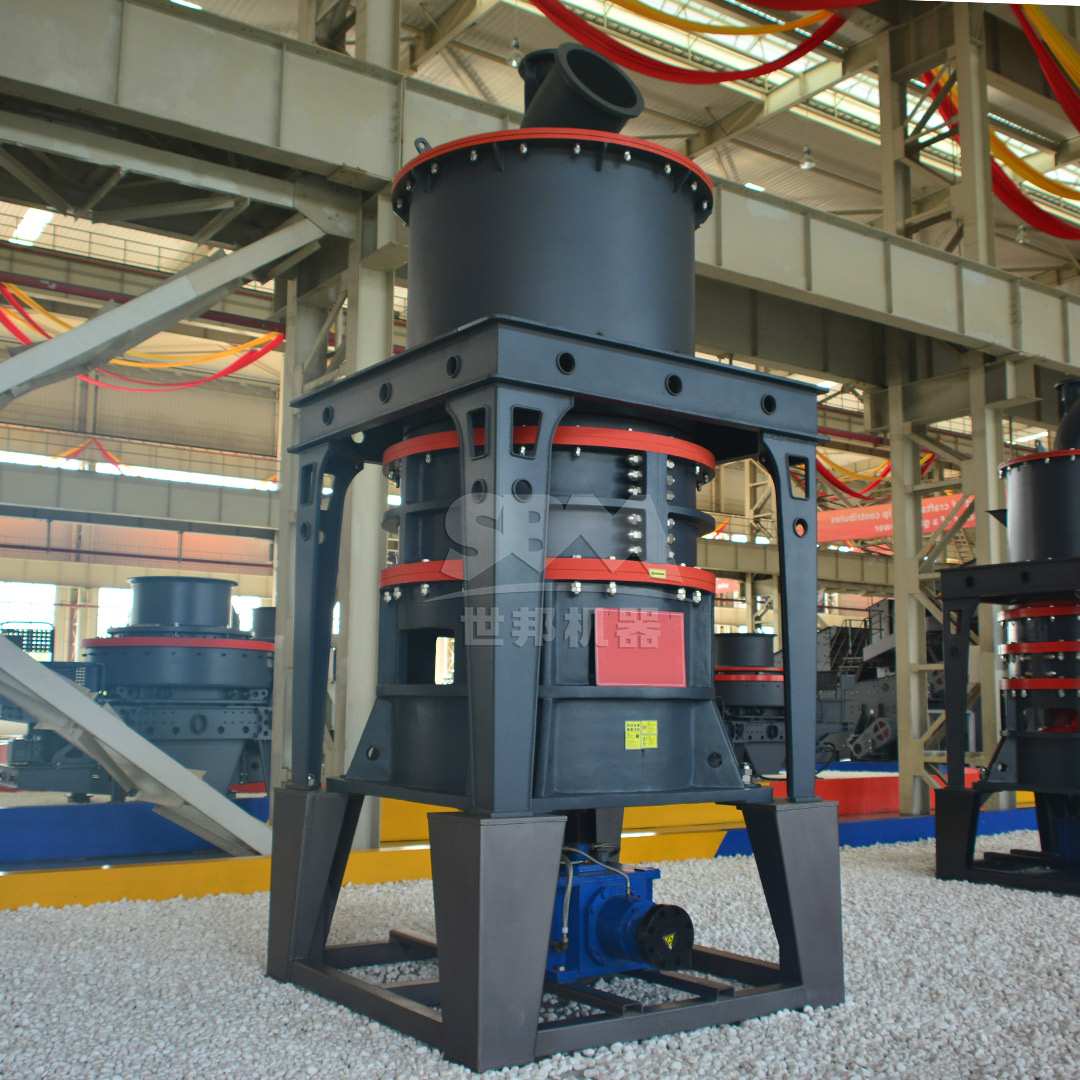
When the application demands ultra-fine talc powder with high whiteness and purity, such as in high-performance plastics or specialty coatings, an SCM Series Ultrafine Mill is the indispensable solution. This mill is engineered specifically for producing micron and sub-micron sized powders. Its core strength lies in the high-precision vertical turbine classifier, which enables sharp particle size cuts and eliminates coarse powder contamination, guaranteeing a uniform and high-quality end product. The mill operates on a layered grinding principle with durable, specially material rollers and rings, extending service life. Notably, its energy efficiency is outstanding, offering capacity twice that of traditional jet mills while consuming 30% less energy. The fully enclosed system with efficient pulse dust collection also makes it an environmentally sound investment, meeting stringent international emission standards.
| Equipment | Target Fineness | Key Advantage for Talc | Typical Model (Example) |
|---|---|---|---|
| MTW European Mill | 30-325 mesh | High Efficiency, Low Wear, Stable Quality | MTW175G (9.5-25 t/h) |
| SCM Ultrafine Mill | 325-2500 mesh | Ultra-fine Grinding, Precise Classification, Energy Saving | SCM1250 (2.5-14 t/h) |
A high-efficiency pulse jet bag filter is non-negotiable in a modern talc plant. It ensures a clean working environment, recovers valuable product, and complies with environmental regulations. Modern systems feature automatic cleaning and monitoring.
Designing an efficient building material grade talc powder production line requires a holistic understanding of process stages and meticulous equipment selection. For coarse to medium grinding applications where reliability, low operating cost, and consistent quality are paramount, the MTW Series European Trapezium Mill is a highly recommended workhorse. For producers targeting the high-value, ultra-fine talc market, investing in the SCM Series Ultrafine Mill with its superior classifying technology and energy efficiency is the definitive path to achieving a competitive product. Integrating these core mills with robust crushing, conveying, and dedusting systems will result in a production line that is not only productive and profitable but also sustainable and environmentally responsible.