Titanium powder is a critical raw material for a wide range of industries, from aerospace and medical implants to advanced chemical processing and, notably, the building materials sector. Building material grade titanium powder is increasingly used in high-performance coatings, anti-corrosion paints, lightweight structural composites, and specialized concretes that require exceptional durability and chemical resistance. The production of high-purity titanium powder, however, presents several unique challenges. The process demands precise control over particle size distribution, strict avoidance of contamination, and energy-efficient operations to keep costs viable for construction applications. Selecting the right milling equipment is paramount to achieving these goals. This article explores the essential machines for high-purity titanium powder production, focusing on technologies that deliver consistent fineness, high throughput, and low operational costs.
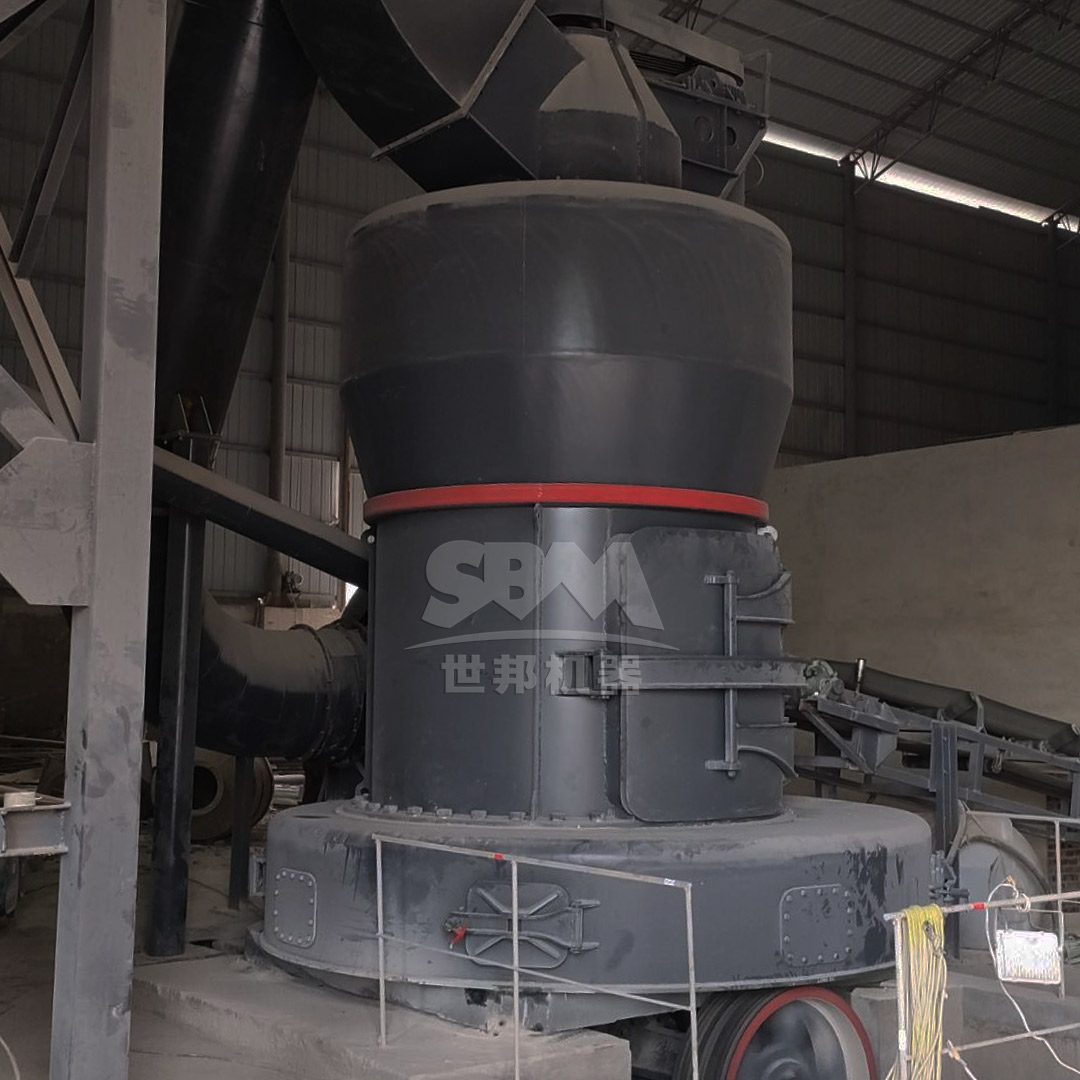
For building material applications, titanium powder often needs to be processed to a very fine particle size, typically in the micrometer range. This is where ultrafine grinding technology becomes indispensable. The ability to achieve a uniform particle size distribution, such as 325 to 2500 mesh (approximately 45 to 5 microns), is vital for ensuring consistent performance in paints, coatings, and composite materials. Contamination from grinding media must also be minimized, as it can compromise the purity and corrosion resistance of the final product. To meet these stringent requirements, manufacturers rely on advanced mill designs that offer high efficiency and precise classification.
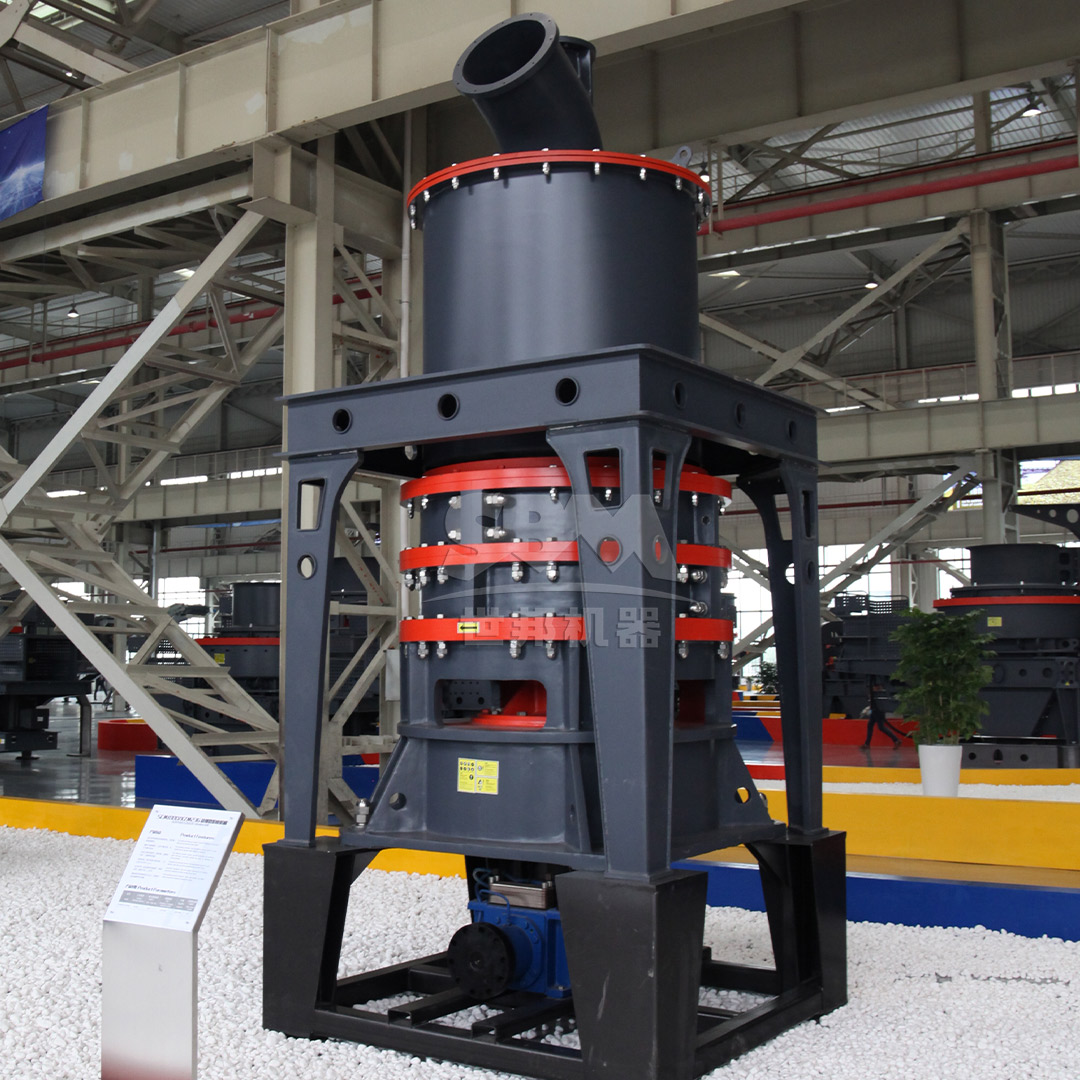
Among the most effective solutions for this stage of production is the SCM Series Ultrafine Mill. Specifically designed for fine and ultrafine powder processing, this mill is engineered to deliver a finished product fineness ranging from 325-2500 mesh (45-5μm). Its core advantage lies in its high efficiency and energy-saving design. Compared to traditional jet mills, the SCM Series can achieve double the capacity while consuming 30% less energy. This is a significant economic benefit for large-scale building material manufacturers. The machine features an intelligent control system that automatically adjusts parameters based on real-time feedback on finished product granularity, ensuring consistent quality.
The SCM Series employs a vertical turbine classifier that achieves precise particle size cutting, effectively eliminating the risk of coarse powder mixing. This ensures a uniform finished product, which is critical for high-purity titanium powder applications. Furthermore, its durable design, featuring special material rollers and rings and a shaftless screw grinding chamber, guarantees stable operation and extends service life several times over, reducing downtime and maintenance costs. For producers requiring micron-level precision with high throughput, the SCM Series represents the industry standard.
| SCM Model | Capacity (t/h) | Main Power (kW) | Feed Size (mm) | Fineness (mesh) |
|---|---|---|---|---|
| SCM800 | 0.5-4.5 | 75 | 0-20 | 325-2500 |
| SCM1000 | 1.0-8.5 | 132 | 0-20 | 325-2500 |
| SCM1680 | 5.0-25 | 315 | 0-20 | 325-2500 |
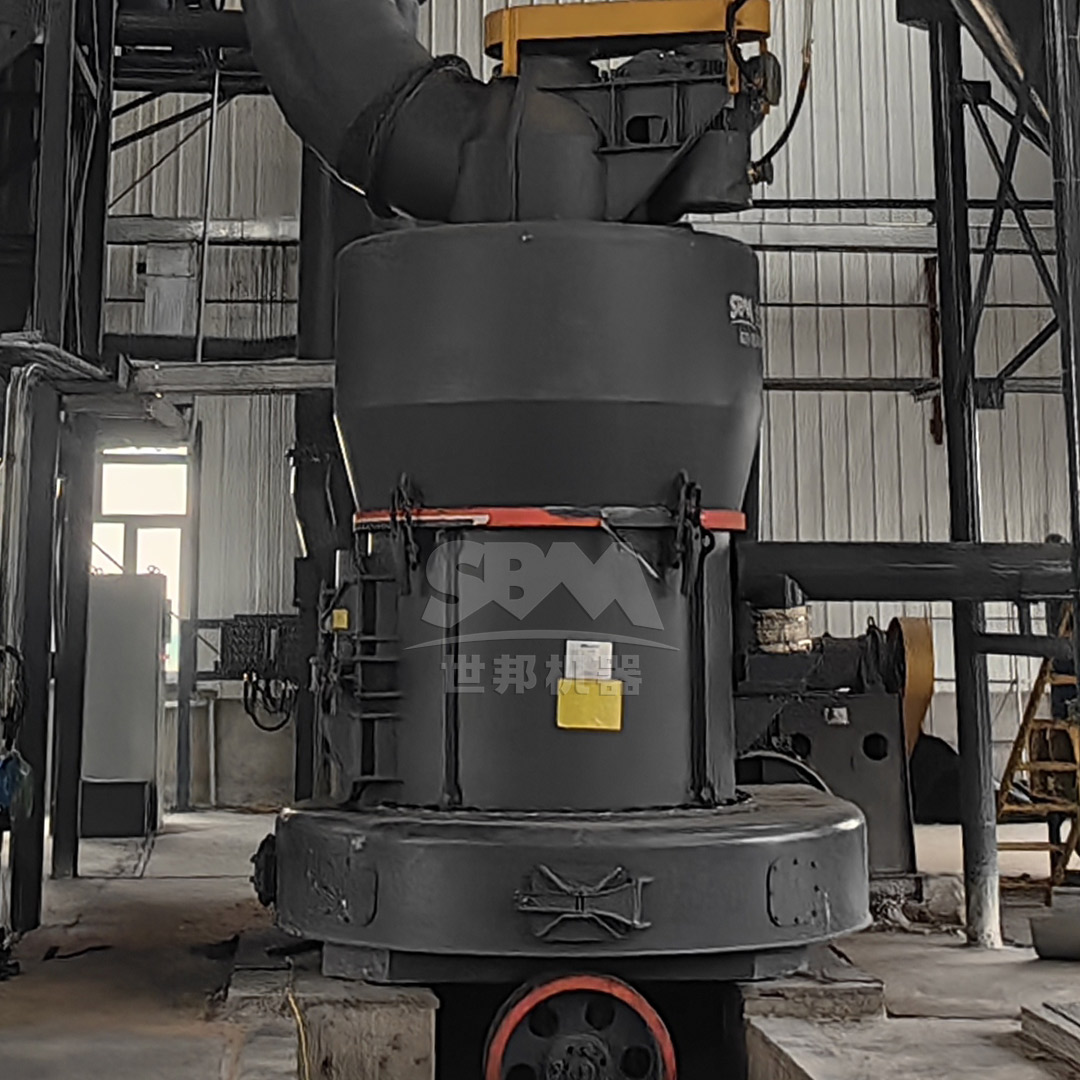
Before undergoing ultrafine processing, raw titanium sponge or larger particles must be pre-crushed and ground to a manageable size. This initial stage requires robust equipment capable of handling coarse feed materials while delivering a consistent output fineness, typically in the range of 30 to 325 mesh (down to 0.038mm). For this purpose, European trapezium mills and vertical roller mills offer exceptional performance. These machines are designed for high capacity and durability, making them ideal for the demanding environments of titanium powder production.
The MTW Series European Trapezium Mill is a prime example of advanced medium-speed grinding technology. With an input size of up to 50mm and a capacity reaching 45 tons per hour, it excels in bulk processing. Its technical advantages, such as an anti-wear shovel design that reduces maintenance costs and an optimized arc air duct that minimizes airflow energy loss, make it both efficient and economical. The integral bevel gear drive achieves a transmission efficiency of up to 98%, saving space and reducing installation costs—a key consideration for large production lines.
The MTW Series uses a unique roller and ring design to create a material layer for efficient crushing through extrusion, minimizing metal-to-metal contact and thus reducing contamination risk. Its classification system allows precise control over the finished product size, ensuring that only powder meeting specification moves to the next stage. For building material grade titanium powder, this reliability in primary grinding is the foundation for overall product quality.
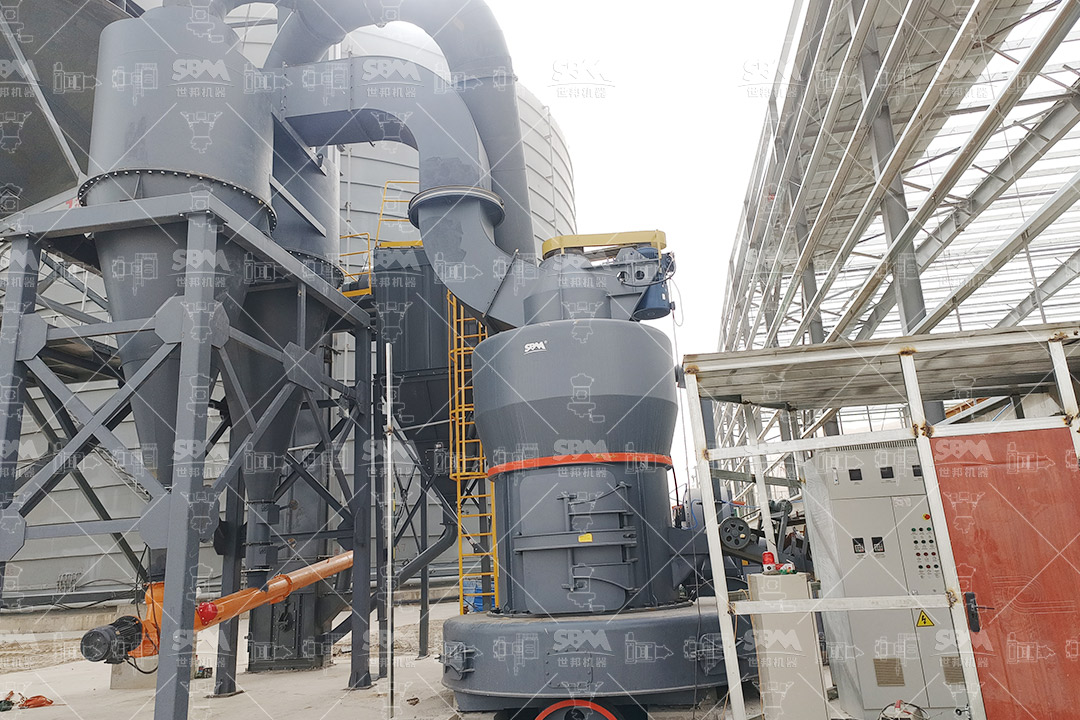
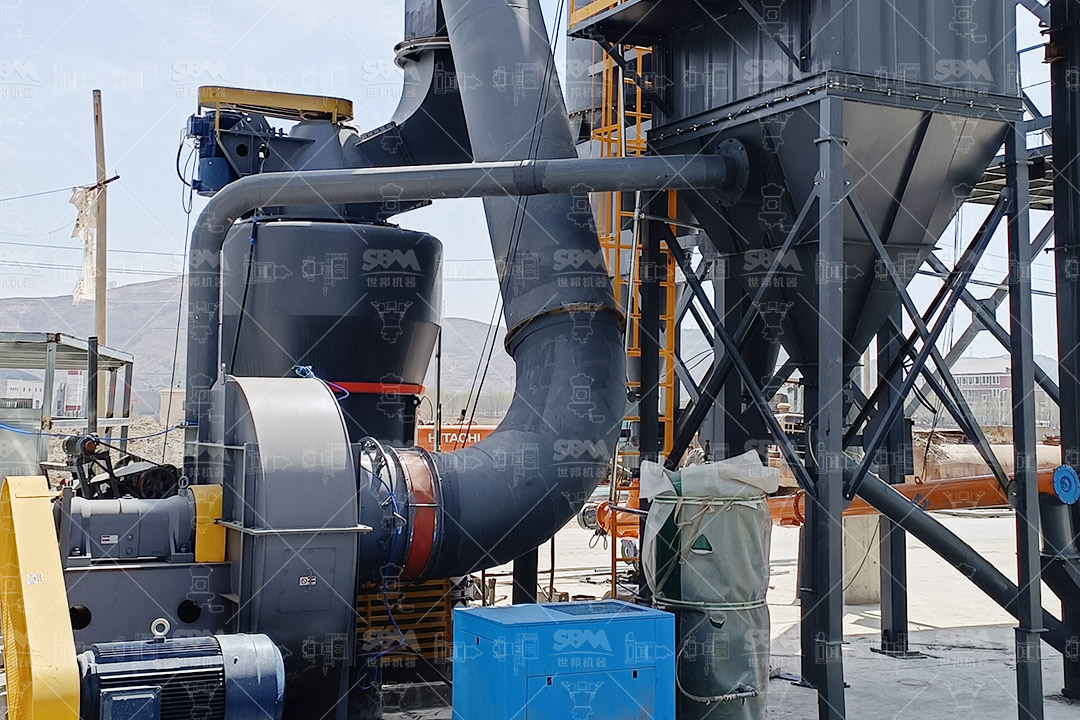
For manufacturers looking to scale up production or process titanium slag and other mineral sources, the vertical roller mill (VRM) offers an integrated solution for crushing, grinding, and classifying. The LM Series Vertical Roller Mill is designed for large capacities ranging from 3 to 250 tons per hour. Its integrated design reduces floor space by 50% and allows for outdoor installation, cutting infrastructure costs by 40%. In terms of operating cost, the non-contact design between the rollers and the grinding table means that wear part life is increased threefold compared to ball mill systems, and energy consumption is 30-40% lower.
This mill operates on the bed-grinding principle, where material is crushed by the pressure applied by the grinding rollers. Qualified fines are carried by hot air (or ambient air) to a dynamic classifier, while coarse powder returns to the table. This closed-loop system is highly efficient and environmentally friendly. The LM Series also features an expert-level auto-control system supporting remote monitoring, which significantly reduces manual intervention and ensures stable production of high-purity titanium powder. Its applicability to both fine and pre-grinding makes it a versatile cornerstone of any major titanium milling operation.
| LM Series Model | Table Diameter (mm) | Capacity (t/h) | Main Power (kW) | Fineness (μm) |
|---|---|---|---|---|
| LM130K | 1300 | 10-28 | 200 | 170-40 |
| LM190K | 1900 | 23-68 | 500 | 170-40 |
| LM220K | 2200 | 36-105 | 800 | 170-45 |
| LM280K | 2800 | 50-170 | 1250 | 170-45 |
Beyond the standard options, the production of building material grade titanium powder sometimes requires specialized equipment to target specific fineness ranges or material characteristics. For example, the MTM Series Medium-speed Trapezium Mill offers an intelligent pressure regulation system that automatically compensates for roller wear, extending roller and ring life by 30%. It handles feed sizes up to 35mm and produces a fineness of 45-325 mesh (0.038mm). Its innovative roller assembly and damping technology provide stable, low-noise operation, which is increasingly important in eco-conscious manufacturing environments.
Equally important in some processing lines is the LUM Ultrafine Vertical Roller Mill. This machine is designed to produce powder from 325 to 2500 mesh with exceptional efficiency. Its multi-rotor classifying technology ensures no coarse particles remain in the final product, which is crucial for high-purity applications. With intelligent PLC control and a negative pressure system for zero dust leakage, the LUM Series is perfectly suited for producing the finest grades of titanium powder used in advanced coatings and building materials.
Producing high-purity building material grade titanium powder is a multi-stage process that demands precision, reliability, and efficiency. From the robust primary grinding of the MTW and LM series to the micron-level precision of the SCM and LUM ultrafine mills, each piece of equipment plays a vital role in delivering a consistent, contamination-free product. Selecting a partner with a comprehensive range of technologies, such as the SCM Series for ultrafine work, is essential for optimizing production costs and achieving the highest quality standards. By investing in these key machines, manufacturers can confidently meet the growing demand for advanced titanium-based materials in the construction industry.