In the specialized field of chemical grade molybdenum ore processing, achieving ultra-fine powder with strict purity and particle size distribution is critical for downstream applications such as catalysts, lubricants, and high-performance alloys. The transformation from raw ore to a refined, high-value powder requires a sophisticated production line that balances grinding efficiency, classification precision, and environmental compliance. This guide delves into the advanced equipment and systems that define modern molybdenum ore processing, offering insights into how leading manufacturers optimize their operations.
Chemical grade molybdenum ore, typically derived from molybdenite (MoS₂), demands a processing approach that differs significantly from metallurgical grade. While metallurgical concentrate focuses on bulk reduction, chemical grade powder requires:
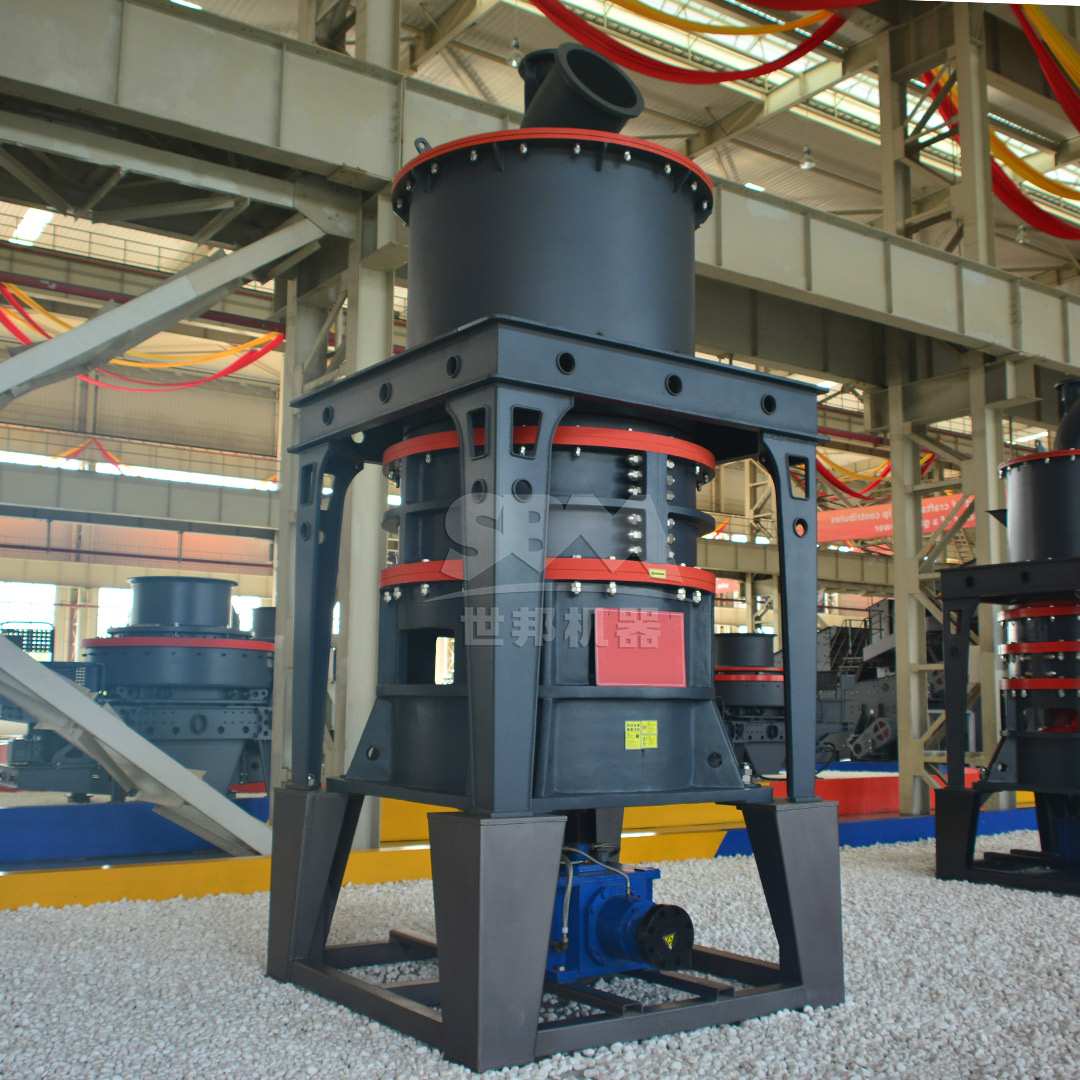
To overcome these challenges, modern production lines have moved beyond traditional ball mills. Today, advanced roller mills and ultra-fine grinders provide superior outcomes in terms of both product quality and operating cost. For operations targeting the finest chemical grade molybdenum powder, our SCM Series Ultrafine Mill (45-5μm) stands out as the premier solution. Designed specifically for ultra-fine grinding, it delivers an output fineness of 325-2500 mesh, achieving a capacity of 0.5-25 ton/h depending on the model.
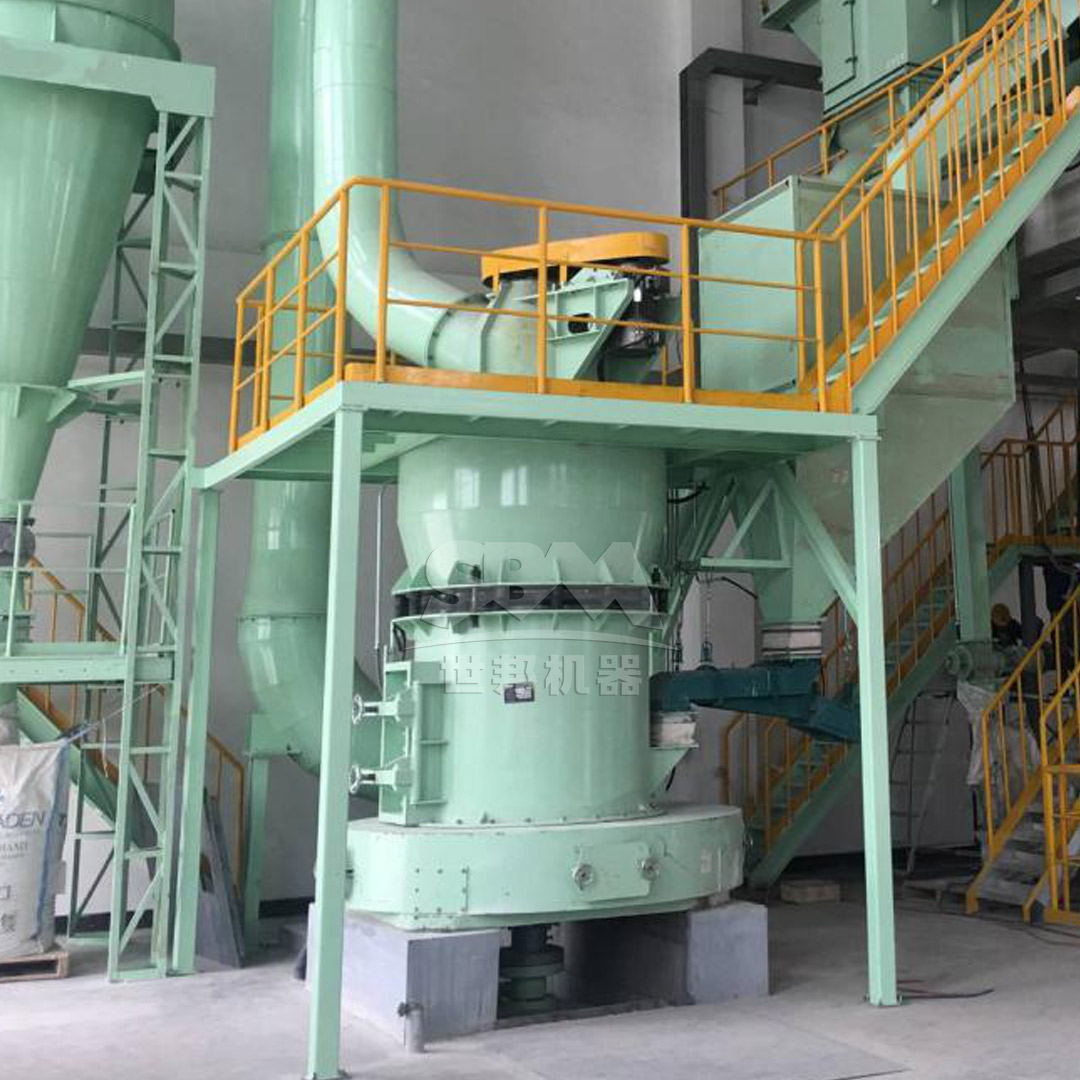
A complete chemical grade molybdenum ore processing line consists of three interconnected stages: size reduction, classification, and dust collection. The selection of equipment for each stage dictates the overall system efficiency.
Raw molybdenum ore, typically with a feed size of less than 20-50mm, is first fed into the grinding mill. In advanced systems like the SCM or LM series, the integrated hopper and feeder ensure a consistent material flow. The key is to match the feeder capacity with the mill’s throughput to prevent overloading or starvation, both of which affect product quality.
The heart of the plant is the grinding mill. For chemical grade applications, two primary technologies dominate:
For a dedicated chemical grade line targeting ultra-fine powder, we strongly recommend the SCM Series Ultrafine Mill. Its capacity is 2x that of jet mills with 30% lower energy consumption, and its vertical turbine classifier ensures no coarse powder mixing—a critical factor for chemical grade consistency.
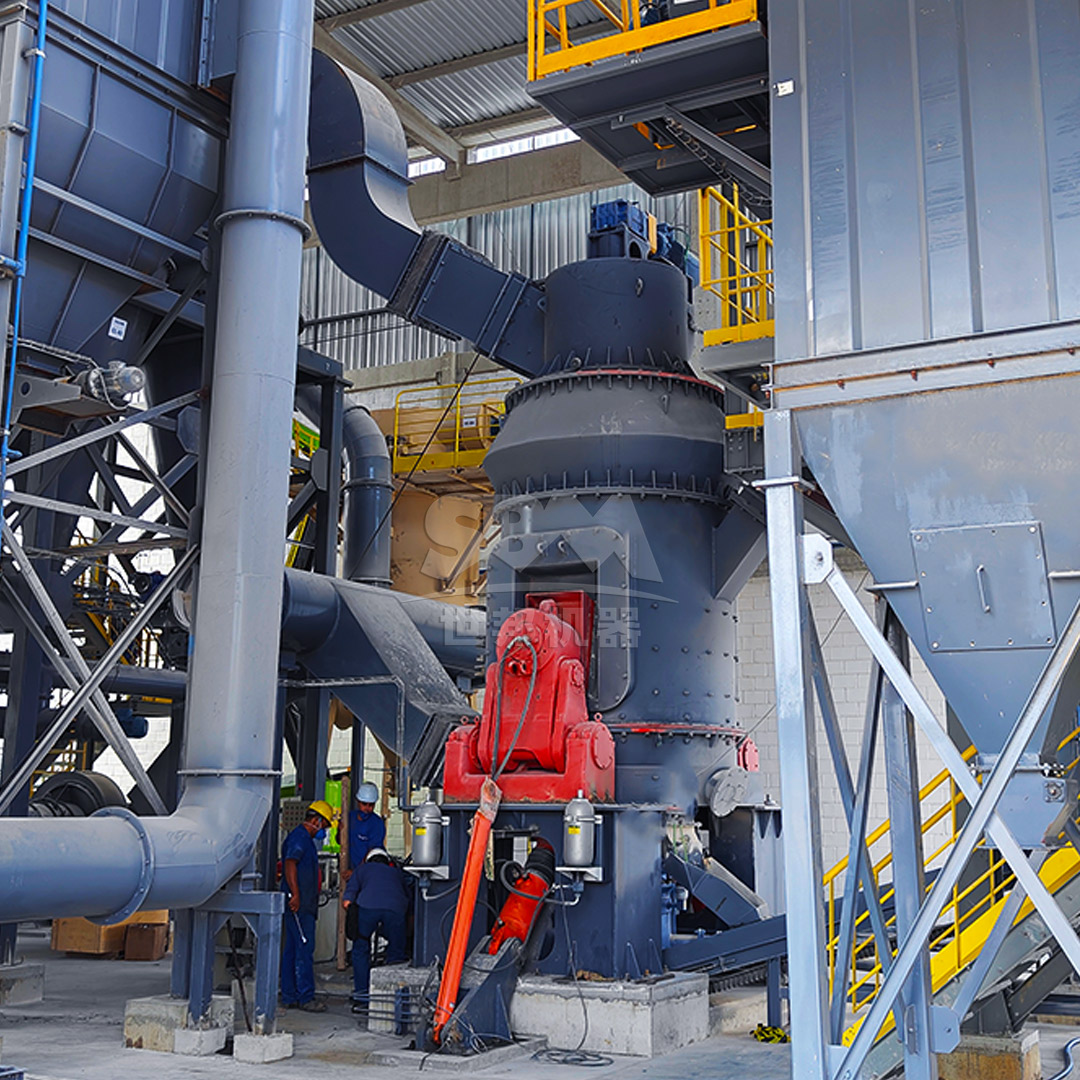
Precise classification is the difference between a good product and a premium chemical grade powder. In molybdenum ore processing, even a small percentage of oversized particles can ruin a batch. Modern mills incorporate high-precision classifiers directly into the grinding system.
Found in the SCM Ultrafine Mill, this classifier utilizes a vertical rotor to create a strong centrifugal field. Particles are subject to opposing forces: the centrifugal force from the rotor and the drag force from the air stream. Only particles fine enough to be carried by the air stream pass through the vanes. This mechanism provides a very sharp cut point, essential for achieving the 325-2500 mesh fineness required for chemical grade molybdenum ore.
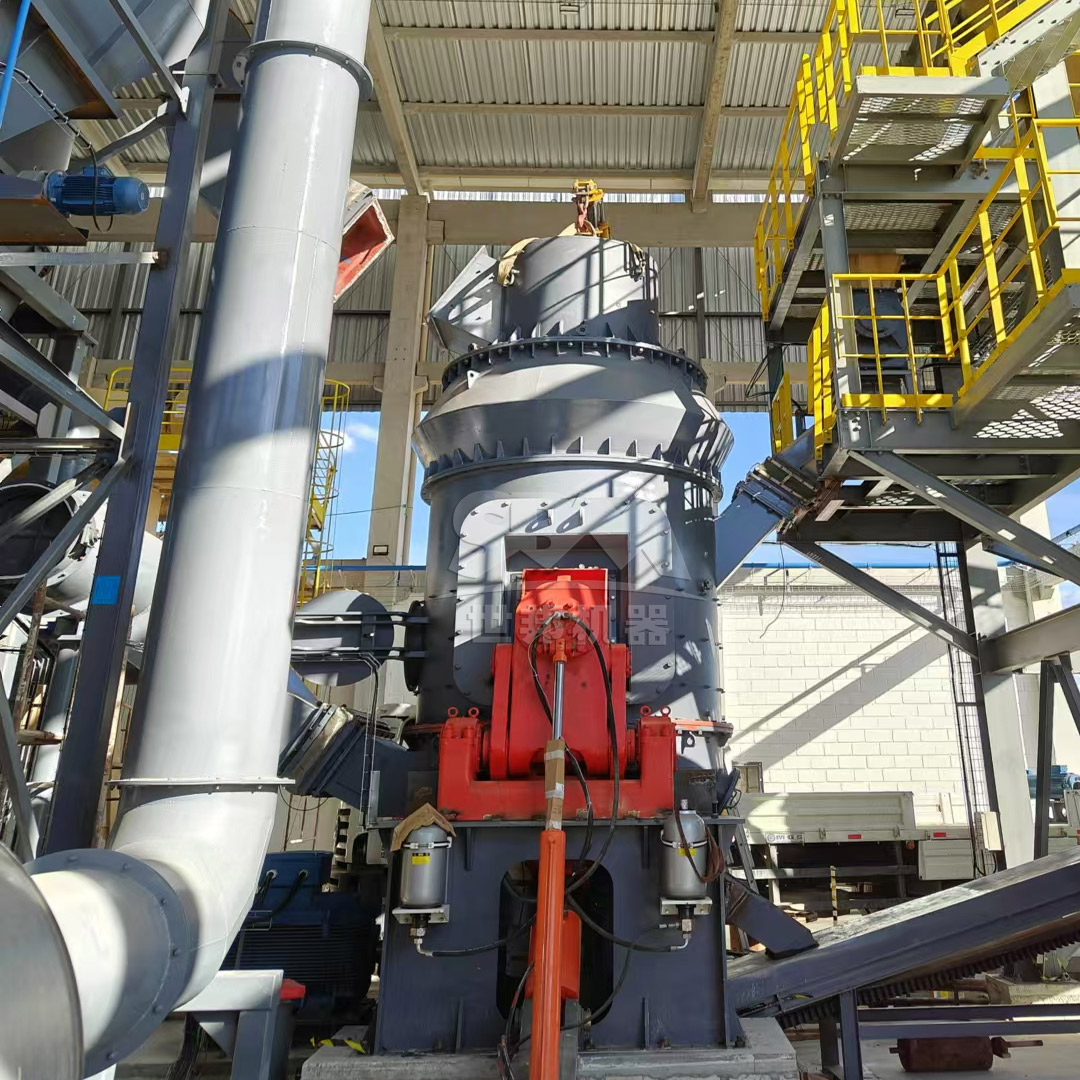
In the LM Series and MTW Series, dynamic classifiers with multi-stage adjustment allow operators to change fineness on the fly. For example, the LM Series supports fineness adjustment within the 30-325 mesh range, making it versatile for various chemical product specifications.
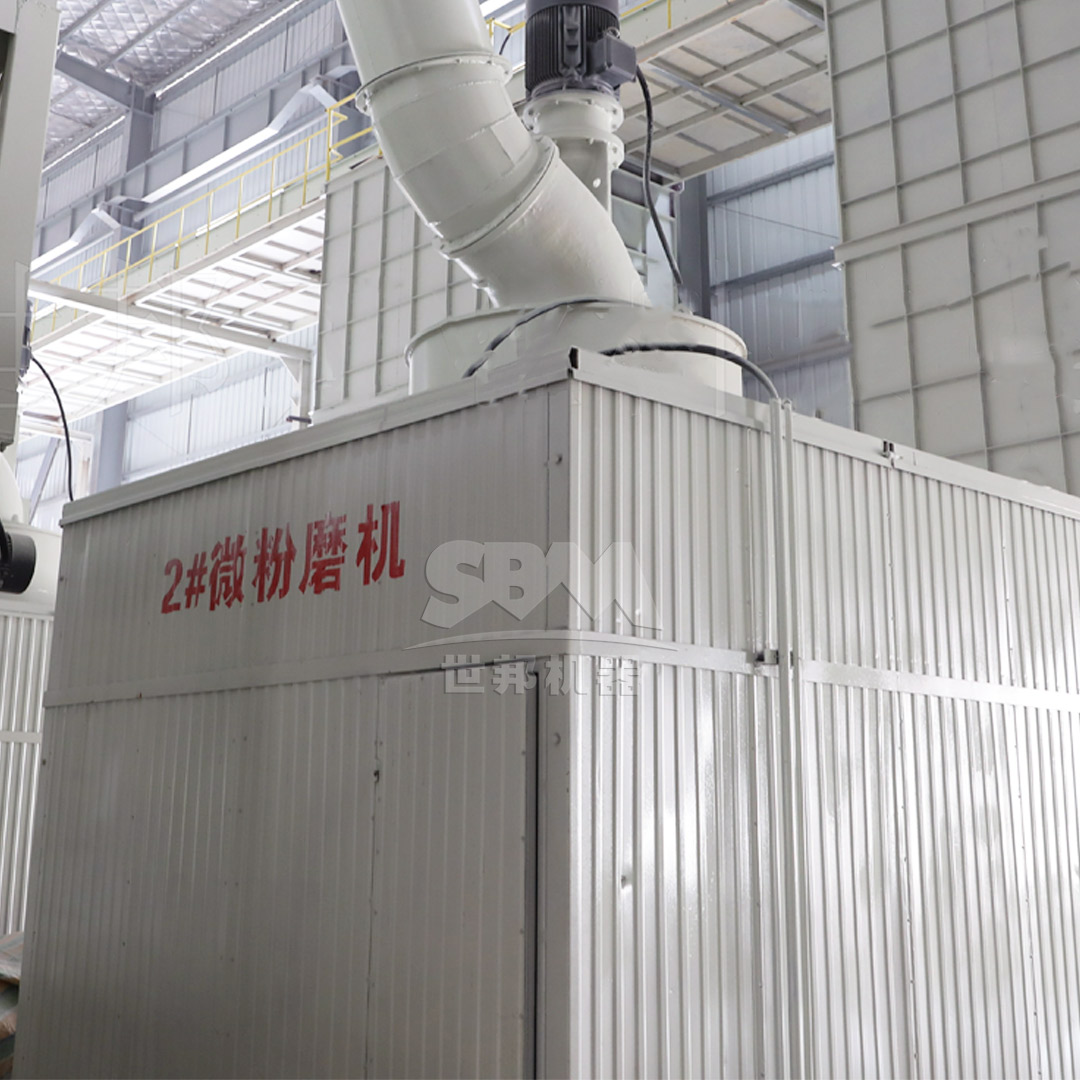
Molybdenum ore processing generates fine dust that is both a health hazard and a product loss. Modern systems are designed with the environment in mind.
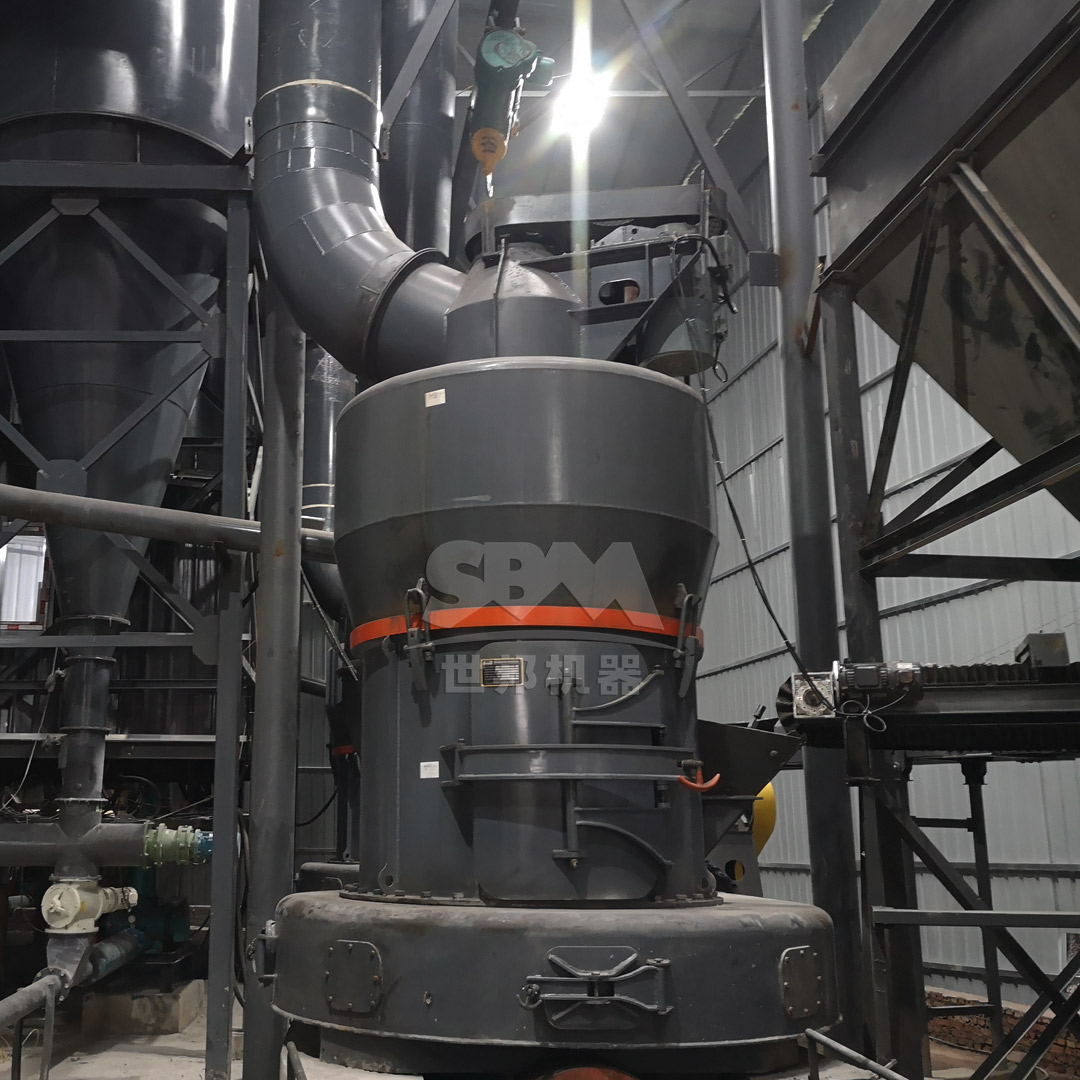
The modern chemical grade processing plant relies on automation to ensure consistency. Our mills come equipped with expert-level auto-control systems that monitor:
This level of intelligence allows the system to operate with minimal manual intervention, reducing human error and ensuring that every batch of molybdenum ore powder meets the tight chemical grade specifications.
Investing in the correct processing equipment is the most critical decision for molybdenum ore producers. While traditional methods exist, the shift towards higher efficiency, lower contamination, and stricter environmental standards makes advanced systems like the SCM Series Ultrafine Mill and the LM Series Vertical Roller Mill the optimal choices. For ultra-fine, high-purity chemical grade powders, the SCM mill is unmatched in its class. For higher capacity needs with flexible fineness requirements, the LM series offers exceptional value and low operating costs. By integrating intelligent control with durable design, these systems represent the state of the art in molybdenum ore powder processing.