The production of chemical-grade titanium powder demands stringent control over purity, particle size distribution, and consistency. As industries such as aerospace, biomedical, and specialty chemicals increasingly rely on high-purity titanium powder, manufacturers must adopt advanced milling technologies that minimize contamination while maximizing efficiency. This article explores the critical technologies in chemical grade titanium powder production equipment and provides a comprehensive selection guide for achieving high-purity manufacturing.
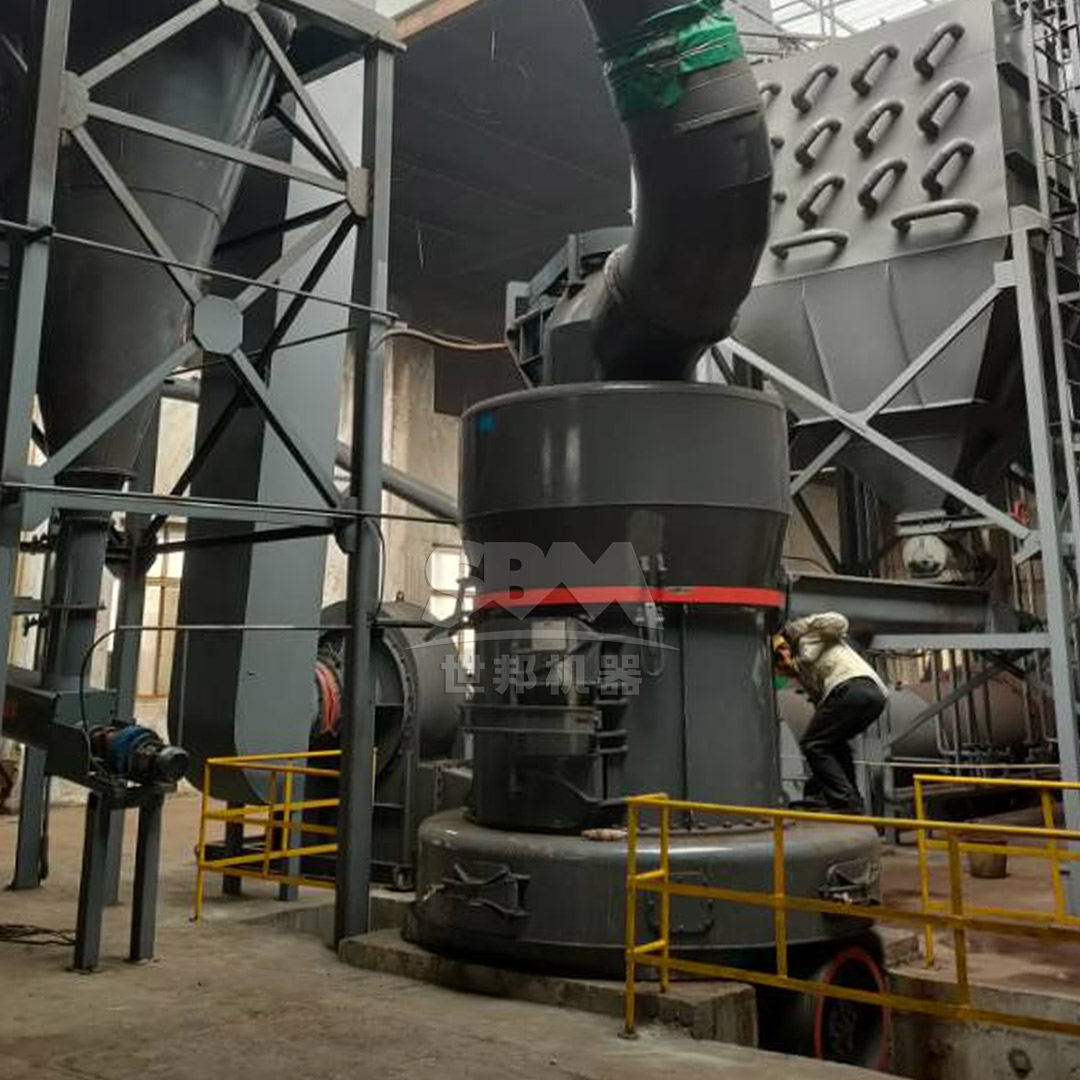
Achieving the required fineness for chemical-grade titanium powder (typically in the micron or sub-micron range) without introducing impurities is a primary challenge. Traditional ball mills often suffer from high wear rates, leading to metallic contamination. Modern ultra-fine mills, such as vertical roller mills and trapezium mills, utilize pneumatic classification and wear-resistant materials to reduce contamination. For instance, the SCM Series Ultrafine Mill achieves a fineness of 325-2500 mesh (45-5 μm) with a special material for rollers and rings, extending service life several times over and minimizing iron pick-up.
To meet the strict particle size distribution requirements of chemical-grade powders, equipment must integrate high-precision classifiers. Vertical turbine classifiers, as found in advanced mills, provide precise particle size cutting with no coarse powder mixing. This ensures uniform finished products suitable for critical applications such as metal injection molding (MIM) and additive manufacturing.
Closed-loop, negative-pressure systems are essential to prevent airborne contamination and ensure operator safety. Pulse dust collection systems with efficiency exceeding international standards capture ultrafine particles, while soundproof designs reduce noise pollution. These features are standard in the MTW Series European Trapezium Mill, which also incorporates an integral bevel gear drive for maintenance-free operation and high transmission efficiency.
Modern chemical production requires real-time monitoring and automation. Expert-level auto-control systems with remote/local switching capability enable continuous adjustment of grinding pressure, classifier speed, and airflow. This reduces manual intervention and ensures consistent product quality even with varying feed characteristics.
Choosing the right equipment depends on the target fineness, throughput, and the chemical purity requirements. Below is a structured approach:
| Parameter | Application/Recommendation | Recommended Mill Type |
|---|---|---|
| Target Fineness | 325-2500 mesh (45-5 μm) | SCM Series Ultrafine Mill, LUM Ultrafine Vertical Roller Mill |
| Target Fineness | 30-325 mesh (600-45 μm) | MTW Series, LM Series Vertical Roller Mill, MTM Medium-speed Mill |
| High Throughput | 3-250 t/h | LM Series Vertical Roller Mill |
| Ultra-Low Contamination | Special wear-resistant materials, closed system | SCM Series, LUM Series, MTW Series |
| Low Operating Cost & Energy Saving | 30-50% lower energy than ball mills | LM Series, SCM Series |
| Eco-Friendly & Low Noise | Pulse dust collector, soundproof design | All advanced mills |
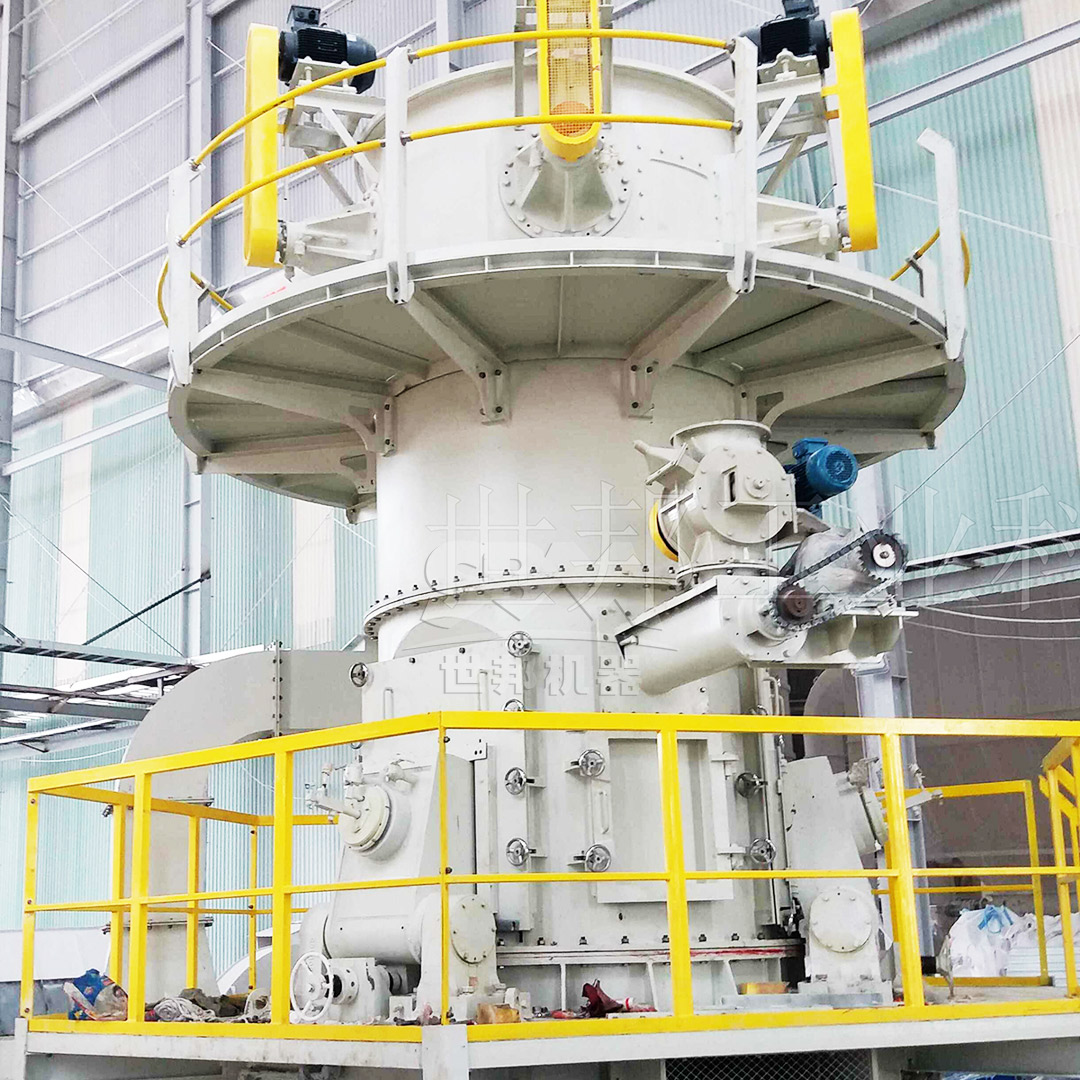
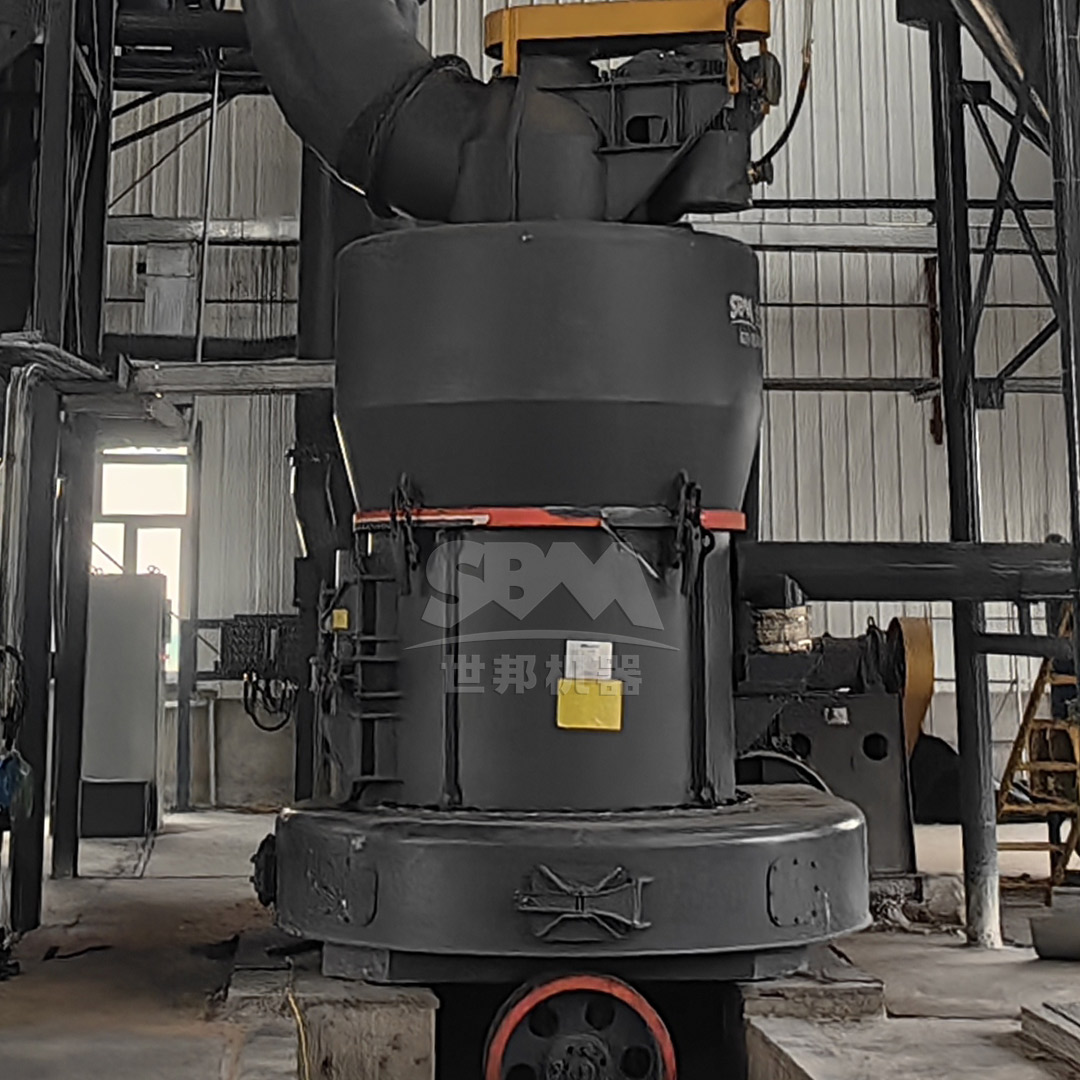
Vertical roller mills (e.g., LM Series) offer the advantage of integrated crushing, grinding, and selection in one unit, reducing floor space by 50% and infrastructure costs by 40%. They are ideal for large-scale operations where consistent output from 30-325 mesh is required. The LM Series features non-contact roller and table design, extending wear part life by 3 times and reducing maintenance frequency.
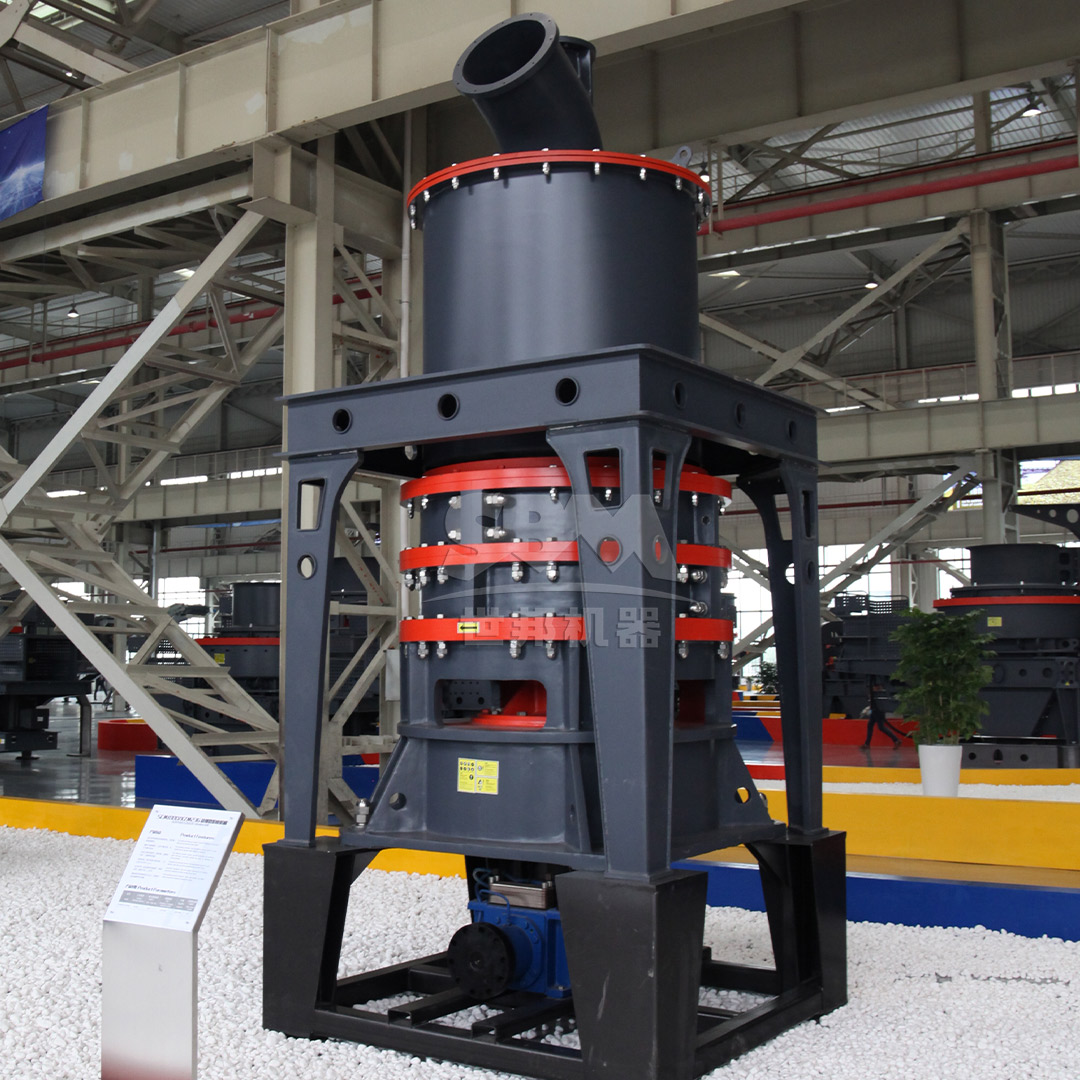
For the finest powders (below 325 mesh), ultrafine mills are indispensable. The SCM Series Ultrafine Mill uses a shaftless screw grinding chamber and three layers of grinding rings to achieve particle sizes as fine as 5 μm. Its capacity is 2x that of jet mills while consuming 30% less energy. Additionally, automatic finished product granularity feedback ensures precise control over particle distribution – a critical factor for chemical-grade titanium used in catalysts or pigments.
For manufacturers requiring titanium powder with fineness from 325 to 2500 mesh and minimal contamination, our SCM Series Ultrafine Mill (models SCM800 to SCM1680) provides the optimal solution. Its vertical turbine classifier prevents coarse powder mixing, while the special material rollers and rings ensure negligible wear. With capacity ranging from 0.5 to 25 t/h and intelligent control with automatic feedback, the SCM series is the industry benchmark for high-purity, ultra-fine titanium powder production.
| Model | Capacity (t/h) | Main Power (kW) | Fineness (mesh) |
|---|---|---|---|
| SCM800 | 0.5-4.5 | 75 | 325-2500 |
| SCM1000 | 1.0-8.5 | 132 | 325-2500 |
| SCM1250 | 2.5-14 | 185 | 325-2500 |
| SCM1680 | 5.0-25 | 315 | 325-2500 |
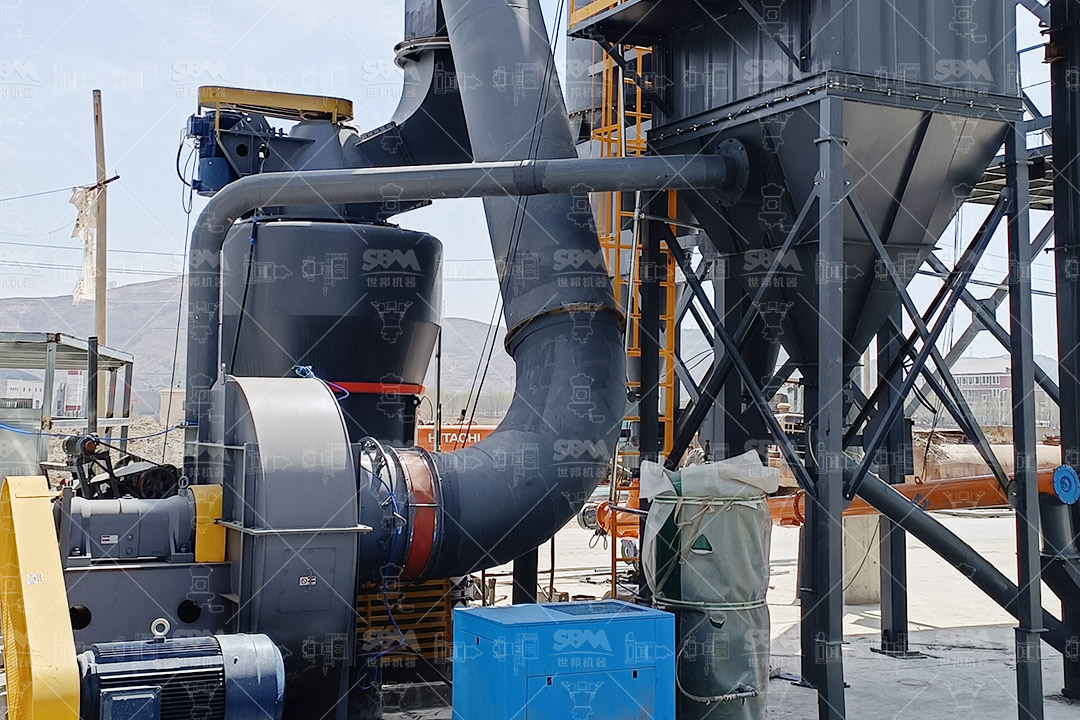
When high throughput (up to 250 t/h) and versatility are required, the LM Series Vertical Roller Mill offers unmatched feeding size handling (≤50mm) and flexible fineness adjustment from 30 to 600 mesh. Its fully sealed negative pressure operation and expert-level auto-control system make it ideal for integrated chemical plants. The LM series reduces energy consumption by 30-40% compared to ball mill systems and enables outdoor installation, cutting civil works costs significantly.
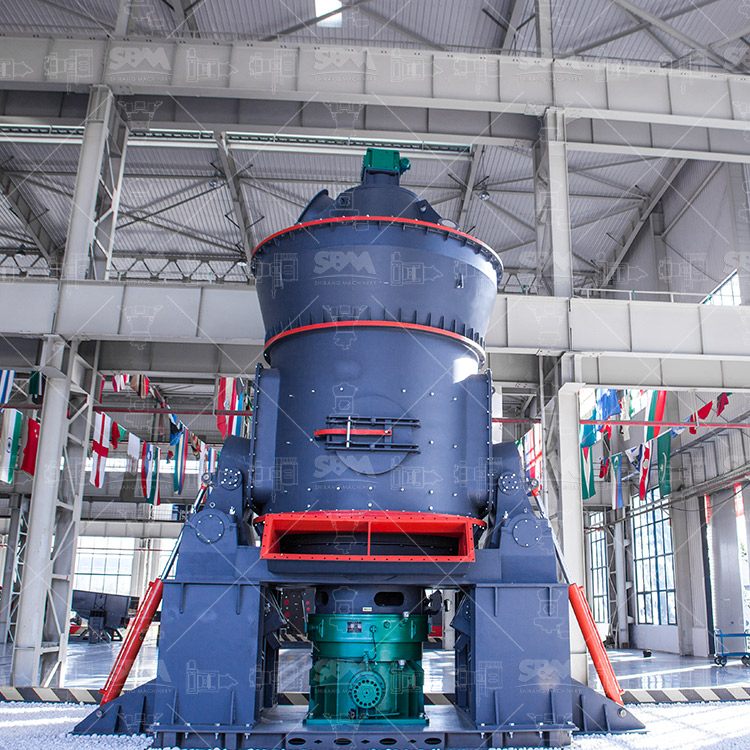
Selecting the appropriate chemical grade titanium powder production equipment requires balancing fineness, purity, capacity, and operational costs. The SCM series excels in ultra-fine powder applications with strict contamination limits, while the LM series is the champion for large-volume, multi-purpose processing. Both products are supported by decades of engineering expertise and comprehensive after-sales service, ensuring your high-purity manufacturing goals are achieved with reliability and efficiency.