The cosmetics industry relies heavily on high-quality mineral additives to achieve desired product characteristics such as texture, opacity, spreadability, and oil absorption. Talc, a hydrated magnesium silicate, stands as one of the most pivotal ingredients in this category. Its natural softness, lubricity, and ability to provide a smooth, silky finish make it indispensable in products ranging from pressed powders and eyeshadows to foundations and body powders. However, the efficacy of talc is intrinsically linked to its physical properties—most critically, its particle size distribution (PSD), purity, and morphology. Achieving the stringent specifications required for cosmetic-grade talc demands advanced, precise, and reliable grinding technology. This article explores the technological requirements for cosmetic talc processing and highlights key milling solutions that ensure superior additive quality.
Cosmetic applications impose exceptionally high standards on talc powder. The fineness directly impacts the product’s feel on the skin; coarse particles can lead to a gritty texture and poor coverage. Typically, cosmetic-grade talc requires a fineness ranging from 325 mesh (45μm) for general use down to ultra-fine levels of 1250 mesh (10μm) or even 2500 mesh (5μm) for high-end, luxury formulations. Beyond fineness, the particle size distribution must be narrow and consistent. A broad PSD can cause uneven application, caking, and reduced aesthetic appeal. Furthermore, the grinding process must preserve the lamellar (plate-like) structure of talc, which is responsible for its slip and coverage properties, and must be conducted under strict hygienic and contaminant-free conditions to ensure product safety and whiteness.
Grinding talc to cosmetic specifications presents several technical challenges. First, talc is a soft mineral (Mohs hardness of 1), which can lead to agglomeration and compaction rather than clean fracturing if excessive heat or pressure is applied. Second, achieving ultra-fine sizes while maintaining throughput and energy efficiency is a significant hurdle for conventional mills. Third, the process must incorporate highly efficient classification to ensure the target PSD is met without over-grinding, which wastes energy and can damage particle structure. Finally, the entire system must be designed for easy cleaning, minimal cross-contamination, and low operational noise to fit within modern, automated production facilities.
To meet these challenges, the industry has moved beyond traditional ball mills to more sophisticated grinding systems that offer precise control, higher efficiency, and better product quality. Two primary technological pathways have emerged: one for producing fine to medium-fine talc (typically 30-325 mesh) and another for producing ultra-fine and nano-grade talc (325-2500 mesh).
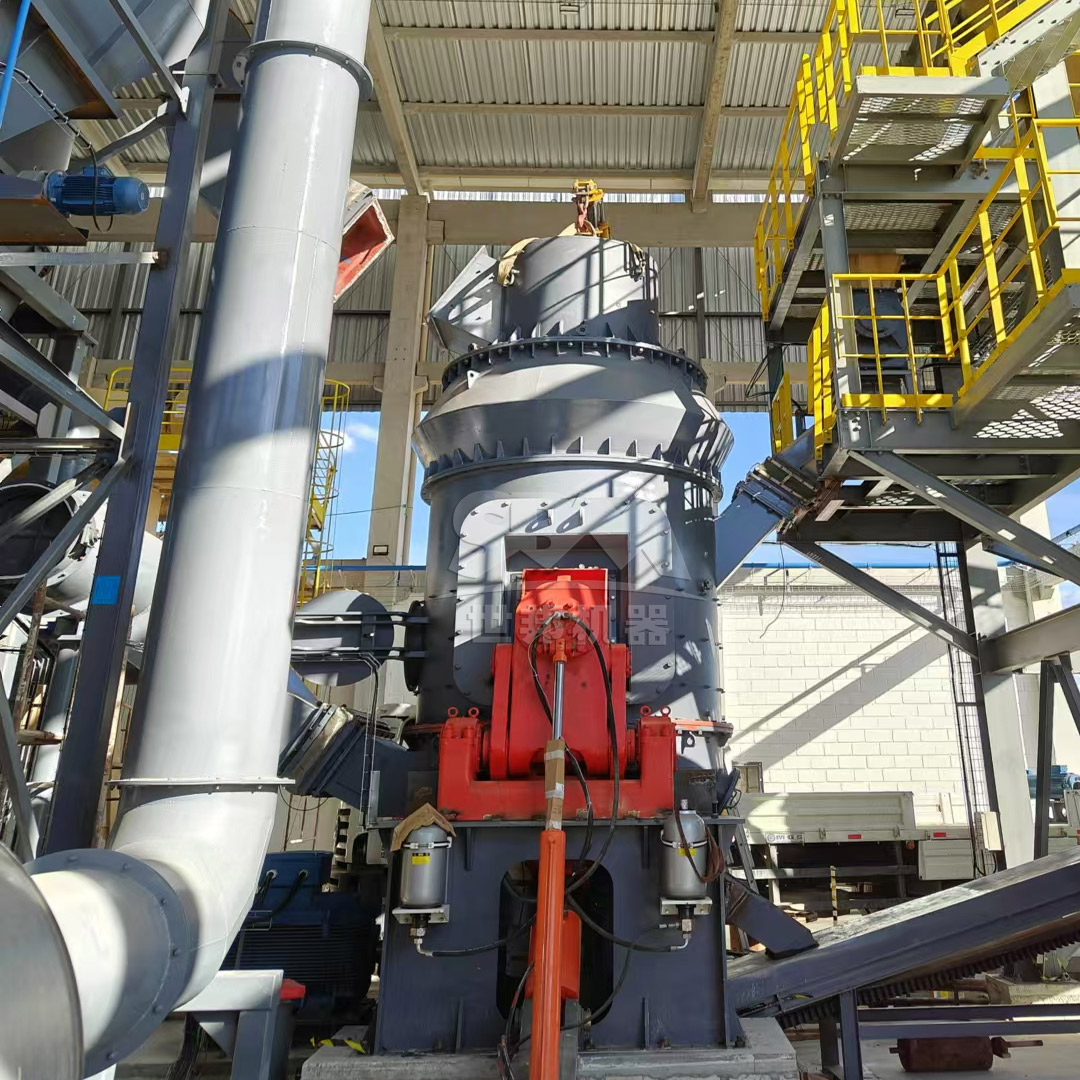
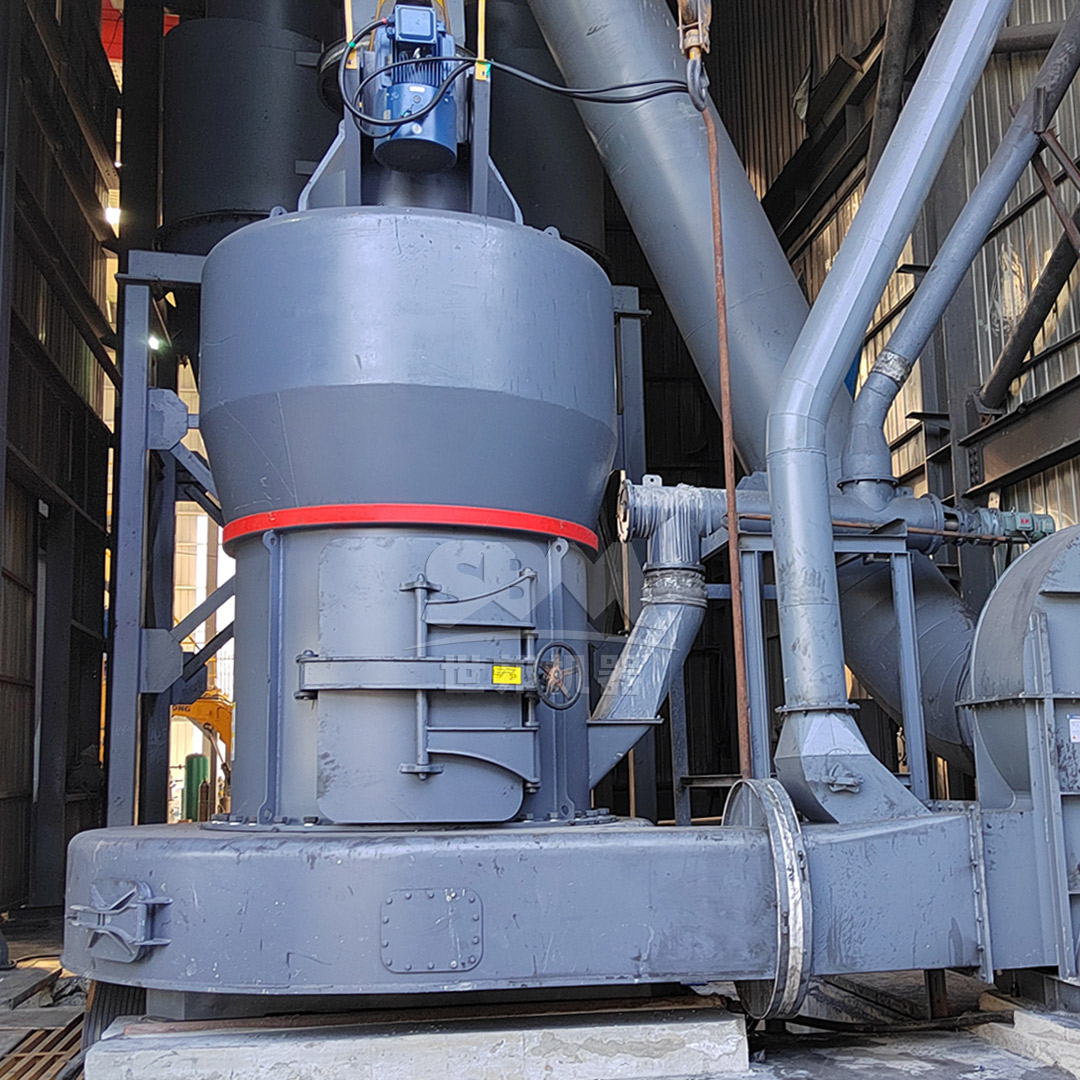
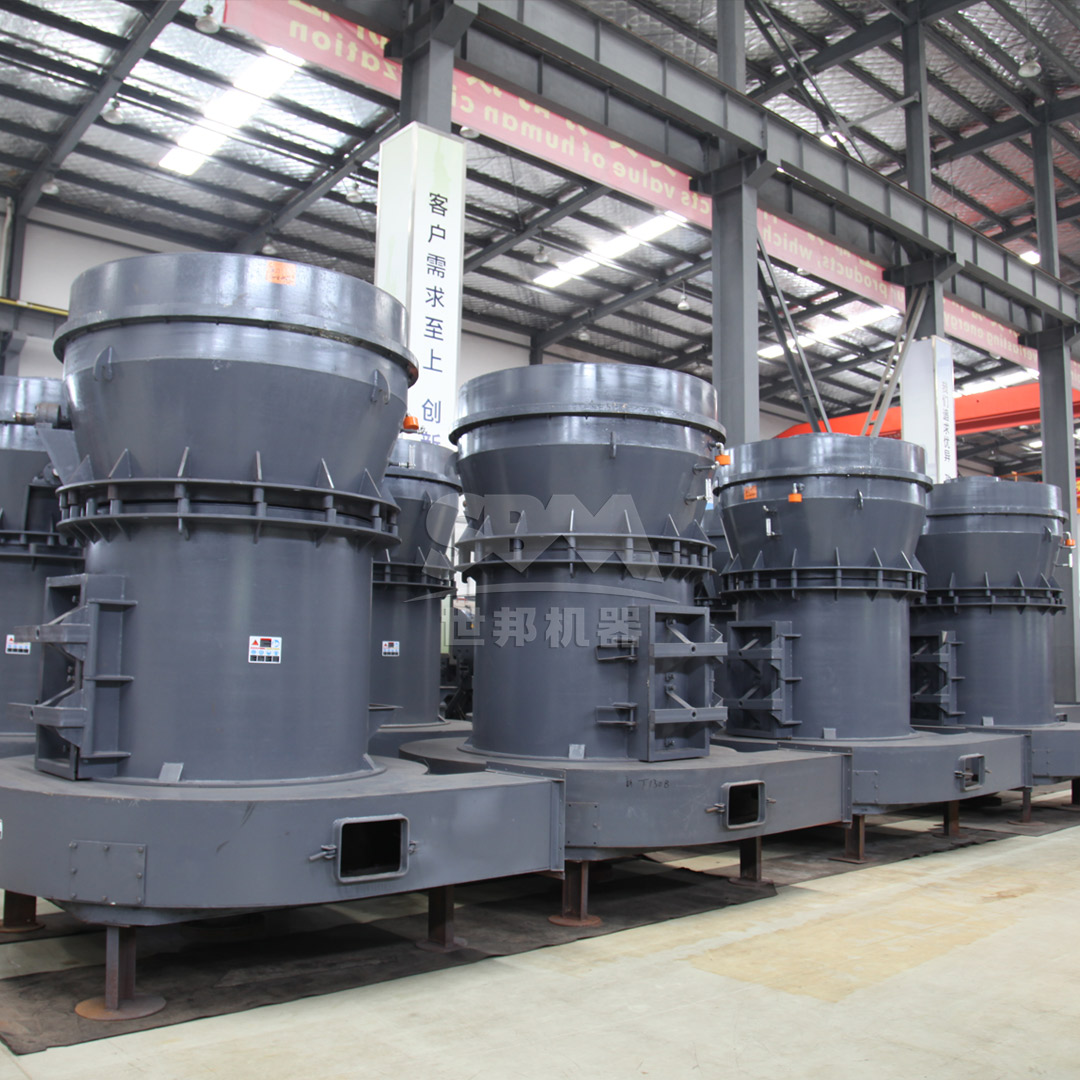
For applications requiring talc in the 30 to 325 mesh range, such as in some body powders or as a base filler, trapezium mills offer an optimal balance of capacity, energy efficiency, and product control. These mills utilize a centrifugal grinding principle where material is fed between rotating rollers and a stationary ring.
A prime example of this technology is our MTW Series European Trapezium Mill. Engineered with several patented innovations, it is specifically suited for the consistent production of high-quality fine talc powder.
| Model | Capacity (t/h) | Output Fineness (mesh) | Main Power (kW) |
|---|---|---|---|
| MTW138Z | 6-17 | 10-325 | 90 |
| MTW175G | 9.5-25 | 10-325 | 160 |
| MTW215G | 15-45 | 10-325 | 280 |
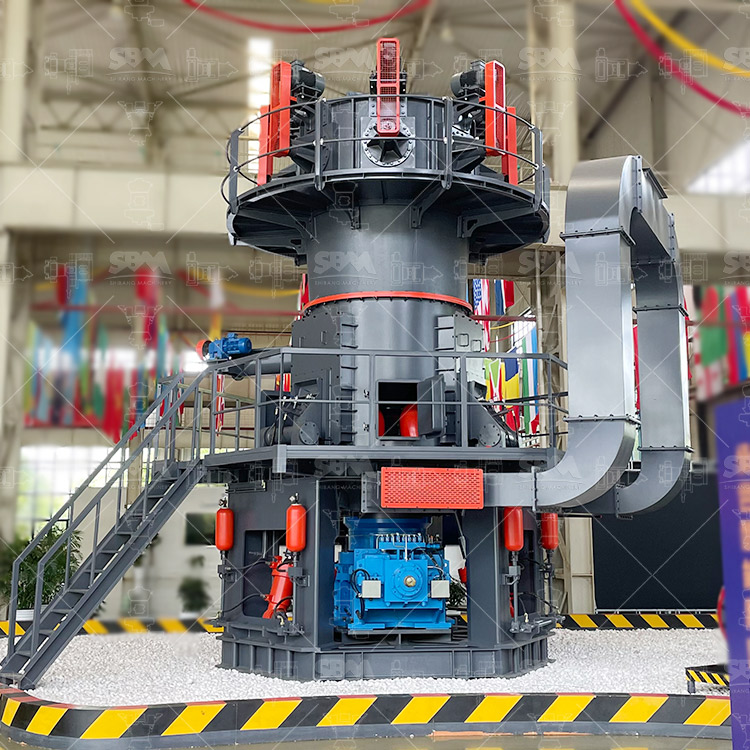
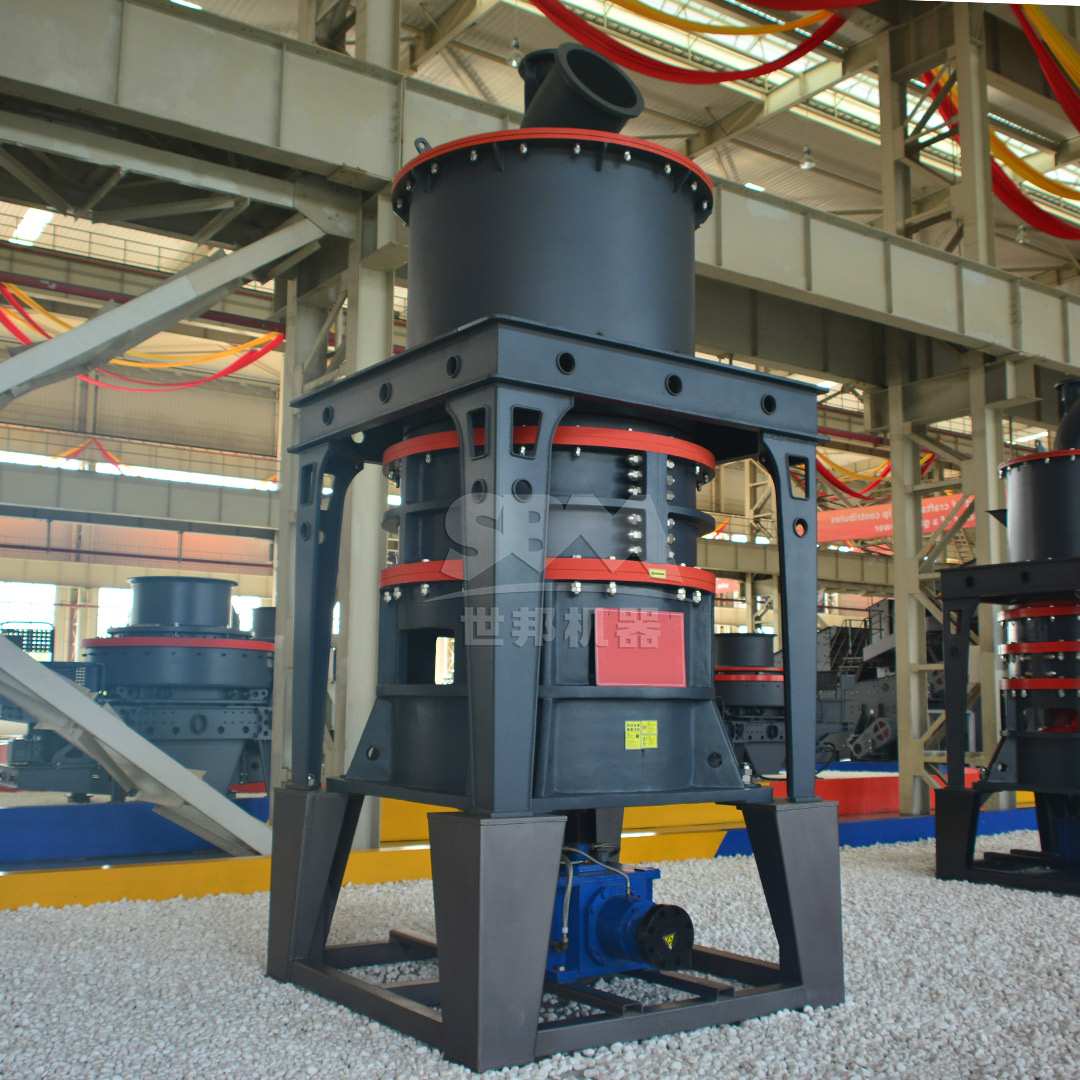
For the most demanding cosmetic applications requiring talc powders finer than 325 mesh, ultrafine grinding mills are the equipment of choice. These mills combine grinding, classification, and conveying into one integrated system capable of reaching micron and sub-micron levels.
Our flagship solution in this category is the SCM Series Ultrafine Mill. It represents the pinnacle of technology for producing cosmetic-grade talc with superior whiteness, texture, and consistency.
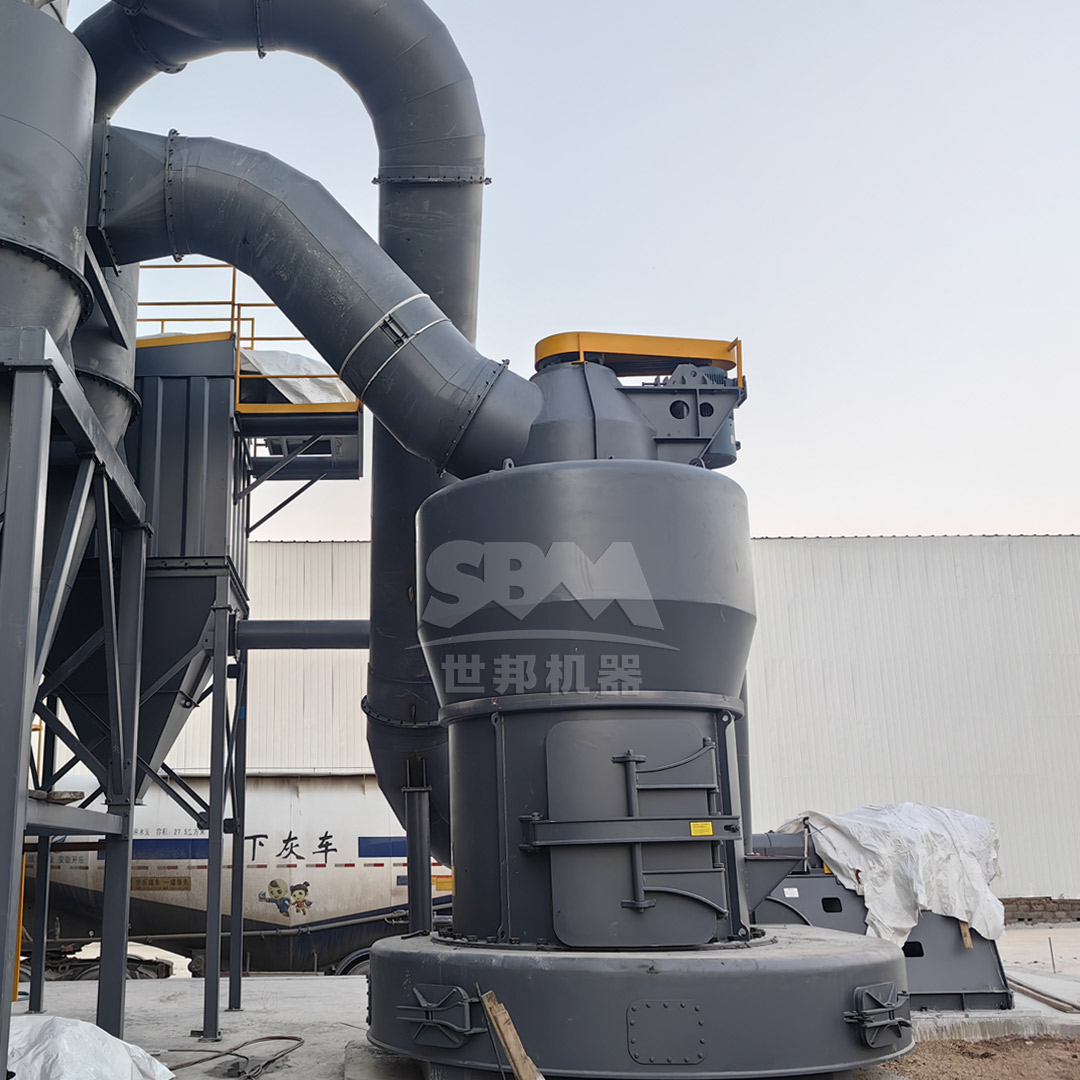
| Model | Capacity (t/h) | Output Fineness (mesh) | Main Power (kW) |
|---|---|---|---|
| SCM800 | 0.5-4.5 | 325-2500 | 75 |
| SCM1000 | 1.0-8.5 | 325-2500 | 132 |
| SCM1680 | 5.0-25 | 325-2500 | 315 |
Choosing between a fine grinding mill (like the MTW Series) and an ultrafine mill (like the SCM Series) depends on the final product specification and production scale.
The quality of cosmetic talc is fundamentally determined at the grinding stage. Investing in advanced, purpose-built milling technology is not merely an equipment purchase but a strategic decision to enhance product quality, ensure batch-to-batch consistency, improve production efficiency, and maintain a competitive edge in the sophisticated cosmetics market. Technologies like the MTW Series European Trapezium Mill for fine talc and the SCM Series Ultrafine Mill for premium ultra-fine talc provide the precision, reliability, and cleanliness required to transform raw mineral into a high-value cosmetic additive. By partnering with a supplier that understands these critical nuances, cosmetic manufacturers can secure their supply chain for one of their most essential ingredients, ensuring their final products deliver the performance, safety, and luxurious experience that consumers expect.