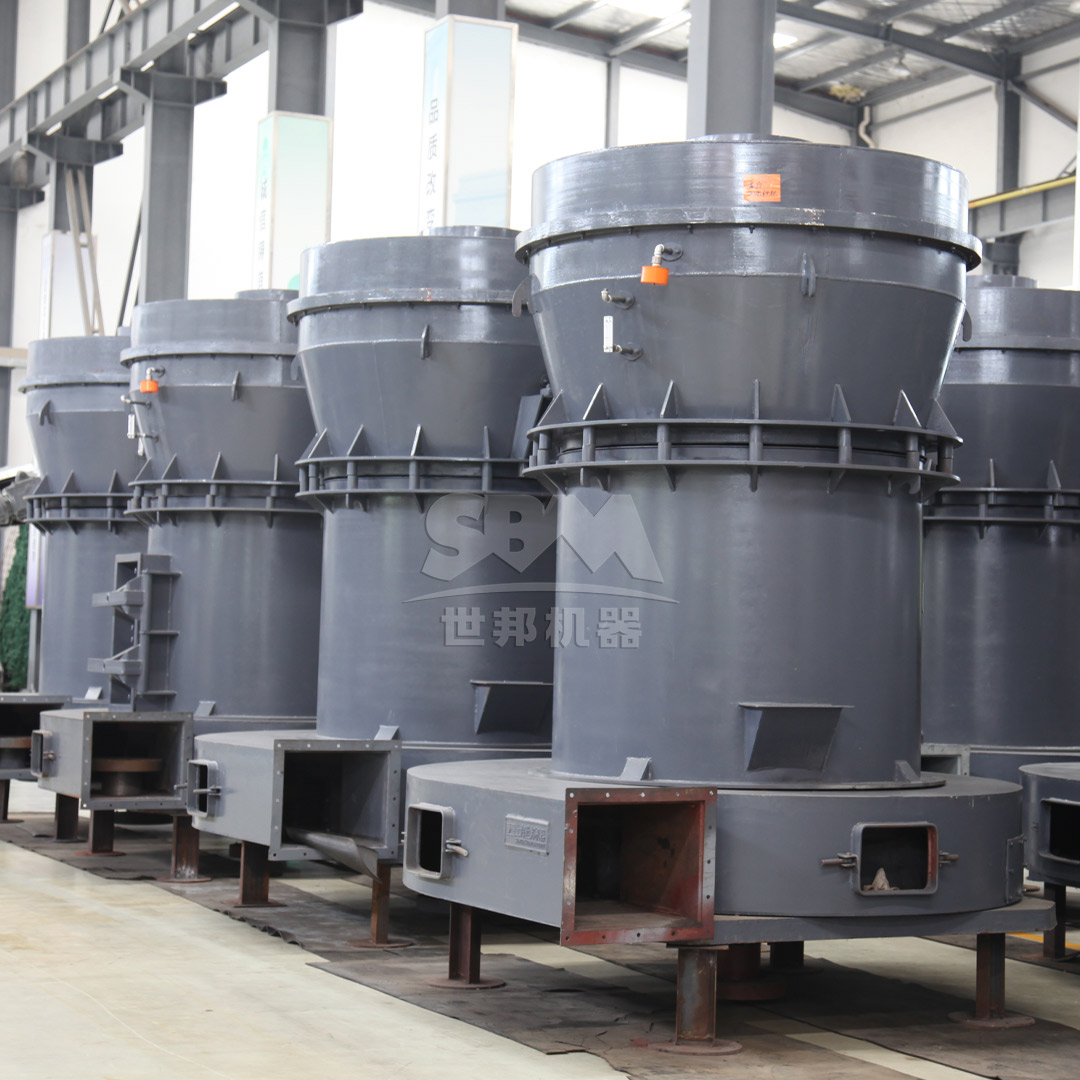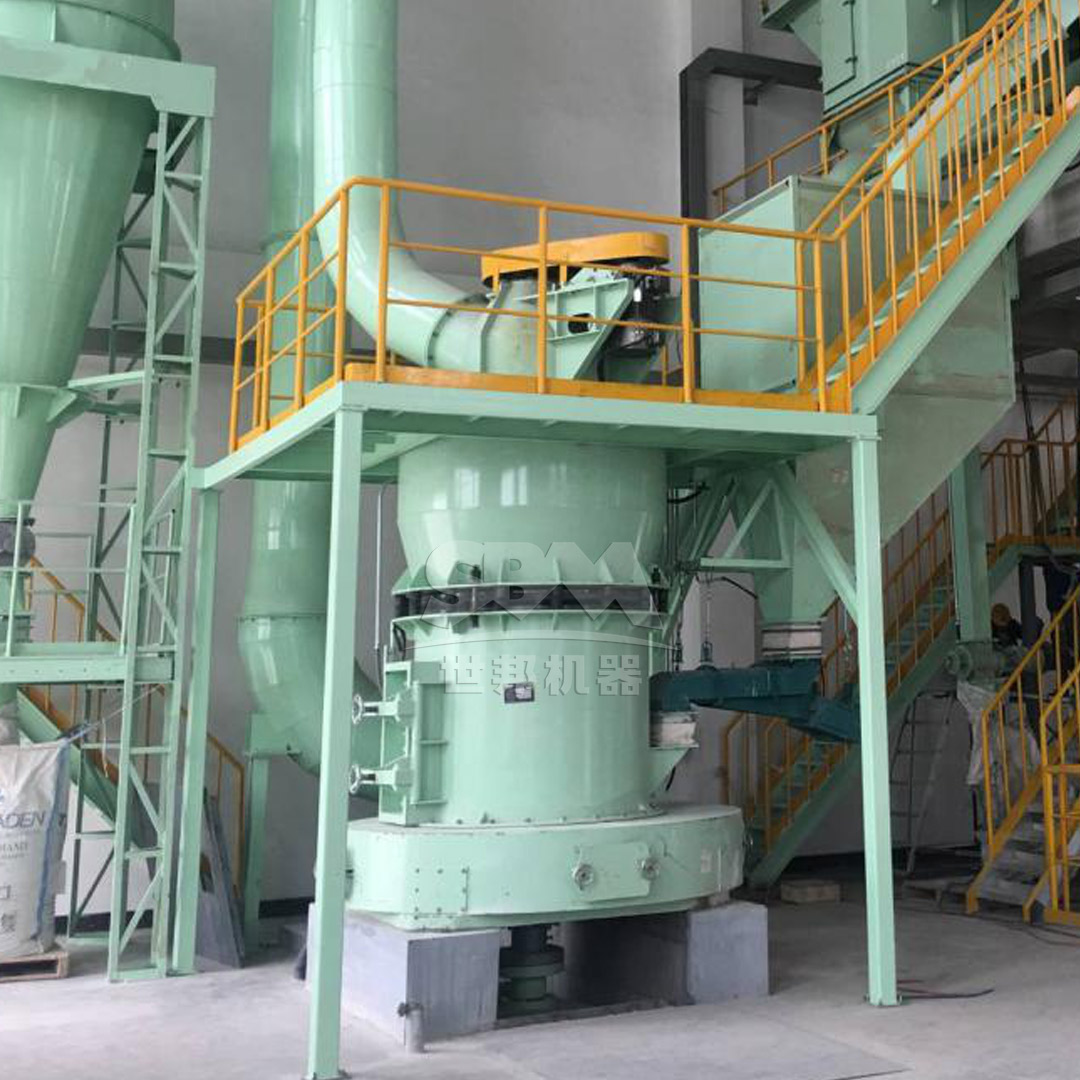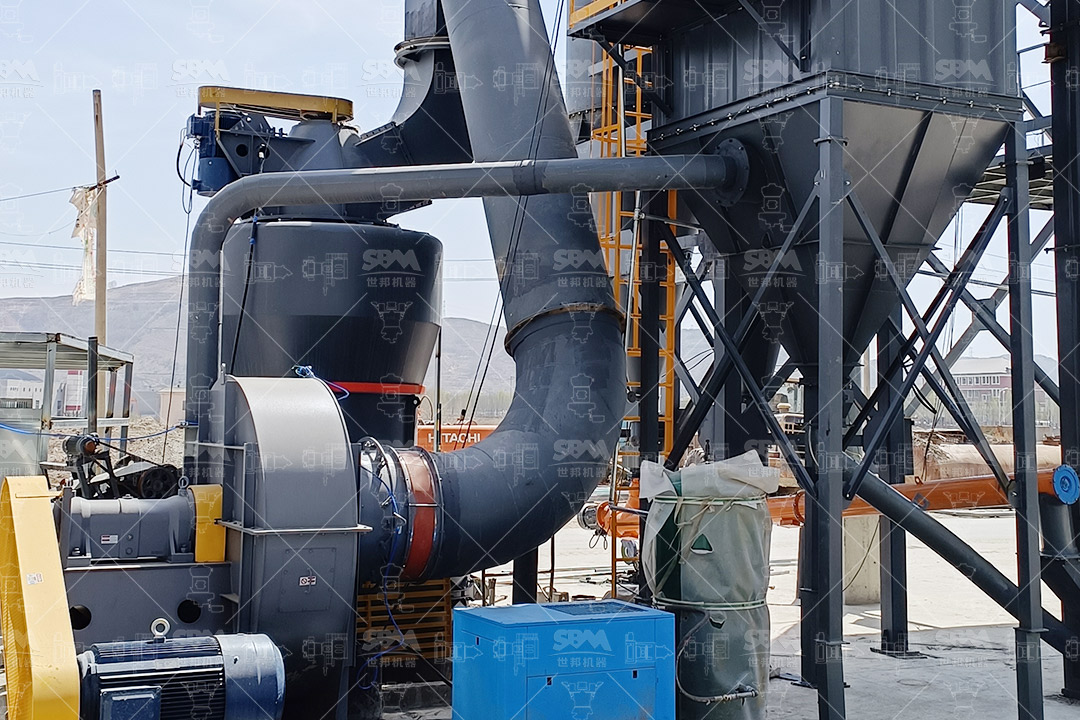
Calcined petroleum coke (CPC) is a critical raw material in the carbon industry, serving as the primary precursor for carbon anodes, graphite electrodes, and various carbon-based products. The processing of CPC—particularly its grinding and classification—plays a pivotal role in determining the quality and performance of downstream carbon products. In carbon plants, the need for precise particle size distribution, high purity, and consistent product quality demands robust, efficient, and technologically advanced milling equipment. This guide provides a comprehensive overview of the equipment options available for processing calcined petroleum coke, with a focus on selection criteria, application scenarios, and the technical advantages of leading milling solutions.
Calcined petroleum coke is produced by heating raw petroleum coke to temperatures between 1200°C and 1400°C, which removes volatile matter and increases the carbon content. The resulting material is hard, abrasive, and has a porous structure. Its typical properties include:
These characteristics impose specific requirements on grinding equipment: wear resistance, high classification precision, and the ability to handle abrasive materials without excessive downtime.
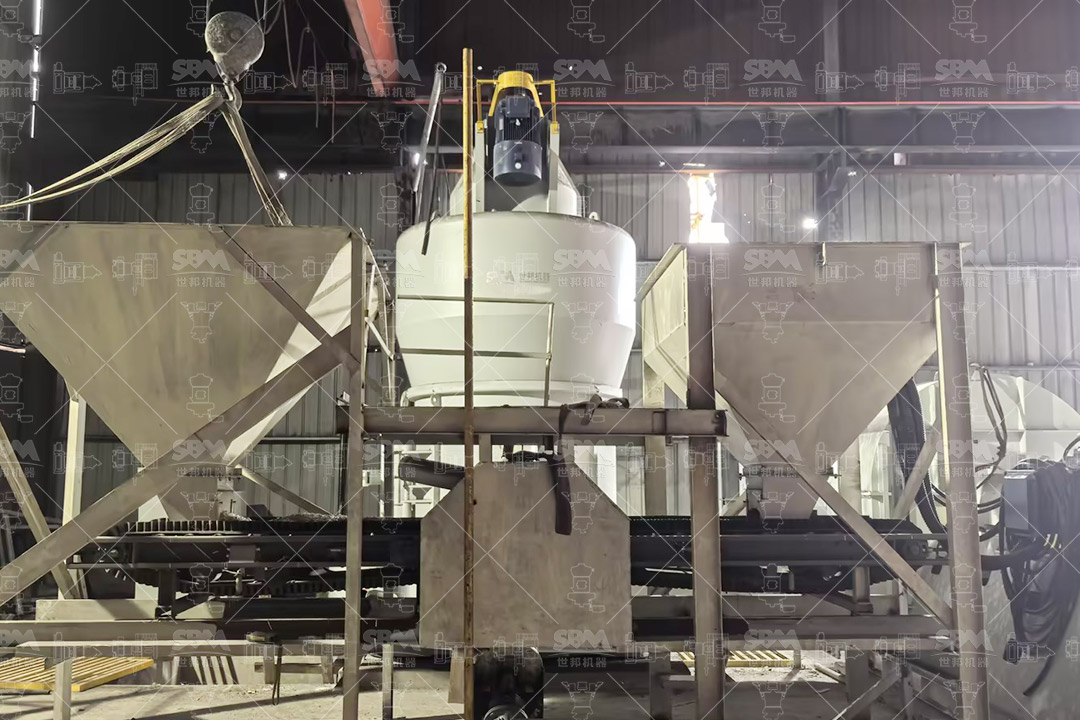
In carbon plants, CPC is typically ground to a fine powder (e.g., 200-325 mesh) for use in anode and electrode production. The key requirements for equipment include:
Several types of mills are suitable for CPC processing, each with distinct advantages and limitations. Below is a comparative analysis of the most commonly used equipment.
The SCM series is a high-efficiency ultrafine mill designed for materials with a Mohs hardness below 7. For CPC, which is abrasive but relatively brittle, the SCM mill offers exceptional performance. Its vertical turbine classifier ensures precise particle size cutting, eliminating coarse powder mixing. The special material rollers and rings extend service life, while the shaftless screw grinding chamber ensures stable operation. With a capacity of up to 25 t/h and fineness adjustable from 325 to 2500 mesh, the SCM series is ideal for producing ultrafine CPC powders for high-end carbon products.
Recommended Product: SCM1250 (capacity 2.5-14 t/h, main power 185 kW) – a versatile model balancing capacity and fineness control.
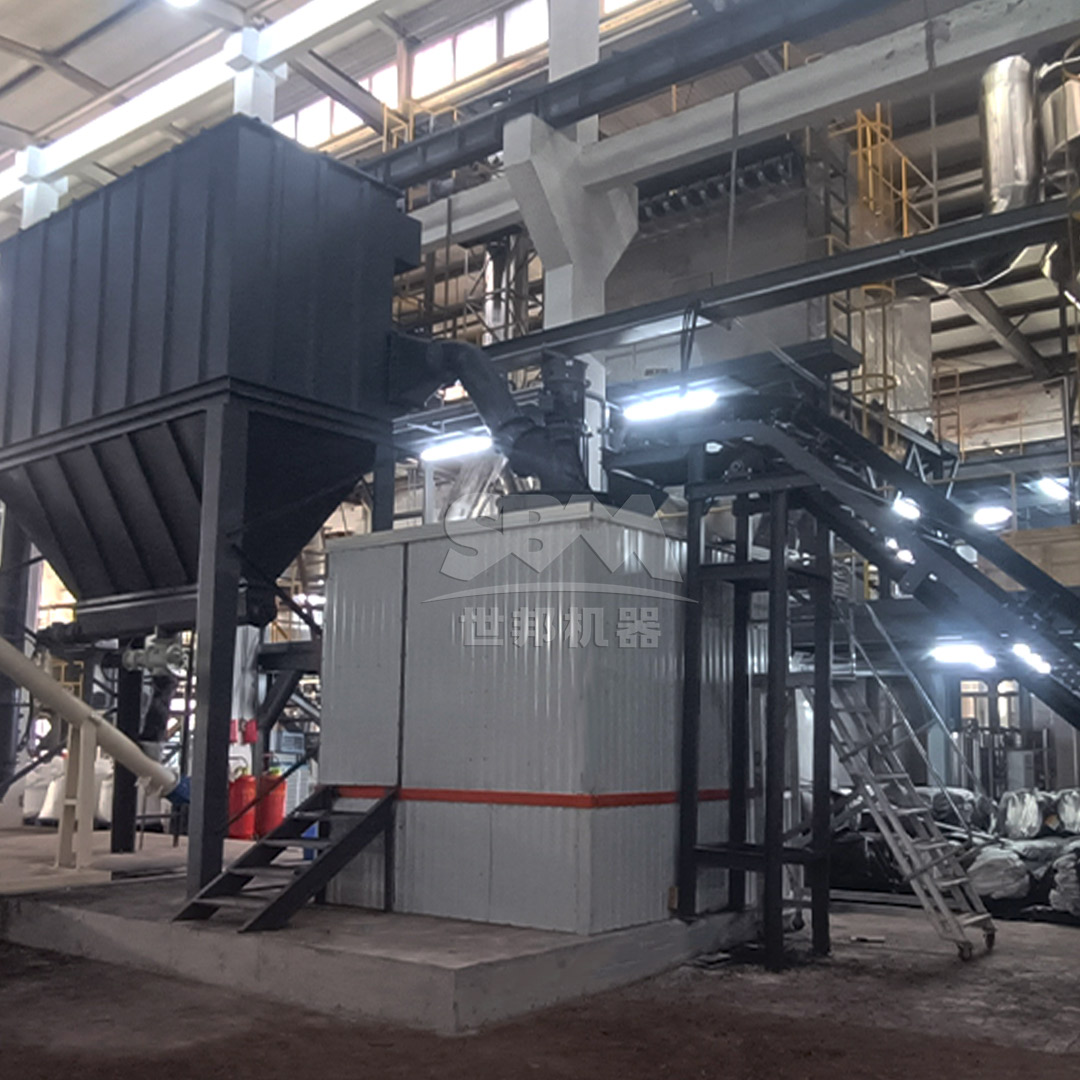
The MTW series is a proven solution for medium to fine grinding of abrasive materials. Its anti-wear shovel design and curved grinding rollers reduce maintenance costs, while the integral bevel gear drive achieves 98% transmission efficiency. For CPC grinding to 200-325 mesh, the MTW mill delivers reliable performance with low noise and dust emissions. The optimized arc air duct reduces energy loss, making it a cost-effective choice for carbon plants.
Recommended Product: MTW175G (capacity 9.5-25 t/h, main power 160 kW) – suitable for large-scale CPC processing with consistent fineness.
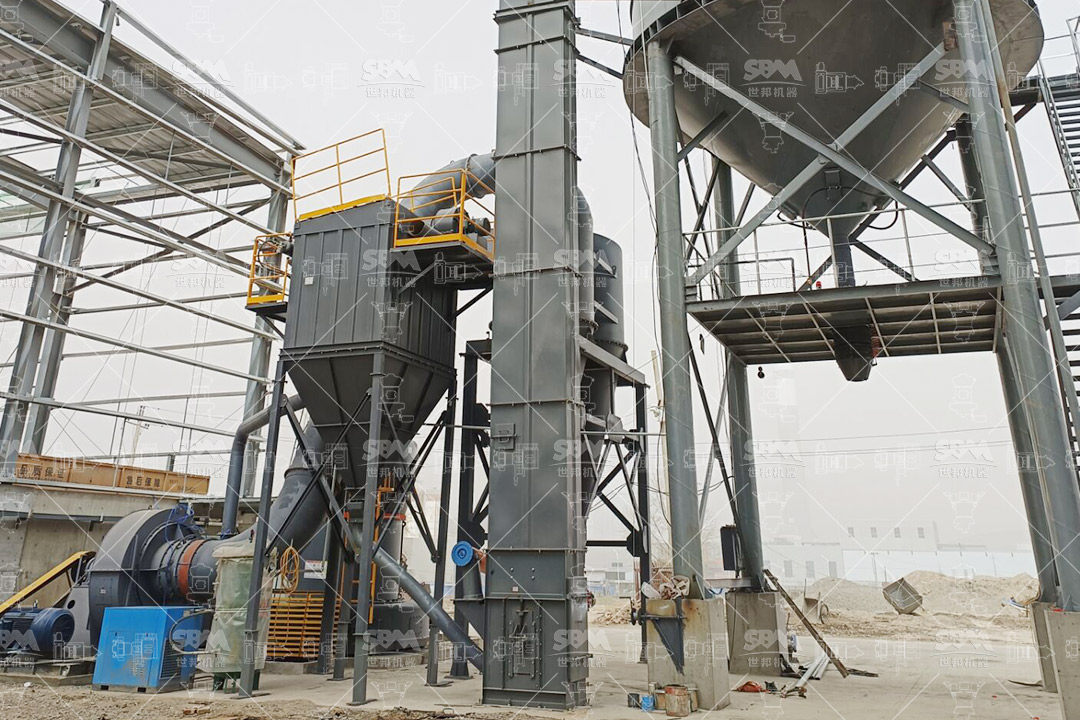
The LM vertical mill integrates crushing, grinding, and classification, reducing floor space by 50%. Its non-contact roller-table design extends wear part life by 3x and lowers energy consumption by 30-40% compared to ball mills. For CPC, the LM mill is particularly advantageous when high capacity and low operating costs are priorities. The intelligent control system enables remote monitoring and automatic adjustment, ensuring stable product quality.
The MTM series features intelligent pressure regulation that automatically compensates for roller wear, extending the life of rollers and rings by 30%. Its innovative roller assembly protects the main shaft bearings, while damping springs and sealing strips reduce noise and vibration. For CPC grinding to 45-325 mesh, the MTM mill offers a balance of performance and durability.
Ball mills are traditional workhorses in the carbon industry, capable of grinding CPC to 0.074-0.8 mm. While they offer high crushing ratios and large capacities (up to 450 t/h), their energy consumption is significantly higher than vertical mills. Ball mills are best suited for applications where coarse grinding or wet processing is required.
Hammer mills are used for coarse crushing of CPC before fine grinding. With a feed size of up to 40 mm and output of 0-3 mm, they prepare material for subsequent milling stages. Their compact structure and low investment cost make them a practical choice for primary size reduction.
The LUM series is designed for ultrafine grinding of materials up to 20 mm feed size. Its unique roller/liner curves improve grinding efficiency, while the multi-rotor classifier ensures no coarse particles. For CPC applications requiring high fineness (e.g., 800-1250 mesh), the LUM mill is an excellent choice.
The MRN pendulum mill features thin oil lubrication for maintenance-free operation and a pulse dust collector for eco-friendly performance. With capacities up to 83 t/h, it is suitable for medium-scale CPC grinding.
When selecting equipment for CPC processing, consider the following factors:
| Factor | Consideration | Recommended Equipment |
|---|---|---|
| Fineness Requirement | Ultrafine (325-2500 mesh) | SCM, LUM |
| Fine (200-325 mesh) | MTW, MTM | |
| Coarse (0-3 mm) | Hammer Mill, Ball Mill | |
| Capacity | High (>20 t/h) | LM, MTW175G, SCM1680 |
| Medium (5-20 t/h) | SCM1250, MTM160 | |
| Low (<5 t/h) | SCM800, MTM100 | |
| Wear Resistance | Abrasive material | SCM (special rollers), MTW (anti-wear shovel) |
| Energy Efficiency | Low power cost | LM (30-40% less), SCM (30% less) |
| Environmental Compliance | Dust and noise control | All models with pulse dust collection |
For most carbon plants processing CPC for anode production, a combination of a hammer mill for primary crushing and an MTW or SCM mill for fine grinding provides an optimal balance of cost and performance. For ultrafine applications, the SCM series is unmatched in precision and efficiency.
The selection of grinding equipment for calcined petroleum coke is a critical decision that impacts product quality, operational costs, and environmental compliance. The SCM Series Ultrafine Mill and MTW Series European Trapezium Mill stand out as exceptional solutions for carbon plants, offering high efficiency, precise classification, and durable design. By carefully matching equipment to specific fineness and capacity requirements, carbon plants can achieve optimal performance and profitability. For further assistance in selecting the right equipment for your CPC processing needs, please consult our technical team.