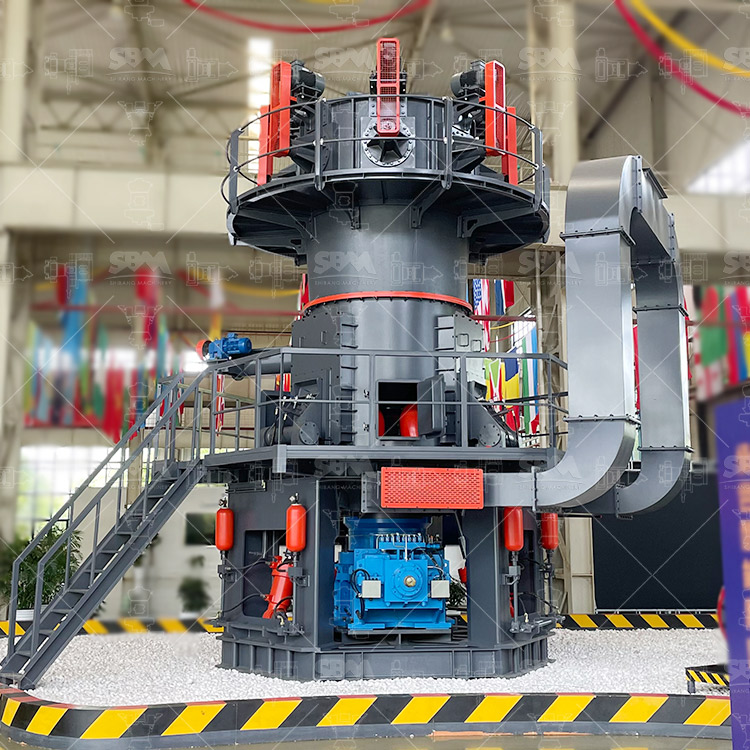
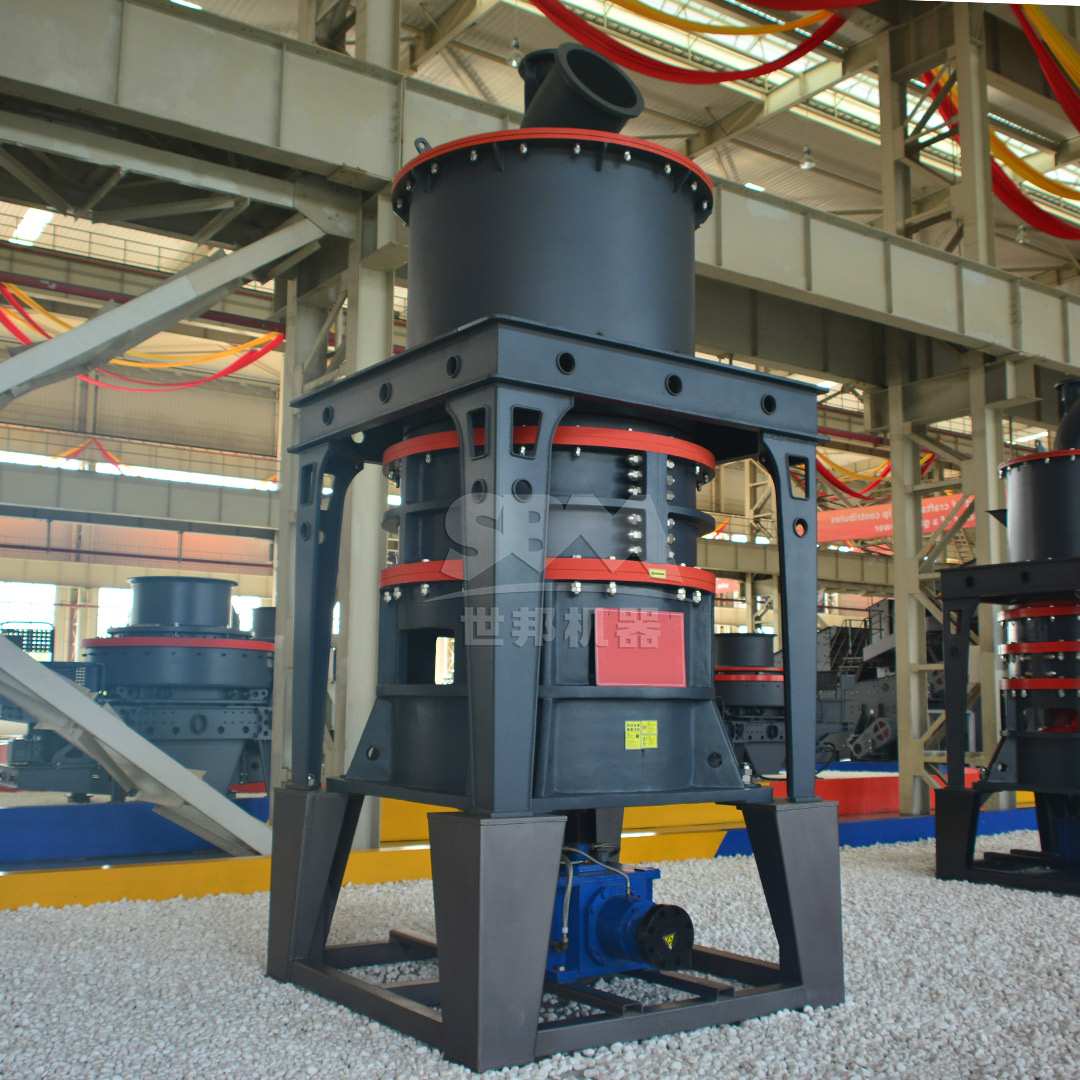
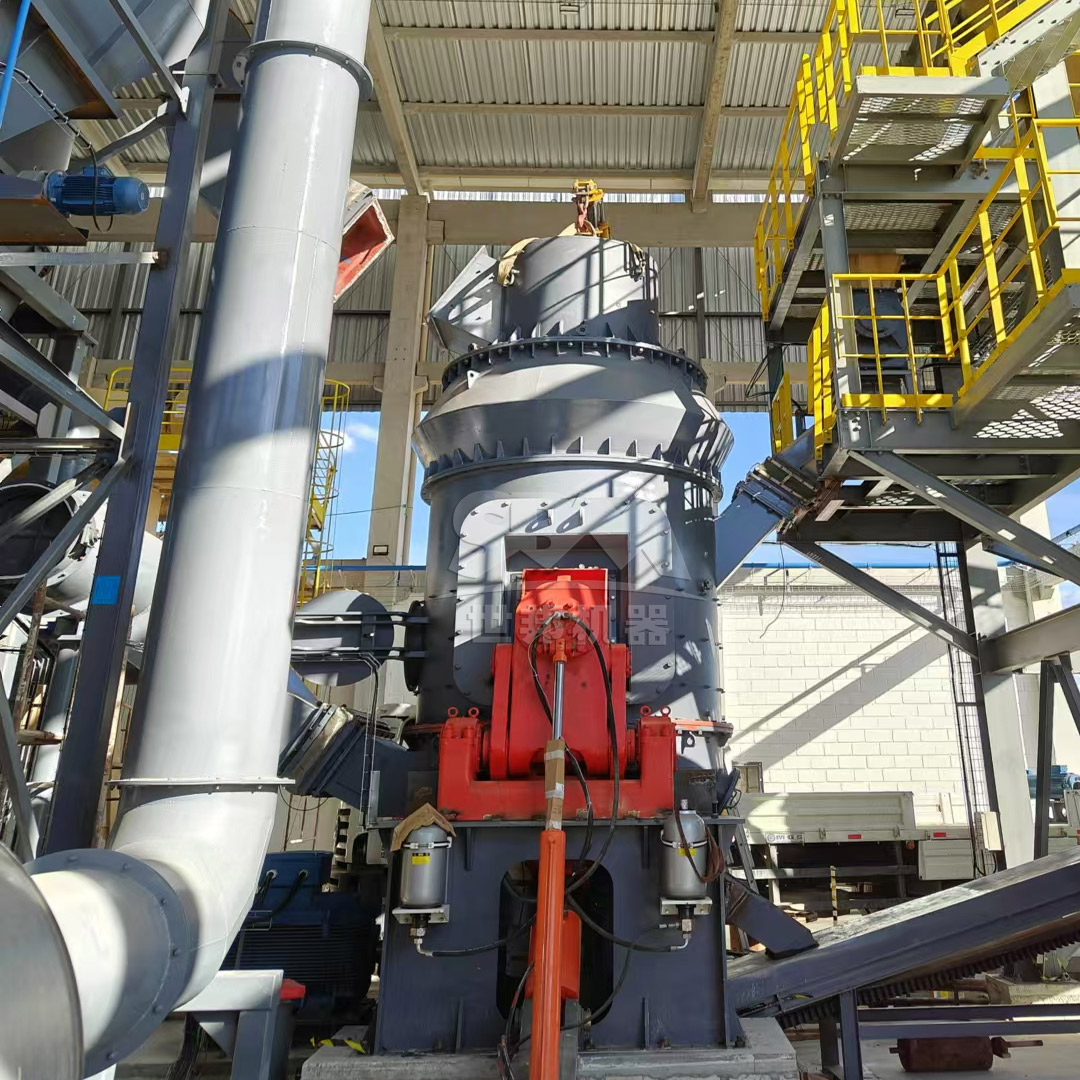
Bentonite, a versatile clay mineral primarily composed of montmorillonite, plays a crucial role in modern detergent formulations. Its unique properties—such as high cation exchange capacity, swelling ability, and adsorption—make it an excellent additive for enhancing cleaning power, softening water, and acting as a stabilizing agent. However, the efficacy of bentonite in detergents is intrinsically linked to its particle size and purity. Achieving the optimal fineness (typically ranging from 200 to 1250 mesh) requires specialized grinding equipment. Selecting the wrong mill can lead to inefficient processing, high energy costs, inconsistent product quality, and excessive wear. This guide provides a comprehensive framework for choosing the most suitable bentonite grinding mill, ensuring your detergent additive production is efficient, cost-effective, and yields a superior product.
The selection process must balance technical requirements with economic and operational realities. The following factors are paramount:
Detergent-grade bentonite demands a specific and uniform particle size. Coarse particles can leave residues on fabrics, while excessively fine powder can create dusting issues and reduce bulk density. The target fineness directly dictates the type of mill technology required.
Your required throughput (tons per hour) must align with the mill’s capacity. Consider both current needs and future expansion. Under-sizing a mill leads to bottlenecks, while over-sizing results in unnecessary capital expenditure and inefficient partial-load operation.
Bentonite is often processed with inherent moisture. Mills handle moisture differently. Some require pre-drying, while others, like vertical roller mills, can handle a certain degree of moisture with integrated hot air systems. The maximum feed size of raw bentonite lumps also determines if a preliminary crushing stage is needed.
Grinding is an energy-intensive process. The specific energy consumption (kWh/ton) of the mill is a major determinant of long-term operating costs. Advanced mills with high grinding efficiency and integrated classifiers often offer significant savings over traditional technologies.
Bentonite can be abrasive. The design and material of grinding elements (rollers, rings, liners) directly impact maintenance frequency, downtime, and spare parts costs. Mills with easily replaceable, wear-resistant components are preferable for continuous production.
Dust control is non-negotiable. A closed-system mill with an efficient pulse-jet bag filter is essential to protect workers and meet environmental regulations. Noise levels should also be considered for the plant environment.
Different mill types offer distinct advantages and limitations for bentonite processing. The table below provides a high-level comparison.
| Mill Type | Typical Output Range | Suitability for Detergent Bentonite | Key Advantages | Potential Limitations |
|---|---|---|---|---|
| Raymond Mill (MTW Series) | 30-325 mesh | Good for medium-fine grades. | Mature technology, reliable, lower initial cost. | Limited to finer meshes, higher energy use for ultrafine. |
| Vertical Roller Mill (LM Series) | 30-600 mesh | Excellent for high-capacity, fine grinding. | High efficiency, integrated drying, low operating cost. | Higher initial investment, more complex system. |
| Ultrafine Mill (SCM Series) | 325-2500 mesh | Ideal for high-end ultrafine additives. | Exceptional fineness, precise classification, energy-saving. | Optimized for dry, low-moisture feed. |
| Ball Mill | 0.074-0.8mm (~20-200 mesh) | Suitable for basic, coarse-grade filler. | Simple, versatile, can handle wet grinding. | Low efficiency for fine grinding, high noise, high wear. |
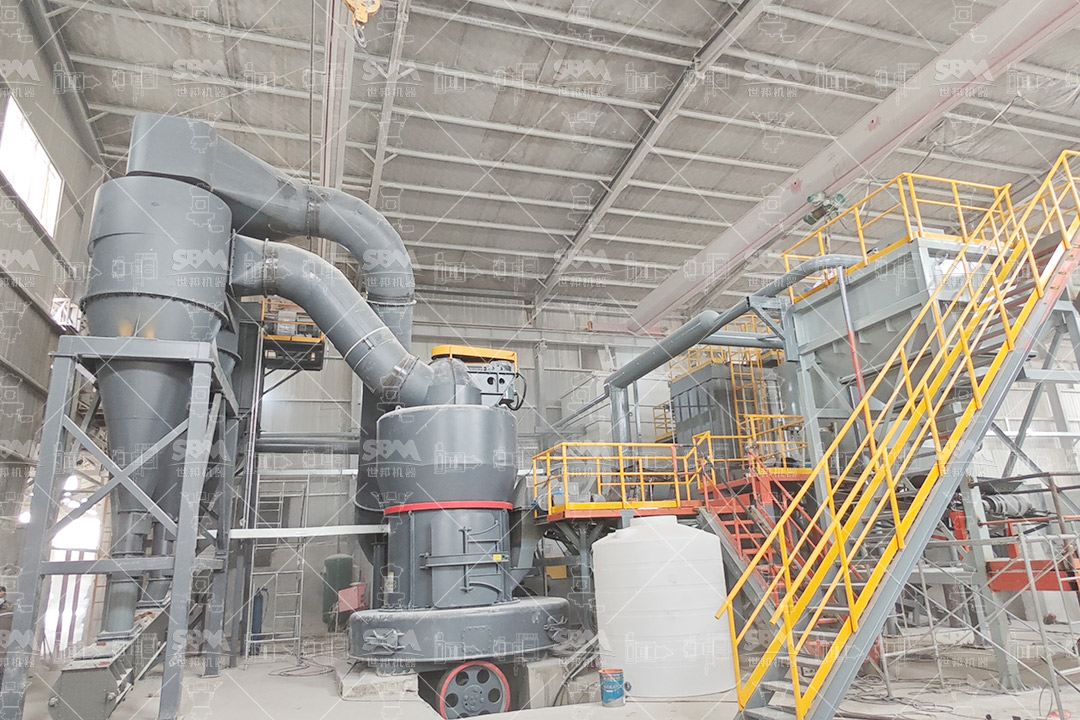
Based on the stringent requirements for detergent additives—high fineness, uniformity, and production efficiency—two of our mill series stand out as optimal solutions.
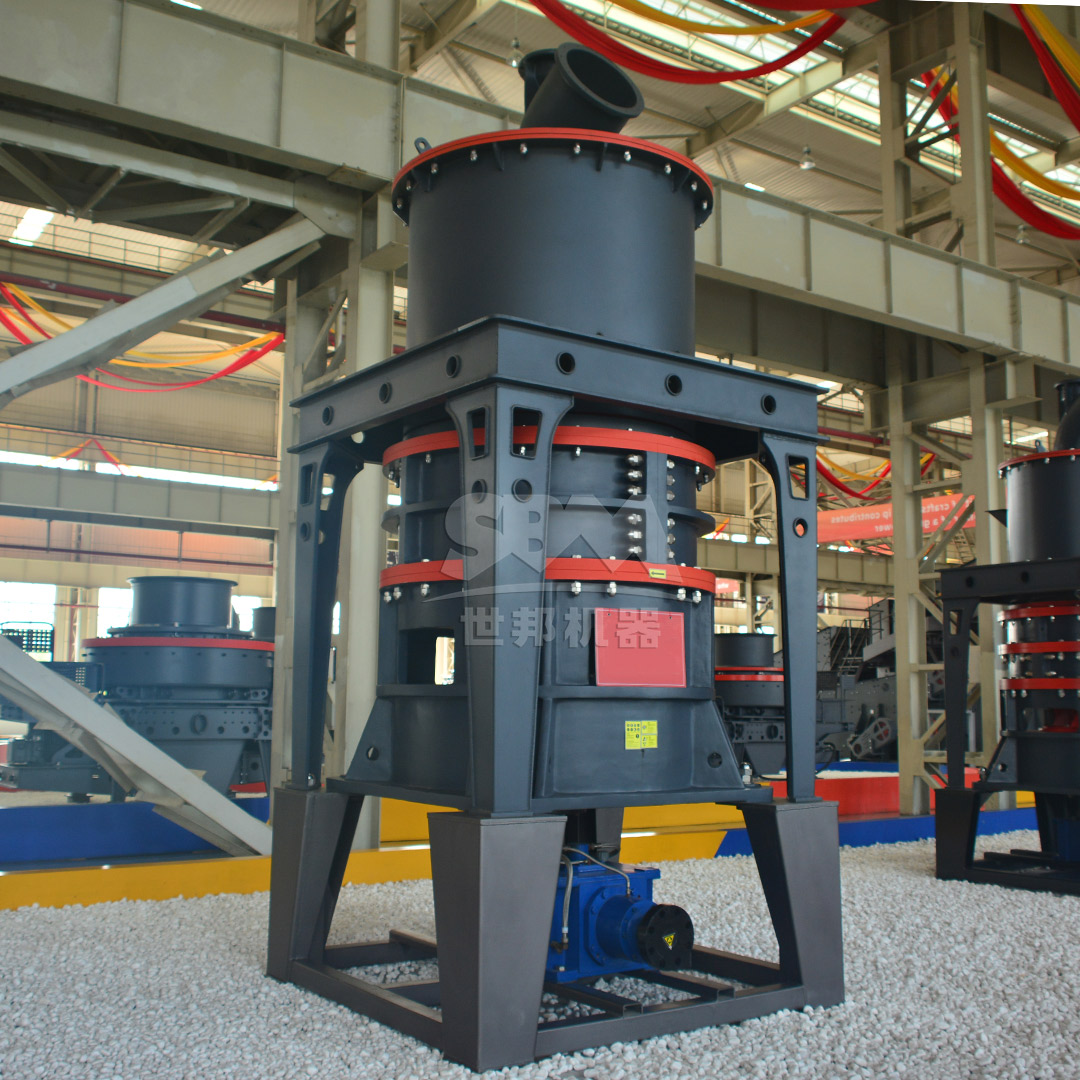
For producers targeting the premium segment of detergent additives requiring ultra-fine, high-purity bentonite (325-2500 mesh), the SCM Series Ultrafine Mill is the definitive choice. Its design philosophy centers on precision and efficiency, making it perfectly suited for transforming bentonite into a superior functional additive.
Why it excels for detergent bentonite:
Model Guidance: For a mid-scale detergent additive production line, the SCM1000 model (Capacity: 1.0-8.5t/h, Fineness: 325-2500 mesh) offers an excellent balance of output and flexibility. For larger-scale operations, the SCM1680 model (Capacity: 5.0-25t/h) provides the necessary throughput.
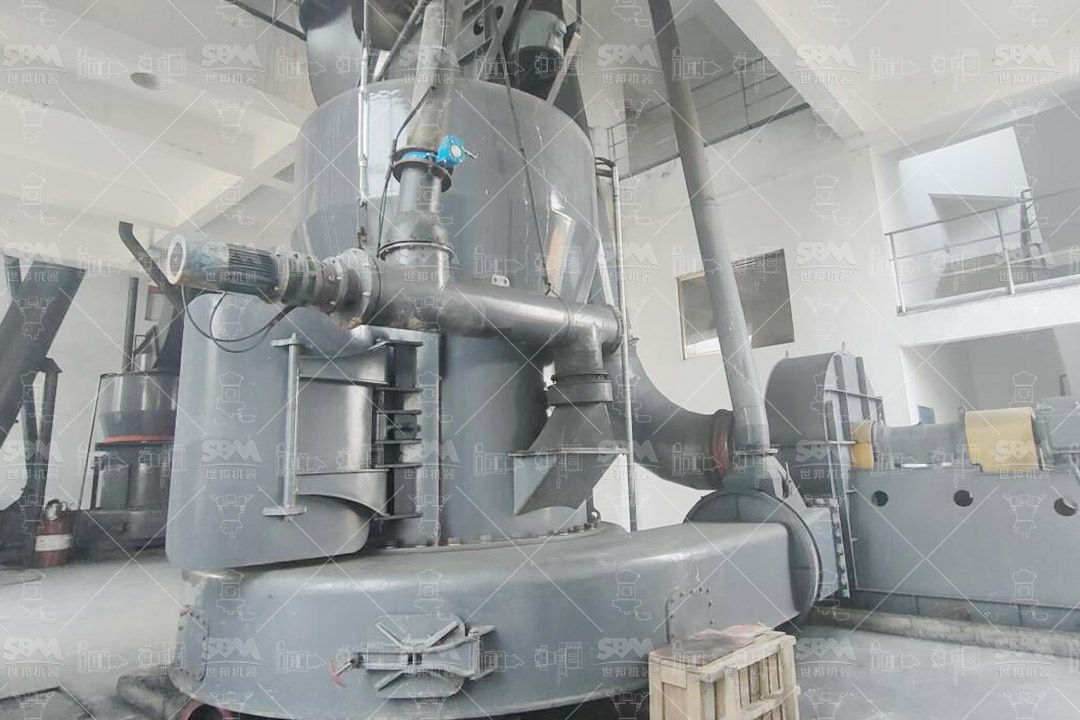
For operations requiring large volumes of fine bentonite powder in the 30-325 mesh range, perhaps for standard detergent formulations, the MTW Series European Trapezium Mill is a robust and efficient workhorse.
Key benefits for large-scale production:
Model Guidance: The MTW215G model (Capacity: 15-45t/h, Fineness: 10-325 mesh) is the flagship model for massive production requirements.
Before finalizing your decision, work through this checklist:
 <\/p>
<\/p>
Selecting the optimal bentonite grinding mill is a strategic decision that impacts the quality, cost, and competitiveness of your detergent additives. While traditional mills like ball mills have their place, the demands of modern detergent production increasingly point towards more advanced, efficient, and precise technologies. For ultrafine, high-value additives, the SCM Series Ultrafine Mill<\/strong> represents the pinnacle of performance. For high-volume output of fine-grade bentonite, the MTW Series European Trapezium Mill<\/strong> offers unmatched reliability and efficiency. By carefully evaluating your specific requirements against the technical capabilities of these mills, you can invest in a grinding solution that not only meets today’s needs but also supports the future growth and quality aspirations of your detergent additive production line.<\/p>