The production of high-performance pesticide formulations increasingly relies on functional mineral additives, with kaolin being a prime example. Its role as a carrier, diluent, and anti-caking agent is critical. However, the efficacy of kaolin in these applications is directly tied to its particle size distribution, fineness, purity, and morphology. Selecting the appropriate grinding mill is therefore not merely an equipment choice but a fundamental decision impacting product quality, production efficiency, and operational cost. This guide provides a systematic approach to choosing the optimal grinding solution for pesticide-grade kaolin production.
Before evaluating mill types, it is essential to define the target specifications dictated by the pesticide formulation.
Pesticide formulations require precise particle size control. Ultra-fine kaolin (e.g., 800-2500 mesh or 5-20μm) offers superior suspension, adhesion, and coverage, enhancing the active ingredient’s performance. A narrow particle size distribution is crucial to prevent segregation and ensure uniform blending. The chosen mill must deliver consistent fineness with high classification accuracy.
Production volume requirements—from pilot-scale batches to continuous, high-tonnage output—will narrow down suitable mill categories. Consider both current needs and future expansion.
The grinding process must not introduce metallic or other contaminants that could react with sensitive pesticide chemicals. Mills with minimal wear-part contact or those utilizing ceramic/advanced alloy components are preferred.
Grinding is energy-intensive. Mills with higher grinding efficiency and integrated classification systems typically offer lower specific energy consumption (kWh/ton), significantly impacting long-term operational expenses.
A complete system should include efficient dust collection, noise reduction, and often drying capabilities if processing moist crude kaolin. A compact, integrated design saves space and simplifies operation.
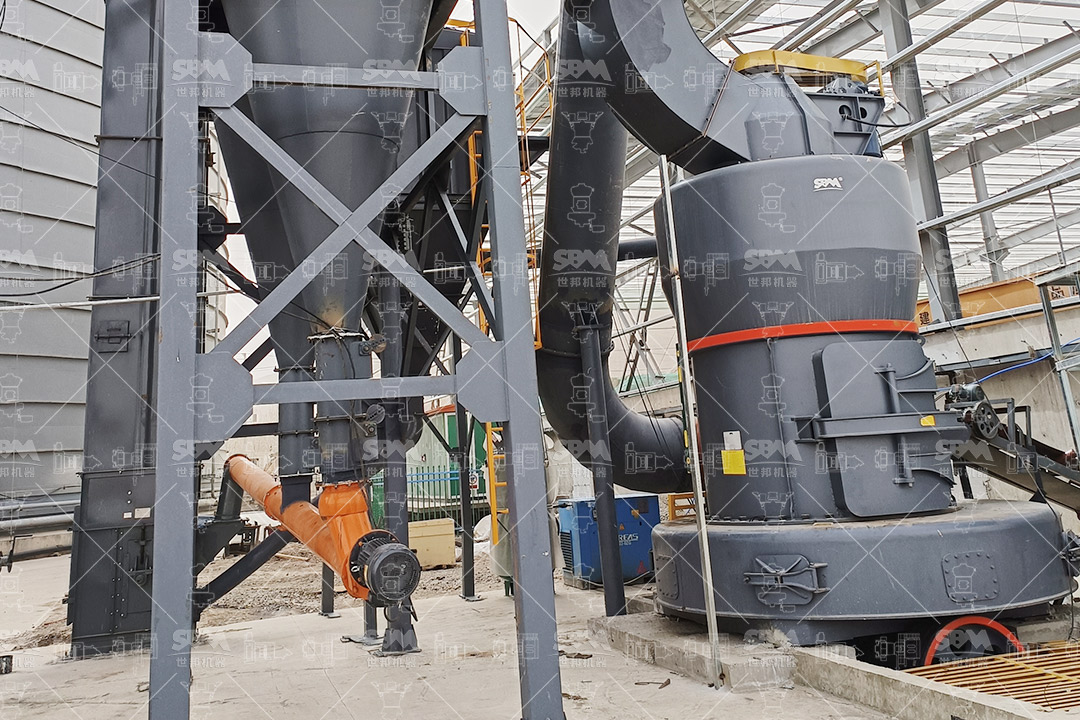
Different mill technologies operate on distinct principles, making them suitable for specific fineness ranges and production scales.
Principle: Impact and attrition via tumbling steel balls.
Typical Output: 0.074-0.8mm (200-20 mesh).
Pros: Simple, robust, suitable for coarser grinding or wet processing.
Cons for Kaolin: Generally cannot achieve ultra-fine grades (<20μm) efficiently. High energy consumption, potential for iron contamination from media wear, and broad particle size distribution often necessitate additional classification.
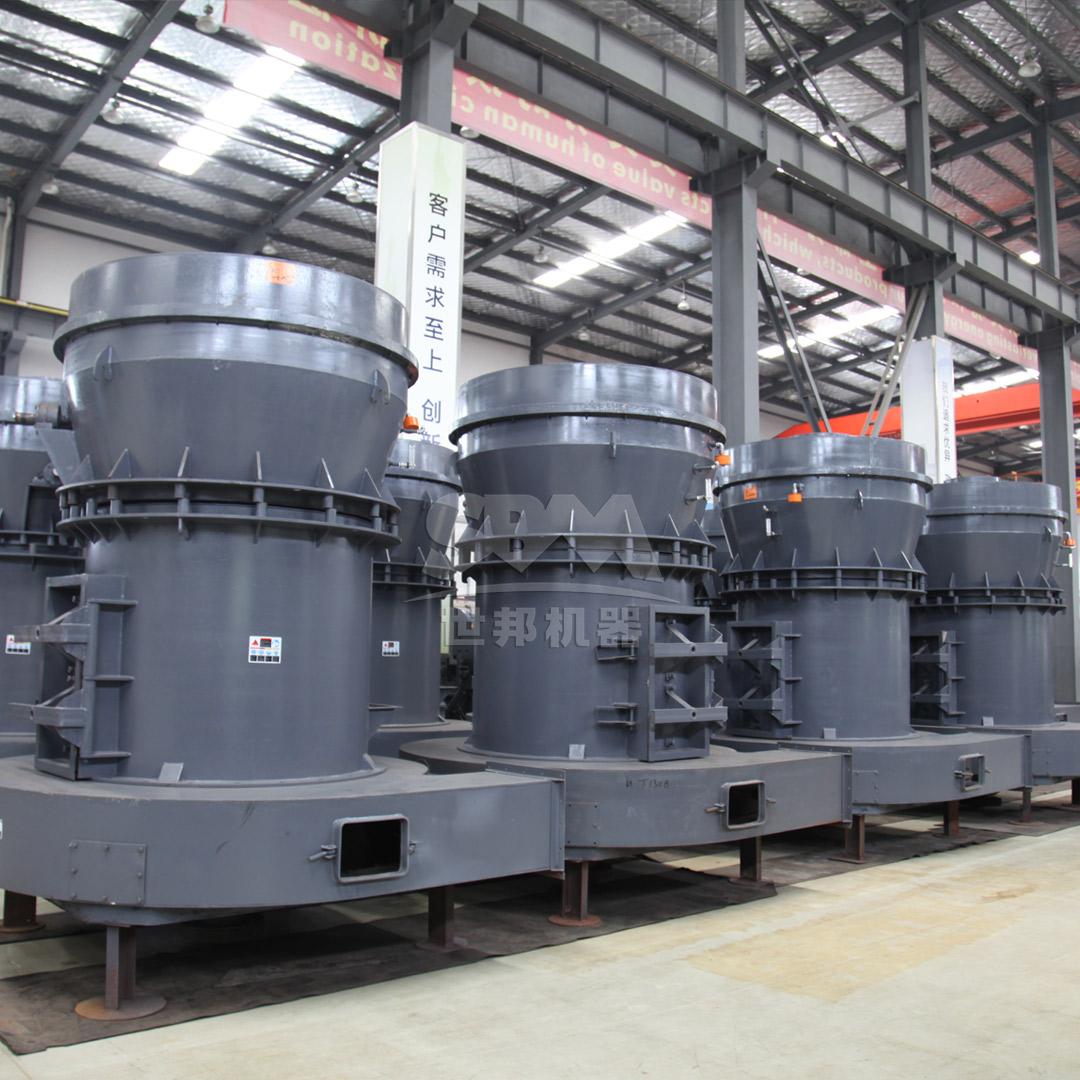
Principle: Centrifugal roller grinding against a stationary ring.
Typical Output: 45-325 mesh (600-45μm).
Pros: Reliable, cost-effective for medium-fineness powder, good for drying-grinding combined operations.
Cons for Kaolin: Limited upper fineness range, making it unsuitable for high-end, ultra-fine pesticide additives requiring sub-20μm particles.
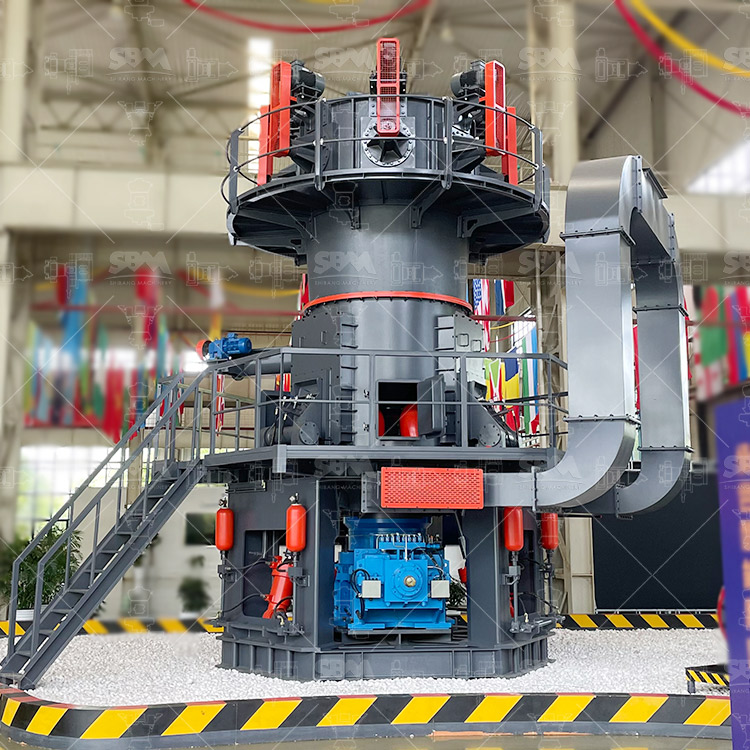
Principle: Material bed grinding between rollers and a rotating table.
Typical Output: 30-325 mesh (up to 600 mesh for special models).
Pros: Excellent energy efficiency, large capacity, integrated drying-grinding-classification. Ideal for high-volume production of medium-fineness kaolin.
Cons: Capital cost is higher. Achieving consistent ultra-fine powder below 10μm can be challenging with standard models.
Principle: Inter-particle collision (Jet Mill) or high-pressure roller grinding with precise classification.
Typical Output: 5-45μm (2500-325 mesh).
Pros: Capable of producing the finest, most uniform powders with narrow distribution. Often designed to minimize contamination.
Cons: Higher specific energy consumption for some types (e.g., Jet Mills). System complexity and investment cost are generally higher.
| Mill Type | Typical Fineness Range | Key Advantage | Primary Limitation for Kaolin | Best Suited For |
|---|---|---|---|---|
| Ball Mill | 0.074-0.8mm | High Capacity, Wet/Dry | Coarse, Broad Distribution | Coarse carrier/diluent |
| Raymond Mill | 45-325 mesh | Cost-Effective, Reliable | Limited to Medium Fineness | Standard filler grade |
| Vertical Roller Mill | 30-600 mesh | Energy Efficient, Large Scale | Ultra-fine capability limited | High-volume production |
| Ultrafine Mill | 325-2500 mesh | Extreme Fineness & Precision | Higher Initial Investment | High-performance pesticide additive |
For producing high-value, ultra-fine kaolin additives that meet the stringent requirements of modern pesticide formulations, advanced ultrafine grinding technology is the clear choice. It delivers the particle size, purity, and consistency necessary for optimal formulation performance.
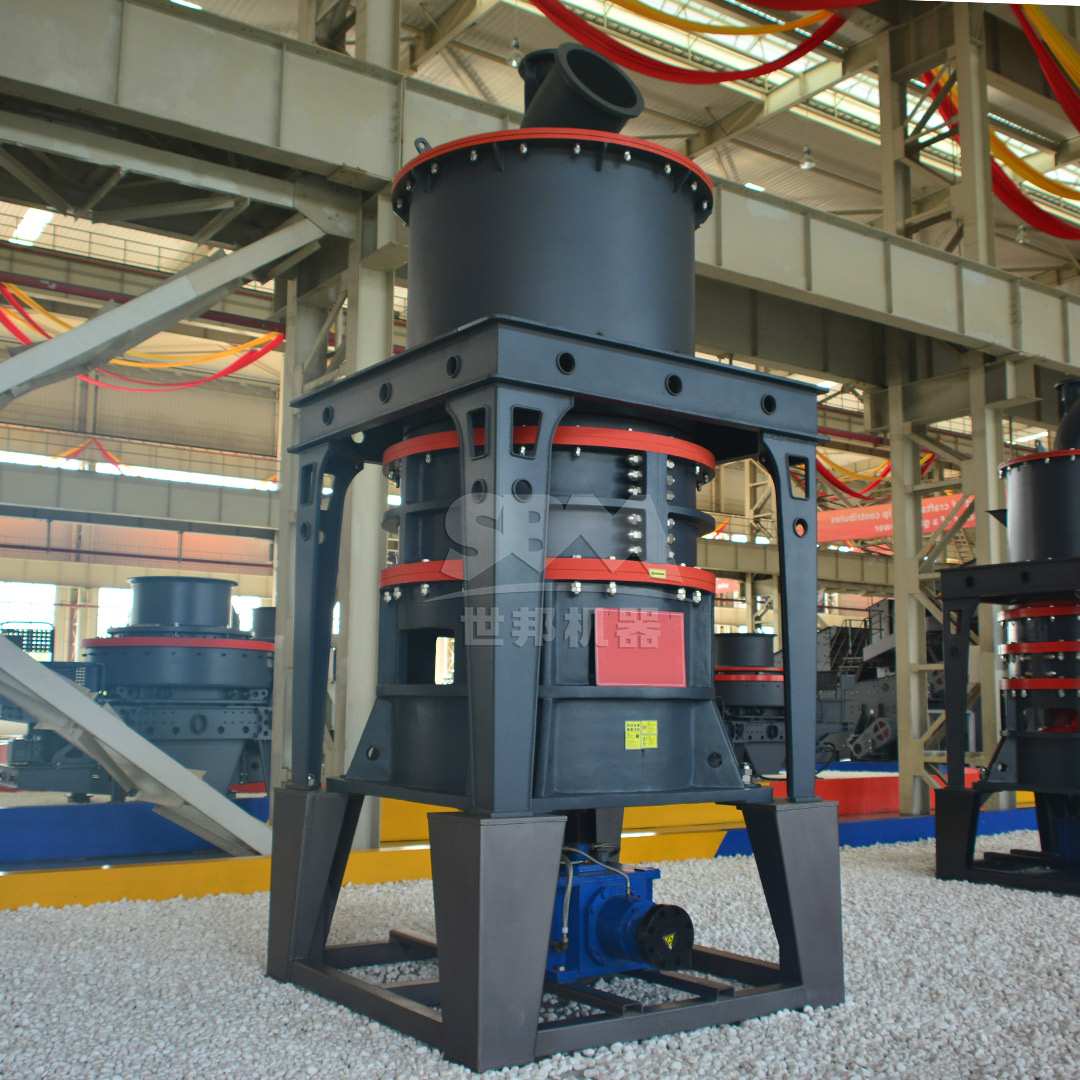
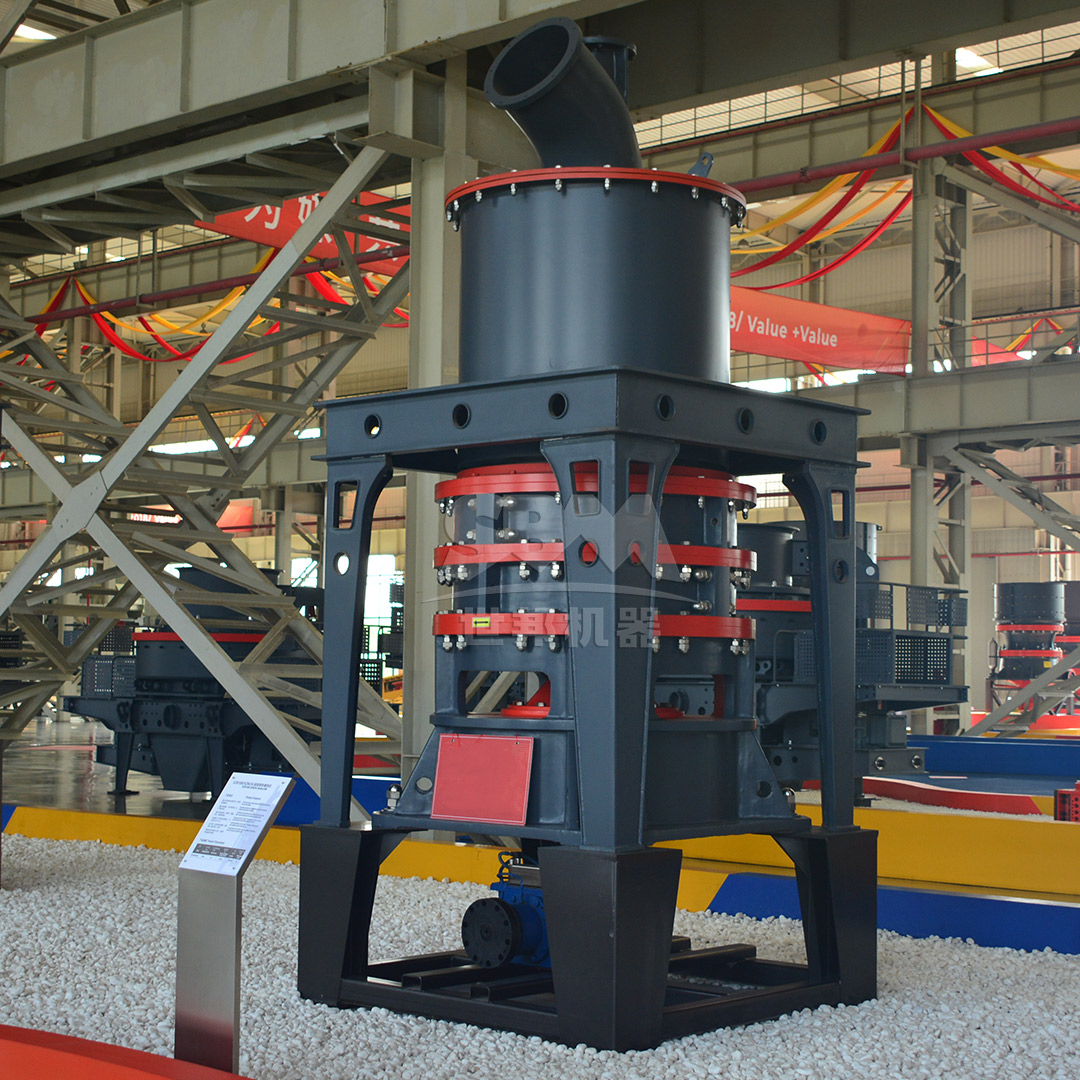
For most pesticide kaolin production targeting fineness between 325 and 2500 mesh (45-5μm), the SCM Series Ultrafine Mill represents an optimal balance of performance, efficiency, and reliability.
Why it excels for pesticide kaolin:
| Model | Capacity (t/h) | Main Power (kW) | Output Fineness | Suitable Production Scale |
|---|---|---|---|---|
| SCM800 | 0.5-4.5 | 75 | 325-2500 mesh | Pilot to Medium |
| SCM1000 | 1.0-8.5 | 132 | 325-2500 mesh | Medium |
| SCM1250 | 2.5-14 | 185 | 325-2500 mesh | Medium to Large |
| SCM1680 | 5.0-25 | 315 | 325-2500 mesh | Large Scale |
The SCM1250 model is often an ideal choice for dedicated pesticide additive lines, offering a robust balance of capacity (2.5-14 t/h) and power, capable of serving significant market demand.
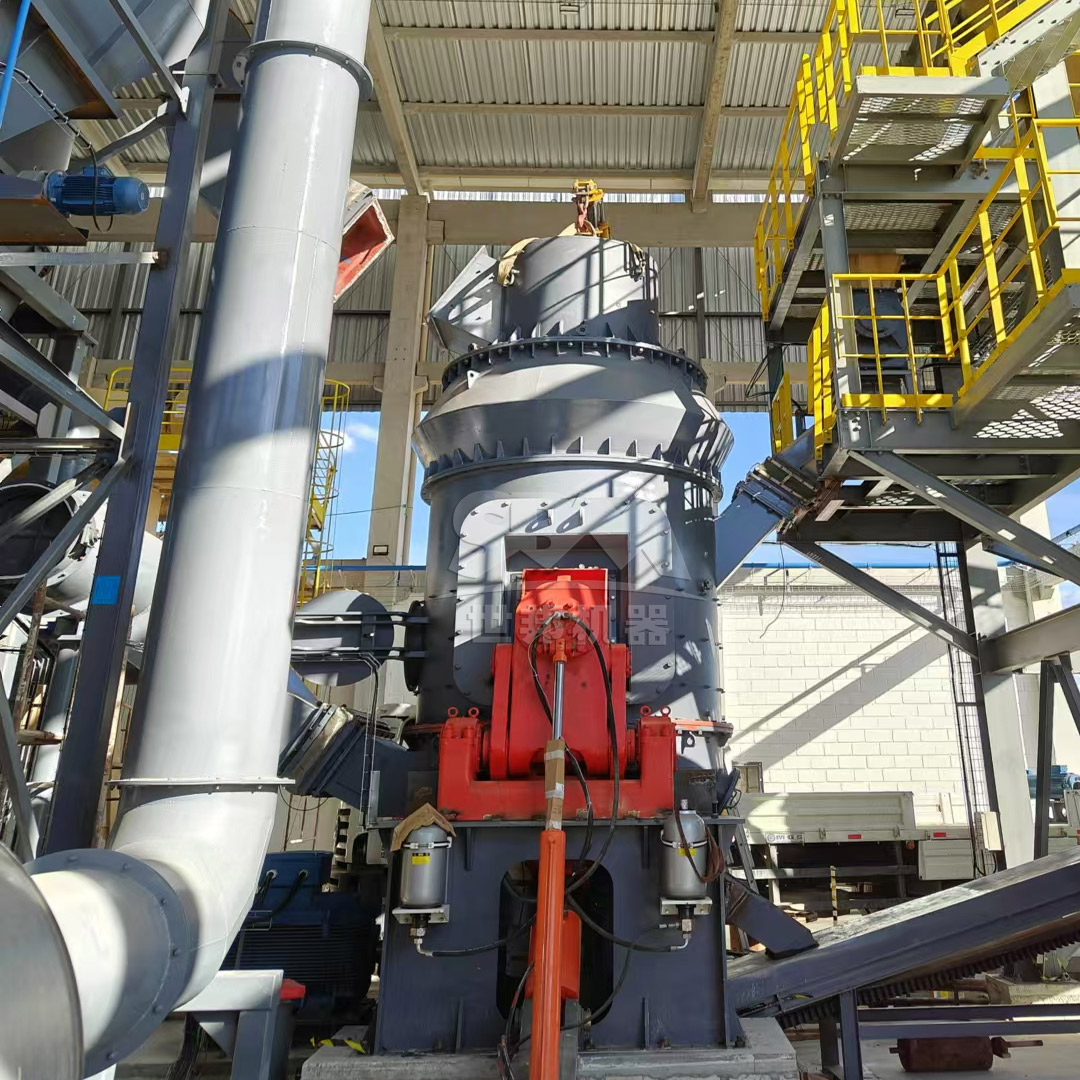
If the formulation specifically requires kaolin in the 30-325 mesh range (600-45μm) for cost-effective bulk filling or where ultra-fineness is not critical, the MTW Series European Trapezium Mill is a highly efficient and robust option.
Key advantages include:
This mill is perfect for producing standard-grade kaolin diluents or for the pre-grinding stage before further ultra-fine processing.
For the production of high-performance pesticide kaolin additives, where fineness, purity, and consistency are paramount, the SCM Series Ultrafine Mill stands out as a technologically advanced and economically sound solution. Its ability to deliver precisely controlled ultra-fine powder reliably makes it an investment that directly enhances the value and performance of the final pesticide product.