In the paint manufacturing industry, molybdenum ore additives play a crucial role in enhancing anti-corrosion properties, improving color stability, and providing functional benefits such as flame retardancy. The quality and consistency of these additives depend significantly on the grinding and processing equipment used. Selecting the right production equipment is not merely a technical decision but a strategic one that impacts product quality, production efficiency, and operational costs. This article provides a comprehensive guide on how to choose the right production equipment for molybdenum ore additives in paint manufacturing, covering key considerations, technical parameters, and recommended solutions.
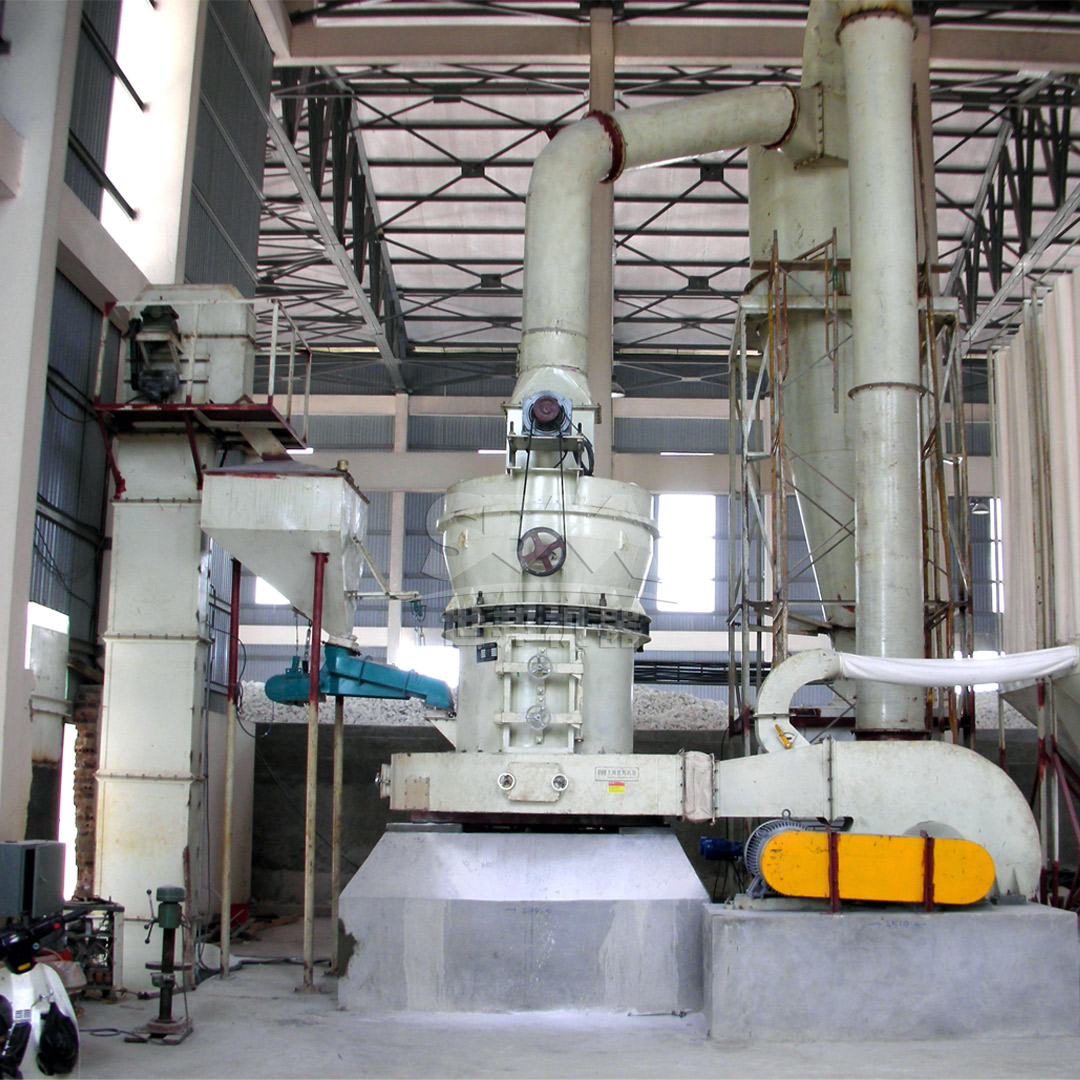
Molybdenum ore, primarily molybdenum disulfide (MoS2) and molybdenum trioxide (MoO3), is used in paints as anti-corrosion pigments, lubricating additives, and UV stabilizers. The particle size distribution, purity, and morphology of the molybdenum powder directly influence the paint’s performance. For anti-corrosion applications, a fineness of 325-2500 mesh (approximately 5-45 microns) is typically required to ensure uniform dispersion and effective barrier properties. For lubricating paints, finer particles (down to 5 microns) are preferred to enhance smoothness and reduce friction. Therefore, the grinding equipment must achieve precise particle size control within this range while maintaining high throughput and energy efficiency.
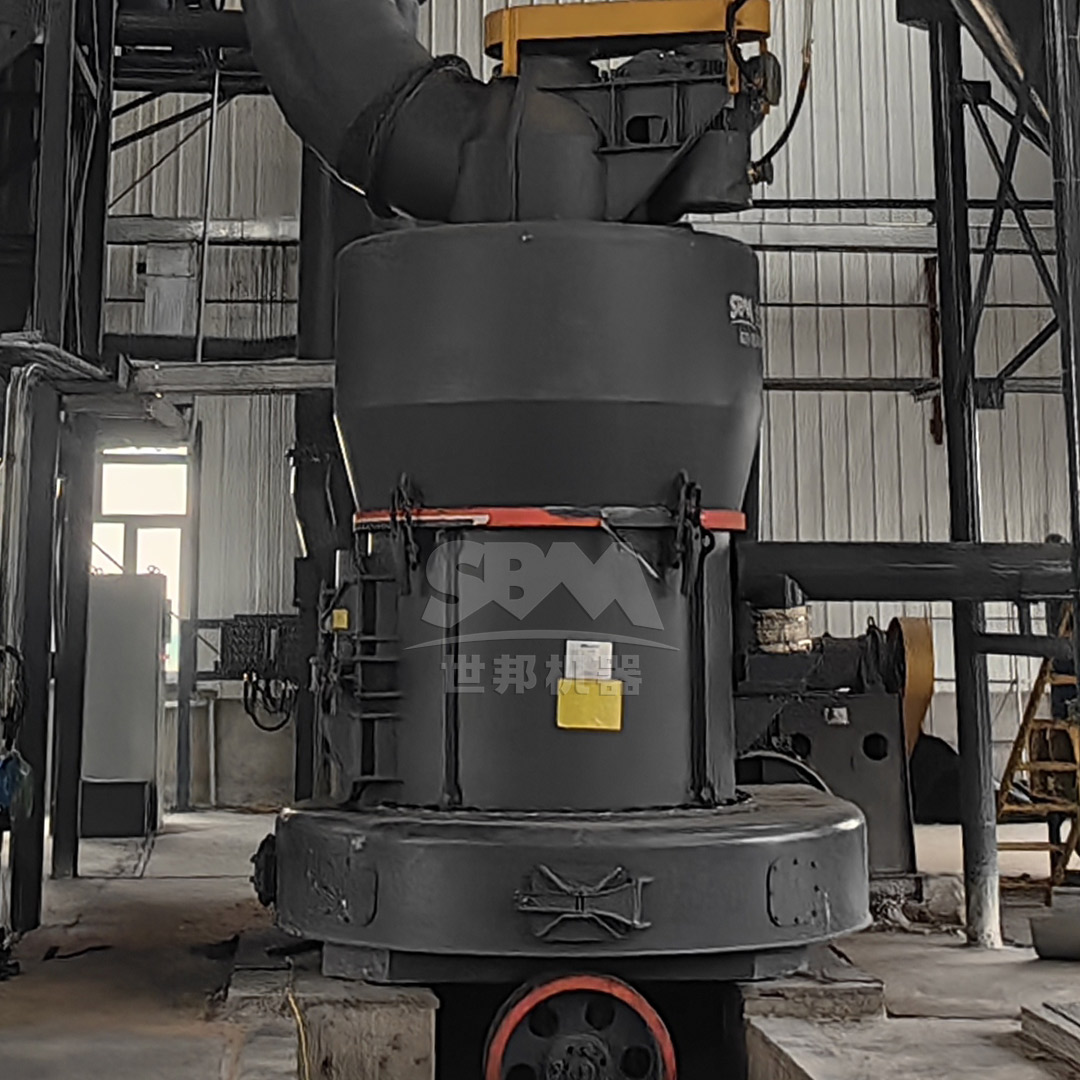
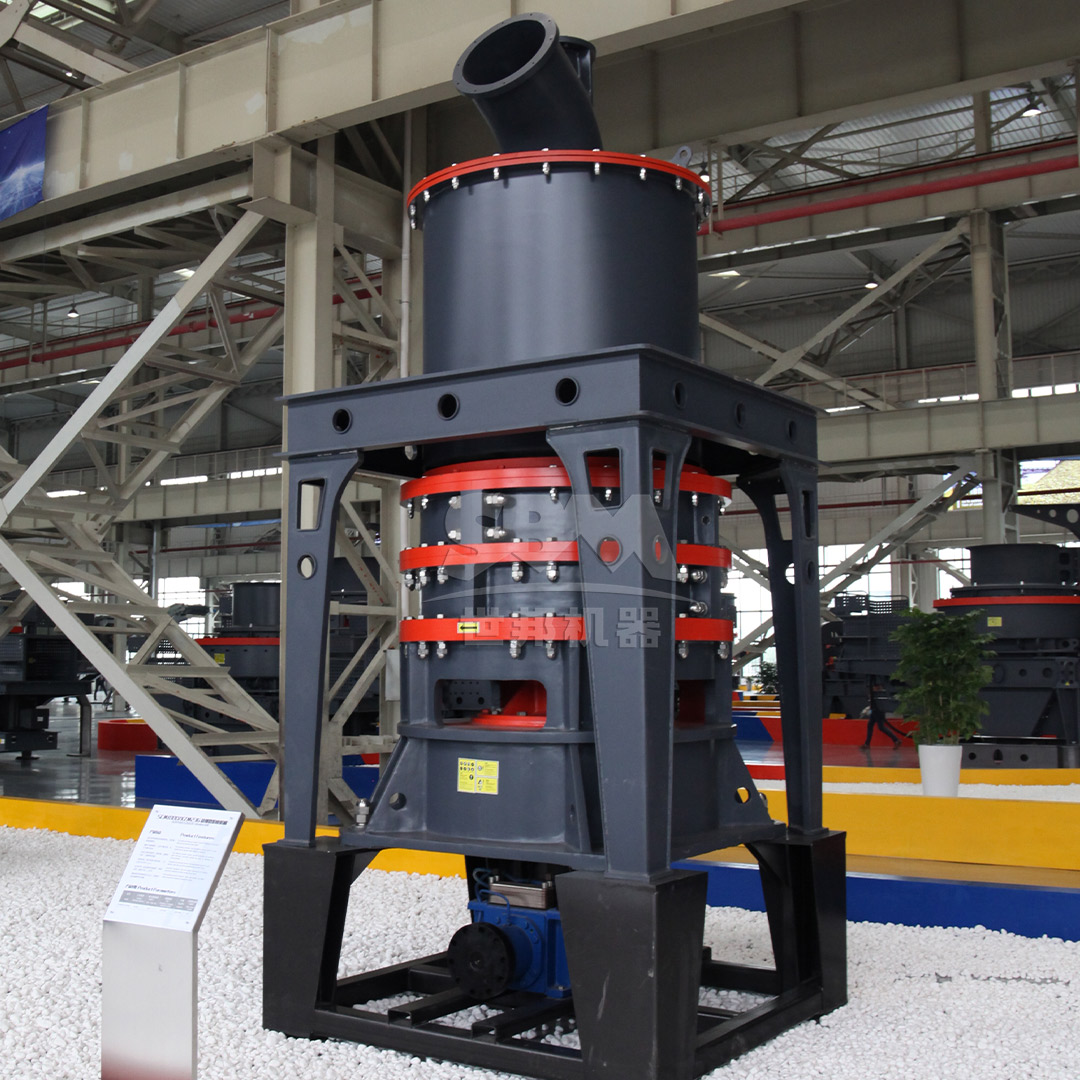
The most critical parameter is the target fineness. Molybdenum ore additives for high-end paints often demand ultra-fine grinding down to 2500 mesh (5 microns). The equipment must provide precise classification to avoid coarse powder contamination, which can cause surface defects in the final paint film. For general-purpose paints, a fineness of 800-1250 mesh (10-15 microns) is usually sufficient. The SCM Series Ultrafine Mill, with its output fineness of 325-2500 mesh (45-5 microns), is ideally suited for both standard and premium applications. Its vertical turbine classifier ensures high-precision classification with no coarse powder mixing, making it a top choice for molybdenum ore processing.
| Paint Type | Target Application | Recommended Fineness (Mesh) | Equivalent Particle Size (μm) |
|---|---|---|---|
| Anti-Corrosion Primer | Metal protection | 325-800 | 18-45 |
| Industrial Topcoat | UV stability | 800-1250 | 10-18 |
| Lubricating Paint | Friction reduction | 1250-2500 | 5-10 |
| High-Gloss Finish | Aesthetic quality | 1500-2500 | 5-12 |
The production volume of molybdenum ore additives directly determines the required equipment capacity. Small to medium-scale paint manufacturers (1-5 tons per day) may opt for compact mills, while large-scale producers (10-50 tons per day) need high-capacity units. The SCM Series offers models with capacities ranging from 0.5 to 25 tons per hour, covering a wide spectrum. For example, the SCM800 (0.5-4.5 t/h) is suitable for pilot or small batch production, while the SCM1680 (5.0-25 t/h) meets the demands of large-scale operations. The capacity should be matched not only to current needs but also to future expansion plans.
Energy consumption is a major cost component in grinding operations. The SCM Series Ultrafine Mill boasts a capacity twice that of jet mills with 30% lower energy consumption, thanks to its innovative grinding mechanism and intelligent control system. This efficiency translates into significant cost savings over the equipment’s lifespan. Additionally, the durable design with special material rollers and rings extends service life several times over, reducing replacement frequency and maintenance costs.
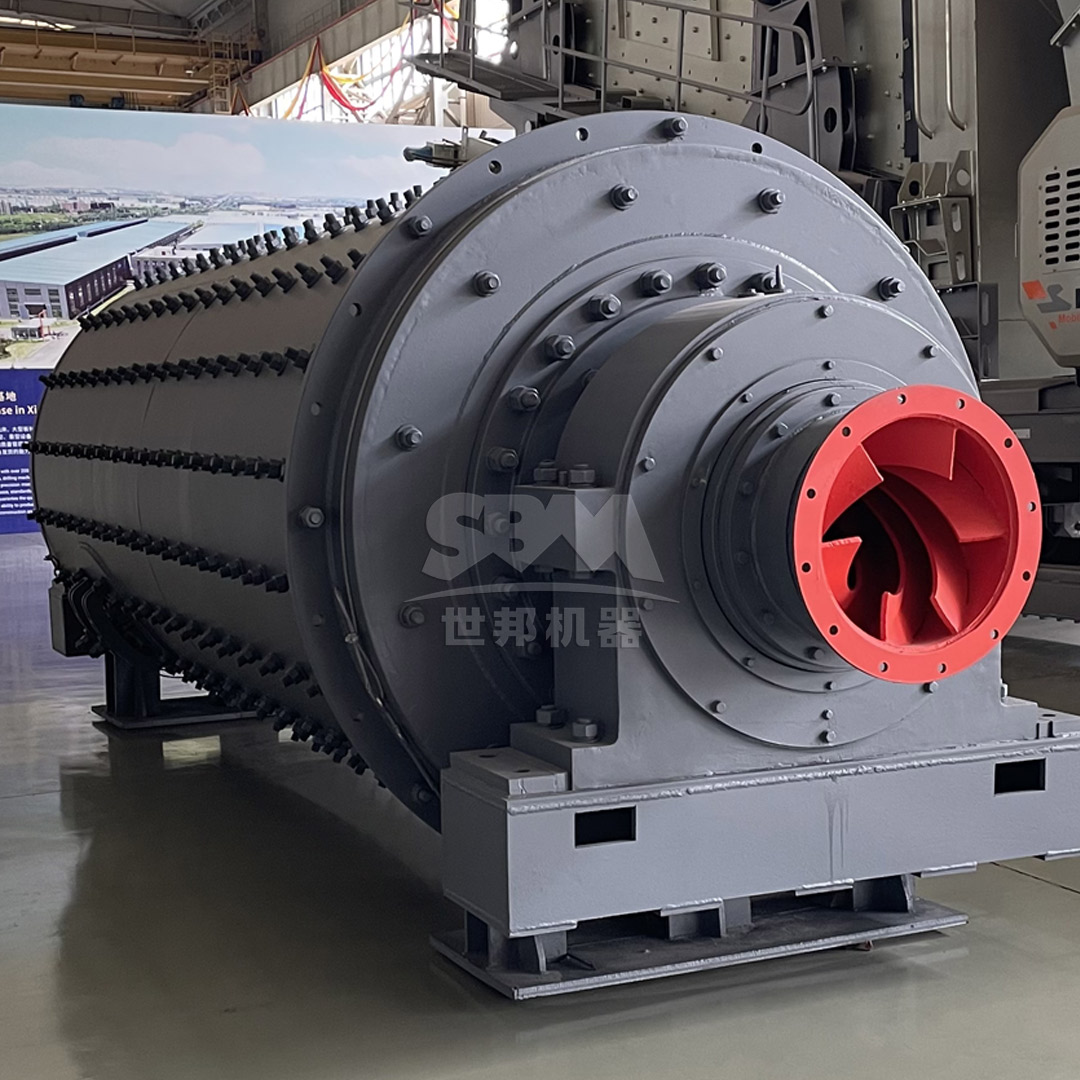
Paint manufacturing facilities are subject to stringent environmental regulations regarding dust emissions and noise levels. Molybdenum ore processing generates fine dust that must be effectively captured. The SCM Series incorporates pulse dust collection efficiency that exceeds international standards, ensuring clean operation. Its soundproof room design maintains noise levels below 85 dB, creating a safer working environment. For facilities requiring ultra-low emissions, the LUM Ultrafine Vertical Roller Mill offers negative pressure operation with zero dust leakage, making it an excellent alternative for high-standard environments.
Based on the requirements for molybdenum ore additives in paint manufacturing, the SCM Series Ultrafine Mill (45-5μm) is highly recommended. This mill delivers precise control over output fineness from 325 to 2500 mesh, with a capacity of 0.5-25 tons per hour depending on the model. Its high-efficiency vertical turbine classifier ensures that the finished product is free from coarse particles, which is critical for achieving consistent paint quality. The intelligent control system with automatic finished product granularity feedback adjusts grinding parameters in real time, optimizing both quality and energy use.
| Model | Capacity (t/h) | Main Power (kW) | Feed Size (mm) | Fineness (mesh) |
|---|---|---|---|---|
| SCM800 | 0.5-4.5 | 75 | 0-20 | 325-2500 |
| SCM900 | 0.8-6.5 | 90 | 0-20 | 325-2500 |
| SCM1000 | 1.0-8.5 | 132 | 0-20 | 325-2500 |
| SCM1250 | 2.5-14 | 185 | 0-20 | 325-2500 |
| SCM1680 | 5.0-25 | 315 | 0-20 | 325-2500 |
For manufacturers requiring even higher capacity with slightly coarser fineness (30-325 mesh), the MTW Series European Trapezium Mill is an excellent alternative. It offers capacities up to 45 t/h with feed sizes up to 50 mm, reducing the need for pre-crushing. Its integral bevel gear drive achieves 98% transmission efficiency, further enhancing energy savings.
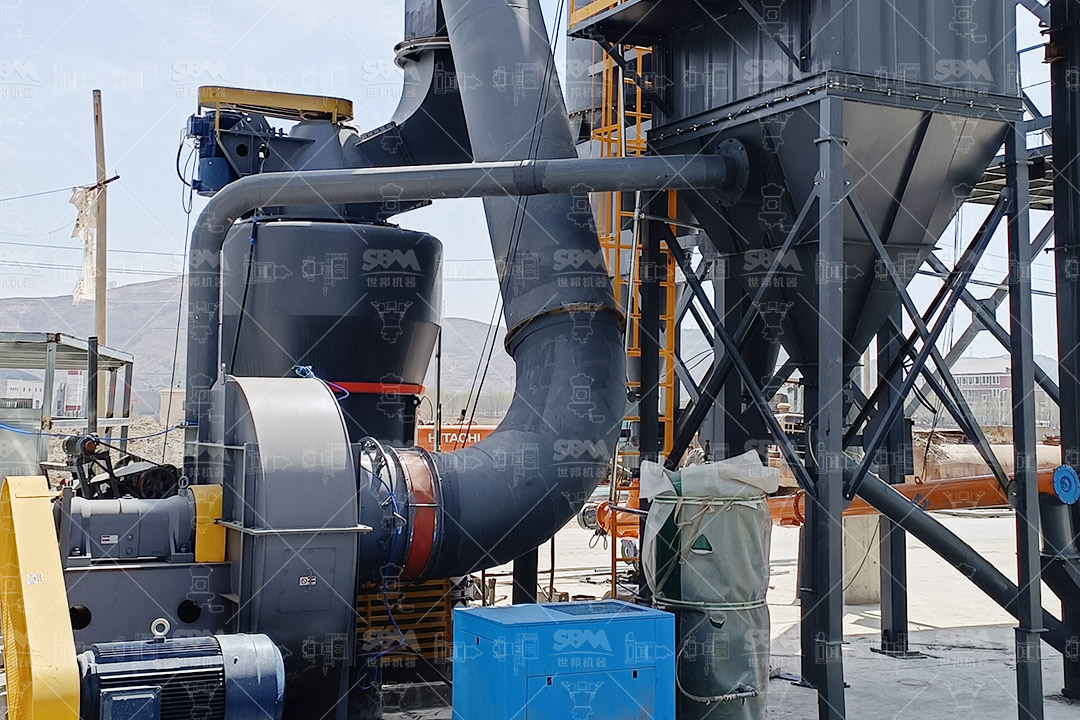
When selecting equipment for molybdenum ore additives, consider the integration with existing paint production lines. The grinding mill should be compatible with downstream mixing and dispersion processes. The SCM Series features a compact footprint and can be installed outdoors with minimal infrastructure, reducing capital expenses by up to 40% compared to traditional ball mill systems. Its intelligent control system supports remote operation and real-time monitoring, enabling seamless integration with Industry 4.0 paint manufacturing setups.
Downtime due to equipment failure can severely disrupt paint production schedules. The SCM Series is designed for durability: its shaftless screw grinding chamber ensures stable operation, while the special material rollers and rings extend service life several times over. For the MTW Series, the anti-wear shovel design with combined shovel blades reduces maintenance costs, and the curved design extends grinding roller life. Both series are backed by patented technologies that enhance reliability, such as the internal suction oil lubrication system in the MTW Series and the modular grinding roller assembly in the LM Series.
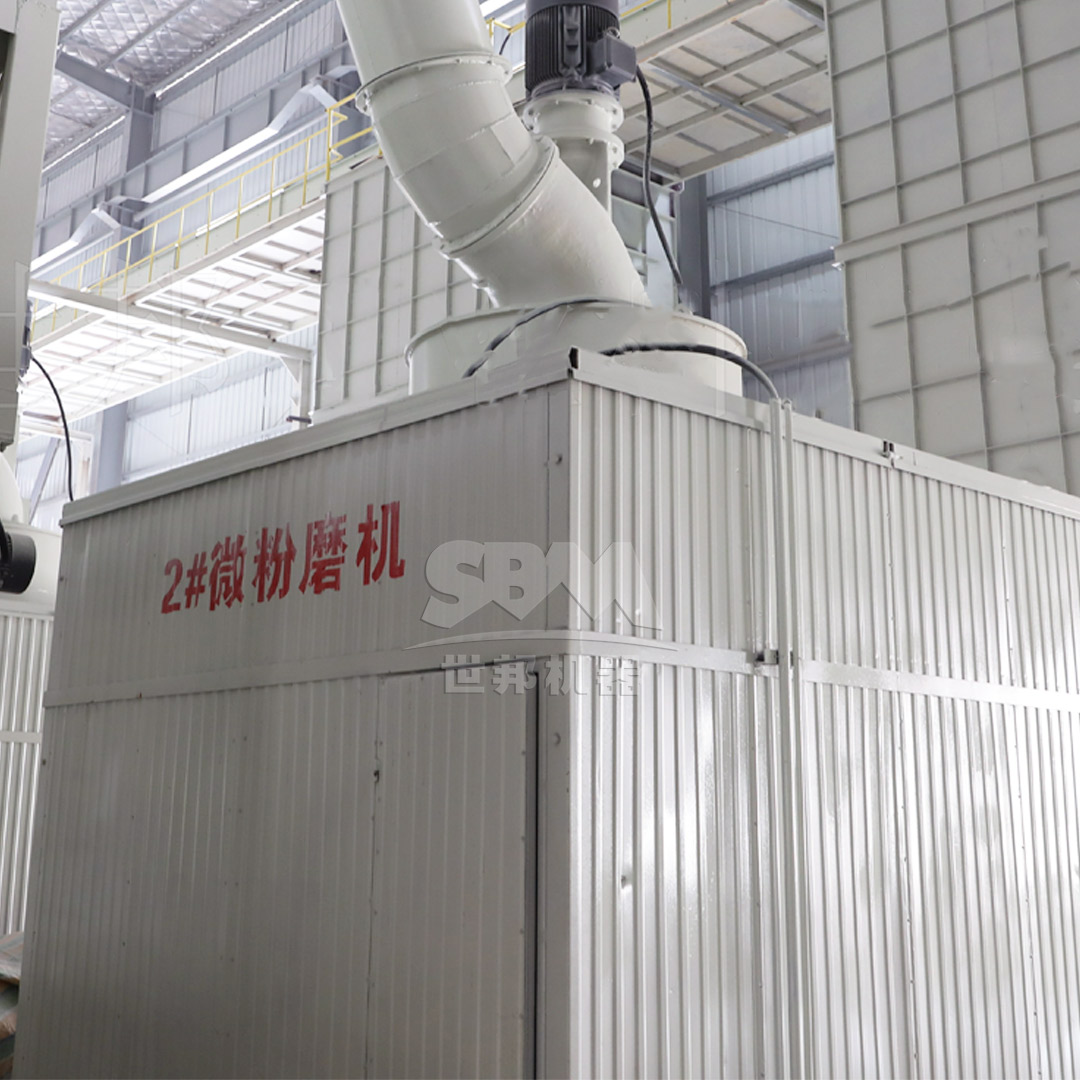
Choosing the right production equipment for molybdenum ore additives in paint manufacturing requires a careful balance of fineness, capacity, energy efficiency, environmental compliance, and long-term reliability. The SCM Series Ultrafine Mill stands out as the optimal solution for achieving ultra-fine particle sizes (325-2500 mesh) with high precision and low energy consumption. Its intelligent control, durable construction, and eco-friendly design make it a valuable asset for any paint manufacturer aiming to produce high-quality molybdenum-based additives. For larger-scale operations requiring coarser fineness, the MTW Series European Trapezium Mill offers an equally compelling option. By aligning equipment selection with production goals and quality standards, manufacturers can ensure consistent product performance, cost efficiency, and regulatory compliance.