In the global agricultural industry, fertilizers are indispensable for enhancing soil fertility and boosting crop yields. Among the various raw materials used, limestone holds a unique and vital position. As a soil conditioner, limestone powder neutralizes soil acidity, improves nutrient availability, and provides essential calcium for plant growth. The efficacy of limestone in these roles is directly dependent on its fineness and particle size distribution. This makes the selection of an appropriate grinding mill not just an operational decision, but a strategic one impacting product quality, production efficiency, and overall cost-effectiveness. This guide delves into the technical requirements for limestone grinding in fertilizer applications and explores the optimal milling solutions.
For fertilizer production, limestone is typically ground to a fineness ranging from 30 mesh (600 microns) for coarse soil amendment to 325 mesh (45 microns) or finer for rapid reaction and incorporation into compound fertilizers. The target fineness influences the choice of grinding technology. Key performance parameters for a limestone grinding system include:
| Parameter | Importance for Fertilizer Production | Typical Target Range |
|---|---|---|
| Output Fineness | Determines reactivity and blending uniformity. | 30 mesh (600μm) to 325 mesh (45μm) |
| Production Capacity | Must match the scale of fertilizer production lines. | 5 TPH to 50+ TPH, depending on plant size |
| Energy Consumption | A major contributor to operational costs. | Seeking lowest kWh/ton for given fineness |
| System Reliability | Ensures continuous, uninterrupted fertilizer production. | High uptime, easy maintenance |
| Environmental Compliance | Dust control is critical for plant and worker safety. | Fully sealed, efficient dust collection |
The evolution of grinding technology offers fertilizer producers multiple pathways to achieve the desired limestone powder. Traditional solutions like Ball Mills are known for their robustness and ability to handle a wide range of materials, offering capacities from 0.65 to 450 TPH. However, their energy efficiency is generally lower compared to more modern designs. Hammer Mills serve as excellent pre-crushers or for producing coarser grades, with high throughput for sizes up to 3mm.
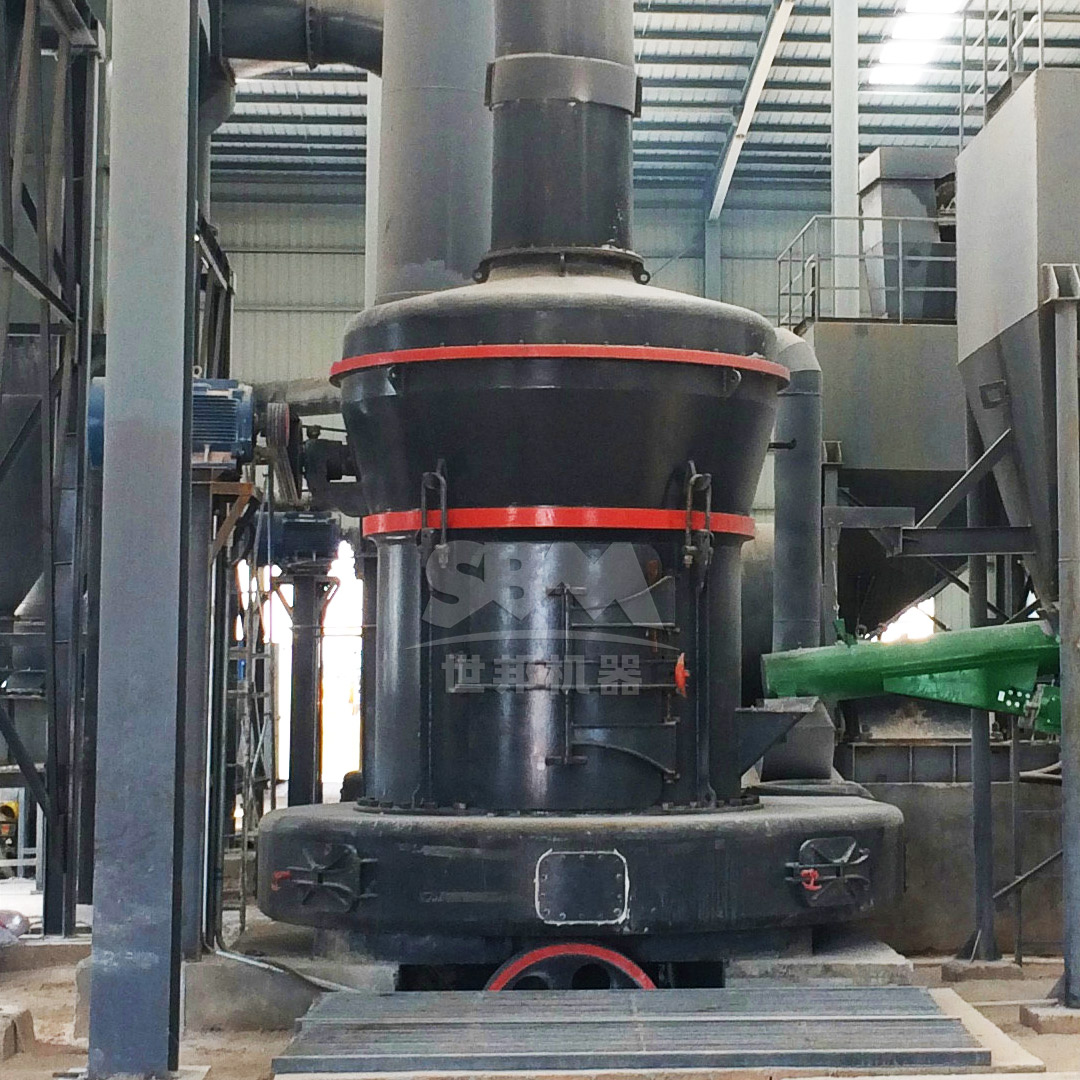
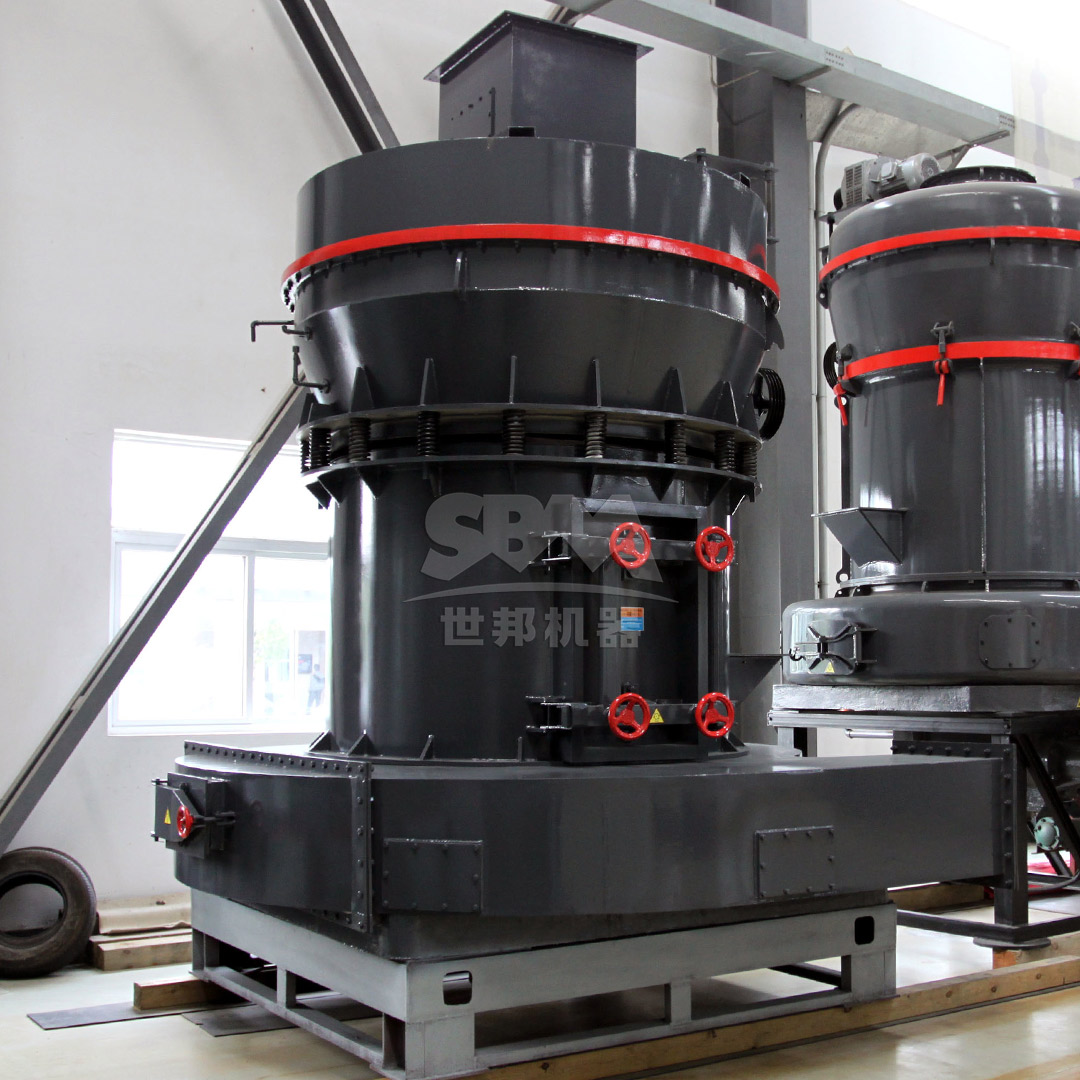
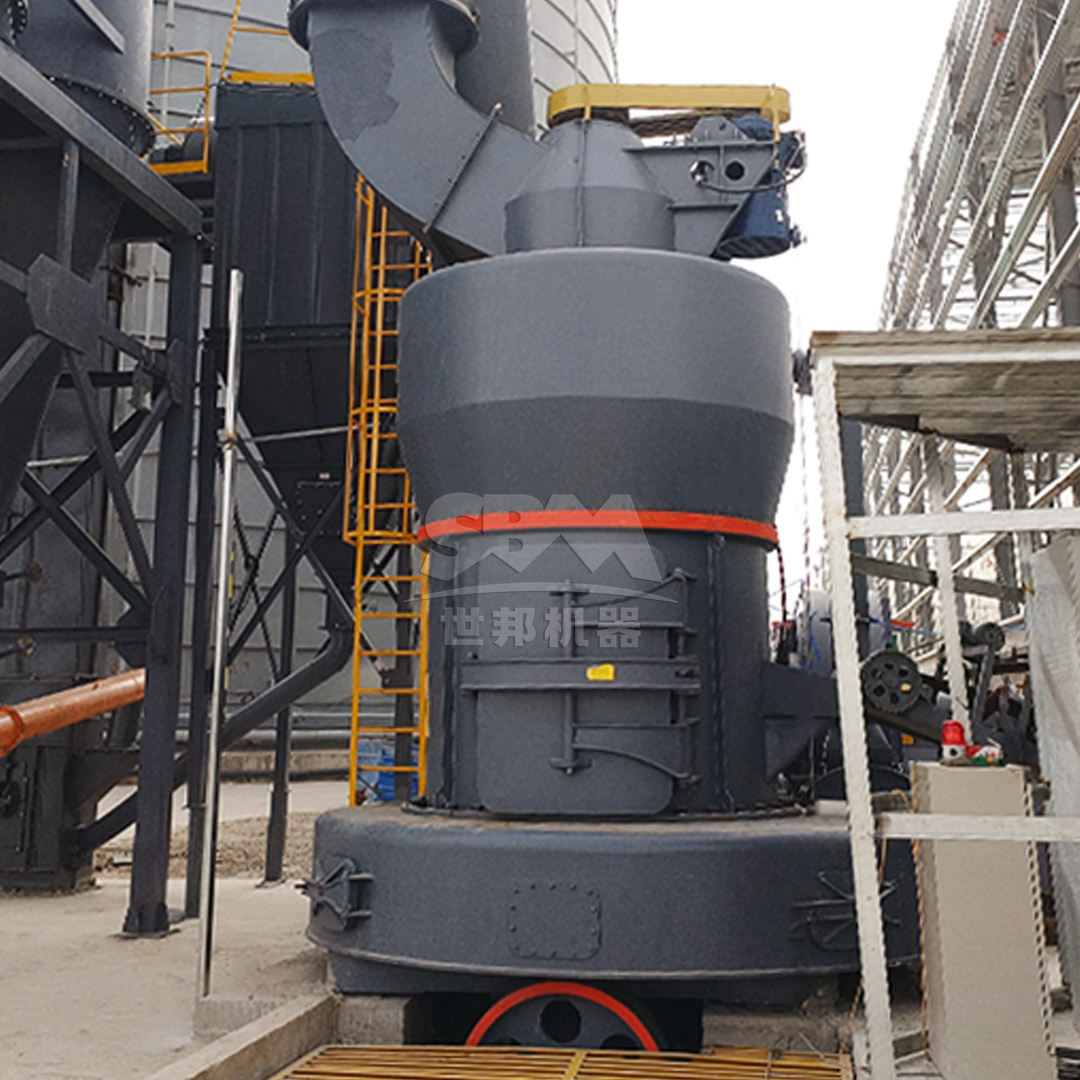
For high-volume production of medium-fineness limestone (30-325 mesh), advanced roller mill technologies dominate due to their superior efficiency. The MTW Series European Trapezium Mill and the LM Series Vertical Roller Mill represent the pinnacle of this category. These mills employ a bed grinding principle where material is crushed between rollers and a grinding table/ring, offering significantly lower energy consumption per ton and integrated drying capabilities—useful if the limestone feedstock has moisture.
For fertilizer production facilities requiring consistent, high-volume output of quality limestone powder in the 30-325 mesh range, we highly recommend our MTW Series European Trapezium Mill. This mill is engineered for heavy-duty industrial applications and excels in the grinding of non-metallic minerals like limestone.
Its core advantages align perfectly with the demands of modern fertilizer production:
| Model Example | Capacity (t/h) | Output Fineness | Main Power (kW) | Ideal For |
|---|---|---|---|---|
| MTW175G | 9.5 – 25 | 10-325 mesh | 160 | Medium to Large Fertilizer Plants |
| MTW215G | 15 – 45 | 10-325 mesh | 280 | Very Large Scale Production |
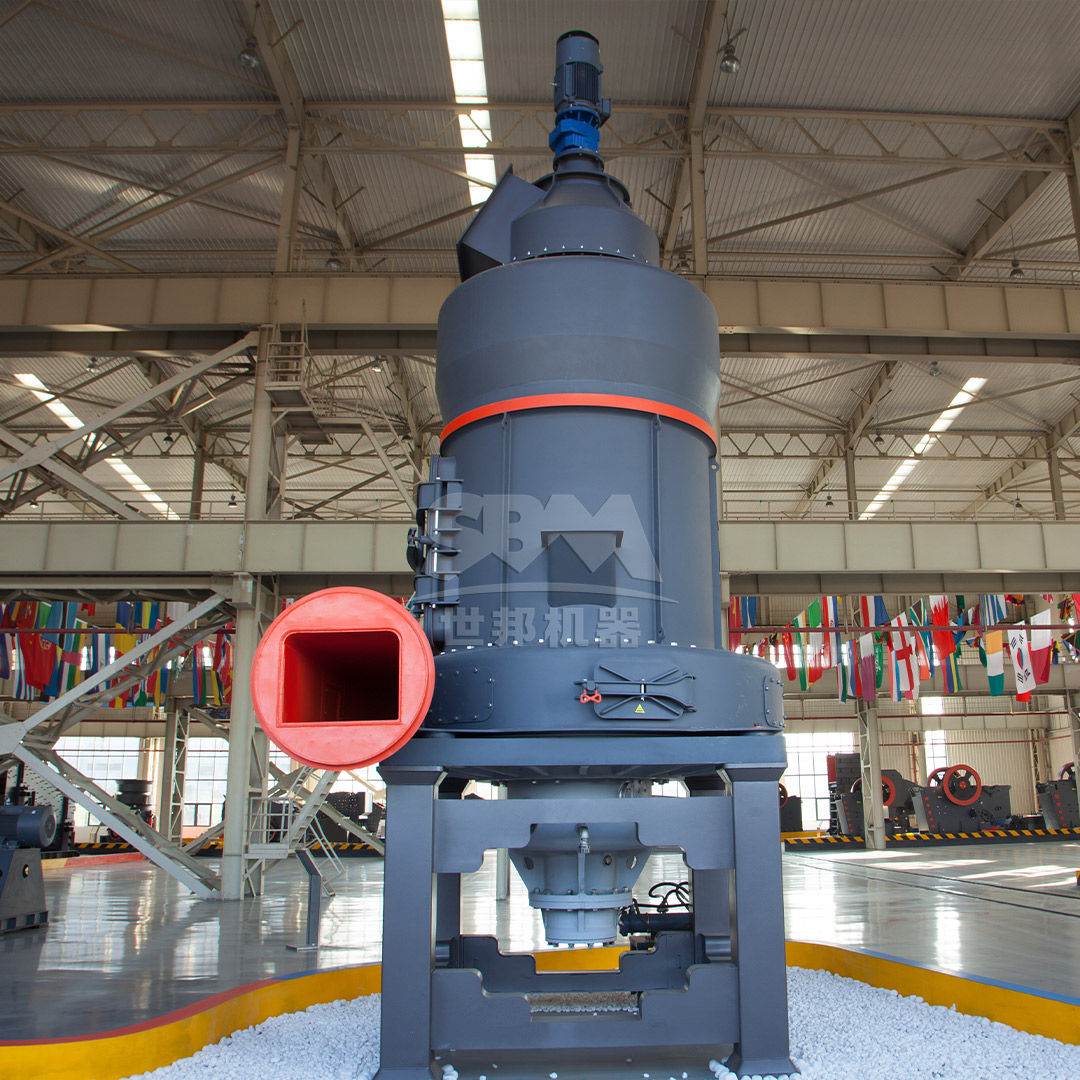
As fertilizer technology advances, there is a growing market for specialty and high-efficiency products that may require ultrafine limestone as a carrier or reactive agent. For producing limestone powder from 325 mesh up to an impressive 2500 mesh (5μm), our SCM Series Ultrafine Mill is the unmatched solution.
This mill is perfect for producers aiming to add high-value, ultra-reactive limestone products to their portfolio:
The choice of limestone grinding equipment is a long-term investment that impacts product quality, operational expense, and production scalability. While robust options like ball mills have their place, the future of efficient fertilizer production lies in advanced, purpose-built roller mills. For mainstream, high-volume production, the MTW Series European Trapezium Mill offers an unbeatable combination of capacity, efficiency, and durability. For venturing into the premium segment of ultrafine soil conditioners or specialty fertilizers, the SCM Series Ultrafine Mill provides the necessary technological edge.
By partnering with a supplier that offers this comprehensive range of technology and deep application expertise, fertilizer producers can optimize their limestone processing circuit, reduce their environmental footprint, and ultimately contribute to more sustainable and productive agriculture worldwide.