
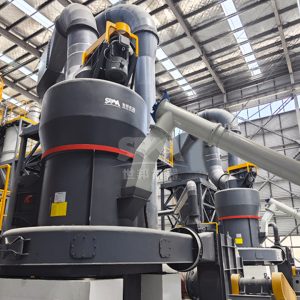
Introduction Dolomite, a calcium magnesium carbonate mineral, is a versatile industrial raw material widely used in construction, agriculture, glass manufacturing, ceramics, and as a filler in paints and plastics. Producing high-quality dolomite powder, especially at a target fineness like 100 mesh (approximately 150 microns), requires selecting the most efficient and cost-effective grinding equipment. The choice […]
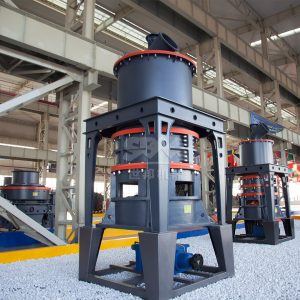
Introduction The construction industry’s relentless pursuit of sustainability and cost-efficiency has driven significant innovation in cement production. One of the most impactful developments is the utilization of industrial by-products as supplementary cementitious materials (SCMs). Coal gangue, a solid waste generated during coal mining and washing, stands out as a prime candidate. When processed into fine […]
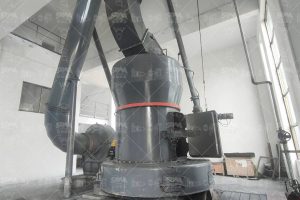
Introduction: The Role of Coal Gangue in Sustainable Construction The global construction industry is undergoing a paradigm shift towards sustainable and eco-friendly materials. Non-fired bricks, manufactured without the energy-intensive sintering process, stand at the forefront of this green revolution. A key raw material for these bricks is coal gangue, a solid waste byproduct of coal […]
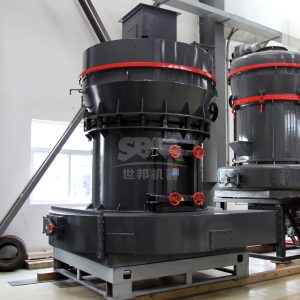
Introduction Coal gangue, a solid waste discharged during coal mining and washing, has long been a significant environmental and disposal challenge. However, with advancements in processing technology, it has been transformed into a valuable resource for the building materials industry. When ground into fine powder, coal gangue can be used as a raw material for […]
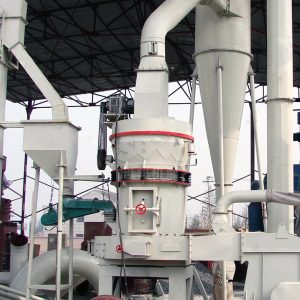
Introduction Coal gangue, a solid waste discharged during coal mining and washing, has long been a significant environmental and disposal challenge. However, with advancements in grinding technology, processed coal gangue powder has found valuable applications in construction materials, cement production, soil improvement, and as a source of rare earth elements. Achieving a target fineness of […]
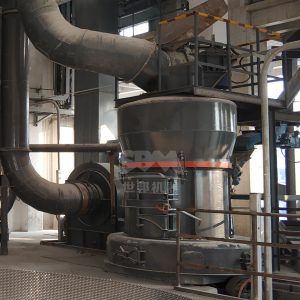
Introduction Coal gangue, a solid waste discharged during coal mining and washing, presents both an environmental challenge and a potential resource. Its effective utilization, particularly in applications like building materials, cement additives, and soil conditioners, hinges on efficient grinding to a suitable fineness. The 60 mesh (approximately 250 microns) specification is a common requirement for […]
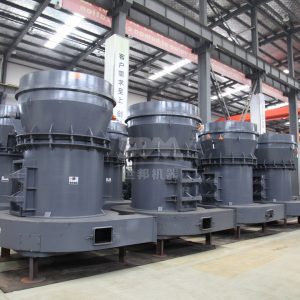
Introduction to Coal Gangue and Its Grinding Requirements Coal gangue, a solid waste discharged during coal mining and washing, is one of the largest industrial residues in China. Its comprehensive utilization, particularly in producing building materials like cement, bricks, and lightweight aggregates, hinges on effective grinding. Achieving a fineness of 40 mesh (approximately 425 microns) […]
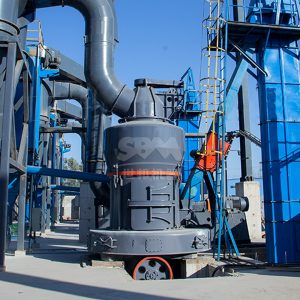
Introduction The production of high-purity, chemical-grade alumina (Al2O3) from bauxite is a cornerstone of modern industry, supplying essential materials for catalysts, ceramics, refractories, and advanced chemicals. The journey from raw bauxite ore to a precisely controlled, ultra-fine powder is technologically demanding, with the grinding process being the most critical stage. The selection of an appropriate […]
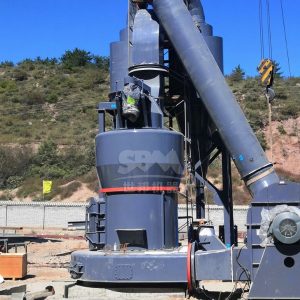
Introduction The production of high-quality building material grade bauxite powder is a sophisticated process that demands precision, efficiency, and reliability at every stage. Bauxite, as a primary source of alumina, requires careful processing to achieve the specific fineness, particle size distribution, and chemical purity required for advanced applications in refractories, ceramics, and construction materials. The […]