The textile industry relies on a range of auxiliary chemicals and minerals to ensure smooth, efficient, and high-quality production. Among these, talc stands out as a premier lubricant and finishing agent. Its unique lamellar structure, softness, and chemical inertness make it ideal for reducing friction between fibers during spinning and weaving, preventing needle burn, and imparting a desirable soft hand feel to finished fabrics. However, the efficacy of talc in these applications is intrinsically linked to its particle size distribution, purity, and morphology. This necessitates specialized grinding and processing equipment capable of transforming raw talc ore into a consistent, ultra-fine powder tailored for textile applications. This article explores the core equipment—grinding mills and integrated processing lines—essential for producing high-grade textile talc lubricant.
Not all talc powder is suitable for textile use. The key specifications include:
Meeting these stringent criteria requires a carefully selected and configured processing line, starting from primary crushing to ultra-fine grinding and classification.
A complete production line for textile-grade talc involves several stages, each served by specific machinery.
Raw talc ore from the mine is first crushed to a manageable size (typically below 50mm) using jaw crushers or hammer mills. If the moisture content is high, a rotary dryer is employed to reduce it to below 1-2%, which is critical for efficient subsequent grinding.
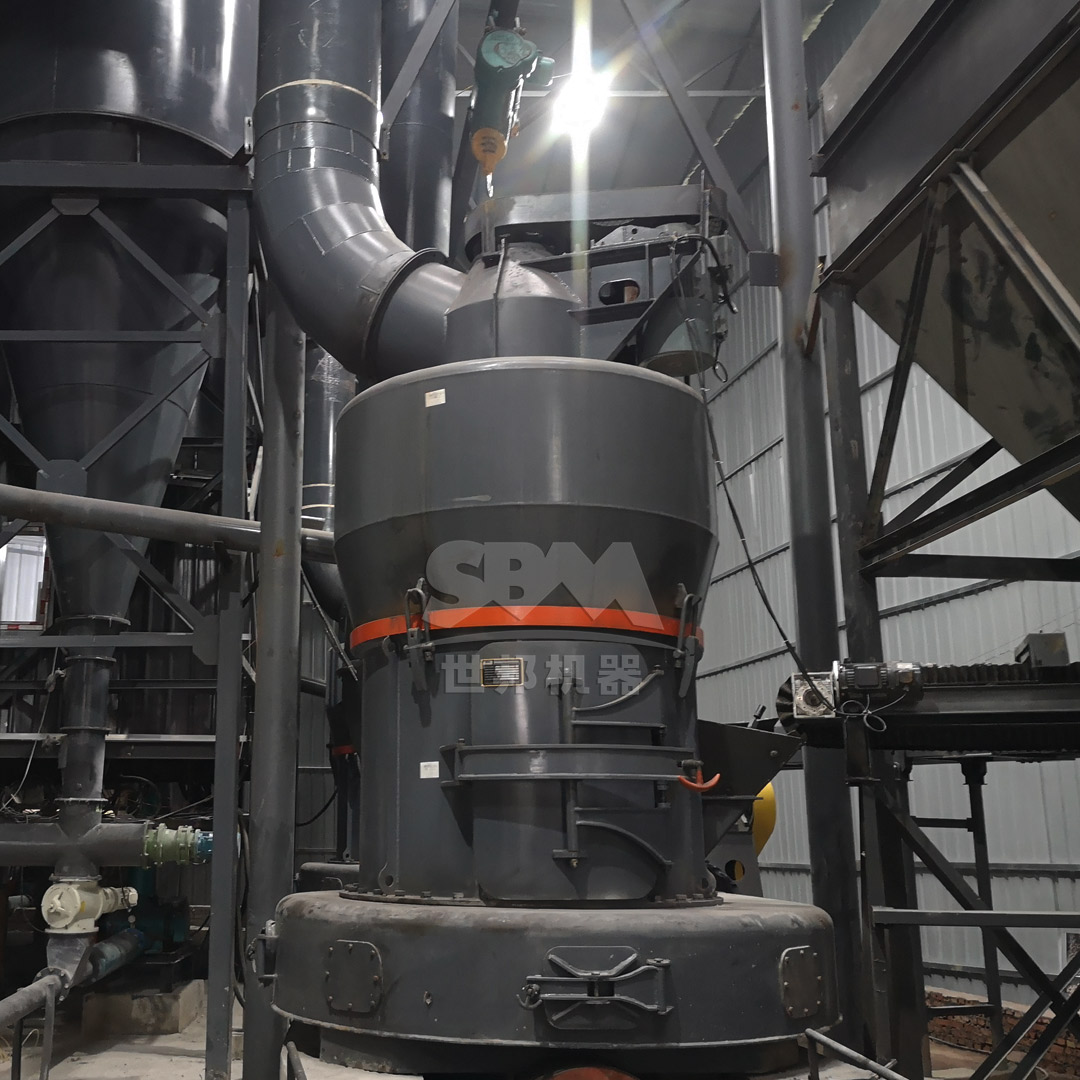
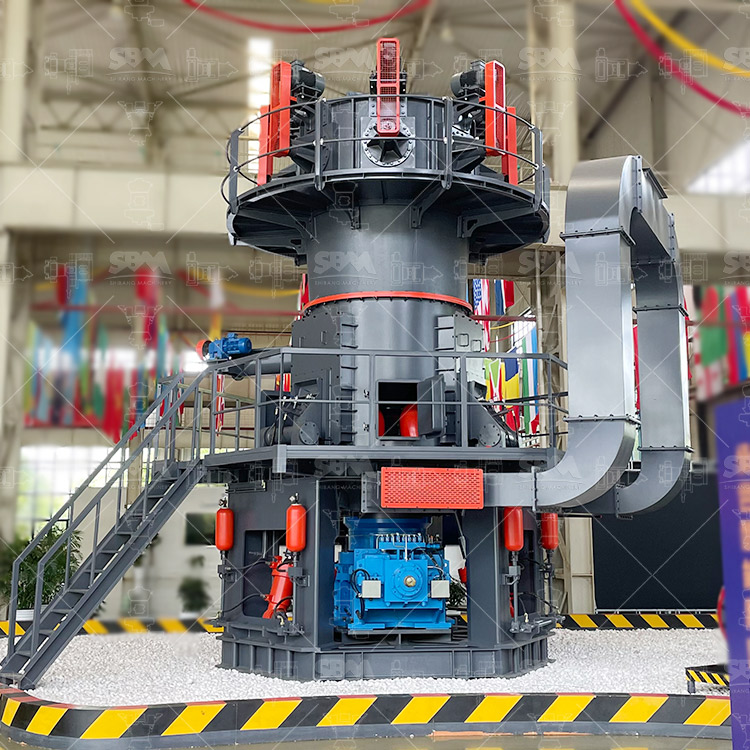
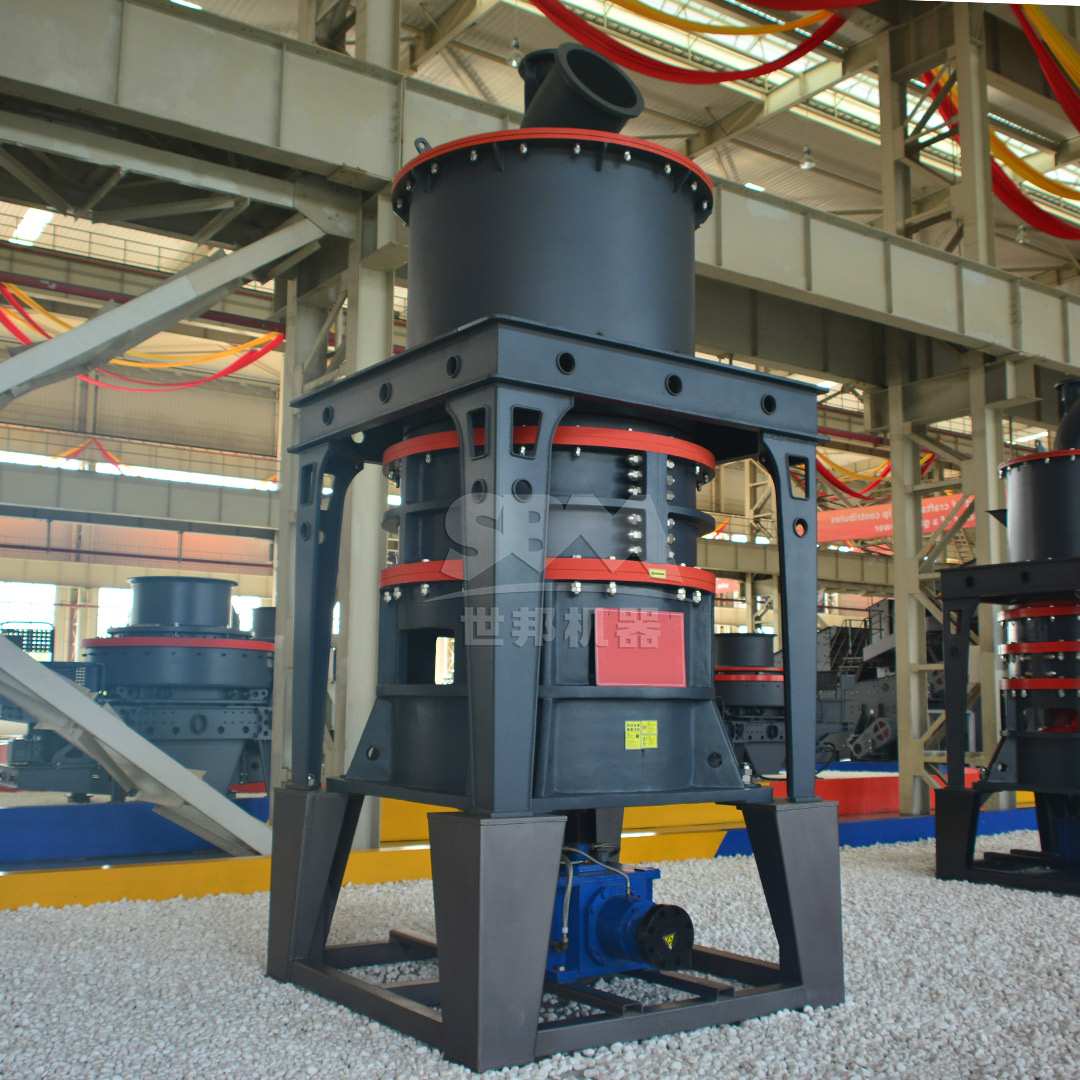
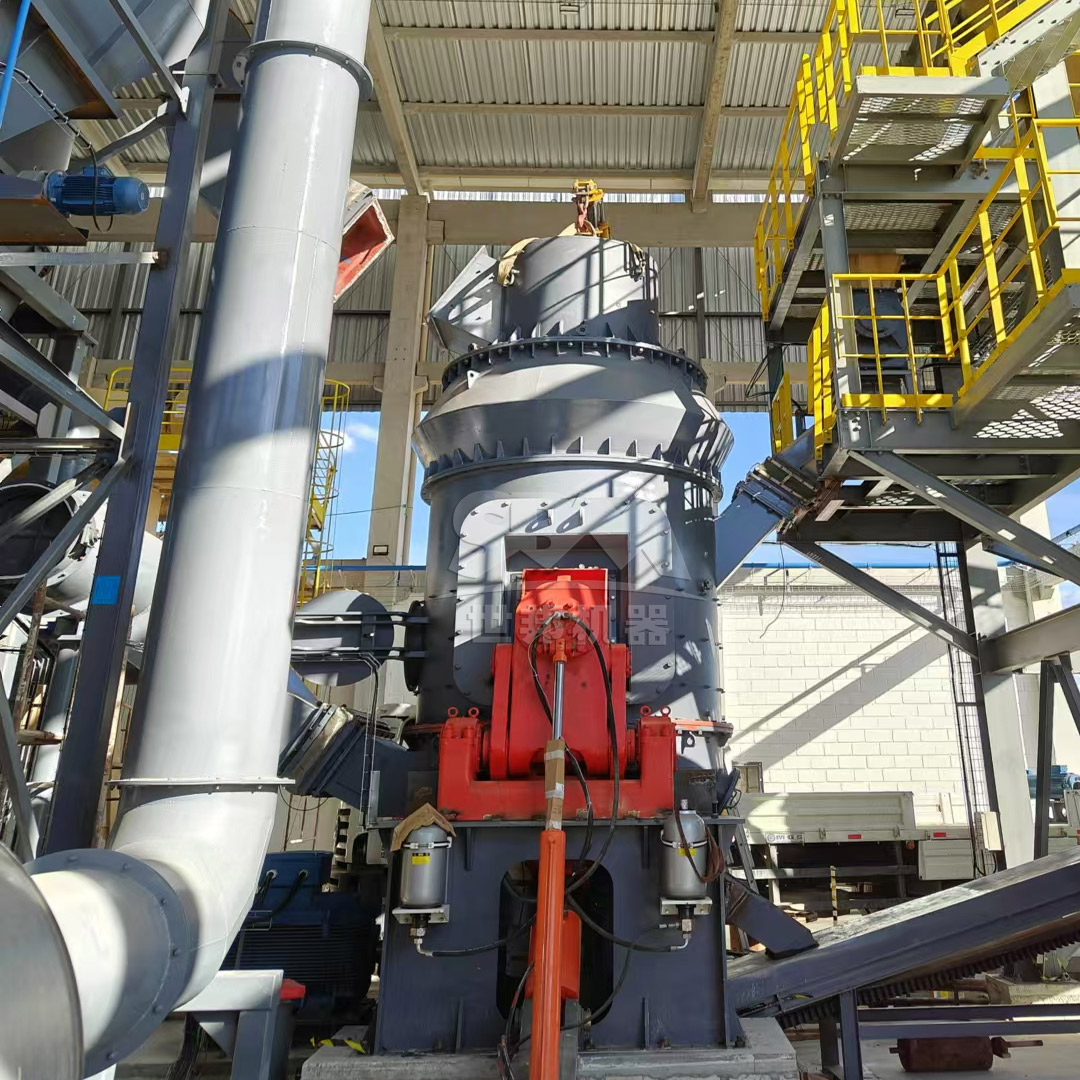
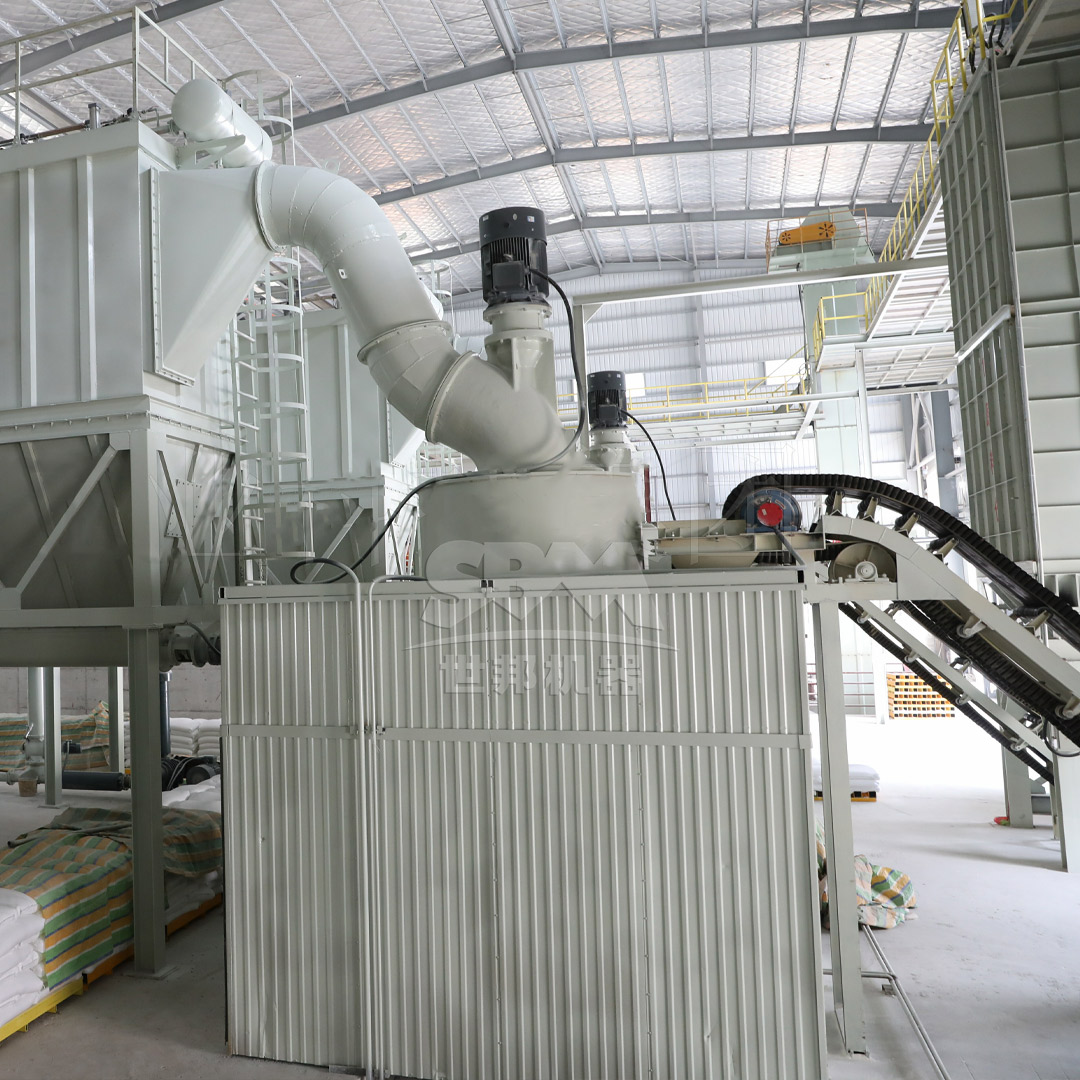
This is the most critical stage where the talc attains its target fineness. The choice of mill depends on the required output size, capacity, and energy efficiency goals.
For producers aiming for the highest quality textile-grade talc lubricant, investing in an ultra-fine grinding solution like the SCM Series is paramount. Its ability to deliver consistent powder in the 5-45μm range with high efficiency and low energy consumption makes it a cornerstone of modern talc processing plants.
| Mill Type | Output Fineness Range | Typical Capacity Range | Key Advantage for Talc |
|---|---|---|---|
| MTW Series | 30-325 mesh (600-45μm) | 3 – 45 t/h | High capacity, integrated drying, cost-effective for medium fineness. |
| LM Vertical Mill | 30-325 mesh (up to 600 mesh) | 3 – 250 t/h | Extremely low operating cost, large-scale production, intelligent control. |
| SCM Ultrafine Mill | 325-2500 mesh (45-5μm) | 0.5 – 25 t/h | Precise ultra-fine grinding, excellent particle uniformity, energy-saving. |
For specialized applications, talc particles may be coated with silanes or other agents to improve compatibility with synthetic fibers or enhance hydrophobic properties. This is done in a high-intensity mixer or coating machine.
The final, fine powder is conveyed to silos and then packaged via automated valve baggers or big bag stations. An efficient, plant-wide pulse jet dust collection system (like those integrated into SCM or MTW mills) is non-negotiable to ensure a clean working environment and recover valuable product.
A seamless integration of the above units is crucial. A typical layout includes:
Modern lines are controlled by a central PLC system, monitoring feed rates, temperature, pressure, and fineness to ensure full automation and consistent quality.
When investing in talc processing equipment, consider:
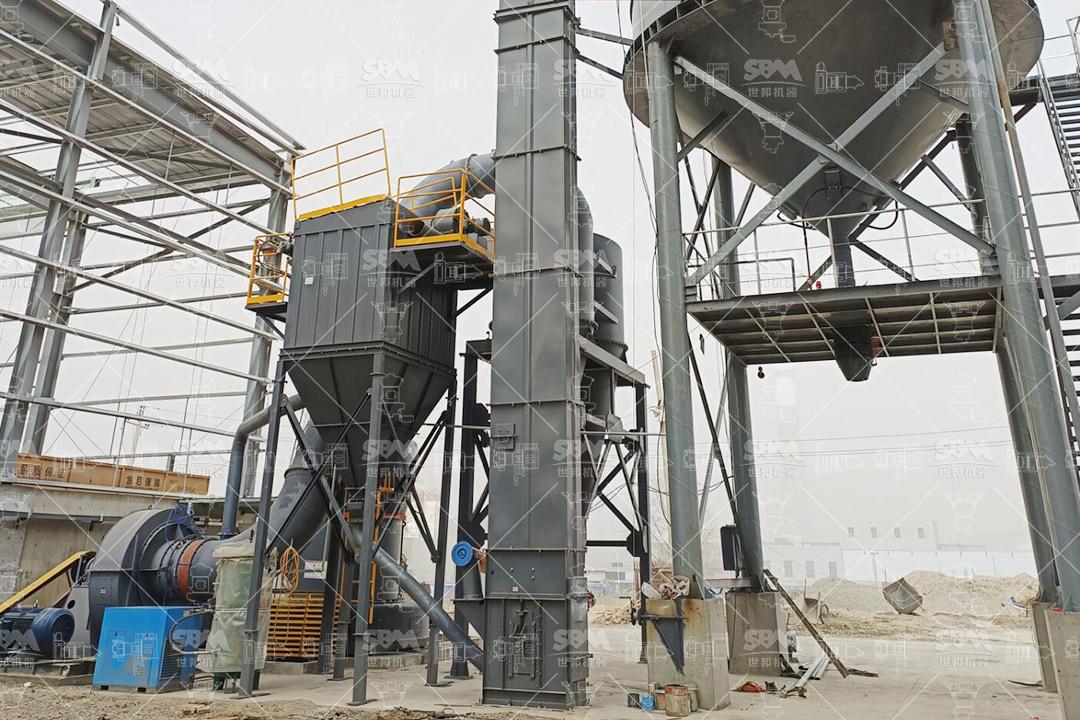
The production of high-performance talc lubricant for the textile industry is a technologically driven process. The transition from raw ore to a value-added functional powder hinges on advanced grinding technology. While various mills can achieve reduction, the pursuit of ultra-fine, consistent, and high-purity powder—essential for modern textile applications—makes mills like the SCM Series Ultrafine Mill and high-efficiency systems like the MTW Series European Trapezium Mill indispensable. By selecting the right grinding heart and building a fully integrated, automated processing line around it, producers can ensure they meet the exacting standards of the global textile market, maximizing both product quality and operational profitability.