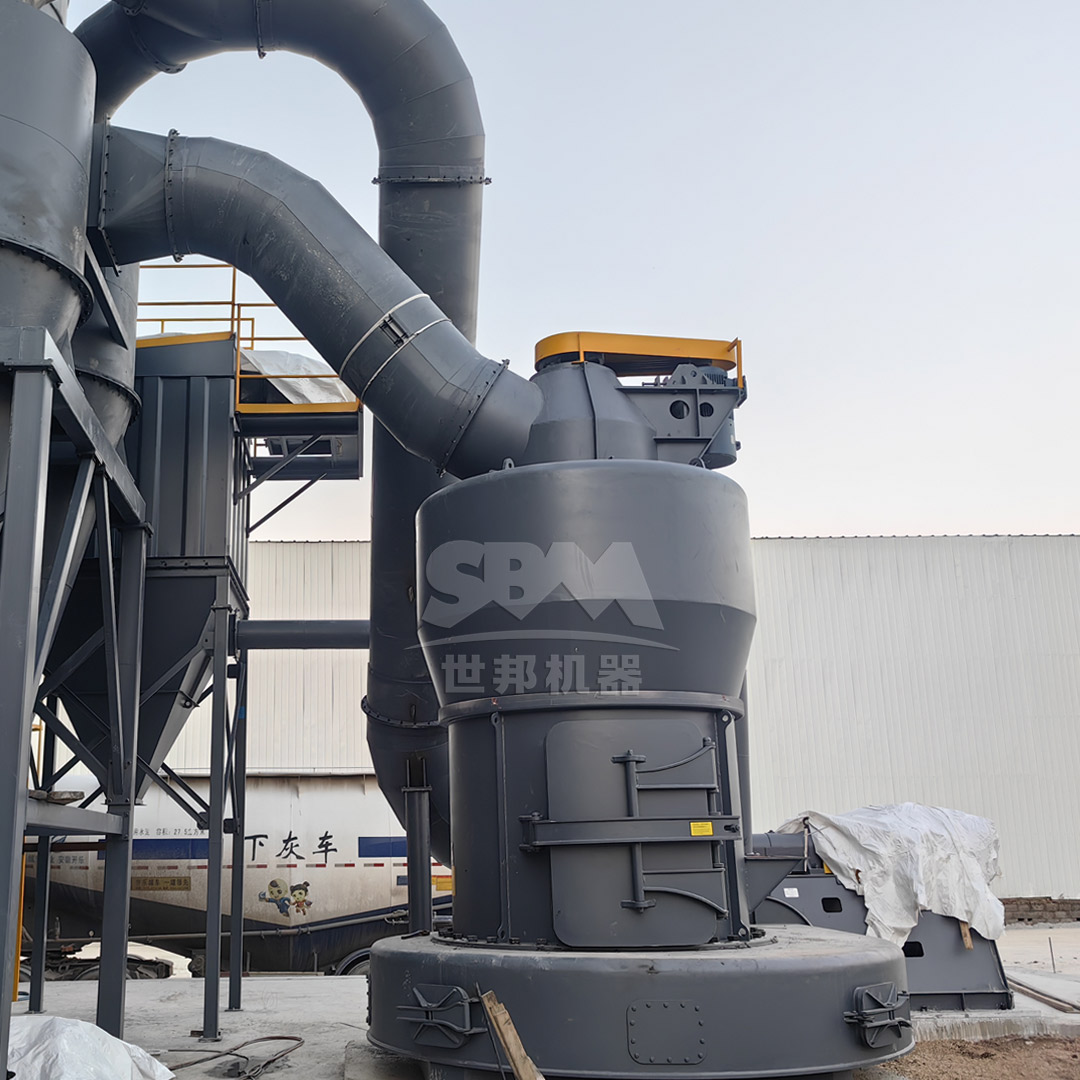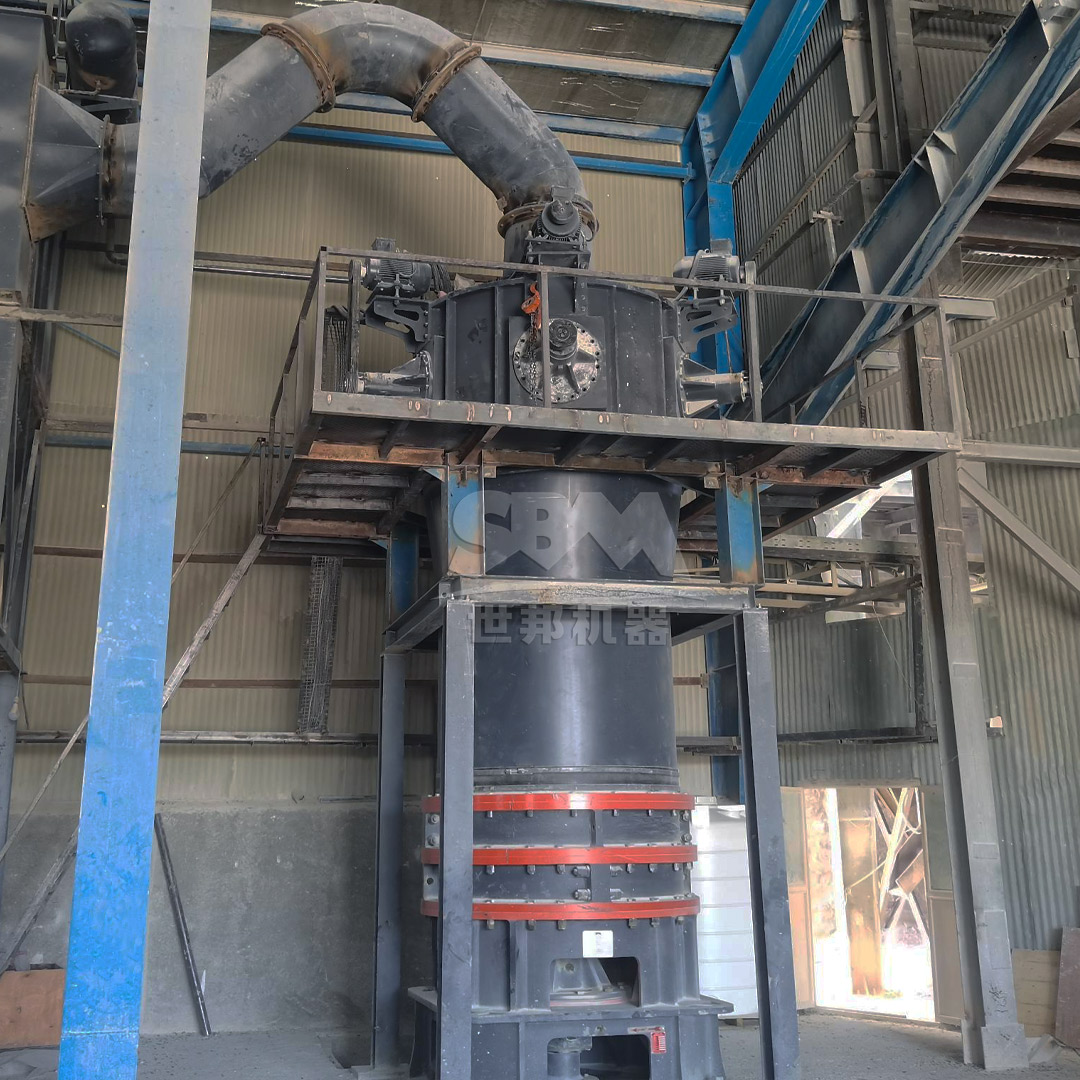
Fly ash generated from wastewater treatment processes—particularly from incineration of sewage sludge—poses unique handling and processing challenges. Unlike conventional coal fly ash, wastewater treatment fly ash often contains higher moisture, variable particle size distribution, and elevated levels of heavy metals and soluble salts. Proper milling is essential to stabilize the material, reduce volume, and enable beneficial reuse or safe disposal. Selecting the right milling solution requires a careful evaluation of fineness requirements, throughput, energy efficiency, and environmental compliance. This article provides a practical guide for plant managers and engineers, and highlights two proven milling technologies from our portfolio that are well suited to wastewater treatment fly ash processing.
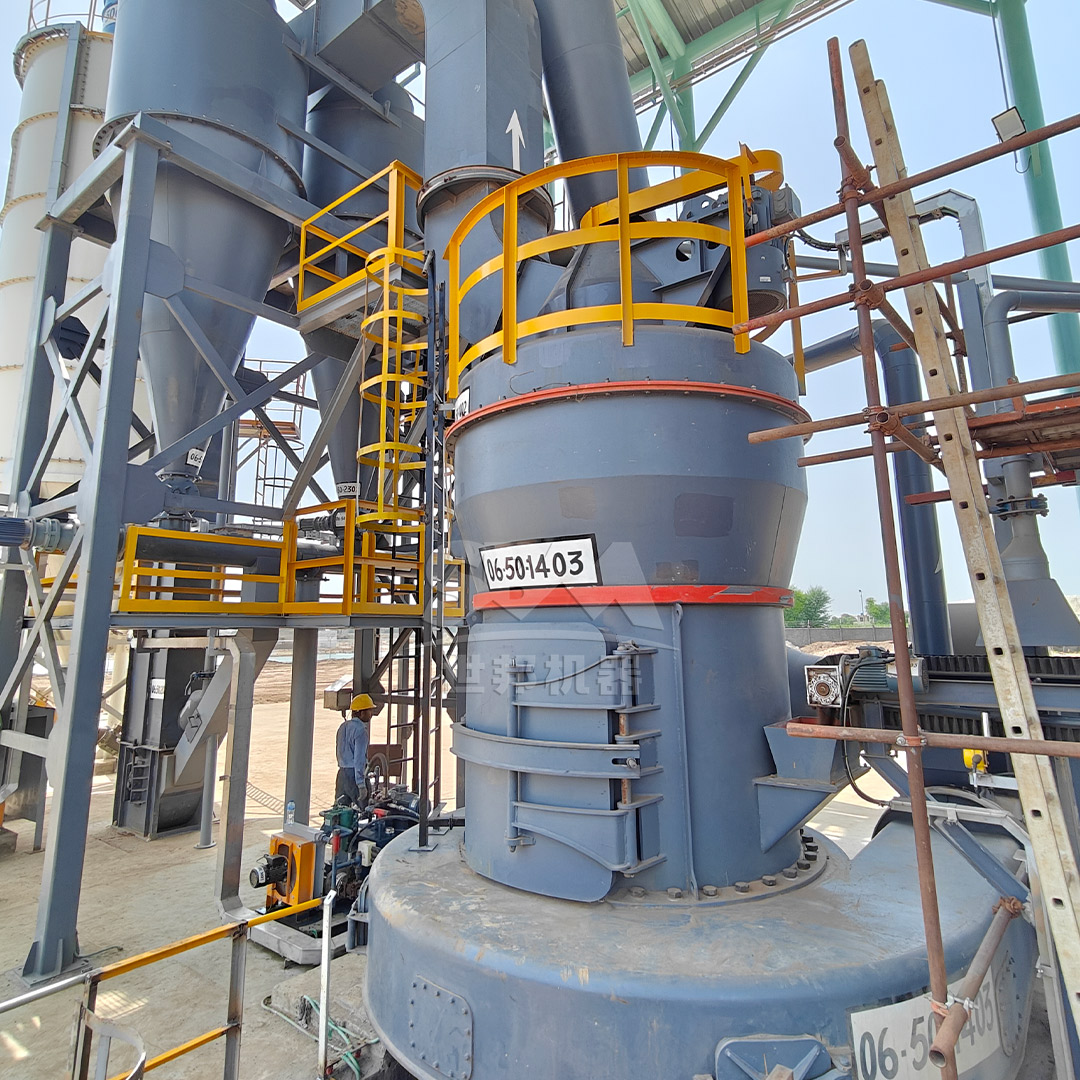
Before choosing equipment, it is important to understand the material. Wastewater treatment fly ash typically exhibits:
These properties rule out many standard mills that are designed for dry, homogeneous materials. The ideal milling solution must handle moderate moisture, resist wear, and deliver consistent product fineness—typically 325 to 2500 mesh (45–5 μm) for advanced reuse applications such as supplementary cementitious materials or adsorbents.
Determine the target fineness based on the end use. For landfill stabilization, 100–200 mesh may suffice; for concrete admixture or zeolite synthesis, 800–2500 mesh is often required. A mill with a high-precision classifier ensures no coarse particles contaminate the fine product.
Wastewater treatment plants vary from small municipal facilities (a few tons per day) to large industrial complexes (hundreds of tons per day). Choose a mill series with multiple models to match current and future throughput without over-sizing.
Milling is energy-intensive. Solutions that combine high capacity with low specific energy consumption (kWh/t) significantly reduce operating costs. Jet mills, for example, are less efficient than mechanical mills for fine grinding.
Abrasive fly ash rapidly wears conventional grinding elements. Look for specially hardened rollers and rings, replaceable wear parts, and designs that minimize downtime. Easy maintenance access is also critical.
Fly ash contains fine particulates and sometimes heavy metals. The mill should operate under negative pressure with high-efficiency pulse dust collection. Noise reduction and sealed operation are additional requirements for indoor installations.
If the fly ash is not fully dried, a mill with integrated hot-air drying capability or a design that tolerates moderate moisture is preferred. Vertical roller mills and pendulum mills can often handle higher moisture than jet mills.
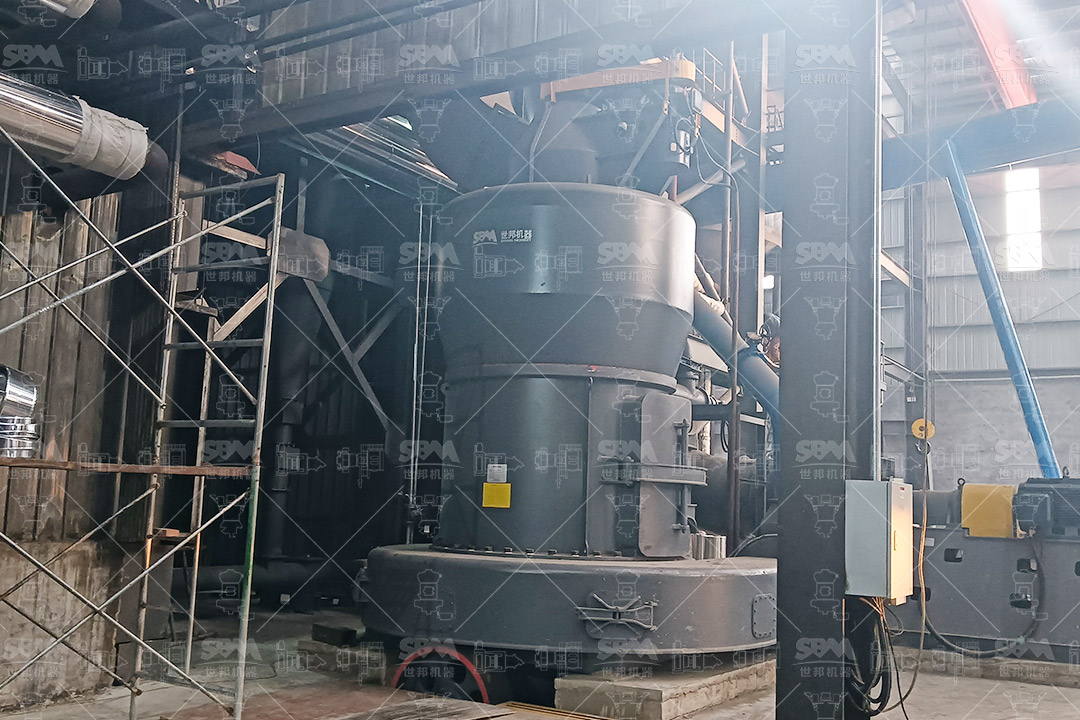
Based on the criteria above, two of our product lines stand out for wastewater treatment fly ash: the SCM Series Ultrafine Mill and the MTW Series European Trapezium Mill. Both are engineered for fine to ultrafine grinding, offer robust wear protection, and comply with strict environmental standards.
The SCM Series is a high-efficiency ultrafine grinding mill designed for materials requiring 325–2500 mesh. Its key advantages for fly ash processing include:
With models from SCM800 (0.5–4.5 t/h) to SCM1680 (5–25 t/h), the SCM Series can be scaled to match most wastewater treatment plants. For a typical plant producing 5–10 tons per hour of ultrafine fly ash, the SCM1000 (1.0–8.5 t/h) or SCM1250 (2.5–14 t/h) are ideal choices.
For applications requiring 30–325 mesh (down to 0.038 mm) with higher capacity, the MTW Series offers a robust and cost-effective solution. Its features relevant to fly ash include:
Models range from MTW110 (3–9 t/h) to MTW215G (15–45 t/h), with fineness adjustable from 10 to 325 mesh. For a wastewater treatment plant needing 10–20 t/h at 200–325 mesh, the MTW138Z (6–17 t/h) or MTW175G (9.5–25 t/h) are excellent choices.
| Criteria | SCM Series Ultrafine Mill | MTW Series European Trapezium Mill |
|---|---|---|
| Fineness range | 325–2500 mesh (45–5 μm) | 30–325 mesh (600–45 μm) |
| Capacity range | 0.5–25 t/h | 3–45 t/h |
| Energy efficiency | 2x capacity of jet mill, 30% lower energy | High transmission efficiency (98%) |
| Wear protection | Special material rollers and rings | Anti-wear shovel and curved rollers |
| Dust collection | Pulse dust collection, exceeds standards | Internationally advanced pulse dust removal |
| Best for | Ultrafine fly ash for high-value reuse | Medium-fine fly ash for bulk applications |
If your plant requires ultrafine product (e.g., for use as a pozzolanic additive or adsorbent), the SCM Series is the clear choice. If you need higher tonnage at moderate fineness (e.g., for landfill daily cover or road base stabilization), the MTW Series offers greater capacity and lower capital cost per ton.
When integrating a mill into an existing wastewater treatment plant, consider:
Choosing the right milling solution for wastewater treatment fly ash is a balance of fineness requirements, throughput, energy costs, and environmental compliance. The SCM Series Ultrafine Mill excels in ultrafine grinding with high efficiency and precise classification, while the MTW Series European Trapezium Mill offers robust, high-capacity grinding for medium-fine applications. Both are designed to handle abrasive and variable materials, and both incorporate advanced dust collection and noise reduction. By matching your plant’s specific needs to these proven technologies, you can achieve reliable, cost-effective fly ash processing that supports beneficial reuse and regulatory compliance. For a detailed equipment recommendation tailored to your plant’s capacity and fineness targets, please consult our engineering team.