The production of high-quality activated carbon powder is a sophisticated process that demands precision, efficiency, and a deep understanding of material science. From raw material preparation to final micronization, each stage requires specialized equipment to ensure the final product meets stringent specifications for surface area, pore structure, and particle size distribution. This article provides a comprehensive overview of the key processes and equipment involved in a modern activated carbon powder production line, highlighting critical technological considerations and equipment selection criteria.
Activated carbon is a highly porous form of carbon processed to have small, low-volume pores that increase the surface area available for adsorption or chemical reactions. Its powder form is crucial for applications in water purification, air filtration, food & beverage decolorization, pharmaceutical processing, and gold recovery. The efficacy of activated carbon powder is directly linked to its particle size, surface area, and pore volume, making the grinding and classification process paramount.
A typical production line follows a logical sequence to transform raw carbonaceous materials (like coconut shell, coal, wood) into fine, activated powder.
The process begins with the pre-treatment of raw materials, which may involve drying to reduce moisture content. The dried material is then subjected to primary and secondary crushing to reduce it to a manageable feed size (typically below 50mm) for the grinding mills. Equipment like jaw crushers and hammer mills are commonly employed here. For instance, a Hammer Mill is highly effective for this stage, capable of reducing 0-40mm feed material to 0-3mm particles with high efficiency and a compact footprint, thanks to its optimized chamber design and high-manganese steel wear plates.
This is the heart of creating the porous structure. The crushed carbon is activated using either a physical (steam) or chemical method in specialized furnaces or kilns. This step develops the vast internal surface area (often 500-1500 m²/g) but is not the focus of the size reduction equipment line.
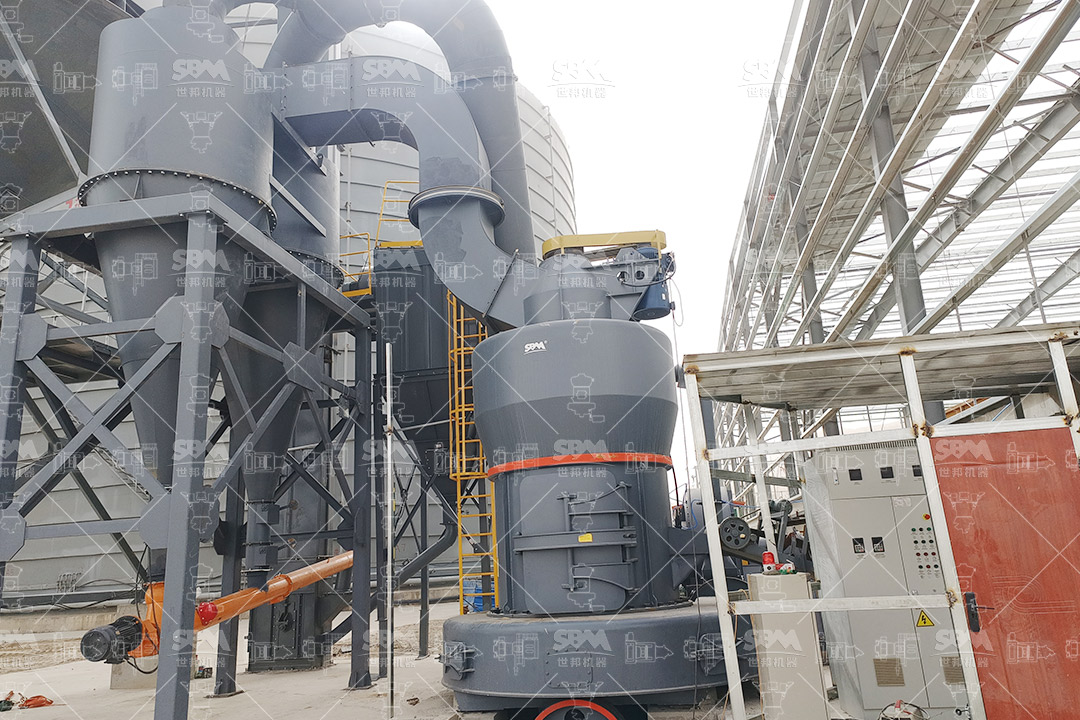
The activated carbon chunks must be ground into fine powder. This is the most critical mechanical step, determining the final particle size distribution (PSD). The choice of grinding mill depends on the target fineness, capacity, and energy efficiency requirements.
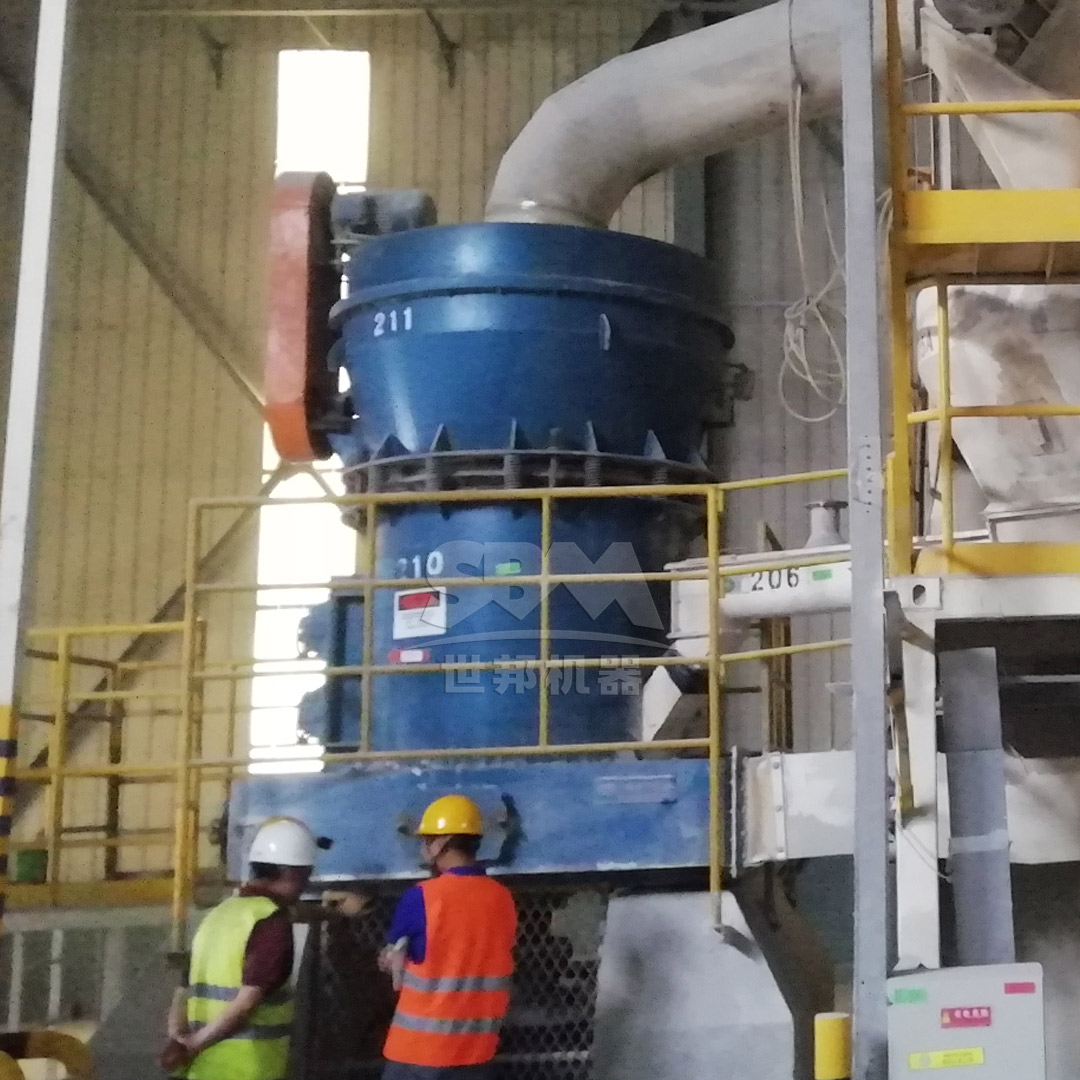
For producing high-value activated carbon powder with D97 fineness down to 5μm (2500 mesh), the SCM Ultrafine Mill is a technologically advanced and efficient choice. Its design addresses the specific challenges of fine grinding, such as heat generation, classification accuracy, and energy consumption.
| Model | Capacity (ton/h) | Main Motor Power (kW) | Feed Size (mm) | Final Fineness (mesh) |
|---|---|---|---|---|
| SCM800 | 0.5 – 4.5 | 75 | ≤20 | 325-2500 |
| SCM900 | 0.8 – 6.5 | 90 | ≤20 | 325-2500 |
| SCM1000 | 1.0 – 8.5 | 132 | ≤20 | 325-2500 |
| SCM1250 | 2.5 – 14 | 185 | ≤20 | 325-2500 |
| SCM1680 | 5.0 – 25 | 315 | ≤20 | 325-2500 |
Key Advantages for Activated Carbon Production:
The mill works on the principle of multi-layer grinding. The main motor drives the grinding ring to rotate. Material is fed into the mill and dispersed by centrifugal force into the grinding path, where it is crushed and ground by rollers. The finely ground powder is then carried by the air stream to the classifier. Qualified fine powder is collected by the cyclone and bag filter, while oversized particles are returned for regrinding.
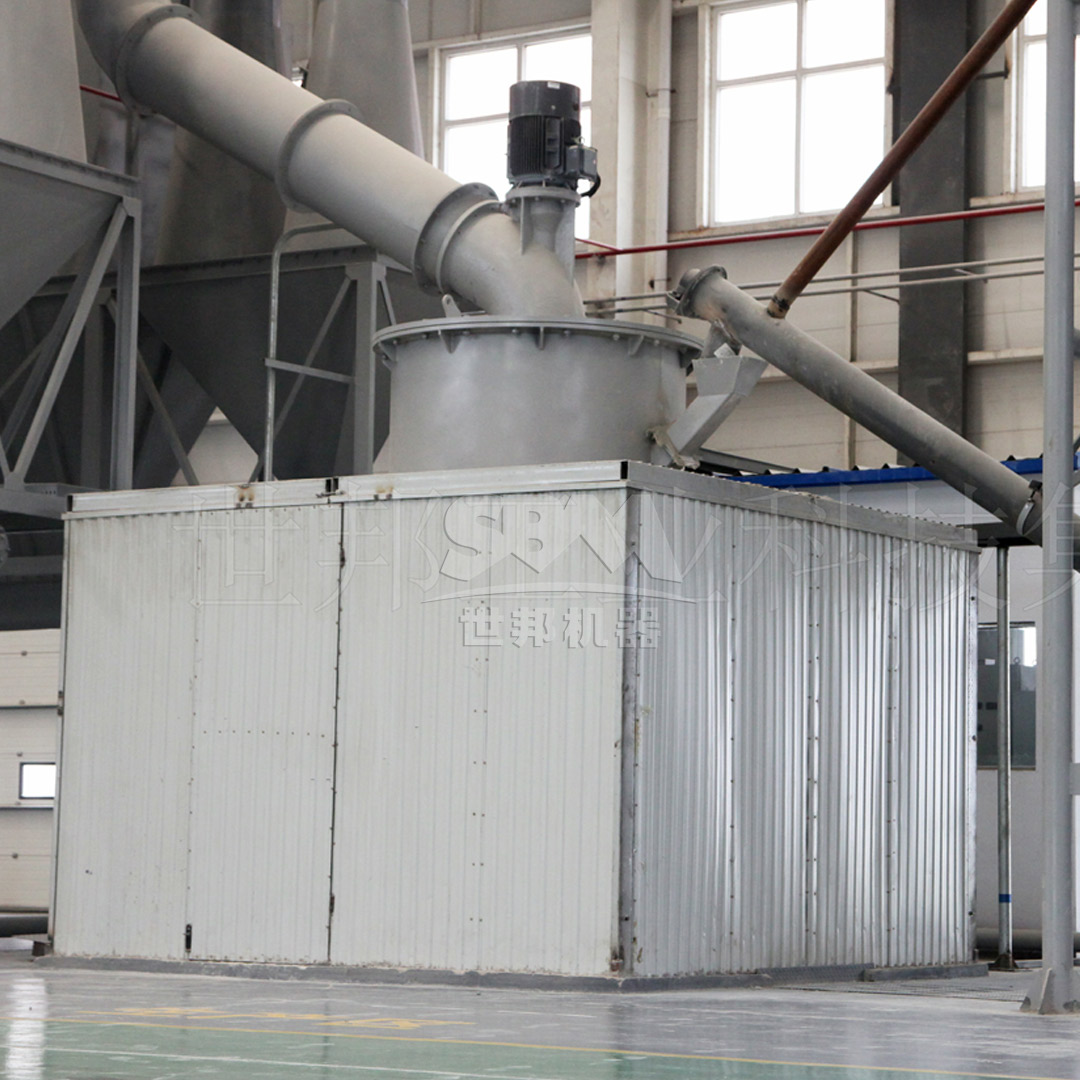
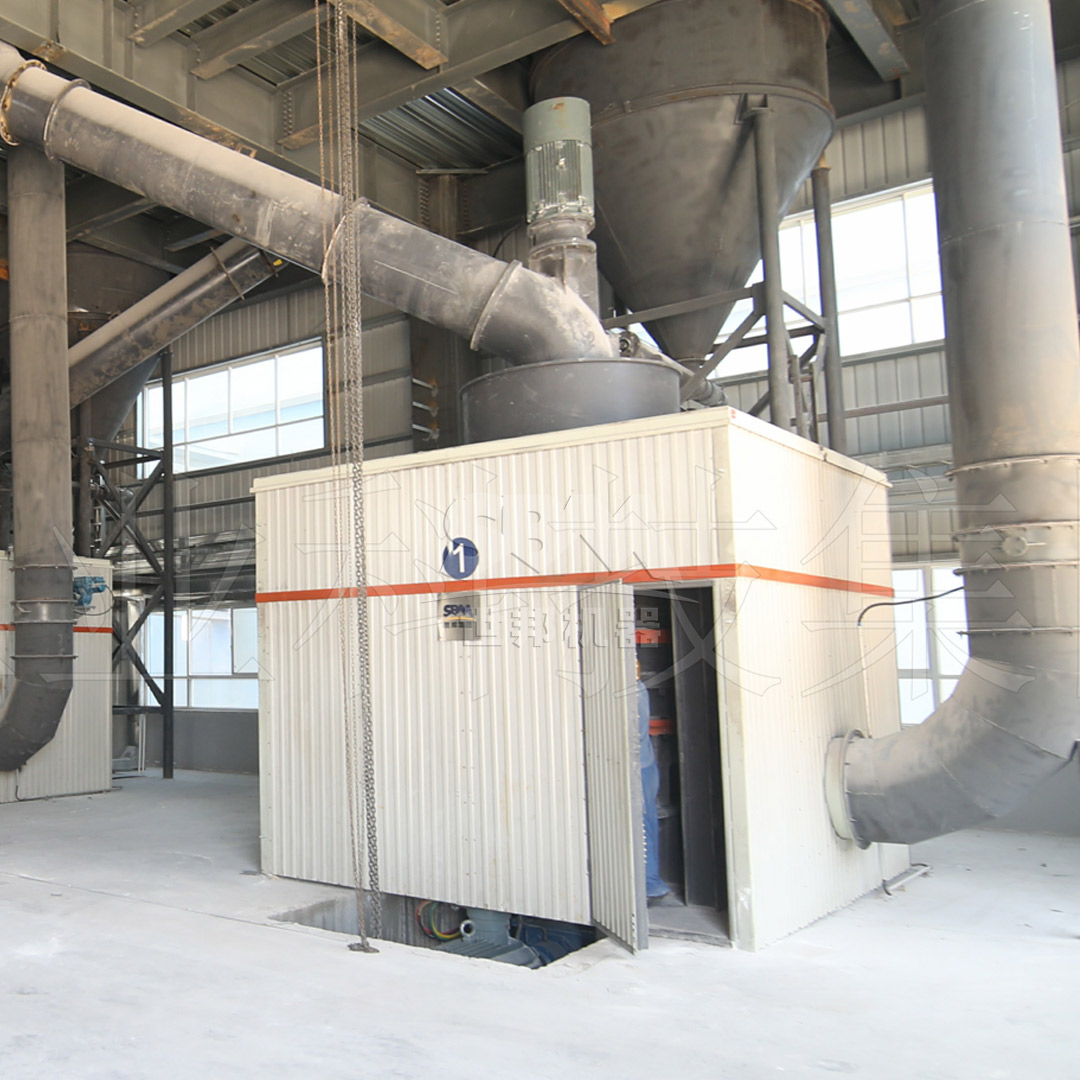
Post-grinding, an efficient classification system is essential to separate particles according to size. Dynamic classifiers, often integrated within mills like the SCM or MTW, use adjustable rotor speeds and airflow to achieve precise cuts. The classified fine powder is then separated from the transport air using high-efficiency cyclone separators and final-stage baghouse filters or pulse-jet dust collectors. This ensures product recovery rates above 99% and meets strict emission standards.
The collected powder may undergo further treatment like sieving to remove any occasional oversize, surface modification, or blending. Finally, the activated carbon powder is packaged in moisture-proof bags or bulk containers using automated packaging systems to prevent contamination and maintain quality.
A modern production line is governed by a centralized PLC/DCS control system. This automates the sequence of operations, monitors key parameters (motor load, temperature, pressure, fineness), and optimizes the entire process for yield, quality, and energy use. Remote monitoring capabilities are increasingly becoming standard.
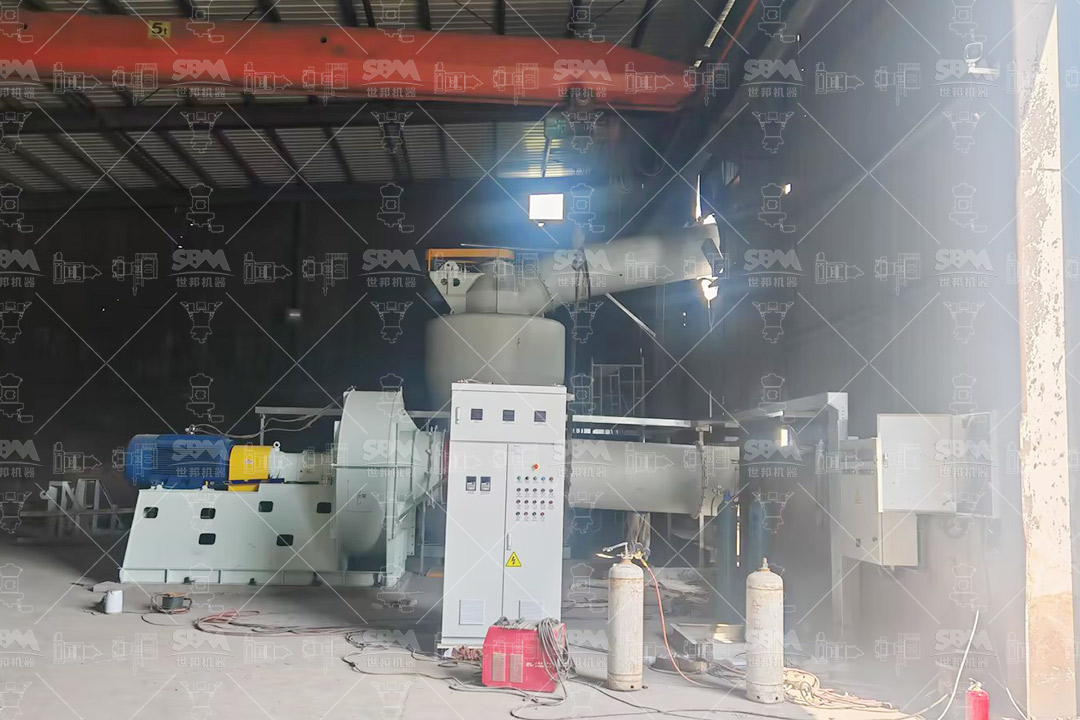
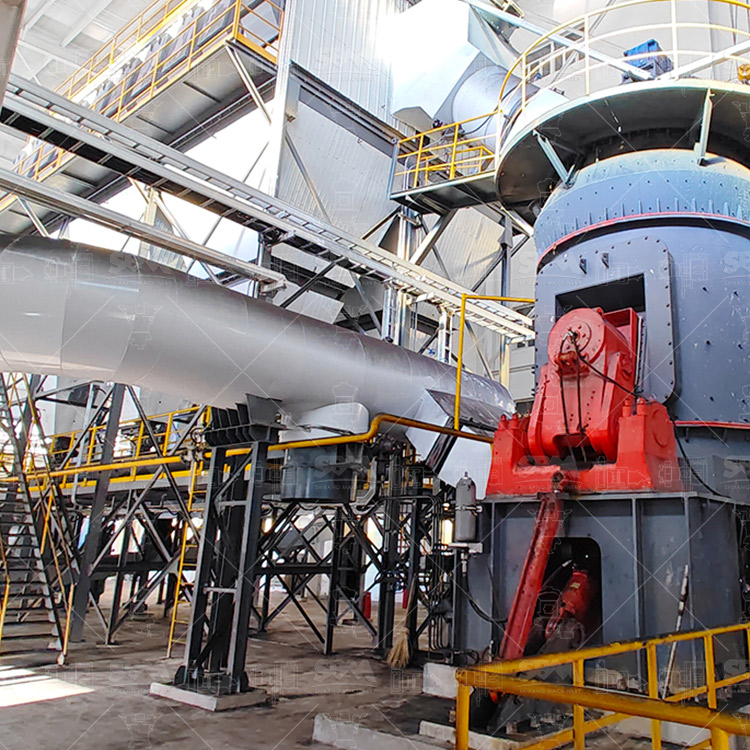
Building an efficient and profitable activated carbon powder production line requires careful selection of each processing unit, with the grinding and classification stage being particularly critical. The trend is towards energy-efficient, high-precision, and environmentally friendly equipment. For operations targeting the high-end market with ultra-fine specifications, investing in advanced milling technology like the SCM Ultrafine Mill is a strategic decision that pays dividends through superior product quality, lower operating costs, and enhanced process reliability. Similarly, for large-scale production of standard grades, robust and efficient mills like the MTW Series Trapezium Mill provide an excellent balance of performance and cost-effectiveness. Understanding the interplay between process requirements and equipment capabilities is the key to designing a successful production line.