Clay, a versatile and abundant natural resource, is fundamental to numerous industries, including ceramics, construction, paper, paints, and advanced materials. The transformation of raw clay into a usable product is a complex process, with the grinding and material preparation stage being particularly critical. The choice of grinding equipment directly impacts the final product’s particle size distribution, purity, rheology, and overall quality, thereby influencing production efficiency, energy consumption, and operational costs. This guide provides a comprehensive overview of the primary grinding technologies used in clay processing, detailing their principles, advantages, and ideal applications to help you select the optimal solution for your specific requirements.
The physical and chemical properties of clay are intrinsically linked to its particle size. Finer grinding increases the surface area, which enhances plasticity, reactivity, and binding properties. For instance, in high-quality ceramics, ultrafine clay particles ensure a smoother surface finish, higher strength, and better sintering behavior. In coatings and fillers, a controlled and narrow particle size distribution is essential for opacity, gloss, and dispersion stability. Therefore, selecting a mill capable of delivering the target fineness with consistency and efficiency is paramount.
Effective grinding is preceded by proper material preparation:
| Clay Type | Typical Target Fineness (Mesh) | Primary Application |
|---|---|---|
| Kaolin (China Clay) | 325 – 2500 | Paper coating, high-end ceramics, cosmetics |
| Bentonite | 200 – 325 | Drilling mud, foundry sand binder, cat litter |
| Ball Clay | 200 – 400 | Sanitaryware, tableware, tiles |
| Fire Clay | 100 – 200 | Refractory bricks and shapes |
The clay processing industry utilizes a range of milling equipment, each suited to different fineness requirements, capacities, and clay characteristics.
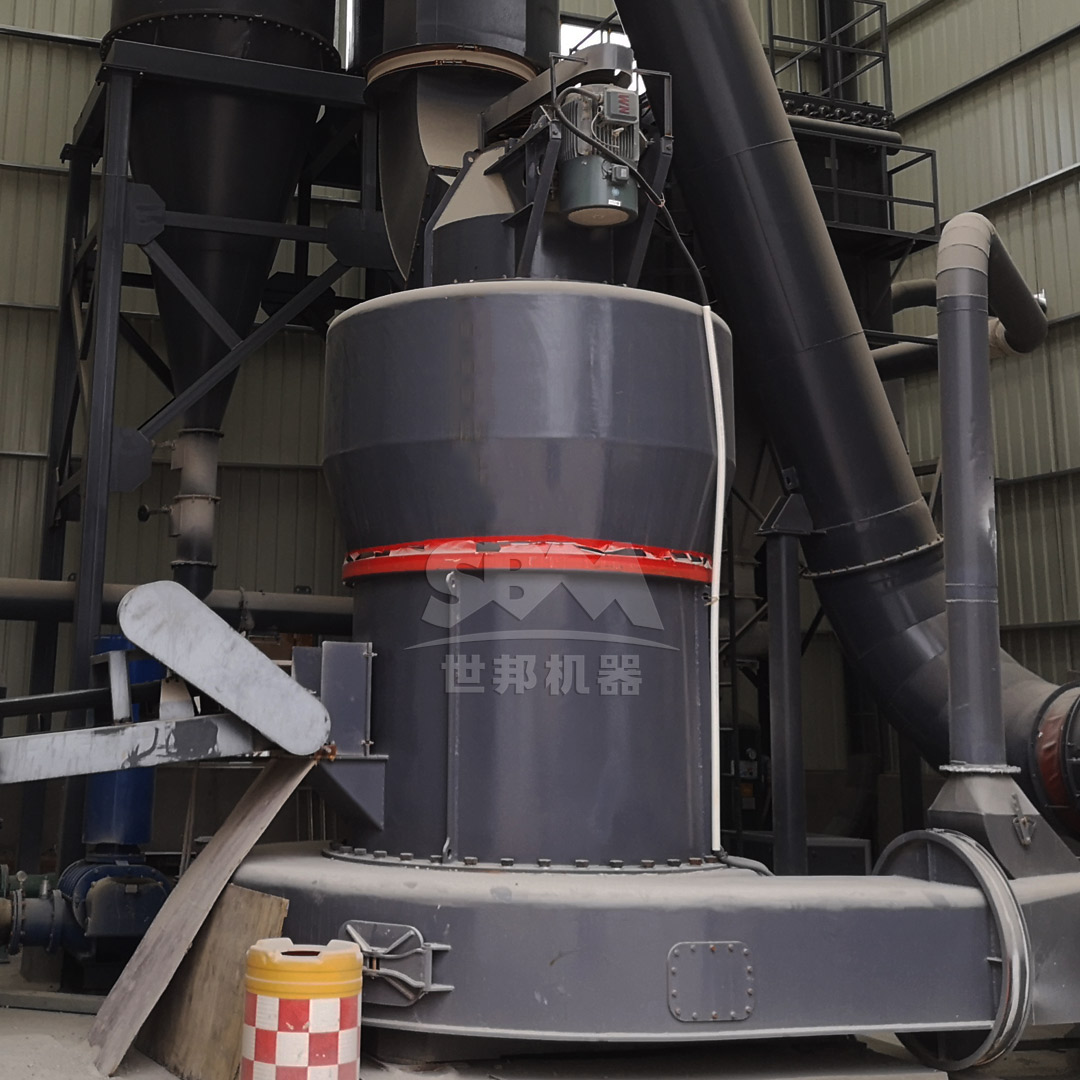
This is a traditional and widely used technology for medium-fine grinding. It operates on the principle of spring-loaded rollers rotating against a stationary ring, crushing the material fed by a central shovel. Modern versions, like the MTW Series European Trapezium Mill, offer significant improvements. For operations requiring robust, high-capacity grinding in the 30-325 mesh range, the MTW series is an excellent choice. Its integral bevel gear drive achieves up to 98% transmission efficiency, saving energy and space. The anti-wear shovel design and wear-resistant volute structure drastically reduce maintenance costs and downtime. With a capacity range of 3-45 tons per hour and the ability to handle feed sizes up to 50mm, it is ideal for large-scale processing of bentonite, fire clay, and other industrial clays where superfine sizes are not required.
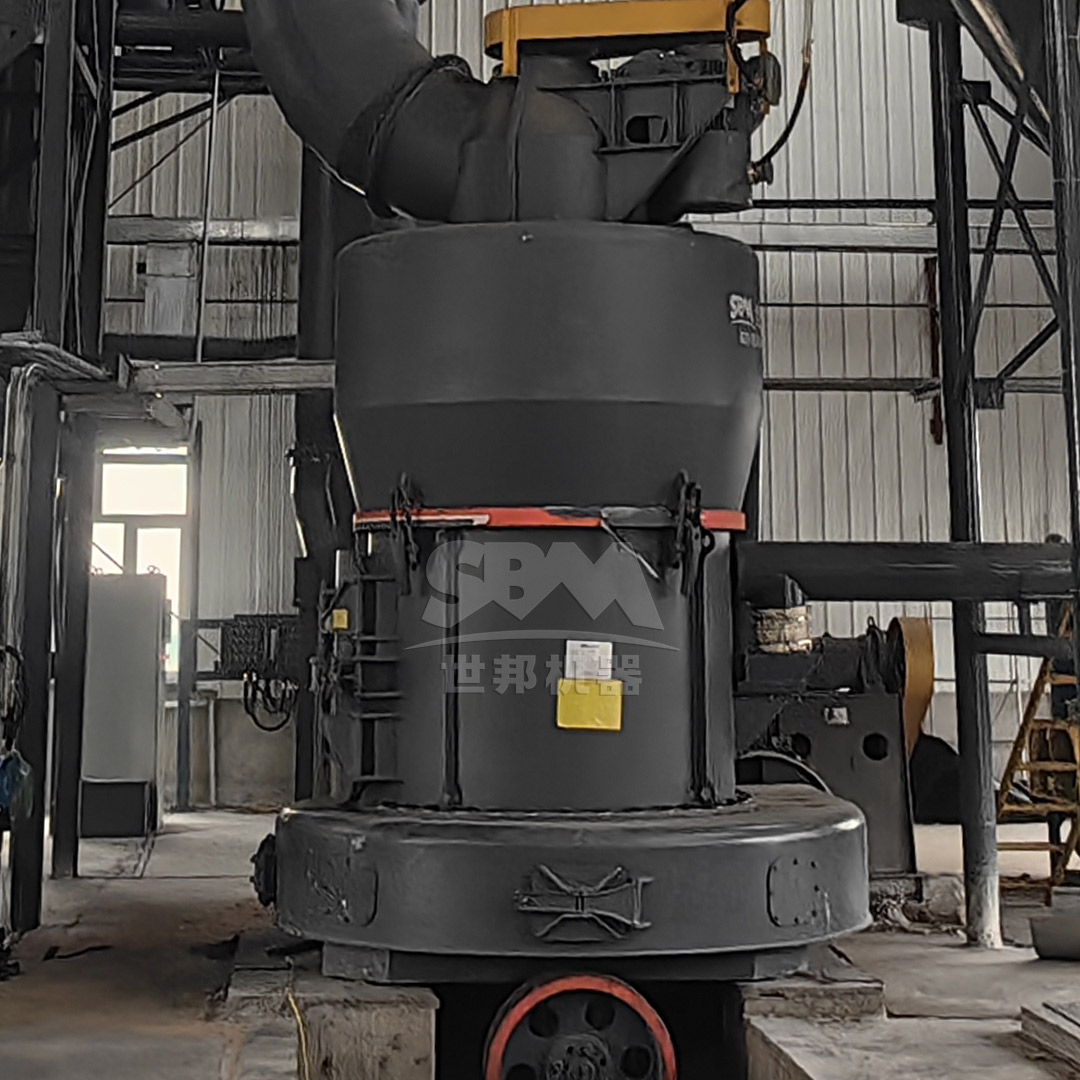
A ball mill is a cylindrical device filled with grinding media (steel balls). As the mill rotates, the balls cascade and impact the clay, resulting in attrition and impact grinding. It is highly versatile, capable of both dry and wet grinding, with wet milling being predominant in ceramic slip preparation. Ball mills are excellent for achieving a consistent, albeit relatively coarse, grind and are known for their reliability and large capacity (up to 450 t/h). However, they are less energy-efficient for producing very fine powders (<400 mesh) compared to more modern vertical or roller mills.
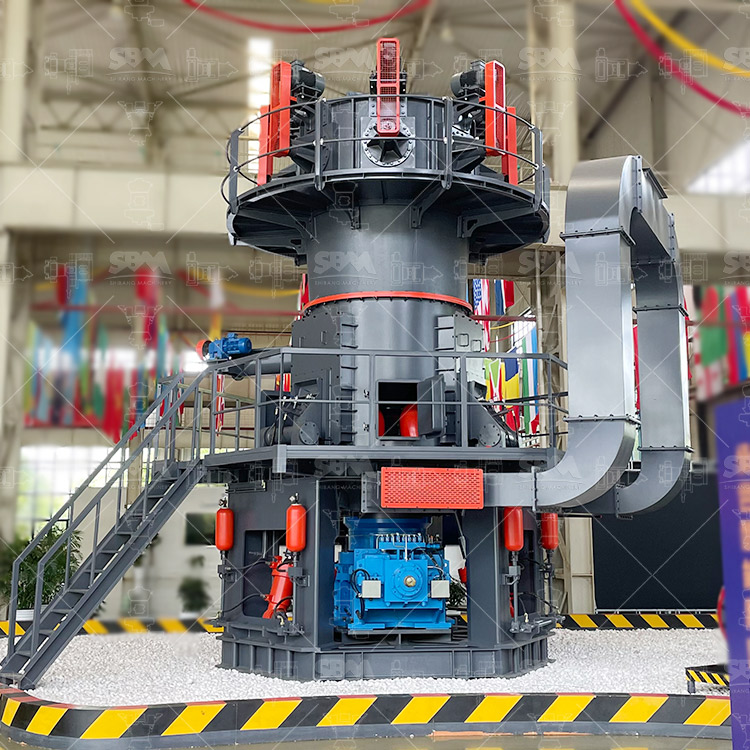
VRMs represent a leap in grinding technology, integrating drying, grinding, and classification in a single unit. Material is ground between rollers and a rotating table, with hot air simultaneously drying and transporting the fines to an integrated classifier. The LM Series Vertical Roller Mill exemplifies this efficient design. Its integrated system reduces floor space by 50% and can be installed outdoors, cutting infrastructure costs. Most notably, its non-contact design between rollers and table and optimized grinding principle lead to 30-40% lower energy consumption compared to traditional ball mill systems. With capacities from 3 to 250 t/h and the ability to produce fineness from 30 to 600 mesh, it is perfectly suited for high-volume processing of kaolin, ball clay, and other materials where energy efficiency and space savings are critical.
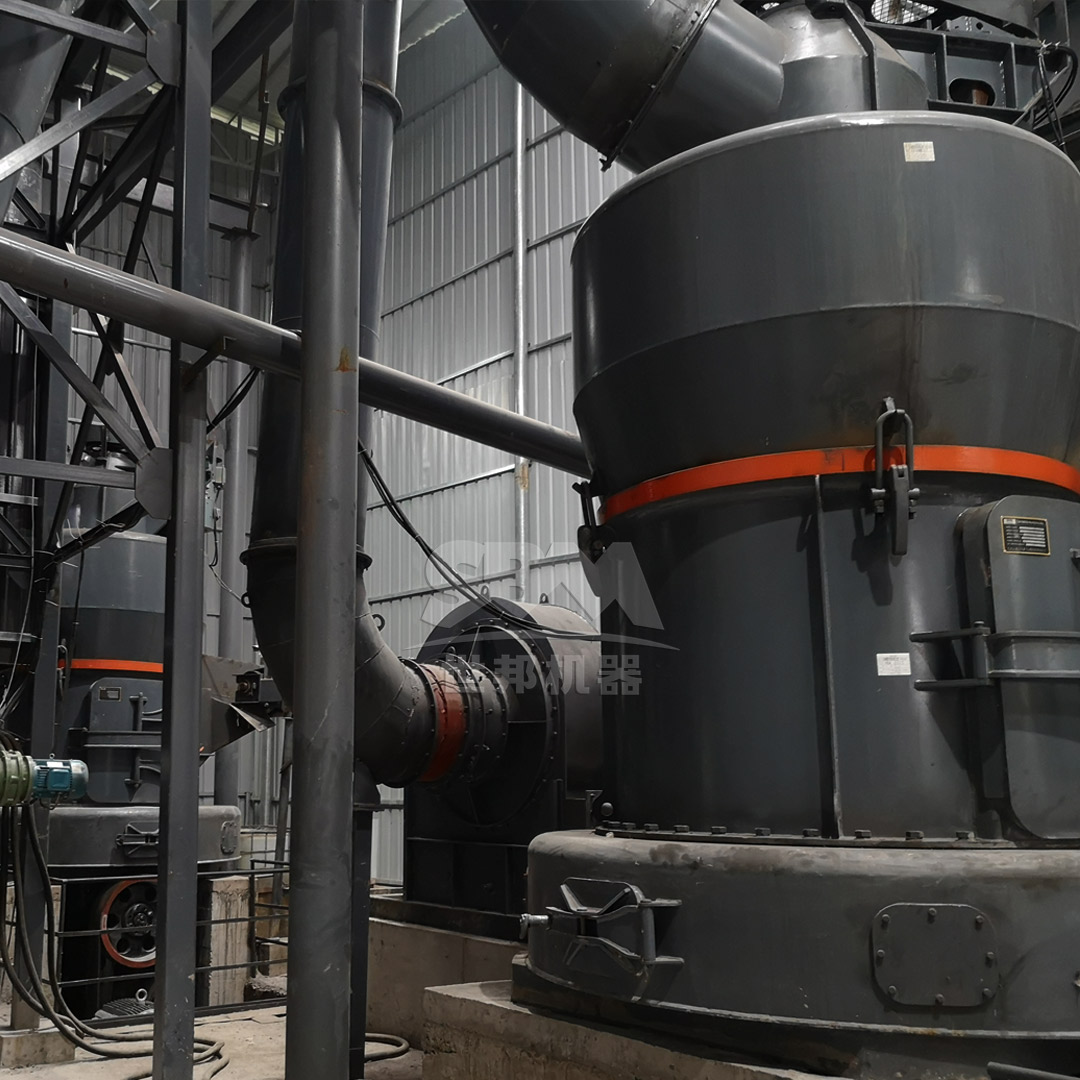
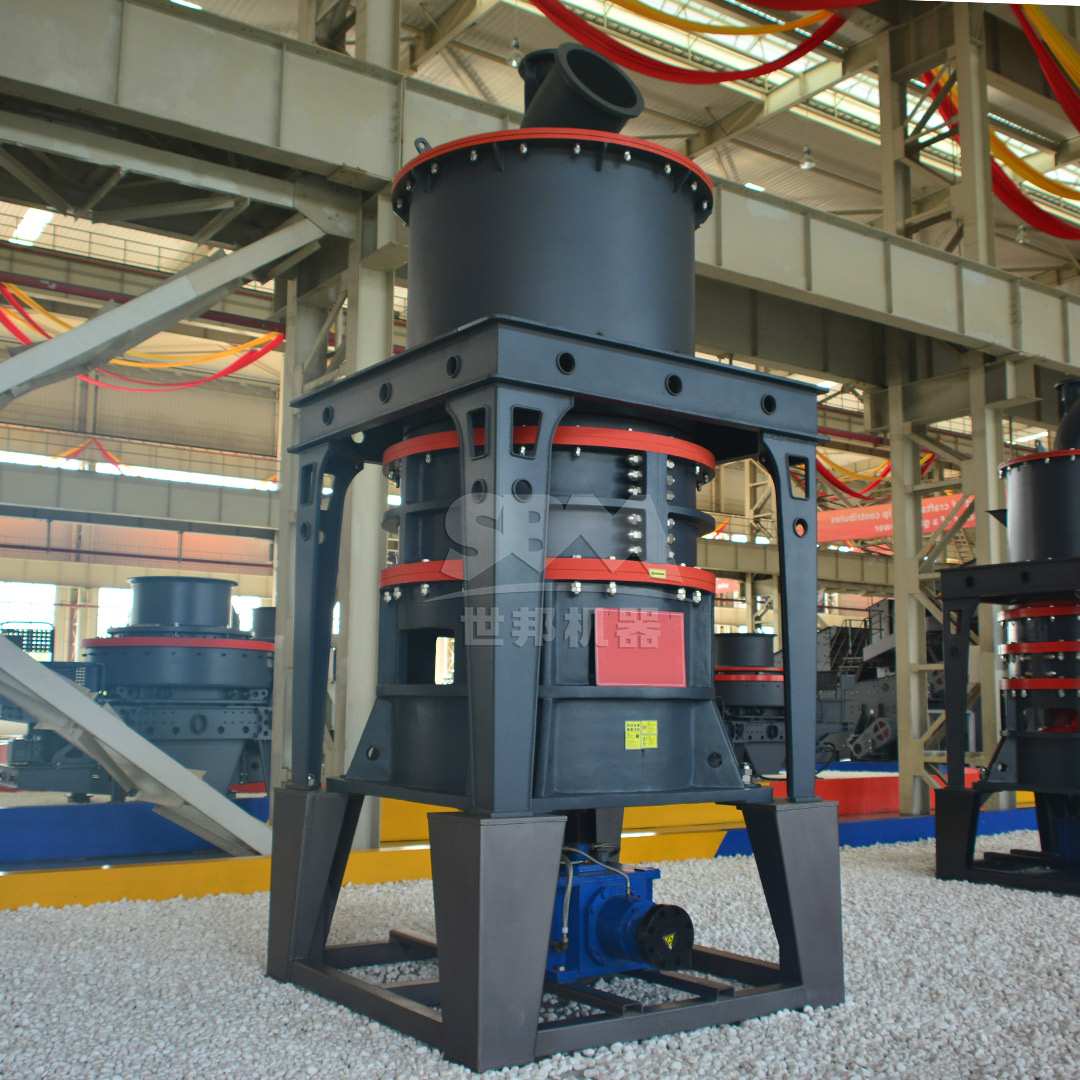
For applications demanding ultrafine or nano-sized clay particles, specialized equipment is necessary. Jet mills use high-speed jets of air or steam to cause particle-on-particle impact, but they can be energy-intensive. A more efficient alternative is advanced roller mill technology designed for ultrafine grinding. For instance, the SCM Series Ultrafine Mill is engineered to produce powders from 325 to 2500 mesh (5-45μm). Its core advantage lies in its high efficiency, offering twice the capacity of jet mills with 30% lower energy consumption. The high-precision vertical turbine classifier ensures a sharp particle size cut with no coarse powder mixing, guaranteeing product uniformity. Furthermore, its special material rollers and rings and pulse dust collection system ensure durability and an eco-friendly operation. This mill is the ideal solution for producing high-value ultrafine kaolin for paper coatings, advanced ceramics, or functional fillers.
| Mill Type | Output Fineness Range | Key Advantages | Ideal Clay Applications |
|---|---|---|---|
| MTW Trapezium Mill | 30-325 mesh | High capacity, robust, low maintenance cost | Bentonite, Fire Clay, Industrial Fillers |
| Ball Mill | 0.074-0.8mm | Wet/Dry grinding, high reliability, large scale | Ceramic slip, coarse filler clay |
| LM Vertical Roller Mill | 30-600 mesh | Extremely energy-efficient, integrated system, space-saving | Kaolin, Ball Clay, Large-scale processing |
| SCM Ultrafine Mill | 325-2500 mesh | Ultrafine capability, high classification precision, energy-saving vs. jet mills | High-grade Kaolin, Specialty Ceramics, Nano-fillers |
Choosing the optimal clay grinding mill requires a careful analysis of several factors:
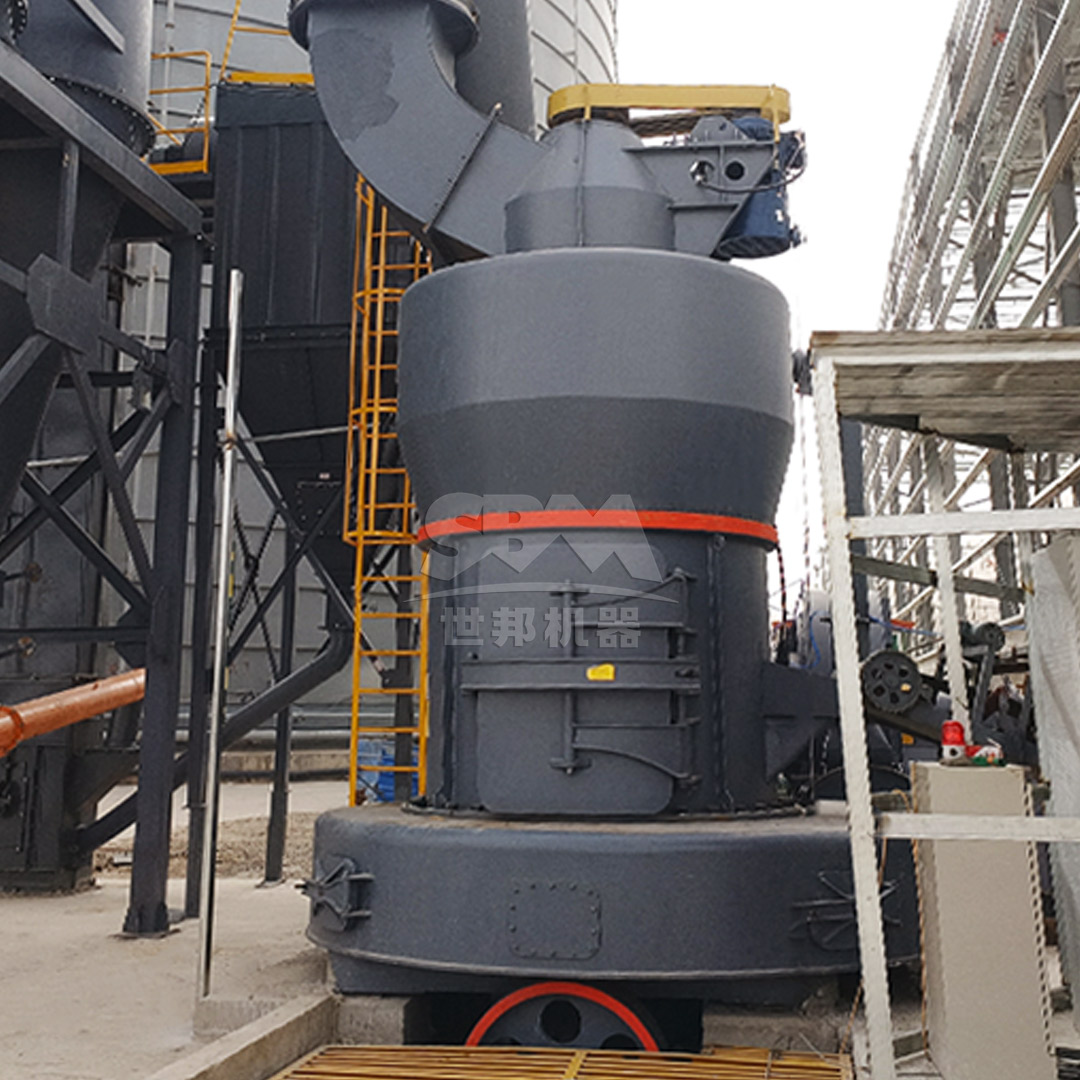
The journey from raw clay to a refined industrial material hinges on effective grinding. From the robust, high-capacity grinding of the MTW Series European Trapezium Mill to the exceptional energy efficiency of the LM Series Vertical Roller Mill, and the precision ultrafine capabilities of the SCM Series Ultrafine Mill, modern technology offers tailored solutions for every stage of clay processing. By understanding the principles and strengths of each mill type and aligning them with your specific material properties and production goals, you can optimize your process for maximum quality, efficiency, and profitability. Investing in the right grinding technology is not merely an equipment purchase; it is a strategic decision that shapes the foundation of your product quality and market competitiveness.