Fertilizer-grade superphosphate, whether single superphosphate (SSP) or triple superphosphate (TSP), is a cornerstone of modern agriculture. Its production involves the reaction of phosphate rock with sulfuric or phosphoric acid, followed by curing, drying, and — crucially — grinding. The grinding stage determines not only the particle size distribution (PSD) of the final fertilizer but also its reactivity, flowability, and application efficiency. Selecting the wrong grinding mill can lead to excessive energy consumption, inconsistent product quality, high maintenance costs, and even production bottlenecks.
This article provides a professional guide to choosing the right grinding mill for your superphosphate production line. We will examine the specific characteristics of superphosphate, review the key mill types available, and highlight two outstanding solutions from our company: the SCM Series Ultrafine Mill and the MTW Series European Trapezium Mill. By the end, you will have a clear framework for matching mill technology to your capacity, fineness, and operational requirements.
Superphosphate is not a homogeneous, easy-to-grind material. It is typically a mixture of monocalcium phosphate, calcium sulfate, and residual unreacted phosphate rock. Key properties include:
These characteristics rule out many generic mills. For example, ball mills are energy-intensive and difficult to clean, while hammer mills produce too many fines and heat. The ideal mill must combine efficient grinding, integrated classification, dust control, and wear resistance.
Before comparing specific models, establish your production line requirements across these six dimensions:
| Criterion | Description | Typical Range for Superphosphate |
|---|---|---|
| Capacity | Tonnes per hour of finished product | 1–50 t/h (small to large lines) |
| Fineness | Mesh or micron size (D97 or D50) | 100–400 mesh (150–38 μm) |
| Moisture handling | Ability to process material with 5–10% moisture | Hot air or drying grinding required |
| Wear resistance | Life of rollers, rings, liners | Minimum 6–12 months continuous |
| Energy consumption | kWh per tonne of product | 20–50 kWh/t (varies by fineness) |
| Dust emission | Concentration at stack | <20 mg/m³ (international standard) |
Additionally, consider automation, footprint, and maintenance accessibility. A mill that is easy to inspect and replace wear parts will reduce downtime significantly.
Traditional ball mills are robust and can handle abrasive materials, but they are extremely energy-inefficient for fine grinding. They also generate heat and noise, and classifying requires separate equipment. For superphosphate, ball mills are rarely the best choice unless very high capacities (>50 t/h) and coarse grinds (>200 mesh) are acceptable.
Hammer mills are suitable for coarse grinding (down to 3 mm) but cannot produce the fine, uniform particles required for high-quality superphosphate. They also tend to create excessive fines and dust.
Jet mills can achieve ultrafine grinding (5–45 μm) without heat generation, but they are capital-intensive, have low capacity (typically <2 t/h), and require compressed air or steam, making them uneconomical for most fertilizer lines.
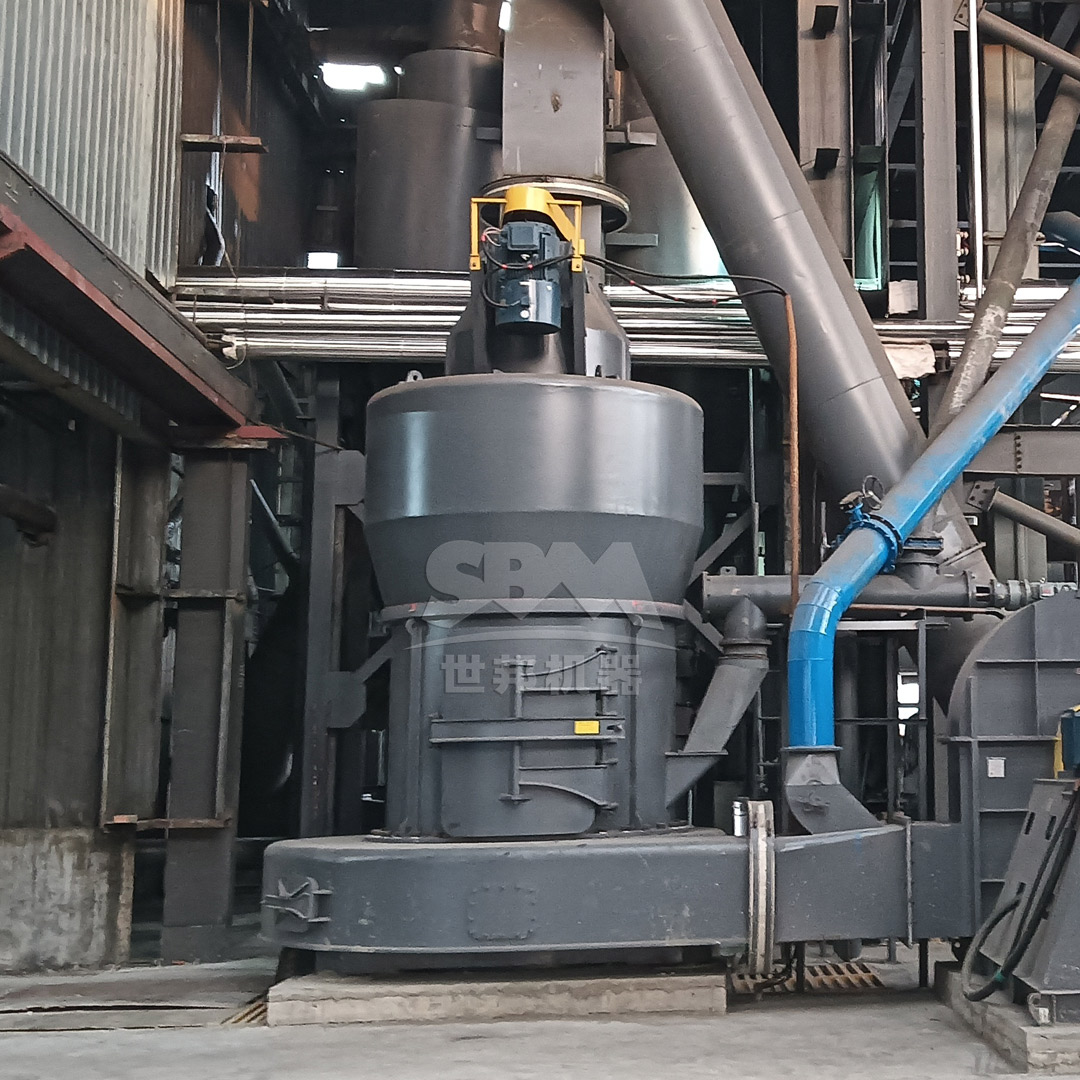
Pendulum mills are a classic choice for 80–400 mesh grinding. They are relatively efficient and can handle moderate moisture. However, older designs suffer from high wear and inconsistent classification. Modern improvements, such as our MRN Pendulum Mill, address these issues.
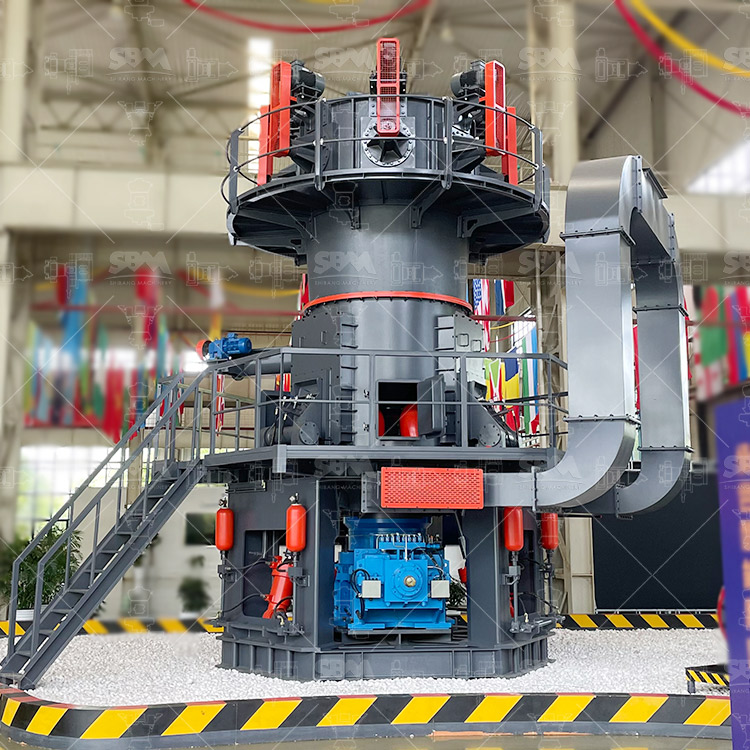
VRMs are widely used in cement and slag grinding. They offer high capacity, low energy consumption, and integrated drying. For superphosphate, VRMs can work well if the material is not too sticky. Our LM Series Vertical Roller Mill is a strong candidate for large lines.
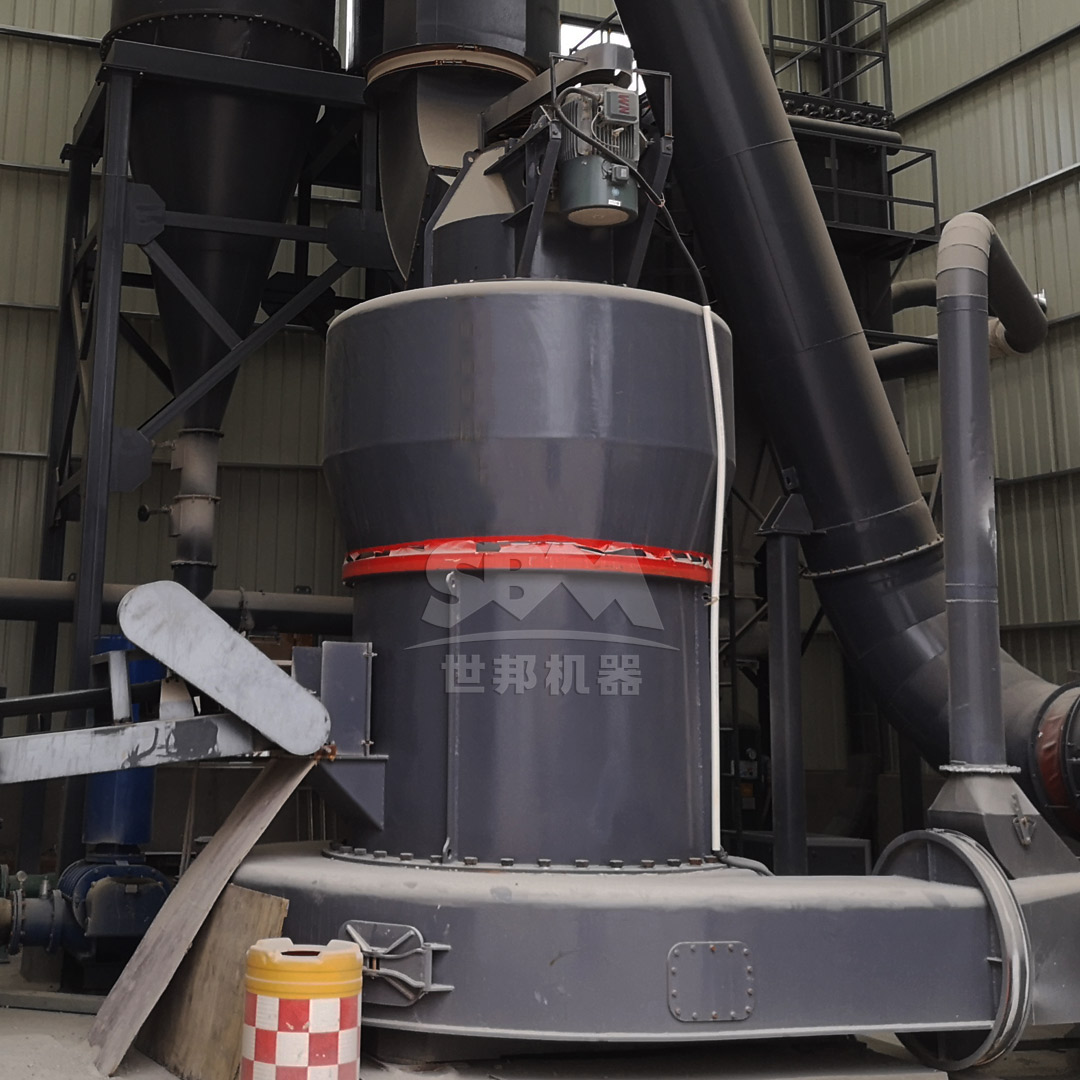
These are improved pendulum mills with higher grinding pressure, better classification, and reduced maintenance. They are excellent for medium-fine grinding (30–325 mesh) and moderate capacities (3–45 t/h). Our MTW Series is a leading example.
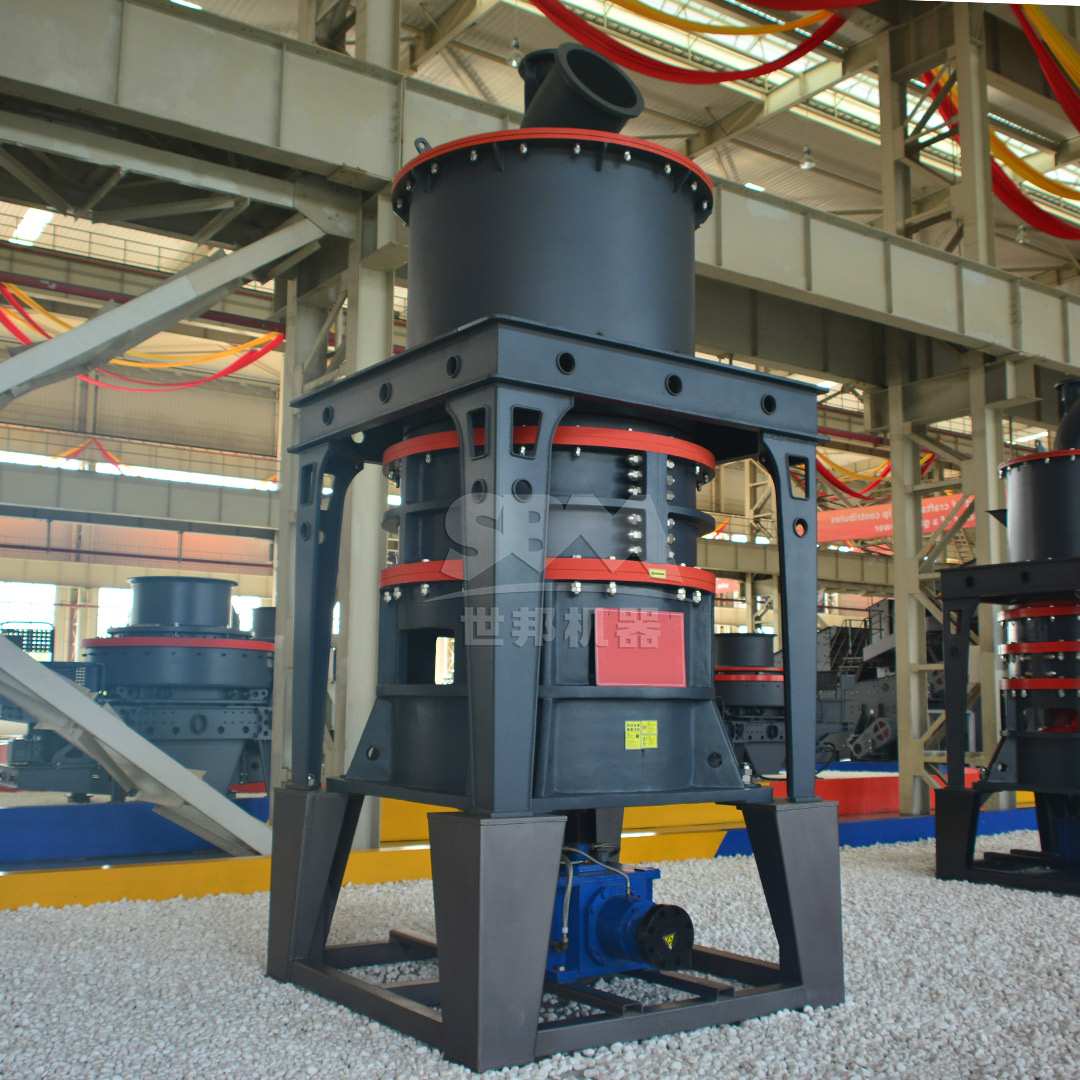
For fine and ultrafine superphosphate (325–2500 mesh), ultrafine mills such as the SCM Series are ideal. They combine high-precision classification with efficient grinding and can process materials with some moisture if hot air is added.
When your production line requires fertilizer-grade superphosphate with a fineness of 325 mesh or finer (e.g., for suspension fertilizers or high-efficiency blends), the SCM Series Ultrafine Mill is a superior choice.
The SCM mill’s working principle involves three layers of grinding rings rotating at high speed. Material is dispersed by centrifugal force, crushed by roller pressure, and ground layer by layer. The integrated classifier ensures no coarse powder mixing. For superphosphate, you can optionally inject hot air to reduce moisture during grinding.
Model recommendation: For a typical superphosphate line producing 2–5 t/h at 400 mesh, the SCM900 (0.8–6.5 t/h, 90 kW) or SCM1000 (1.0–8.5 t/h, 132 kW) is ideal. For larger lines up to 25 t/h, the SCM1680 is available.
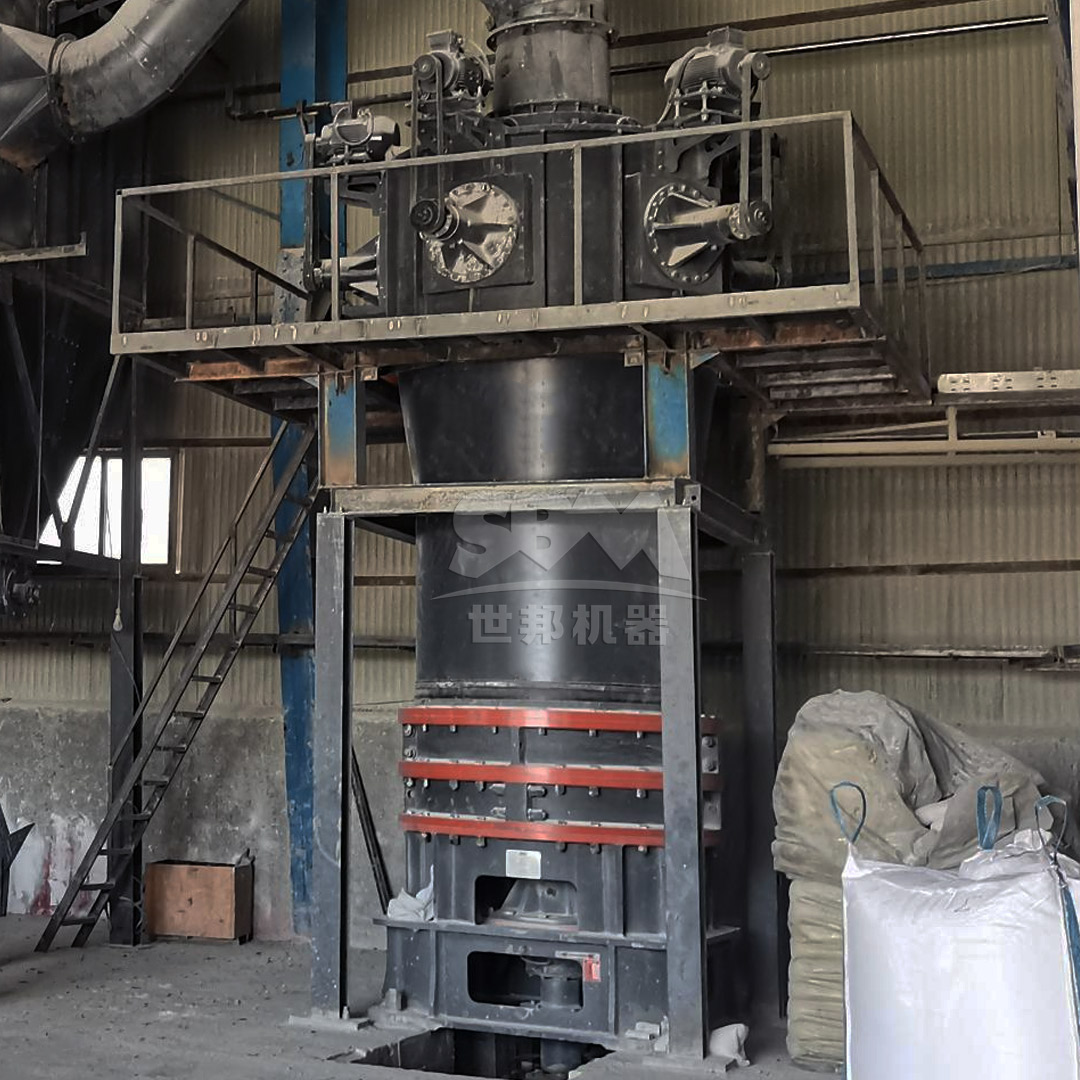
If your target fineness is 30–325 mesh (typical for standard SSP/TSP fertilizers) and you need higher capacity with lower capital cost, the MTW Series European Trapezium Mill is an excellent fit.
The MTW mill’s working principle uses a main motor to drive grinding rollers that revolve around a central axis while self-rotating. Shovels throw material between the ring and rollers, forming a material layer that is crushed by extrusion. The classifier precisely controls finished product size.
Model recommendation: For a superphosphate line producing 6–17 t/h at 200 mesh, the MTW138Z (90 kW main motor, 110 kW fan) is a balanced choice. For 15–45 t/h, consider the MTW215G (280 kW main motor, 315 kW fan). Both models can be equipped with a hot air system for moisture reduction.
| Feature | SCM Series Ultrafine Mill | MTW Series European Trapezium Mill |
|---|---|---|
| Fineness range | 325–2500 mesh | 30–325 mesh |
| Capacity range | 0.5–25 t/h | 3–45 t/h |
| Energy consumption | Very low (30% less than jet mill) | Low (98% transmission efficiency) |
| Wear part life | Several times longer than standard | 30% reduced maintenance cost |
| Moisture handling | Hot air optional | Hot air optional |
| Dust emission | Exceeds international standards | Exceeds national standards |
| Best for | Fine/ultrafine superphosphate, specialty fertilizers | Standard granular superphosphate, high capacity |
If your product portfolio includes both standard and fine superphosphate, you might consider installing both a MTW mill for bulk production and an SCM mill for specialty grades. This hybrid approach maximizes flexibility.
Selecting the mill is only part of the solution. Proper integration ensures optimal performance:
Suppose you need to produce 10 t/h of SSP with 90% passing 200 mesh (75 μm). Moisture is 6%. Your budget allows for a medium-capital solution.
Option A: MTW138Z (6–17 t/h, 90 kW main motor). With a hot air generator and pulse dust collector. Total installed power ~250 kW. Energy consumption ~25 kWh/t. Footprint ~15m x 8m.
Option B: SCM1000 (1.0–8.5 t/h) — two units in parallel to reach 10 t/h. Higher capital cost but finer grinding capability. Energy consumption ~20 kWh/t. Footprint ~20m x 10m for two units.
For most standard SSP lines, Option A is more economical. If you also need 400 mesh product for niche markets, Option B provides future flexibility.
To maximize mill life and product quality:
Choosing the right grinding mill for fertilizer-grade superphosphate is a strategic decision. You must balance fineness requirements, capacity, moisture content, abrasiveness, and budget. The SCM Series Ultrafine Mill excels when fine or ultrafine superphosphate is needed, offering high precision and energy efficiency. The MTW Series European Trapezium Mill is the workhorse for standard medium-fine superphosphate, delivering high capacity and low maintenance.
We invite you to consult our engineers with your specific production parameters. Whether you are building a new line or upgrading an existing one, we can recommend the optimal mill configuration, including feeding, hot air, dust collection, and automation. With the right grinding solution, your superphosphate production line will achieve consistent quality, low operating cost, and environmental compliance.
For more information on SCM and MTW mills, please contact our sales team.