The relentless pursuit of higher quality, cleaner, and more efficient steel production has placed desulfurization at the forefront of metallurgical processes. Sulfur, a common impurity in iron ore and coke, detrimentally impacts steel’s mechanical properties, leading to hot shortness, reduced ductility, and poor weldability. Effective desulfurization is therefore not merely an option but a fundamental requirement for producing high-grade steels, including advanced high-strength steels (AHSS) and electrical steels. The efficacy of this process hinges on the quality and physical characteristics of the desulfurizing agent, typically powdered lime (CaO), magnesium (Mg), or calcium carbide (CaC2). A specialized, high-performance production line is paramount to transform raw materials into a highly reactive, uniformly fine powder that ensures rapid and complete sulfur removal in the ladle or blast furnace.
The production of an effective desulfurizing agent demands a process that delivers on several critical parameters:
A state-of-the-art production line is a seamlessly integrated system comprising several key stages:
Stage 1: Primary Crushing & Pre-Sizing
Large lumps of raw material (e.g., quicklime blocks) are first reduced to a manageable size (typically ≤50mm) using robust crushers like jaw crushers or hammer mills. This prepares the feed for the fine grinding stage.
Stage 2: Drying (If Required)
Materials with high moisture content may require drying in a rotary dryer to prevent clogging in subsequent grinding and classification equipment, ensuring smooth material flow and grinding efficiency.
Stage 3: Fine & Ultra-Fine Grinding – The Heart of the Process
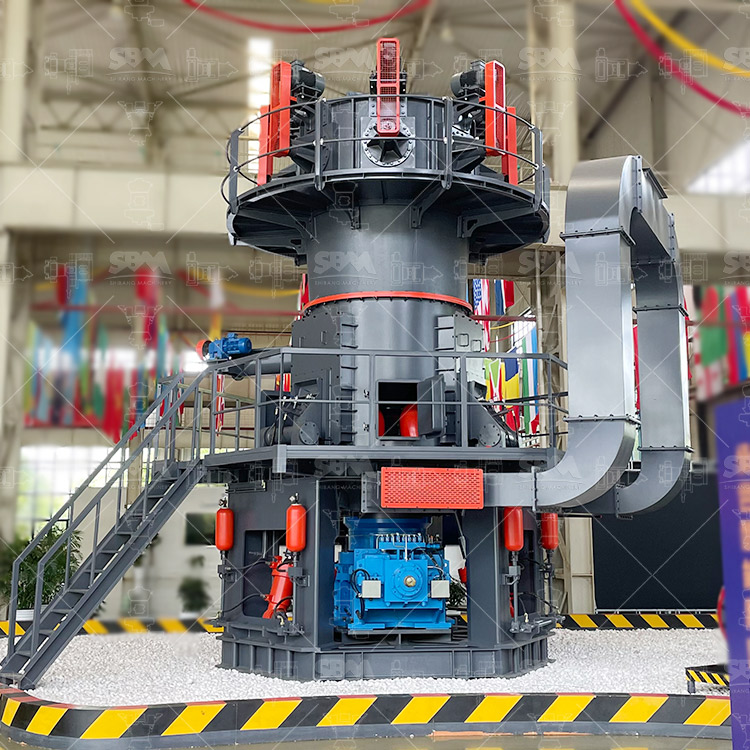
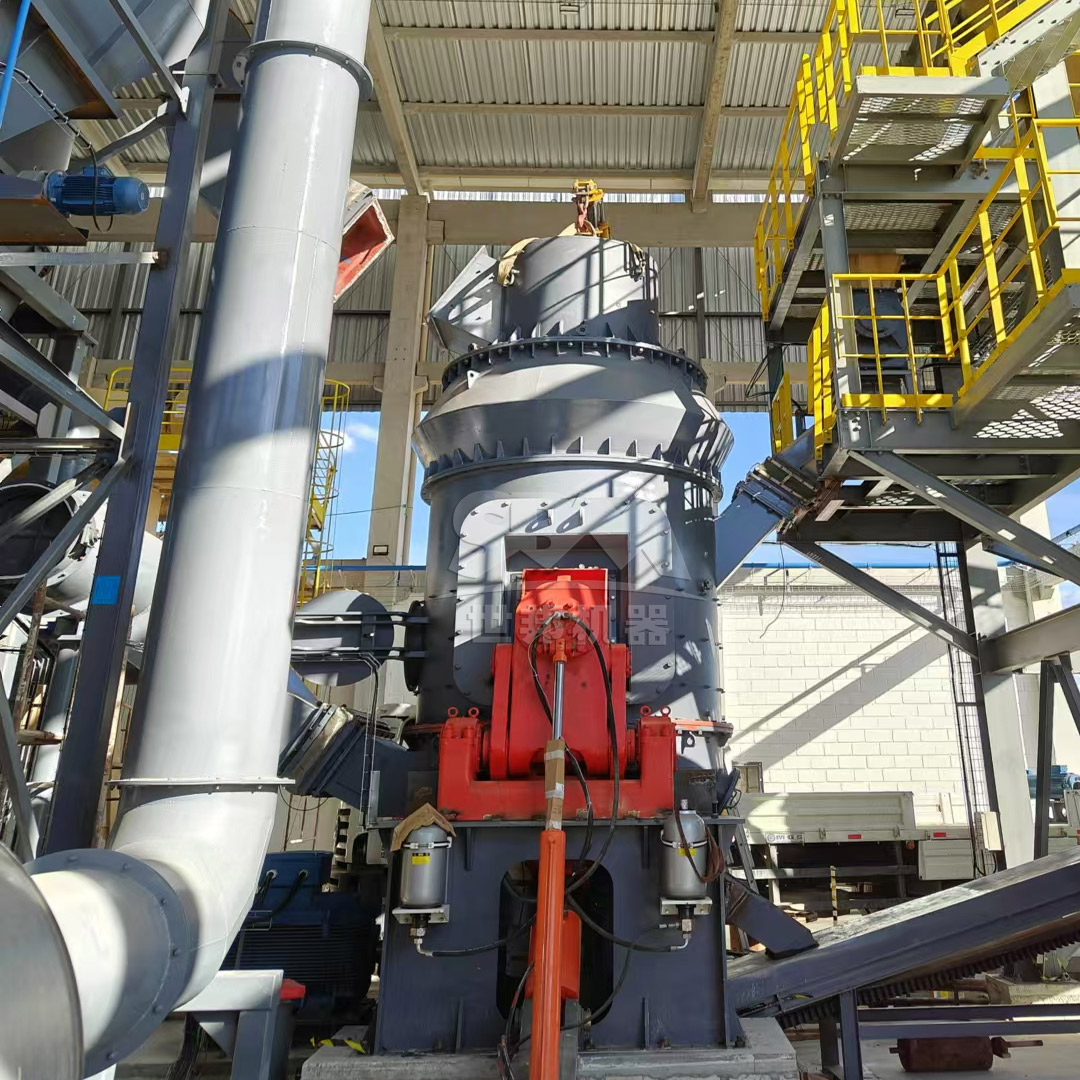
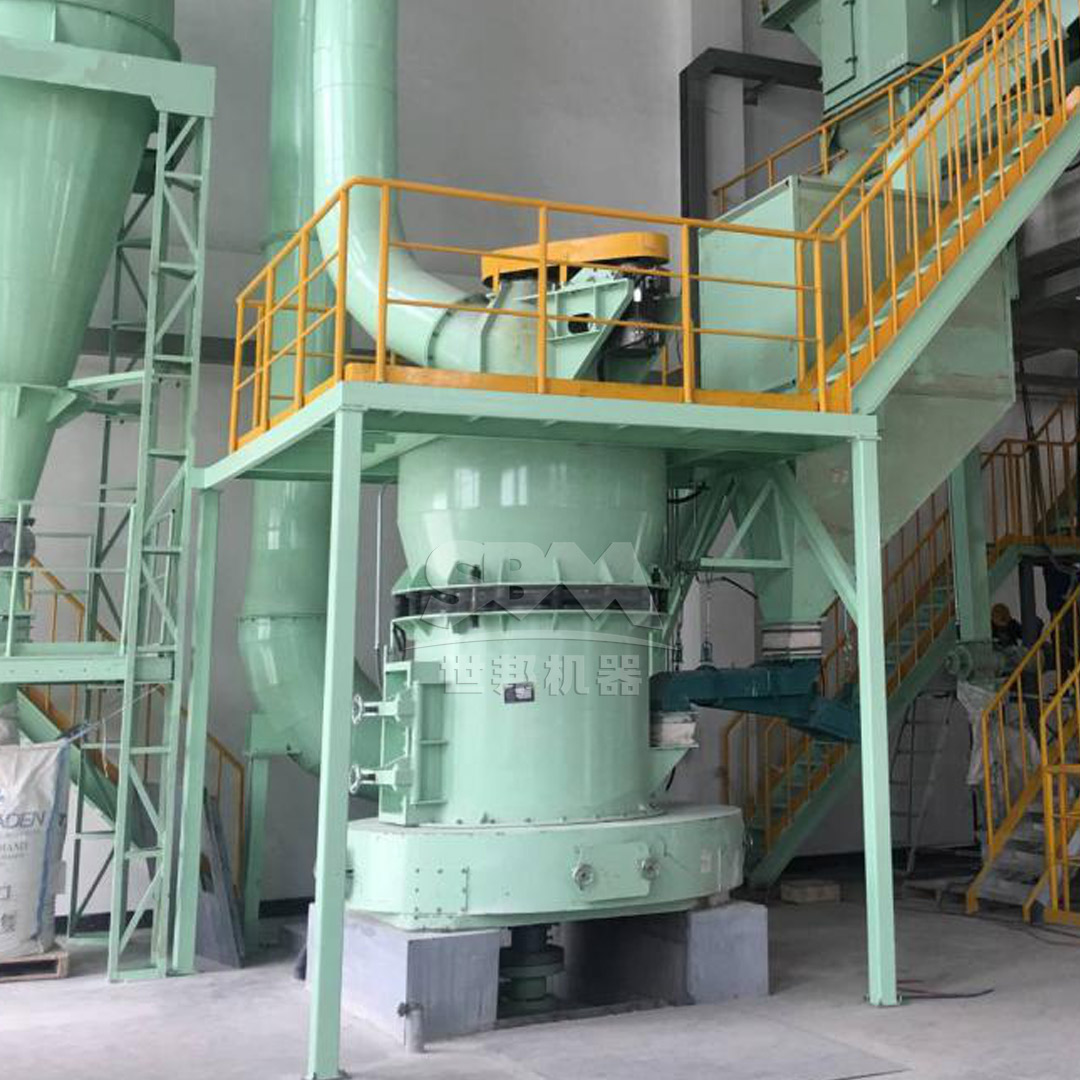
This is the most critical stage, where the raw material is transformed into the desired fine powder. The choice of grinding mill is decisive for the final product’s quality and the line’s economics. The industry demands mills that offer high efficiency, precise particle size control, and robust durability.
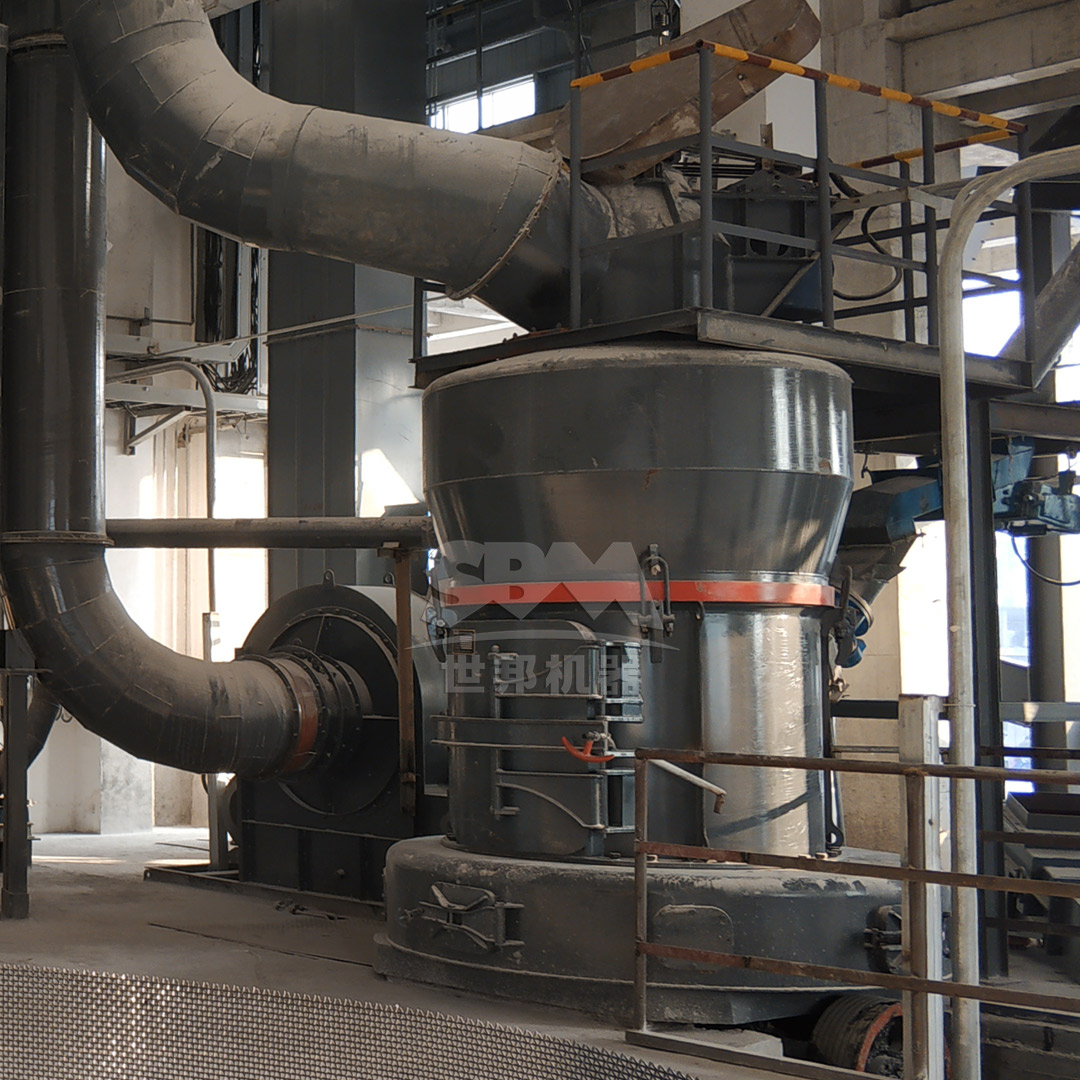
For high-capacity production of desulfurization agents like powdered lime in the 30-325 mesh (600-45μm) range, the MTW Series European Trapezium Mill represents an optimal solution. Its advanced design features, such as the wear-resistant curved shovel, optimized arc air duct, and highly efficient integral bevel gear drive (98% transmission efficiency), make it ideal for this application. The MTW series offers capacities from 3 to 45 tons per hour, perfectly aligning with the needs of medium to large-scale steel plants. Its stable operation and reduced maintenance costs ensure consistent agent quality and lower total cost of ownership.
| Model Example | Capacity (t/h) | Output Fineness (mesh) | Main Power (kW) | Key Advantage for Desulfurization |
|---|---|---|---|---|
| MTW175G | 9.5 – 25 | 30 – 325 | 160 | High capacity, ideal for large steel mills |
| MTW215G | 15 – 45 | 30 – 325 | 280 | Maximum output for mega plants, energy-efficient drive |
Stage 4: Precise Classification
Integrated with or following the grinding mill, a high-efficiency classifier (like a dynamic turbo classifier) continuously separates particles. It ensures that only powder meeting the specified fineness cut-point proceeds to collection, while oversized particles are recirculated for further grinding. This closed-loop system guarantees product uniformity.
Stage 5: Product Collection & Dust Removal
The qualified fine powder is separated from the air stream using high-efficiency cyclone collectors. The entire system is complemented by a pulse-jet baghouse dust collector, which captures over 99.9% of fugitive dust, ensuring a clean working environment and meeting stringent emission standards.
Stage 6: Storage, Packaging & Injection Preparation
The final product is conveyed to silos for storage or directly loaded for transportation. For in-plant use, it is typically transferred to pressurized tanks ready for pneumatic injection into the molten steel.
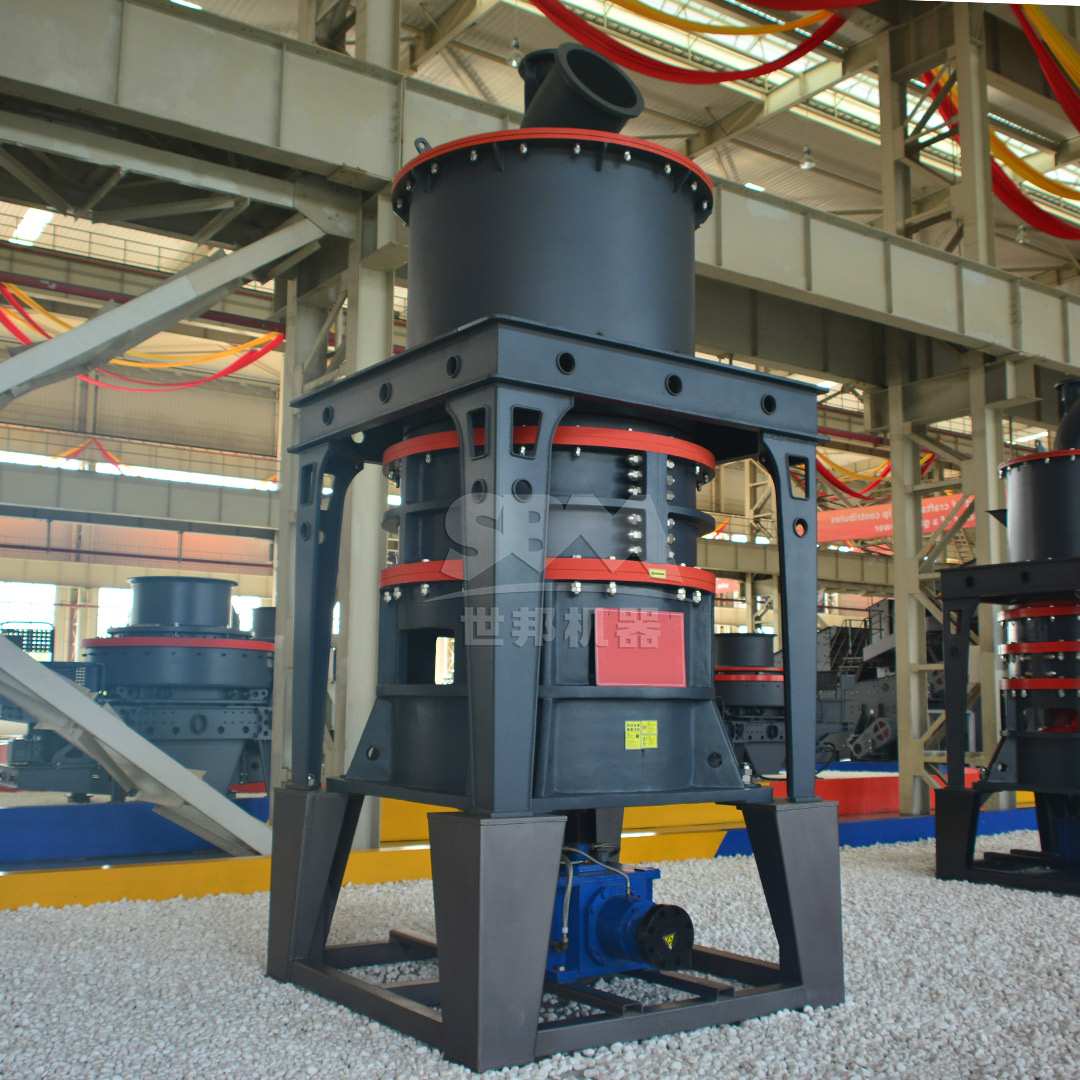
For advanced steelmaking processes requiring exceptionally high reactivity, such as deep desulfurization to achieve sulfur levels below 10 ppm, agents with fineness reaching 325-2500 mesh (45-5μm) are necessary. Producing such ultrafine powders demands specialized grinding technology that balances extreme fineness with practical production rates.
For these demanding applications, the SCM Series Ultrafine Mill is the technology of choice. Engineered specifically for producing micron and sub-micron powders, it incorporates a high-precision vertical turbine classifier that delivers sharp particle size cuts with no coarse powder mixing. Its unique grinding chamber design and special material rollers provide exceptional durability when processing abrasive materials like lime. With capacities ranging from 0.5 to 25 tons per hour, the SCM series enables the economic production of premium-grade, ultra-reactive desulfurization agents that can help steelmakers achieve the most stringent quality targets.
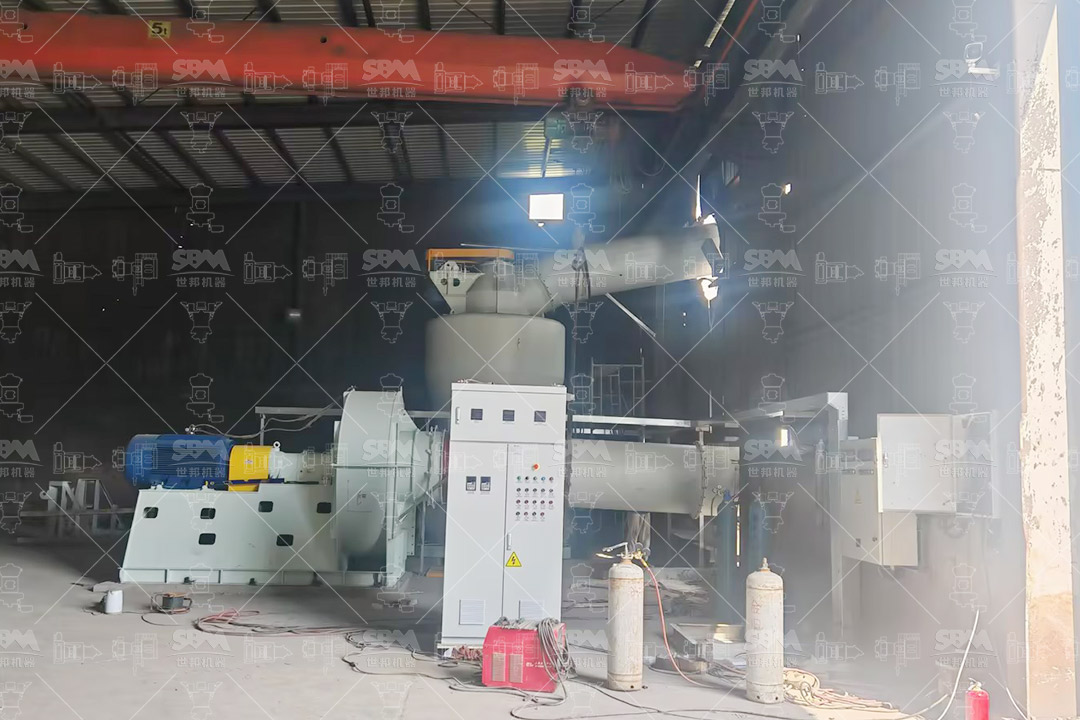
A modern production line is governed by a centralized Programmable Logic Controller (PLC) system. This allows for:
Investing in an optimized desulfurization agent production line yields significant returns:
The production of desulfurization agents is a sophisticated engineering discipline that directly influences the efficiency, cost, and environmental profile of modern steelmaking. Moving beyond simple crushing, it requires a carefully engineered line centered on advanced grinding and classification technology—such as the high-capacity MTW Series Mill for standard agents or the precision-focused SCM Ultrafine Mill for premium grades. By integrating these core technologies with automated control and comprehensive environmental safeguards, steel producers can establish a reliable, cost-effective, and clean in-house supply of a critical material, securing their competitive edge in the global market for high-quality steel.