The manufacturing of daily-use products from plaster, such as decorative moldings, ceiling tiles, art casts, and medical/dental models, relies fundamentally on the quality and consistency of the raw plaster powder. The transformation of raw gypsum rock into a fine, uniform powder suitable for precise casting and molding is a critical process that demands specialized machinery. Selecting the right plaster powder making machine is not merely a matter of grinding; it involves considerations of particle size distribution, energy efficiency, production capacity, and final product performance. This article delves into the technological requirements for plaster processing and highlights advanced milling solutions that set the standard for modern manufacturing.
The fineness and particle size distribution of plaster powder directly influence key properties of the final product:
Therefore, the core challenge for equipment is to deliver not just fine powder, but powder with a precise and adjustable fineness range, high uniformity, and stable output quality.
Moving beyond traditional ball mills, modern plaster processing utilizes several advanced milling principles, each with distinct advantages:
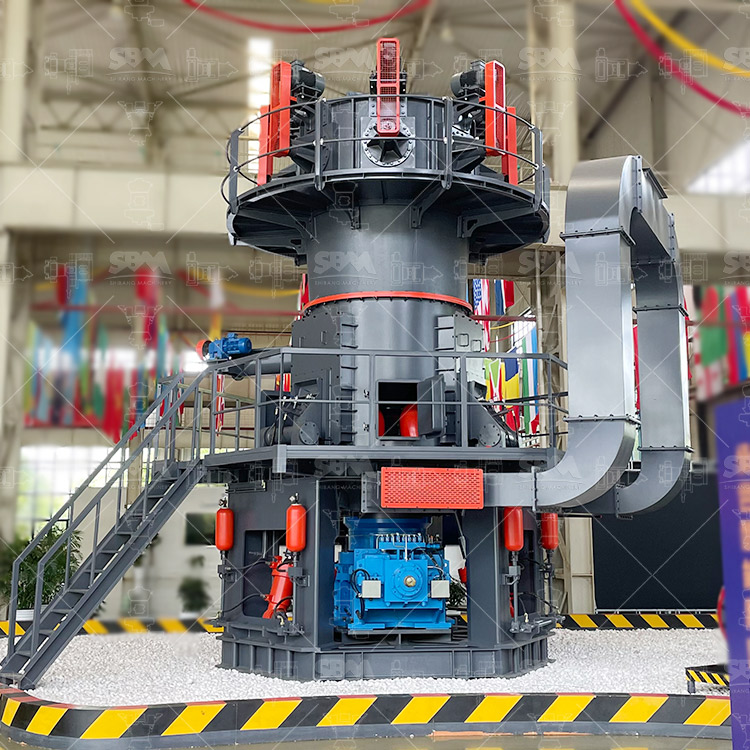
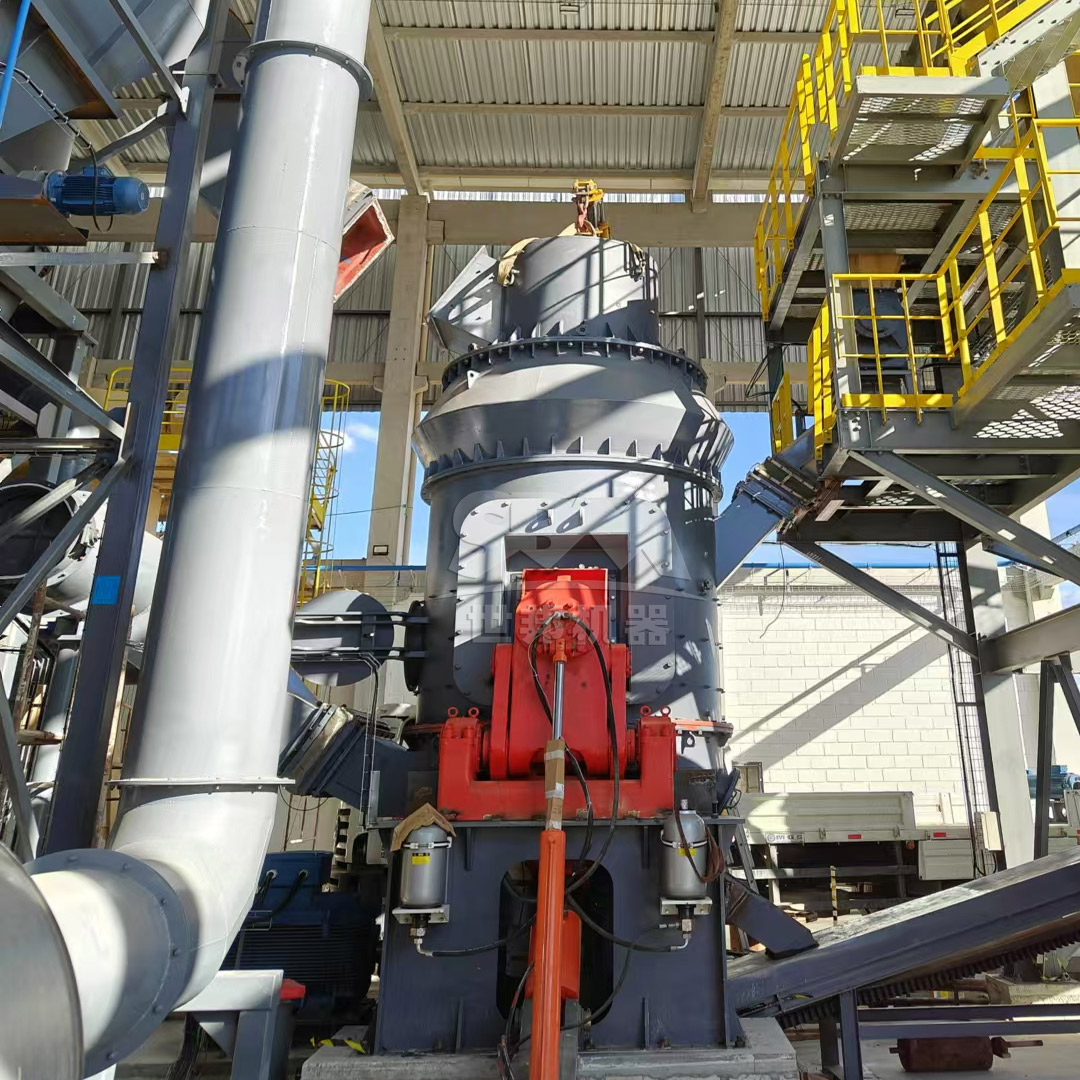
VRMs integrate grinding, drying (if using calcined gypsum), and classification in a single compact unit. Material is ground between rollers and a rotating table, with hot air (for drying) carrying fines to an integrated classifier. This technology is renowned for its high energy efficiency and large capacity, making it ideal for high-volume production lines.
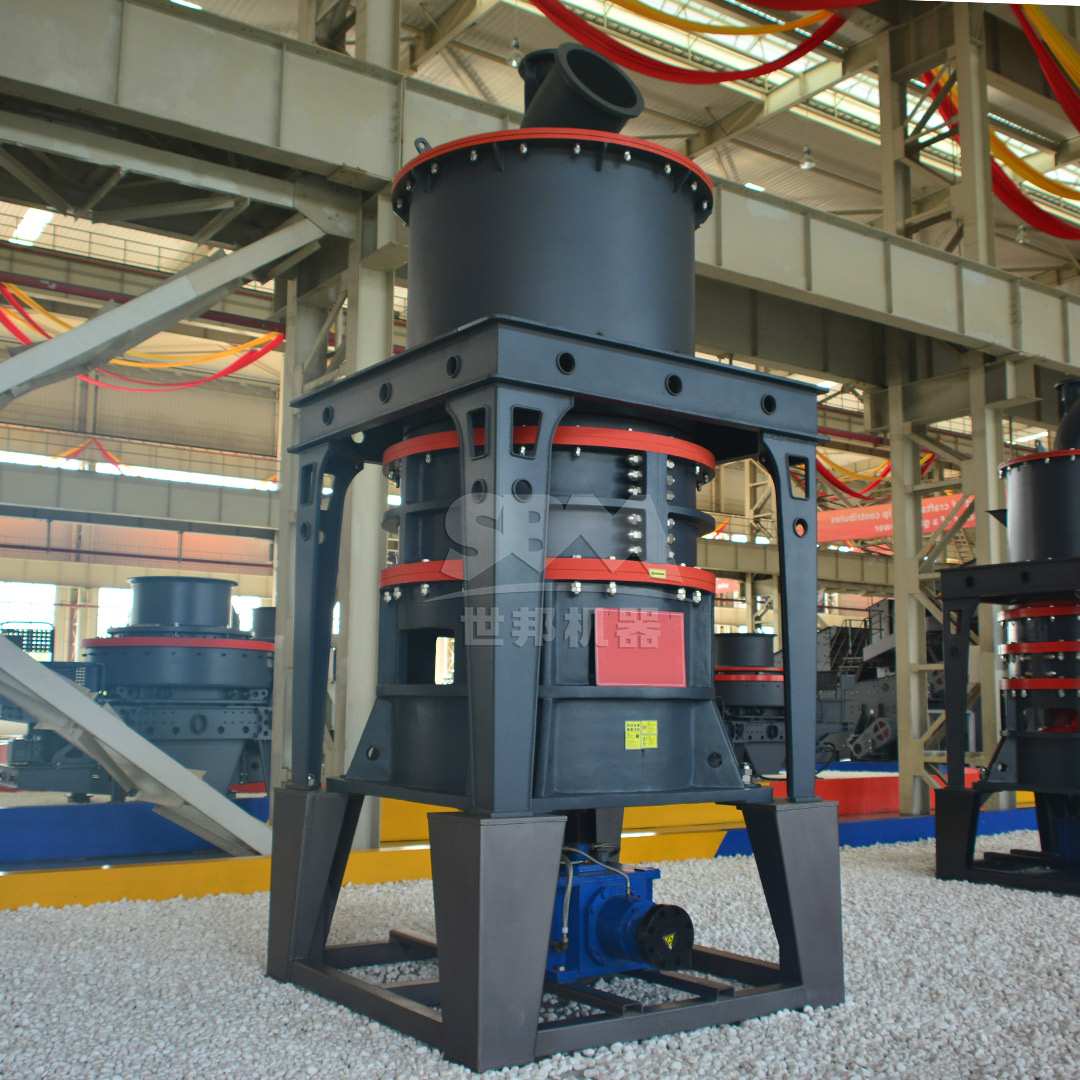
For applications requiring extremely fine powders (e.g., high-strength dental plaster or premium art casts), specialized ultrafine mills are necessary. These systems often employ multiple grinding stages and high-precision, forced vortex classifiers to achieve particle sizes down to 5 micrometers (2500 mesh) with narrow distribution.
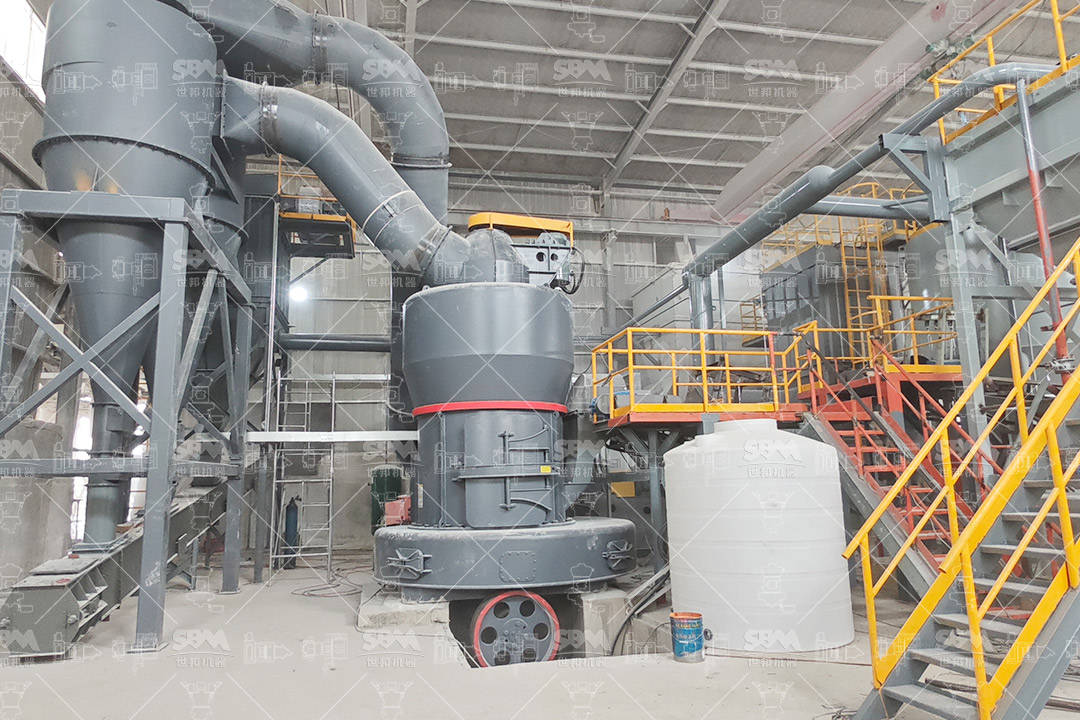
An evolution of the traditional Raymond mill, this technology features curved grinding surfaces, efficient integral gear drives, and advanced air flow systems. It offers an excellent balance between capacity, fineness range (typically from coarse to 325 mesh), and operational reliability, suitable for standard construction and industrial plaster products.
| Technology | Typical Output Fineness | Key Advantage | Ideal Production Scale |
|---|---|---|---|
| Vertical Roller Mill (VRM) | 30-325 mesh (45μm-600μm) | High Efficiency, Integrated Drying | Large to Very Large |
| Ultrafine Mill | 325-2500 mesh (5-45μm) | Extreme Fineness & Precision | Medium to Large |
| European Trapezium Mill | 30-325 mesh (45-600μm) | Reliability & Cost-Effectiveness | Medium to Large |
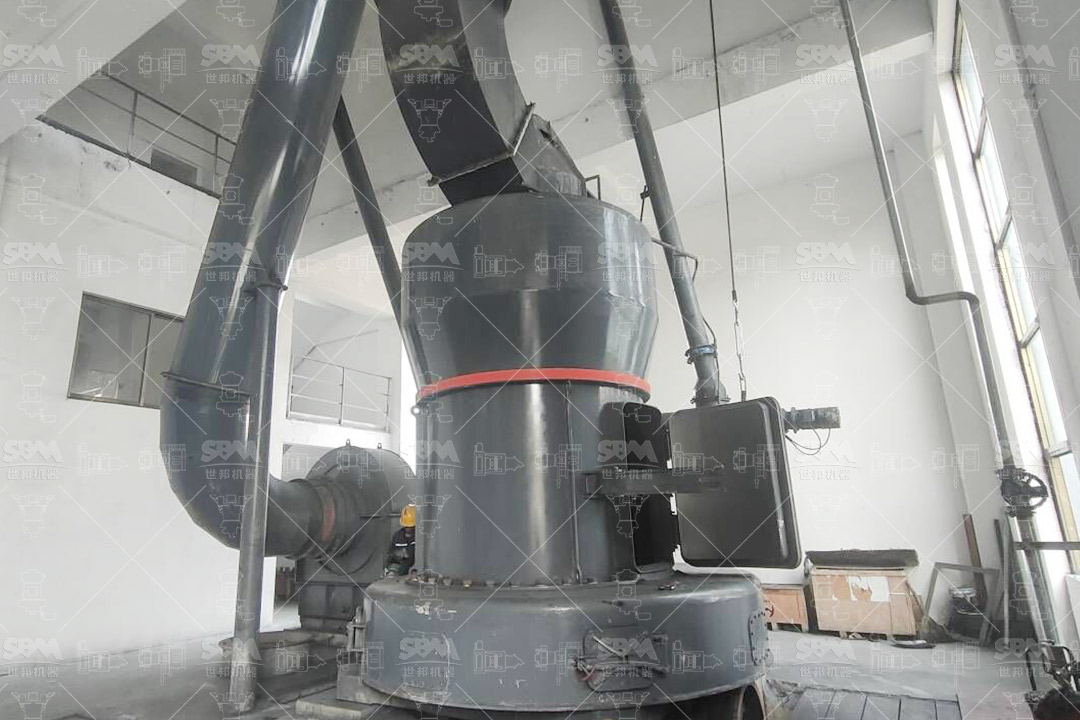
Based on the diverse needs of daily-use product manufacturers, from large-scale drywall producers to specialty art material suppliers, we recommend the following machines from our portfolio for their proven performance and technological superiority.
For manufacturers of high-value, precision plaster products where ultrafine fineness and superior particle uniformity are non-negotiable, our SCM Series Ultrafine Mill is the definitive solution.
This mill excels in producing plaster powder in the range of 325 to 2500 mesh (45-5μm). Its core strength lies in its high-precision vertical turbine classifier, which ensures precise particle size cutting without coarse powder mixing, guaranteeing a uniform finished product critical for consistent setting times and surface quality. The mill operates with remarkable efficiency, offering a capacity up to 2 times that of jet mills while consuming approximately 30% less energy, thanks to its intelligent control system with automatic granularity feedback.
Durability is engineered into its design with special material rollers and rings that extend service life significantly, and a shaftless screw grinding chamber that promotes stable operation. Furthermore, it meets stringent environmental standards with a pulse dust collection system exceeding 99.9% efficiency and a soundproof room design for low-noise operation.
| Model | Capacity (t/h) | Main Power (kW) | Output Fineness |
|---|---|---|---|
| SCM800 | 0.5 – 4.5 | 75 | 325-2500 mesh |
| SCM1000 | 1.0 – 8.5 | 132 | 325-2500 mesh |
| SCM1680 | 5.0 – 25 | 315 | 325-2500 mesh |
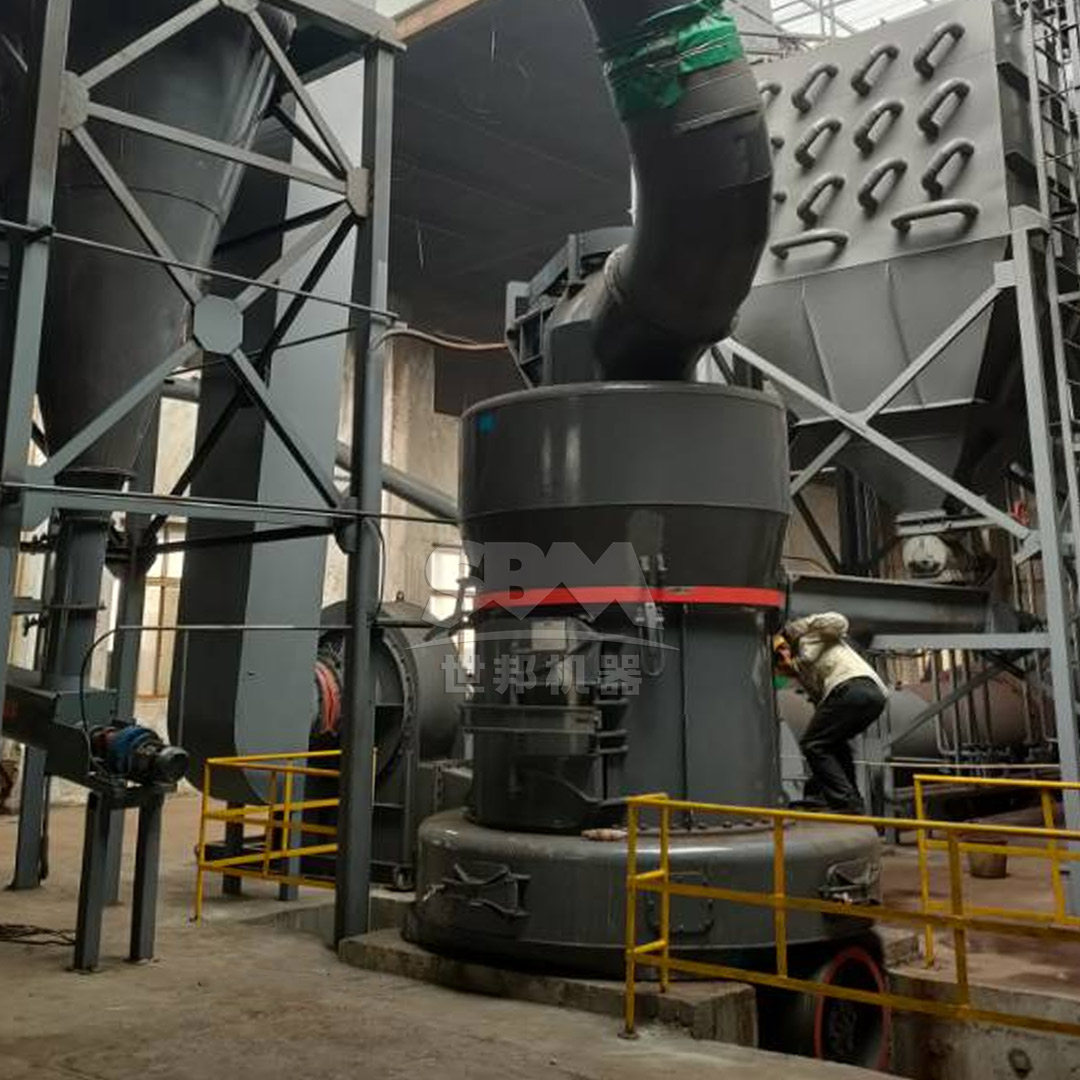
For manufacturers focused on high-volume production of standard plaster powders for items like ceiling tiles, basic molds, and construction elements, the MTW Series European Trapezium Mill offers an optimal blend of capacity, reliability, and cost-effectiveness.
Capable of processing feed sizes up to 50mm and delivering fineness from 30 to 325 mesh, this mill is built for robust, continuous operation. Its patented technology includes an anti-wear shovel design with combined blades to reduce maintenance costs and an optimized arc air duct that minimizes energy loss. The integral bevel gear drive achieves a remarkable 98% transmission efficiency, saving energy and space. Models like the MTW215G can deliver capacities up to 45 tons per hour, making it a powerhouse for large-scale plaster board or bulk powder production facilities.
The journey from raw gypsum to a high-quality daily-use plaster product is engineered at the milling stage. Investing in the right plaster powder making machine is an investment in product quality, production efficiency, and market competitiveness. Whether the requirement is for ultra-fine, precision powders or high-volume, consistent output, advanced technologies like the SCM Ultrafine Mill and the MTW European Trapezium Mill provide tailored, reliable, and efficient solutions. By understanding the critical link between powder characteristics and final product performance, manufacturers can make informed decisions that propel their operations toward greater innovation and success in the daily-use products market.