Barite (barium sulfate) is a critical mineral extensively used in the construction industry, primarily as a weighting agent in drilling muds for foundation engineering and as a filler in high-density concrete, radiation-shielding materials, paints, and coatings. The performance of barite in these applications is heavily dependent on its fineness, purity, and particle size distribution. Therefore, selecting the appropriate grinding equipment and optimizing the production process are paramount for manufacturers to achieve desired product quality, operational efficiency, and cost-effectiveness. This article provides a comprehensive guide to barite processing, focusing on equipment selection criteria and production workflows, with specific recommendations for high-performance milling solutions.
Barite is characterized by its high specific gravity (4.2-4.5), chemical inertness, and brightness. In construction, its primary value lies in its ability to increase density. For use as a filler or additive, barite must be ground to a specific fineness. Common requirements range from coarse grades (30-100 mesh) for concrete aggregates to very fine powders (325-2500 mesh) for high-performance paints and specialized composites. The grinding process must preserve the mineral’s crystal structure to maintain its density and avoid introducing impurities.
| Application | Typical Fineness Requirement | Key Quality Parameter |
|---|---|---|
| Drilling Mud (Weighting Agent) | 200 mesh (74μm) minimum, API Standard | Specific Gravity (>4.2), Low Soluble Alkalis |
| High-Density Concrete & Radiation Shielding | 100-325 mesh (149-45μm) | High Purity, Uniform Particle Packing |
| Paints & Coatings (Filler/Extender) | 325-1250 mesh (45-10μm) | Brightness, Fine & Uniform Particle Size, Chemical Inertness |
| Plastics & Rubber Composites | 600-2500 mesh (20-5μm) | Ultra-fine Size, Surface Modification Compatibility |
A typical barite grinding plant involves several stages, from raw material handling to finished product packaging.
Run-of-mine barite ore is first crushed by a jaw crusher or hammer mill to reduce the size to below 30-50mm, preparing it for the grinding mill feed. Washing and drying may be required if the ore has high clay or moisture content.
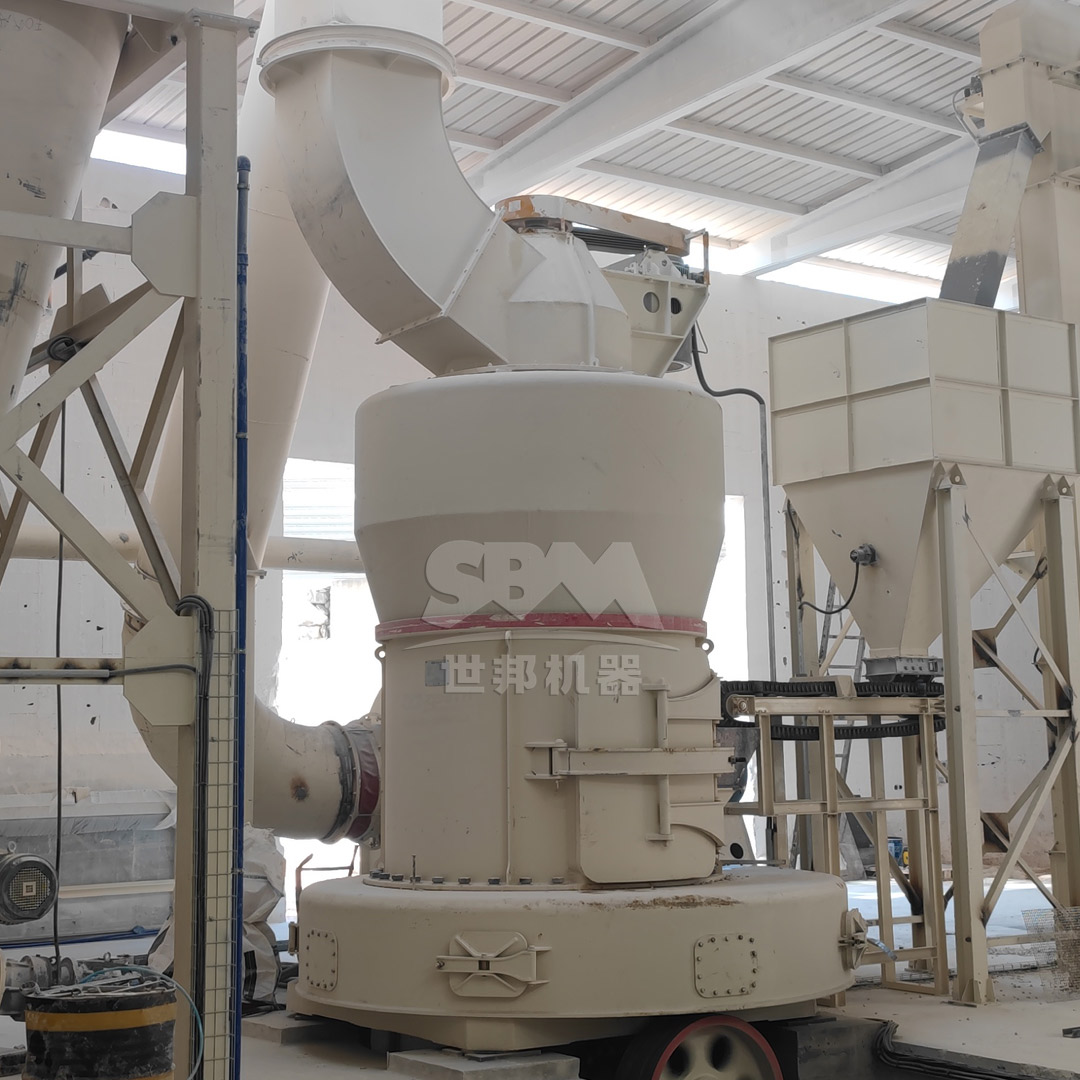
This is the core stage. The pre-crushed barite is fed into a grinding mill. The ground powder is then transported by an air stream to a classifier. Particles meeting the fineness target are collected; oversize particles are returned to the mill for further grinding. This closed-circuit system ensures precise size control.
Fine powder is separated from the air stream using high-efficiency cyclone collectors and baghouse filters (pulse dust collectors). Modern systems achieve collection efficiencies exceeding 99.9%, ensuring minimal product loss and environmental compliance.
The collected barite powder is conveyed to silos for storage or directly to automated packing machines for bagging (25kg, 50kg, 1 ton bags) or bulk loading.
Choosing the right mill is not a one-size-fits-all decision. Key factors must be evaluated:
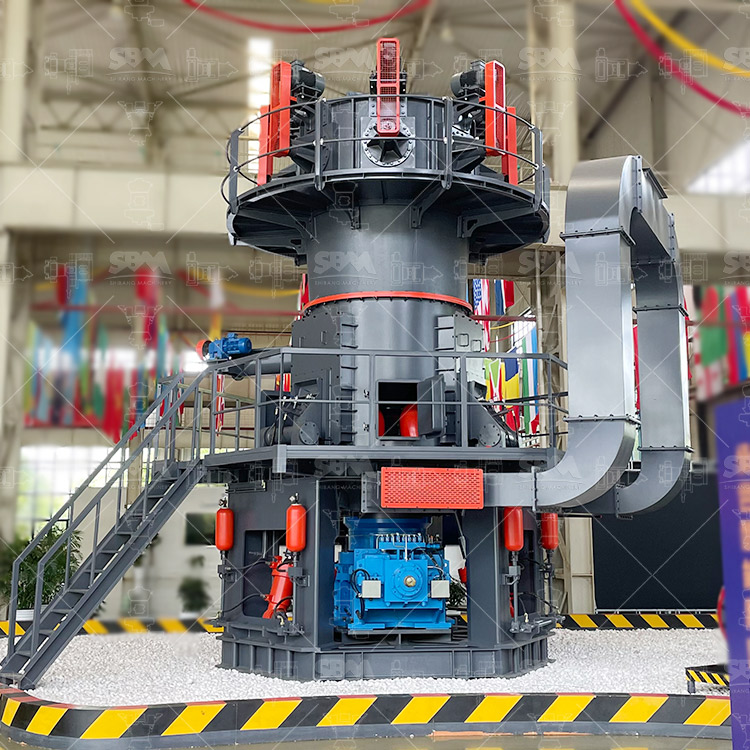
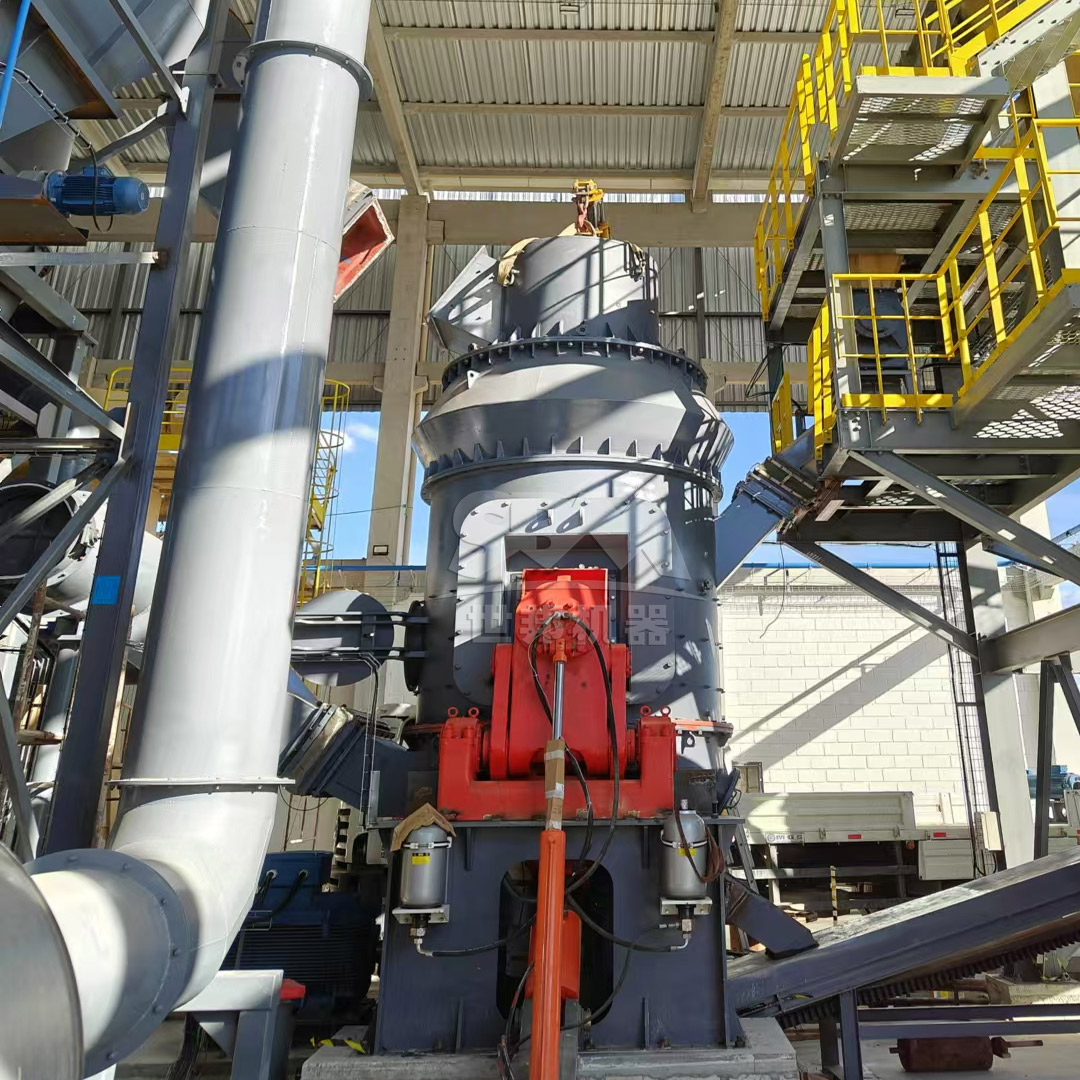
Based on different fineness and capacity requirements, we recommend the following proven mill technologies from our portfolio.
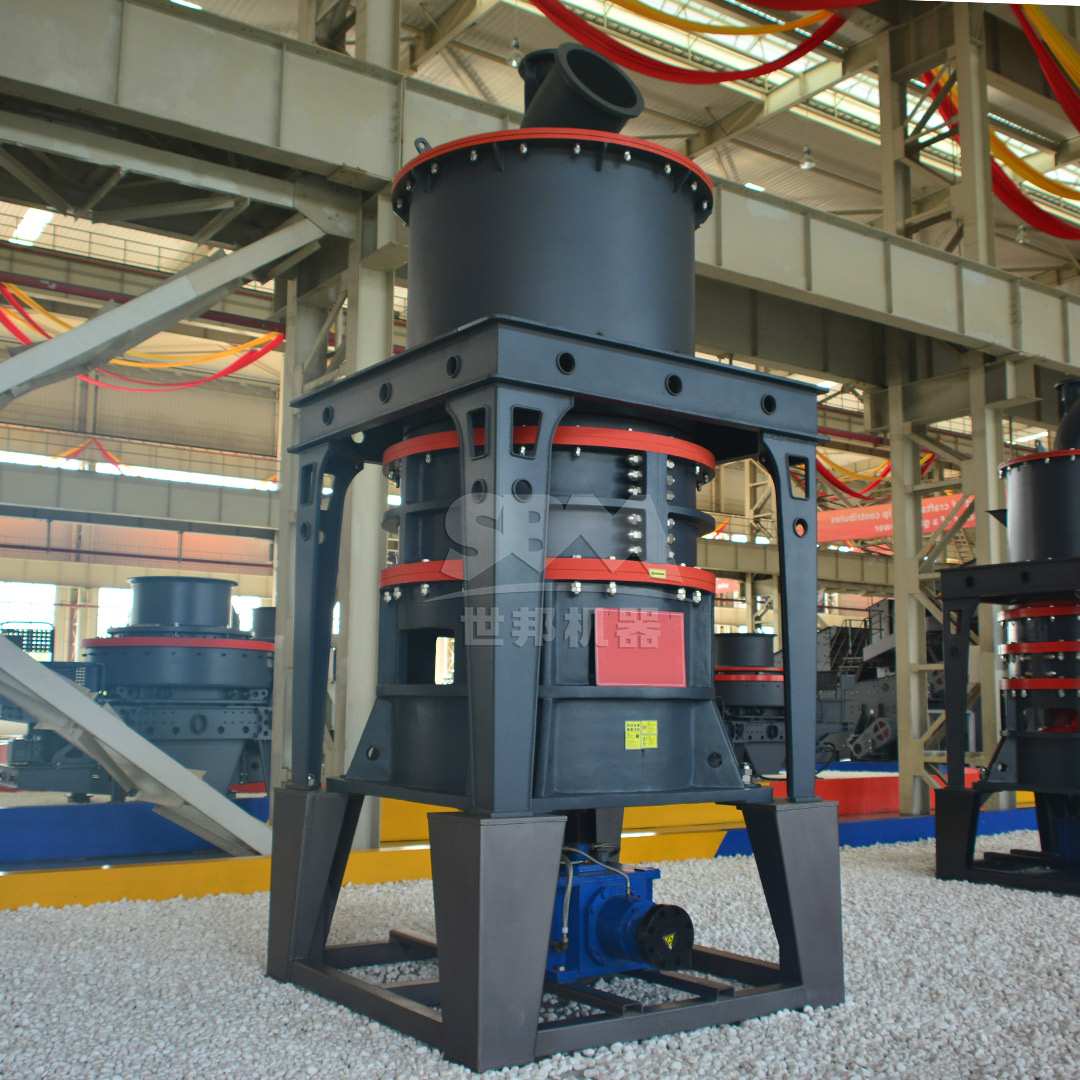
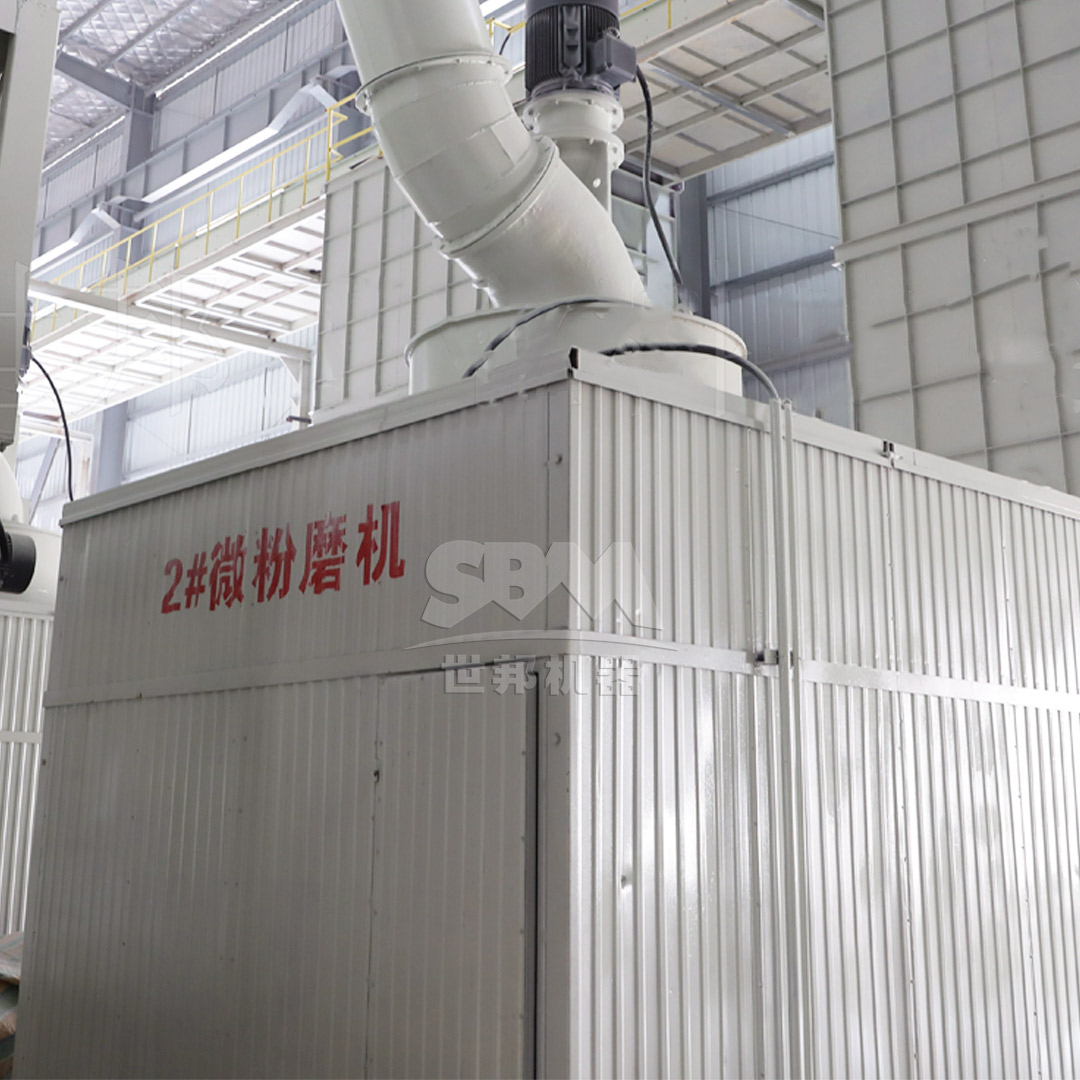
When the application demands high-value, ultra-fine barite powder for premium paints, advanced plastics, or functional fillers, the SCM Series Ultrafine Mill is the ideal choice. This mill is engineered for high-efficiency, low-energy consumption production of superfine powders.
Its vertical structure integrates crushing, grinding, classification, and conveying. The unique grinding roller and ring curve design increases grinding efficiency. The high-precision turbo classifier ensures sharp particle size cuts, producing uniform powder without coarse grains. With an output fineness adjustable between 325 and 2500 mesh (45-5μm) and capacities from 0.5 to 25 tons per hour, it covers a wide range of ultra-fine production needs. Notably, its energy consumption is about 30% lower than that of traditional jet mills or ball mills of similar capacity, offering substantial operational savings. The fully sealed grinding chamber and pulse dust collector guarantee an environmentally friendly operation with no dust leakage.
| Model | Capacity (t/h) | Main Power (kW) | Output Fineness |
|---|---|---|---|
| SCM800 | 0.5 – 4.5 | 75 | 325 – 2500 mesh |
| SCM900 | 0.8 – 6.5 | 90 | |
| SCM1000 | 1.0 – 8.5 | 132 | |
| SCM1250 | 2.5 – 14 | 185 | |
| SCM1680 | 5.0 – 25 | 315 |
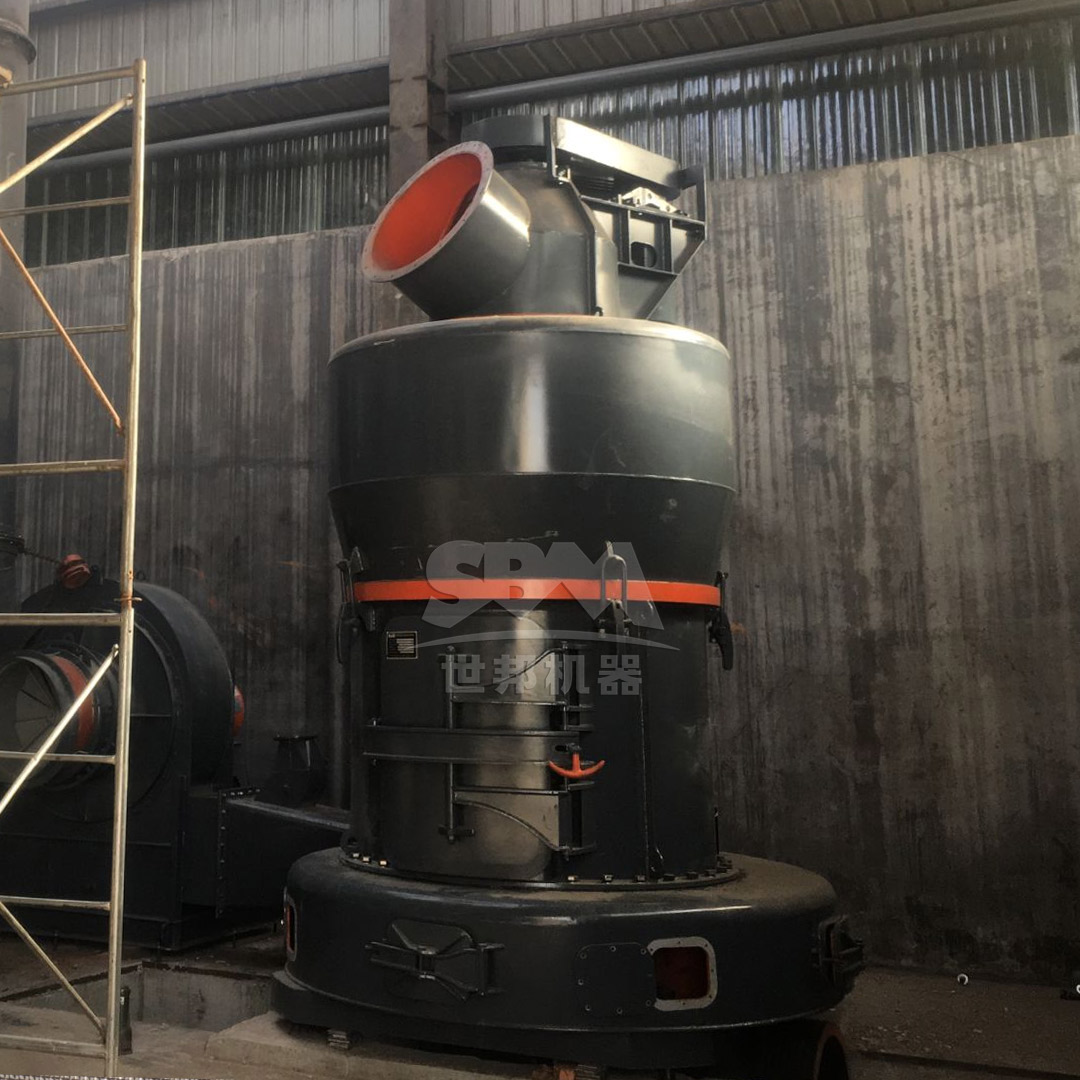
For large-scale production of barite powder for drilling mud, standard filler applications, or construction materials where the target size is between 30 and 325 mesh, the MTW Series European Trapezium Mill stands out for its reliability and economy. This mill adopts advanced bevel gear integral transmission, internal thin-oil lubrication system, and curved duct technology, making it a next-generation upgrade of traditional Raymond mills.
Its advantages for barite grinding are clear: The wear-resistant shovel blade design and grinding roller device significantly extend the service life of vulnerable parts. The transmission system is highly efficient and stable, reducing maintenance frequency. With capacities ranging from 3 to 45 tons per hour and the ability to handle feed sizes up to 50mm, it is perfectly suited for medium-to-large barite processing plants seeking a robust and efficient solution for fine powder production.
Selecting the right mill is only part of the equation. Optimizing the entire process is key:
Investing in the correct barite grinding technology is a strategic decision that directly impacts product quality, production cost, and plant profitability. Whether the goal is high-volume production of fine barite for construction or specialized ultra-fine powder for advanced applications, matching the mill’s capabilities to the process requirements is essential. Technologies like the SCM Series Ultrafine Mill for ultra-fine ranges and the MTW Series European Trapezium Mill for high-capacity fine grinding represent industry-leading solutions that combine high efficiency, durability, and environmental compliance. By following a systematic approach to equipment selection and process optimization, barite processors can build a competitive and sustainable operation that reliably meets the stringent demands of the global construction materials market.