Activated carbon, a highly porous form of carbon with an extensive internal surface area, is a cornerstone material in the production of modern daily necessities. From water and air purification filters to personal care products like facial masks, toothpaste, and deodorants, its exceptional adsorption properties make it indispensable. The efficacy of activated carbon in these applications is critically dependent on its particle size and particle size distribution. Producing the precise fineness required—often ranging from coarse granules for filters to ultrafine powders for cosmetics—demands advanced, reliable grinding technology. This article explores the pivotal role of grinding mills in activated carbon processing for the daily necessities industry and highlights optimal machinery solutions.
The functional performance of activated carbon is directly tied to its physical form. In daily necessities, specific particle size ranges are mandated for different products:
| Application | Required Fineness Range | Key Performance Requirement |
|---|---|---|
| Water/Air Filter Cartridges | 30-100 mesh (600-150μm) | High flow rate, balanced adsorption capacity |
| Toothpaste & Oral Care | 800-1500 mesh (18-10μm) | Ultrafine, non-abrasive, smooth texture |
| Facial Masks & Cosmetics | 1250-2500 mesh (10-5μm) | Superfine, uniform dispersion, skin adhesion |
| Deodorants & Sachets | 200-400 mesh (75-38μm) | High surface area, controlled release |
Producing these specifications consistently requires grinding equipment that offers not only precise size reduction but also high classification accuracy, energy efficiency, and contamination-free operation to meet stringent health and safety standards.
Processing activated carbon presents unique challenges for grinding mills:
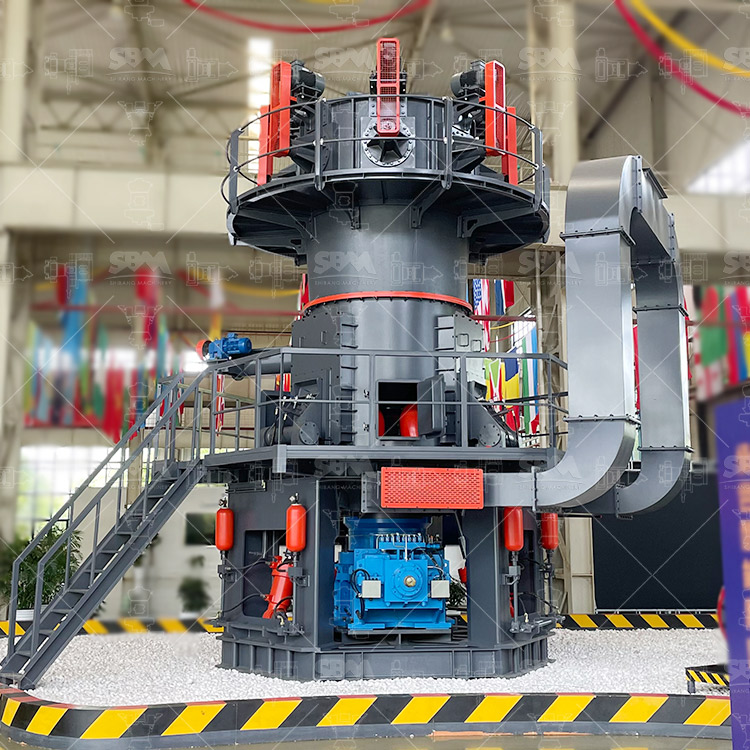
Selecting the right mill depends on the target fineness and production scale. For the daily necessities sector, where high purity and precise fineness are paramount, two series of mills stand out.
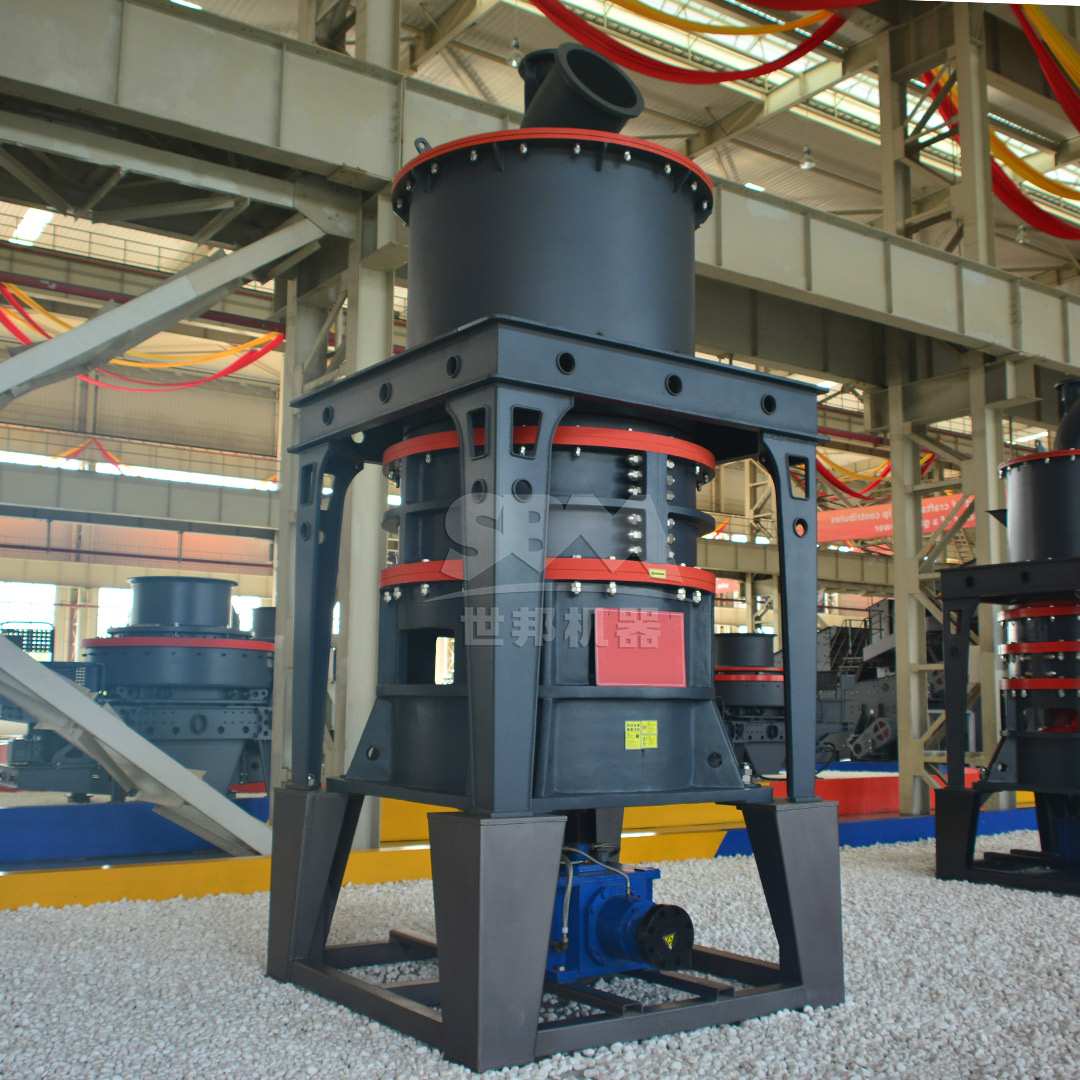
When the application demands superfine activated carbon powder, such as in premium cosmetics, toothpaste, or high-efficiency adsorbents, the SCM Series Ultrafine Mill is the ideal choice. Engineered to produce powders in the range of 325 to 2500 mesh (45-5μm), this mill excels in applications requiring the finest particles.
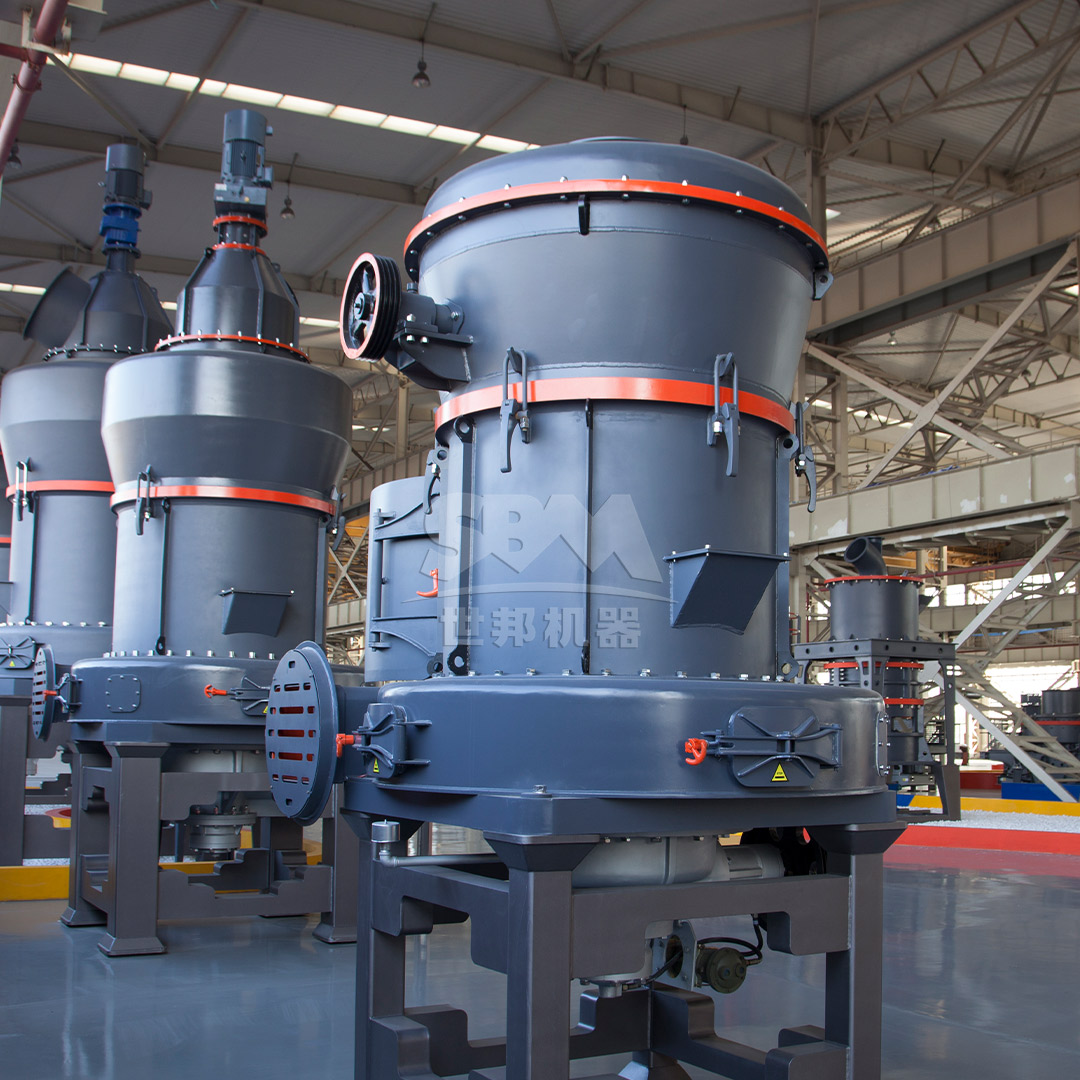
Its technical advantages directly address the challenges of activated carbon processing:
For a production line targeting high-value daily necessities, the SCM800 or SCM1000 models are particularly recommended. With capacities ranging from 0.5-4.5 t/h and 1.0-8.5 t/h respectively, and the ability to precisely control fineness up to 2500 mesh, they provide the perfect balance of output and precision for premium product manufacturing.
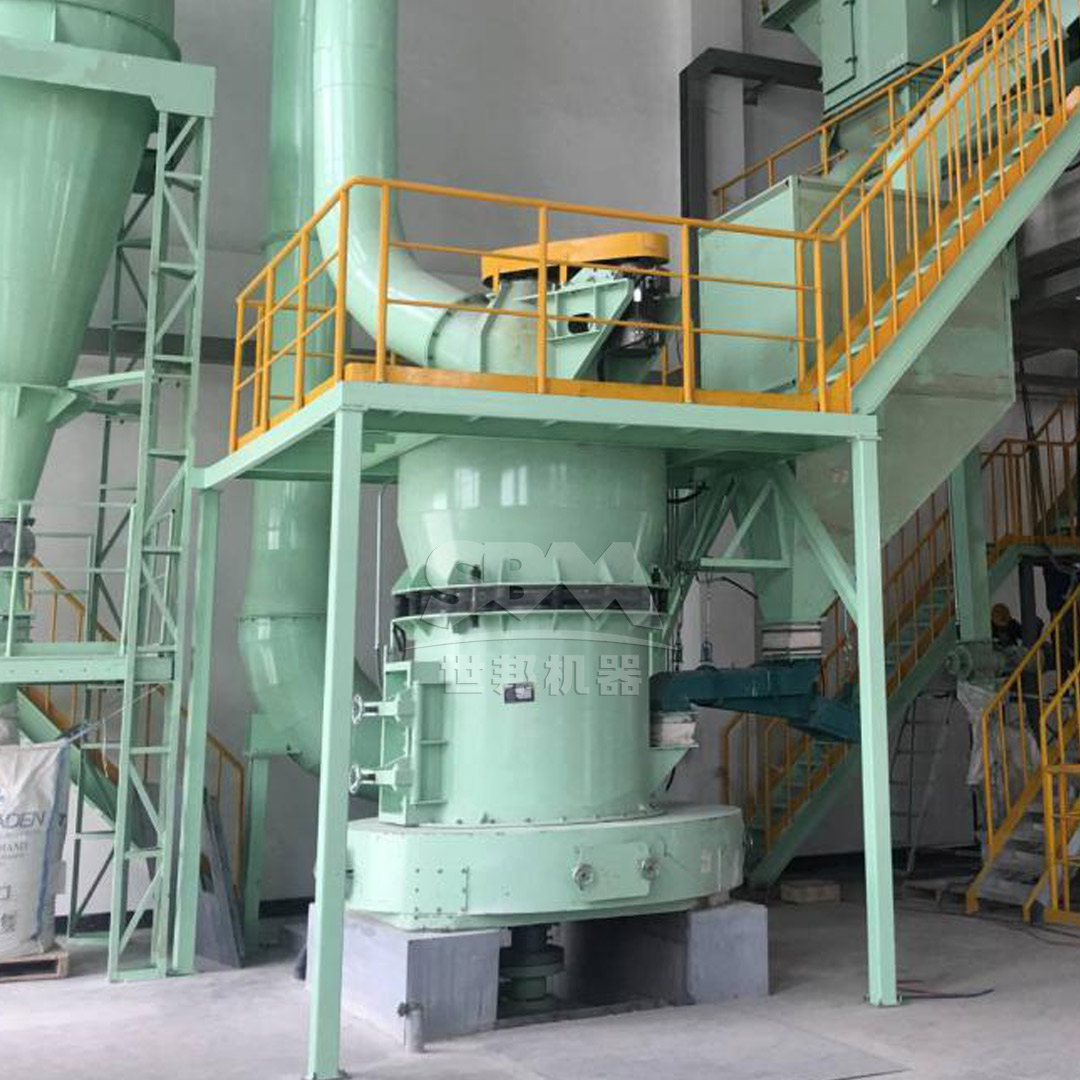
For applications requiring activated carbon in the fine to medium range, such as in water filter media, deodorants, or general-purpose adsorbents, the MTW Series European Trapezium Mill offers robust and efficient performance. It reliably produces powder from 30 to 325 mesh (600-45μm).
This mill is built for durability and low operating costs:
Models like the MTW138Z (6-17 t/h) or MTW175G (9.5-25 t/h) are excellent for medium to large-scale production of filter-grade activated carbon powders. Their sturdy construction and efficient design ensure consistent output with low long-term operating expenses.
The transition of activated carbon from an industrial adsorbent to a key ingredient in everyday consumer products underscores the importance of advanced powder technology. The right grinding mill is not just a piece of size reduction equipment; it is a critical component that defines product quality, safety, and production viability. For manufacturers in the daily necessities sector, investing in grinding technology that offers precision, durability, and clean operation is essential. The SCM Series Ultrafine Mill for ultrafine applications and the MTW Series European Trapezium Mill for fine-to-medium range production provide tailored, reliable solutions to meet these rigorous demands, enabling producers to unlock the full potential of activated carbon in innovative, high-quality consumer goods.