Bentonite, a versatile clay mineral prized for its swelling, adsorption, and binding properties, is a cornerstone material in industries ranging from foundry and drilling to agriculture and construction. A critical step in unlocking its full potential is the grinding process, which transforms raw bentonite into a fine, functional powder. For many applications, a fineness of 200 mesh (approximately 74 microns) represents the optimal balance between performance, reactivity, and production cost. Selecting the correct grinding equipment for achieving this target is paramount to ensuring product quality, operational efficiency, and long-term profitability. This comprehensive guide will navigate the key factors in mill selection and highlight optimal solutions for producing high-quality 200-mesh bentonite powder.
Bentonite’s primary component, montmorillonite, has a layered structure that requires delamination and size reduction to activate its surface area and ion-exchange capacity. A 200-mesh product offers a significantly increased surface area compared to coarser grades, leading to better gel formation in drilling muds, superior binding in pelletizing, and enhanced adsorption in cat litter and absorbents. The grinding process must be gentle enough to preserve the mineral’s crystalline structure while being efficient enough to achieve the desired fineness consistently. Over-grinding can degrade performance and waste energy, while under-grinding fails to activate the material fully.
The mill must reliably and consistently produce powder where the majority of particles pass through a 200-mesh sieve. Equally important is a narrow PSD. A wide range of particle sizes can indicate inefficient classification, where energy is wasted over-grinding some particles while others remain too coarse. A mill with a high-precision, integrated classifier is essential for a uniform 200-mesh product.
Capacity requirements must align with both current and projected future demand. It is crucial to select a mill model that operates efficiently within your target throughput range (e.g., 5 TPH, 15 TPH, 30 TPH). Operating a large mill far below its capacity is inefficient, while pushing a small mill to its limits leads to premature wear and inconsistent quality.
Grinding is an energy-intensive process. The specific energy consumption (kWh/ton) is a major determinant of long-term operating expenses. Modern mills designed with efficient grinding principles, optimized airflow, and intelligent drive systems offer significant savings. Lower energy consumption also translates to a reduced carbon footprint.
A mill is part of a larger system including feeding, grinding, classification, and collection. An integrated design that combines these functions into a single, compact unit saves valuable floor space, reduces installation complexity, and minimizes points of potential dust leakage.
The longevity of grinding elements (rollers, rings, liners) directly impacts maintenance downtime and spare parts costs. Mills designed with wear-resistant materials and mechanisms that reduce metal-to-metal contact or allow for easy roller replacement offer higher availability and lower lifetime costs.
A fully sealed negative-pressure grinding system is non-negotiable for handling fine powders. This, coupled with an efficient pulse-jet baghouse dust collector, ensures that workplace dust exposure and environmental emissions are kept well below regulatory limits. Low-noise operation is also a key consideration for worker safety and community relations.
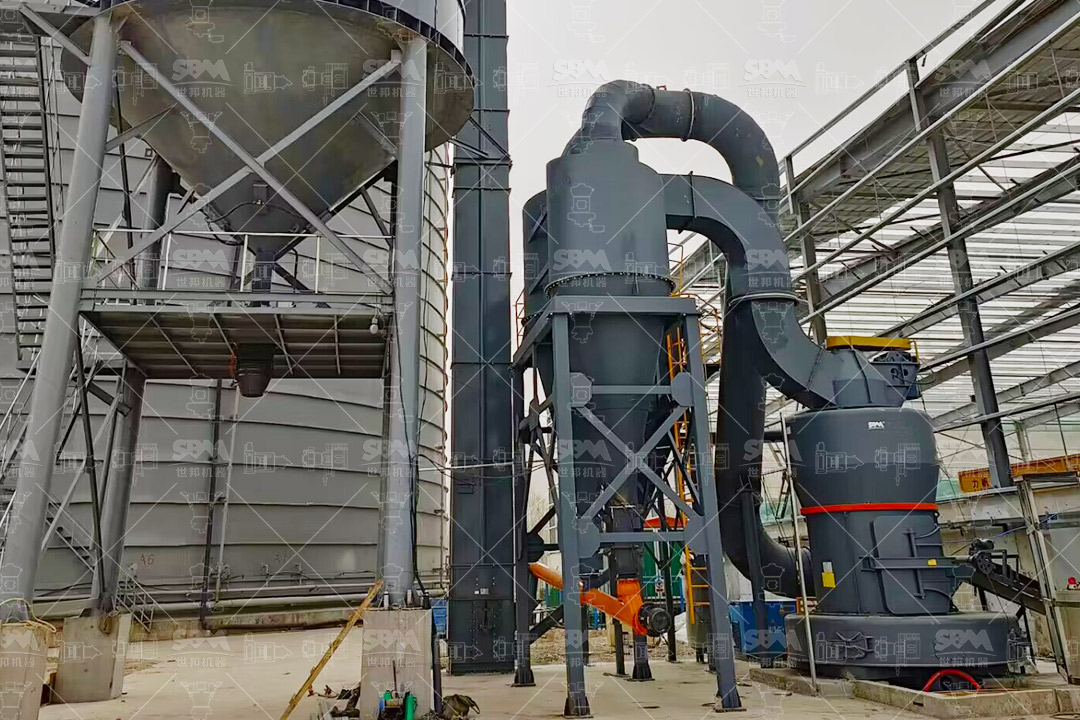
Several grinding technologies can reach the 200-mesh range. Here’s an analysis of the most relevant options:
| Mill Type | Typical Output Range | Suitability for 200-Mesh Bentonite | Key Considerations |
|---|---|---|---|
| Raymond Mill (Traditional) | 80-325 mesh | Can achieve 200 mesh, but may struggle with consistency and high capacity. | Lower initial cost, but higher energy use per ton and wider PSD at finer sizes. |
| Ball Mill | 0.074-0.8mm (200-20 mesh) | Capable, but often overkill for 200 mesh. Better for wet grinding or coarser requirements. | High energy consumption, significant heat generation, large footprint. Ideal for downstream processing in slurry. |
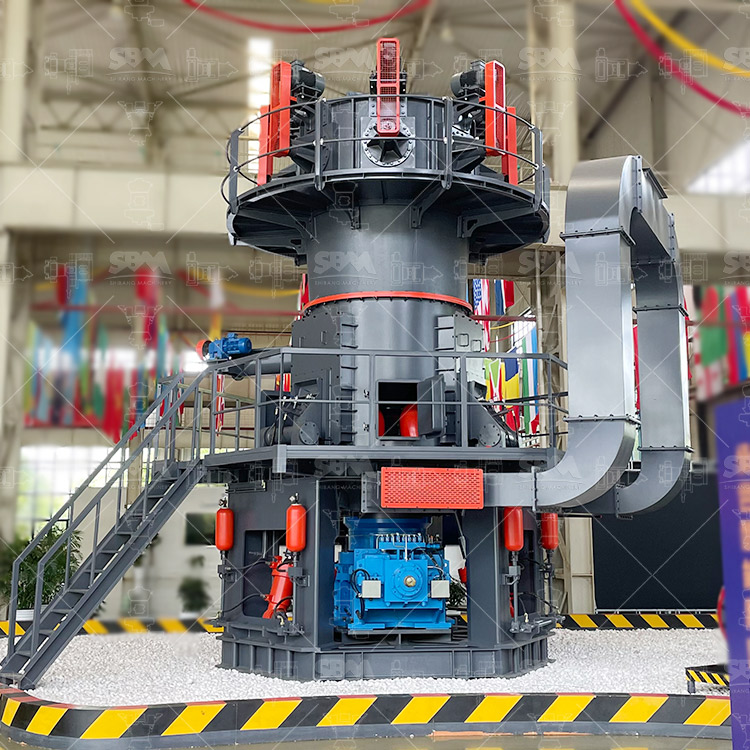
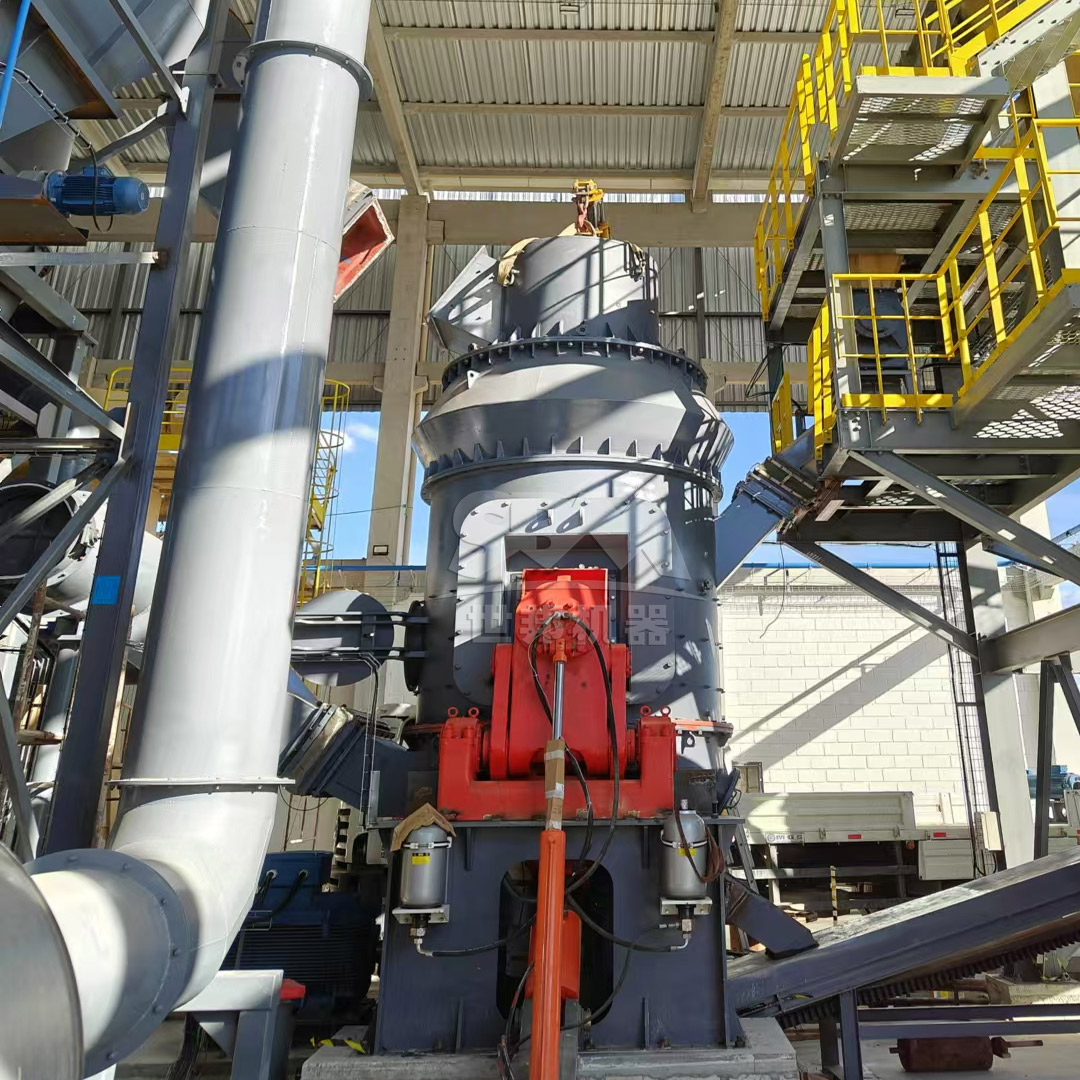
| Vertical Roller Mill (VRM) | 30-325 mesh (up to 600 mesh) | Excellent Choice. Efficient bed-compression grinding, integrated drying/grinding/classification. | High efficiency, low wear, excellent for medium to large capacities. Integrated system reduces auxiliary equipment. |
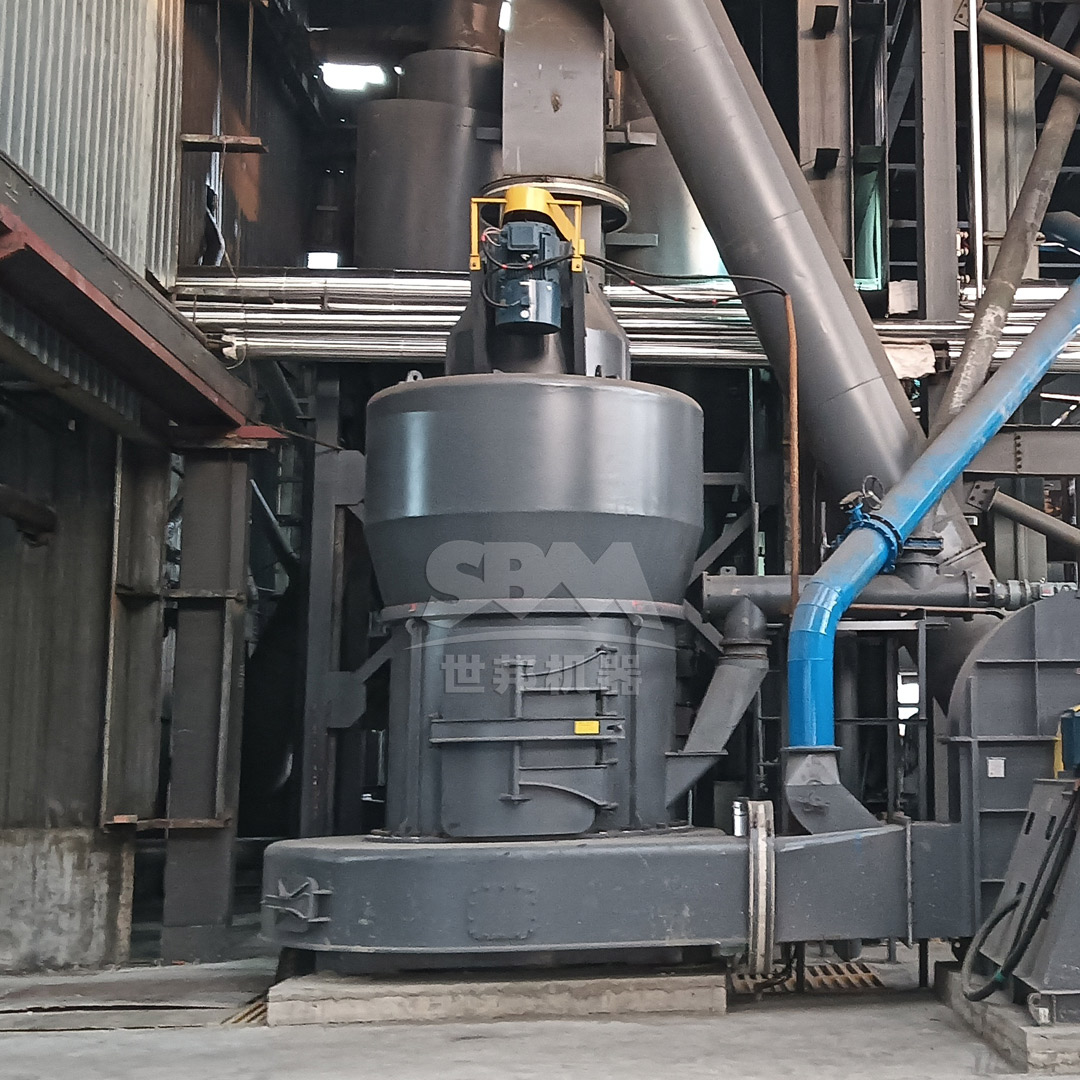
| European Trapezium Mill | 30-325 mesh | Excellent Choice. Advanced version of Raymond mill, optimized for efficiency and fineness control. | Superior drive system, curved wear parts, and efficient classifier make it ideal for 200-mesh production. |
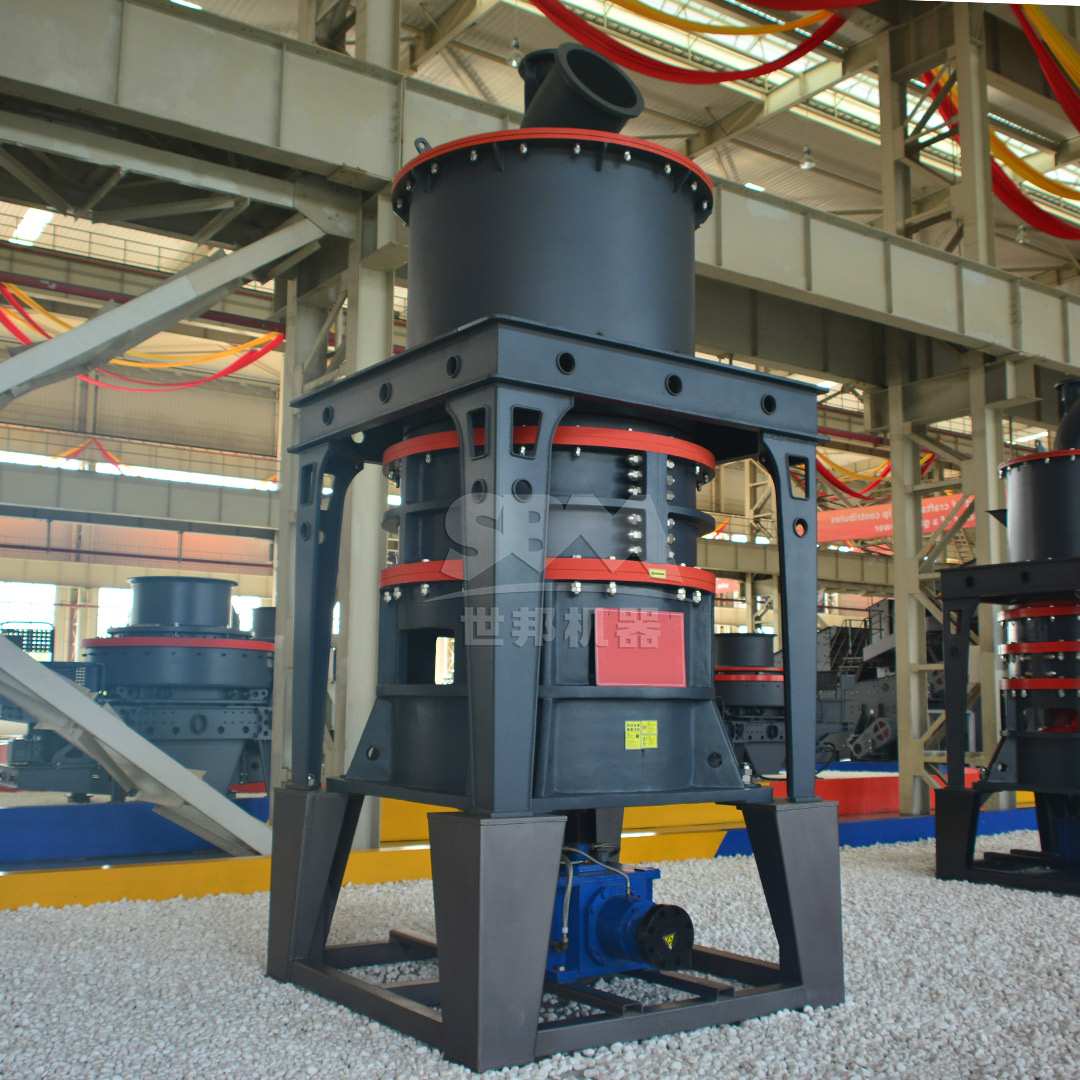
| Ultrafine Mill | 325-2500 mesh | Over-specification for 200 mesh alone, but perfect if future ultra-fine (<400 mesh) products are planned. | Highest precision classification. Energy-efficient for its target range, but may have higher capex for a basic 200-mesh need. |
For dedicated, high-volume production of 200-mesh bentonite powder, the MTW Series European Trapezium Mill stands out as the optimal balance of performance, reliability, and cost-effectiveness. Engineered with patented technology, it overcomes the limitations of traditional pendulum mills.
Its integral bevel gear drive transmits power with up to 98% efficiency, a significant improvement over worm gear drives, resulting in lower energy consumption. The curved shovel blade design and wear-resistant volute structure ensure durable operation with reduced maintenance costs. Most critically for bentonite, the optimized arc air duct and high-efficiency turbine classifier provide stable airflow and precise particle size cutting, guaranteeing a consistent and uniform 200-mesh product with no coarse powder mixing.
Why the MTW Series is ideal for your 200-mesh bentonite project:
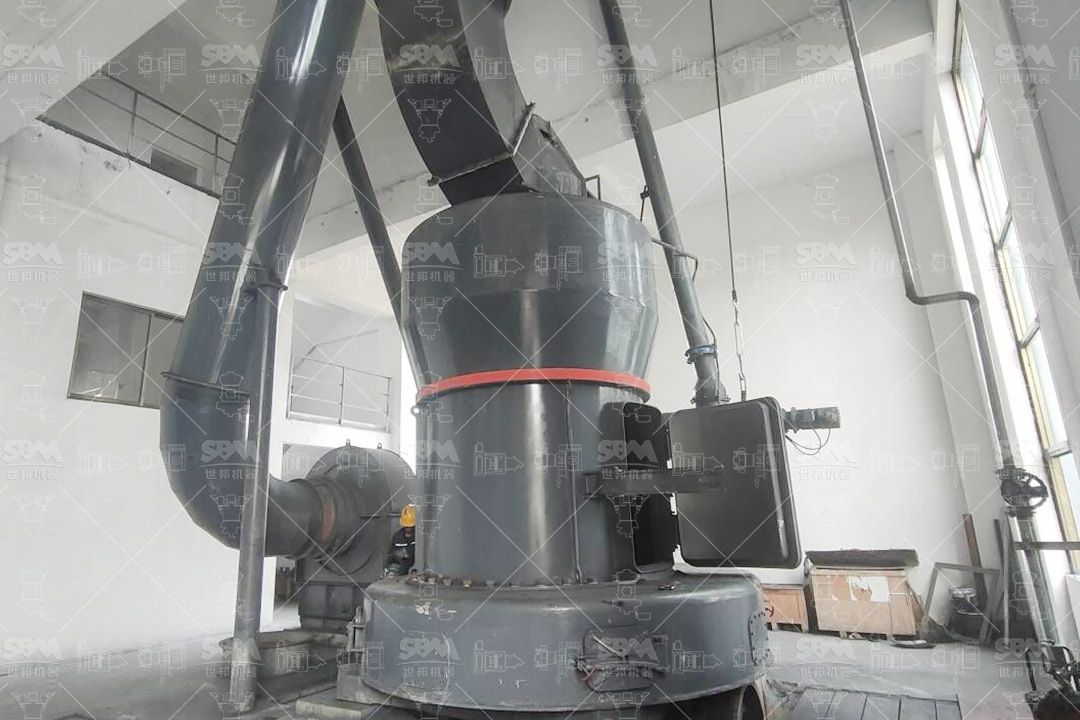
If your product roadmap includes developing higher-value bentonite products with fineness exceeding 400 mesh (e.g., for high-performance coatings, advanced composites, or specialty chemicals), then investing in technology capable of ultra-fine grinding from the outset is a strategic decision. The SCM Series Ultrafine Mill is the premier choice for this advanced application.
This mill utilizes a three-layer grinding ring and roller system for progressive size reduction and features a high-precision vertical turbine classifier that can achieve fineness between 325 and 2500 mesh (5μm). For a 200-mesh baseline product, it would operate with exceptional ease and efficiency. Its true value is in its versatility: the same machine can produce standard 200-mesh bentonite today and, with a simple classifier speed adjustment, deliver 800-mesh premium product tomorrow.
Key advantages of the SCM Series for forward-thinking operations:
Selecting the best grinding mill for 200-mesh bentonite powder requires a holistic view of technical requirements, economic factors, and strategic goals. For operations focused solely on high-tonnage, cost-effective production of 200-mesh material, the MTW Series European Trapezium Mill is the unequivocal recommendation. Its design is tailored for this exact application, offering unbeatable efficiency, reliability, and product quality.
For companies aiming to build a versatile processing line capable of serving multiple market segments—from standard 200-mesh to premium ultra-fine powders—the SCM Series Ultrafine Mill represents a future-proof investment. It provides the technology platform to expand your product portfolio without the need for additional capital equipment later.
Ultimately, the best choice depends on your specific capacity needs, product strategy, and total cost of ownership calculations. Consulting with an experienced grinding solution provider to analyze your bentonite feedstock and production goals is the final, crucial step in implementing a successful milling system that will deliver value for years to come.