Bentonite, a naturally occurring clay primarily composed of montmorillonite, has become an indispensable additive in modern water treatment processes. Its exceptional properties—including high cation exchange capacity, swelling ability, and adsorption—make it highly effective for coagulation, flocculation, heavy metal removal, and turbidity reduction. For water treatment plants (WTPs) aiming to produce bentonite additives in-house, selecting the right production equipment is a critical decision that directly impacts product quality, operational efficiency, and long-term cost-effectiveness. This guide provides a comprehensive framework for evaluating and choosing the optimal bentonite grinding and processing machinery.
The selection process must align with the specific needs of the water treatment application. The following factors are paramount:
The performance of bentonite in water treatment is heavily influenced by particle size. Finer particles offer a larger surface area, leading to faster swelling and improved reactivity.
| Application in Water Treatment | Recommended Fineness Range | Key Performance Driver |
|---|---|---|
| Primary Coagulation/Flocculation | 100 – 325 mesh (150 – 45 μm) | Rapid formation of dense flocs |
| Heavy Metal Adsorption | 325 – 800 mesh (45 – 18 μm) | Maximized surface area for ion exchange |
| Advanced Tertiary Treatment / Polishing | 800 – 2500 mesh (18 – 5 μm) | Ultra-fine particle removal and high-purity effluent |
Equipment must reliably and consistently achieve the target fineness. Systems with integrated, high-precision classifiers are essential.
Capacity must match the daily bentonite consumption of the WTP, with consideration for future expansion. Equipment should operate efficiently at both baseline and peak demand levels. Under-sizing leads to bottlenecks, while over-sizing increases capital and energy costs unnecessarily.
Grinding is an energy-intensive process. Key metrics to evaluate include specific energy consumption (kWh/ton). Modern mills with optimized grinding mechanics and efficient drives can reduce operational expenses by 30-40% compared to older technologies like traditional ball mills.
WTPs often have space constraints. Integrated systems that combine crushing, grinding, classification, and dust collection into a single, compact footprint are highly advantageous. This reduces installation complexity and civil engineering costs.
Bentonite dust can be a nuisance and a health hazard. Production equipment must feature a fully sealed, negative-pressure design coupled with high-efficiency pulse jet baghouse filters (efficiency >99.9%) to ensure a clean working environment and meet stringent emission standards.
The abrasive nature of clay minerals causes wear on grinding elements. Equipment with durable, wear-resistant materials (e.g., high-chrome alloys, ceramic composites) for rollers, rings, and liners, along with designs that allow for easy maintenance and part replacement, minimizes downtime and life-cycle costs.
Different grinding technologies offer distinct advantages for bentonite processing.
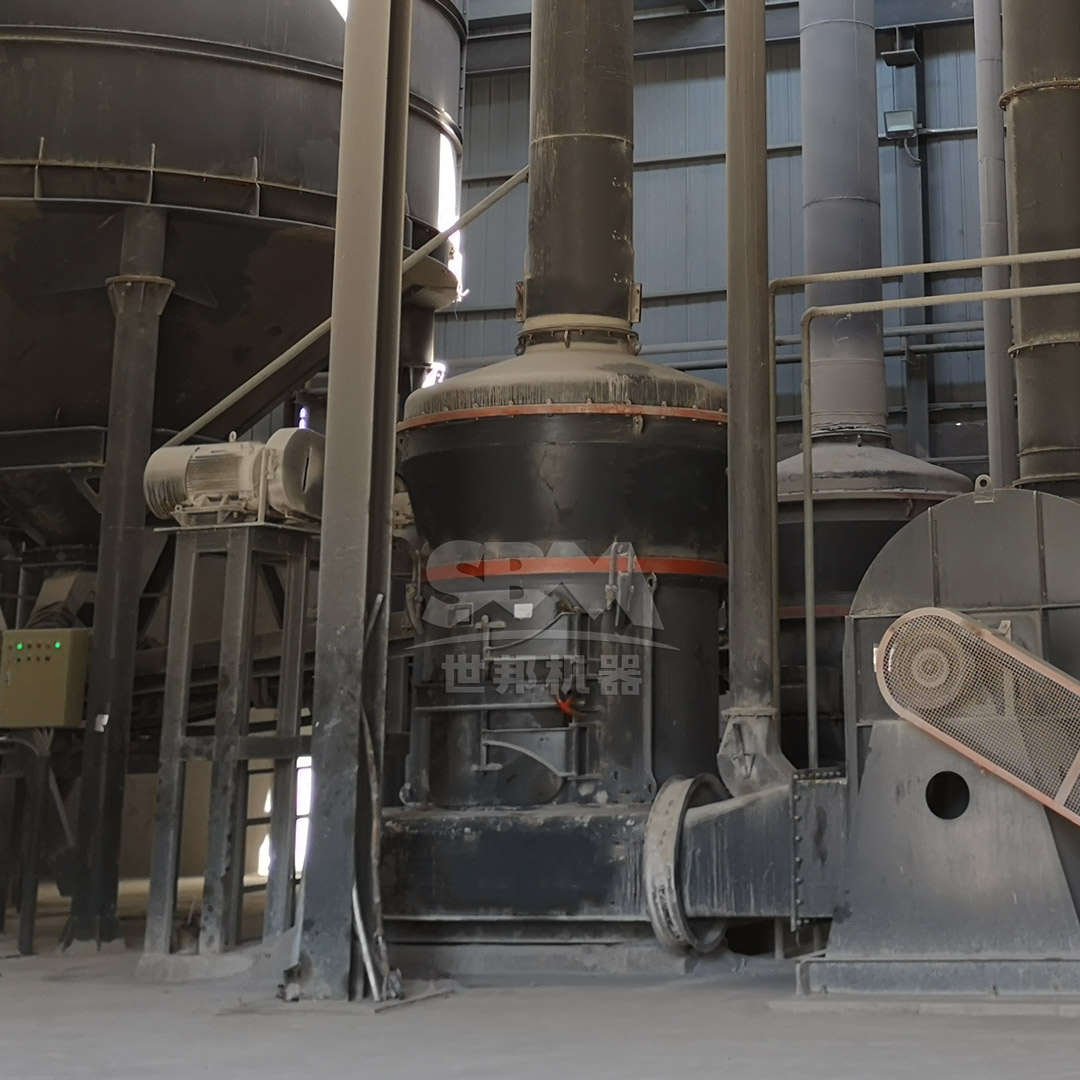
Suitable for coarse to medium grinding (30-325 mesh). It is a robust and well-understood technology but generally less energy-efficient and produces a broader particle size distribution compared to newer designs. Best for WTPs with less stringent fineness requirements.
Capable of producing a wide range of fineness but is notoriously energy-inefficient for fine grinding. It generates significant heat and noise, and the particle size distribution can be uneven. Often considered a less optimal choice for dedicated bentonite production focused on efficiency and fine powders.
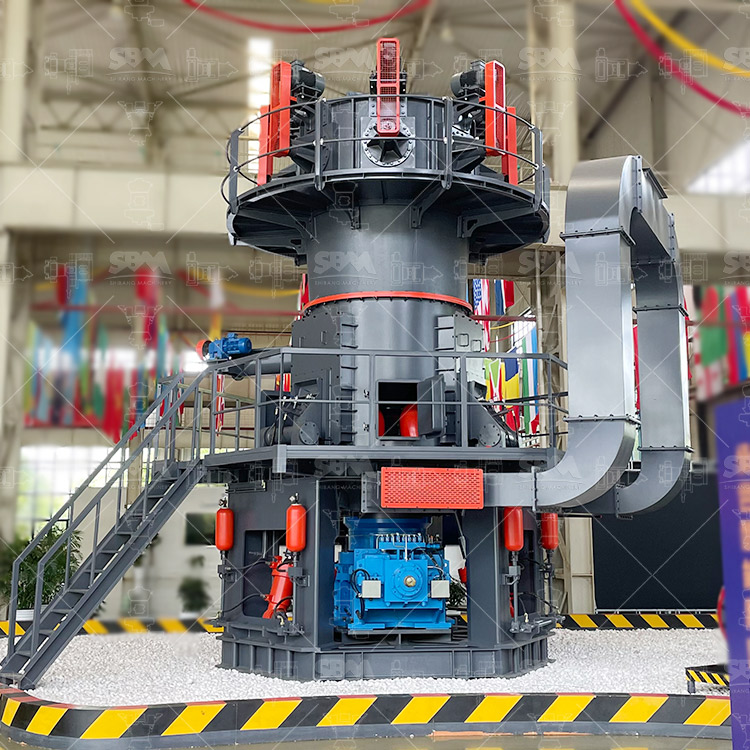
A highly efficient and modern solution for medium to fine grinding (30-600 mesh). VRMs employ a bed-compression grinding principle, which is more efficient than the impact/attrition of ball mills. They offer excellent energy savings, integrated drying (if needed for moist bentonite), and a compact design.
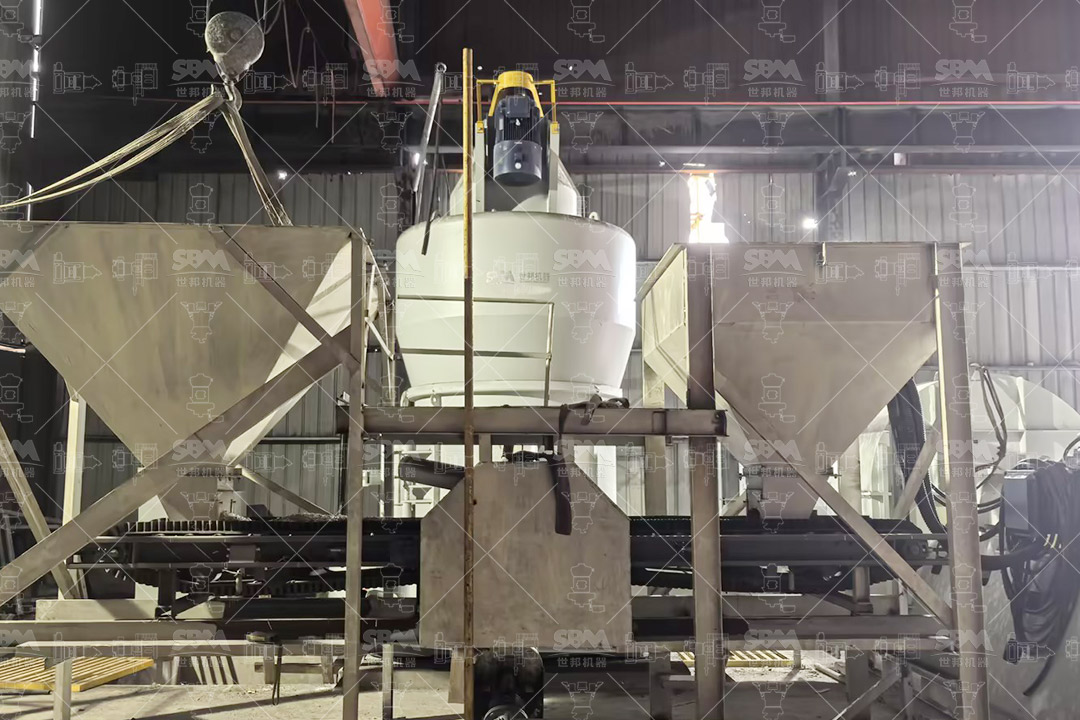
This is the technology of choice for producing high-performance bentonite additives in the superfine range (800-2500 mesh). These mills combine mechanical milling with advanced air classification to achieve precise, narrow particle size distributions crucial for advanced water treatment applications.
Based on the critical requirements outlined above, we recommend focusing on advanced vertical roller and ultrafine grinding technologies. Our company’s engineering expertise has led to the development of industry-leading equipment perfectly suited for bentonite additive production.
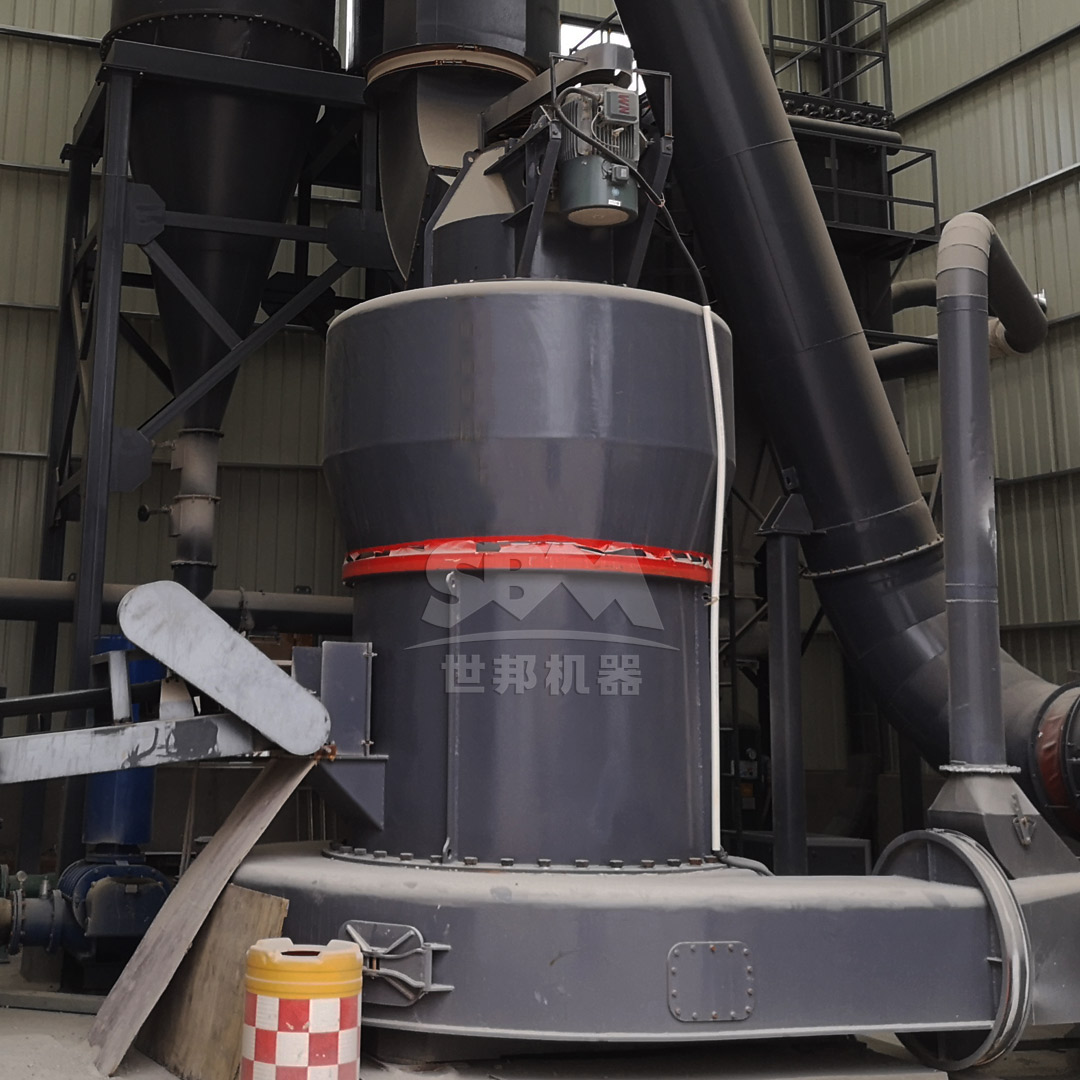
For most WTPs requiring bentonite in the 100-325 mesh range for coagulation and adsorption, the MTW Series European Trapezium Mill represents an optimal balance of performance, efficiency, and reliability.
For example, the MTW175G model, with a capacity of 9.5-25 t/h and main power of 160kW, is an excellent fit for a medium-to-large WTP seeking to produce a consistent supply of high-quality 200-mesh bentonite coagulant.
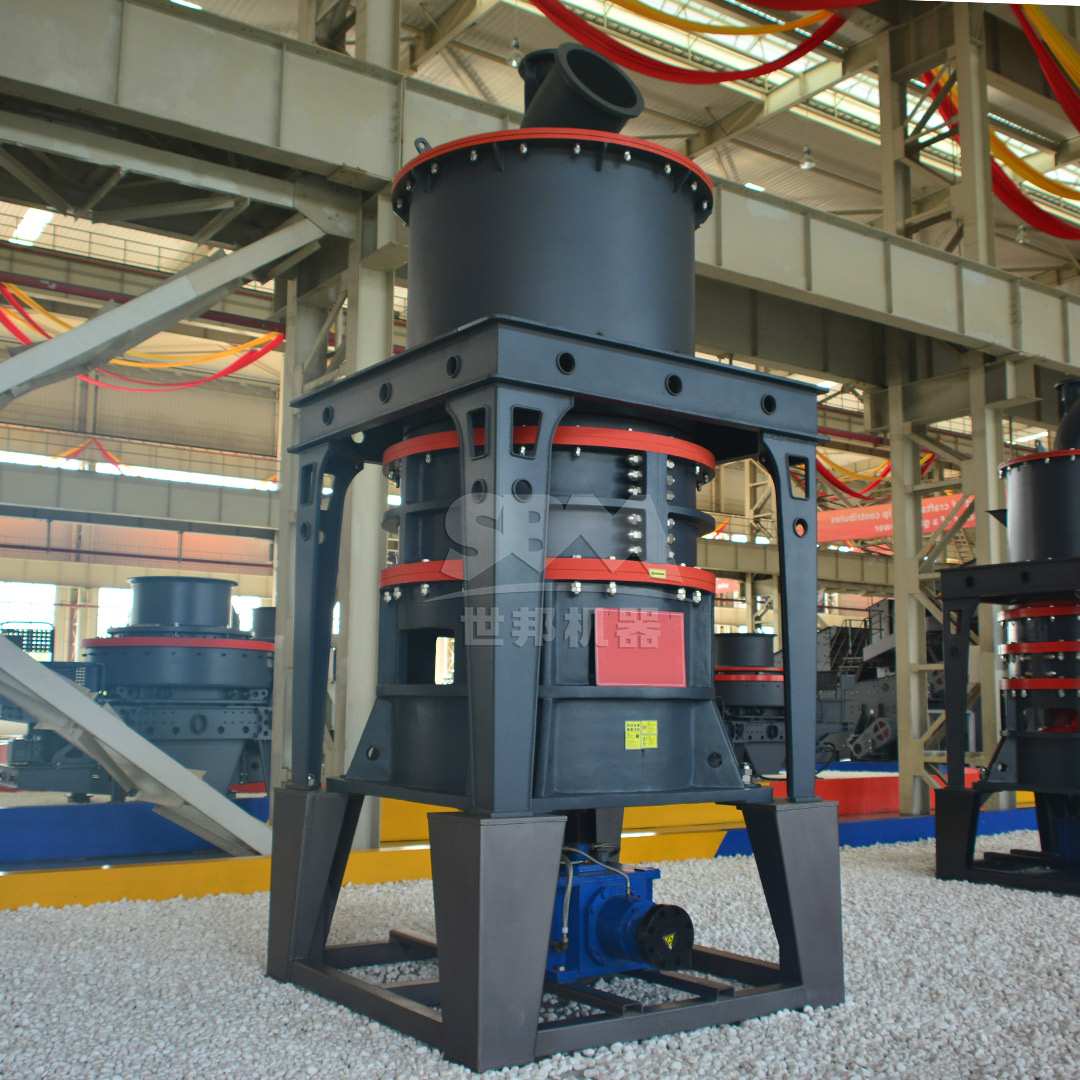
For plants involved in advanced treatment, industrial process water purification, or aiming to produce a premium-grade bentonite product, the SCM Series Ultrafine Mill is the definitive choice.
A model like the SCM1000, offering 1.0-8.5 t/h of 1250 mesh (10μm) bentonite, empowers a WTP to create a powerful, value-added adsorbent for targeted contaminant removal.
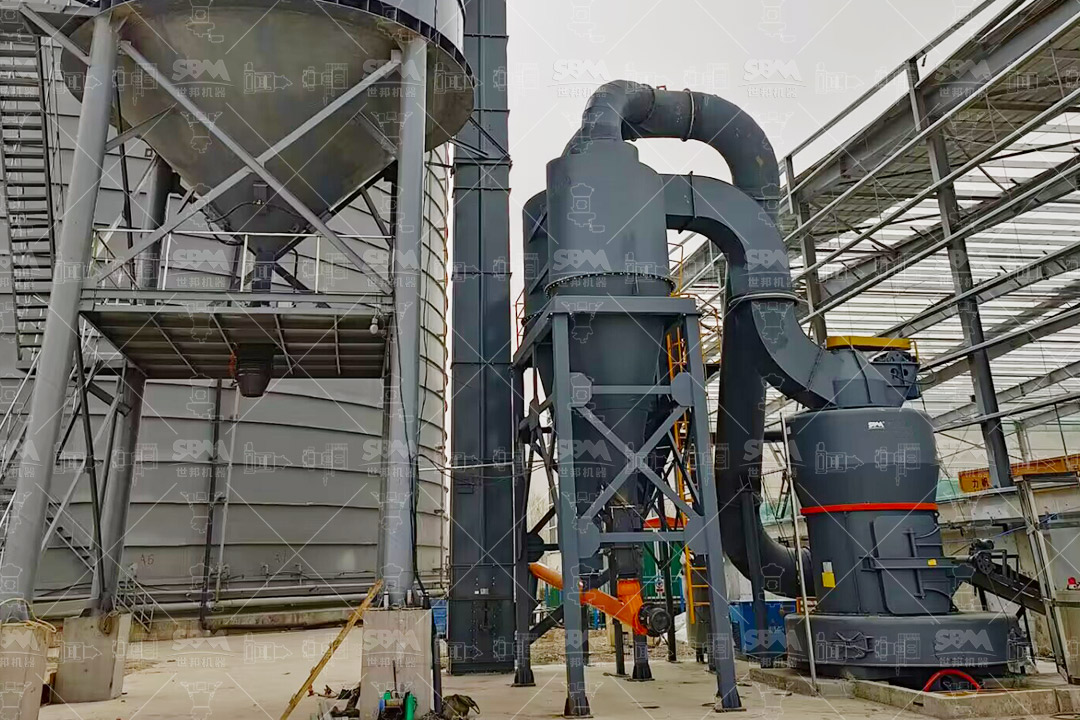
Selecting bentonite additive production equipment is a strategic investment for any forward-thinking water treatment plant. By prioritizing the required product specifications, total cost of ownership, and environmental footprint, WTPs can make an informed decision. Moving beyond traditional, inefficient milling technologies towards advanced solutions like the MTW European Trapezium Mill for standard-grade production and the SCM Ultrafine Mill for high-performance additives provides a pathway to achieving operational excellence, product consistency, and enhanced treatment outcomes. We recommend conducting a detailed analysis of your specific bentonite quality requirements and consumption rates, followed by consulting with our technical team to tailor the optimal equipment solution for your plant’s present and future needs.