Bentonite, a versatile clay mineral prized for its swelling, adsorption, and rheological properties, is a cornerstone material in numerous chemical industries. From catalysts and adsorbents to rheological modifiers in paints and pharmaceuticals, the performance of bentonite is intrinsically linked to its particle size distribution (PSD), purity, and morphology. Producing chemical-grade bentonite powder, therefore, demands precision grinding equipment that can deliver consistent fineness, maintain mineral structure integrity, and ensure operational efficiency. Selecting the wrong mill can lead to subpar product quality, excessive energy consumption, and high maintenance costs. This guide provides a comprehensive framework for choosing the optimal milling solution for your chemical-grade bentonite production line.
The choice of mill is not one-size-fits-all. It requires a careful analysis of both the raw material characteristics and the final product specifications.
Chemical applications often require very fine powders. Define your target fineness range (e.g., 200 mesh for general use, 325 mesh for catalysts, or 1250+ mesh for high-end nanocomposites). Equally important is the PSD curve; a narrow distribution is crucial for consistent reactivity and suspension stability. Mills with integrated, high-precision classifiers are essential for this purpose.
Match the mill’s throughput (tons/hour) with your plant’s requirements, considering both current needs and future expansion. Under-sizing leads to bottlenecks, while over-sizing increases capital and operating costs unnecessarily.
Bentonite’s value lies in its montmorillonite structure. Excessive heat generation during grinding can dehydrate the clay, reducing its swelling capacity. The grinding mechanism (e.g., compression, impact, attrition) must be chosen to minimize thermal damage.
Grinding is energy-intensive. Evaluate the specific energy consumption (kWh/ton) of different mill types. Lower energy use directly translates to lower production costs and a smaller carbon footprint.
A modern mill is part of a system. Consider integration with feeding, drying, classifying, and dust collection equipment. Fully sealed, negative-pressure systems are vital to contain fine bentonite dust, ensuring a clean plant environment and protecting worker health.
Bentonite can be abrasive. The design and material of grinding elements (rollers, rings, liners) directly affect maintenance frequency and downtime. Mills with easy-wear-part replacement features offer significant long-term advantages.
| Selection Factor | Key Questions | Impact on Bentonite Quality |
|---|---|---|
| Fineness & PSD | What is the target mesh size? How tight must the PSD be? | Determines reactivity, suspension stability, and end-product performance. |
| Capacity | What is the required hourly/annual output? | Affects plant layout, capital investment, and ability to meet market demand. |
| Mineral Preservation | Does the grinding process generate excessive heat? | High heat can degrade montmorillonite, reducing swelling index and cation exchange capacity. |
| Energy Efficiency | What is the kWh/ton consumption? | Major component of operational expenditure (OPEX). |
| System Design | Is dust collection integrated and efficient? | Ensures product yield, plant cleanliness, and environmental compliance. |
Different mill technologies offer distinct advantages and limitations for bentonite processing.
Typical Fineness: 80-325 mesh
Pros: Mature technology, reliable, lower initial cost for coarse to medium grinding.
Cons: Limited upper fineness, lower energy efficiency compared to newer designs, potential for wider PSD.
Verdict: Suitable for standard-grade bentonite where ultra-fine powder is not required.
Typical Fineness: 200-400 mesh (with classification)
Pros: Can handle wet or dry grinding, versatile.
Cons: Very high energy consumption, significant heat generation (risk to bentonite properties), noisy, large footprint, broad PSD without external classification.
Verdict: Generally not the first choice for modern, efficient chemical-grade bentonite production due to inefficiency and thermal issues.
Typical Fineness: 30-600 mesh
Pros: Excellent energy efficiency (30-50% less than ball mills), integrated drying-grinding-classification, compact footprint, lower noise.
Cons: Higher initial investment, operation can be more complex.
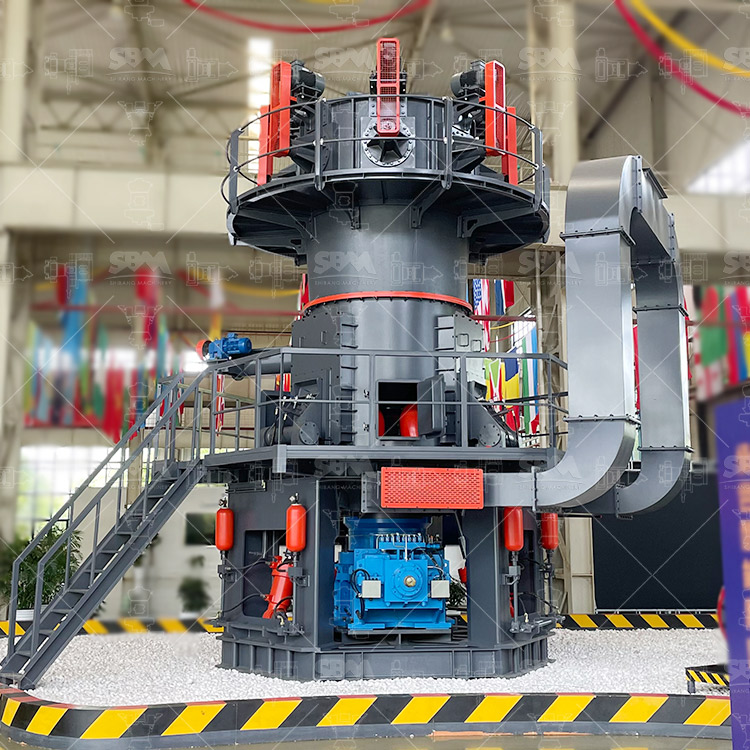
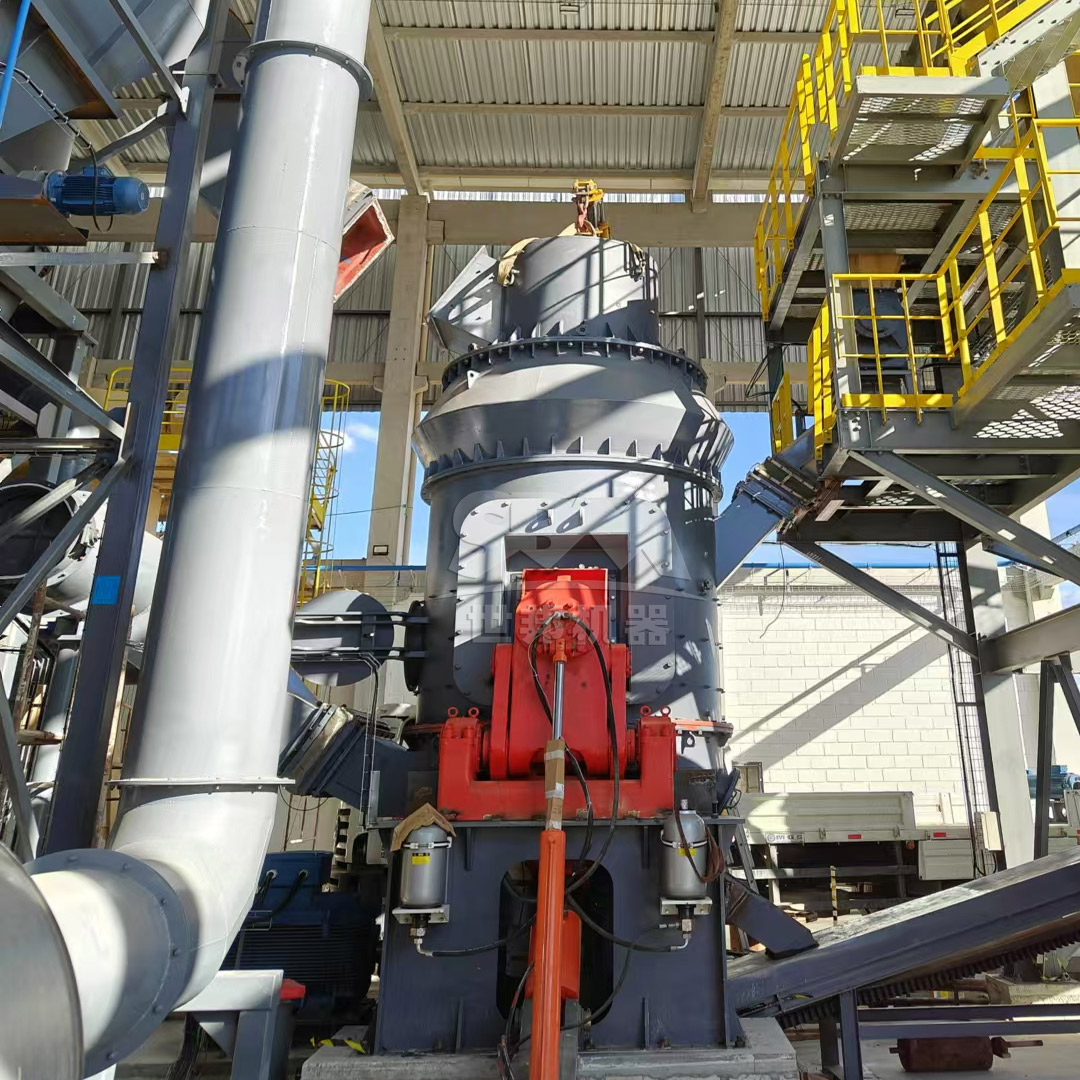
Verdict: An outstanding choice for medium to large-scale production, especially if raw bentonite requires simultaneous drying. It offers a great balance of efficiency and product quality.
Typical Fineness: 325-2500+ mesh
Pros: Capable of producing superfine powders with narrow PSD, minimal heat generation (especially jet mills), excellent for preserving mineral structure.
Cons: Jet mills have very high energy consumption for airflow. Ultrafine vertical mills offer a more efficient mechanical alternative.
Verdict: Essential for producing high-value, ultra-fine chemical-grade bentonite for premium applications.
Based on the critical factors outlined above, two of our mill series stand out as optimal solutions for different tiers of chemical-grade bentonite production.
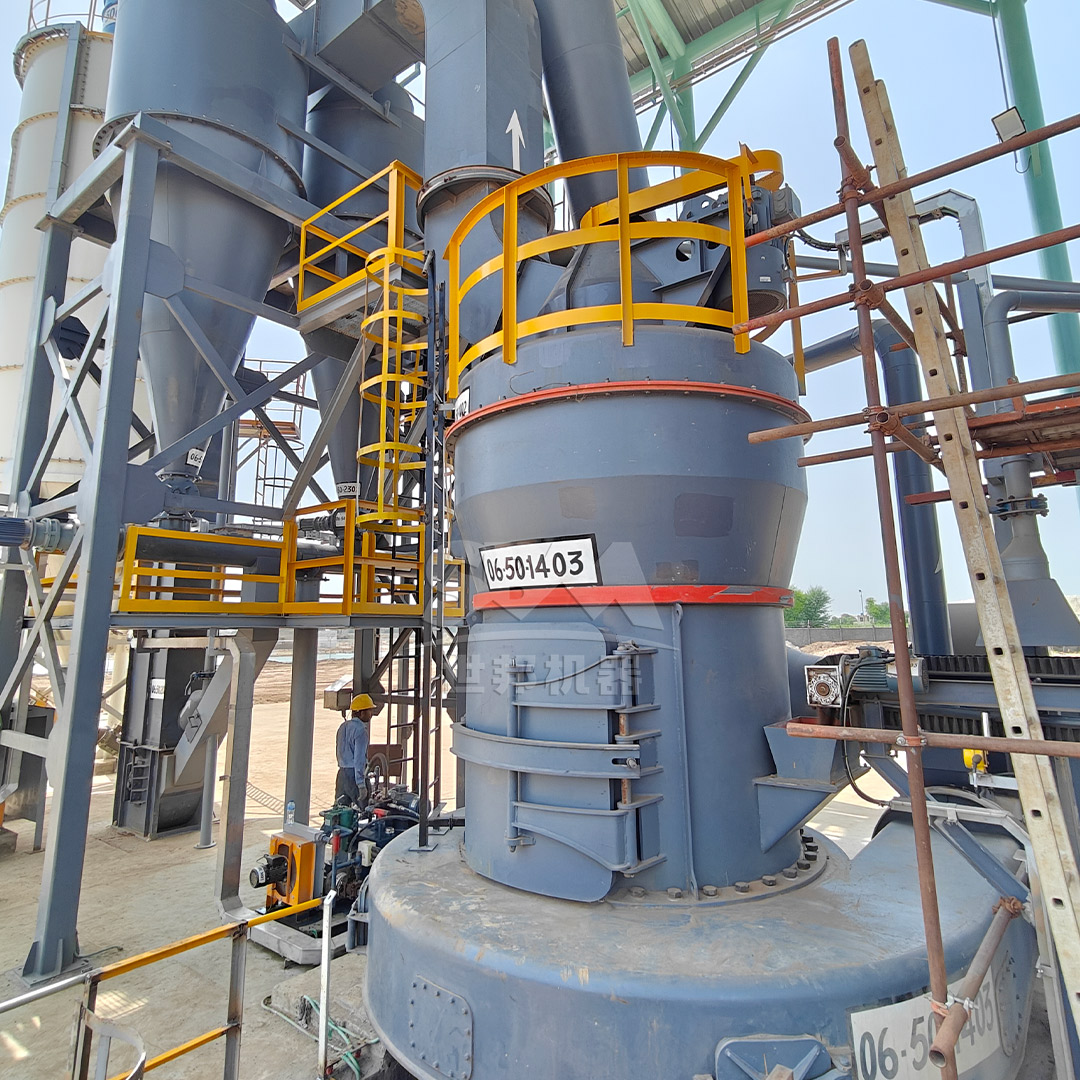
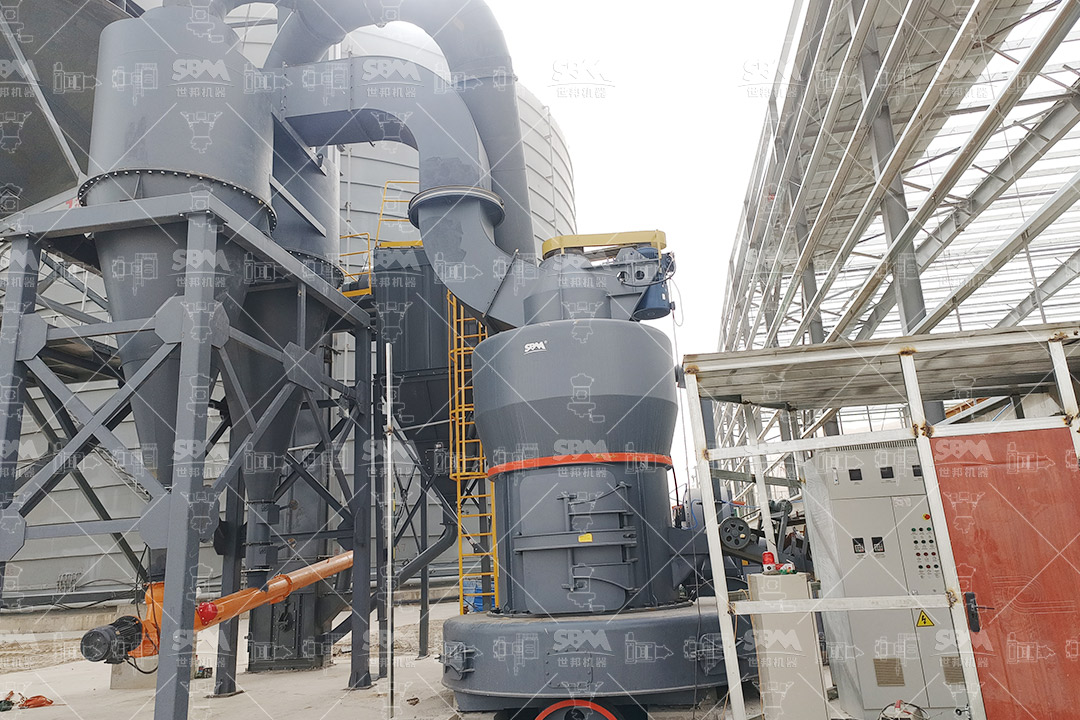
When your project demands robust, high-volume production of fine bentonite powder up to 325 mesh, the MTW Series European Trapezium Mill is engineered for excellence. It is particularly suited for operations where the raw material may have a slightly larger feed size (up to 50mm).
Its anti-wear shovel design and wear-resistant volute structure are specifically advantageous for handling moderately abrasive materials like bentonite, significantly reducing maintenance costs. The integral bevel gear drive achieves a remarkable 98% transmission efficiency, translating directly into lower energy consumption per ton of output. Furthermore, its optimized arc air duct and efficient classifier ensure a consistent product with good fineness control.
For a large-scale plant targeting a capacity of 15-45 tons per hour of 325-mesh bentonite powder, the MTW215G model would be a powerhouse choice, offering the perfect blend of durability, efficiency, and output.
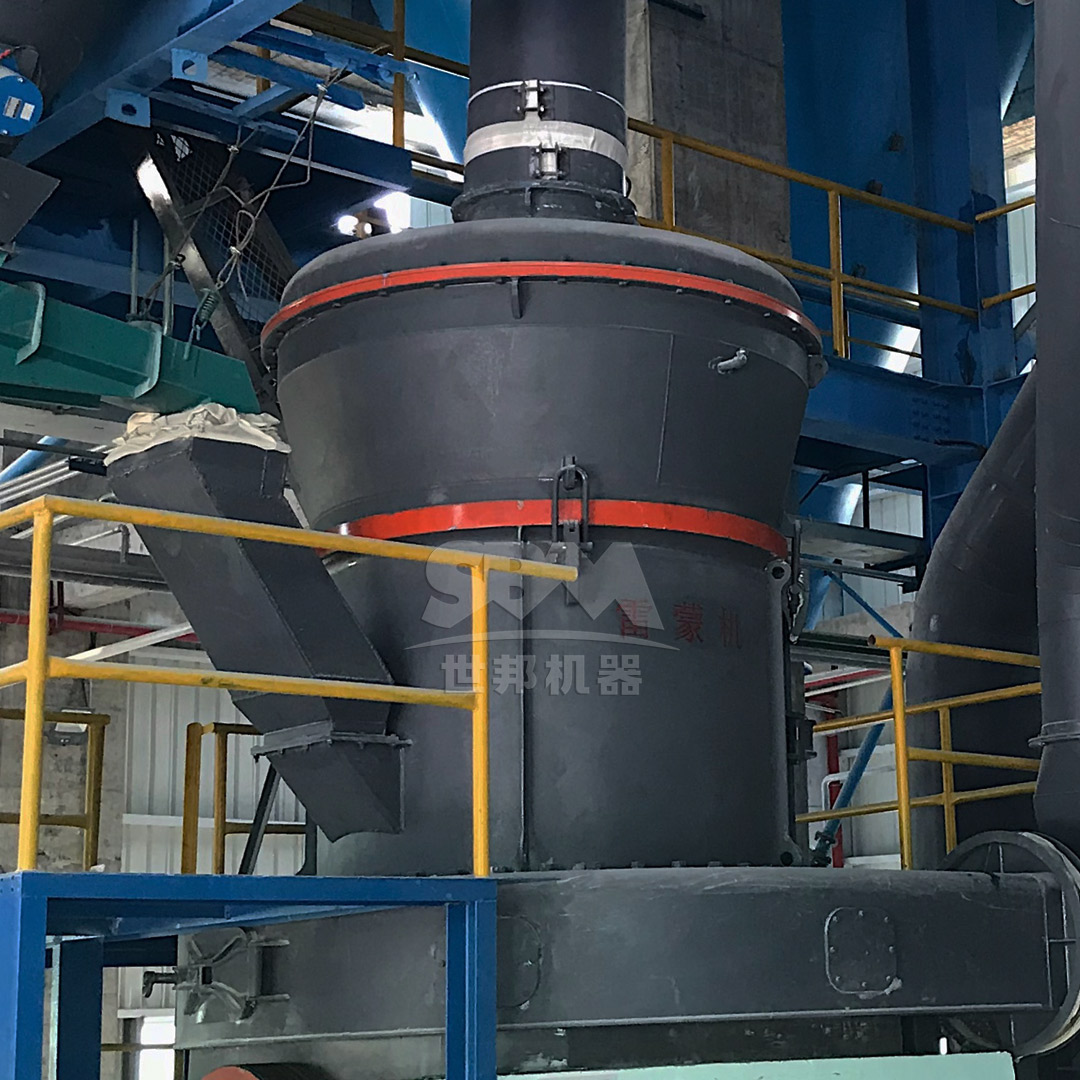
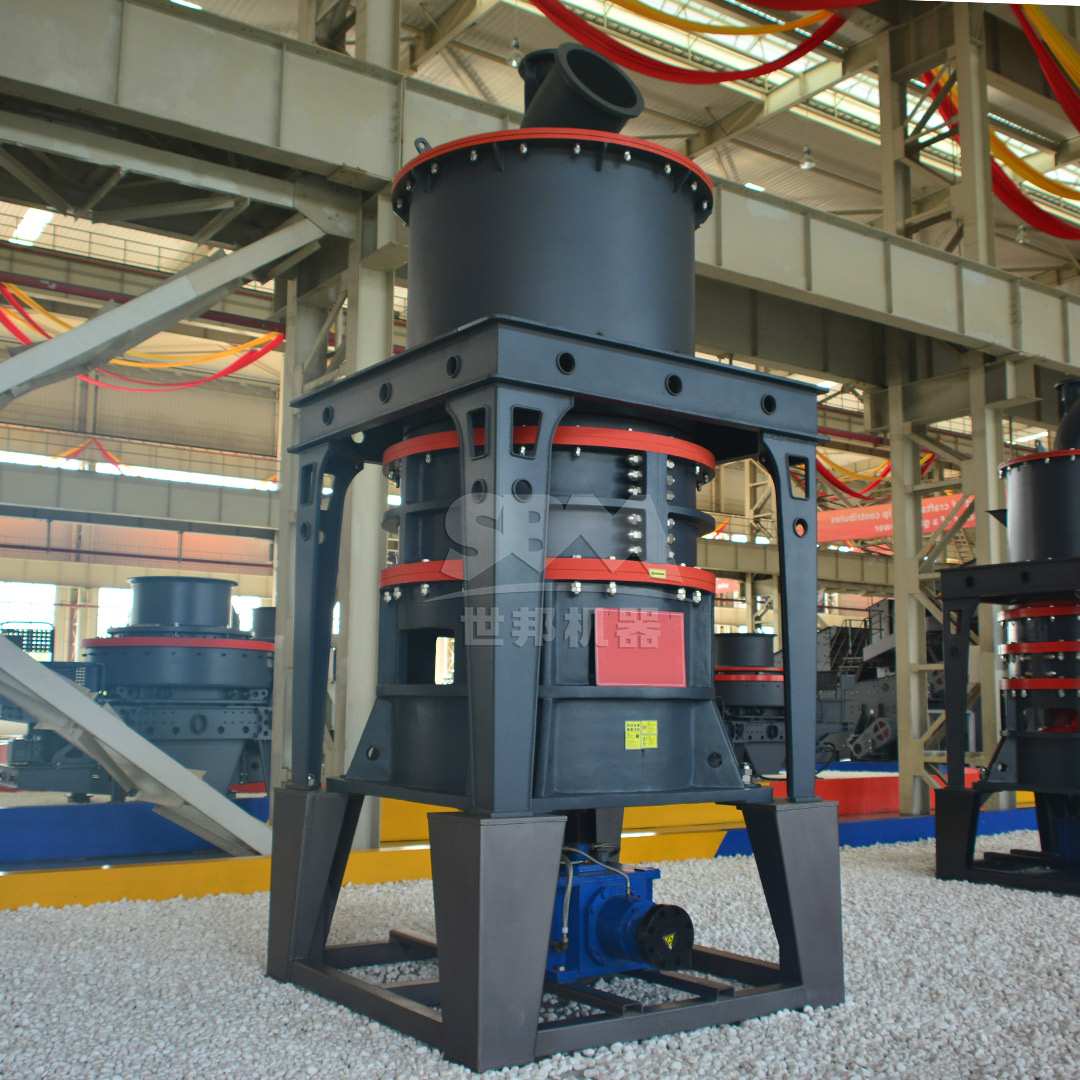
For manufacturers targeting the high-end chemical market requiring ultra-fine and nano-grade bentonite (325 to 2500 mesh), the SCM Series Ultrafine Mill is the definitive technological solution. This mill addresses the core challenge of ultrafine grinding: achieving precise cuts in particle size efficiently.
Its core advantage lies in its high-precision vertical turbine classifier, which ensures no coarse powder mixes into the final product, guaranteeing exceptional uniformity—a non-negotiable requirement for advanced chemical applications. Despite its ultrafine capabilities, it is highly energy-efficient, consuming 30% less energy than traditional jet mills while offering double the capacity. The special material rollers and rings provide extended service life, and the fully sealed system with pulse dust collection ensures an environmentally clean operation.
| Model | Capacity (t/h)* | Main Power (kW) | Target Fineness Range | Ideal Application Tier |
|---|---|---|---|---|
| SCM1000 | 1.0 – 8.5 | 132 | 325-2500 mesh | Pilot plant / Mid-scale premium production |
| SCM1680 | 5.0 – 25 | 315 | 325-2500 mesh | Large-scale ultra-fine bentonite production |
*Capacity depends on fineness and material characteristics.
The SCM1680, for instance, is a flagship model capable of producing up to 25 tons per hour of ultra-fine powder, making it a viable and efficient solution for industrial-scale production of top-tier chemical-grade bentonite.
Selecting the right mill for chemical-grade bentonite is a strategic decision that impacts product quality, operational profitability, and market competitiveness. By meticulously defining your product specifications and weighing them against key selection factors—especially fineness control, energy efficiency, and system integrity—you can identify the optimal technology.
For high-volume production of fine bentonite, the MTW Series European Trapezium Mill offers proven reliability and efficiency. For venturing into the high-value realm of ultra-fine and nano-grade bentonite, the SCM Series Ultrafine Mill provides the necessary precision, product uniformity, and operational economy. Investing in the correct milling technology is the foundational step towards building a superior and sustainable bentonite processing operation.