The production of high-quality building material grade bauxite powder is a sophisticated process that demands precision, efficiency, and reliability at every stage. Bauxite, as a primary source of alumina, requires careful processing to achieve the specific fineness, particle size distribution, and chemical purity required for advanced applications in refractories, ceramics, and construction materials. The selection of the right production line equipment is paramount to ensuring product consistency, operational economy, and environmental compliance. This article delves into the critical stages of bauxite powder processing and outlines the optimal machinery configuration for a modern, high-yield production line.
A complete production line transforms raw bauxite ore into a uniform, fine powder suitable for industrial use. The process typically involves several interconnected stages.
Run-of-mine bauxite, often with a large and irregular feed size, must first be reduced to a manageable dimension. Jaw crushers or gyratory crushers are employed for this primary crushing stage, breaking down large lumps to below 200mm. The key here is robust equipment capable of handling abrasive materials with high throughput and minimal downtime.
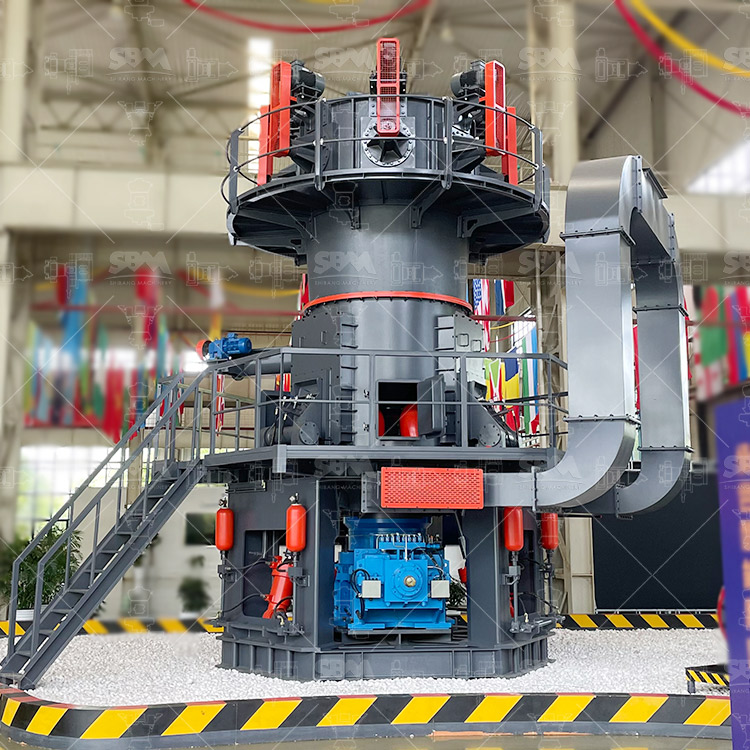
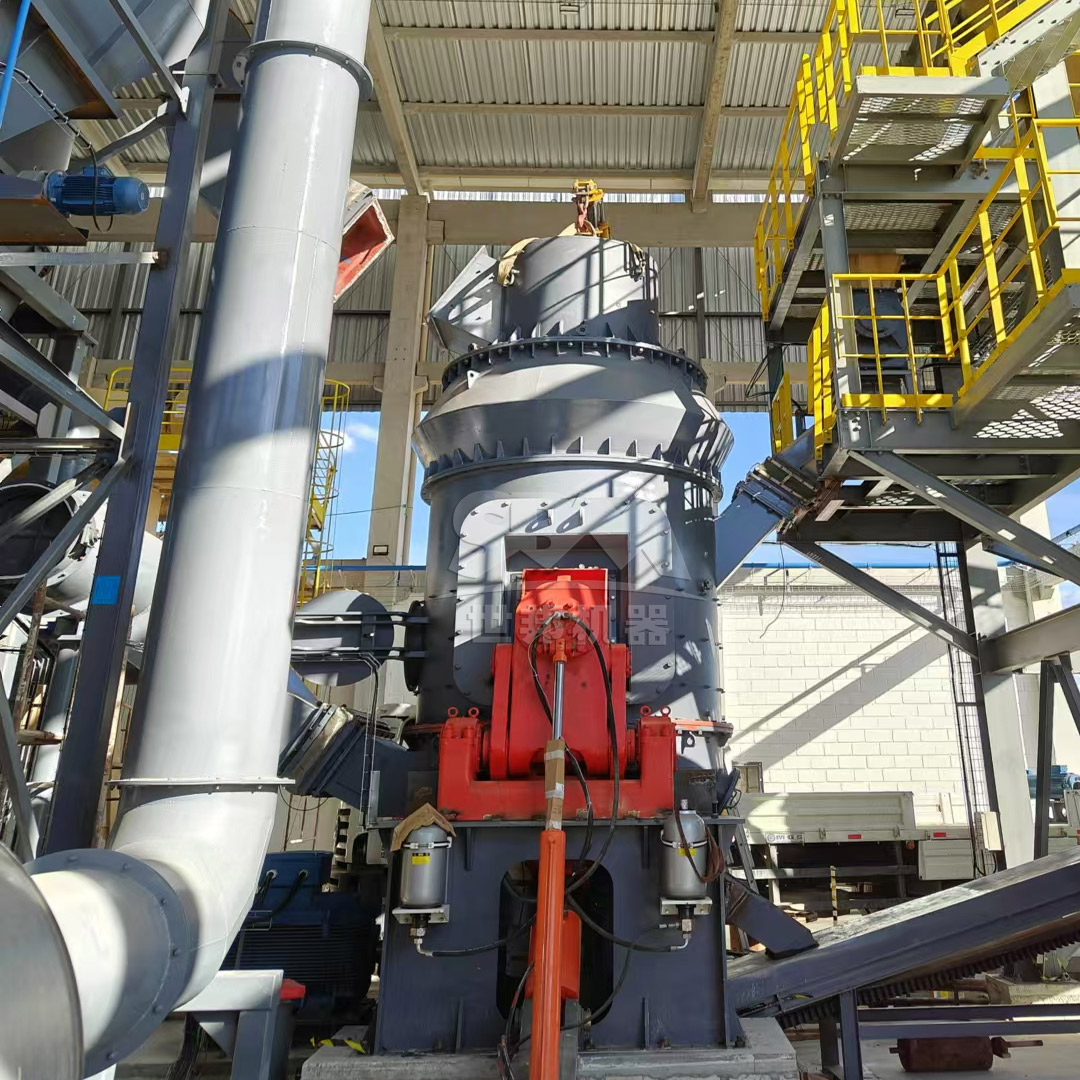
The primarily crushed material is further reduced to a finer feed size suitable for the final grinding mills. Cone crushers or impact crushers are commonly used. For lines aiming for ultra-fine final products, a pre-grinding stage using a vertical roller mill can significantly enhance overall system efficiency by reducing the load on the fine grinding circuit.
| Processing Stage | Target Output Size | Typical Equipment |
|---|---|---|
| Primary Crushing | < 200mm | Jaw Crusher, Gyratory Crusher |
| Secondary Crushing | < 50mm | Cone Crusher, Impact Crusher |
| Pre-Grinding | < 20mm | Vertical Roller Mill (Pre-grinding type) |
| Fine Grinding | 45μm – 5μm (325-2500 mesh) | Ultrafine Mill, Vertical Roller Mill |
Bauxite often contains inherent moisture. A rotary dryer is integrated into the line to reduce moisture content to below 1-2%, which is essential for efficient grinding and preventing clogging in subsequent milling and classification equipment.
This is the heart of the production line, where the material achieves its target fineness. The choice of grinding mill is critical and depends on the required final particle size distribution, capacity, and energy efficiency goals. For building material grade bauxite powder ranging from coarse (600-45μm) to ultra-fine (45-5μm), different mill technologies are applied.
The finely ground and classified powder is collected using high-efficiency cyclone separators and baghouse dust collectors. The final product is then conveyed to silos for storage or directly to automated packaging systems.
The performance of the fine grinding mill directly determines the quality and cost of the final bauxite powder. Two of the most effective and technologically advanced solutions are highlighted below.
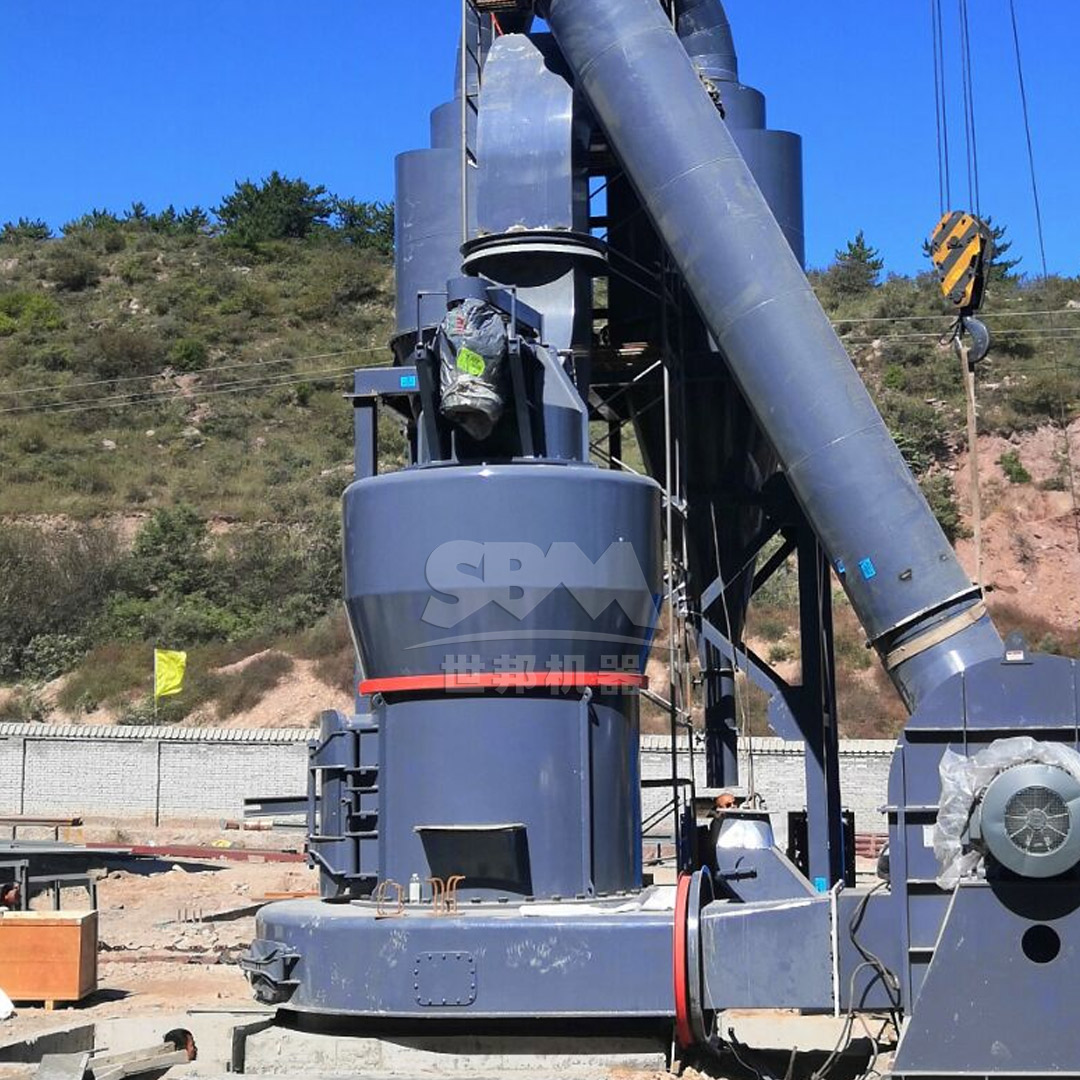
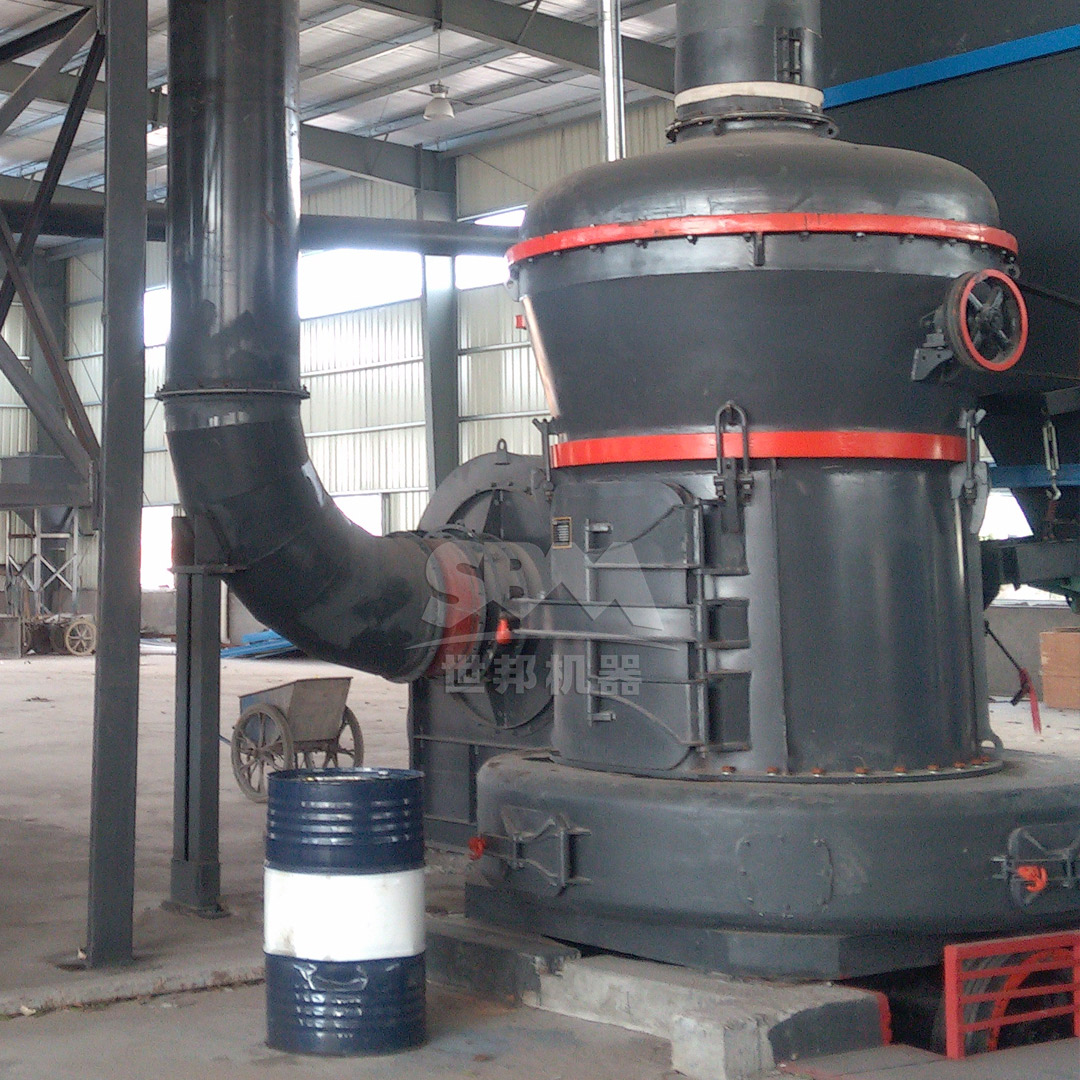
For production lines targeting fineness between 30-325 mesh (600-45μm) with large capacities ranging from 3 to 45 tons per hour, the MTW Series European Trapezium Mill stands out as an industry workhorse. Its design incorporates several patented advancements specifically beneficial for processing abrasive minerals like bauxite.
The mill features an anti-wear shovel design with combined blades that dramatically lower maintenance frequency and cost. The integral bevel gear drive achieves a remarkable 98% transmission efficiency, translating directly into lower energy consumption per ton of product. Furthermore, its optimized arc air duct and wear-resistant volute structure ensure stable airflow and high classification efficiency, guaranteeing a consistent product. Models like the MTW215G can handle feed sizes up to 50mm and deliver outputs up to 45 t/h, making it ideal for the core grinding stage in large-scale bauxite processing plants.
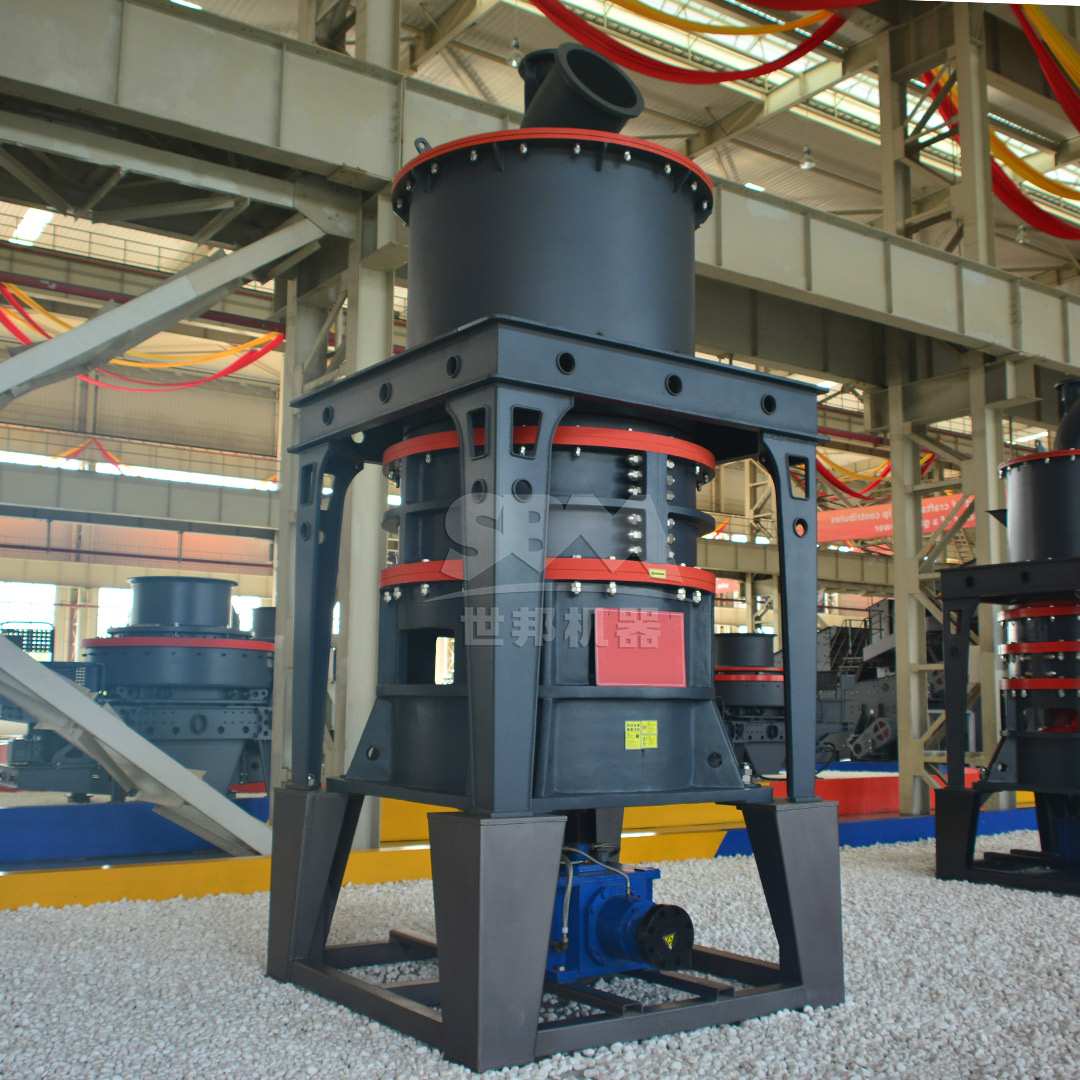
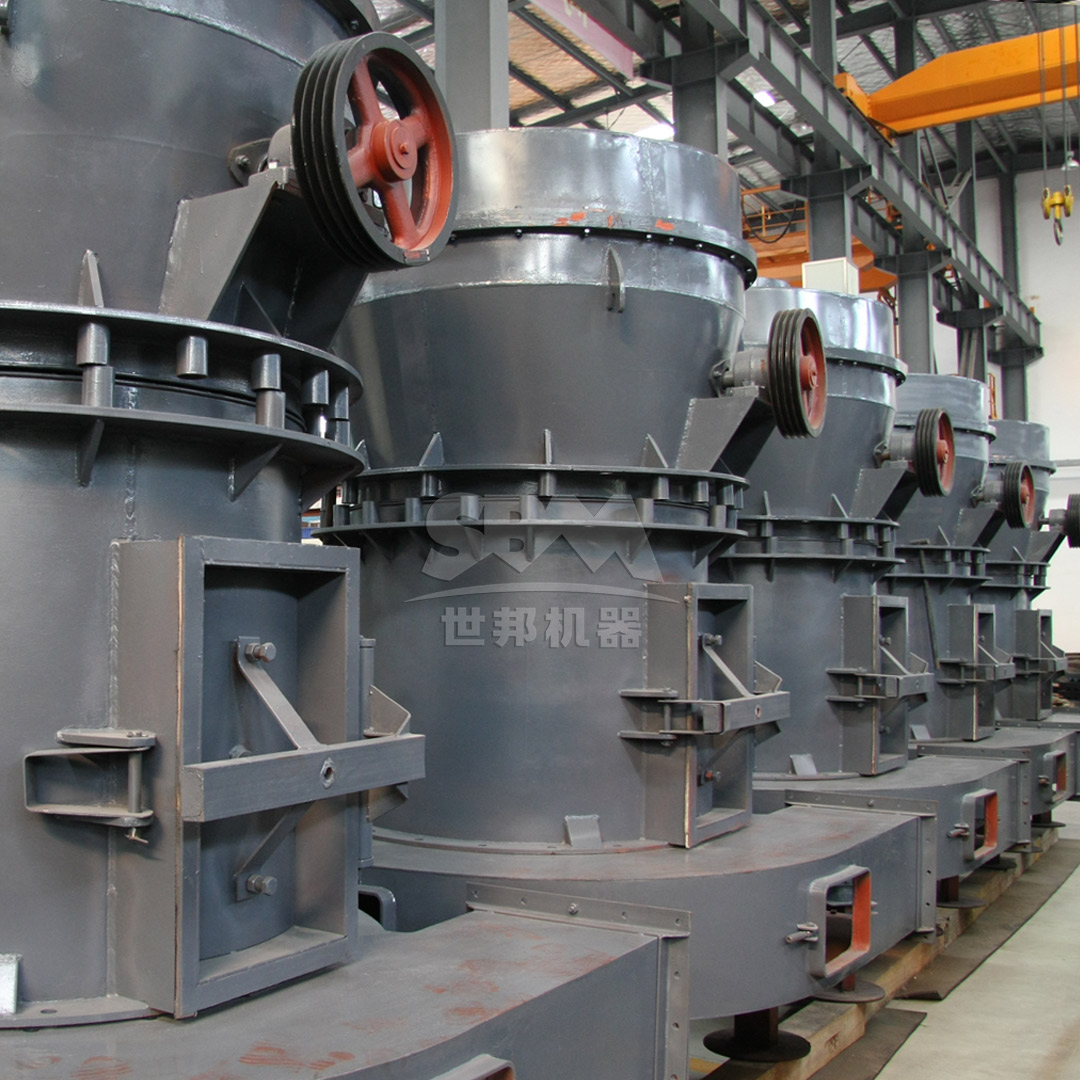
When the product specification calls for ultra-fine bauxite powder in the range of 325 to 2500 mesh (45-5μm), the SCM Series Ultrafine Mill is the equipment of choice. This mill is engineered for precision and efficiency in the most demanding fine-grinding applications.
Its core advantages include high-efficiency and energy-saving operation, offering capacity twice that of traditional jet mills while consuming 30% less energy. The high-precision vertical turbine classifier ensures sharp particle size cuts, eliminating coarse powder mixing and delivering a uniformly fine product essential for high-grade building materials. The mill’s durable design, with special material rollers and rings and a shaftless screw grinding chamber, ensures exceptional longevity and stable operation even with abrasive bauxite. For producers aiming at the premium segment of the market, models such as the SCM1250 (2.5-14 t/h) or SCM1680 (5-25 t/h) provide the perfect balance of ultra-fine capability and industrial-scale throughput.
| Model | Capacity (t/h) | Output Fineness | Main Power (kW) | Key Application |
|---|---|---|---|---|
| MTW215G | 15 – 45 | 30-325 mesh | 280 | High-capacity coarse/medium grinding |
| SCM1680 | 5.0 – 25 | 325-2500 mesh | 315 | Large-scale ultra-fine grinding |
A high-performance grinding mill must be supported by intelligent auxiliary systems. Modern bauxite powder lines are equipped with:
Establishing a production line for high-quality building material grade bauxite powder requires a holistic approach to equipment selection. From robust crushing to precision grinding and intelligent control, each component must be optimized for performance and synergy. For the critical fine-grinding stage, leveraging advanced technologies like the MTW Series European Trapezium Mill for high-volume, medium-fineness production, or the SCM Series Ultrafine Mill for premium ultra-fine powders, provides a definitive competitive edge. These mills, with their emphasis on energy efficiency, wear resistance, and classification accuracy, form the reliable core around which a profitable, sustainable, and high-quality bauxite powder operation can be built.