Dolomite, a calcium magnesium carbonate mineral, is a versatile industrial raw material widely used in construction, agriculture, glass manufacturing, ceramics, and as a filler in paints and plastics. Producing high-quality dolomite powder, especially at a target fineness like 100 mesh (approximately 150 microns), requires selecting the most efficient and cost-effective grinding equipment. The choice of mill impacts not only the final product quality but also operational costs, energy consumption, and production capacity. This guide provides a comprehensive analysis of key factors to consider and recommends optimal solutions for producing 100-mesh dolomite powder.
Selecting the right mill involves a careful evaluation of your specific production requirements against the capabilities of different grinding technologies.
For 100-mesh powder, the primary requirement is consistent particle size control. The mill must reliably produce the majority of particles within the 100-150 micron range with minimal oversize or ultrafine fractions. Mills with integrated, high-precision classifiers are crucial for this application.
Your required hourly or annual output dictates the mill size. Furthermore, the initial feed size of your dolomite (e.g., 0-20mm, 0-50mm) determines whether a primary crusher is needed upstream or if the mill can handle the raw feed directly.
Grinding is an energy-intensive process. The mill’s specific power consumption (kWh/ton) is a major determinant of long-term operational expenses. Modern roller mills typically offer significant advantages over traditional ball mills in this regard.
Dolomite’s abrasiveness can lead to wear on grinding elements like rollers, rings, and liners. Equipment with wear-resistant designs, special material components, and easy maintenance features reduces downtime and spare part costs.
Space constraints, dust emission standards, and noise levels are critical for plant design and community relations. Integrated, enclosed systems with efficient dust collection are preferred.
| Selection Factor | Importance for 100-Mesh Dolomite | Ideal Mill Characteristic |
|---|---|---|
| Fineness Control | High | Integrated dynamic classifier |
| Capacity | Project-Dependent | Scalable model range |
| Energy Efficiency | Very High | Bed grinding principle, efficient drive |
| Wear Resistance | High | Hardfaced rollers, durable liners |
| System Complexity | Medium to Low | Integrated design, simple operation |
Several grinding technologies can achieve 100-mesh fineness, but their suitability varies greatly.
Traditional ball mills can produce 100-mesh powder but are generally less efficient for this mid-range fineness. They operate via impact and attrition of steel balls inside a rotating drum. While robust and versatile, their energy consumption is higher, and particle size distribution control is less precise compared to modern roller mills. They are often a cost-effective choice for very large-scale, wet grinding operations but may not be optimal for dedicated, efficient dry grinding of dolomite to 100 mesh.
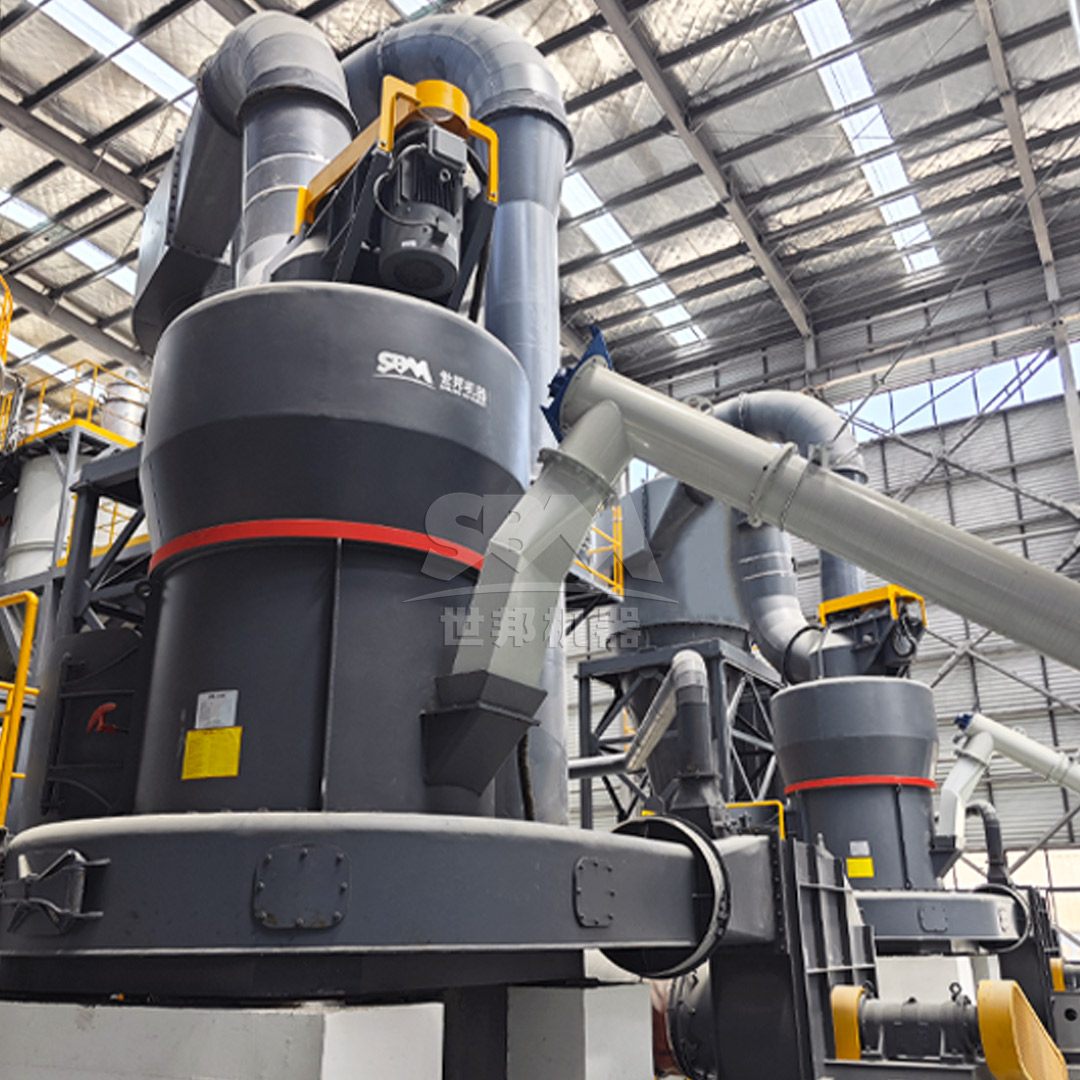
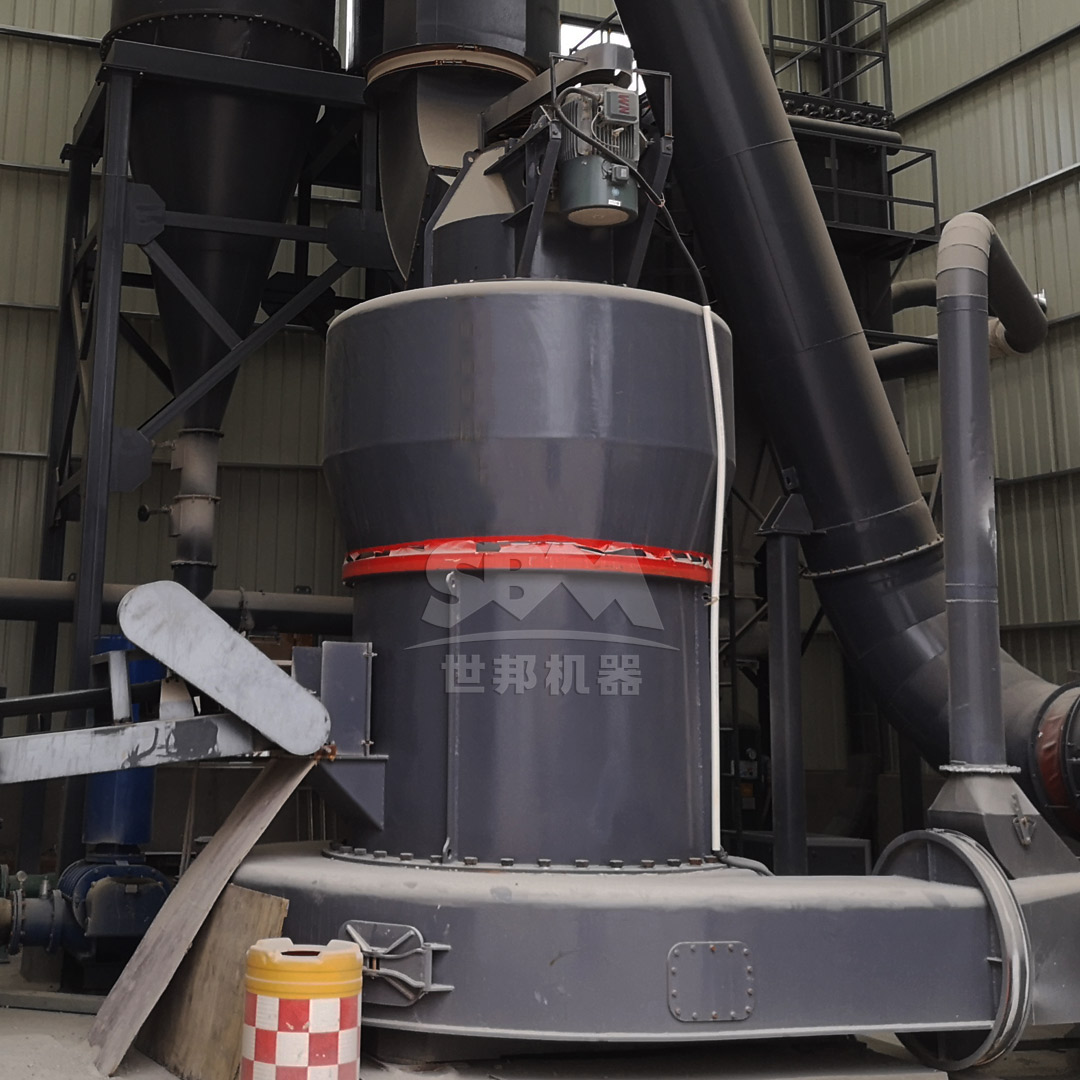
This has been a historical standard for mid-fineness grinding like 100 mesh. It uses spring-loaded rollers that swing outward to crush material against a stationary ring. Older designs can be less energy-efficient and have higher wear rates. However, modernized versions like the MTW Series European Trapezium Mill address these shortcomings.
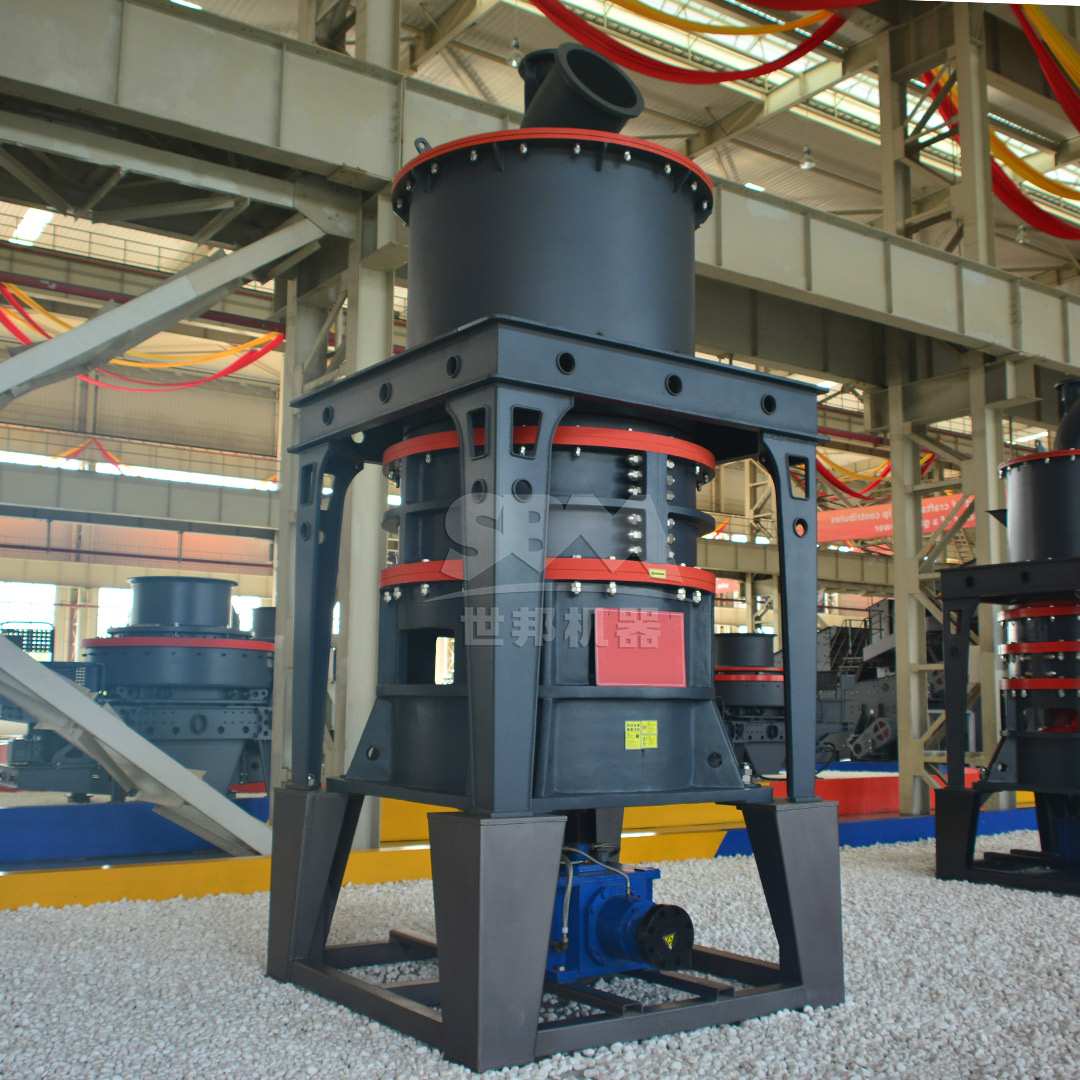
This is often the most recommended technology for grinding minerals like dolomite to finenesses between 30 and 325 mesh. Material is ground between a rotating table and two or more hydraulically loaded rollers. The ground material is immediately transported by air to an integrated classifier. VRMs offer superior energy efficiency (30-50% less power than ball mills), excellent drying capability if needed, precise particle size control, and lower noise levels.
For most applications targeting 100-mesh dolomite powder with requirements for efficiency, reliability, and product quality, the MTW Series European Trapezium Mill represents an optimal balance of advanced technology and practical performance.
This mill is engineered specifically for the efficient production of powders in the 30-325 mesh range. Its design incorporates several patented innovations that make it ideal for dolomite:
| Model Example | Capacity (t/h)* | Main Power (kW) | Feed Size | Fineness Range |
|---|---|---|---|---|
| MTW138Z | 6-17 | 90 | <35mm | 10-325 mesh |
| MTW175G | 9.5-25 | 160 | <40mm | 10-325 mesh |
| MTW215G | 15-45 | 280 | <50mm | 10-325 mesh |
*Capacity varies based on material characteristics and fineness.
The working principle involves centrifugal force driving the grinding rollers against the ring, crushing the material fed by shovels. The ground powder is pneumatically conveyed to the classifier, where oversized particles are rejected and returned for further grinding. This closed-circuit system ensures high efficiency and consistent product quality.
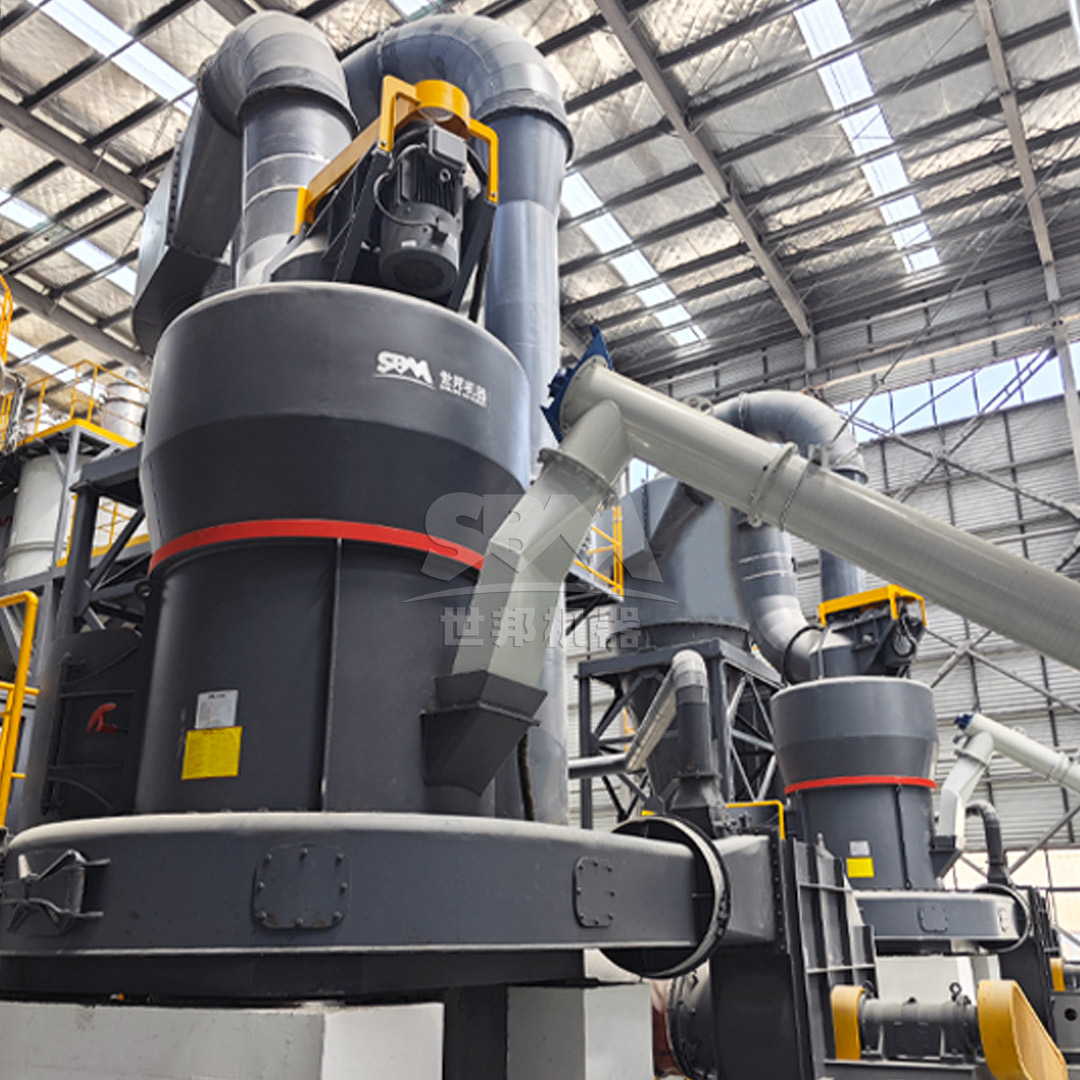
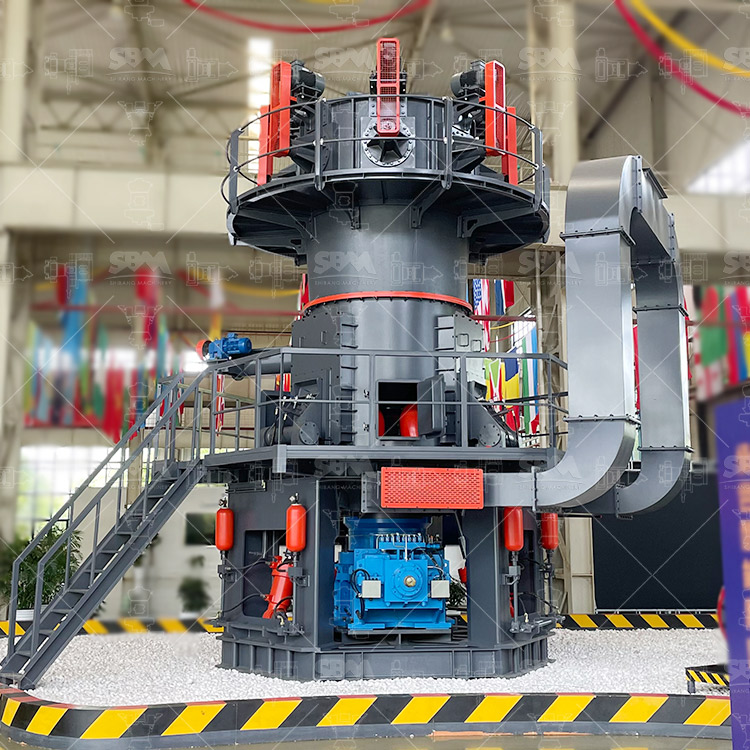
For projects demanding very high throughput or where future expansion to finer or coarser products is anticipated, the LM Series Vertical Roller Mill is the premier choice. It is a full-scale vertical roller mill offering unparalleled efficiency and system integration.
Key advantages for large-scale dolomite grinding include:
With models like the LM190K (23-68 t/h) or LM220K (36-105 t/h), this series is perfectly suited for mega-projects requiring reliable, high-volume production of 100-mesh dolomite powder with minimal operational costs.
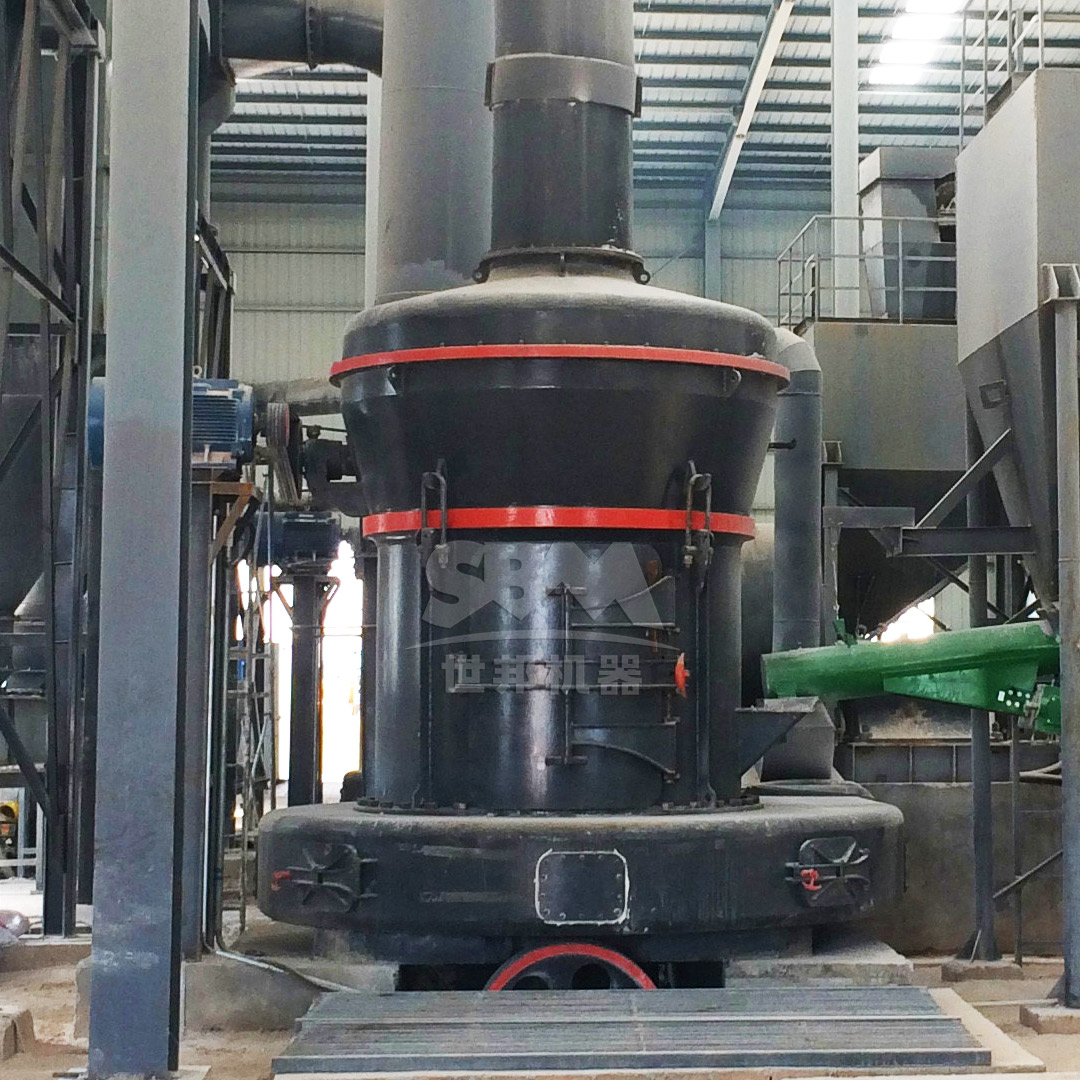
Selecting the best grinding mill for 100-mesh dolomite powder requires a holistic view of technical performance, economic factors, and operational needs. While several mill types can achieve the target fineness, modern roller mills like the MTW Series European Trapezium Mill and the LM Series Vertical Roller Mill stand out for their energy efficiency, precise classification, and low operating costs.
For most medium to large-scale operations, the MTW Series offers a perfect, cost-optimized solution. For the highest capacity requirements and maximum system efficiency, the LM Vertical Roller Mill is the industry benchmark. Investing in the right technology from the start ensures a profitable, sustainable, and competitive dolomite powder production line.