Dolomite, a calcium magnesium carbonate mineral, is a crucial raw material in numerous industries, including construction, agriculture, glass manufacturing, ceramics, and plastics. Producing high-quality dolomite powder, especially at a target fineness like 150 mesh (approximately 100 microns), requires selecting the most efficient and cost-effective grinding equipment. The choice of mill directly impacts product quality, production capacity, energy consumption, and overall operational costs. This comprehensive guide will walk you through the key factors to consider and recommend optimal solutions for your 150-mesh dolomite powder production.
Choosing the right mill is not a one-size-fits-all decision. It involves a careful evaluation of your specific production requirements and the characteristics of your dolomite feedstock.
Your primary requirement is 150 mesh. However, the consistency of the particle size distribution (PSD) is equally important. A narrow PSD ensures uniform product quality, which is vital for applications like filler in plastics or paints. Mills with advanced internal classification systems excel at producing consistent fineness.
Your required hourly or annual output dictates the size and model of the mill. It’s essential to match the mill’s capacity to your production goals with some room for future expansion. Under-sizing leads to bottlenecks, while over-sizing increases capital and operational costs unnecessarily.
Grinding is an energy-intensive process. Selecting an energy-efficient mill can significantly reduce your operating expenses. Look for technologies that offer higher throughput per unit of power consumed.
Consider the longevity of wear parts (rollers, rings, liners), ease of maintenance, and the need for specialized personnel. A mill with a slightly higher initial cost but lower maintenance requirements often proves more economical in the long run.
Modern operations must control dust and noise. Closed-system mills with efficient pulse dust collectors are essential. Also, evaluate the physical footprint of the mill system, especially if space is limited.
| Selection Factor | Key Question | Impact on Choice |
|---|---|---|
| Fineness & PSD | Is 150 mesh the final product, or is a tighter distribution needed? | Determines need for high-precision classifiers. |
| Capacity | What is the required output (TPH)? | Defines the mill model and power size. |
| Feed Size | What is the maximum size of raw dolomite? | May necessitate a primary crusher before the mill. |
| Operating Cost | What is the budget for power and maintenance? | Favors mills with high efficiency and durable parts. |
| Space & Environment | Is the installation space constrained? Are emissions strictly regulated? | Leans towards compact, fully enclosed systems. |
Several grinding mill technologies can achieve 150 mesh. Here’s an analysis of the most relevant ones.
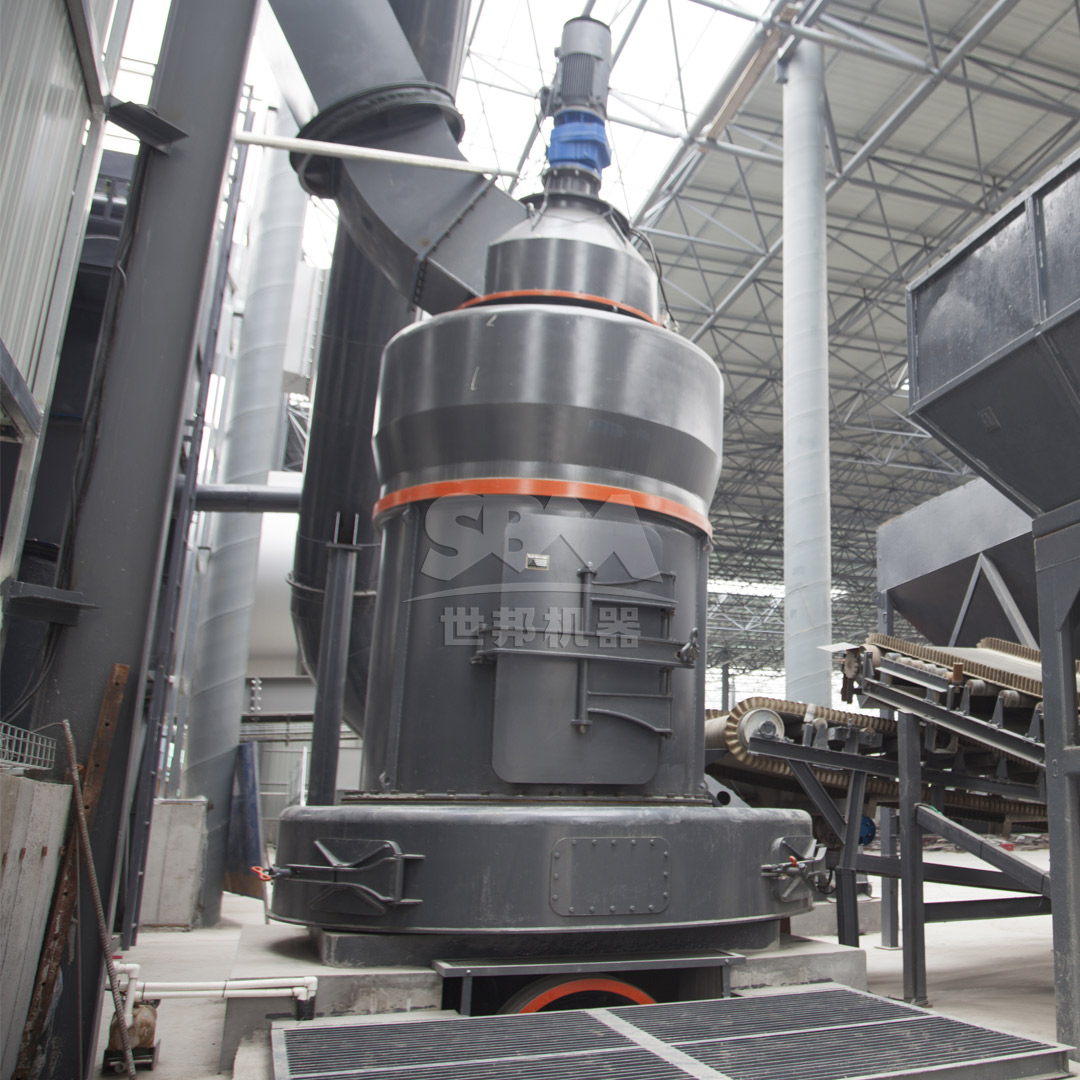
This is a classic and highly reliable choice for mid-range fineness (30-325 mesh). The updated MTW Series European Trapezium Mill is particularly well-suited for producing 150-mesh dolomite powder. Its curved shovel blade design and anti-wear materials handle the abrasiveness of dolomite effectively. The integral bevel gear transmission ensures stable operation and high efficiency. For producers with feed sizes up to 50mm and capacity requirements in the 3-45 TPH range, the MTW series offers an excellent balance of performance, cost, and reliability.
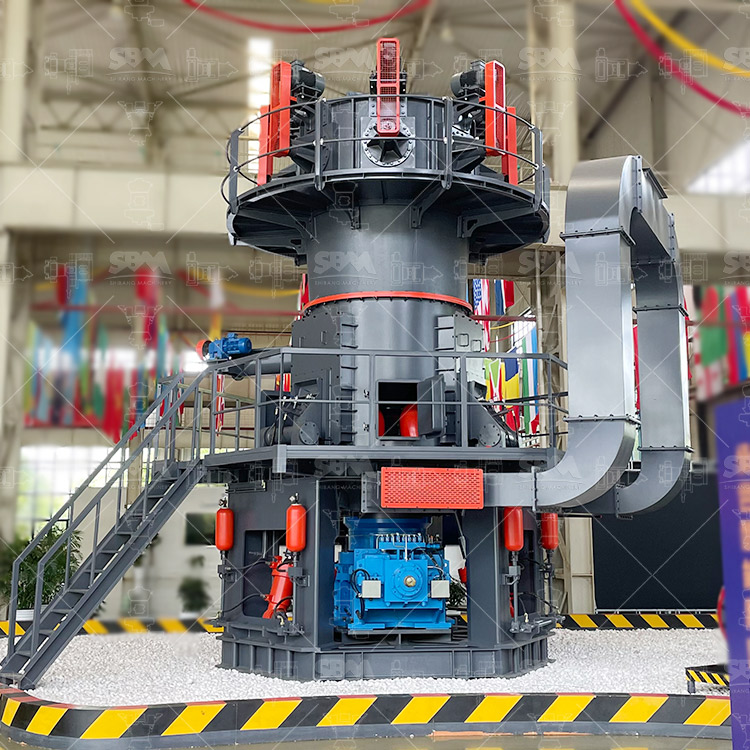
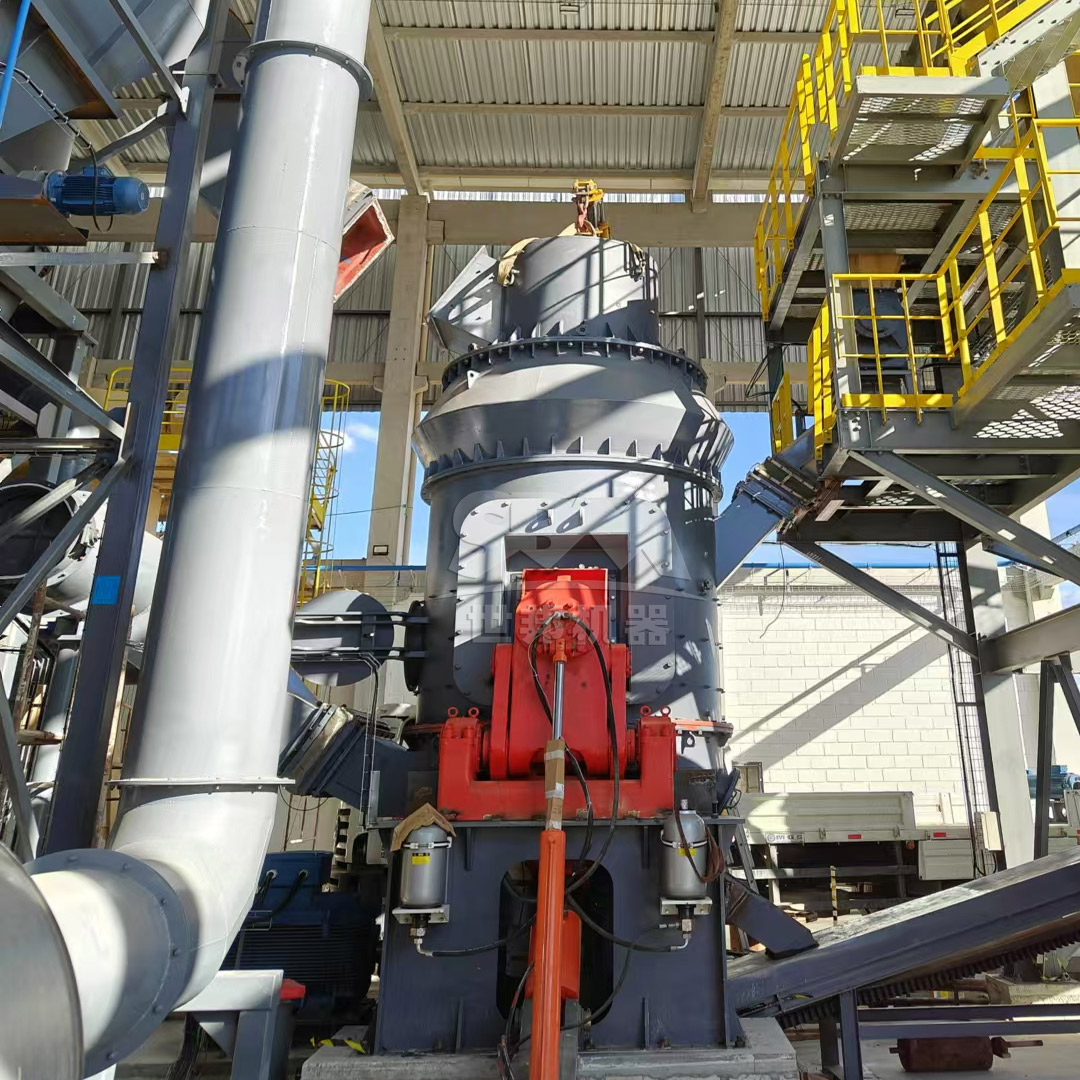
For larger-scale production (3-250 TPH), the LM Series Vertical Roller Mill is a top contender. It operates on the principle of bed grinding, where material is crushed between rollers and a rotating table. This method is inherently more energy-efficient than traditional ball milling. Its integrated design (crushing, grinding, drying, classifying) reduces footprint by 50%. The LM series is ideal for projects where high capacity, low energy consumption, and integrated processing are priorities.
The traditional ball mill is a versatile workhorse capable of producing 150-mesh powder. It is robust and has a high crushing ratio. However, for the specific fineness of 150 mesh, it is often less energy-efficient compared to roller-based mills like the MTW or LM series. Ball mills may be a suitable choice in scenarios where extreme versatility (wet or dry grinding) is required, or when the circuit already exists.
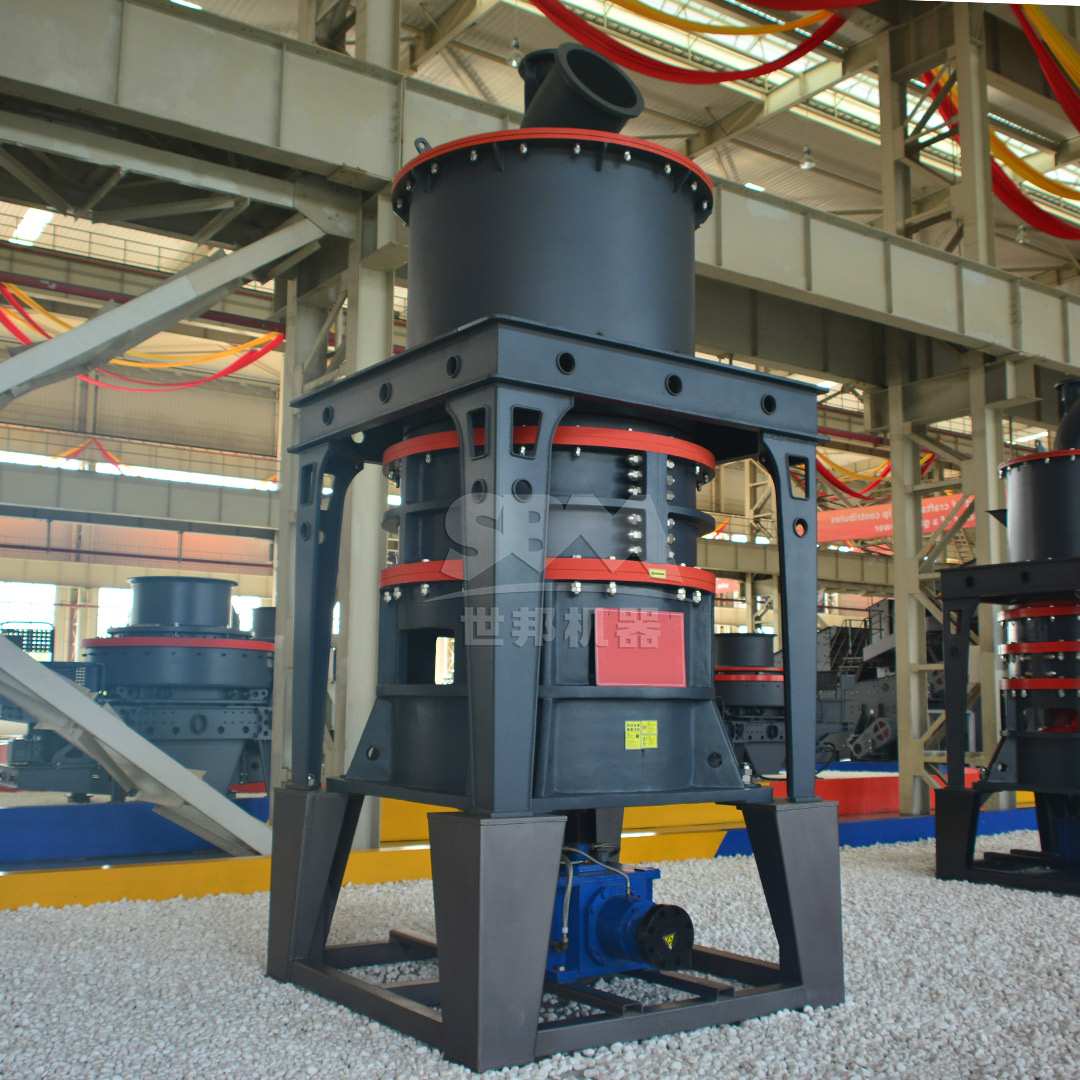
While the SCM Series Ultrafine Mill is engineered for finer products (325-2500 mesh), it is worth highlighting for 150-mesh production when future product diversification is a consideration. If you anticipate a future need for higher-value, superfine dolomite powders, investing in an SCM mill provides that flexibility. Its high-precision turbine classifier can effortlessly maintain a sharp 150-mesh cut, and its efficiency often surpasses that of traditional mills even at this coarser range, offering potential energy savings.
Based on a typical requirement for producing 150-mesh dolomite powder with balanced needs for capacity, efficiency, and product quality, we strongly recommend our MTW Series European Trapezium Mill as the optimal primary solution.
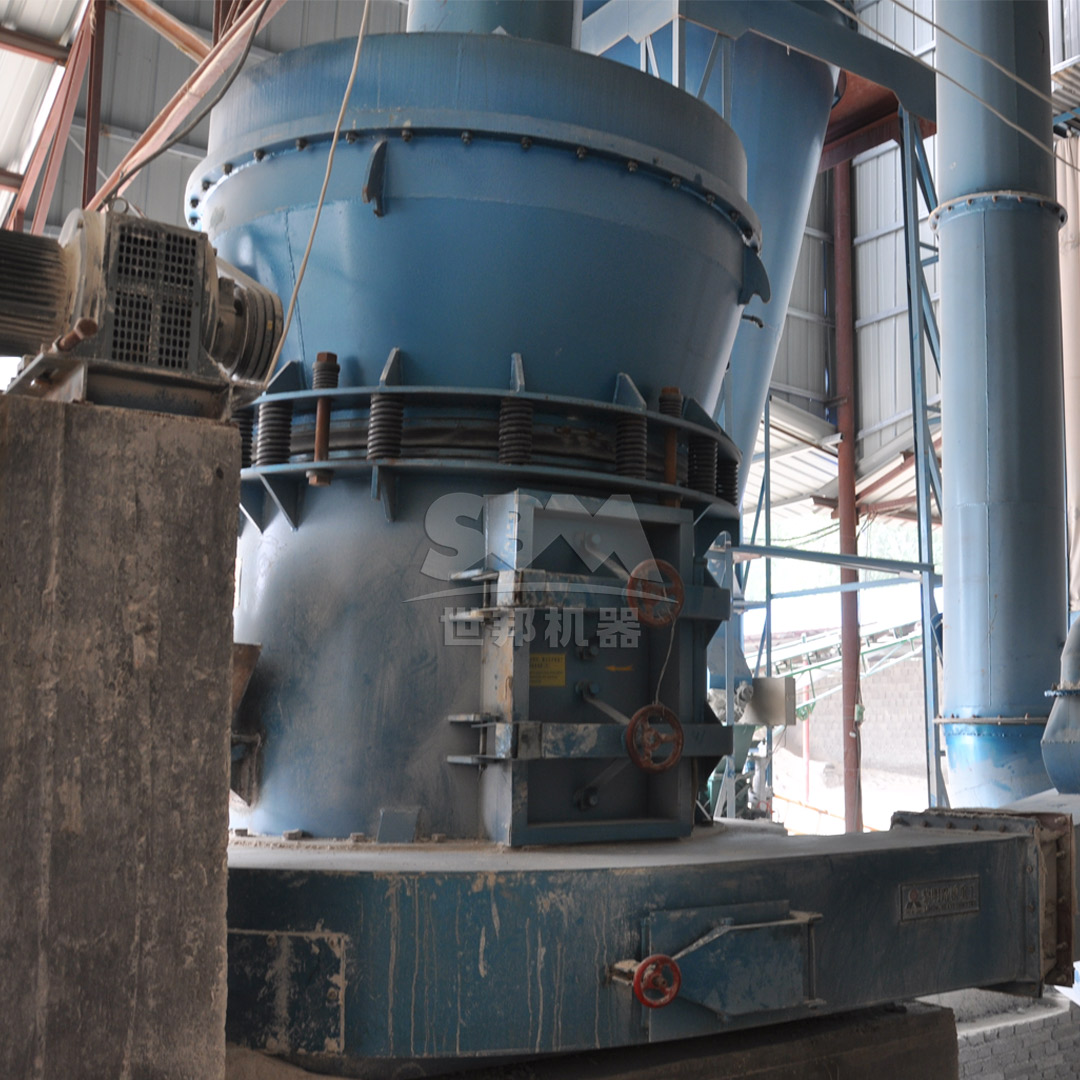
| Model Example | Capacity (for Dolomite) | Main Motor Power | Feed Size | Fineness |
|---|---|---|---|---|
| MTW138Z | 6-17 t/h | 90 kW | <35 mm | 10-325 mesh |
| MTW175G | 9.5-25 t/h | 160 kW | <40 mm | 10-325 mesh |
| MTW215G | 15-45 t/h | 280 kW | <50 mm | 10-325 mesh |
For operations that prioritize future-proofing and exceptional product consistency, or those with a feed size below 20mm, our SCM Series Ultrafine Mill presents a compelling advanced alternative. Its vertical turbine classifier guarantees a uniform particle size distribution at 150 mesh, and its intelligent control system maintains optimal grinding conditions automatically.
A successful grinding plant is more than just a mill. Key auxiliary components include:
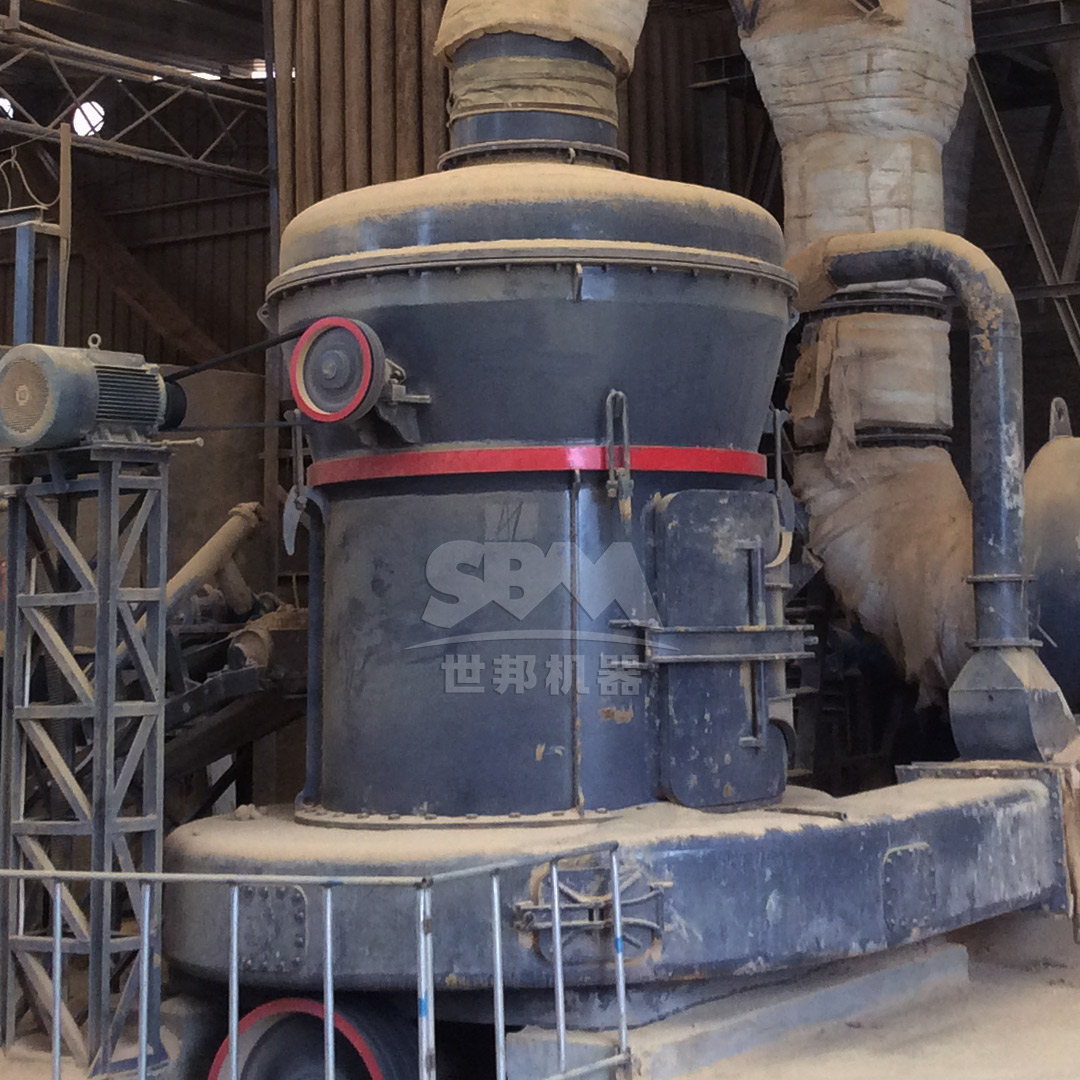
Selecting the best grinding mill for 150-mesh dolomite powder requires a holistic analysis of your technical requirements and economic goals. For most applications seeking a reliable, efficient, and cost-effective solution, the MTW Series European Trapezium Mill stands out as the recommended choice. Its design is tailored for the mid-range fineness spectrum, offering durability, energy savings, and environmental compliance. For those looking towards higher-value fine powders or requiring utmost product uniformity, the SCM Series Ultrafine Mill provides a advanced and flexible platform. We advise consulting with our technical experts to analyze your specific dolomite sample and production parameters to finalize the optimal model and configuration for your success.