White cement, distinguished by its high whiteness and aesthetic appeal, is a specialized hydraulic binder used in architectural concrete, terrazzo, tile grouts, and decorative renders. Its production demands stringent control over raw material purity, processing technology, and equipment selection. Unlike ordinary grey Portland cement, the key to achieving exceptional whiteness lies in minimizing iron oxide (Fe2O3) and manganese oxide (MnO) content, which impart color. This is where high-purity kaolin, a white clay rich in kaolinite (Al2O3·2SiO2·2H2O), becomes a critical additive or even a primary raw material. Kaolin not only contributes to the aluminosilicate phase but also helps in achieving the desired low chroma. This guide delves into the production process of white cement with a focus on kaolin utilization and provides a detailed equipment selection framework to ensure optimal quality and efficiency.
Kaolin serves multiple functions in white cement manufacture. Primarily, it acts as a source of alumina (Al2O3) and silica (SiO2), essential for forming the cementitious phases like tricalcium aluminate (C3A) and tetracalcium aluminoferrite (C4AF). However, in white cement, the formation of C4AF (which is brown) is minimized. The high purity of kaolin ensures low levels of coloring oxides. Secondly, its fine particle size and plasticity can improve the burnability of the raw mix in the kiln, leading to lower clinkering temperatures and reduced energy consumption. Processing kaolin to the correct fineness and consistency is, therefore, a pivotal step that directly influences the final product’s whiteness index (often measured by L* value), strength, and setting characteristics.
The choice of grinding and classification equipment dictates the efficiency, particle size distribution (PSD), and overall operational cost of preparing kaolin for white cement production. The ideal equipment must deliver ultra-fine products, high classification accuracy, energy efficiency, and minimal iron contamination from wear parts.
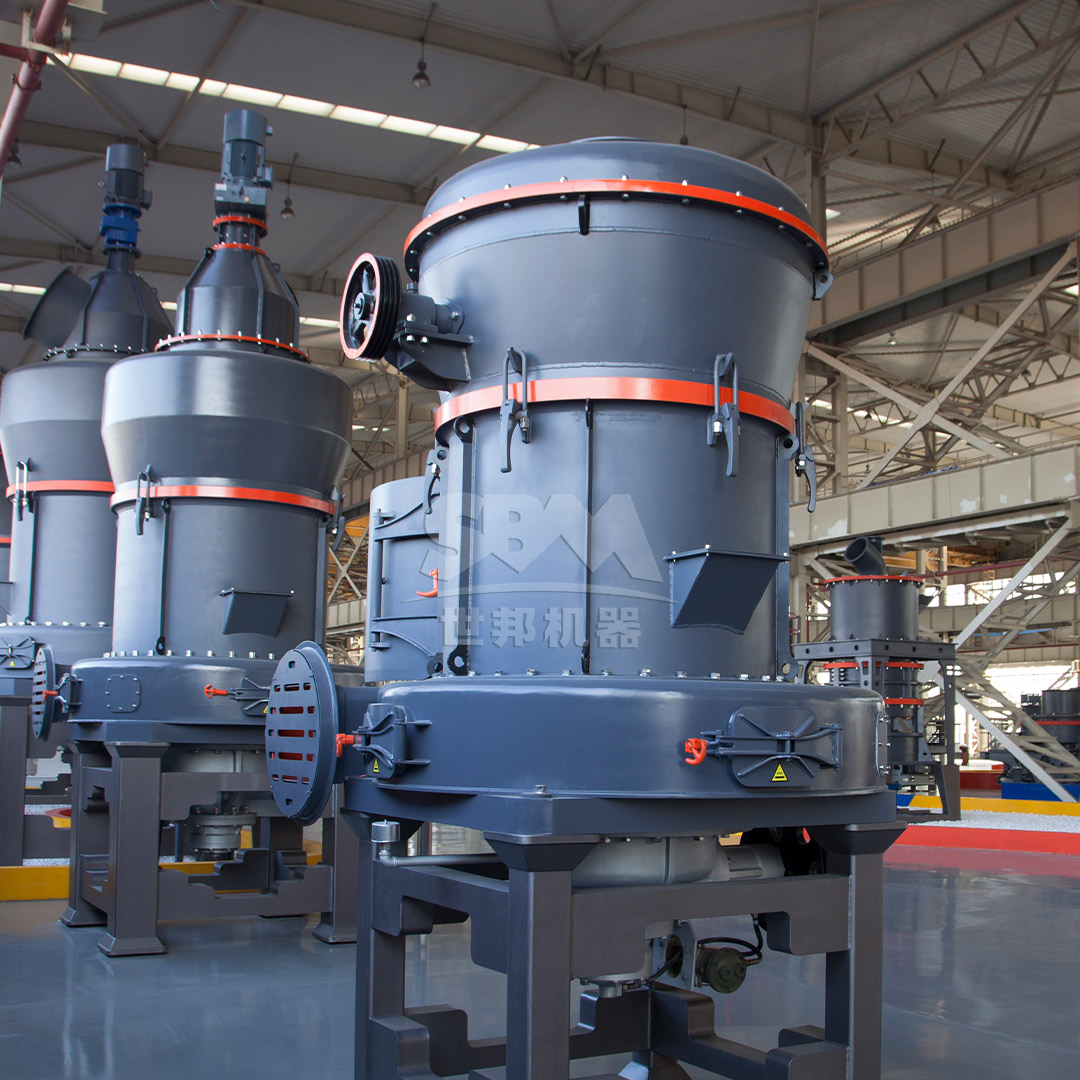
Lump kaolin or dried kaolin cakes need size reduction before fine grinding. Hammer Crushers are suitable for this stage due to their high reduction ratio and ability to handle materials with moderate moisture. Models like the PC4012-90 (Capacity: 15-40 t/h, Power: 90kW) offer a good balance of performance and cost, reducing feed from 0-40mm down to 0-3mm efficiently.
Rotary dryers or flash dryers are commonly used. The dried kaolin should have moisture content below 1-2% for optimal grinding performance in most mill types.
This stage is crucial for achieving the target fineness and PSD. Several mill types can be considered, each with its advantages.
| Mill Type | Typical Output Range | Key Advantages for Kaolin | Considerations |
|---|---|---|---|
| Ball Mill | 0.074-0.8mm (200-20 mesh) | Proven technology, high capacity, suitable for wet or dry process. | Limited to medium fineness; higher energy consumption for ultra-fine grinding; potential for iron contamination from grinding media. |
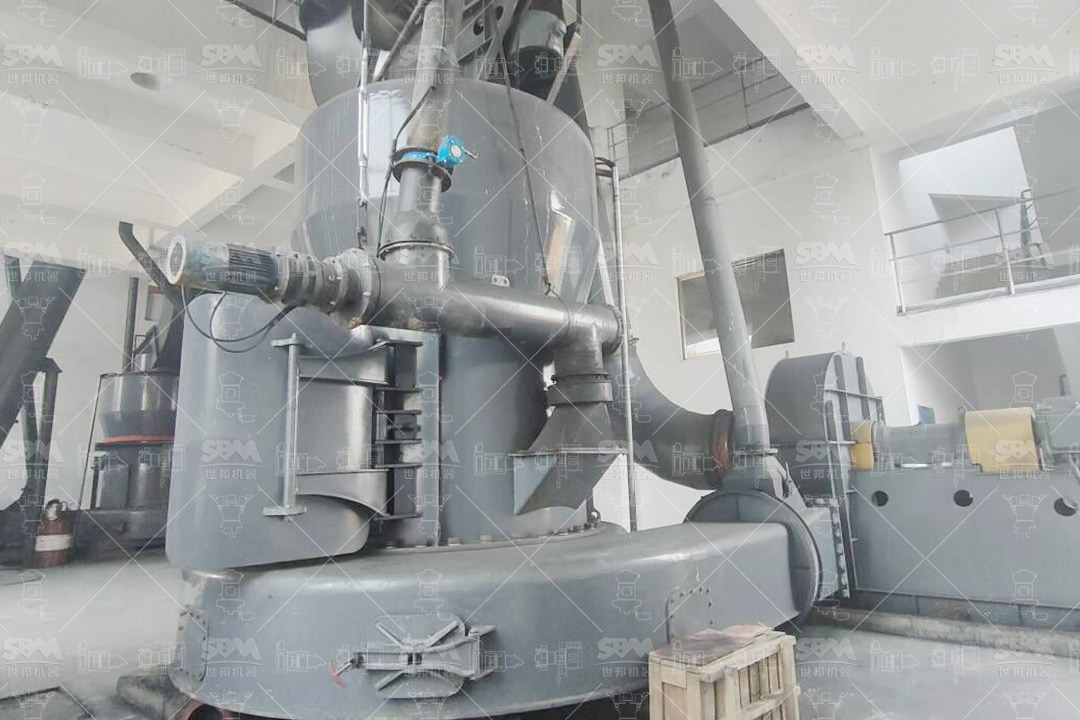
| Raymond Mill (MTW/MTM) | 45-325 mesh (600-45μm) | Good for medium-fine grinding, reliable, lower capital cost. | May struggle to achieve consistent product below 325 mesh; grinding ring/roller wear can introduce contamination. |
| Vertical Roller Mill (LM Series) | 30-325 mesh (up to 600 mesh) | High grinding efficiency, integrated drying/grinding/classification, low specific energy consumption. | Excellent for high-capacity production of fine kaolin. The integrated classifier ensures tight PSD control. |
| Ultrafine Mill (SCM Series) | 325-2500 mesh (45-5μm) | Superior for producing ultra-fine and high-whiteness kaolin powder. High-precision classification ensures no coarse particles. | The optimal choice for premium white cement requiring the finest kaolin additives to maximize reactivity and whiteness. |
For white cement grade kaolin, where ultra-fineness (often exceeding 1250 mesh/10μm) and minimal contamination are paramount, advanced grinding systems are recommended.
Based on the stringent requirements for whiteness and fineness, we highly recommend our advanced grinding solutions designed specifically for processing high-purity minerals like kaolin.
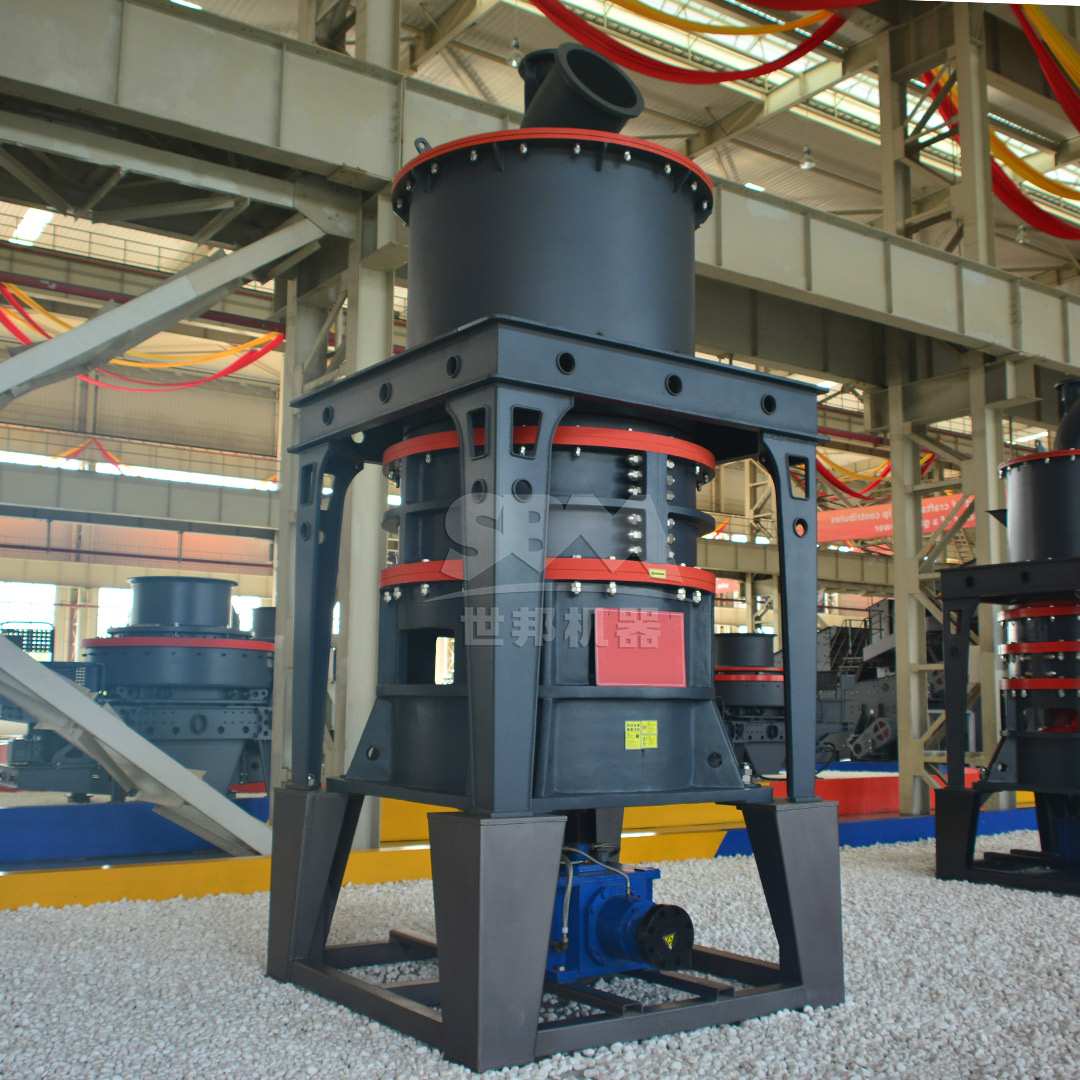
For producers aiming at the highest quality white cement, where kaolin needs to be ground to a consistent ultra-fine powder (e.g., d97 < 10μm), our SCM Series Ultrafine Mill is the ideal solution. Its design directly addresses the core challenges of kaolin processing:
For a typical white cement plant incorporating kaolin, the SCM1000 model (Capacity: 1.0-8.5 t/h, Main Power: 132kW, Output: 325-2500 mesh) provides an excellent balance of output and fineness control, capable of delivering the superfine kaolin powder required for top-tier white clinker synthesis.
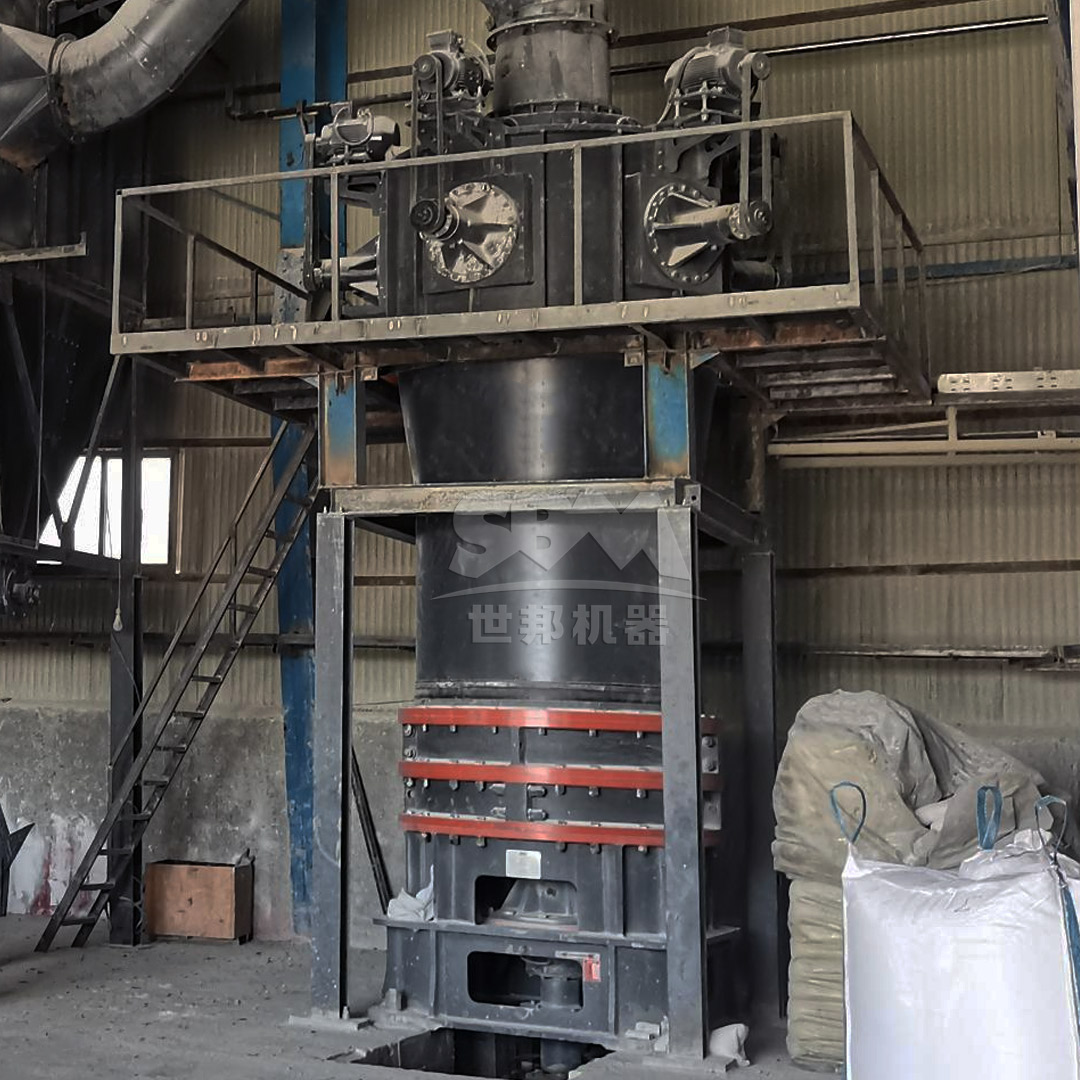
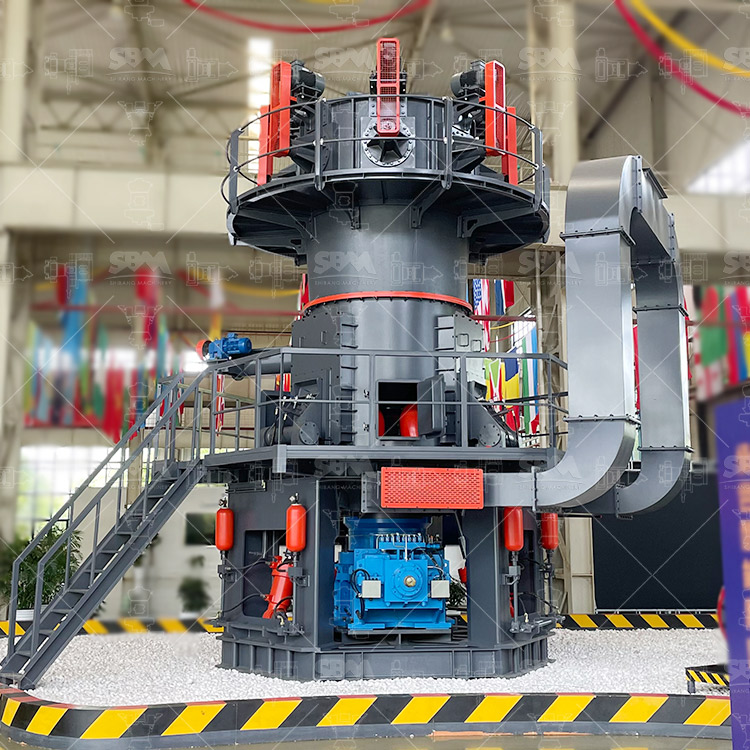
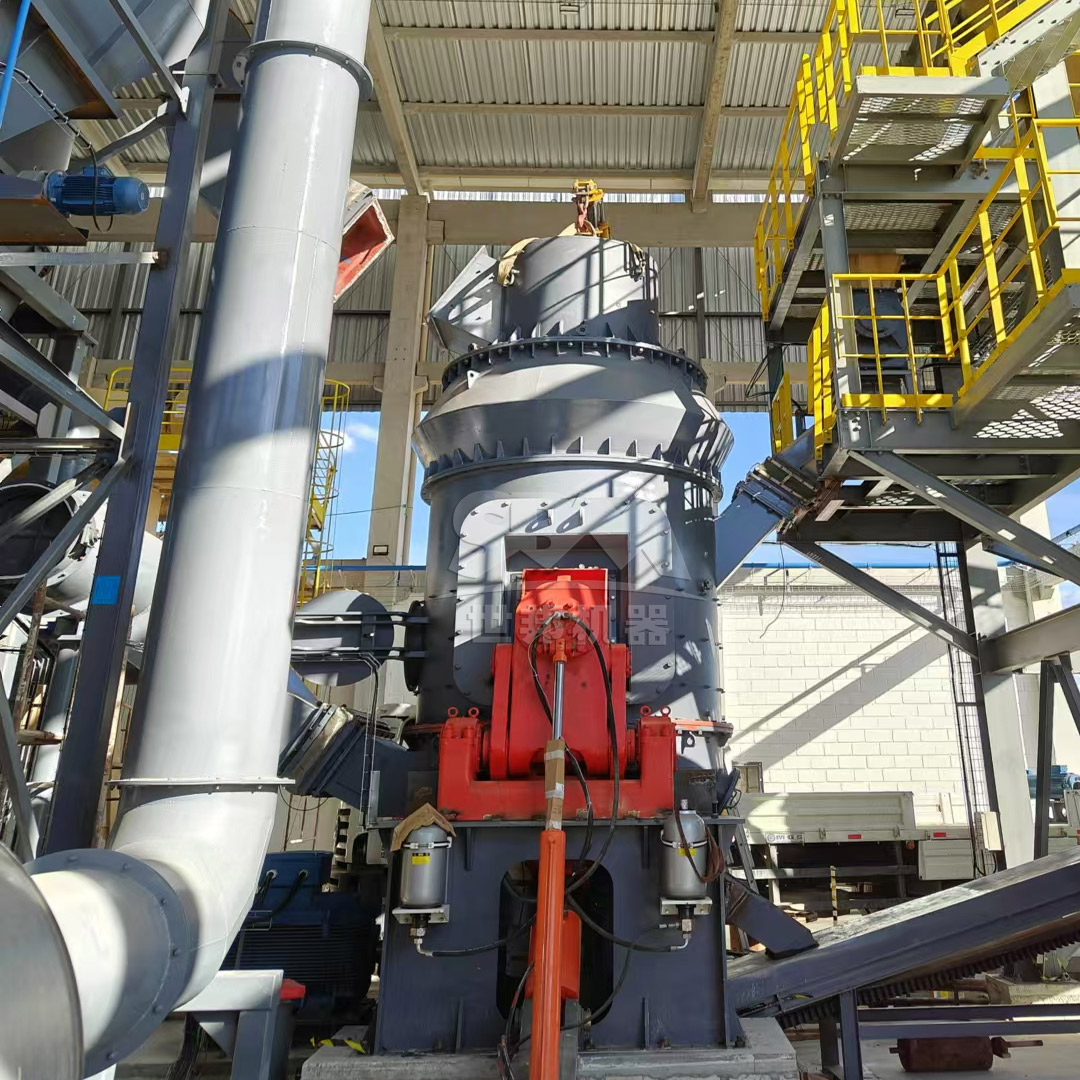
For large-scale production where the target fineness for kaolin is in the range of 30-325 mesh (600-45μm), or as a pre-grinding stage, our LM Series Vertical Roller Mill presents a highly efficient and integrated option. Its advantages include:
A model like the LM190K (Capacity: 23-68 t/h, Fineness: 170-40μm) would be suitable for processing significant volumes of kaolin and other raw materials in a centralized grinding station for white cement production.
A typical process flow incorporating the above equipment recommendations would be:
Producing high-quality white cement is a technology-intensive process where the selection and processing of raw materials like kaolin are decisive. Investing in the right grinding technology is not an operational detail but a strategic choice that impacts product quality, energy consumption, and production cost. Our SCM Series Ultrafine Mill, with its unmatched ability to produce contamination-free, ultra-fine kaolin powder, is specifically engineered to meet the exacting standards of the white cement industry. For larger volume or slightly coarser requirements, the LM Series Vertical Roller Mill offers unparalleled efficiency and integration. By partnering with a knowledgeable equipment supplier and selecting machinery designed for purity and precision, manufacturers can consistently achieve the brilliant whiteness and performance that define premium white cement.