In the modern agricultural industry, fertilizer additives play a crucial role in enhancing nutrient efficiency, improving soil structure, and promoting sustainable crop growth. Among various mineral additives, illite, a non-expanding clay mineral rich in potassium and other trace elements, has gained significant attention. Its application as a soil conditioner and slow-release nutrient carrier requires processing into a fine, uniform powder. This article delves into the technical requirements for grinding illite for fertilizer production and explores advanced milling solutions, with a specific focus on the high-performance equipment offered by our company.
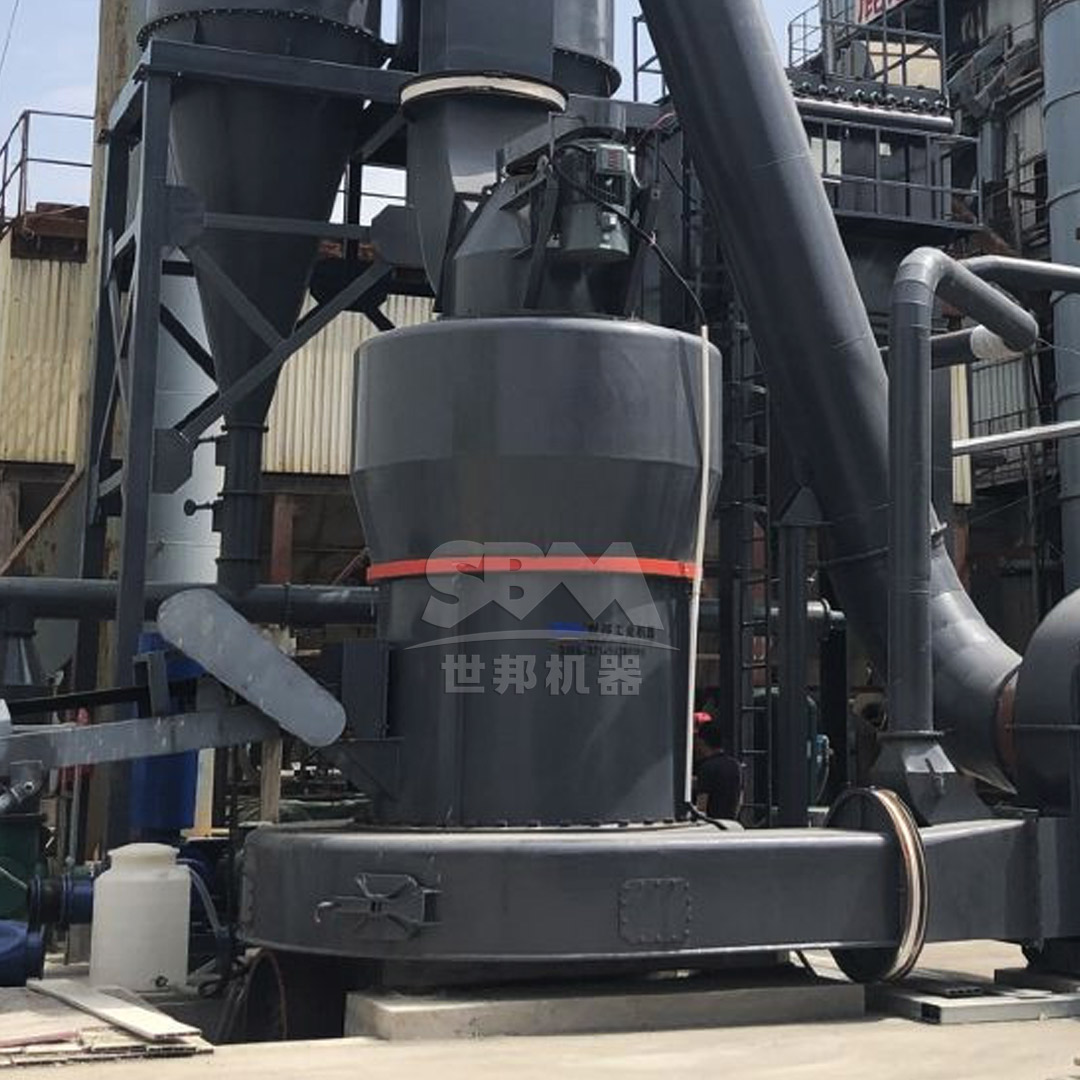
Illite contributes to fertilizers in multiple ways: as a source of slow-release potassium, a carrier for other nutrients, and an agent to improve soil cation exchange capacity (CEC) and water retention. The effectiveness of these functions is highly dependent on the particle size and fineness of the illite powder. Finer particles increase the surface area, leading to more efficient nutrient interaction with soil and plant roots. Typically, for optimal performance as a fertilizer additive, illite needs to be ground to a fineness ranging from 200 mesh (74 μm) for basic soil conditioning to ultrafine levels beyond 800 mesh (18 μm) for high-efficiency nutrient carriers.
Grinding illite presents specific challenges that not all milling equipment can address effectively:
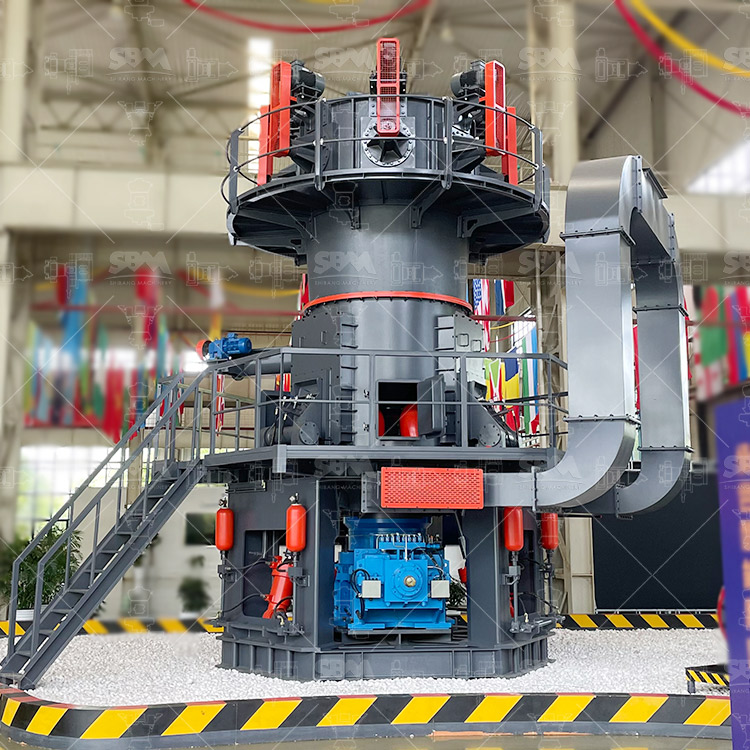
To meet these challenges, specialized grinding mills are required. Our company provides a range of industrial grinding solutions engineered for minerals like illite. Two of our flagship products are particularly well-suited for fertilizer additive production, catering to different fineness and capacity needs.
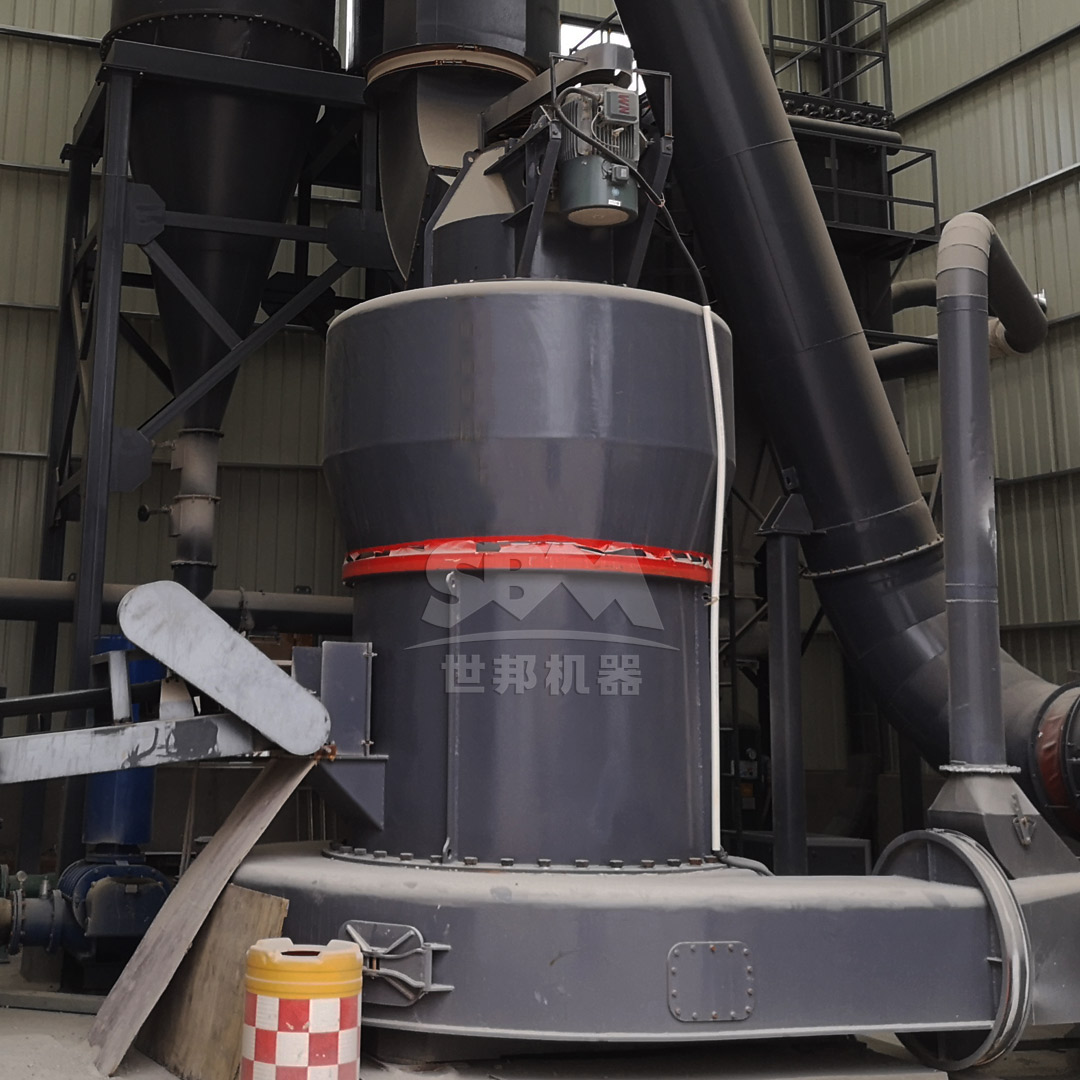
For fertilizer producers requiring large volumes of illite powder in the 30 to 325 mesh range (600-45μm), the MTW Series European Trapezium Mill is an ideal choice. This mill is designed for robustness and efficiency in high-tonnage applications.
| Model | Capacity (t/h) | Output Fineness | Main Power (kW) | Feed Size |
|---|---|---|---|---|
| MTW138Z | 6-17 | 10-325 mesh | 90 | <35mm |
| MTW175G | 9.5-25 | 10-325 mesh | 160 | <40mm |
| MTW215G | 15-45 | 10-325 mesh | 280 | <50mm |
Its technical advantages directly address illite grinding challenges:
For a fertilizer plant aiming to produce bulk illite-based soil conditioners or blend coarse illite powder into NPK formulations, the MTW series offers the perfect blend of durability, capacity, and control.
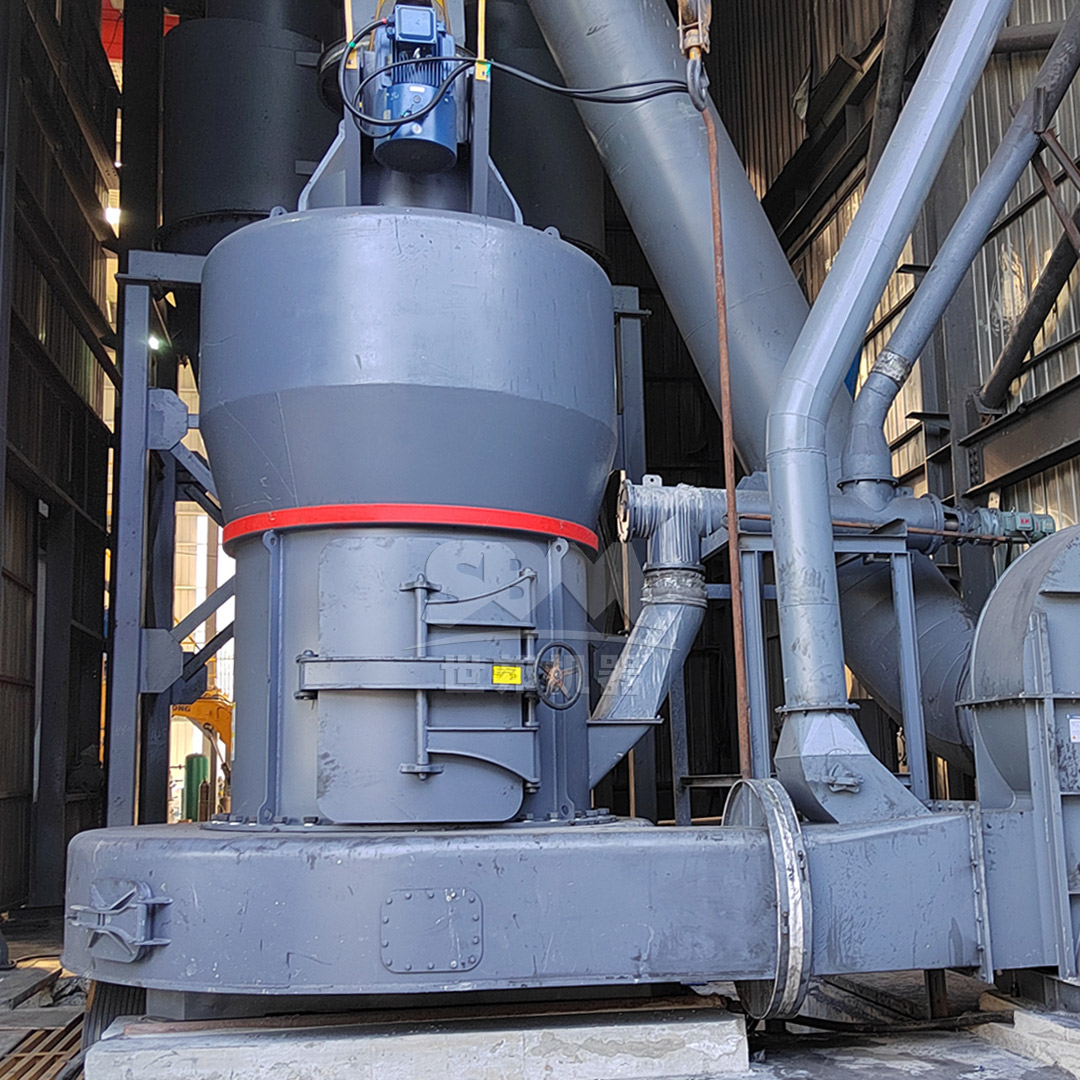
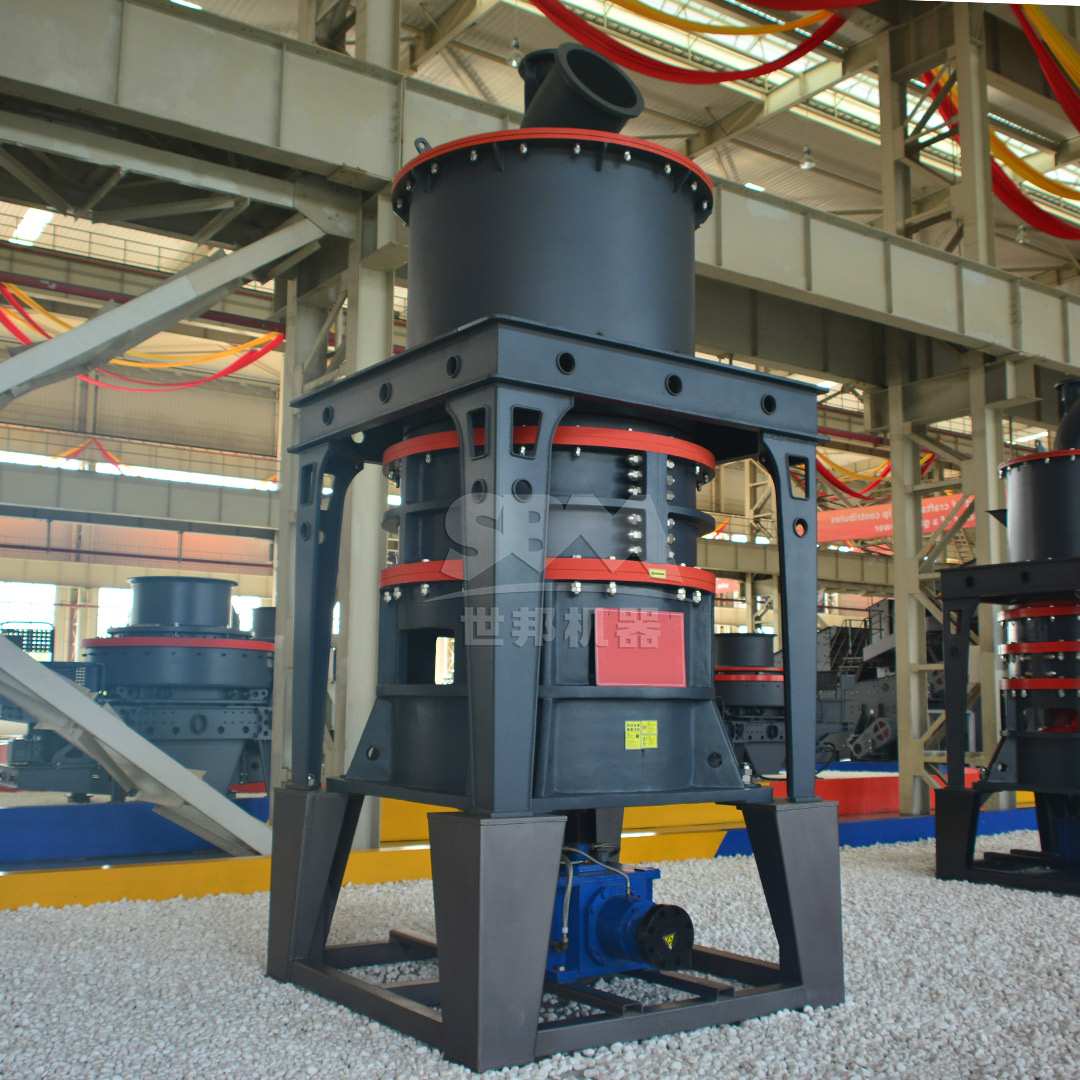
When the application demands ultra-fine illite powder (325-2500 mesh / 45-5μm) for advanced, high-value fertilizer additives—such as those used in foliar sprays or high-efficiency controlled-release formulas—the SCM Series Ultrafine Mill stands out as the superior technology.
| Model | Capacity (t/h) | Output Fineness | Main Power (kW) |
|---|---|---|---|
| SCM800 | 0.5-4.5 | 325-2500 mesh | 75 |
| SCM1000 | 1.0-8.5 | 325-2500 mesh | 132 |
| SCM1680 | 5.0-25 | 325-2500 mesh | 315 |
The SCM mill’s advantages are pivotal for premium illite processing:
The choice between the MTW and SCM series depends on your specific product goals:
The transformation of raw illite clay into a functional fertilizer additive hinges on advanced grinding technology. By understanding the material’s properties and the demands of modern agriculture, producers can select milling equipment that optimizes for fineness, capacity, energy use, and product quality. Our company’s MTW Series European Trapezium Mill and SCM Series Ultrafine Mill represent two pillars of this technological solution, offering fertilizer manufacturers reliable, efficient, and precise pathways to enhance their products’ value and performance. Investing in the right grinding technology is not merely an equipment purchase; it is a strategic decision to build a more effective and sustainable fertilizer production process.