Magnesite, a naturally occurring magnesium carbonate mineral, is a critical raw material for producing high-grade refractory materials, magnesium compounds, and construction products. The quality of magnesite powder used in building materials directly impacts the performance of fireproof boards, floorings, wall panels, and thermal insulation systems. As construction standards continue to rise globally, the demand for ultra-fine, high-purity magnesite powders with consistent particle size distribution has grown exponentially. This article explores the essential equipment and technologies that form the backbone of a modern, high-quality magnesite powder processing line, with a focus on achieving superior fineness, energy efficiency, and environmental compliance.
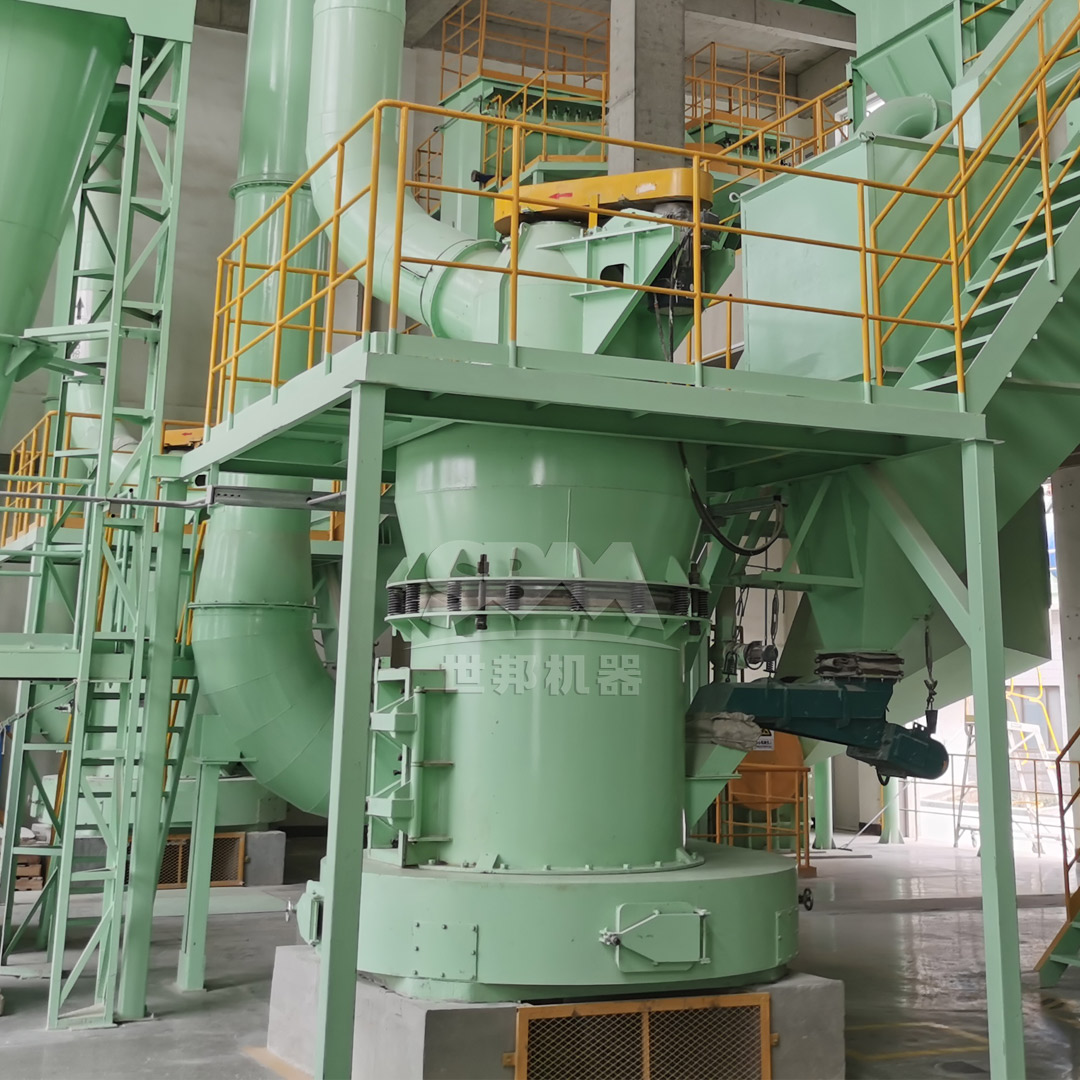
In the construction industry, magnesite powder is a versatile mineral additive. When processed to high fineness (typically exceeding 325 mesh), the material provides excellent binding properties, fire resistance, and chemical stability. Magnesite-based products, such as magnesium oxychloride cement, offer superior adhesion, faster setting times, and enhanced durability compared to traditional materials. However, to unlock these benefits, the raw magnesite must undergo a sophisticated grinding and classification process that eliminates impurities and achieves a tightly controlled particle size distribution. Failure to do so can result in compromised mechanical strength and poor surface finish in the final building product.
Raw magnesite ore typically has a feed size of 20-50mm, with varying hardness and moisture content. The mineral’s abrasiveness requires that all processing equipment be designed with high wear resistance. Furthermore, modern building material standards demand powder fineness ranging from 45μm (325 mesh) for standard applications down to 5μm (2500 mesh) for premium, high-value products like fine-grained fireproof boards and specialized coatings. This diversity in output requirements necessitates a flexible and high-performance production line.
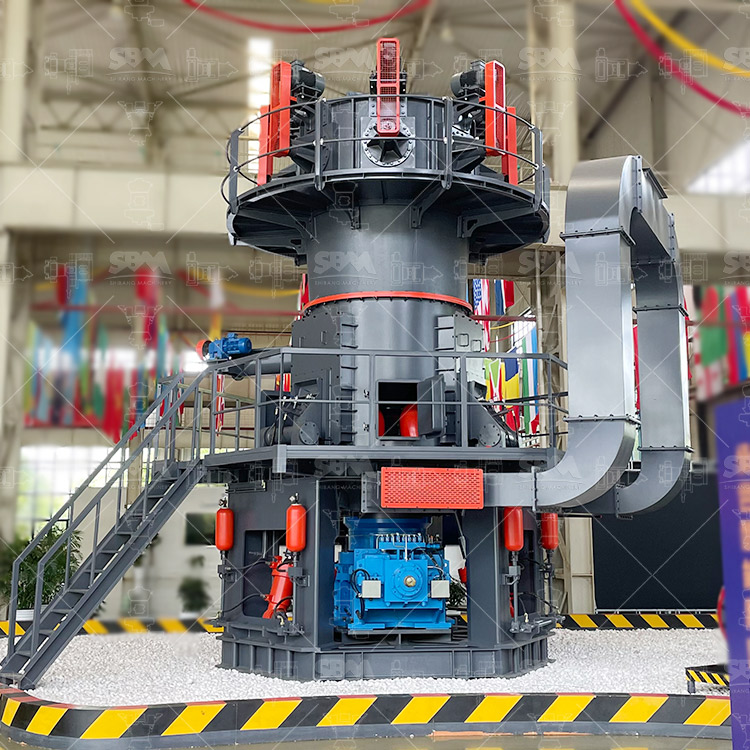
An optimized magnesite powder production line typically integrates crushing, grinding, classifying, and dust collection systems. For building material applications, two primary grinding technologies have proven most effective: roller mills and ultra-fine grinding mills. We at our company offer a comprehensive range of solutions, with the following two machines at the forefront of high-quality magnesite processing.
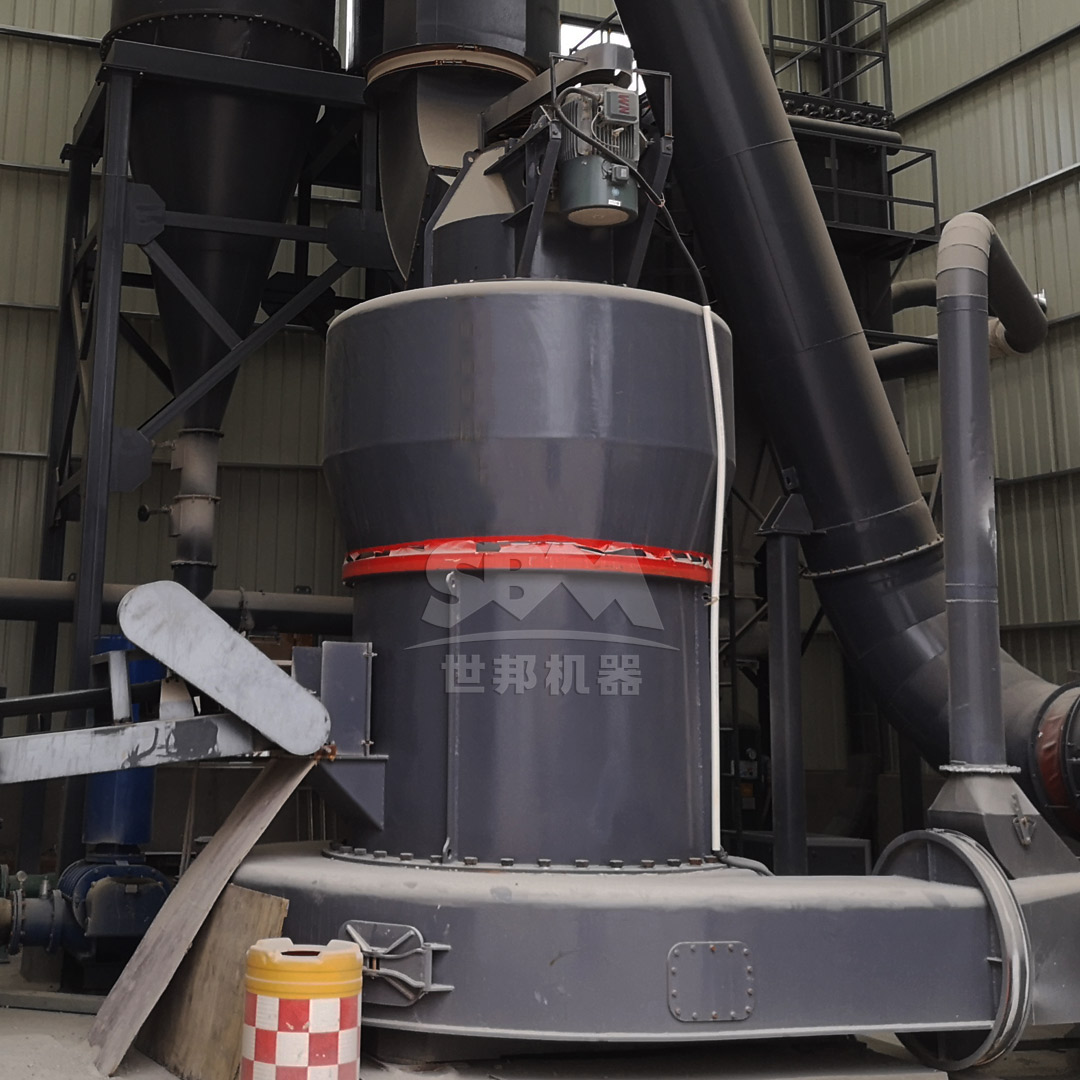
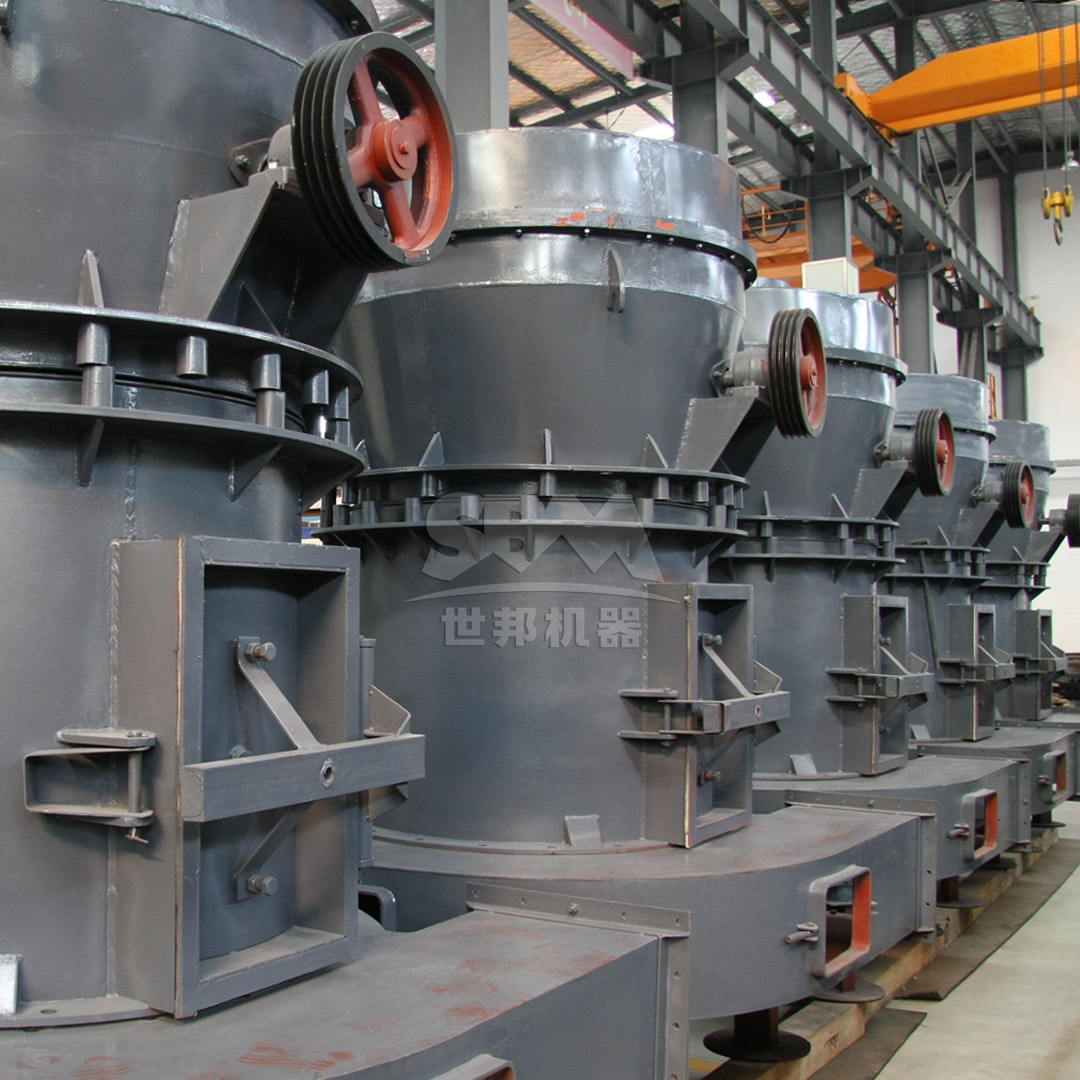
For producers requiring capacities from 3 to 45 tons per hour with output fineness between 30 and 325 mesh (600-45μm), the MTW Series European Trapezium Mill is an industry benchmark. This machine is particularly well-suited for preliminary grinding or for bulk production of magnesite powder destined for standard refractory bricks and common building materials.
Key Processing Advantages:
The working principle involves the main motor driving grinding rollers to revolve around a central axis. As materials are thrown between the ring and rollers by rotating shovels, an efficient material layer forms, enabling extrusion-based crushing that is gentle on machine parts yet effective on the mineral.
| Model | Capacity (t/h) | Main Power (kW) | Feed Size (mm) | Fineness (mesh) |
|---|---|---|---|---|
| MTW110 | 3-9 | 55 | <30 | 10-325 |
| MTW138Z | 6-17 | 90 | <35 | 10-325 |
| MTW175G | 9.5-25 | 160 | <40 | 10-325 |
| MTW215G | 15-45 | 280 | <50 | 10-325 |
We strongly recommend the MTW215G for large-scale magnesite processing lines where consistent throughput and low operational costs are critical.
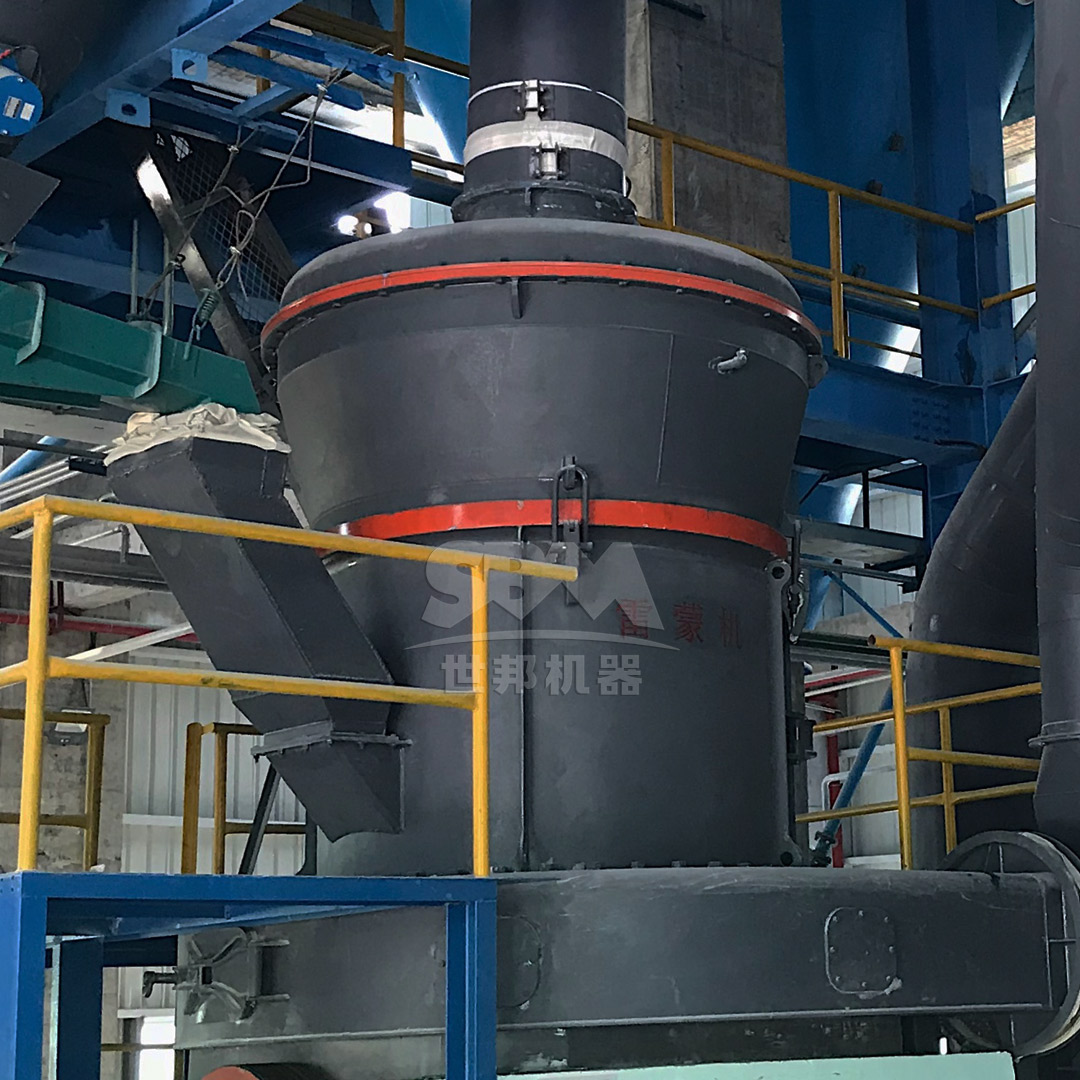
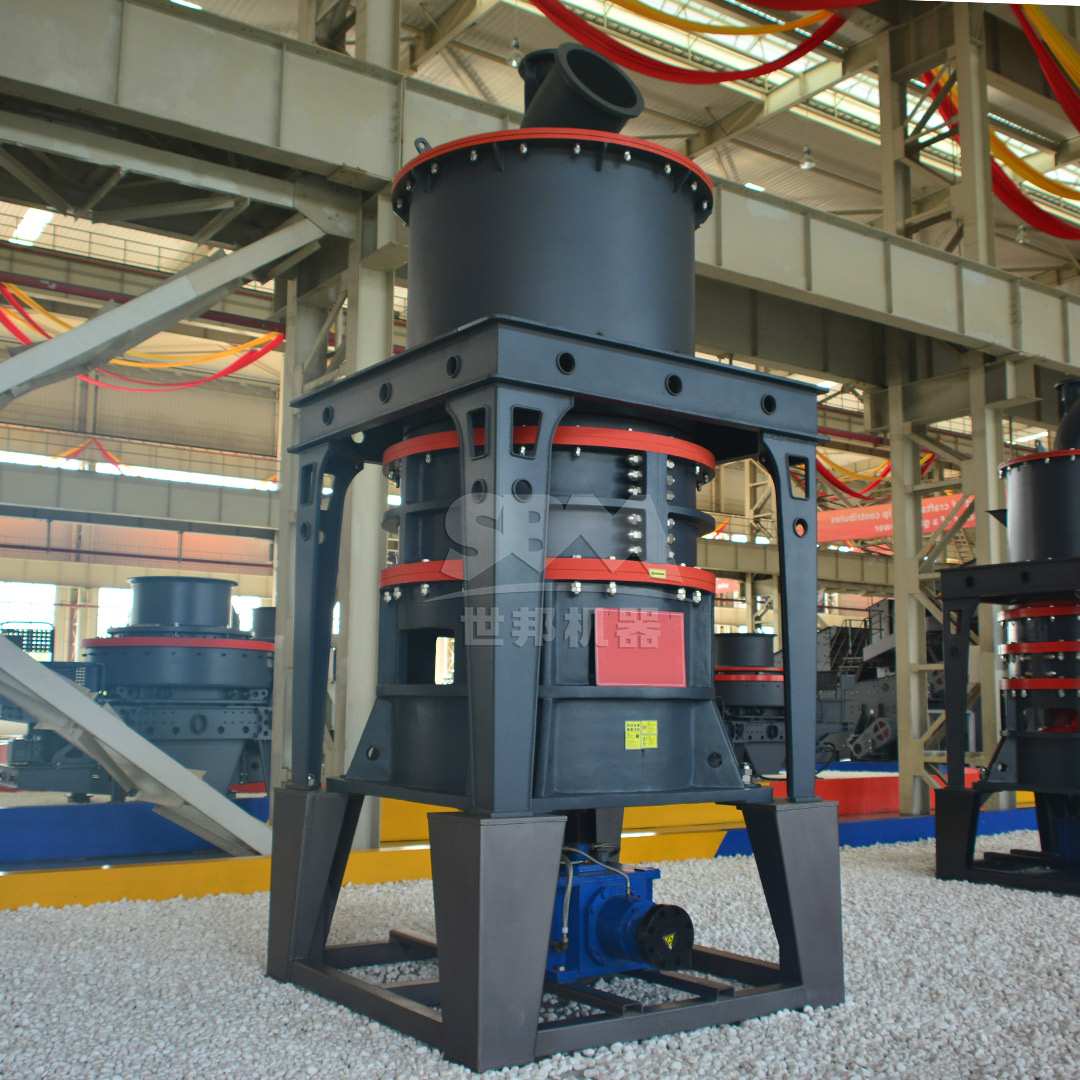
When the application demands ultra-fine magnesite powder (325-2500 mesh, or 45-5μm) for high-end building materials such as premium fire-resistant panels, specialist coatings, or high-strength magnesium cement, the SCM Series Ultrafine Mill provides the necessary precision and efficiency. This machine is designed for the most stringent quality requirements in the industry.
Key Processing Advantages:
The working principle is uniquely robust: the main motor drives three layers of grinding rings to rotate at high speed. Raw magnesite is dispersed by centrifugal force into the grinding path, where it is crushed by roller pressure and ground layer by layer until reaching the desired micro-fineness.
| Model | Capacity (t/h) | Main Power (kW) | Feed Size (mm) | Fineness (mesh) |
|---|---|---|---|---|
| SCM800 | 0.5-4.5 | 75 | 0-20 | 325-2500 |
| SCM1000 | 1.0-8.5 | 132 | 0-20 | 325-2500 |
| SCM1250 | 2.5-14 | 185 | 0-20 | 325-2500 |
| SCM1680 | 5.0-25 | 315 | 0-20 | 325-2500 |
For clients focusing on high-value building material applications requiring sub-micron fineness, the SCM1680 model is our flagship recommendation. It offers the largest capacity (up to 25 t/h) while maintaining the strictest particle size standards demanded by the premium construction market.
Beyond the main grinding mill, a successful magnesite powder line requires robust auxiliary systems:
Magnesite processing generates fine dust. Modern building material plants must adopt negative pressure systems and high-efficiency pulse dust collectors. Our equipment integrates these systems to ensure that dust emissions are not only compliant with local laws but also protect the health of workers and the purity of the final product.
The presence of a high-performance dynamic classifier is non-negotiable. As detailed in our SCM and MTW series, the ability to precisely separate coarse from fine particles ensures that the final building material has consistent reactivity and density. This eliminates quality variations that can lead to structural failures in construction applications.
The production of building material grade magnesite powder is a technical challenge that demands advanced engineering. From the robust, high-capacity MTW European Trapezium Mill to the ultra-precise SCM Ultrafine Mill, selecting the right equipment defines the quality of the final product. By investing in machines with intelligent control, durable design, and high-efficiency classification, manufacturers can produce the consistent, high-performance magnesite powder required for modern, sustainable construction. Our company remains committed to providing these key machines, backed by decades of innovation and onsite support, to help our partners succeed in the global building materials market.
To summarize, for a typical building material grade magnesite powder project aiming for 325 mesh (45μm) output at 15-25 t/h, a two-stage configuration is ideal: an MTW Series mill for base production, or a single-line SCM Series mill for ultra-fine requirements. We advise conducting a material test with our engineering team to determine the optimal model and configuration for your specific raw ore characteristics.