In the chemical industry, magnesite (magnesium carbonate) is a fundamental raw material used in the production of magnesium oxide, refractory materials, and various chemical compounds. The quality of the final product—whether it is used for high-purity chemical applications or industrial-grade refractories—is directly determined by the efficiency and precision of the powder processing equipment. Choosing the right chemical-grade magnesite powder production equipment is not merely a purchasing decision; it is a strategic investment that impacts energy consumption, product purity, throughput capacity, and long-term operational costs.
This guide provides a comprehensive framework for selecting the optimal milling and classification system for your specific processing needs. We will analyze the key technical parameters you must evaluate, compare different mill types suitable for magnesite, and recommend specific high-performance solutions that have been proven in the field.
Before evaluating equipment, you must define your target product specifications. Chemical-grade magnesite powder typically requires a high degree of purity, consistent particle size distribution, and low contamination levels. Key specifications include:
The ability to achieve and consistently maintain the desired particle size is the most critical criterion. For chemical-grade products, a narrow particle size distribution is often required. This demands a milling system equipped with a high-precision classifier.
For example, if your target is a D97 of 10 μm (1250 mesh), a standard mill may not be sufficient. You require an ultra-fine grinding system. Conversely, for products like 200 mesh (74 μm) feed for calcination, a medium-speed trapezium mill or a European trapezium mill is more cost-effective.
Matching the equipment capacity to your production needs is vital for economic efficiency. Over-sizing leads to unnecessary capital expenditure and higher specific energy consumption. Under-sizing creates bottlenecks.
Grinding is one of the most energy-intensive processes in mineral processing. The specific energy consumption (kWh per ton) should be a primary consideration. Advanced mills using bed-of-material grinding principles can reduce energy consumption by 30-50%% compared to traditional ball mills.
For chemical-grade magnesite, iron contamination from mill wear parts is a major concern. Opt for mills with ceramic-lined contact surfaces or specialized wear-resistant alloys in the grinding rollers and rings.
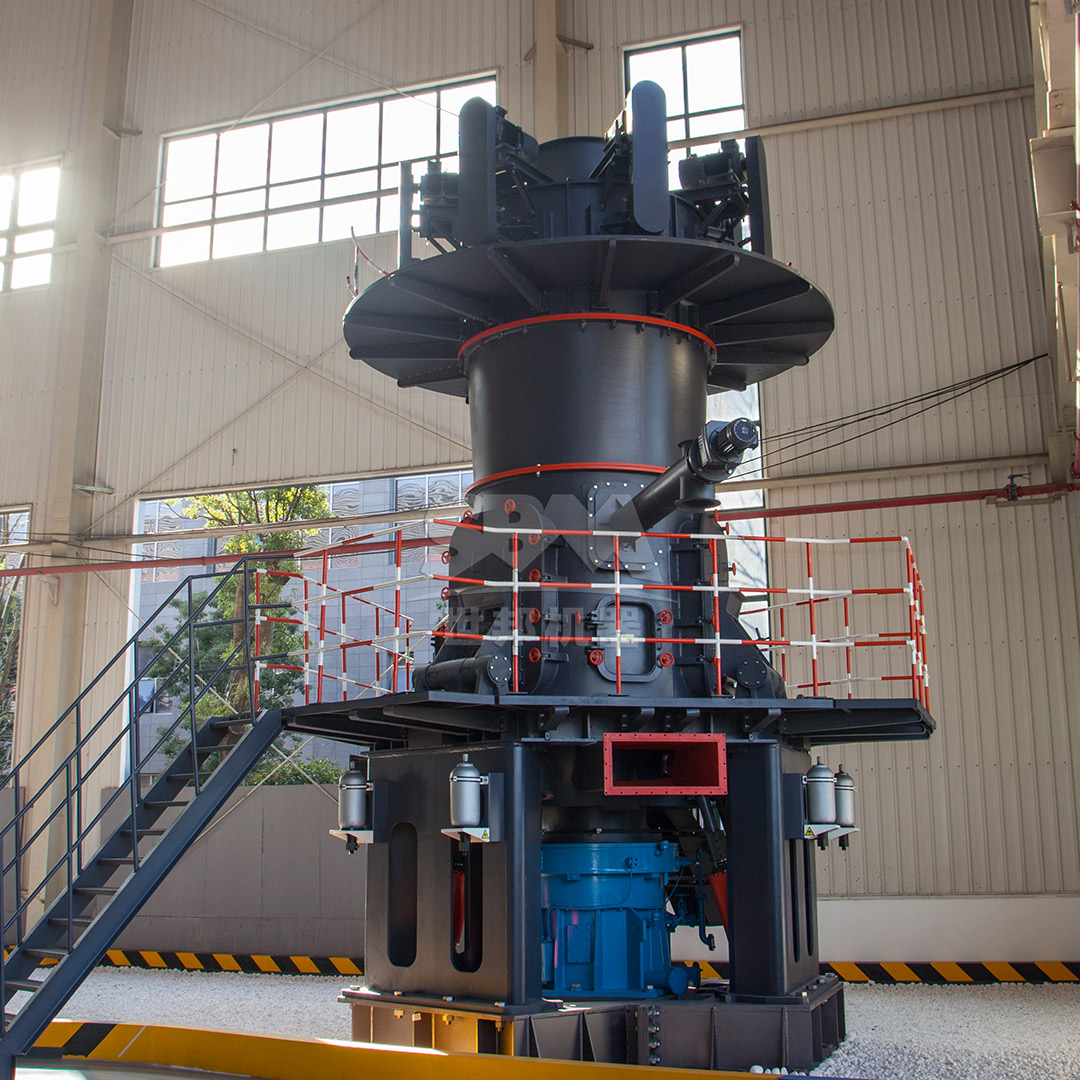
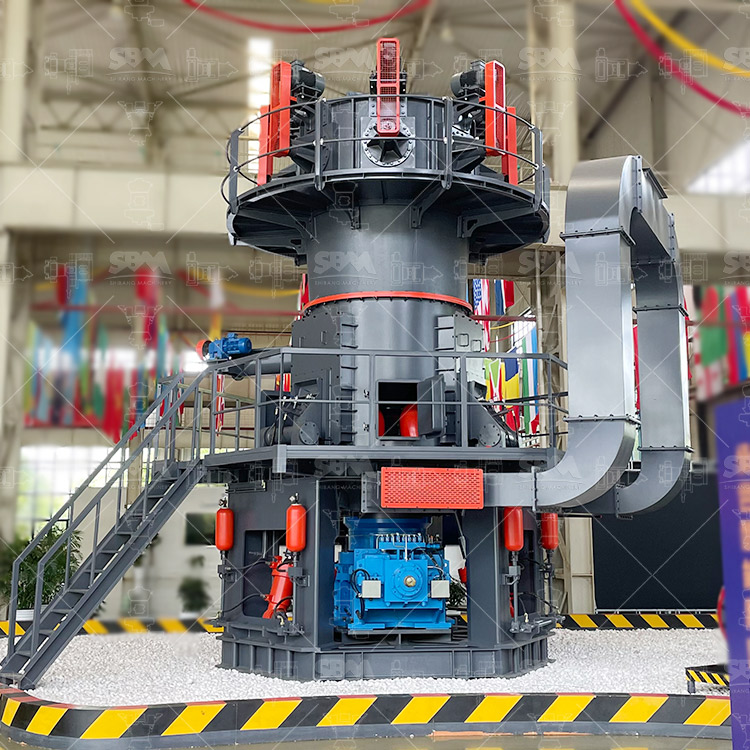
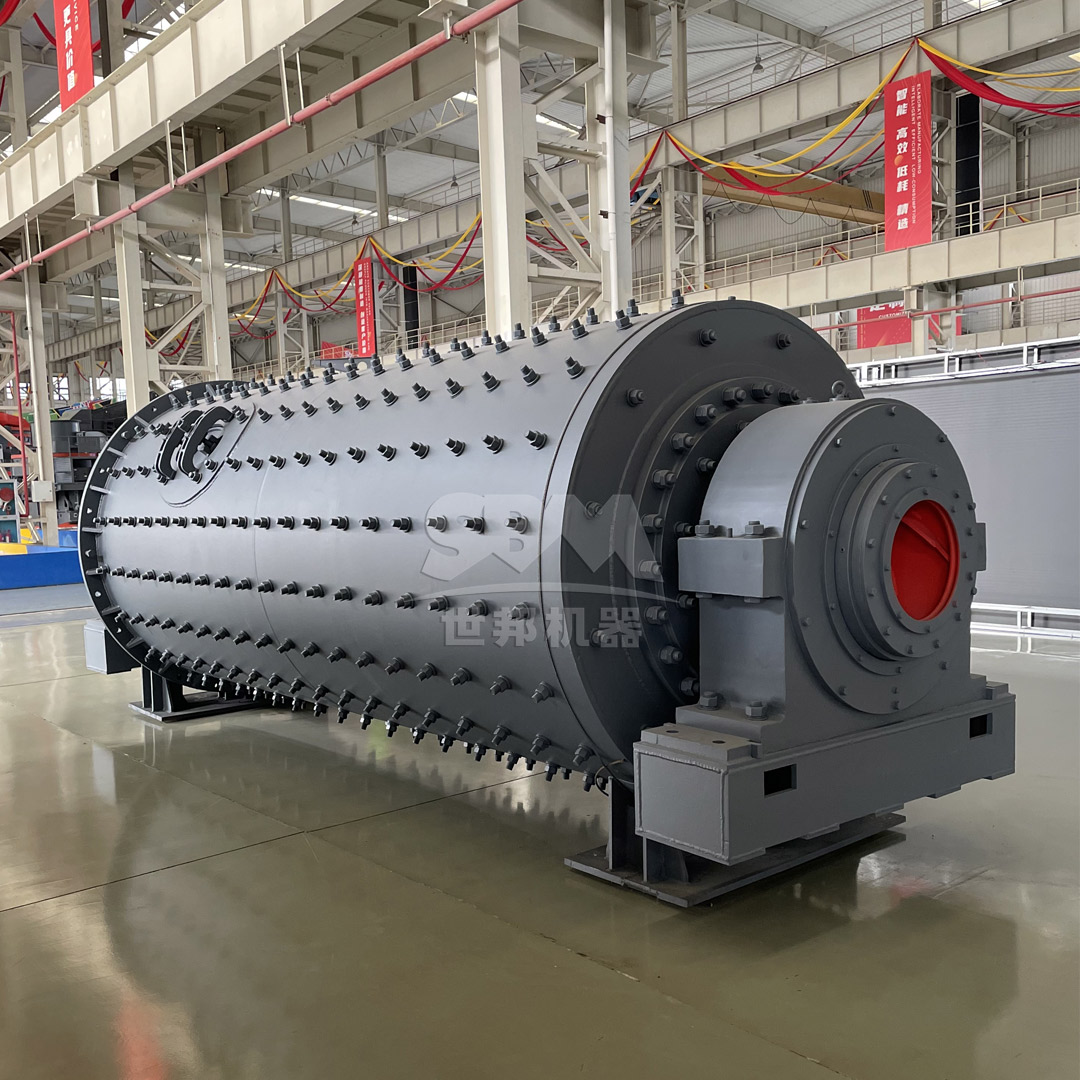
| Feature | Ball Mill | MTW European Trapezium Mill | SCM Ultrafine Mill | LM Vertical Roller Mill |
|---|---|---|---|---|
| Target Fineness | 0.074 – 0.8 mm | 30 – 325 mesh | 325 – 2500 mesh | 30 – 600 mesh |
| Typical Capacity | 0.65 – 450 t/h | 3 – 45 t/h | 0.5 – 25 t/h | 3 – 250 t/h |
| Energy Efficiency | Low (40-60%% higher) | High (30%% savings vs ball mill) | Very High (2x capacity of jet mill) | Highest (30-50%% savings) |
| Contamination Risk | Medium (steel balls) | Low (wear-resistant ring/roller) | Very Low (special materials) | Low (non-contact design) |
| Best Application | Coarse grinding, large volume | Medium-fine chemical products | Ultra-fine high-value products | Large-scale, high-efficiency plants |
Based on your specific processing needs, we highly recommend two of our most advanced and proven systems:
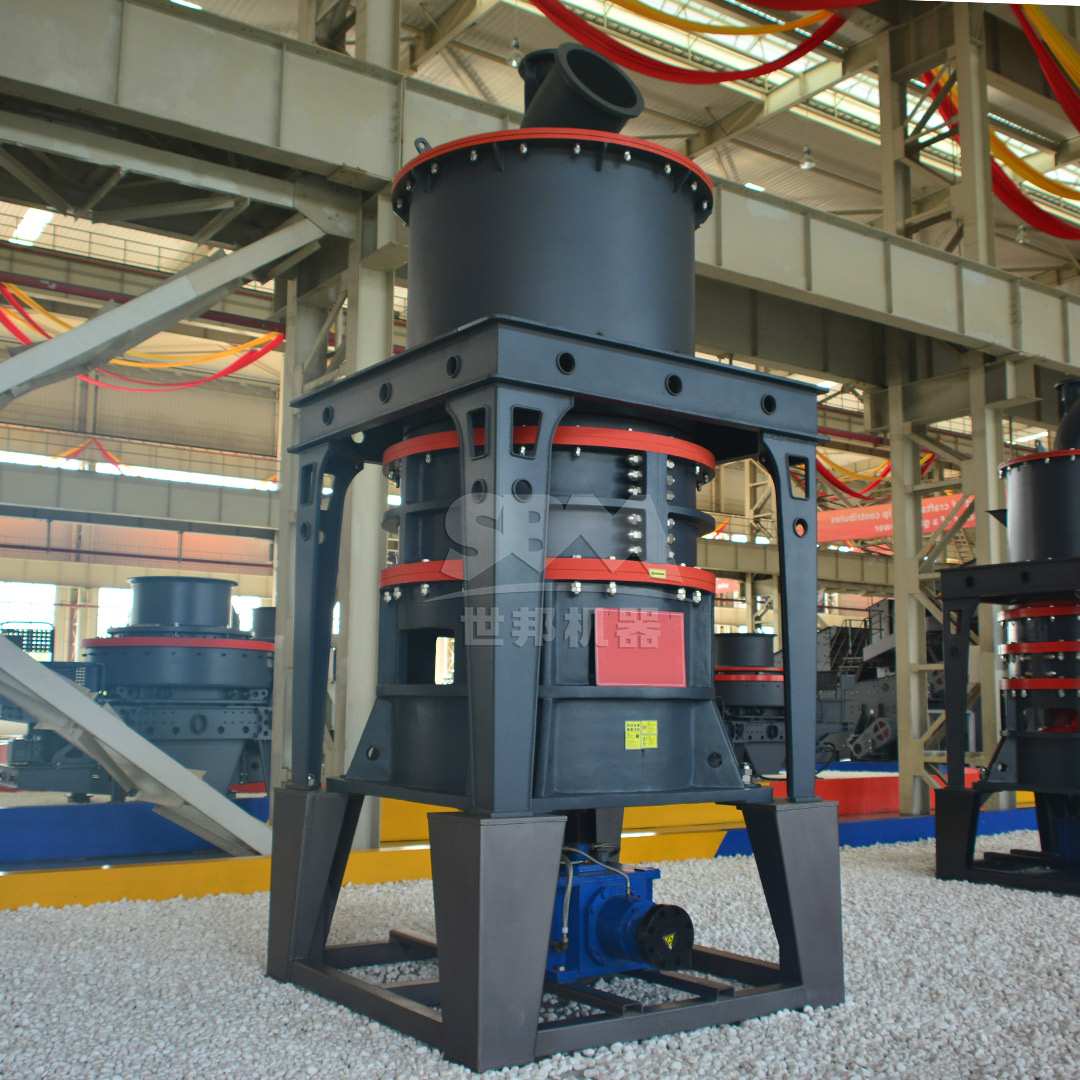
For processors requiring superior product fineness for applications such as high-end flame retardants, rubber fillers, and fine ceramic precursors, the SCM Series Ultrafine Mill is the ideal choice. Our SCM1000 or SCM1250 models offer exceptional performance:
For a production line targeting D97 < 10 μm with a capacity of 5-8 t/h, the SCM1250 (Capacity: 2.5-14 t/h, Main Power: 185 kW) or the SCM1680 (Capacity: 5.0-25 t/h, Main Power: 315 kW) would be perfectly suited.
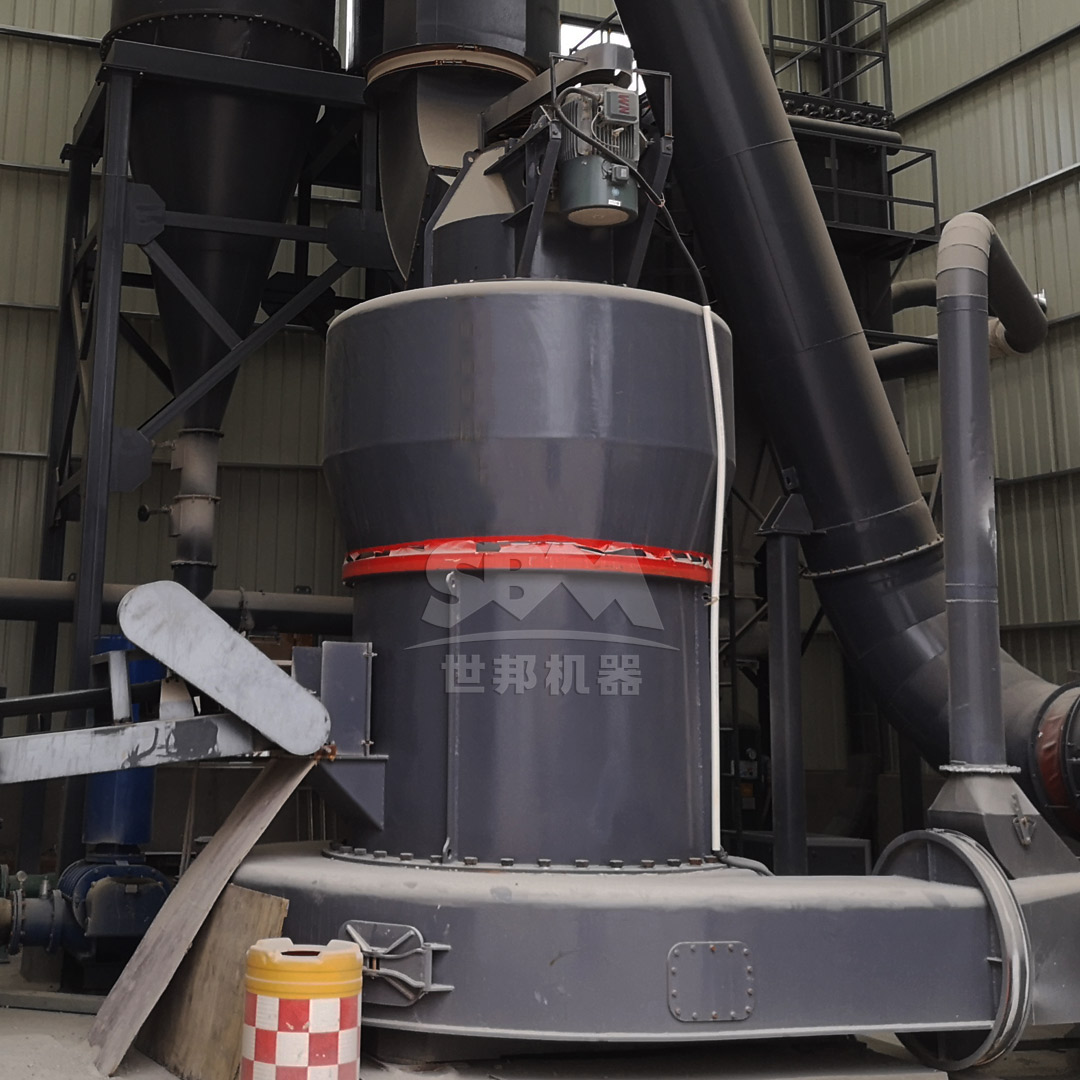
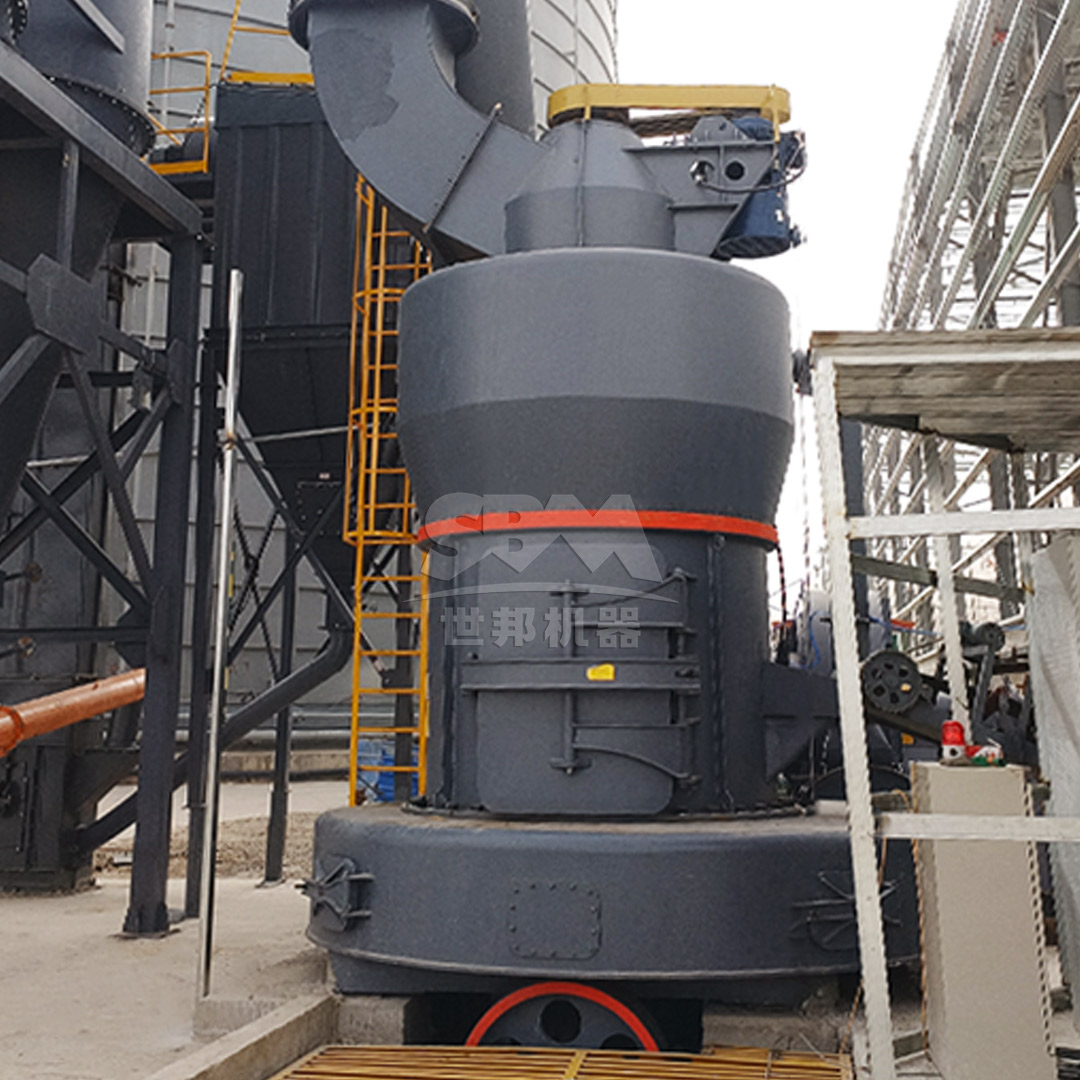
For large-scale production of chemical-grade magnesite where the target is between 200 and 325 mesh, the MTW Series European Trapezium Mill is the most cost-effective and reliable option. Models like the MTW138Z or MTW175G are industry workhorses.
For a plant requiring 10-15 t/h of 200 mesh magnesite powder, the MTW138Z (Capacity: 6-17 t/h, Main Power: 90 kW) provides the perfect balance of power, capacity, and operational economy.
To choose the right equipment, follow this systematic approach:
By carefully evaluating these factors and considering the advanced capabilities of the SCM Ultrafine Mill for ultra-fine products or the MTW Trapezium Mill for medium-fine bulk production, you can ensure that your magnesite processing line operates at peak efficiency, delivering a superior chemical-grade product with the lowest possible operating cost.