Calcite, a naturally occurring calcium carbonate (CaCO₃) mineral, is one of the most widely used industrial minerals in the world. When ground to a fine powder, particularly to 325 mesh (44 microns), it becomes a critical raw material in industries ranging from plastics and paints to construction and agriculture. The production of 325 mesh calcite powder requires a specific set of machinery that can efficiently break down raw calcite rocks, precisely classify the output, and ensure consistent particle size distribution. This article provides a comprehensive guide to the equipment necessary for this process, highlighting key technical considerations for plant operators and investors.
The journey from quarried calcite stone to a market-ready 325 mesh powder is a multi-stage process involving crushing, grinding, classification, and collection. Choosing the right equipment not only affects the final product quality but also determines the operational efficiency, energy consumption, and long-term profitability of the plant.
Before fine grinding can occur, large calcite rocks must be reduced to a manageable size. The feed size for most fine grinding mills is typically less than 20-50 mm. Therefore, a primary crushing stage is essential.
The most common primary crusher for calcite is the jaw crusher. It uses a fixed jaw and a moving jaw to compress and crush the rock. Its robust design makes it suitable for handling hard and abrasive materials. For a calcite plant, a small to medium-sized jaw crusher (e.g., PE series) with a feed opening of at least 400x600mm is usually sufficient to reduce 300-500mm rocks down to 50-100mm.
For operations requiring a finer feed, a hammer crusher can be used as a secondary crusher. As described in our product line, the hammer mill can reduce material from 0-40mm down to 0-3mm, which is ideal for feeding directly into ultra-fine grinding mills. This two-stage crushing setup ensures that the grinding mill receives a consistent and appropriately sized feed, maximizing its throughput and lifespan.
This is the most critical step. The choice of grinding mill determines the fineness, capacity, and energy efficiency of the entire line. For producing 325 mesh calcite powder (45 microns), several mill technologies are viable, but they are not all equal in performance.
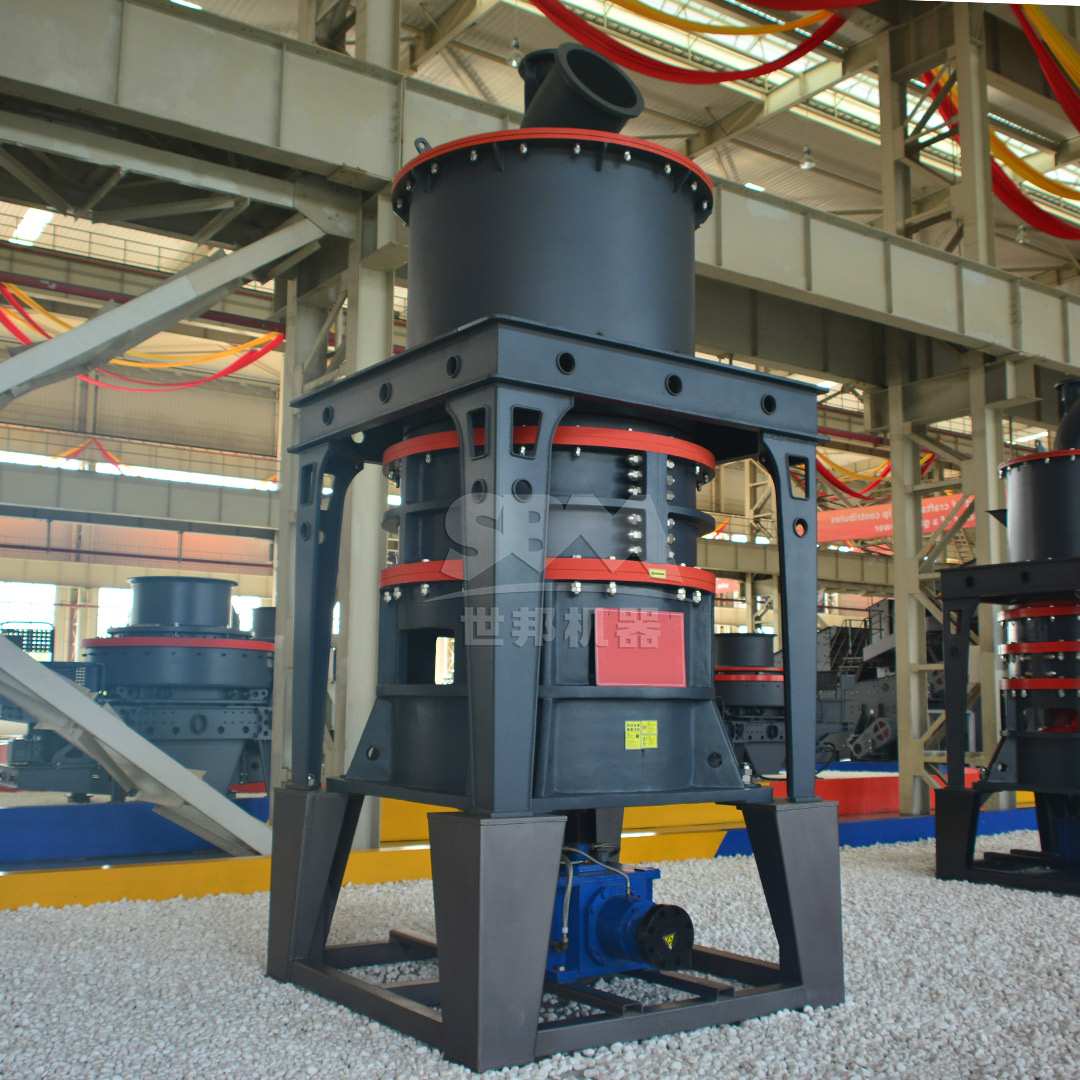
To achieve the precise cut of 325 mesh with high efficiency and low energy consumption, an ultra-fine grinding mill is recommended. Our SCM Series Ultrafine Mill is specifically designed for this fineness range (325-2500 mesh). Its core advantage lies in its vertical turbine classifier, which provides extremely precise particle size cutting, ensuring no coarse powder mixing and a uniformly finished product. This machine embodies a ‘high-efficiency and energy-saving’ design, with a capacity double that of traditional jet mills while consuming 30% less energy.
The SCM series operates on a unique principle where the main motor drives three layers of grinding rings. Materials are crushed by the pressure between the rollers and the grinding ring, layer by layer. The intelligent control system automatically adjusts parameters based on the feedback of finished product granularity, making it a ‘smart’ solution for continuous production.
| Model | Capacity (t/h) | Main Power (kW) | Fineness (Mesh) |
|---|---|---|---|
| SCM800 | 0.5-4.5 | 75 | 325-2500 |
| SCM900 | 0.8-6.5 | 90 | 325-2500 |
| SCM1000 | 1.0-8.5 | 132 | 325-2500 |
| SCM1250 | 2.5-14 | 185 | 325-2500 |
| SCM1680 | 5.0-25 | 315 | 325-2500 |
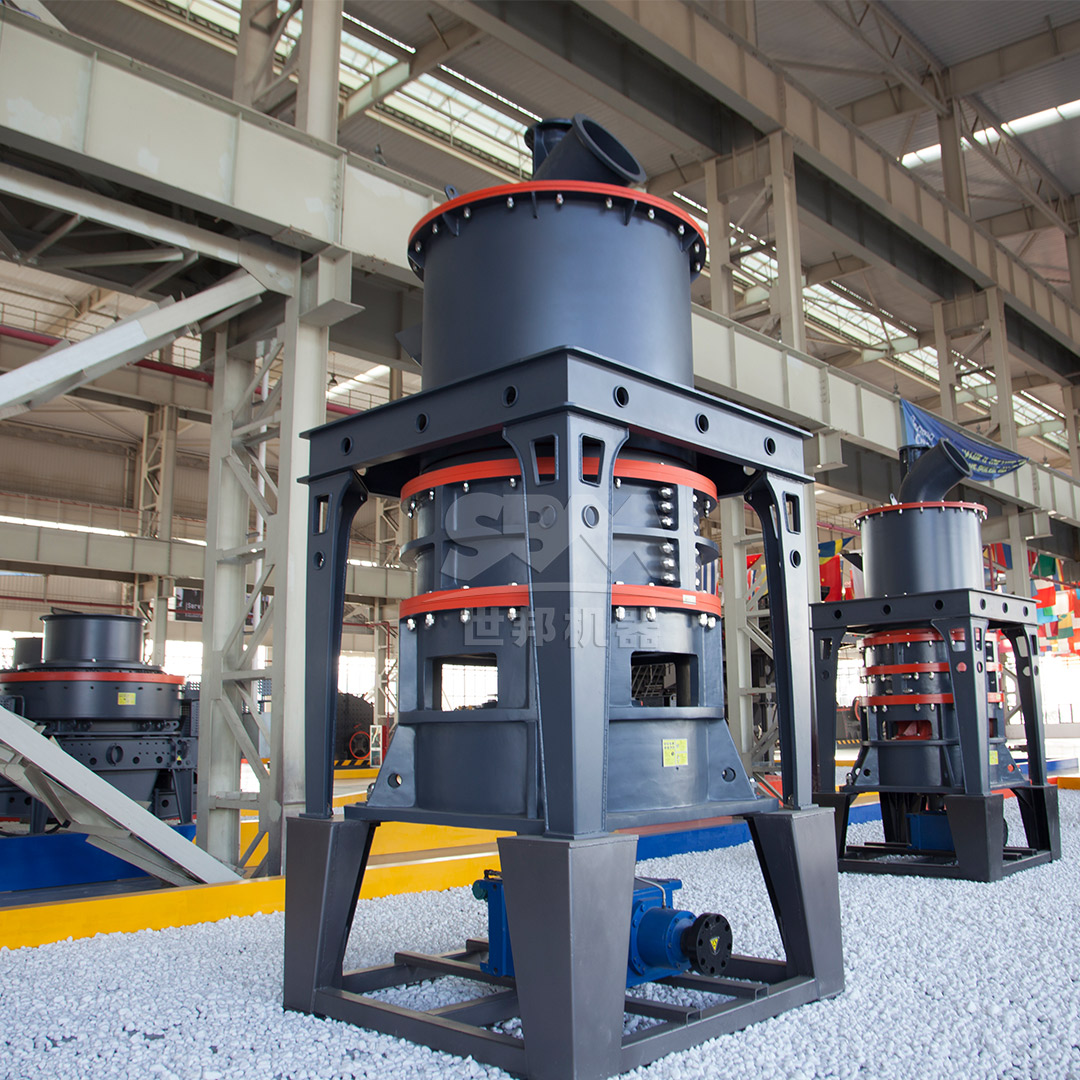
For superior performance in producing 325 mesh calcite powder, we highly recommend the SCM1250 model. With a capacity of up to 14 t/h and a main power of 185kW, it is the workhorse for medium-to-large-scale operations. Its intelligent control and durable roller design, using special wear-resistant materials, ensure long service life and stable operation, making it a top-tier investment.
For operations that also need flexibility to produce coarser powders (e.g., 100-200 mesh) or have higher moisture content in the feed, alternative mills exist.
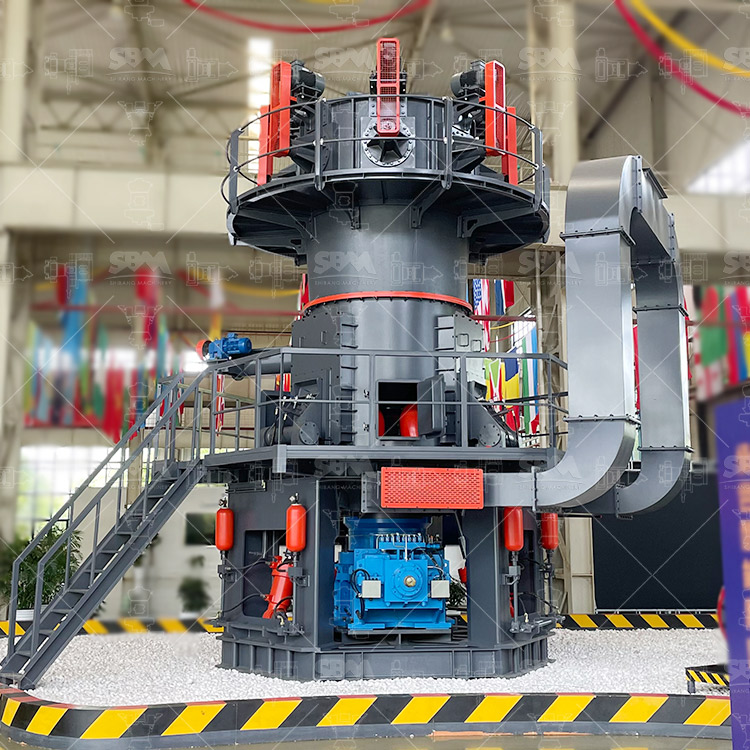
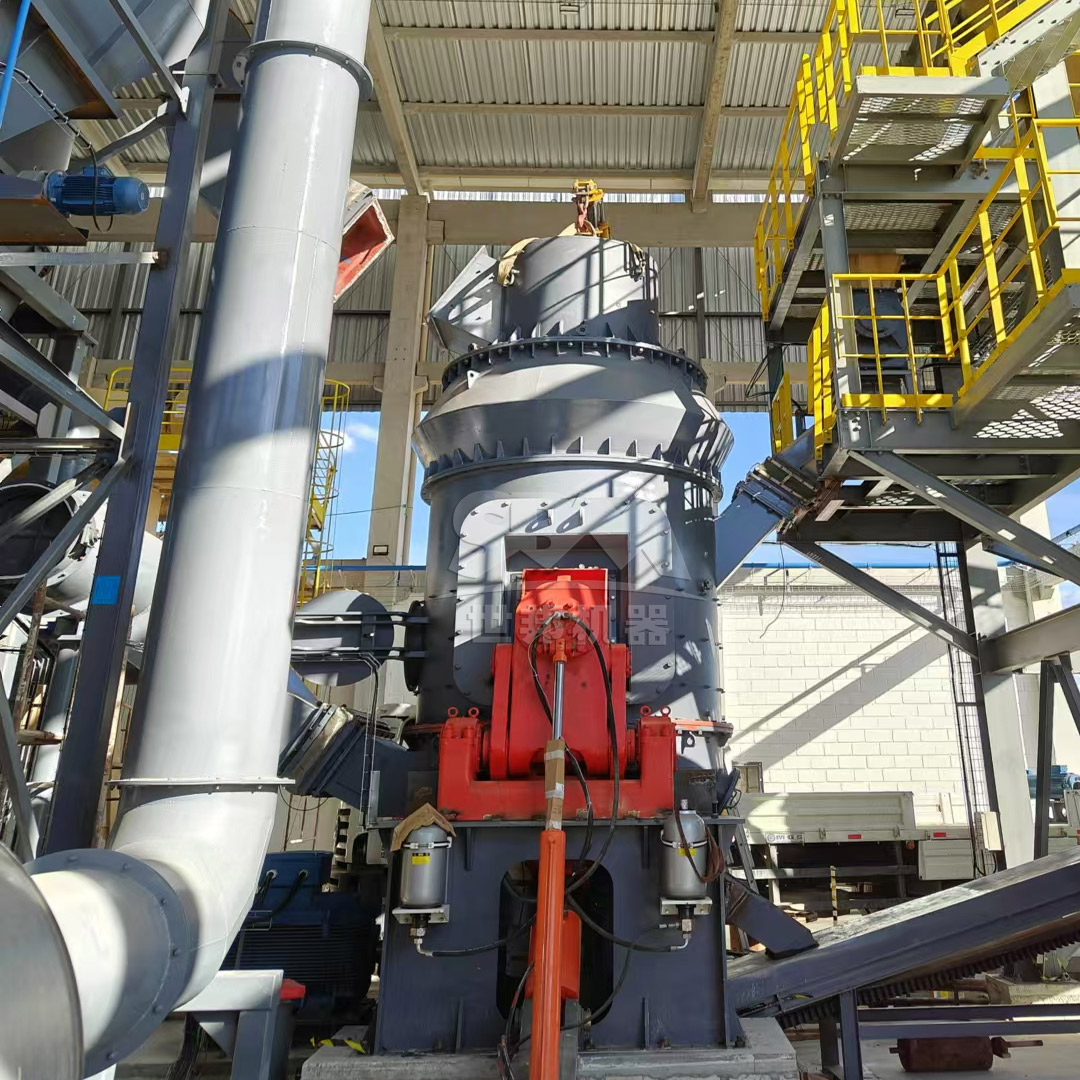
The MTW Series European Trapezium Mill is an excellent choice for grinding calcite to 325 mesh. It features a bevel gear integral drive system with 98% transmission efficiency, reducing energy loss. It also uses an optimized arc air duct to improve air selection efficiency. With anti-wear shovel designs, it is robust for continuous use. While it can produce 325 mesh, its sweet spot is often in the 80-400 mesh range, making it versatile for plants producing multiple grades.
Another robust alternative is the MRN Pendulum Mill. This mill features a thin oil lubrication system and a high-efficiency pulse dust collector. Its structure is designed for high capacity, with some models reaching up to 83 TPH. The MRN series is particularly noted for its scientific configuration that isolates the cyclone and uses square pipes to reduce system resistance. It is a powerful choice for large-scale, continuous operation where reliability is paramount.
While many modern mills have integrated classifiers, the quality of the classifier is paramount for 325 mesh production. The goal is to achieve a D97 of 45 microns (325 mesh) with minimal oversize particles.
Both the SCM and MTW mills use high-precision vertical turbine classifiers. These classifiers use a rotating impeller to create a centrifugal force that throws coarse particles back to the grinding zone while allowing fine particles to pass through. The rotational speed of the classifier is adjustable, allowing for precise control of the final fineness. For the SCM series, the ‘no coarse powder mixing’ feature is a direct result of superior classifier design.
Several other machines are indispensable for a complete calcite powder plant.
A vibrating feeder (e.g., GZ series) ensures a constant and controlled flow of material into the grinding mill. This prevents overloading and maintains consistent grinding pressure.
These transport crushed calcite from the primary crusher to the storage bin or directly to the mill feed port. They are essential for automating the material flow.
Calcite grinding generates a significant amount of fine dust. An efficient pulse jet dust collector is mandatory. It captures the fine powder from the air stream, ensuring environmental compliance and product recovery. Our systems use pulse dust collection technology that exceeds international emission standards, creating an eco-friendly and low-noise working environment.
Finally, the collected 325 mesh powder needs to be stored in a silo and then packed into bags (usually 25kg or 1-ton jumbo bags) using an automatic packing machine.
Based on our extensive experience, we recommend the following configuration for a medium-scale plant (5-10 t/h of 325 mesh calcite powder):
This configuration ensures high energy efficiency, precise classification, and low operating costs. For large-scale projects up to 25 t/h, the SCM1680 model is the ultimate choice, providing unmatched capacity while maintaining the high-quality 325 mesh fineness.
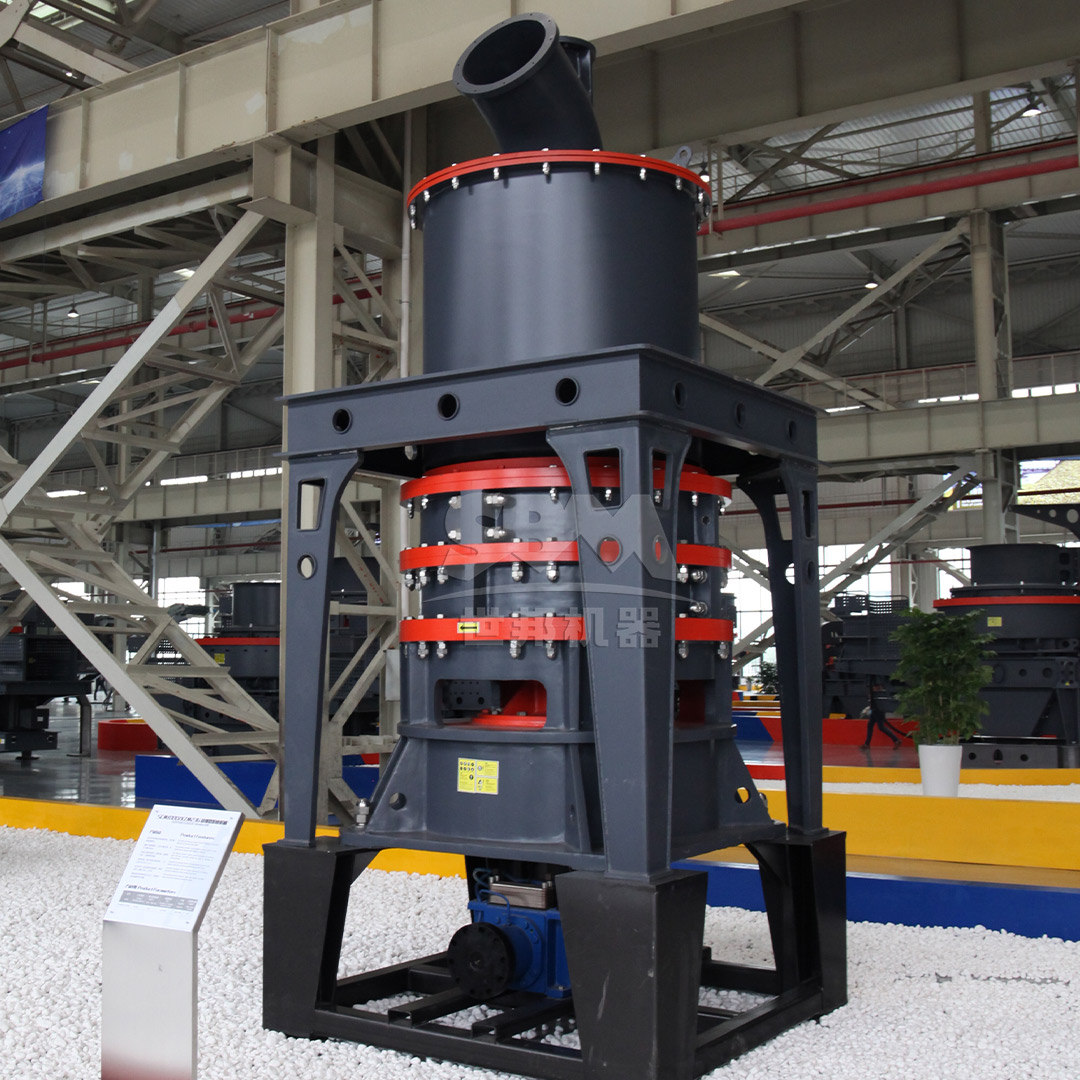
Producing 325 mesh calcite powder requires more than just a single machine; it requires a carefully orchestrated system. From primary crushing to final classification, every piece of equipment plays a role. The central decision, however, lies in the selection of the grinding mill.
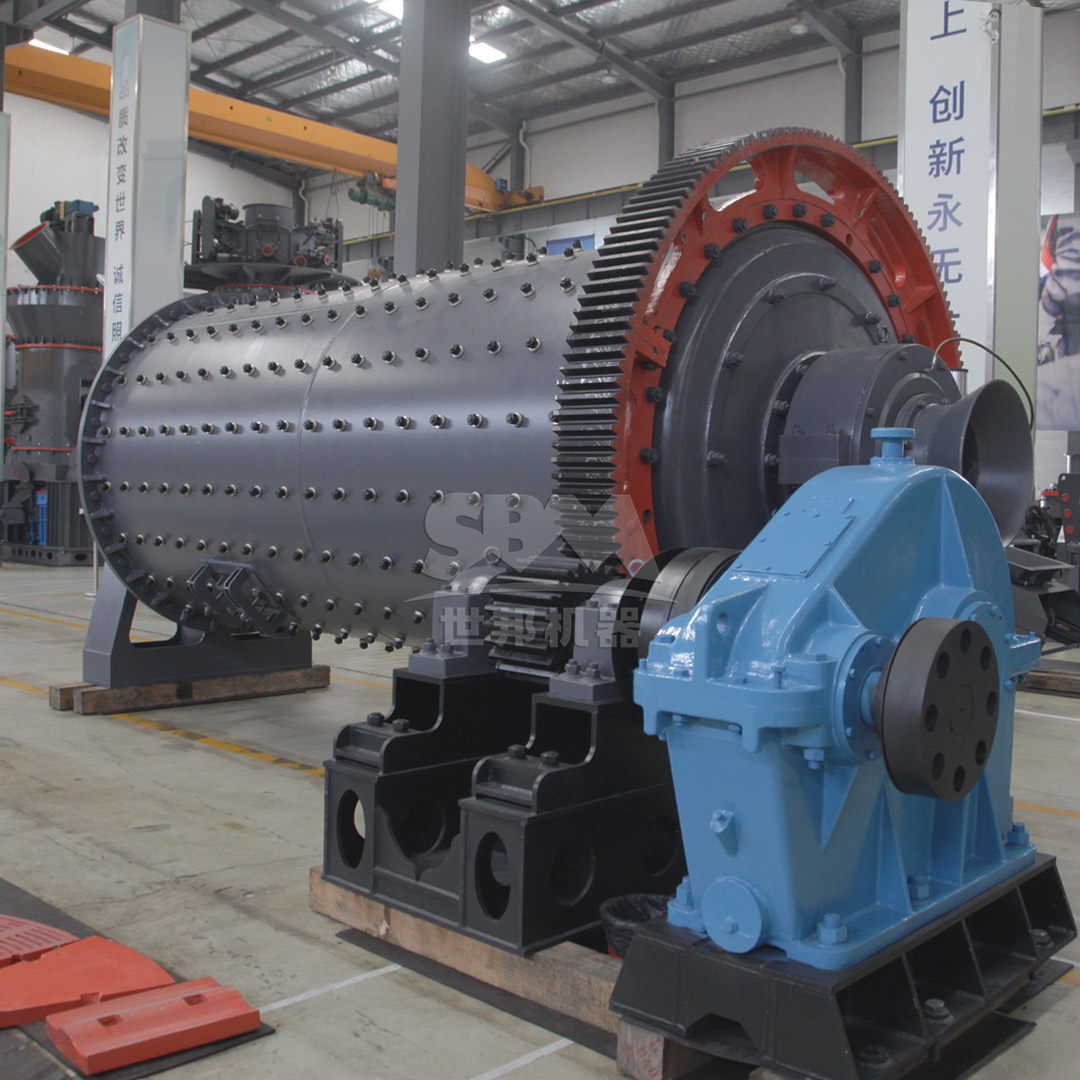
While ball mills can achieve the desired fineness, they often consume significantly more energy and have higher wear part costs. In contrast, modern mills like the SCM Series Ultrafine Mill offer a superior balance of efficiency, precision, and durability. Its capacity being double that of jet mills, with 30% lower energy consumption, makes it the economically and technically optimal solution for 325 mesh calcite powder production.
We invite you to consult our technical team to tailor the perfect solution based on your specific raw material characteristics, capacity requirements, and budget. With the right equipment, you can ensure a high-quality, consistent product that meets the demanding standards of the global market.