Calcite, or ground calcium carbonate (GCC), is one of the most widely used mineral fillers in the plastics industry. It enhances mechanical properties, improves surface finish, reduces production costs, and increases dimensional stability. However, the performance of calcite additives in plastic products depends critically on particle size distribution, shape, and purity. Selecting the right production equipment for grinding calcite is therefore a strategic decision that directly impacts product quality, energy efficiency, and overall profitability. This article provides a comprehensive guide to choosing the appropriate calcite grinding mill for plastic additive applications, covering key parameters, technical considerations, and equipment comparisons.
Before selecting grinding equipment, it is essential to understand the specific requirements of calcite fillers in plastic compounds. Different plastic products demand different fineness levels:
| Application | Typical Fineness (mesh) | Particle Size (μm) | Key Requirements |
|---|---|---|---|
| PVC pipes & profiles | 325-800 | 45-18 | Narrow distribution, low abrasion |
| Masterbatch for film | 800-1500 | 15-10 | Ultra-fine, no agglomerates |
| Automotive interior parts | 1250-2500 | 10-5 | High purity, uniform shape |
| Packaging materials | 600-1250 | 25-10 | Good dispersion, low dust |
For most plastic additive applications, the target fineness ranges from 325 mesh (45 μm) to 2500 mesh (5 μm). Coarser grades are used in general-purpose products, while ultra-fine grades are essential for high-gloss films and engineering plastics. The equipment must deliver consistent particle size with minimal oversize particles (coarse residues) to avoid surface defects and processing issues.
Fineness is the primary driver of equipment choice. For calcite additives in plastics, two main fineness ranges are common: medium-fine (30-325 mesh) and ultra-fine (325-2500 mesh). The production capacity required also varies widely, from a few tons per hour for small masterbatch plants to tens of tons for large-scale compounders.
If your production target is calcite powder with a fineness of D97 = 10 μm (approximately 1250 mesh) and a capacity of 5 tons per hour, a mill like the SCM1000 or SCM1250 would be ideal. For coarser products with higher throughput, the MTW or LM series offer superior economics.
Grinding is an energy-intensive process. Energy consumption can account for 30-60% of the total production cost for calcite powder. Modern mills incorporate several energy-saving features:
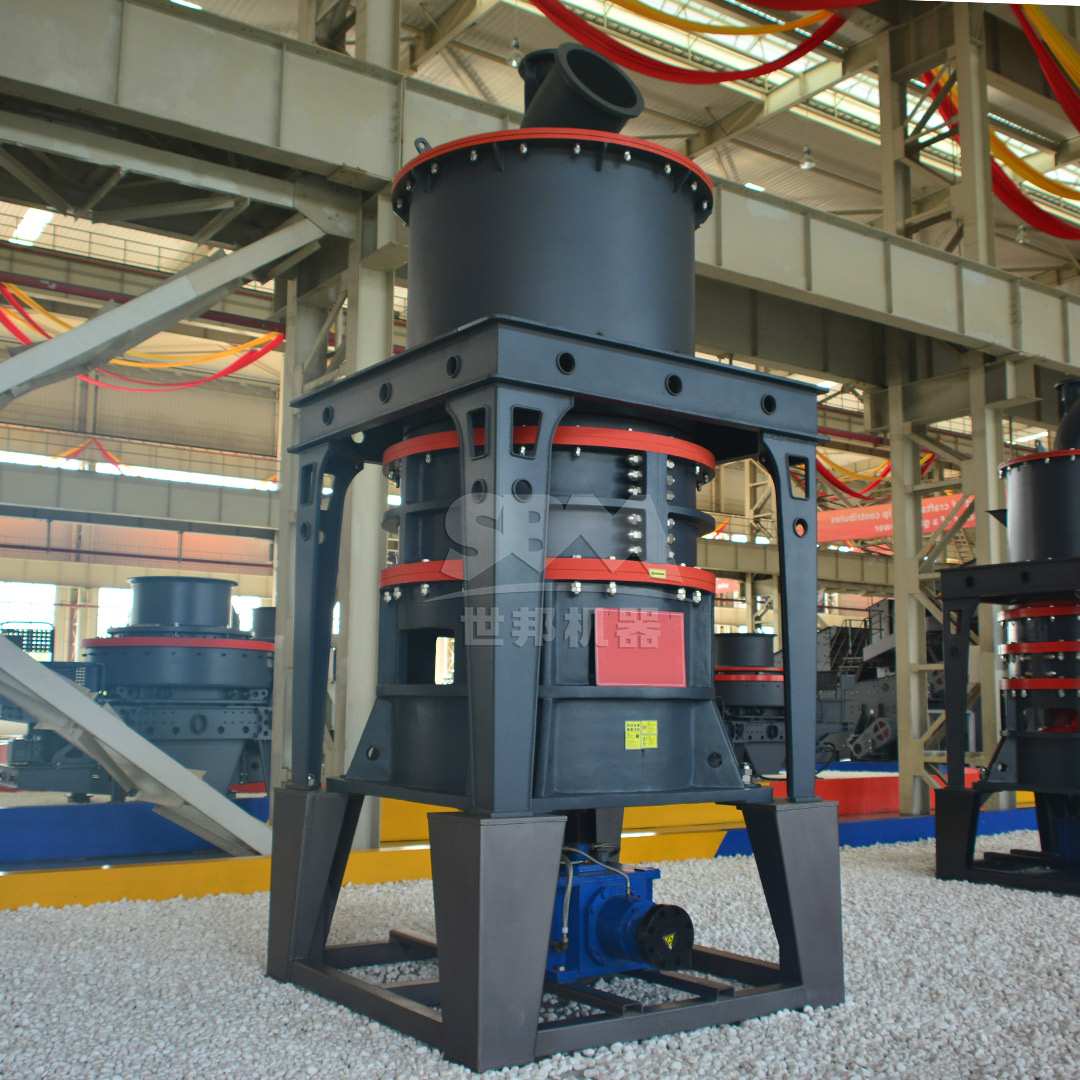
For example, the SCM Series Ultrafine Mill achieves twice the capacity of a jet mill with 30% lower energy consumption, making it highly cost-effective for ultra-fine calcite production.
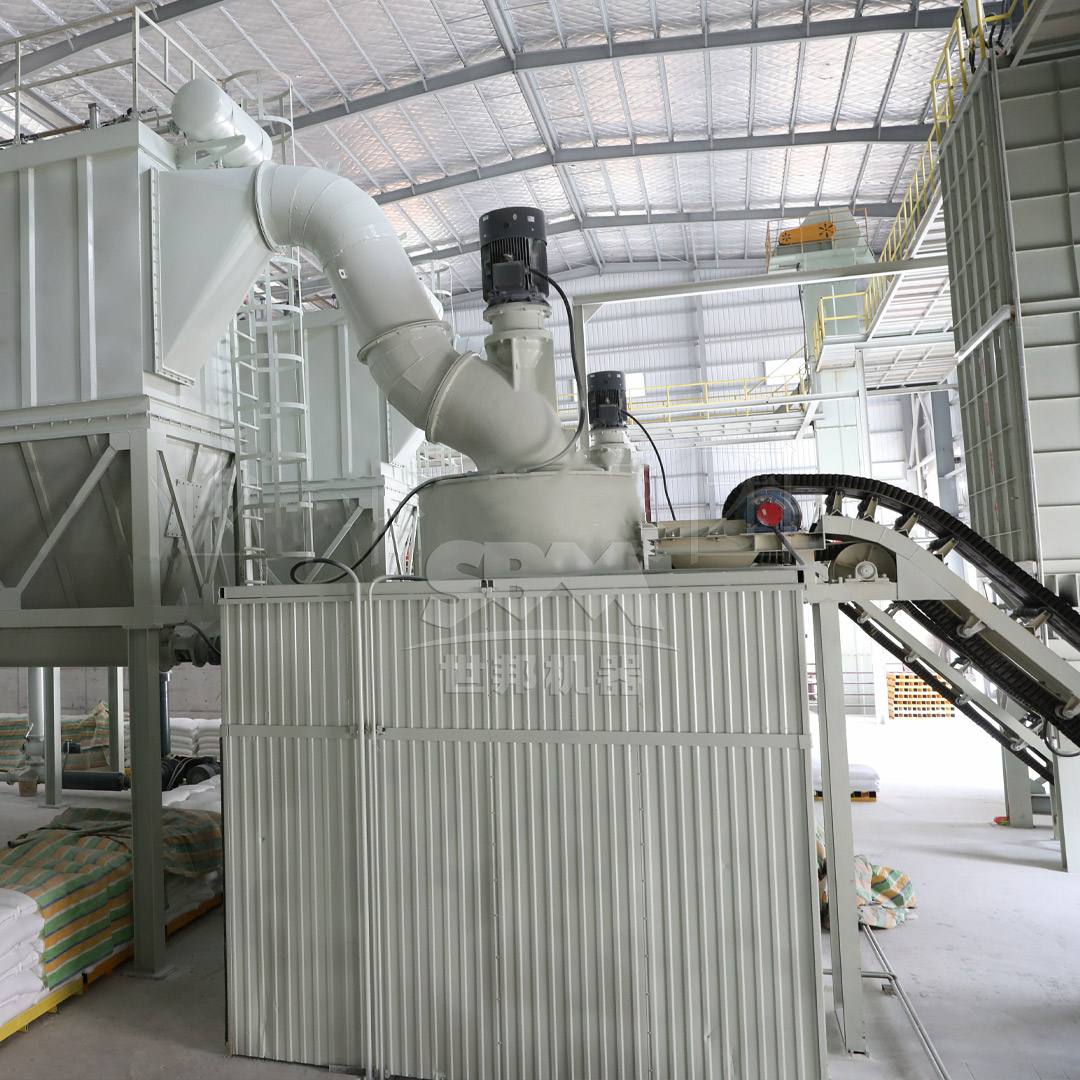
Plastic processors require calcite fillers with consistent particle size distribution. Any variation can affect melt flow, dispersion, and final product properties. Key quality factors include:
Equipment with durable wear parts (e.g., special material rollers and rings in SCM mills, or combined shovel blades in MTW mills) reduces contamination and maintains product purity. The vertical turbine classifier in SCM mills provides precise particle size cutting without coarse powder mixing, ensuring uniform finished products.
Downtime for maintenance directly impacts production schedules and profitability. Choose equipment with:
For instance, the MTW Series features combined shovel blades that reduce maintenance costs, and the LM Series uses a modular roller assembly quick-change system, both designed for high uptime.
Modern calcite grinding plants must meet strict environmental regulations regarding dust emissions and noise. Key features to look for include:
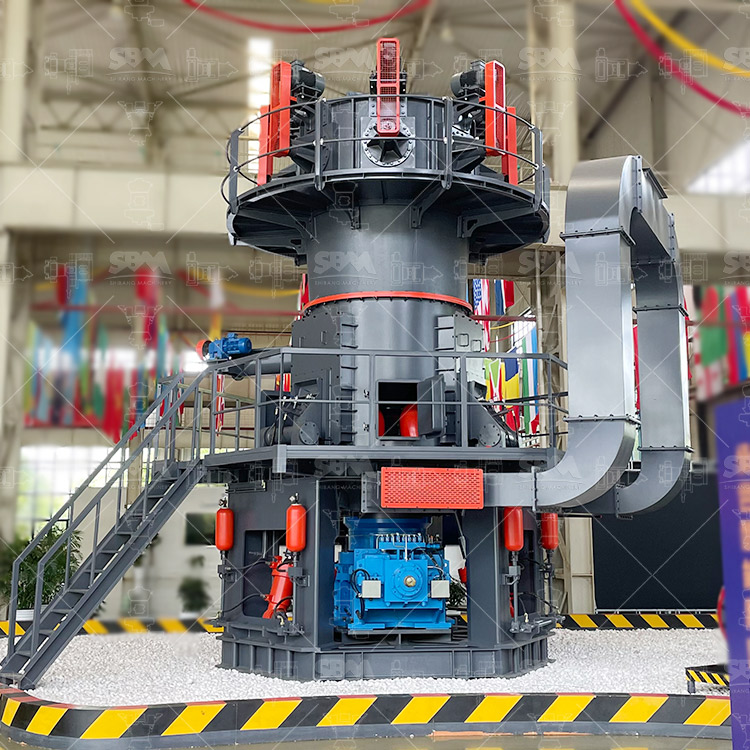
Both the SCM and LM series incorporate advanced pulse dust removal technology and soundproof designs, making them suitable for environmentally sensitive locations.
| Mill Series | Fineness Range | Capacity Range | Best For |
|---|---|---|---|
| SCM Ultrafine Mill | 325-2500 mesh (45-5 μm) | 0.5-25 t/h | Ultra-fine calcite for masterbatch, film, and high-end plastics |
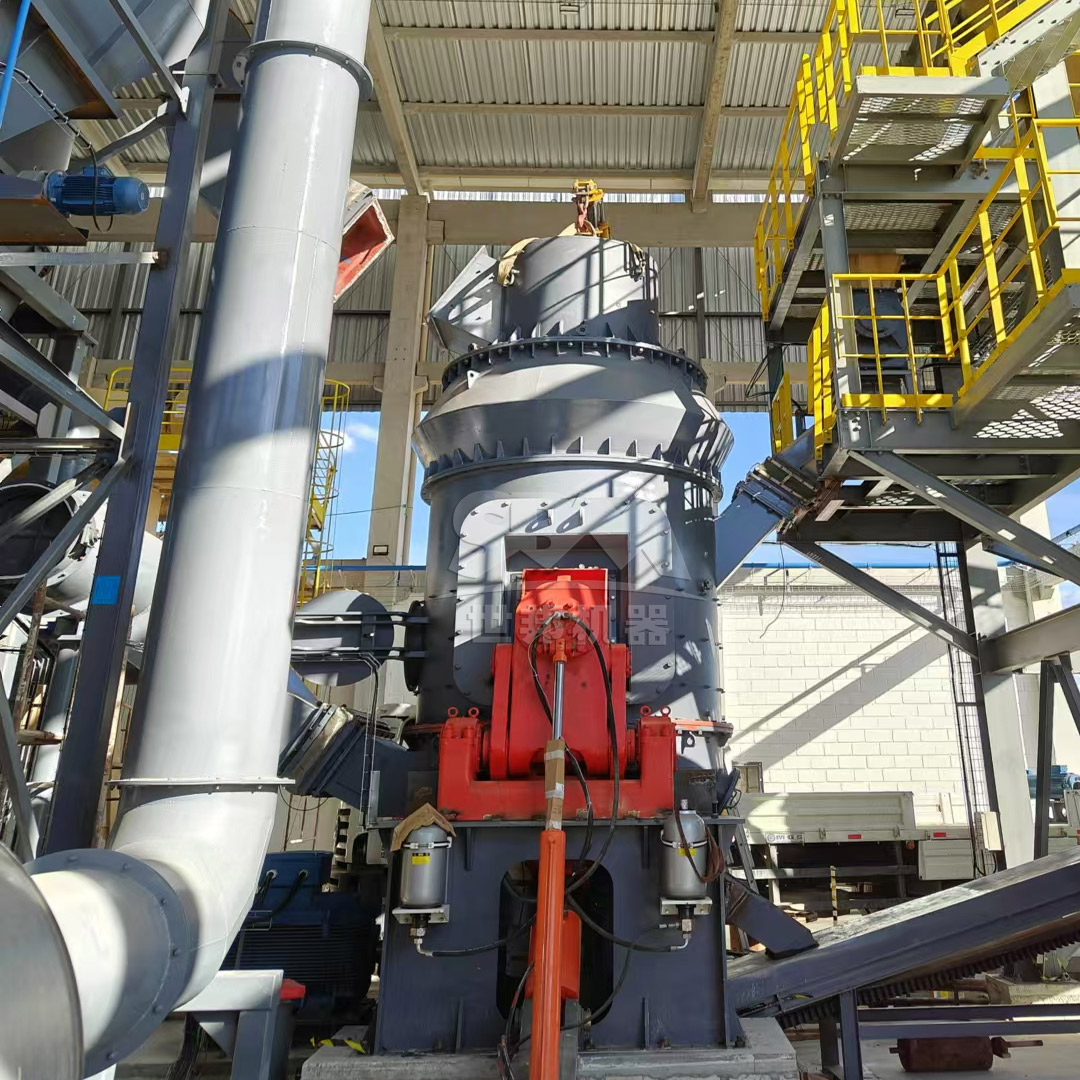
| LUM Ultrafine Vertical Mill | 325-2500 mesh (5-30 μm) | 1.6-15 t/h | Ultra-fine powder with PLC automation and low energy |
| MTW Trapezium Mill | 30-325 mesh (600-45 μm) | 3-45 t/h | Medium-fine calcite for pipes, profiles, and general plastics |
| LM Vertical Roller Mill | 30-325 mesh (600-45 μm) | 3-250 t/h | Large-scale production of medium-fine calcite with lowest operating cost |
| Ball Mill | 0.074-0.8 mm (74-800 μm) | 0.65-450 t/h | Coarse calcite and pre-grinding for downstream processing |
From the comparison, it is clear that the SCM Series Ultrafine Mill and MTW Series European Trapezium Mill cover the two most important fineness ranges for calcite additives in plastics. The SCM series excels in ultra-fine applications where particle sizes below 10 μm are needed, while the MTW series offers excellent economics for medium-fine production with capacities up to 45 t/h.
Based on the analysis above, we recommend two flagship products from our portfolio that are ideally suited for calcite grinding in plastic applications.
SCM Series Ultrafine Mill (45-5μm) – This mill is specifically engineered for producing ultra-fine calcite powder required in high-performance plastic masterbatches, thin films, and engineering compounds. With an input size up to 20 mm and output fineness ranging from 325 to 2500 mesh, the SCM mill delivers precise classification via a vertical turbine classifier, ensuring no coarse powder mixing. Its energy consumption is 30% lower than jet mills, and the capacity is double, making it the most cost-effective solution for ultra-fine grinding. Models SCM800 to SCM1680 cover capacities from 0.5 to 25 tons per hour.
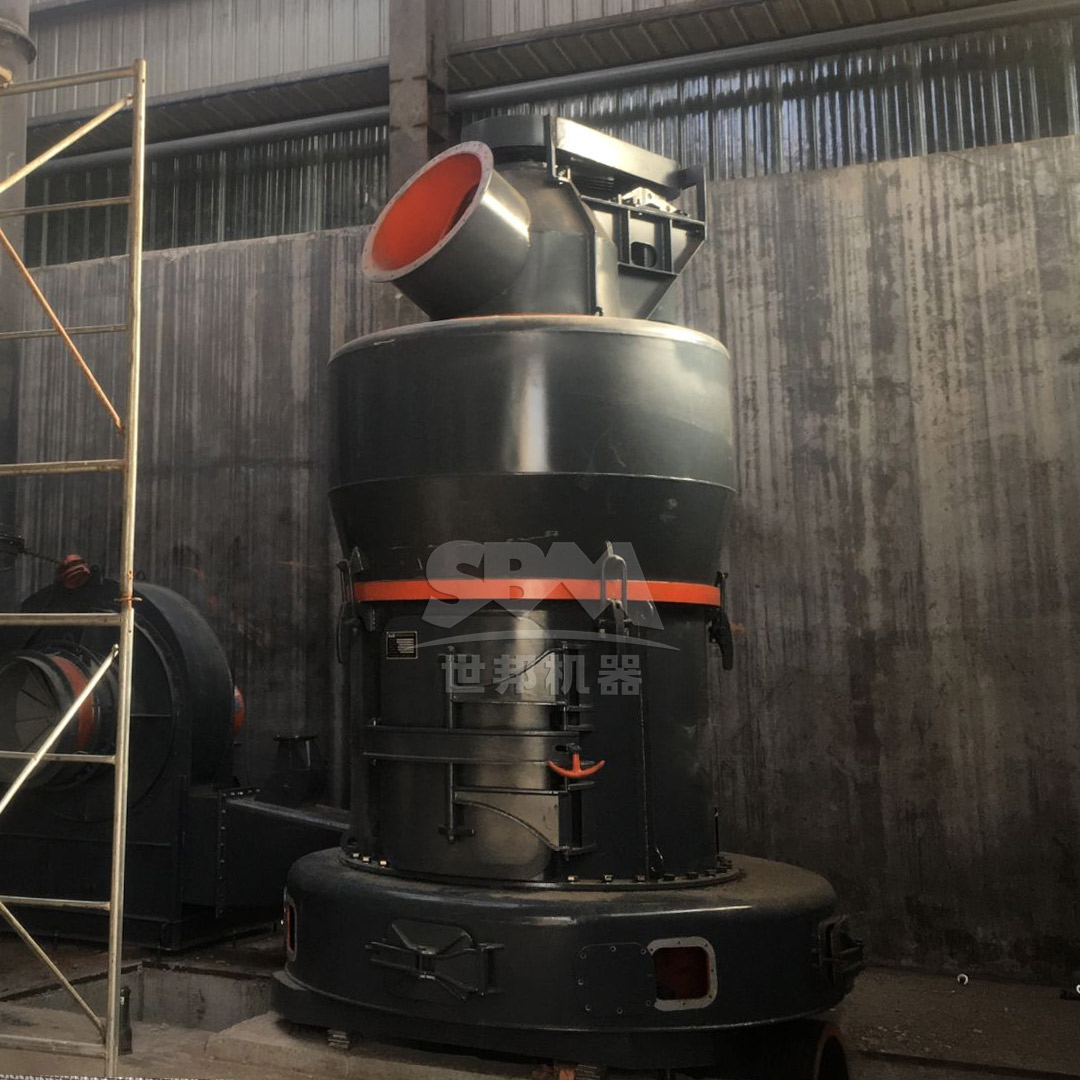
MTW Series European Trapezium Mill (600-45μm) – For medium-fine calcite production (30-325 mesh), the MTW mill is the industry benchmark. It features an anti-wear shovel design, optimized arc air duct, and integral bevel gear drive with 98% transmission efficiency. The capacity ranges from 3 to 45 tons per hour, and the mill handles feed sizes up to 50 mm. Its patented internal suction oil lubrication system and pulse dust removal technology ensure reliable, eco-friendly operation. The MTW series is the ideal choice for large-scale production of calcite fillers for PVC, profiles, and masterbatch.
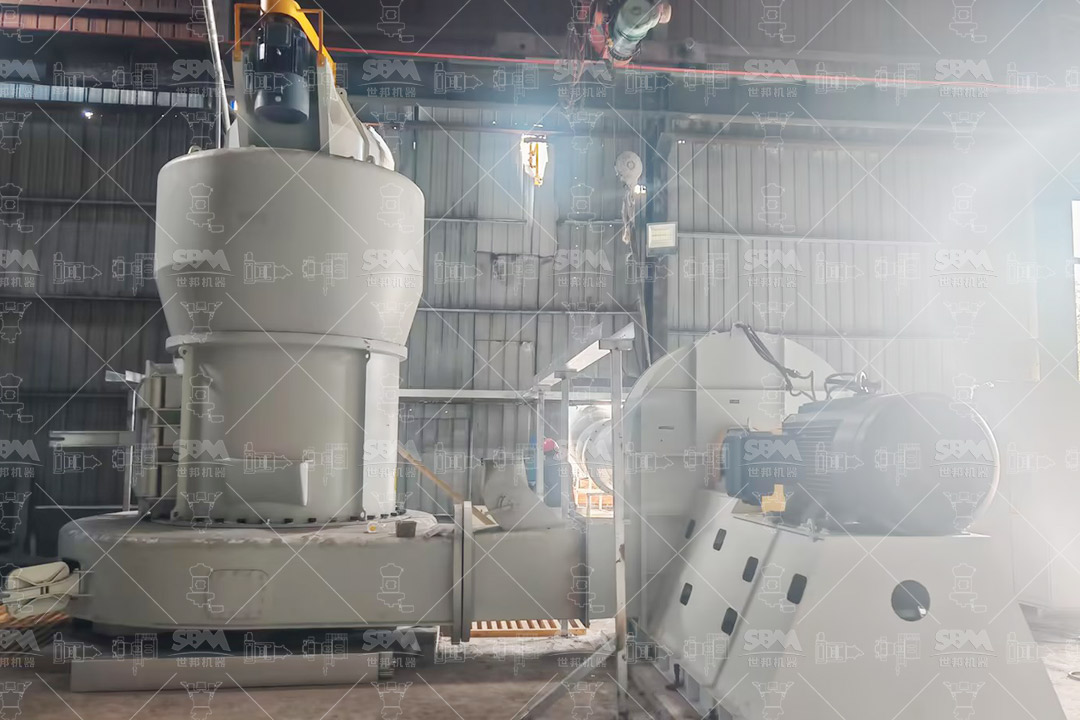
Understanding how each mill type works helps in making an informed selection.
Choosing the right production equipment for calcite additives in plastic products requires a careful evaluation of fineness requirements, capacity, energy efficiency, product quality, maintenance, and environmental compliance. For ultra-fine calcite (D97 < 10 μm), the SCM Series Ultrafine Mill is the optimal solution due to its high capacity, precise classification, and low energy consumption. For medium-fine applications (30-325 mesh), the MTW Series European Trapezium Mill offers unmatched reliability, low operating costs, and proven performance in large-scale installations.
We recommend that customers conduct a detailed analysis of their specific calcite product requirements and, if possible, perform trial grinding with our equipment to verify results. Our engineering team is available to assist in mill selection and plant layout design, ensuring that your investment yields the highest quality calcite fillers for the plastics industry.