In the modern lubricants industry, the performance of greases is heavily dependent on the quality and consistency of their solid additives. Molybdenum disulfide (MoS₂), derived from molybdenum ore, is one of the most widely used extreme pressure (EP) and anti-wear (AW) additives in high-performance greases. Its lamellar structure provides excellent friction reduction and load-carrying capacity, making it indispensable for applications in heavy machinery, automotive chassis, mining equipment, and aerospace components.
However, the effectiveness of molybdenum disulfide in greases is directly influenced by its particle size, purity, and uniformity. Inefficient grinding equipment can lead to coarse particles that fail to form a stable lubricating film, or to inconsistent particle size distribution that causes segregation in the grease matrix. Therefore, selecting the right production equipment for grinding molybdenum ore is not merely a matter of throughput, but a critical technical decision that impacts final product performance, production costs, and environmental compliance.
This article provides a comprehensive technical analysis of the production equipment used for grinding molybdenum ore into fine powders suitable for lubricating grease additives. We will examine the key technological requirements, evaluate different mill types, and recommend specific solutions that have been proven in the field to deliver superior results.
Before delving into specific equipment, it is essential to define the technical specifications required for molybdenum ore additives destined for lubricating greases:
The industry standard for MoS₂ in greases typically requires a particle size of 1-10 microns (1250-2500 mesh). For high-precision applications such as aerospace or medical-grade lubricants, even finer particle sizes below 5 microns are often specified. A narrow particle size distribution is crucial to ensure consistent dispersion and stable lubricating performance.
Any contamination from grinding media or equipment wear can adversely affect the lubricating properties of the final grease. Equipment must be designed with wear-resistant components to minimize iron or other metal contamination during the grinding process.
Excessive moisture in the final powder can cause clumping and poor dispersion in the grease base oil. The grinding system should incorporate effective drying or moisture control mechanisms.
Depending on the scale of grease production, the additive grinding line must be capable of supplying consistent volumes. For large-scale industrial lubricant manufacturers, capacities of 5-20 tons per hour are often required, while specialized grease producers might need smaller, flexible units.
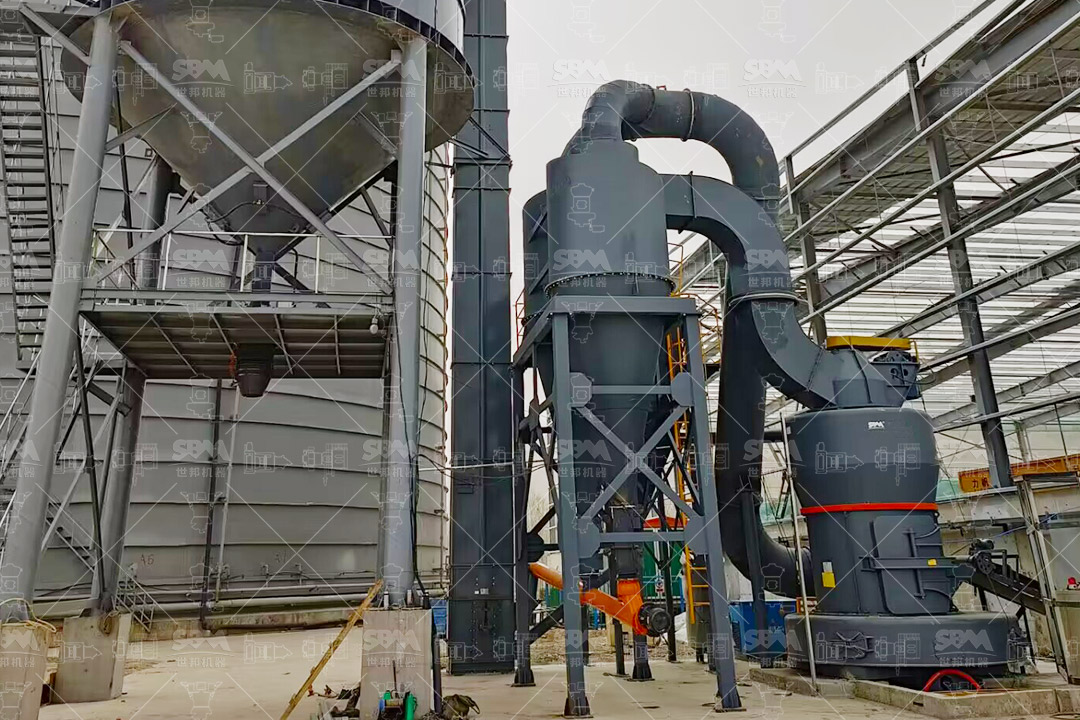
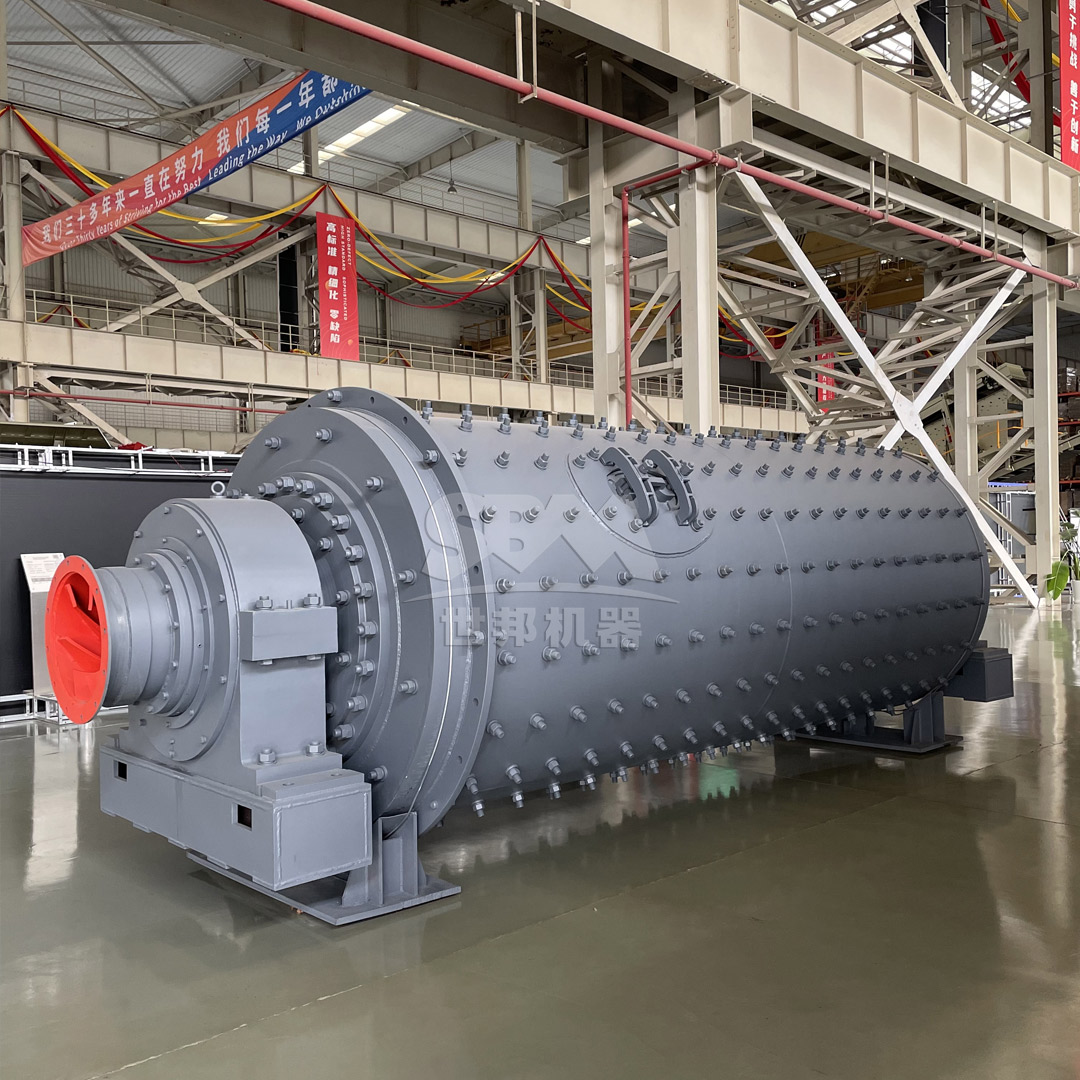
The production of molybdenum ore powder for grease additives typically involves a multi-stage process: primary crushing, intermediate grinding, and final ultrafine grinding. While jaw crushers and hammer mills handle the initial size reduction, the final stage—producing particles in the micron range—requires specialized equipment.
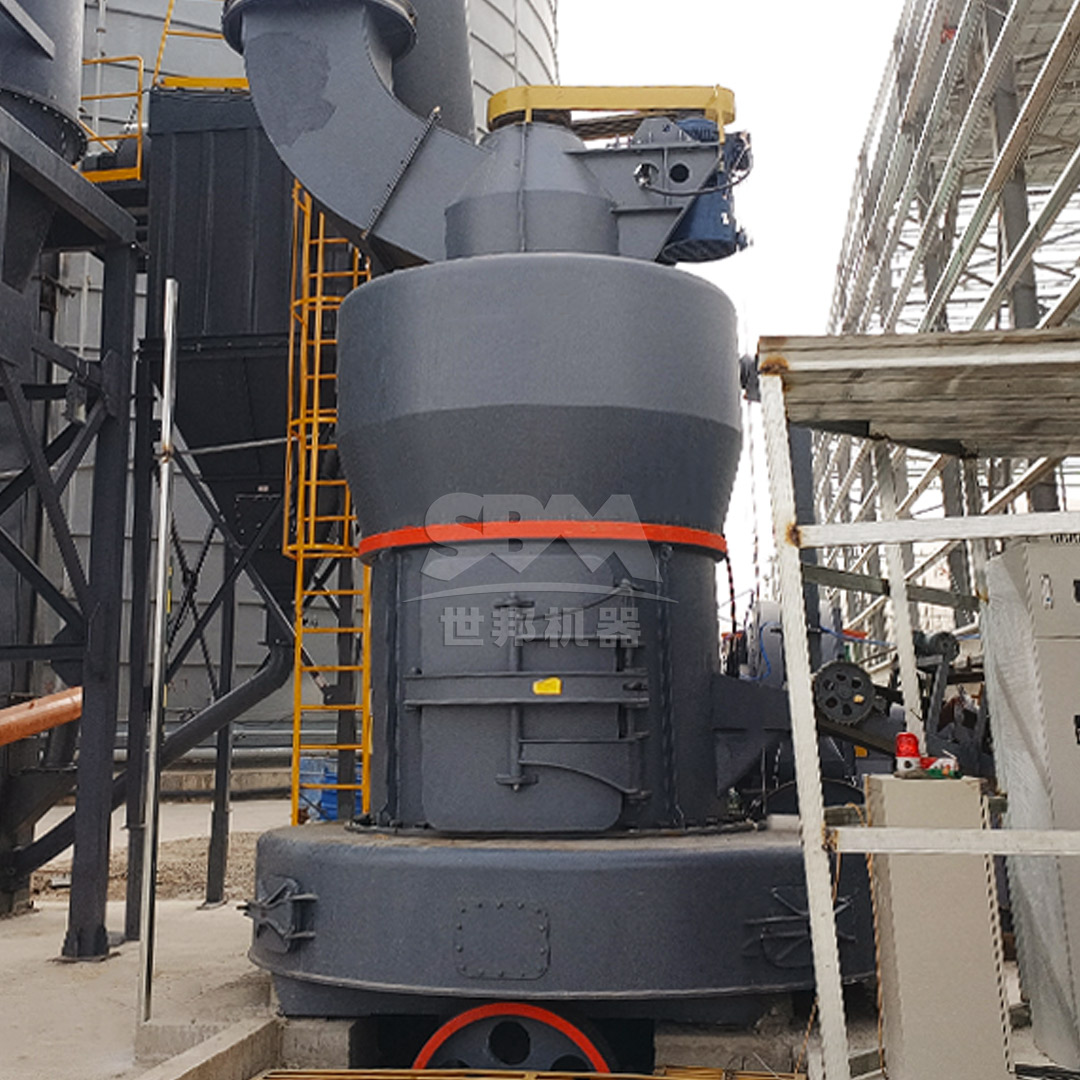
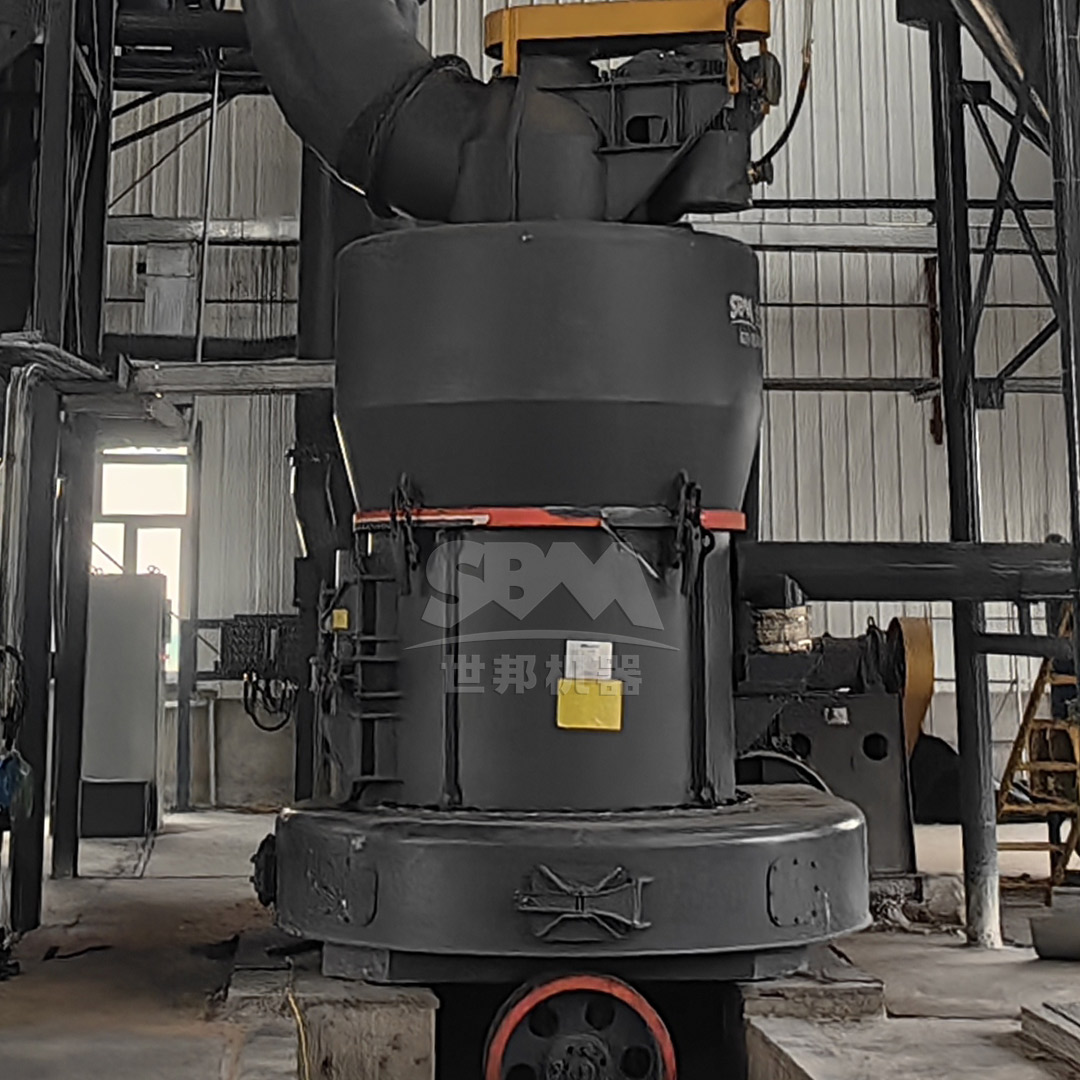
For producing MoS₂ powders in the 325-2500 mesh range (45-5 microns), ultrafine grinding mills are the equipment of choice. Two main technologies dominate this space: roller-type mills and vertical roller mills. Among these, the SCM Series Ultrafine Mill has established itself as a benchmark for molybdenum ore processing due to its unique layered grinding principle and high-precision classification system.
Our company is proud to introduce the SCM1000 Ultrafine Mill, specifically designed for high-efficiency production of ultrafine powders in the 325-2500 mesh range. The SCM1000 achieves a capacity of 1.0-8.5 tons per hour with an input size of up to 20mm, making it an ideal choice for medium-scale molybdenum additive manufacturing. Key features include:
For producers requiring even higher capacities or those handling larger feed sizes, the SCM1680 model offers a robust solution with a capacity range of 5.0-25 tons per hour, powered by a 315kW main motor. Both models incorporate intelligent control systems with automatic finished product granularity feedback, allowing for real-time adjustment of grinding parameters to maintain optimal output quality.
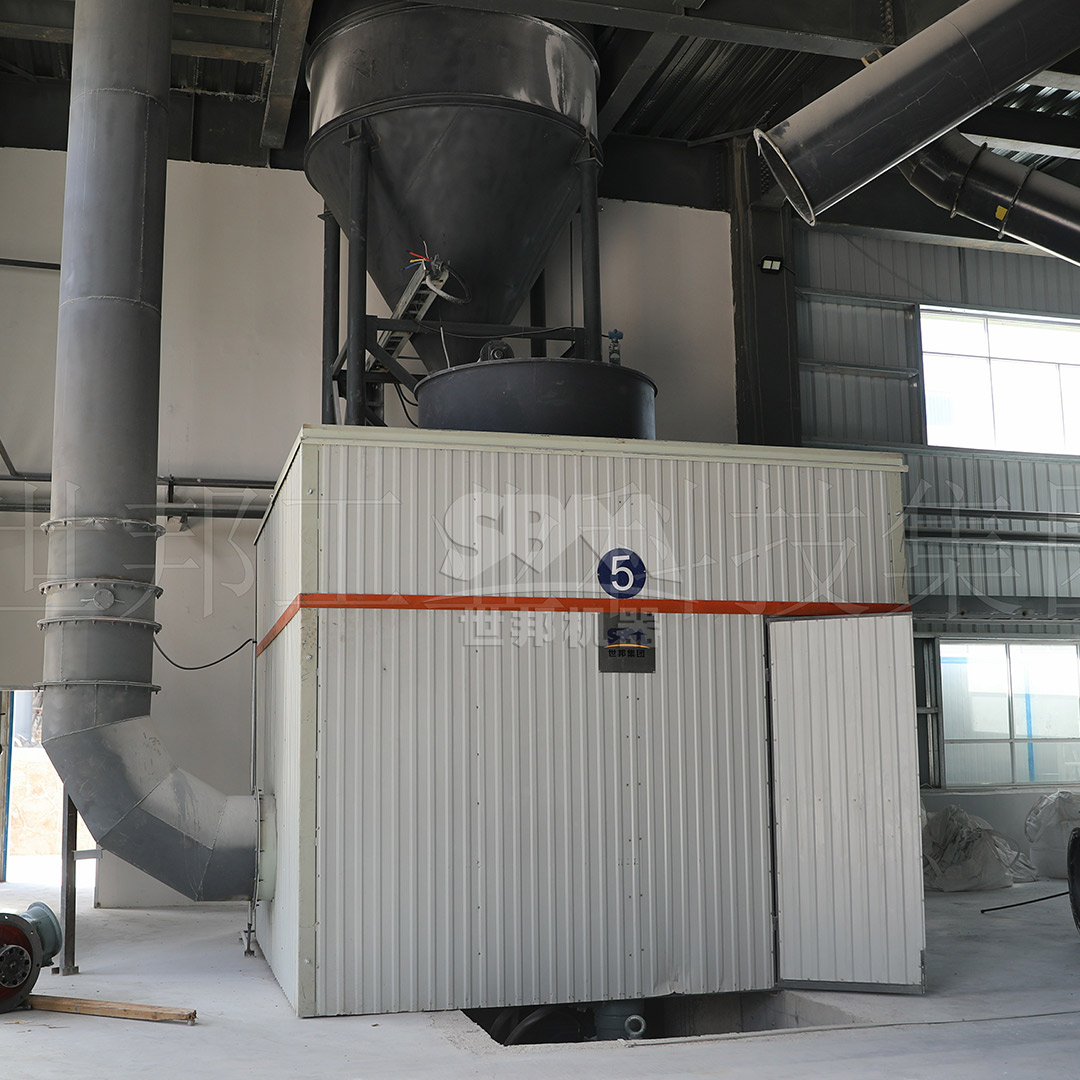
While ultrafine mills are ideal for the finest powders, some grease applications may require slightly coarser additives in the 30-325 mesh range (600-45 microns). For these requirements, the MTW Series European Trapezium Mill and the MRN Pendulum Mill offer highly efficient solutions.
The MTW mill is characterized by its trapezoidal grinding ring and roller design, which increases the grinding area by 1.5 times compared to traditional mills. This results in higher throughput and lower energy consumption. With an input size of up to 50mm and capacity ranging from 3 to 45 tons per hour, the MTW series is particularly suitable for primary or secondary grinding stages in a larger additive production line.
One of its standout features is the integral bevel gear drive, which achieves transmission efficiency of up to 98%, and the optimized arc air duct that reduces airflow energy loss. For grease additive producers looking to balance fineness with high volume, the MTW175G model (capacity 9.5-25 t/h, fineness 10-325 mesh) represents a highly versatile choice.
The MRN series offers a robust pendulum-style design with thin oil lubrication, making it a first-in-class maintenance-free option. Its ability to handle large feed sizes (0-50mm) and produce fineness down to 30-325 mesh makes it suitable for pre-processing molybdenum ore before further micronization or for producing coarser additive grades. The MB5X298 model, with a capacity of 48-83 t/h, is a workhorse for large-scale operations.
Choosing the right mill for molybdenum ore additive production depends on several factors:
| Application Requirement | Recommended Equipment | Key Specifications |
|---|---|---|
| Ultrafine MoS₂ for high-performance greases (5-45 μm) | SCM Series Ultrafine Mill (Recommended: SCM1000) | Capacity: 1.0-8.5 t/h Fineness: 325-2500 mesh Power: 132 kW |
| Medium-fine additives for standard greases (45-150 μm) | MTW Series Trapezium Mill (e.g., MTW175G) | Capacity: 9.5-25 t/h Fineness: 10-325 mesh Power: 160 kW |
| High-volume coarser powder production (150-600 μm) | MRN Pendulum Mill (e.g., MB5X298) | Capacity: 48-83 t/h Fineness: 30-325 mesh Power: 1247-1407 kW |
| Large-scale integrated grinding systems | LM Series Vertical Roller Mill (e.g., LM220K) | Capacity: 36-105 t/h Fineness: 170-45 μm Power: 800 kW |
Modern grease additive production must comply with stringent environmental regulations, especially regarding dust emissions and noise levels. The SCM Series Ultrafine Mill sets a high standard in this regard:
Furthermore, the intelligent control systems integrated into modern mills like the SCM and MTW series enable remote monitoring and automated parameter adjustments, reducing the need for manual intervention and minimizing human error. This not only improves production consistency but also enhances worker safety by limiting exposure to fine dust particles.
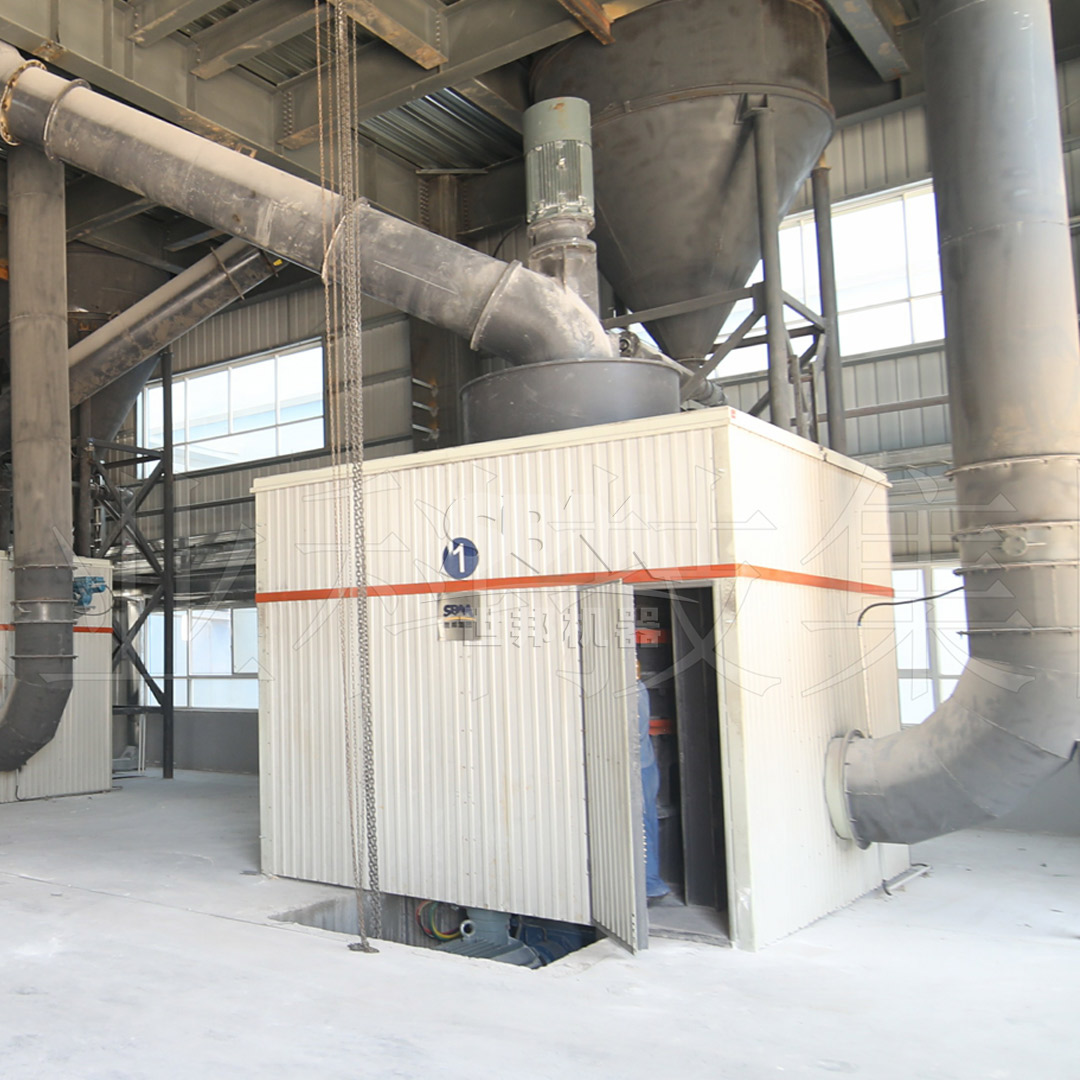
Consider a lubricant manufacturer producing a premium-grade lithium complex grease for heavy-duty mining equipment. The formulation requires 3% MoS₂ additive with a particle size of D90 < 10 microns. Using a traditional jet mill, the company experienced high energy costs and inconsistent particle size distribution, leading to variations in grease consistency and EP performance.
By upgrading to the SCM900 Ultrafine Mill (capacity 0.8-6.5 t/h, main power 90 kW), the manufacturer achieved the following improvements:
The production of molybdenum ore additives for lubricating greases is a technically demanding process that requires careful consideration of equipment capabilities. As the lubricants industry continues to demand higher performance, longer service life, and more consistent quality from grease products, the role of the additive grinding process becomes ever more critical.
Whether your operation requires ultrafine powders for advanced formulations or high-volume intermediate products for standard greases, the selection of the right milling equipment is a capital investment that pays dividends in product quality, operational efficiency, and environmental compliance. Our company’s range of grinding mills—from the SCM Series Ultrafine Mill for micron-level precision to the MTW Series Trapezium Mill for robust medium-fine production—provides the full spectrum of solutions necessary to meet the diverse needs of the lubricating grease manufacturing industry.
We invite you to consult with our technical team to determine the optimal equipment configuration for your specific molybdenum ore processing requirements. With the right equipment and process design, you can achieve the particle size precision, production economy, and product consistency that will set your lubricating greases apart in the competitive global market.