Cobalt powder is a cornerstone material in the chemical industry, serving as a vital catalyst in processes such as Fischer-Tropsch synthesis, hydrodesulfurization, and the production of specialty chemicals. Its unique magnetic, thermal, and electrochemical properties also make it indispensable for manufacturing batteries, hard metals, pigments, and advanced ceramics. The quality of cobalt powder—defined by its particle size distribution, purity, morphology, and surface area—directly impacts the efficiency of chemical reactions and the performance of end products. Therefore, selecting the appropriate production equipment is not merely a logistical decision but a strategic one that determines product consistency, operational costs, and environmental compliance.
This article provides a comprehensive guide for chemical industry professionals on choosing the right milling and grinding equipment for cobalt powder production. We will analyze the key technical parameters, compare different mill types, and offer practical recommendations.
Before diving into equipment selection, it is essential to define the target specifications for cobalt powder. In chemical applications, the required fineness can vary dramatically:
Key parameters to consider include input material size, desired output fineness, production capacity, energy efficiency, contamination control, and dust management. Cobalt is a valuable and sometimes hazardous material; thus, equipment must minimize waste, prevent cross-contamination, and operate safely in a closed-loop system.
Based on typical cobalt powder production needs, several mill types are commonly deployed. Below, we evaluate their suitability for the chemical industry.
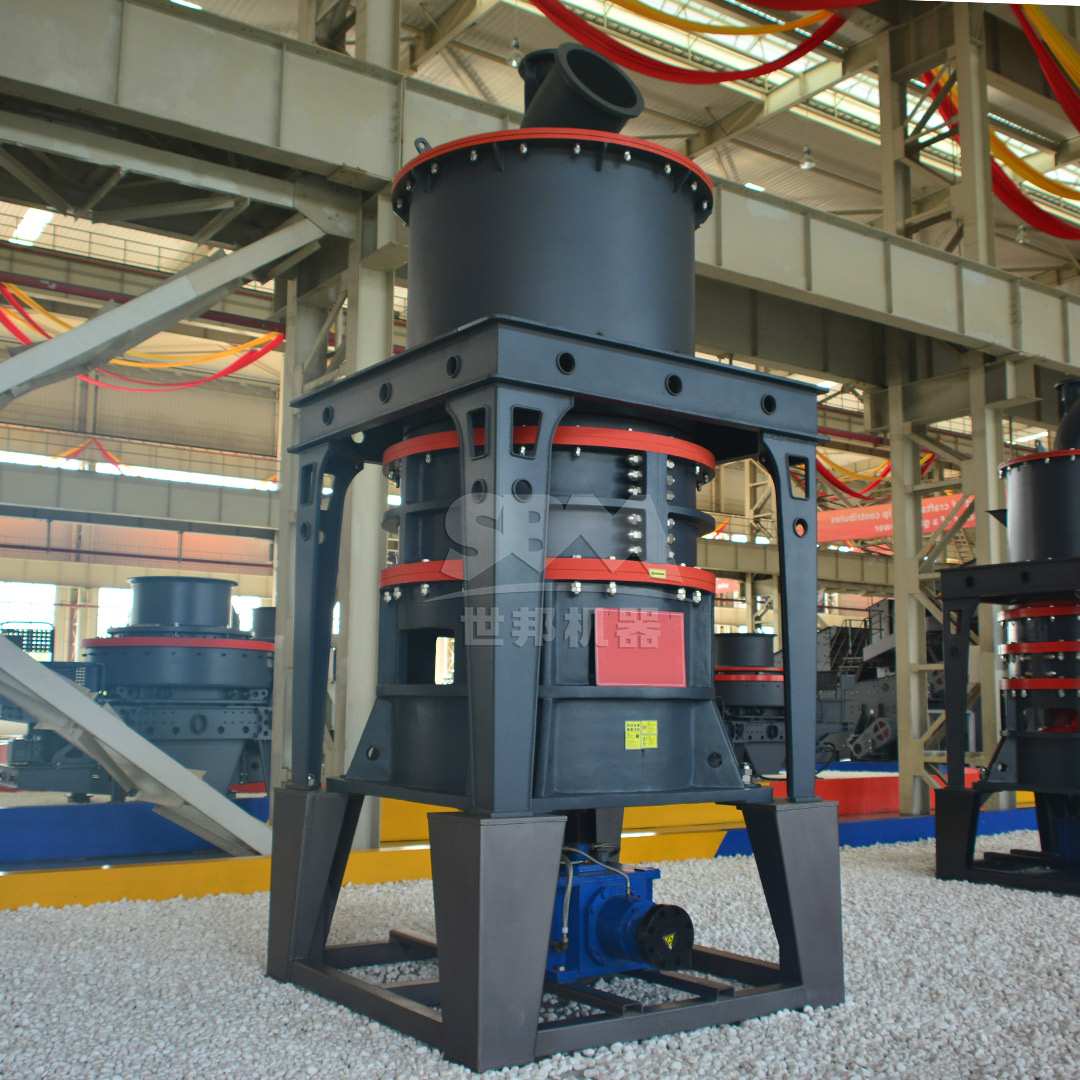
For chemical applications requiring maximum surface area and ultrafine particles, mills achieving 325-2500 mesh are essential. The SCM Series Ultrafine Mill stands out as a premier solution. Its vertical turbine classifier ensures precise particle size cutting without coarse powder mixing, which is critical for catalyst uniformity. With a capacity 2x that of jet mills and 30% lower energy consumption, the SCM series offers an unmatched combination of efficiency and quality. The shaftless screw grinding chamber ensures stable operation even when processing demanding materials like cobalt.
We strongly recommend the SCM1250 or SCM1680 models for medium-to-large-scale cobalt powder plants.
| Model | Capacity (t/h) | Main Power (kW) | Fineness (mesh) |
|---|---|---|---|
| SCM1250 | 2.5 – 14 | 185 | 325-2500 |
| SCM1680 | 5.0 – 25 | 315 | 325-2500 |
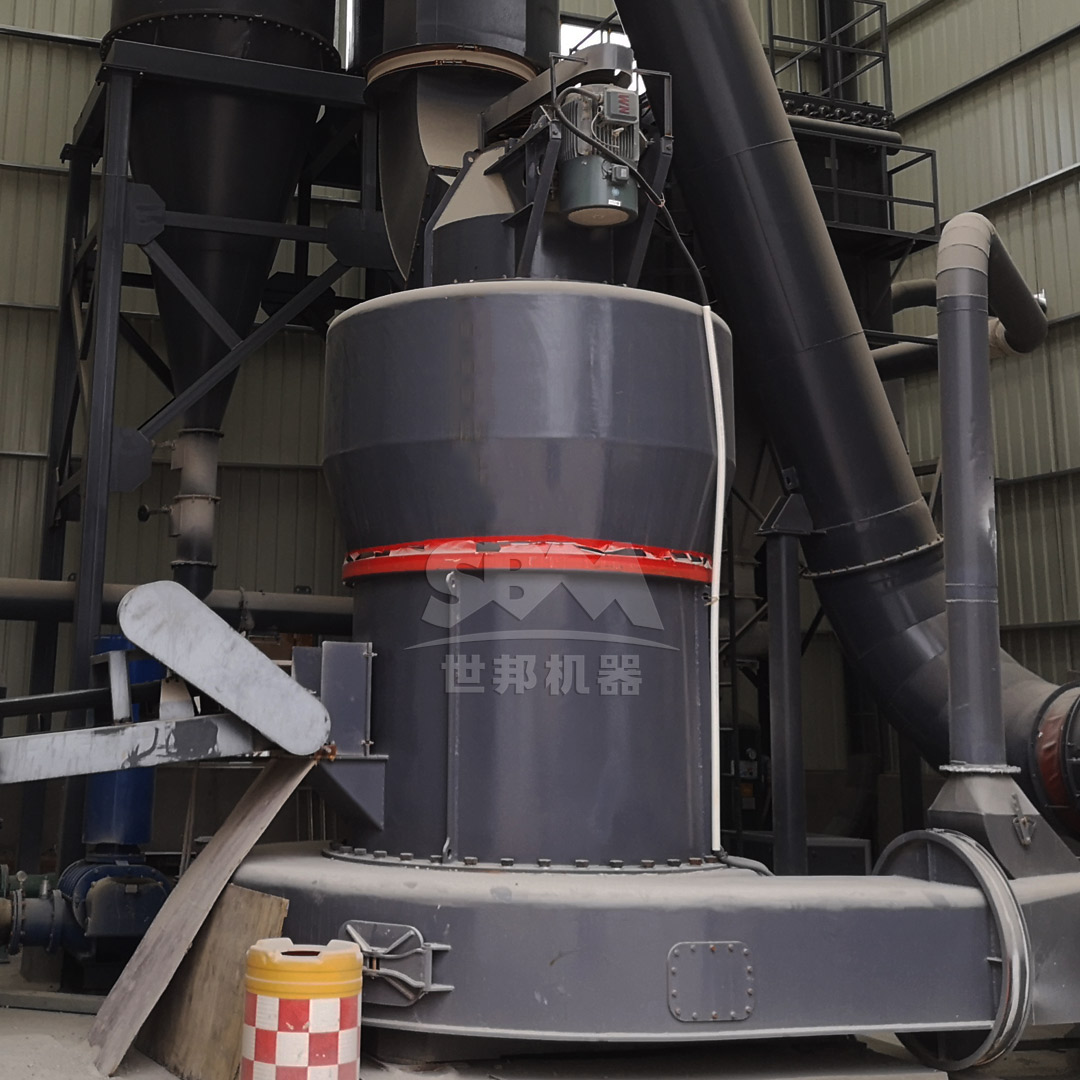
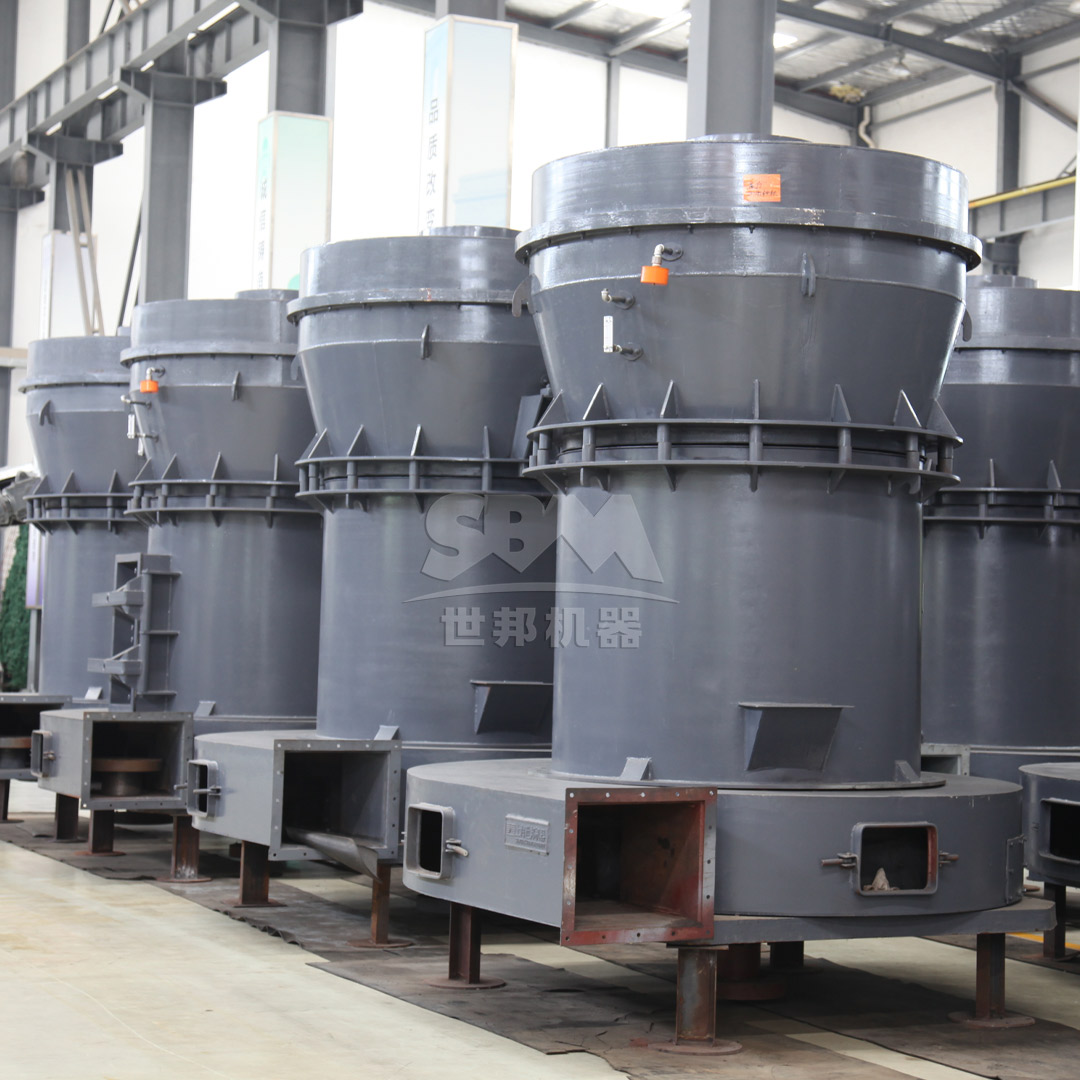
When the target fineness ranges from 30 mesh to 325 mesh, the MTW Series European Trapezium Mill provides a robust and versatile solution. Its integral bevel gear drive system achieves up to 98% transmission efficiency, significantly reducing operational costs. The anti-wear shovel design and wear-resistant volute structure lower maintenance frequency—a key advantage when processing abrasive cobalt feedstocks. For chemical plants requiring flexibility across multiple product grades, the MTW series offers excellent adjustability.
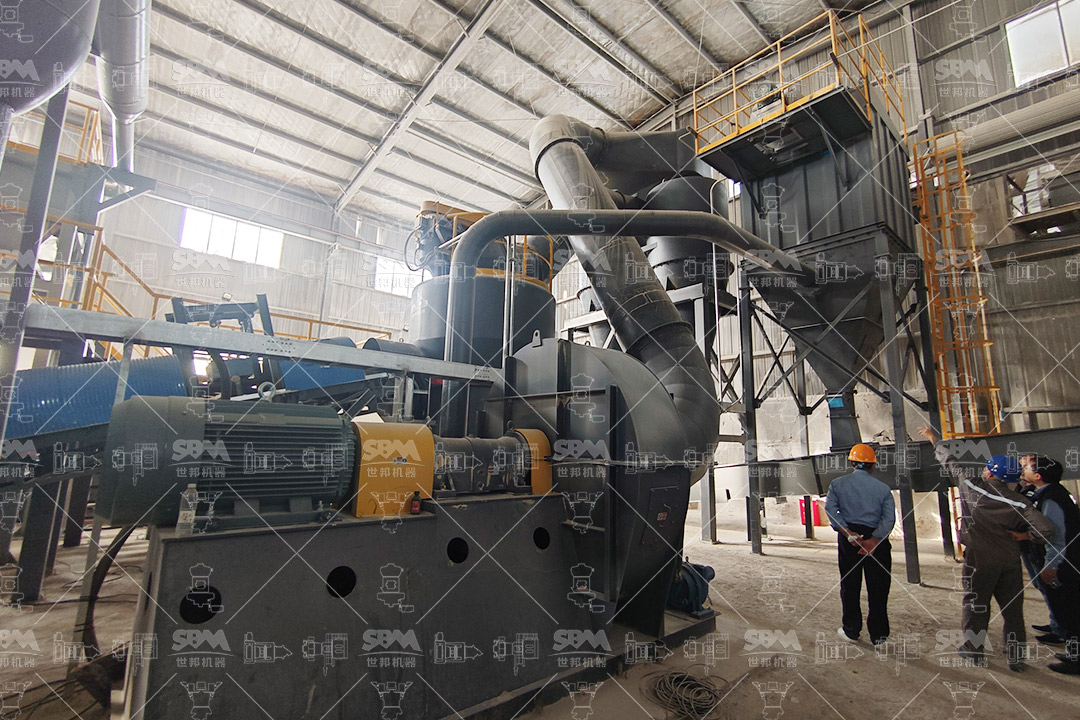
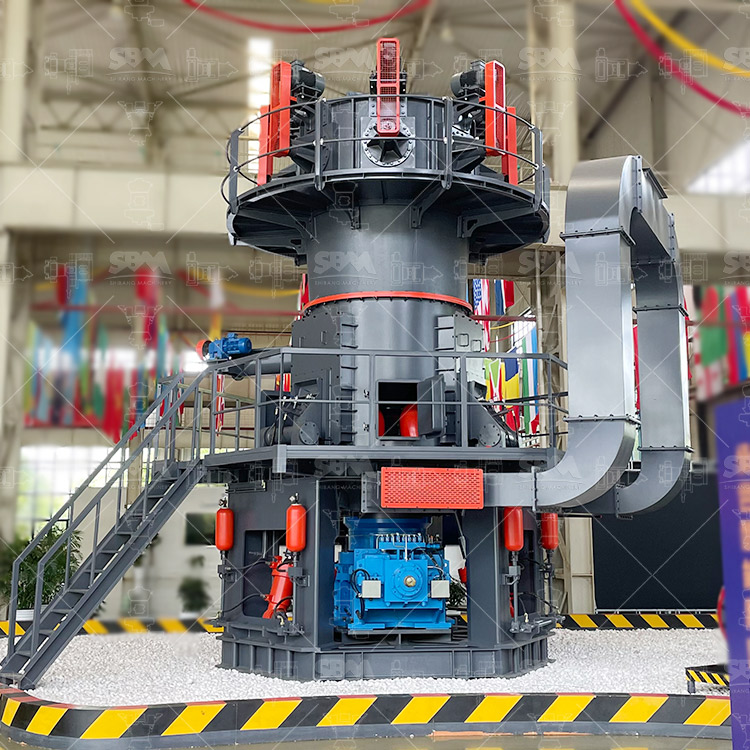
For large-scale chemical complexes processing hundreds of tons of cobalt per day, the LM Series Vertical Roller Mill is the optimal choice. Its integrated design—combining crushing, grinding, and selection—reduces floor space by 50% and allows outdoor installation, lowering infrastructure costs. The non-contact design between rollers and table extends the life of wear parts threefold. With intelligent control systems that support remote monitoring, LM mills are ideal for Industry 4.0-ready chemical facilities. Models like the LM130K to LM280K cover capacities from 10 to 170 tons per hour.
While older technology, ball mills still have a role in cobalt processing, particularly for wet grinding of battery precursors or when a very high crushing ratio (up to 300:1) is needed. The Ball Mill series offers capacities from 0.65 to 450 t/h and supports both dry and wet modes. However, ball mills typically have higher energy consumption and lower efficiency compared to modern roller mills. They are best suited for less demanding applications where capital cost is the primary concern.
| Criterion | SCM Ultrafine Mill | MTW Trapezium Mill | LM Vertical Mill |
|---|---|---|---|
| Optimal Fineness | 325-2500 mesh | 30-325 mesh | 30-325 mesh |
| Input Size | ≤20 mm | ≤50 mm | ≤50 mm |
| Capacity Range | 0.5-25 t/h | 3-45 t/h | 3-250 t/h |
| Energy Efficiency | Excellent (30% lower than jet mill) | Very Good (98% drive efficiency) | Superior (30-40% lower than ball mill) |
| Maintenance | Low (special alloy rollers) | Low (combined shovel blades) | Very Low (non-contact design) |
| Best Application | Ultrafine catalyst powders | Flexible medium-fine production | High-volume, continuous operation |
Regardless of the mill type selected, certain features are non-negotiable for cobalt powder production in the chemical industry:
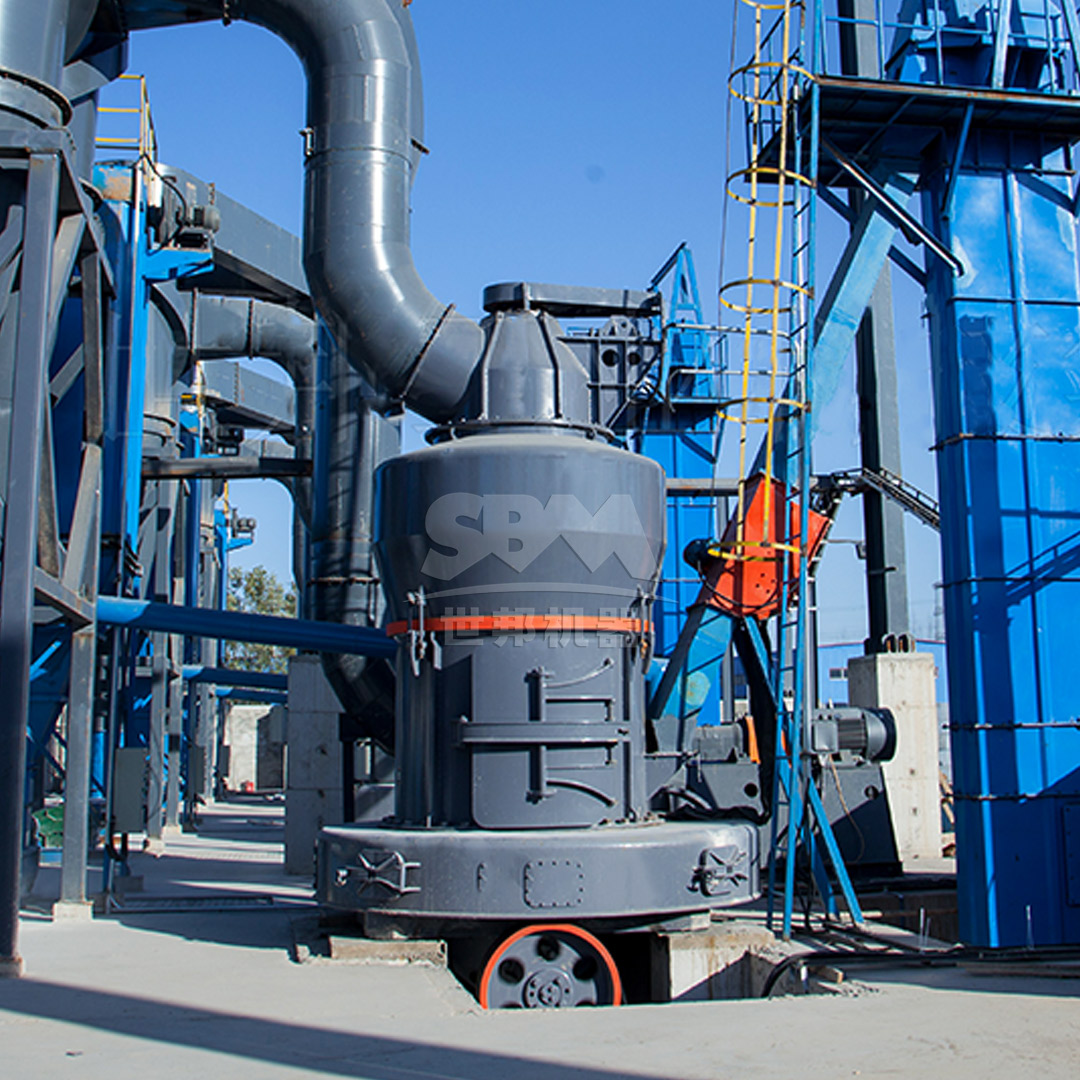
A chemical plant required a new line to produce 8 tons per hour of cobalt catalyst powder with a fineness of 95% passing 800 mesh (approx. 18 μm). The incoming feedstock was pre-crushed cobalt oxide with a maximum size of 15 mm. After evaluating options, the SCM900 Ultrafine Mill (capacity 0.8-6.5 t/h) was selected in a parallel configuration, or the SCM1000 (capacity 1.0-8.5 t/h) for a single-stream setup. The vertical turbine classifier ensured that no coarse particles contaminated the catalyst, directly improving reaction selectivity. The customer reported a 25% reduction in energy costs compared to their previous jet mill system.
Selecting the right cobalt powder production equipment hinges on precise matching of mill capabilities to chemical process requirements. For ultrafine, high-purity applications, the SCM series remains the gold standard. For medium-scale flexibility, the MTW series offers unparalleled efficiency. For massive throughput, the LM series is indispensable. By prioritizing features like intelligent control, wear resistance, and environmental compliance, chemical manufacturers can achieve superior product quality and operational sustainability. We invite you to contact our engineering team to discuss your specific cobalt processing needs and discover how our advanced milling solutions can optimize your production line.