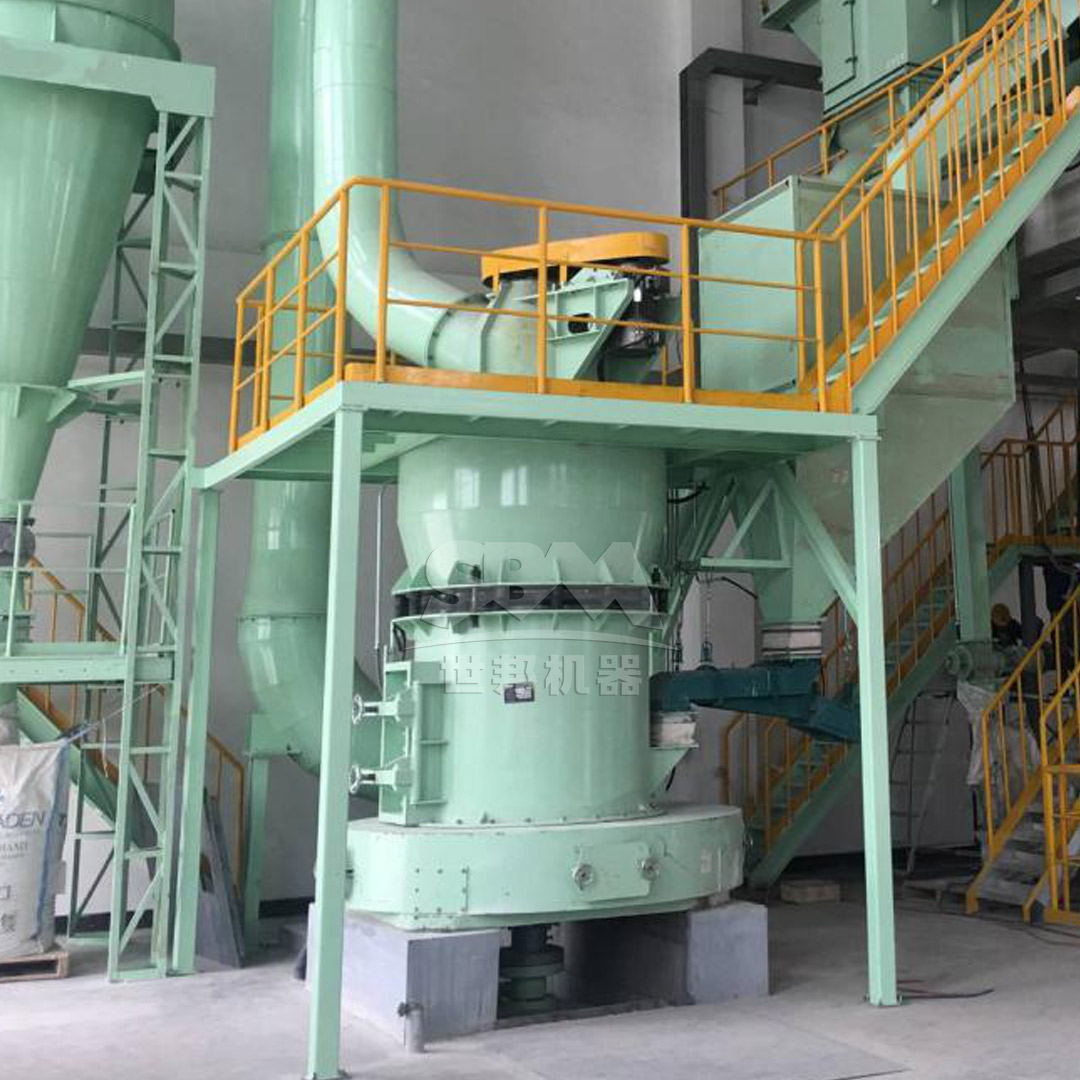
In modern industrial applications, the demand for ultra-fine coal powder, particularly at 600 mesh (approximately 23 microns), has surged significantly. This high-value product is no longer just a fuel source; it is a critical raw material for industries such as metallurgy (pulverized coal injection), chemical engineering, and high-grade fuel briquettes. Achieving a consistent 600-mesh fineness requires specialized 600-mesh Coal Powder Production Equipment that combines high capacity, energy efficiency, and precise classification.
The challenges in processing coal to this fineness are substantial. Traditional grinding methods often suffer from high energy consumption, excessive wear, and inconsistent particle size distribution. To overcome these obstacles and meet the rigorous standards of modern industry, advanced grinding mill technologies have been developed. Among the most effective solutions are the high-capacity grinding mills that utilize roller grinding principles, offering superior performance for ultra-fine coal processing.
This article provides an in-depth look at the technology, advantages, and key equipment necessary for producing high-quality 600-mesh coal powder, highlighting how modern engineering meets the demands of efficiency and environmental stewardship.
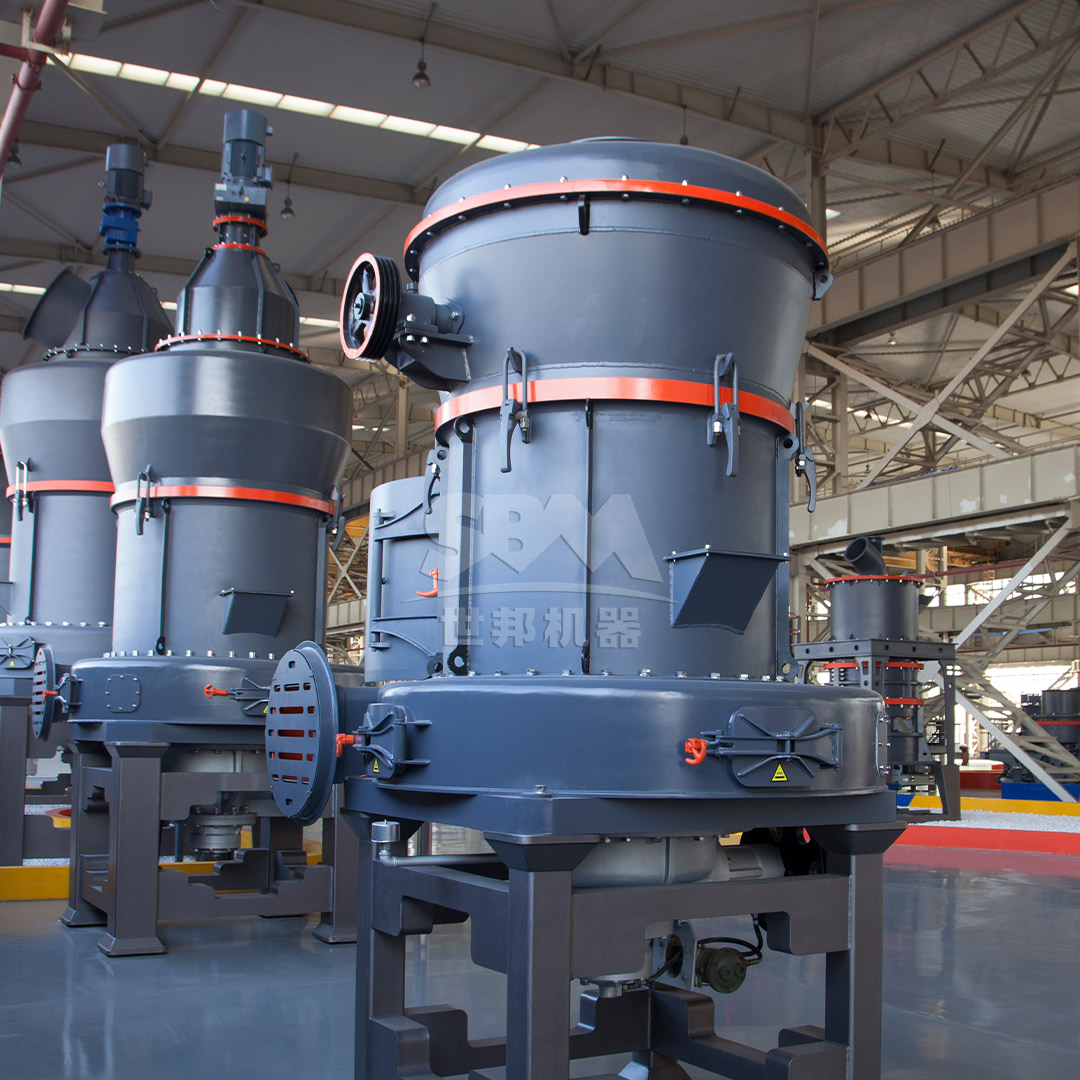
Grinding coal to 600-mesh (325-2500 mesh range) presents unique engineering challenges. The material’s inherent abrasiveness and moisture content necessitate robust equipment with specialized wear protection. Traditional ball mills, while reliable, consume 30-40% more energy and occupy significantly more floor space compared to modern vertical or trapezium mills. For a high-capacity operation targeting 5 to 25 tons per hour of ultra-fine product, the equipment must be designed for continuous, stable operation with minimal downtime.
Modern ultra-fine grinding mills incorporate several critical design features to address these challenges. These include high-precision classifiers that ensure no coarse particles mix into the final product, intelligent control systems for automatic granularity feedback, and durable components like special material rollers and rings. For 600-mesh coal production, the ability of the classifier to cut particles sharply is paramount, as even a small percentage of oversize material can render the product unusable for high-end applications.
The working principle of these advanced mills involves multi-layer grinding rings rotating at high speed, with materials dispersed into the grinding path by centrifugal force. This layered crushing and grinding process ensures maximum surface area contact and energy transfer, leading to higher efficiency and a more uniform product.
| Parameter | Requirement for 600-mesh Coal |
|---|---|
| Output Fineness | 325-2500 mesh (45-5 μm) |
| Feed Size | ≤20 mm |
| Capacity (Target) | 0.5 – 25 ton/h |
| Moisture Content | < 2% (for final product) |
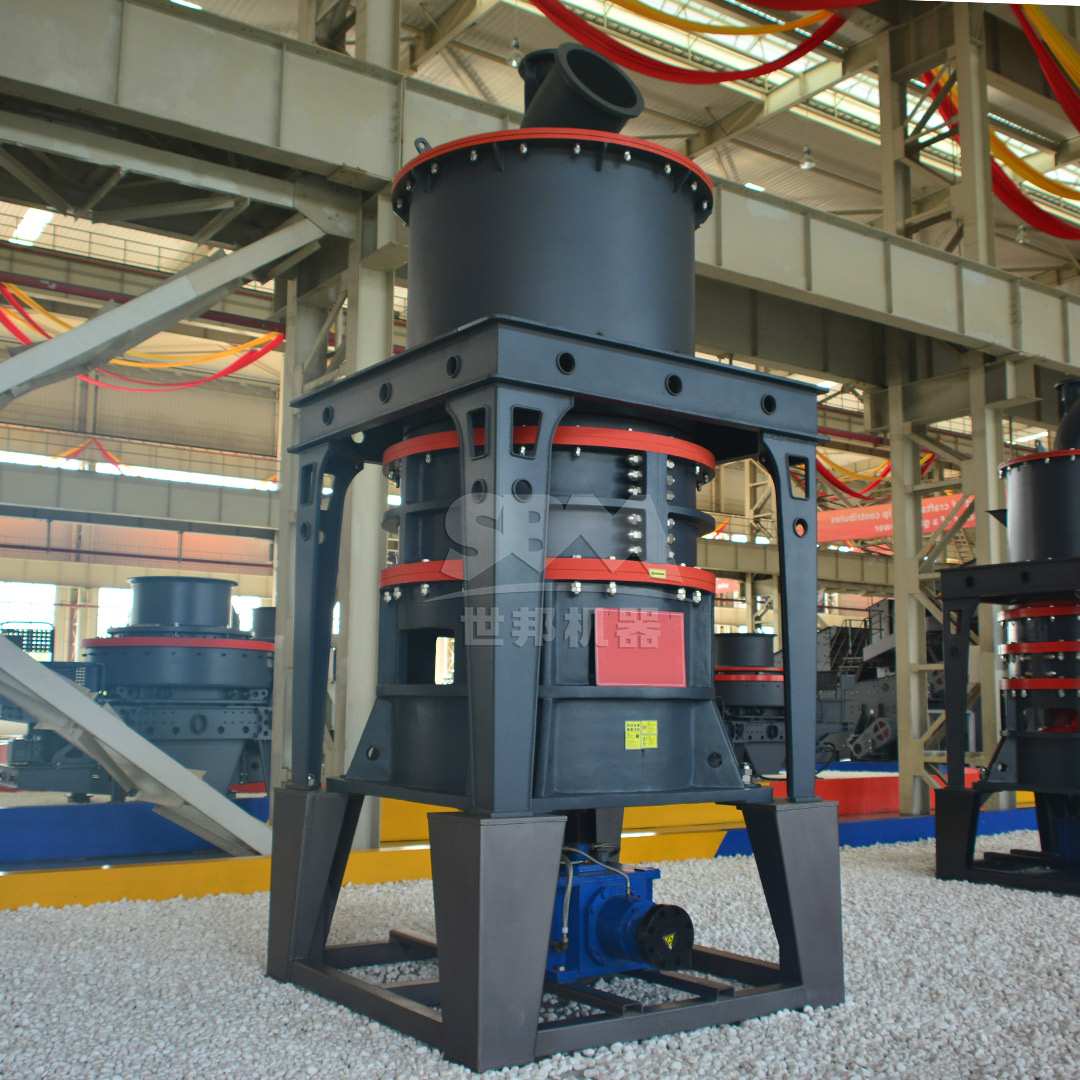
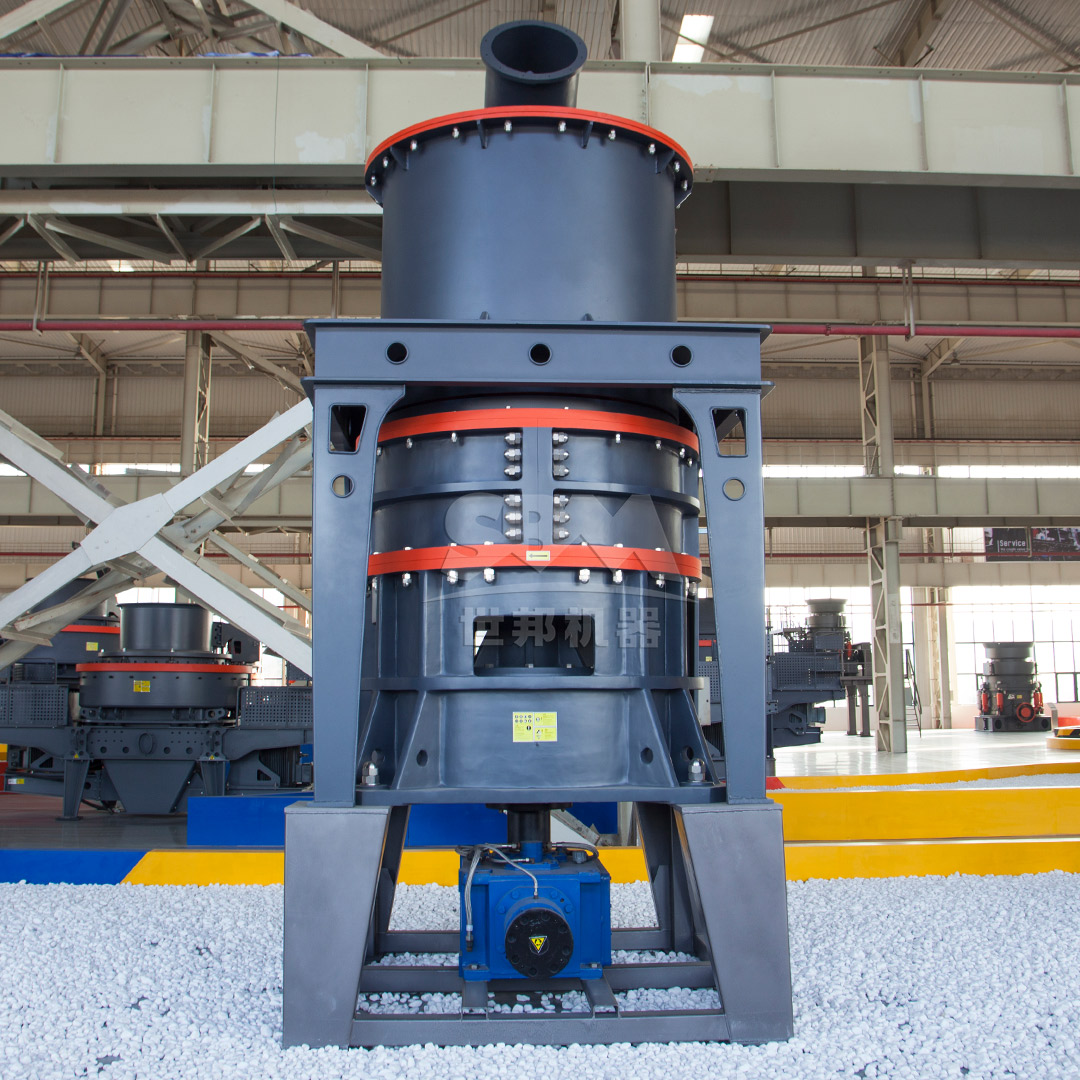
For optimal performance in the 600-mesh coal powder segment, our SCM Series Ultrafine Mill stands as the premier solution. It is specifically engineered to produce ultra-fine powders from 325 to 2500 mesh with industry-leading efficiency. The SCM series offers a capacity of 0.5 to 25 ton/h with a feed size of up to 20mm, making it an ideal choice for high-capacity coal processing operations.
The technical advantages of the SCM mill are particularly beneficial for this application. Its capacity is twice that of jet mills while consuming 30% less energy. The vertical turbine classifier ensures precise particle size cutting, resulting in a uniform 600-mesh product without coarse powder mixing. Furthermore, the use of special material rollers and rings extends service life several times over, reducing operational costs and maintenance frequency. The shaftless screw grinding chamber ensures stable operation even under heavy loads.
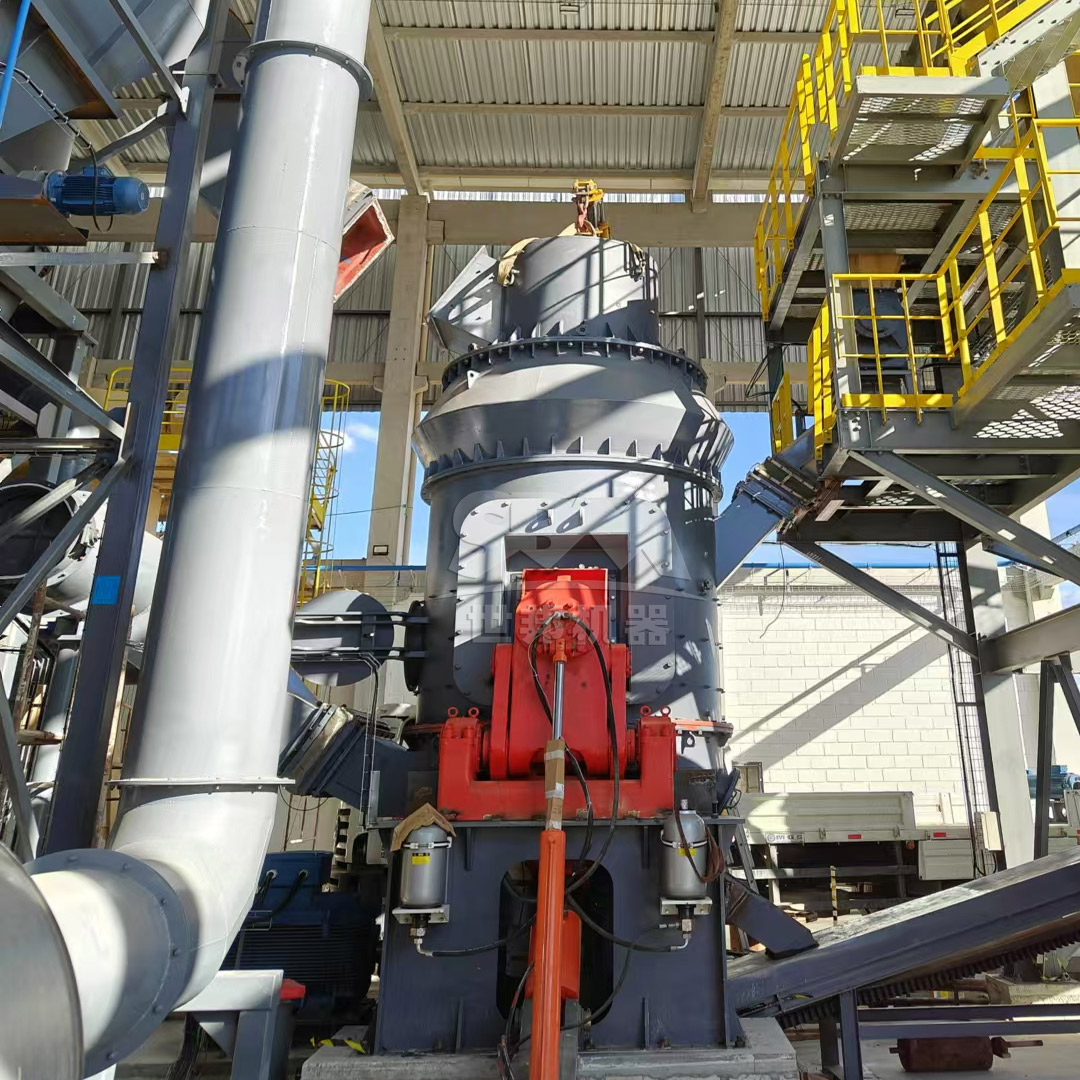
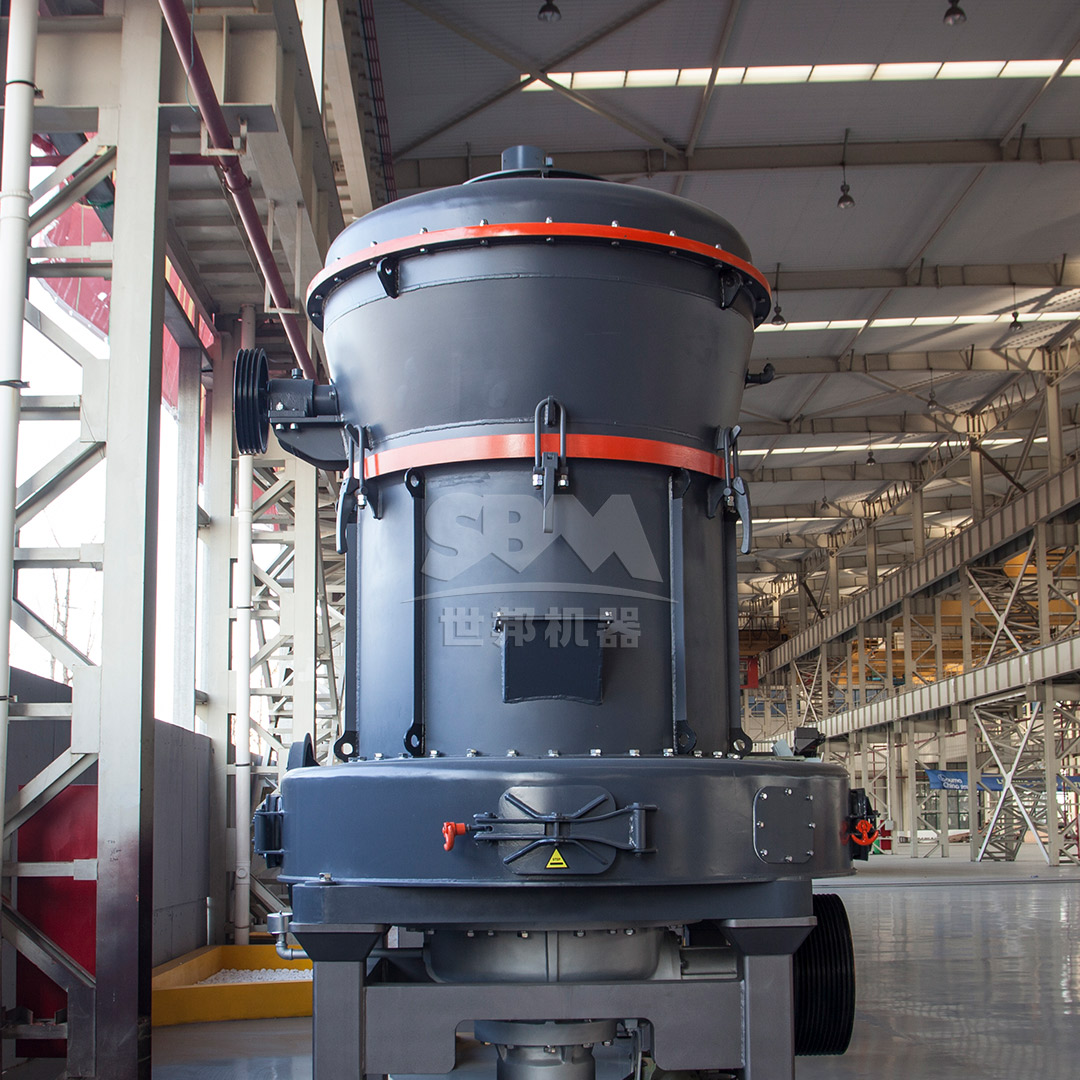
For larger-scale operations requiring exceptional throughput, our LM Series Vertical Roller Mill (Fine-powder LM130X-GX to LM220X-GX) is another excellent recommendation. With a capacity range of 4 to 30 t/h for fine powder (325-600 mesh), the LM series integrates crushing, grinding, and selection into a single system, reducing floor space by 50%. Its non-contact design between rollers and table increases wear part life by three times compared to traditional mills, and its energy consumption is 30-40% lower than ball mill systems. The LM series is fully sealed for negative pressure operation, ensuring environmental compliance and low noise levels.
The economic advantages of using advanced mills like the SCM and LM series for 600-mesh coal are substantial. The intelligent control system automatically adjusts the grinding parameters based on real-time feedback, optimizing energy usage and maximizing throughput. In an era of rising energy costs, a 30-40% reduction in power consumption translates directly to improved profit margins. Additionally, the extended life of wear parts, such as grinding rollers and rings, drastically reduces the frequency and cost of replacement consumables.
Environmental compliance is a critical factor in today’s industrial landscape. Standard pulse dust collection systems used in these mills achieve efficiencies that exceed international standards. The fully sealed negative pressure design of the LM series, combined with soundproof room options for the SCM series, ensures that dust emissions are minimized and noise levels remain below 80dB. This creates a safer and more comfortable work environment while helping companies meet strict regulatory requirements.
The production of 600-mesh coal powder demands capital equipment that is not only powerful but also precise, durable, and efficient. The industry is moving away from outdated ball mill technology towards high-capacity grinding mills that offer integrated, intelligent solutions. Whether you choose the high-efficiency SCM Series Ultrafine Mill for its superior classification and compact design, or the LM Series Vertical Roller Mill for its massive throughput and integrated system, investing in modern technology is essential for staying competitive.
By adopting these advanced systems, producers can achieve consistent product quality, lower operating costs, and meet the highest standards of environmental stewardship. As the demand for ultra-fine coal powder continues to grow, the role of reliable, high-performance grinding equipment will only become more central to industrial success.