The production of ultra-fine coal powder, specifically targeting 1000-mesh fineness (approximately 13 microns), is critical for various industrial applications including foundry casting, metallurgy, chemical synthesis, and clean fuel for industrial boilers and kilns. Achieving this level of fineness requires specialized grinding equipment and a meticulously designed process flow to ensure efficiency, consistency, and cost-effectiveness. This article provides a comprehensive overview of the key machines and the standard process flow for a 1000-mesh coal powder production line.
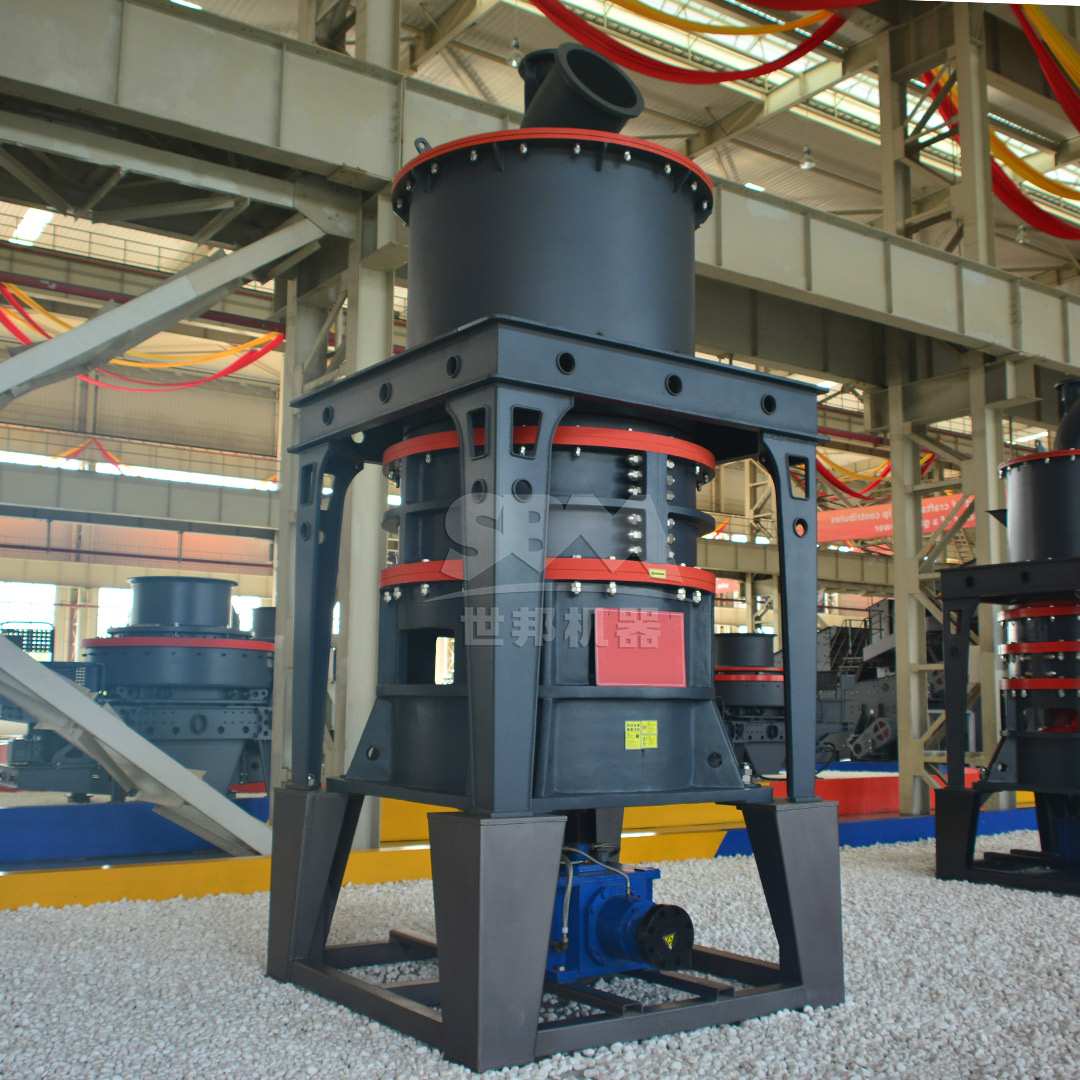
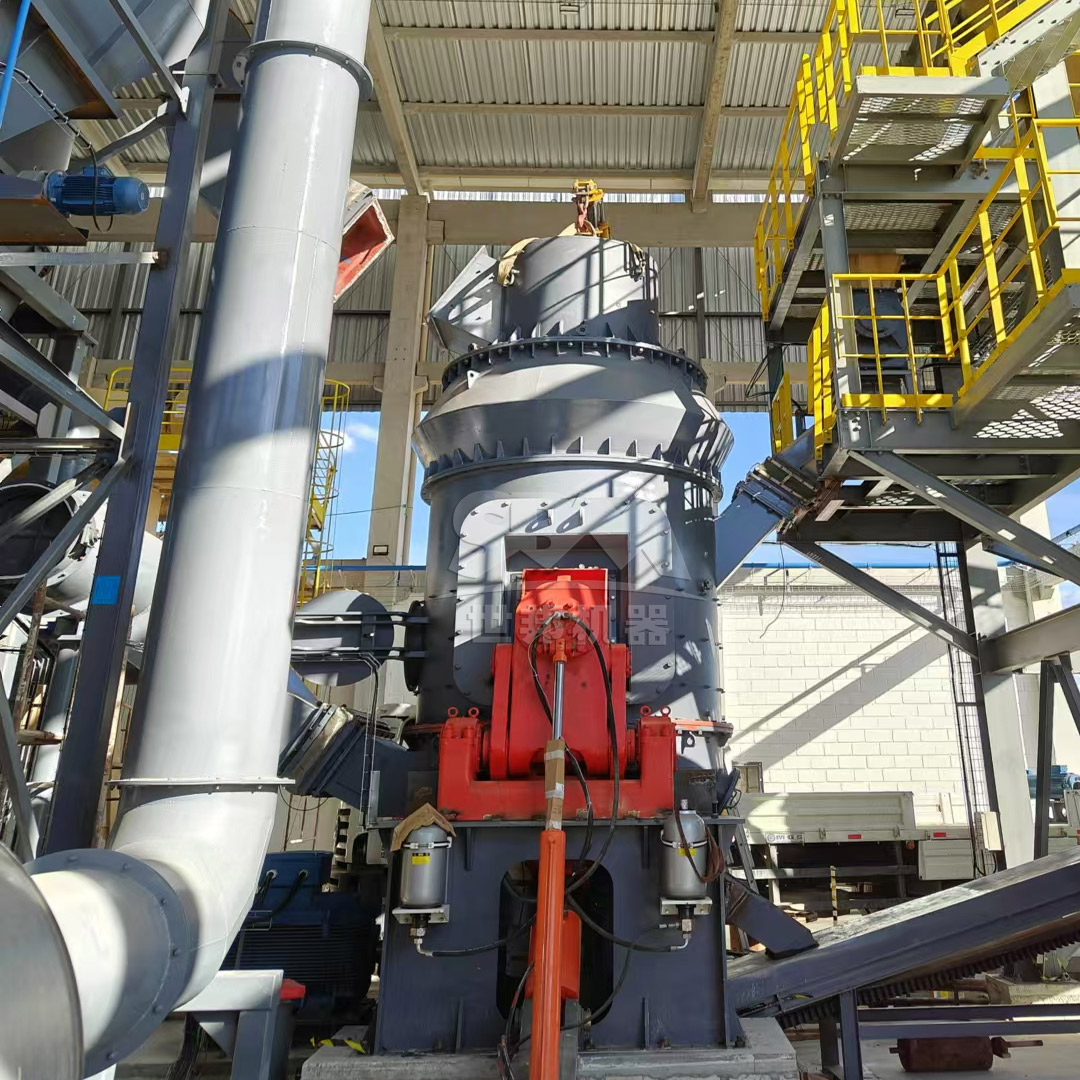
The central piece of equipment for producing 1000-mesh coal powder is the ultra-fine grinding mill. Among the various technologies available, the roller mill design, specifically the vertical and pendulum types, has proven to be most effective for this application. For achieving a consistent 1000-mesh (13μm) product, the LUM Ultrafine Vertical Roller Mill is an excellent choice. It is designed explicitly for ultra-fine powder production in the 325-2500 mesh range.
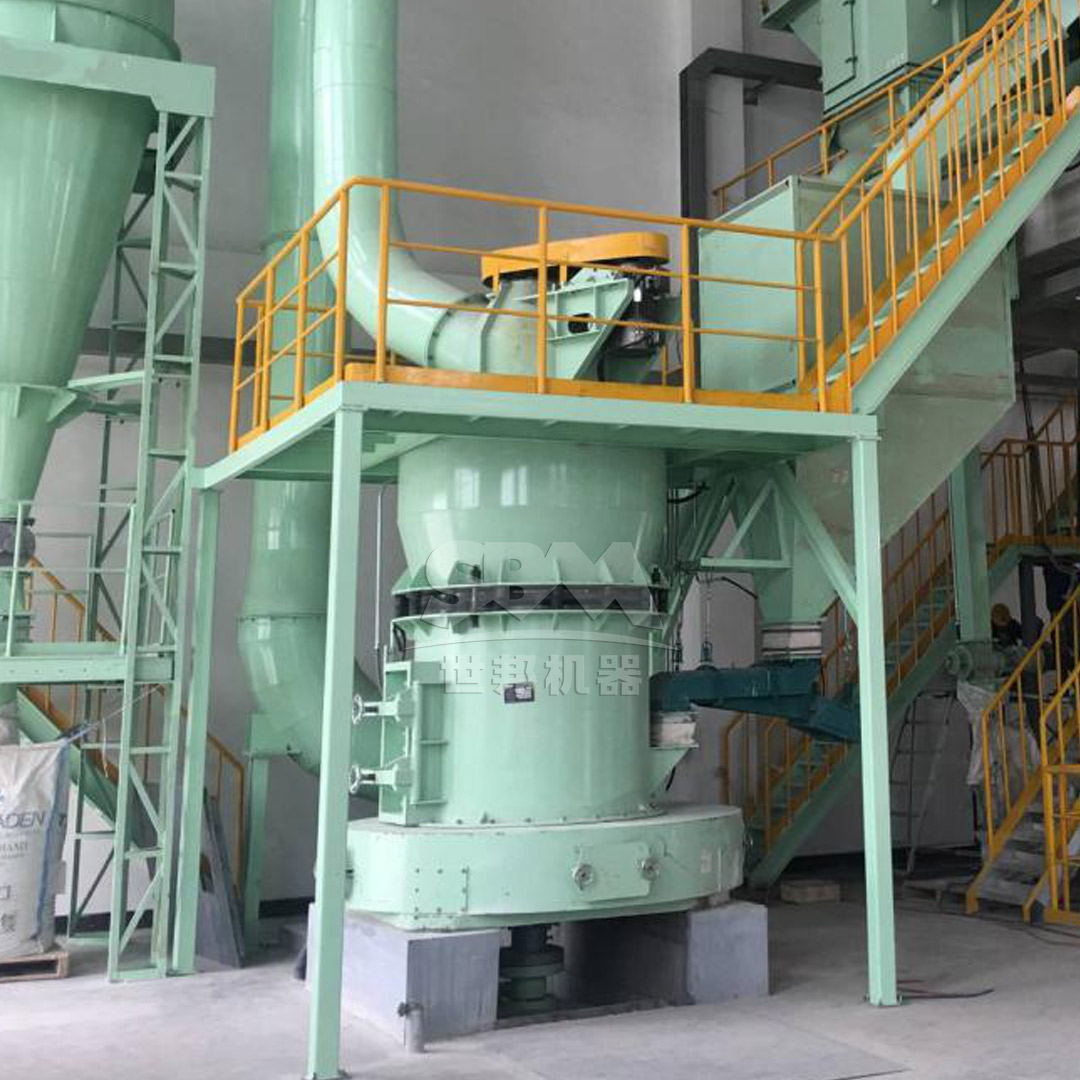
Alternatively, for configurations requiring a more flexible solution capable of both medium and fine grinding, the SCM Series Ultrafine Mill is the industry standard. It offers exceptional precision for the 325-2500 mesh range with outputs up to 25 t/h.
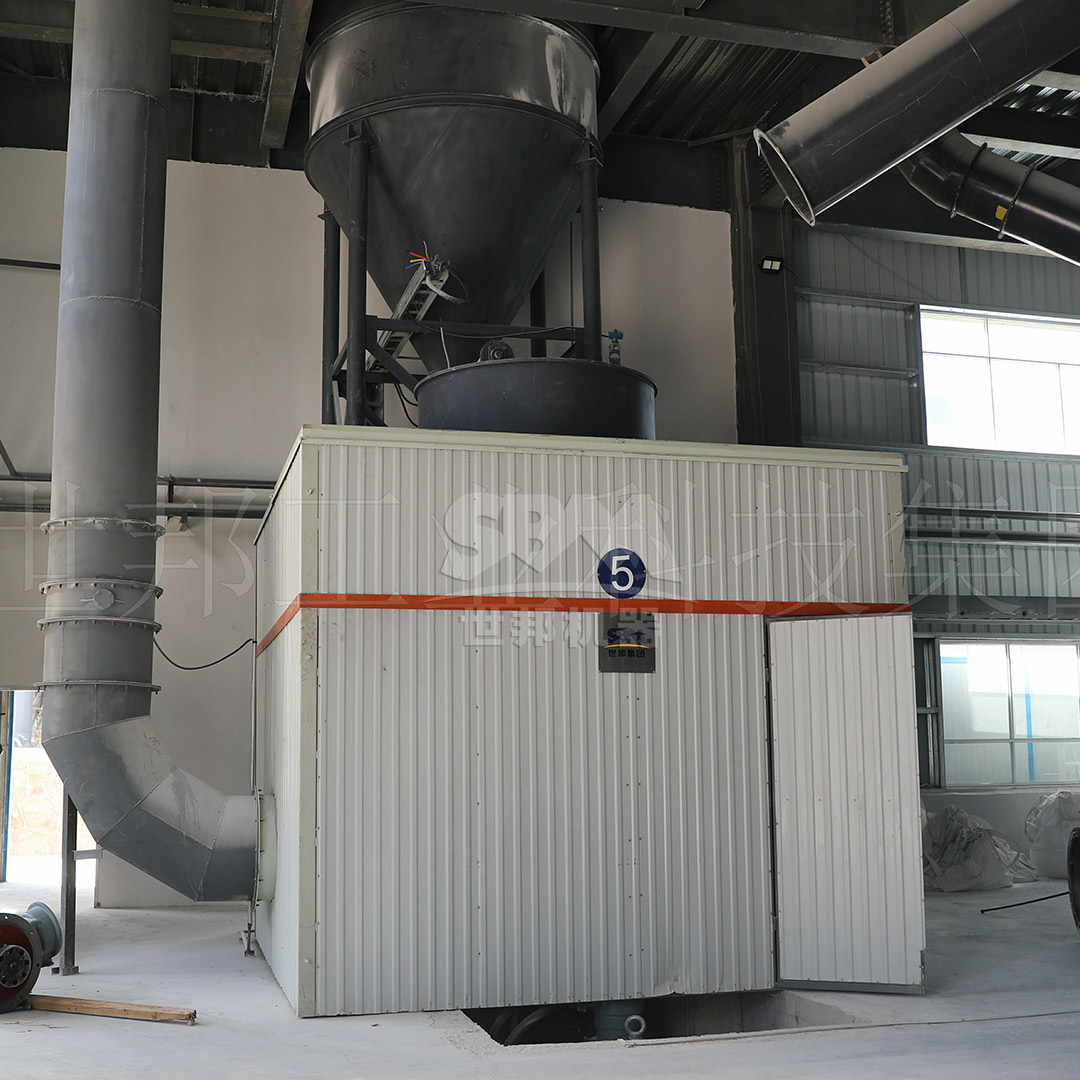
A complete 1000-mesh coal powder production line involves more than just a grinding mill. It is an integrated system comprising several key stages and machines:
Raw coal, often with a size of 100-300mm, must first be reduced to a size suitable for the main mill. A Hammer Crusher (like our PC series) or a jaw crusher is typically used. The Hammer Mill can efficiently reduce feed coal to 0-3mm or 0-20mm depending on the model, ensuring the main mill feeds material within its optimal input size.
A controlled and consistent feed rate is crucial for mill performance. This system includes a vibrating feeder, bucket elevator, or belt conveyor to transport the crushed coal into a storage bin or directly into the mill. An electromagnetic vibrating feeder ensures a uniform feed rate.
This is where the primary transformation occurs. For 1000-mesh production, the mill must have high-precision classification capabilities. Our SCM Series Ultrafine Mill utilizes a vertical turbine classifier that achieves precise particle size cutting with no coarse powder mixing, guaranteeing a uniform 1000-mesh product. Its capacity is 2x that of jet mills with 30% lower energy consumption.
The material leaving the mill is a mix of fine and coarse particles. The integrated dynamic classifier separates them. Qualified fine powder is carried by the airflow to the collection system, while coarse particles are returned for regrinding. The collection system consists of:
The final 1000-mesh coal powder is discharged from the collection system via a discharge valve and can be stored in a silo or packaged using a packing machine.
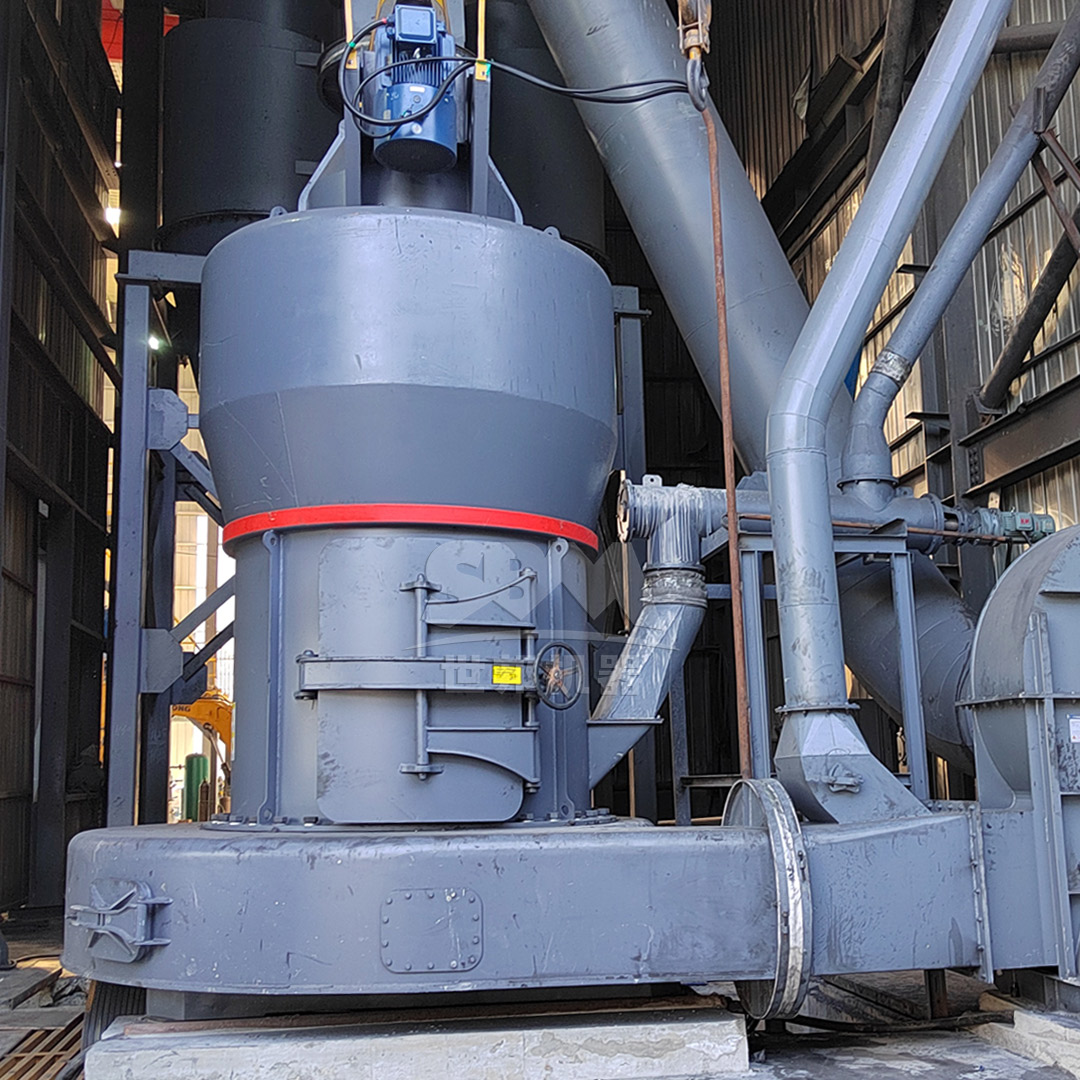
The following outlines the standard process flow for a typical 1000-mesh coal powder production line:
Based on your specific requirements for 1000-mesh coal powder, we strongly recommend the following two flagship products from our extensive portfolio:
1. SCM Series Ultrafine Mill (For High-Precision 45-5μm Output)
Our SCM series is the proven workhorse for ultra-fine grinding. With models like the SCM1250 (capacity 2.5-14 t/h, main power 185kW) or the SCM1680 (capacity 5.0-25 t/h, main power 315kW), it is ideal for large-scale production. Its intelligent control with automatic finished product granularity feedback ensures your 1000-mesh specification is met consistently without over-grinding.
2. LUM Ultrafine Vertical Roller Mill (For Efficient 325-2500 Mesh Output)
For a more compact and energy-efficient solution, the LUM series offers advanced features. The LUM1836 (power 355-400kW, capacity 2.3-15 t/h) utilizes unique roller/liner curves and multi-rotor classifying technology for high efficiency and precise grading. Its PLC automation ensures stable running with minimal operator intervention.
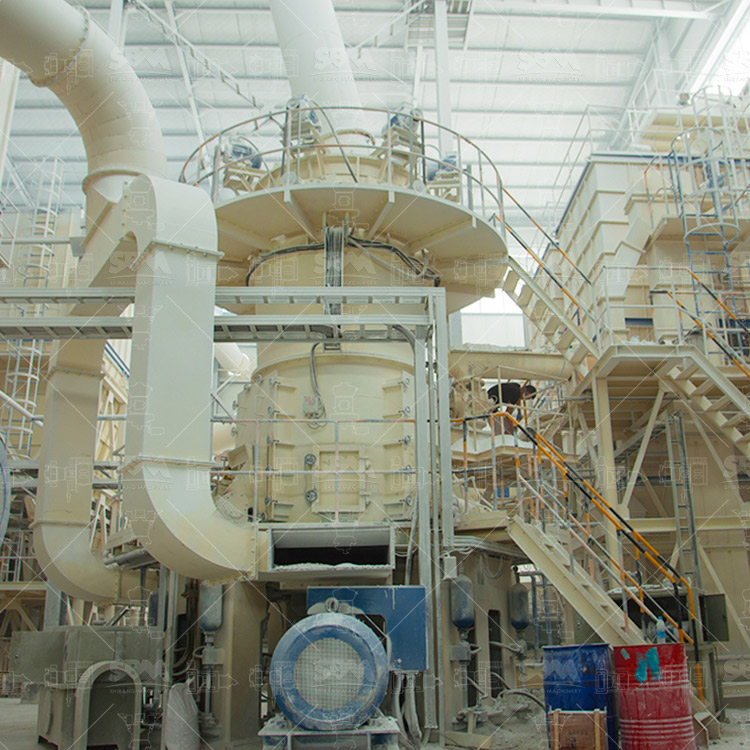
When selecting the right machine for 1000-mesh coal powder, consider the following factors. Our team can help you calculate the best option based on your specific capacity needs and raw material characteristics.
| Machine Series | Input Size | Output Fineness | Capacity (t/h) | Best Use Case |
|---|---|---|---|---|
| SCM Ultrafine Mill | ≤20mm | 325-2500 mesh (5-45μm) | 0.5 – 25 | Ultra-fine grinding with precise classification. High capacity. |
| LUM Vertical Mill | ≤20mm | 325-2500 mesh (5-45μm) | 1.6 – 15 | Energy-efficient ultra-fine grinding. Low maintenance. |
| MTW Trapezium Mill | ≤50mm | 30-325 mesh (45-600μm) | 3 – 45 | Medium to coarse powder. Very high capacity. Durable. |
| Ball Mill | ≤25mm | 0.074-0.8mm (80-325 mesh) | 0.65 – 450 | Coarse and medium powder. Low cost per ton for bulk. |
Establishing a successful 1000-mesh coal powder production line requires a deep understanding of the process flow and the selection of high-quality, durable machinery. By integrating robust crushing equipment with an advanced ultra-fine grinding mill like the SCM or LUM series, manufacturers can achieve high output, consistent product quality, and low operating costs. Our company has the expertise and the full range of products, from hammer mills to pulse dust collectors, to design and supply a turnkey solution for your project.