In the modern cement manufacturing process, the production of high-quality coal powder is a critical step that directly impacts the efficiency of the clinker burning system and the overall energy consumption of the plant. As the primary fuel, the fineness, moisture content, and consistency of the pulverized coal directly influence combustion efficiency and kiln stability. Therefore, selecting and optimizing coal powder production equipment is a strategic decision for any cement plant aiming to reduce costs and improve output.
This article provides a comprehensive guide to the key technologies involved in coal powder production and offers a selection guide for the most suitable equipment, focusing on advanced mill technologies that can transform your plant’s performance.
Coal powder preparation for cement kilns requires precise control over several parameters:
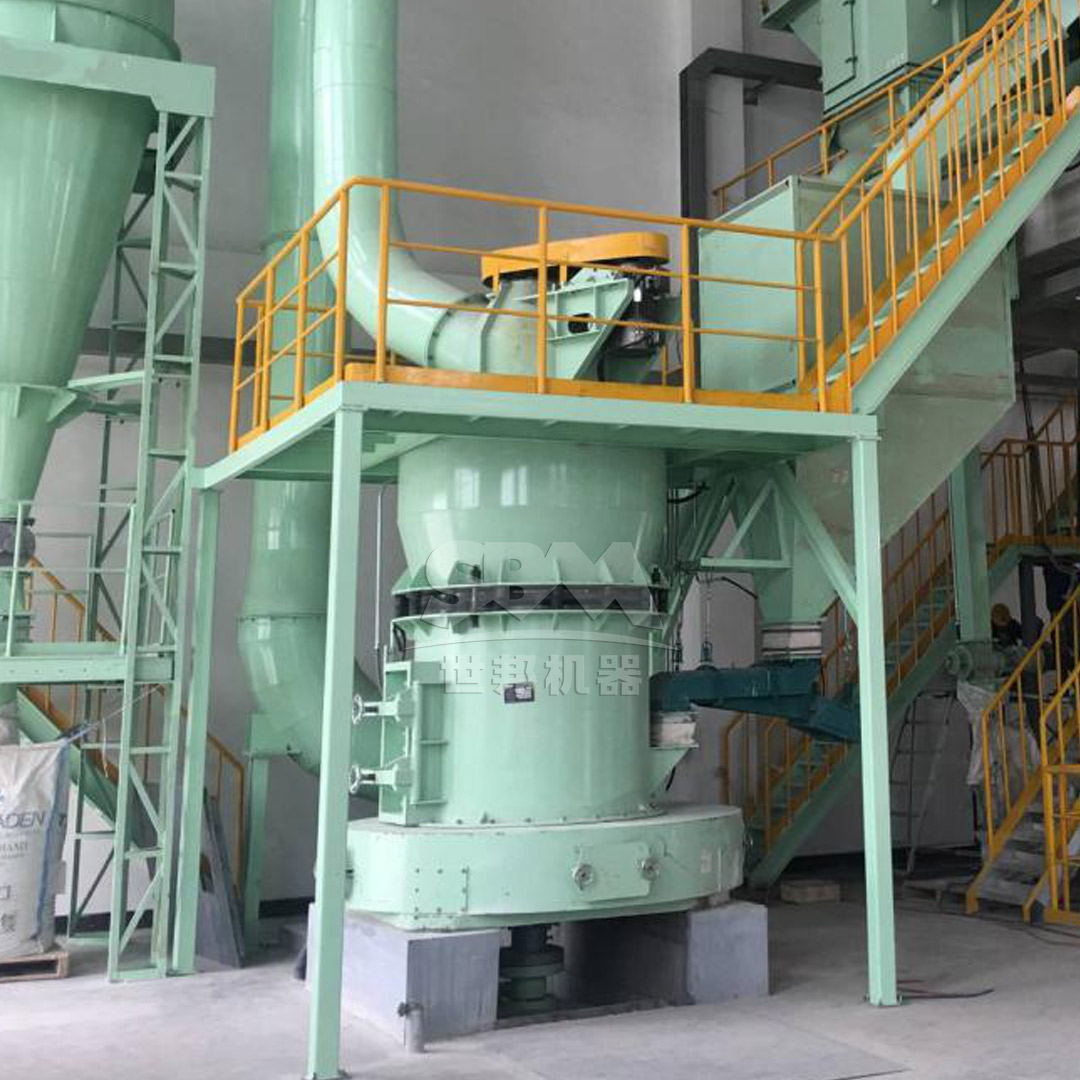
The grinding system is the heart of coal powder production. Traditional ball mills are still used, but modern vertical roller mills (VRMs) and advanced trapezium mills have become the preferred choice due to their superior energy efficiency, smaller footprint, and integrated drying, grinding, and classifying functions. For cement plants looking to upgrade, understanding the technology behind these mills is key.
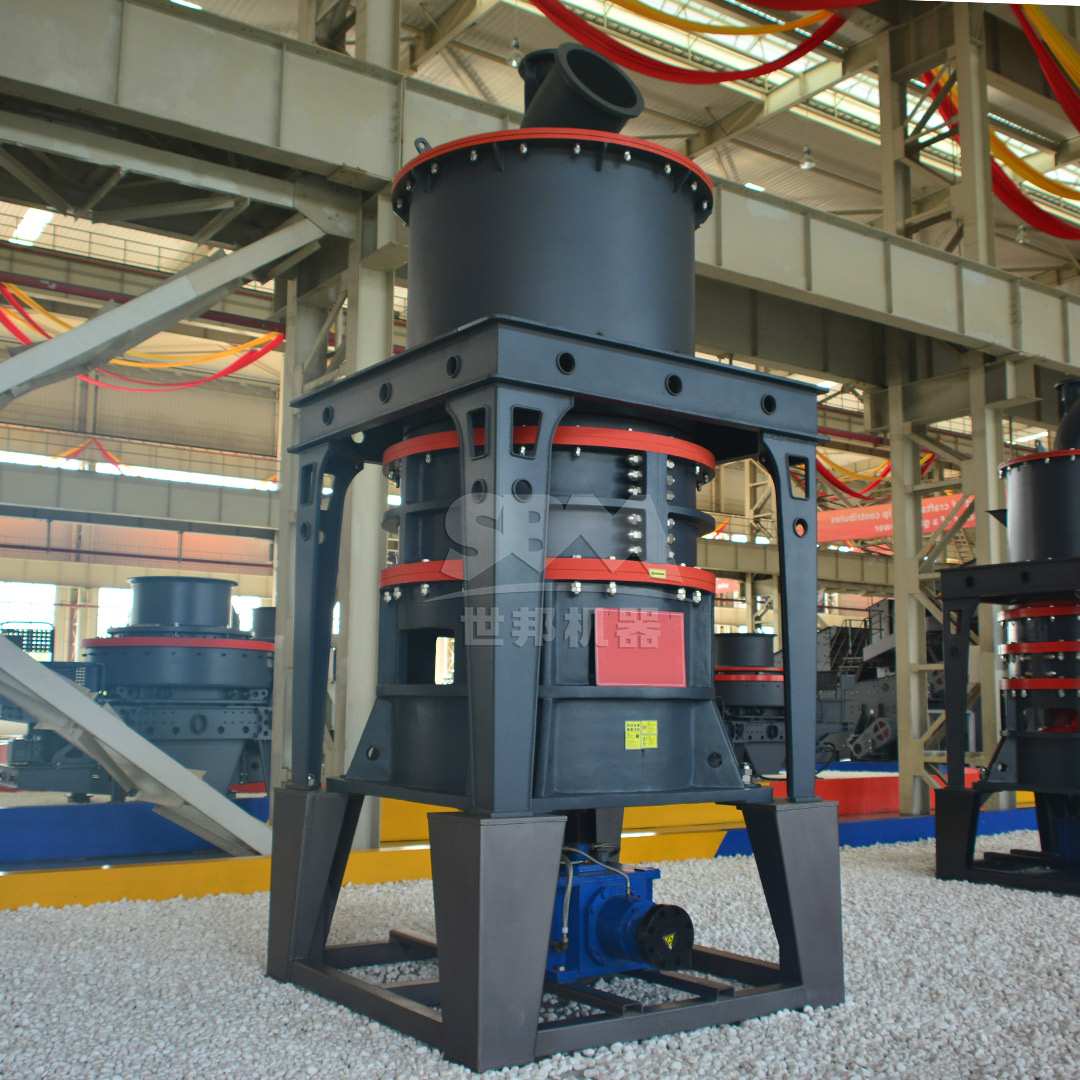
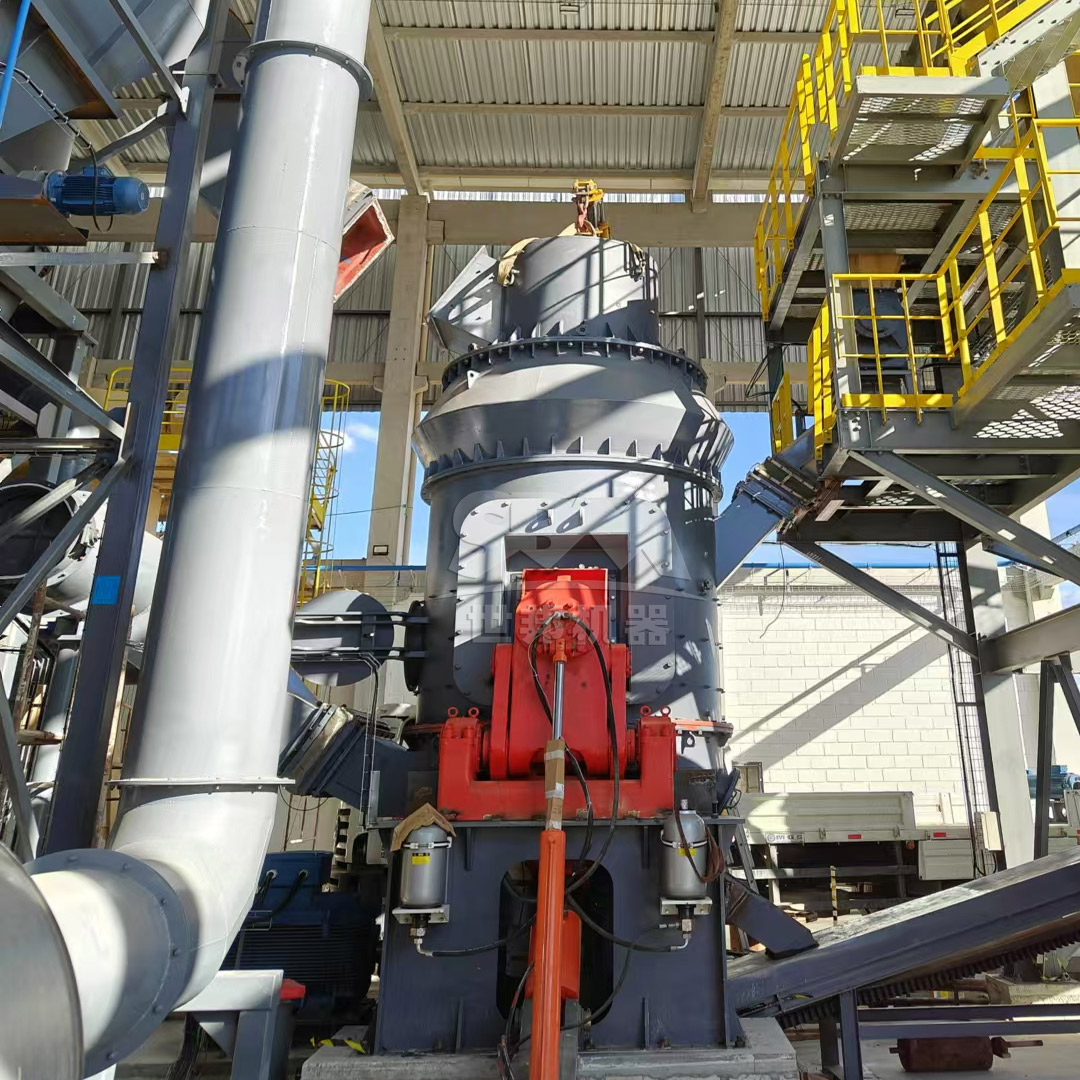
Modern mills, such as the LM Series Vertical Roller Mill and MTW Series European Trapezium Mill, utilize a ‘bed of material’ grinding principle. Instead of point-to-point impact like a ball mill, materials are ground between a rotating grinding table and stationary or rotating grinding rollers. This principle significantly reduces energy consumption by 30-40% compared to traditional ball mill systems, as less energy is wasted as heat and sound.
The classifier is the component that determines the final fineness of the coal powder. Advanced mills feature vertical turbine classifiers or dynamic classifiers that allow for multi-stage adjustment. These systems can precisely cut the particle size, ensuring that no coarse powder mixes into the final product. This precision is vital for achieving the strict fineness requirements of cement kilns (e.g., 5-20% residue on 0.08mm sieve). The intelligent control system automatically adjusts the classifier speed based on real-time feedback of the finished product granularity, ensuring consistent quality.
Coal often contains significant surface and inherent moisture. Modern grinding systems integrate a hot air drying function directly into the mill. Hot gases from a preheater or a dedicated hot air furnace are introduced into the mill, drying the coal as it is being ground. This eliminates the need for a separate drying step, streamlining the process and reducing capital costs.
Today’s mills are equipped with ‘expert’ auto-control systems. These PLC-based systems monitor key parameters like feed rate, mill differential pressure, temperature, and vibration in real-time. They can automatically adjust the feed rate, classifier speed, and roller pressure to maintain optimal operating conditions. This reduces the need for manual intervention, stabilizes the process, and maximizes throughput. Remote monitoring and switching between local and remote control are standard features.
Grinding coal is highly abrasive. Equipment longevity is a major cost factor. Advanced mills address this with specialized materials and design. For example, the MTW Series features anti-wear combined shovel blades and a curved design that extends grinding roller life. The LM Series uses a modular grinding roller assembly with special materials for rollers and grinding table liners. A non-contact design between the rollers and the table in some VRMs significantly reduces wear, extending service life by up to three times and lowering maintenance costs.
Environmental compliance is non-negotiable. Modern grinding systems are designed for fully sealed, negative-pressure operation. High-efficiency pulse dust collectors ensure that dust emissions are far below international standards (e.g., < 30mg/Nm³). Furthermore, advanced soundproofing and vibration damping technologies keep noise levels low, creating a safer and more comfortable working environment. For instance, the SCM Series Ultrafine Mill incorporates a soundproof room design to keep noise levels well within acceptable limits.
Selecting the right mill depends on your plant’s specific capacity requirements, the coal’s characteristics (hardness, moisture), and the desired fineness. The table below provides a comparison of key technologies to help guide your decision.
| Technology | Typical Fineness (Mesh) | Capacity (t/h) | Energy Efficiency | Key Advantages |
|---|---|---|---|---|
| LM Series VRM | 30-325 (Up to 600) | 3 – 250 | Excellent | Integrated design, low operating cost, intelligent control, large capacity. |
| MTW Trapezium Mill | 30-325 | 3 – 45 | Very High | Anti-wear design, optimized air duct, integral bevel gear drive (98% efficiency). |
| SCM Ultrafine Mill | 325-2500 | 0.5 – 25 | High | 2x capacity of jet mill with 30% lower energy; high-precision classifier. |
| Ball Mill | 0.074-0.8mm | 0.65 – 450 | Low | Wide application, high crushing ratio, proven reliability. (Best for retrofit or specific needs). |
For standard cement plant coal milling requirements with capacities from 3 to 45 tons per hour, the
We highly recommend the MTW Series European Trapezium Mill for its unparalleled efficiency and reliability. Its integral bevel gear drive system achieves a transmission efficiency of up to 98%, directly translating to lower power consumption. The optimized arc air duct and anti-wear shovel design minimize maintenance interruptions, ensuring continuous, stable operation. For new plants or capacity expansions requiring a robust and proven workhorse, the MTW Series is an excellent choice. Its models, from the MTW110 (3-9 t/h) to the MTW215G (15-45 t/h), can be precisely matched to any production line. Patented technologies like the internal suction oil lubrication system further extend the life of the equipment, making it a low total-cost-of-ownership solution.
For plants that require a higher capacity, a more compact footprint, and the absolute lowest operational cost, the
The LM Series Vertical Roller Mill represents the pinnacle of grinding technology for large-scale operations. The LM Series integrates crushing, grinding, drying, and powder selection into a single unit, reducing the plant’s floor space by up to 50% and infrastructure costs by 40%. Its intelligent expert control system and bed-of-material grinding principle lead to energy savings of 30-40% compared to ball mills. For a coal mill, the models range from the LM80M (3 t/h) to the LM280M (90 t/h), with a fineness adjustable to 5-20% R0.08mm. The fully sealed, negative-pressure operation ensures a clean, safe, and low-noise working environment. For any greenfield cement plant or major expansion, the LM Series VRM is the industry standard for maximizing return on investment.
Optimizing coal powder production is a direct path to improved cement plant profitability. By leveraging key technologies like efficient bed-of-material grinding, high-precision classifiers, and intelligent control systems, plants can significantly reduce energy consumption, improve product quality, and enhance operational safety. Whether you choose the flexible and efficient MTW Series for moderate capacities or the powerful and integrated LM Series for large-scale production, investing in modern equipment is a decision that will yield dividends for years to come.
For more detailed specifications and a personalized consultation on which mill best suits your coal grinding needs, please contact our technical sales team. We are ready to help you achieve your production and efficiency goals.