Coking coal, also known as metallurgical coal, is a critical raw material in the steelmaking process. To produce high-quality coke, the coal must be ground to a precise and uniform particle size, typically ranging from 45 micrometers to 600 micrometers, depending on the specific requirements of the coke oven. Selecting the right grinding mill is not merely a choice of equipment; it is a strategic decision that impacts energy consumption, production efficiency, product quality, and overall operational costs. This guide provides a comprehensive overview of the key considerations for selecting high-performance grinding mills for coking coal powder production, focusing on capacity, fineness, energy efficiency, and maintenance.
Coking coal typically has a moisture content of 8-12% and a feed size that can range from 20mm to 50mm. The choice of mill must account for these variables. For instance, mills with a larger allowable input size, such as 50mm, can reduce the need for primary crushing, simplifying the process flow. The abrasiveness of the coal also dictates the need for wear-resistant components.
The fineness of the final product is the most critical quality parameter. For coking coal, the target is often 80-85% passing through a 200-mesh (74μm) or 325-mesh (45μm) screen. The selected mill must offer precise classification to prevent coarse particles from entering the final product, which would compromise coke strength. High-performance classifiers, such as vertical turbine classifiers, provide the sharp particle size cut-off needed for consistent quality.
Production capacity is a direct driver of equipment selection. Small to medium operations might require 5-10 tons per hour, while large-scale steel plants demand capacities exceeding 50 tons per hour. For high-capacity requirements, mills like the Vertical Roller Mill or the larger models of the European Trapezium Mill are ideal, as they are designed for continuous, high-throughput operations.
Several mill technologies can be used for coking coal grinding. The table below provides a comparative overview to help you make an informed decision.
| Technology | Output Fineness | Capacity Range | Key Advantage | Best Application |
|---|---|---|---|---|
| European Trapezium Mill (MTW) | 600 – 45 μm | 3 – 45 t/h | High transmission efficiency, wear-resistant design | Medium to large capacity, standard fineness |
| Vertical Roller Mill (LM Series) | 600 – 45 μm | 3 – 250 t/h | Highest capacity, lowest energy consumption | Large-scale industrial production |
| Ultrafine Mill (SCM Series) | 325 – 2500 mesh (45 – 5 μm) | 0.5 – 25 t/h | High precision classification, finest product | Ultra-fine coal powder, special coke applications |
| Ball Mill | 0.074 – 0.8 mm | 0.65 – 450 t/h | Widest application, proven reliability | Coarse grinding, wet or dry processes |
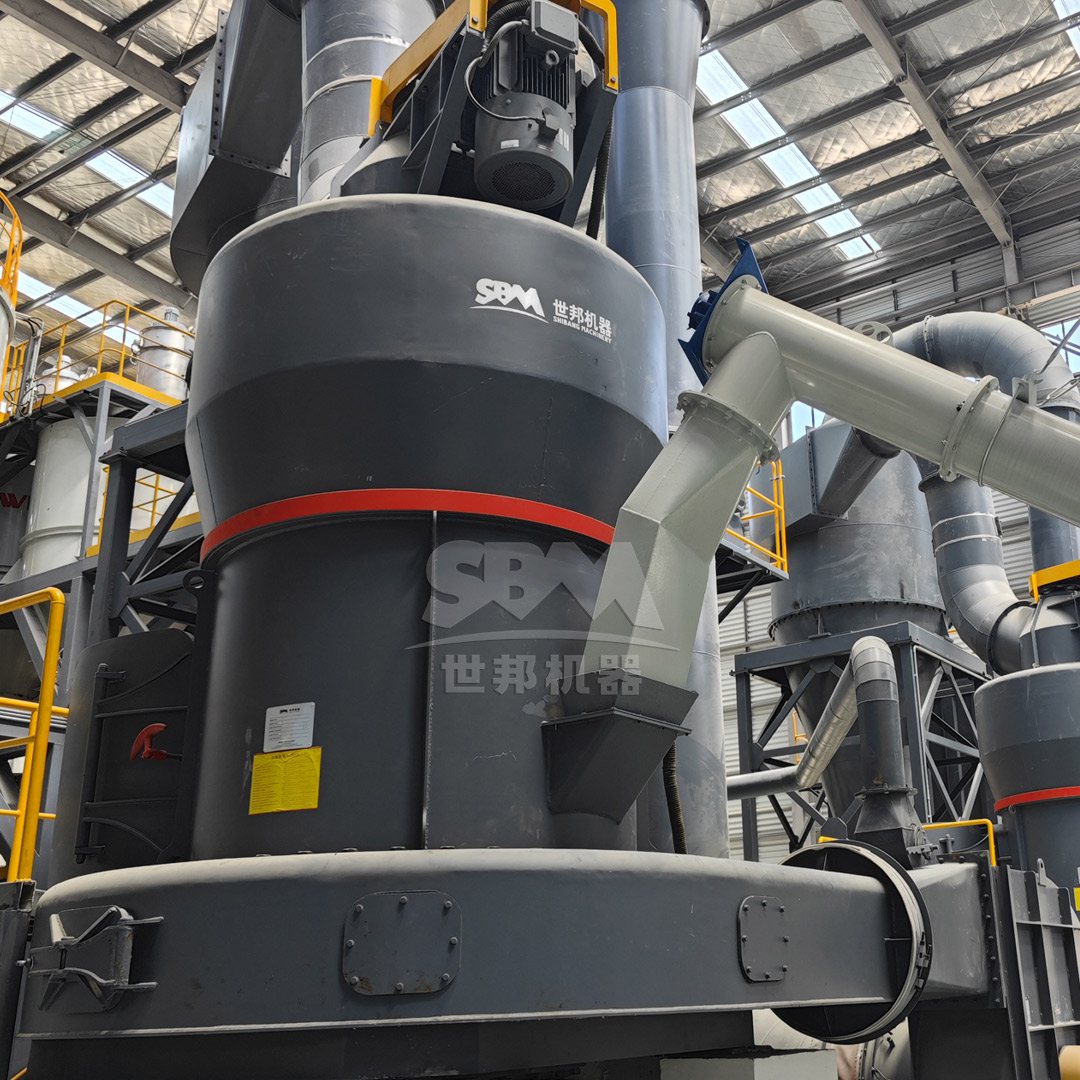
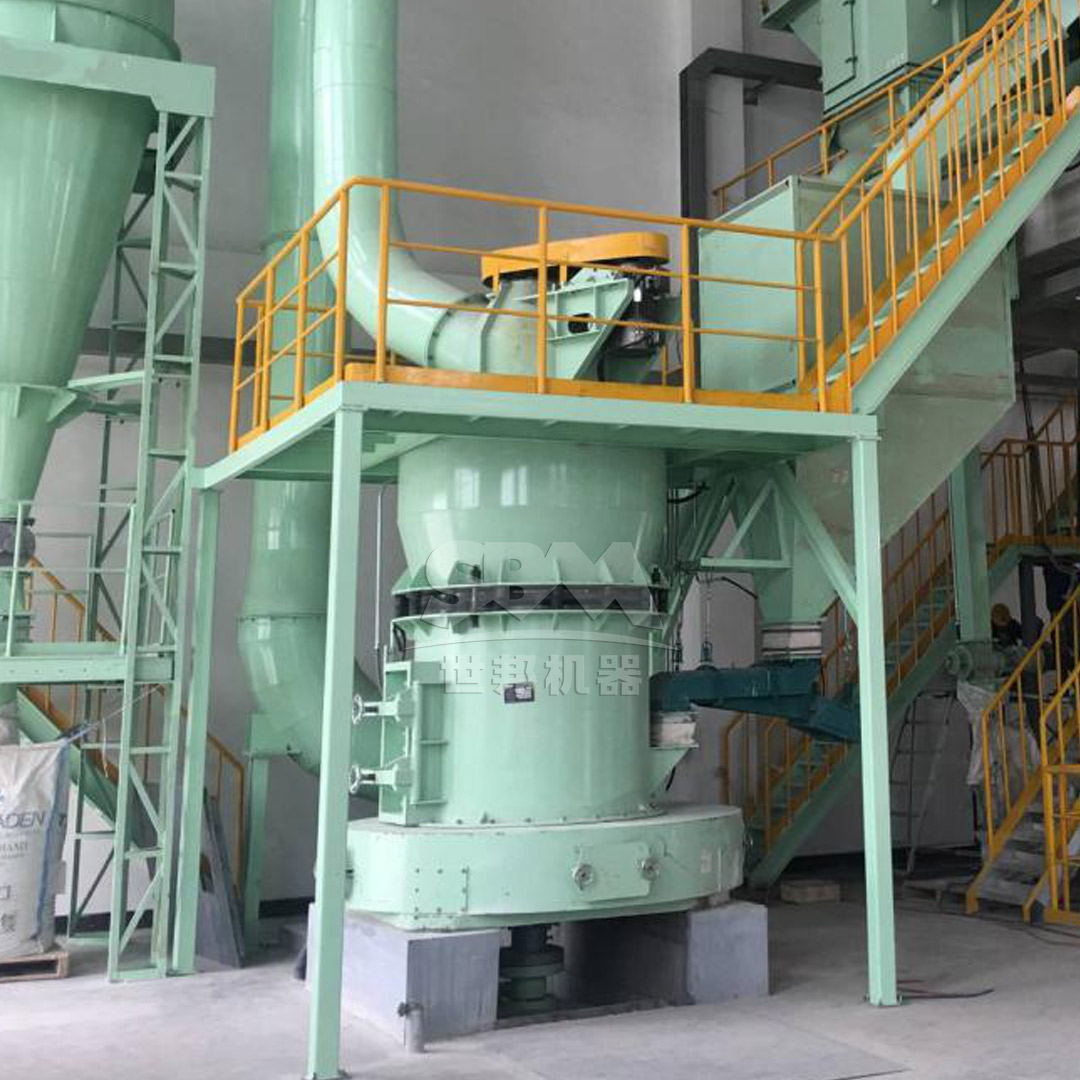
This mill is a workhorse for the coking coal industry. Its integral bevel gear drive achieves 98% transmission efficiency, making it extremely energy-efficient. The anti-wear shovel design and optimized arc air duct ensure that maintenance costs remain low, even when processing abrasive coal. The curved design of the grinding rollers extends their lifespan significantly. For operations requiring reliable performance with minimal downtime, the MTW series is an excellent choice.
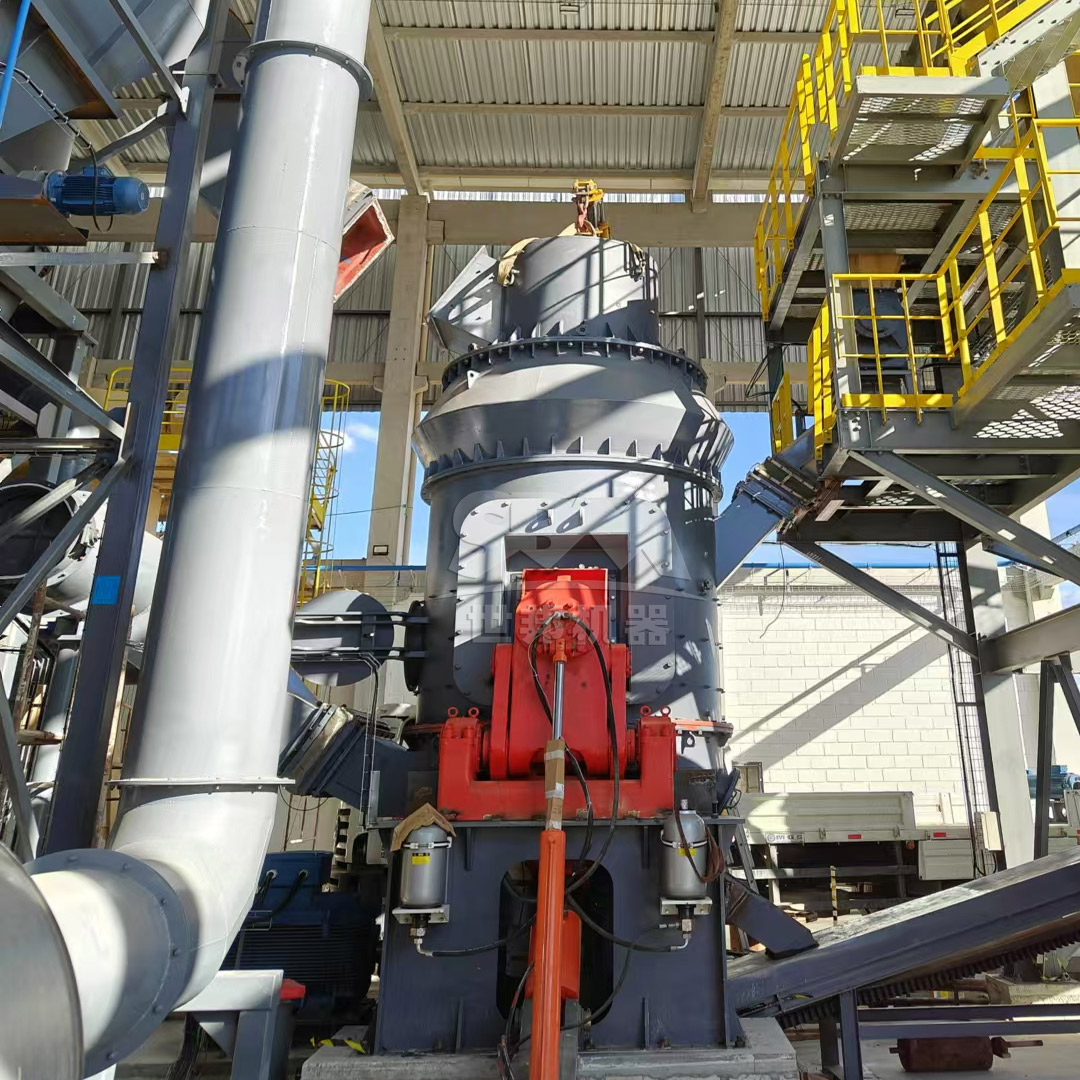
For the largest coking coal production lines, the Vertical Roller Mill is the industry standard. Its integrated design combines crushing, grinding, and selection in one unit, reducing floor space by 50%. The non-contact design between rollers and table means that wear-part life is increased by up to 3 times compared to other technologies. Energy consumption is 30-40% lower than traditional ball mill systems. The LM280M model, for example, can handle up to 90 tons per hour, making it perfect for large-scale steel enterprises. Its fully sealed negative pressure operation also ensures environmental compliance, a critical factor in modern industrial settings.
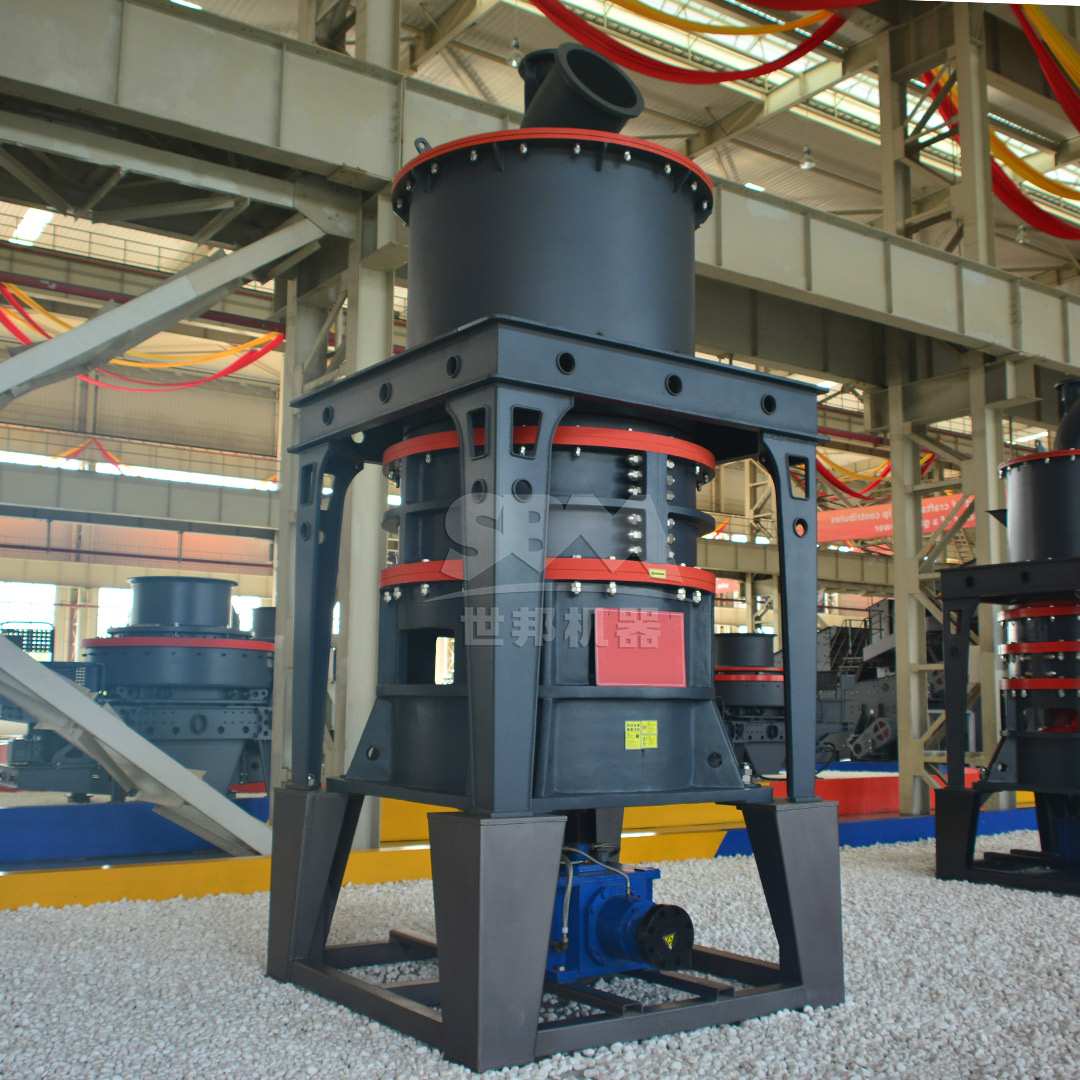
For clients who require the highest grade of coking coal powder, particularly for blending or specialized coke-making processes, the SCM Series Ultrafine Mill is the premier solution. It produces a finished product fineness from 325 to 2500 mesh (45-5μm), which is significantly finer than standard mills. The vertical turbine classifier ensures no coarse powder mixing, guaranteeing a consistent and uniform product. Its capacity is twice that of a jet mill with 30% lower energy consumption. This mill is ideal for producing premium coal powder that enhances coke reactivity and strength.
| Model | Capacity (t/h) | Main Power (kW) | Feed Size (mm) | Fineness (mesh) |
|---|---|---|---|---|
| SCM800 | 0.5 – 4.5 | 75 | 0-20 | 325-2500 |
| SCM1000 | 1.0 – 8.5 | 132 | 0-20 | 325-2500 |
| SCM1250 | 2.5 – 14 | 185 | 0-20 | 325-2500 |
| SCM1680 | 5.0 – 25 | 315 | 0-20 | 325-2500 |
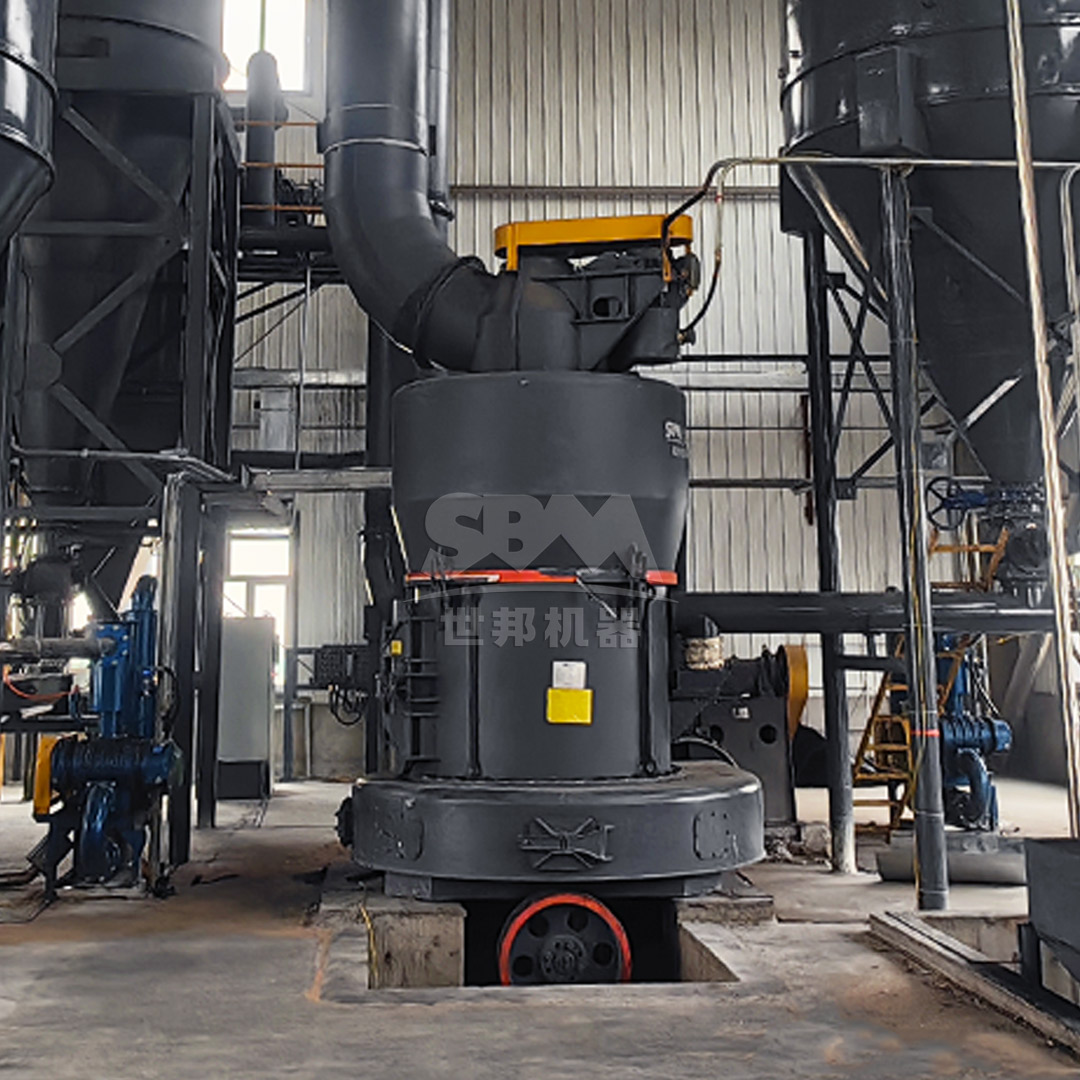
If your priority is a robust, high-capacity solution for standard fineness (30-325 mesh) with the lowest possible operational cost, the MRN Pendulum Mill is an outstanding option. It features a first-in-class thin oil lubrication system that is virtually maintenance-free. The new square-pipe pulse dust collector and isolated cyclone configuration significantly reduce system resistance, lowering energy consumption. With models like the MB5X298 capable of handling 48-83 tons per hour, this mill is built for continuous, heavy-duty industrial applications. Its ability to accept a feed size up to 50mm reduces pre-crushing costs.
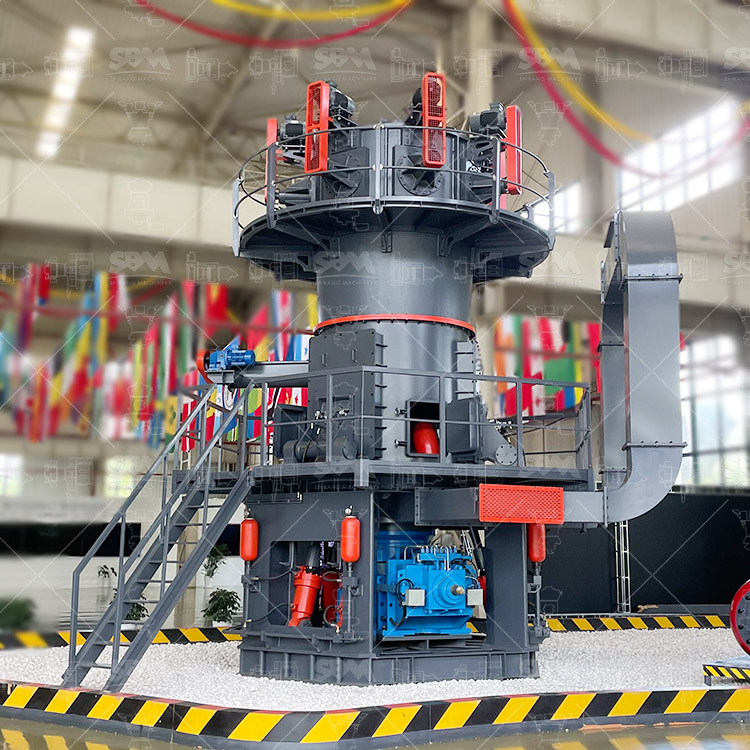
In coal grinding, wear is inevitable. Mills with specialized wear-resistant materials, such as the special material rollers and rings in the SCM series or the curved shovels in the MTW series, offer significantly longer service life. Opt for mills that feature quick-change systems for rollers and rings, like those in the LM series, to minimize downtime.
Modern high-performance mills come equipped with intelligent control systems. Look for features like automatic finished product granularity feedback, real-time monitoring of vibration and temperature, and remote operation capabilities. Expert-level auto-control, as found in the LM series, reduces manual intervention and ensures consistent product quality regardless of coal feed variations.
Selecting the right grinding mill for coking coal powder production is a critical process that balances fineness, capacity, energy efficiency, and durability. For ultra-fine powder requirements, the SCM Series Ultrafine Mill offers unmatched precision and efficiency. For large-scale, high-volume production, the MRN Pendulum Mill or the Vertical Roller Mill provide the lowest cost per ton and highest reliability. By carefully matching your material requirements and production goals to the technical advantages of these mills, you can ensure a profitable and sustainable operation. We invite you to contact our engineering team for a personalized consultation and on-site testing to find the perfect solution for your coking coal grinding needs.