The modern plastics industry is increasingly turning to mineral additives to enhance product performance, reduce costs, and meet stringent environmental standards. Among these, quartz powder (silicon dioxide, SiO₂) stands out as a versatile and highly effective filler. When processed to the correct fineness and purity, quartz additives can significantly improve the hardness, abrasion resistance, thermal stability, and dimensional stability of plastic products ranging from PVC pipes and flooring to engineering plastics and masterbatches.
However, the benefits of quartz are directly tied to the quality of its processing. Producing a high-performance quartz additive requires specialized grinding equipment capable of delivering precise particle size distribution (PSD), consistent quality, and high throughput. This guide provides a complete overview of the manufacturing process, key equipment, and applications of quartz stone additives for the plastic industry.
Before delving into production equipment, it is crucial to understand why quartz is a preferred additive in plastic formulations.
High-purity quartz powder acts as a reinforcing agent. Its high Mohs hardness (7) significantly improves the scratch resistance and surface hardness of plastic products. For example, in PVC flooring and wall panels, the addition of fine quartz dramatically increases wear resistance, extending the product’s lifespan.
Quartz has a high melting point (approx. 1713°C) and a low coefficient of thermal expansion. When compounded into plastics, it improves the material’s heat deflection temperature (HDT) and reduces shrinkage during the molding process. This is critical for applications like automotive interior parts and electronic housings.
Due to its excellent dielectric properties, quartz is an ideal filler for electrical insulation materials. It enhances the breakdown voltage resistance and reduces the dielectric constant of the plastic compound.
As a naturally abundant mineral, quartz is significantly cheaper than many polymer resins. Replacing a portion of the resin with high-quality quartz powder (typically 10-40% by weight) can lower raw material costs without compromising—and often improving—the final product’s performance.
The journey from raw quartz stone to a fine, functional additive requires a multi-stage process. The core steps include:
The choice of grinding equipment determines the quality, efficiency, and cost-effectiveness of the entire operation. For the plastic industry, the demand is for ultra-fine powder with a narrow particle size distribution, typically ranging from 45μm (325 mesh) to 5μm (2500 mesh).
For such demanding applications, traditional mills often fall short. This is where advanced grinding technology plays a decisive role.
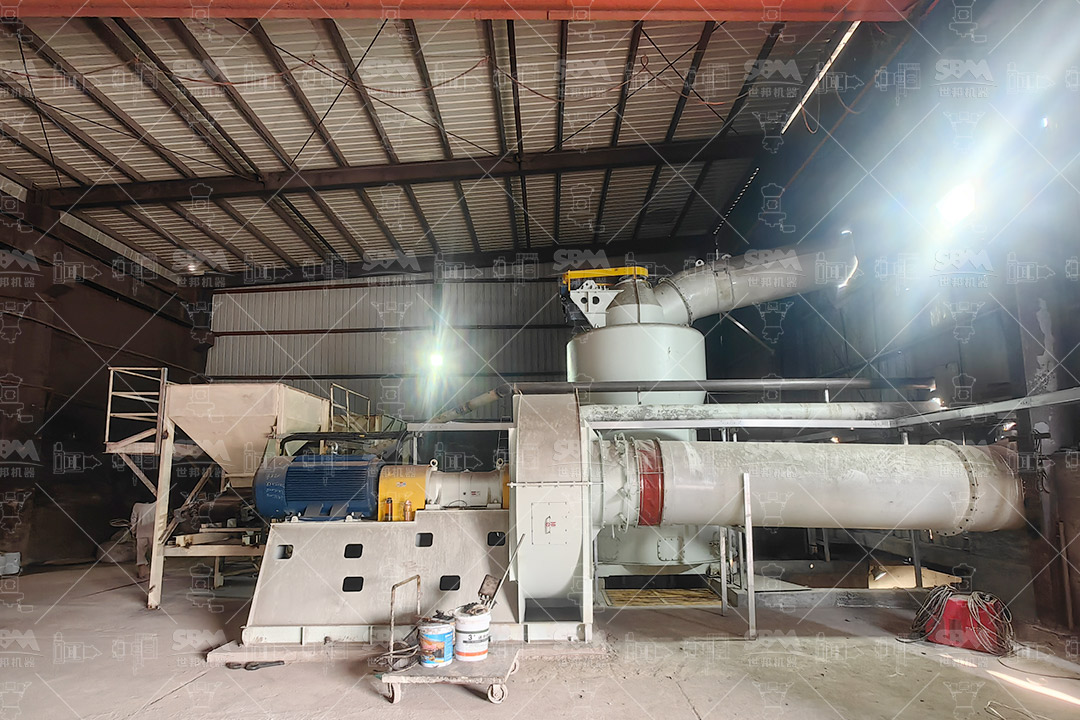
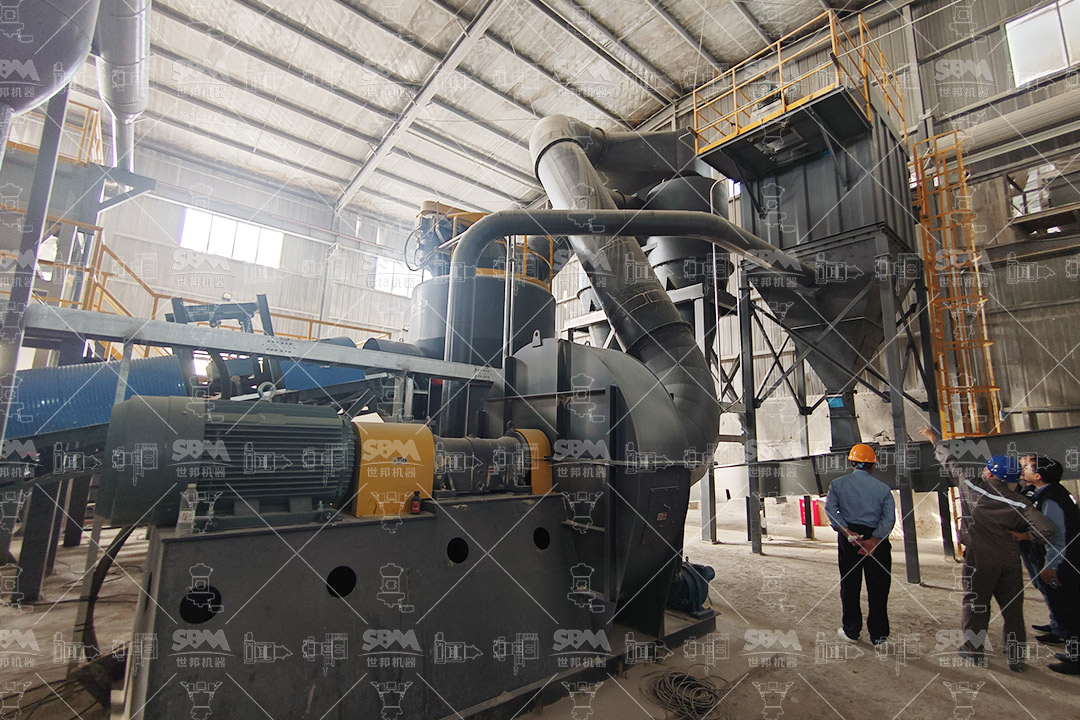
To meet the stringent requirements of high-end plastic applications, we highly recommend the SCM Series Ultrafine Mill and the LUM Ultrafine Vertical Roller Mill. These machines represent the pinnacle of fine powder processing technology.
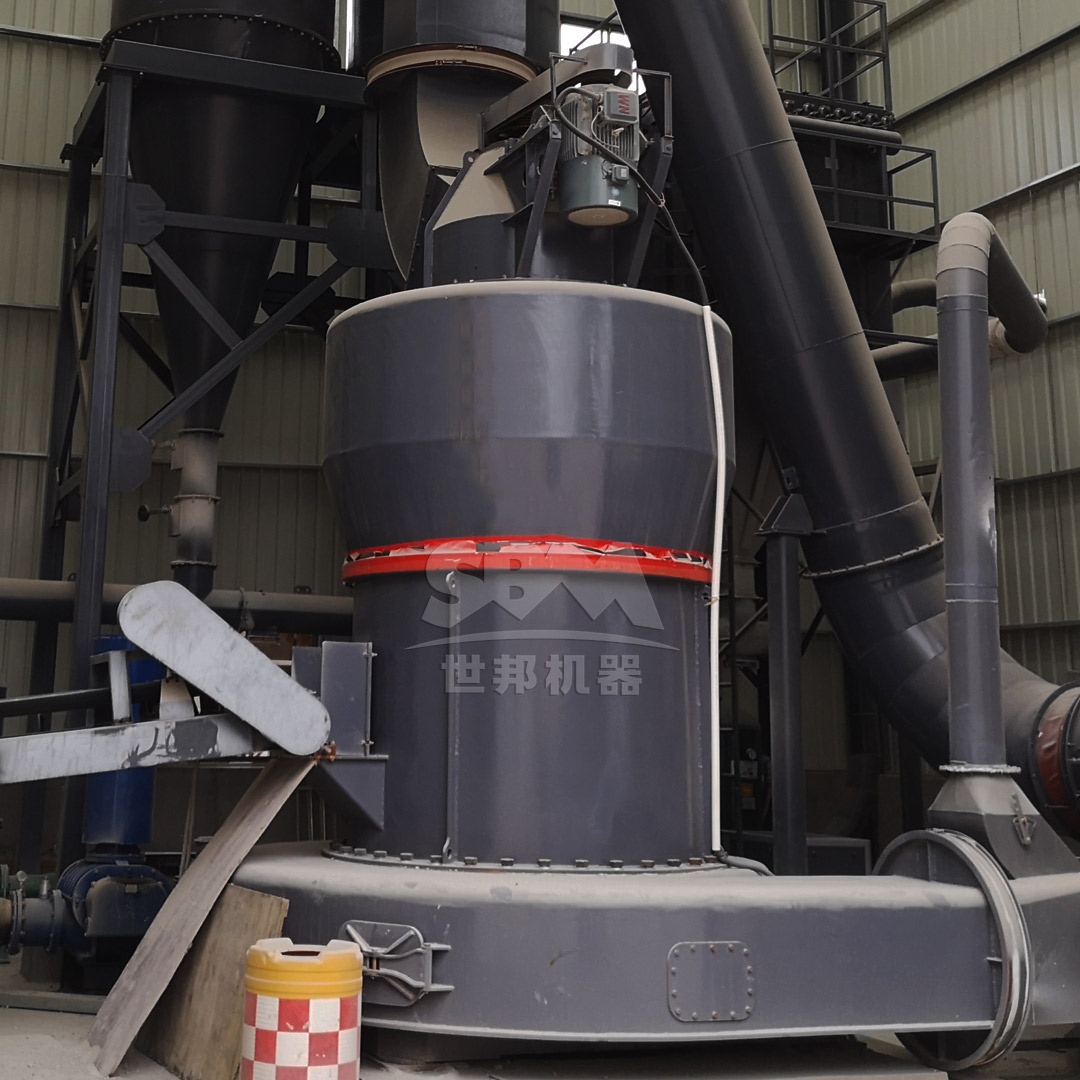
The SCM Series is specifically engineered to produce powders in the 325-2500 mesh range, which is the sweet spot for quality plastic additives.
| Model | Capacity (t/h) | Main Power (kW) | Feed Size (mm) | Fineness (mesh) |
|---|---|---|---|---|
| SCM800 | 0.5-4.5 | 75 | 0-20 | 325-2500 |
| SCM1000 | 1.0-8.5 | 132 | 0-20 | 325-2500 |
| SCM1250 | 2.5-14 | 185 | 0-20 | 325-2500 |
| SCM1680 | 5.0-25 | 315 | 0-20 | 325-2500 |
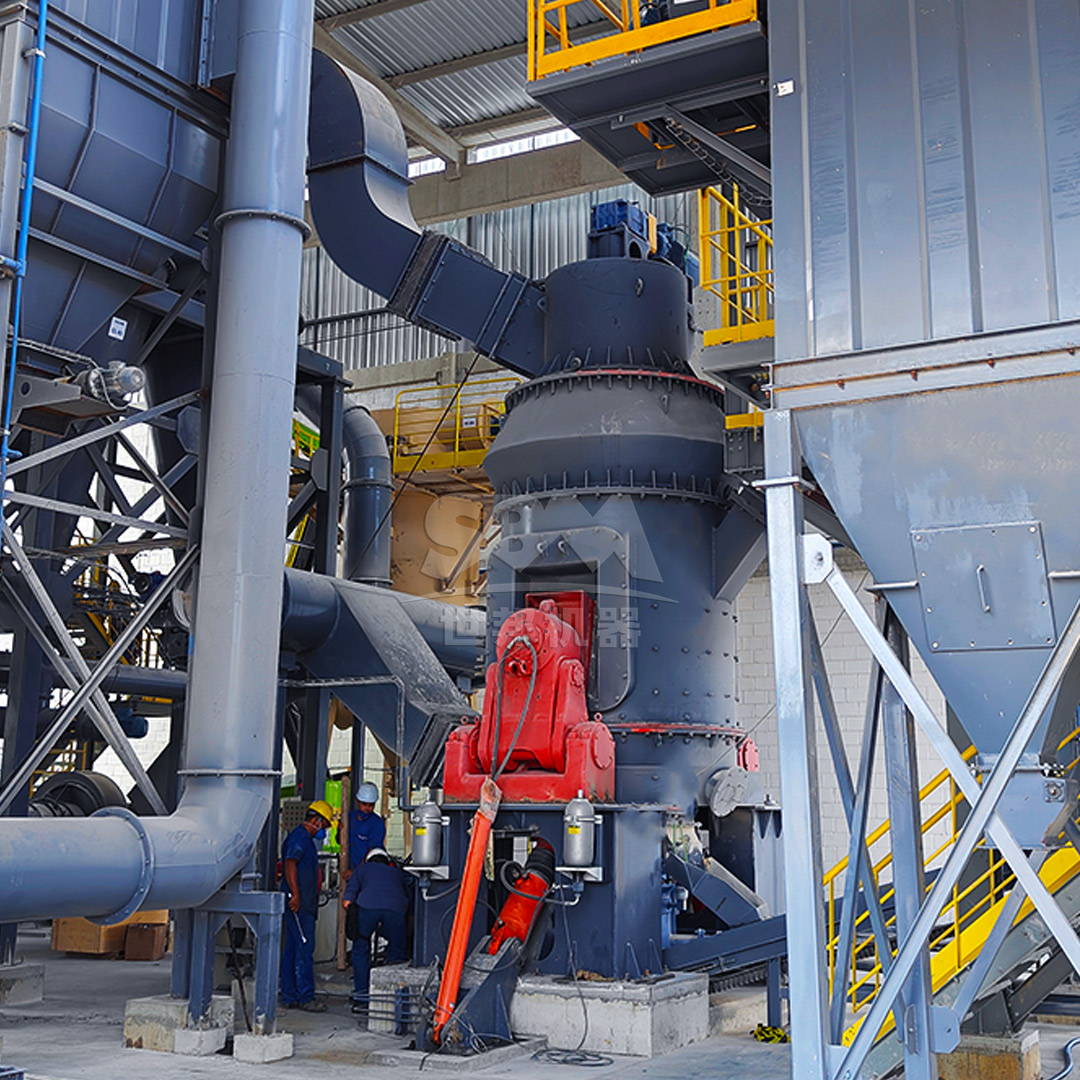
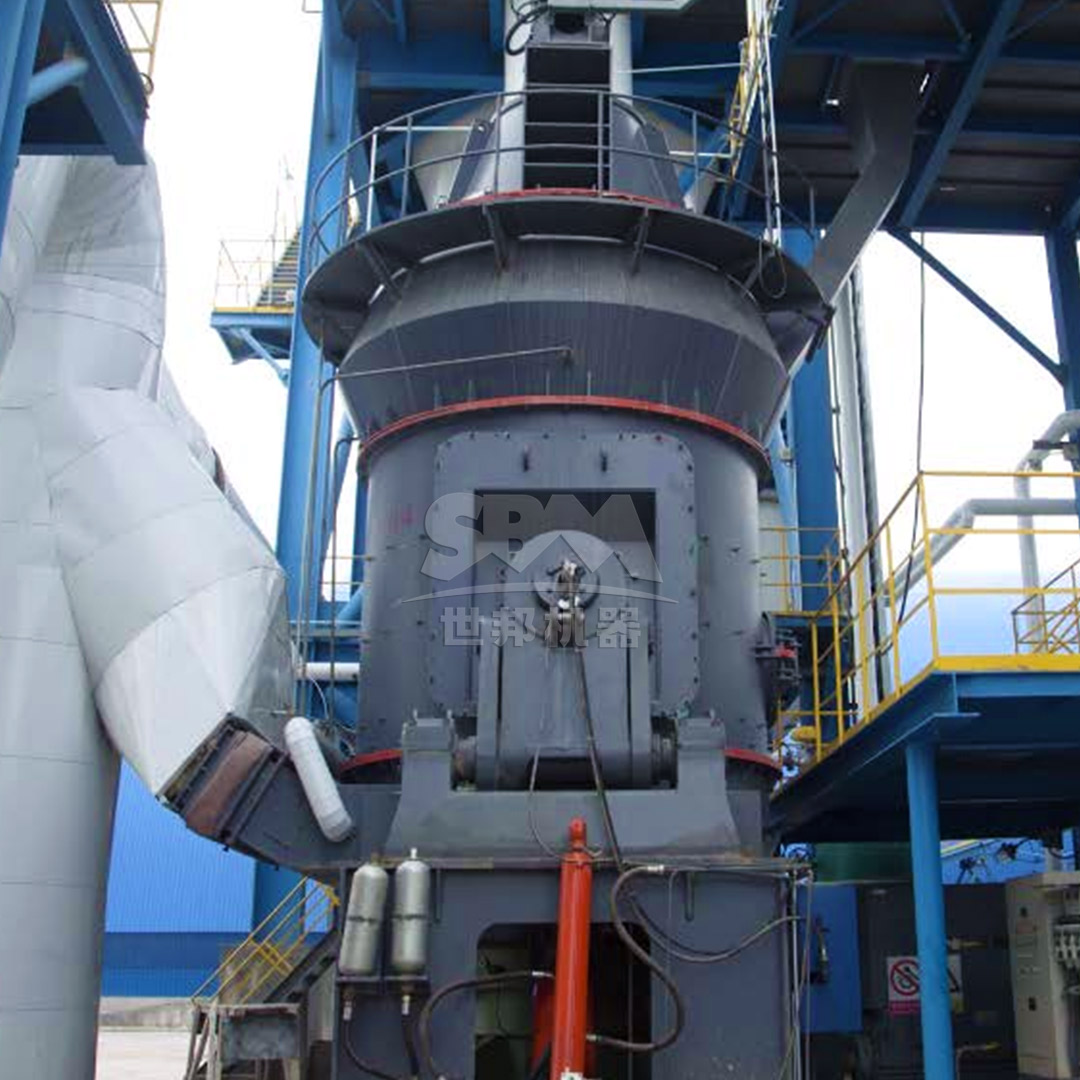
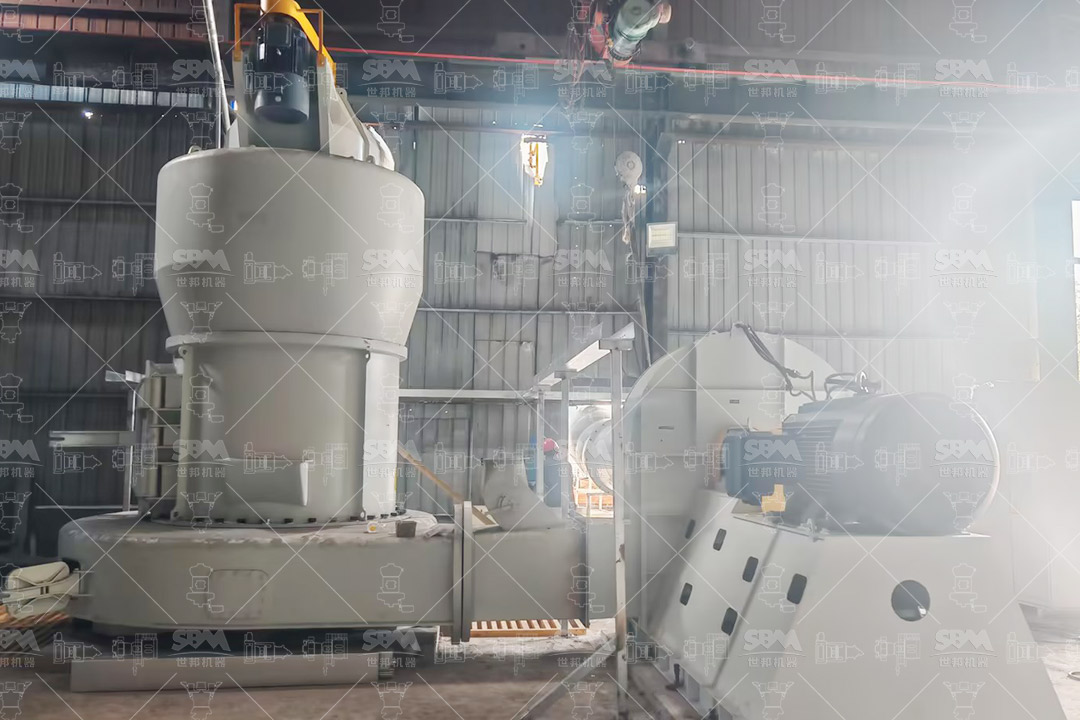
For larger capacity requirements where ultra-fine output is paramount, the LUM Ultrafine Vertical Roller Mill is an excellent alternative. It integrates crushing, grinding, drying, and classification in one unit, simplifying the process flow.
| Model | Power (kW) | Capacity (t/h) | Product Size (μm) |
|---|---|---|---|
| LUM1525 | 220–250 | 1.6–11.5 | 5–30 |
| LUM1632 | 280–315 | 2–13.5 | 5–30 |
| LUM1836 | 355–400 | 2.3–15 | 5–30 |
The choice of mill and fineness level depends on the final plastic application.
The use of quartz stone additives is a proven strategy for enhancing the performance and cost-efficiency of plastic products. However, the success of this strategy hinges on the quality of the grinding equipment. By investing in advanced mills like the SCM Series Ultrafine Mill (for ultra-fine precision) or the LUM Ultrafine Vertical Roller Mill (for high-capacity integrated solutions), manufacturers can secure a consistent, high-quality supply of quartz powder that meets the most demanding specifications.
We invite you to contact our engineering team for a consultation on the right model for your specific production goals. Leverage our decades of expertise in mineral processing to elevate your plastic product line to the next level.