Titanium-based additives, such as titanium dioxide (TiO₂) and barium titanate (BaTiO₃), are essential functional components in advanced ceramics. They enhance whiteness, opacity, dielectric properties, and mechanical strength. Whether producing high-end ceramic tiles, electronic substrates, or structural components, the particle size distribution of these additives directly impacts the final product’s quality. Achieving a consistent, ultra-fine powder within the range of 45 μm to 5 μm requires specialized grinding equipment. This guide systematically explores the key considerations for selecting the optimal grinding mill for titanium additives, helping manufacturers balance throughput, energy efficiency, and particle precision.
Titanium dioxide (TiO₂) is known for its high hardness (Mohs hardness of 6.0-7.0) and strong abrasiveness. When processing such materials, the grinding mill must feature robust wear-resistant components. Additionally, the target fineness for ceramic additives typically ranges from 325 mesh (45 μm) to 2500 mesh (5 μm). This ultra-fine category demands mills capable of high-precision classification to avoid oversized particles contaminating the final product.
The required particle size drives the mill selection. If your target is 45 μm (325 mesh) for standard ceramic glazes, a medium-speed trapezium mill or European trapezium mill is sufficient. However, if you need a D97 of 10 μm or below for high-tech electronic ceramics, an ultrafine mill with a vertical turbine classifier becomes indispensable.
Manufacturers must align hourly throughput with upstream and downstream processes. Small-batch specialty ceramic producers may need capacities of 0.5-3 t/h, while large tile manufacturers might demand 20+ t/h. Modular mill designs allow future capacity expansion.
Grinding is energy-intensive. Comparing specific energy consumption (kWh/t) between mill types is critical. For example, a vertical roller mill (VRM) typically consumes 30-40% less energy than a ball mill system. For titanium additives, bed-of-material grinding principles (as in VRMs) offer inherent efficiency advantages.
| Mill Type | Target Fineness | Capacity Range | Relative Energy Consumption |
|---|---|---|---|
| Ball Mill | 0.074-0.8 mm | 0.65-450 t/h | Baseline (100%) |
| MTW Trapezium Mill | 45-600 μm | 3-45 t/h | ~70% |
| Ultrafine Vertical Mill | 5-45 μm (325-2500 mesh) | 1.6-15 t/h | ~65% (vs. jet mill) |
Each mill type offers distinct advantages. The following analysis evaluates four major families applicable to titanium additives.
Ball mills are the traditional workhorse, operating via impact and attrition from steel balls. They can handle large capacities and accept feed sizes up to 25 mm. However, when grinding to below 45 μm, their efficiency drops dramatically. Energy consumption is high, and the product tends to have a broad particle size distribution without a classifier. For coarse additive preparation (e.g., 200-325 mesh), ball mills are viable, but for ultra-fine ceramic applications, they are rarely the first choice.
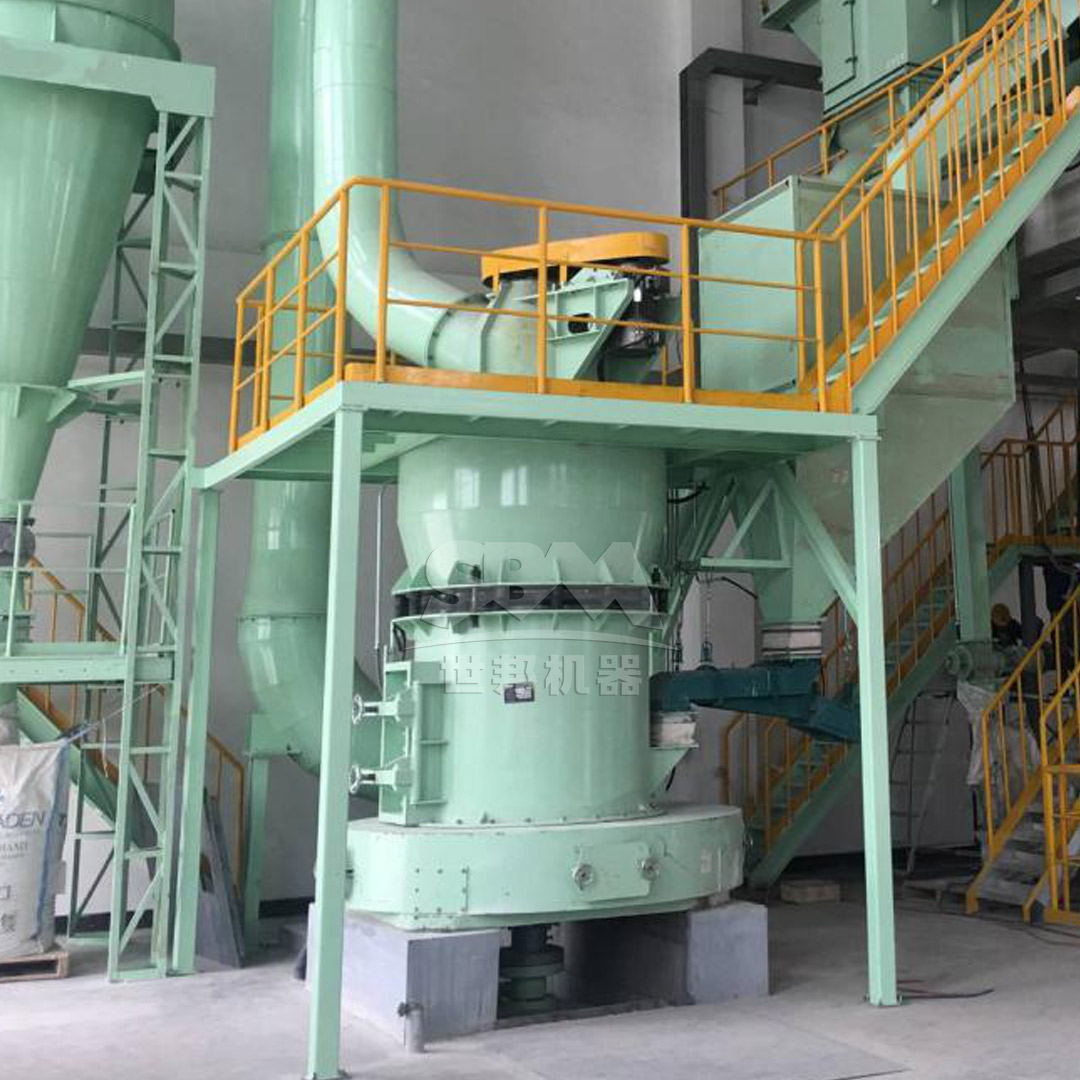
These mills use a rotating roller assembly to press material against a grinding ring. The MTW European Trapezium Mill stands out due to its integral bevel gear drive (98% transmission efficiency), anti-wear combined shovel blades, and optimized arc air duct. It grinds materials to 30-325 mesh with capacities from 3-45 t/h. This technology is ideal for standard ceramic glaze powders and additives requiring consistent 45 μm top size.
Recommended Product: For manufacturers producing titanium additives at fineness levels between 45 μm and 600 μm, the MTW Series European Trapezium Mill delivers excellent value. Models such as the MTW138Z (capacity 6-17 t/h) or MTW175G (9.5-25 t/h) provide robust performance with maintenance costs reduced by 30% thanks to the wear-resistant volute structure. This mill is particularly effective for large-scale ceramic tile production lines.
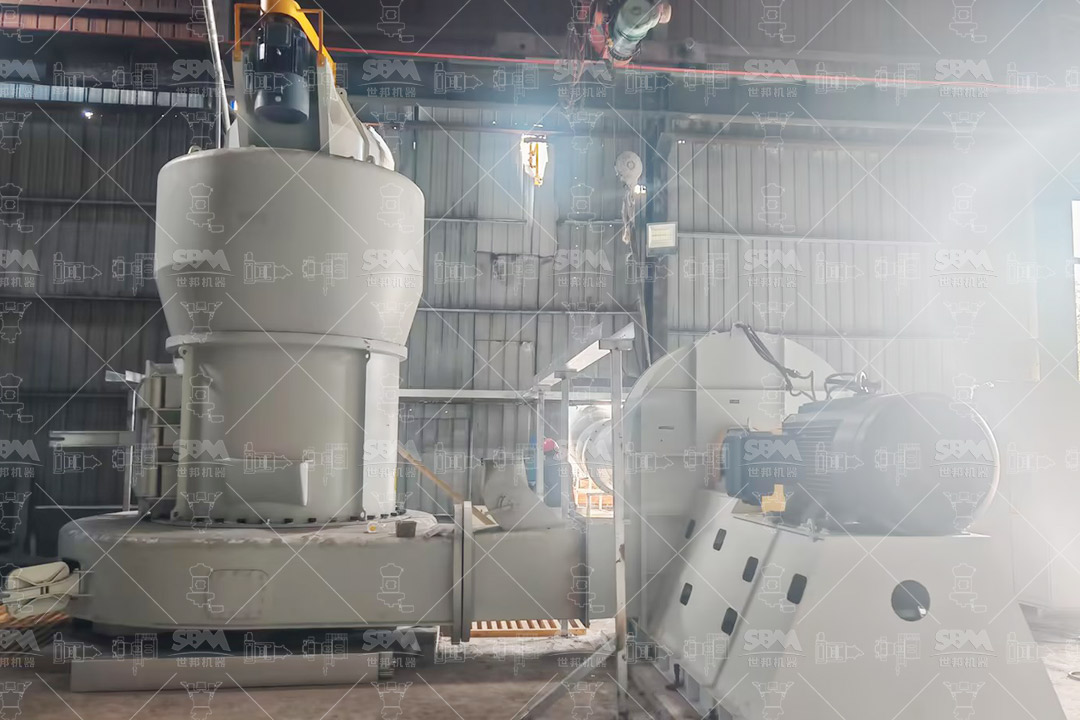
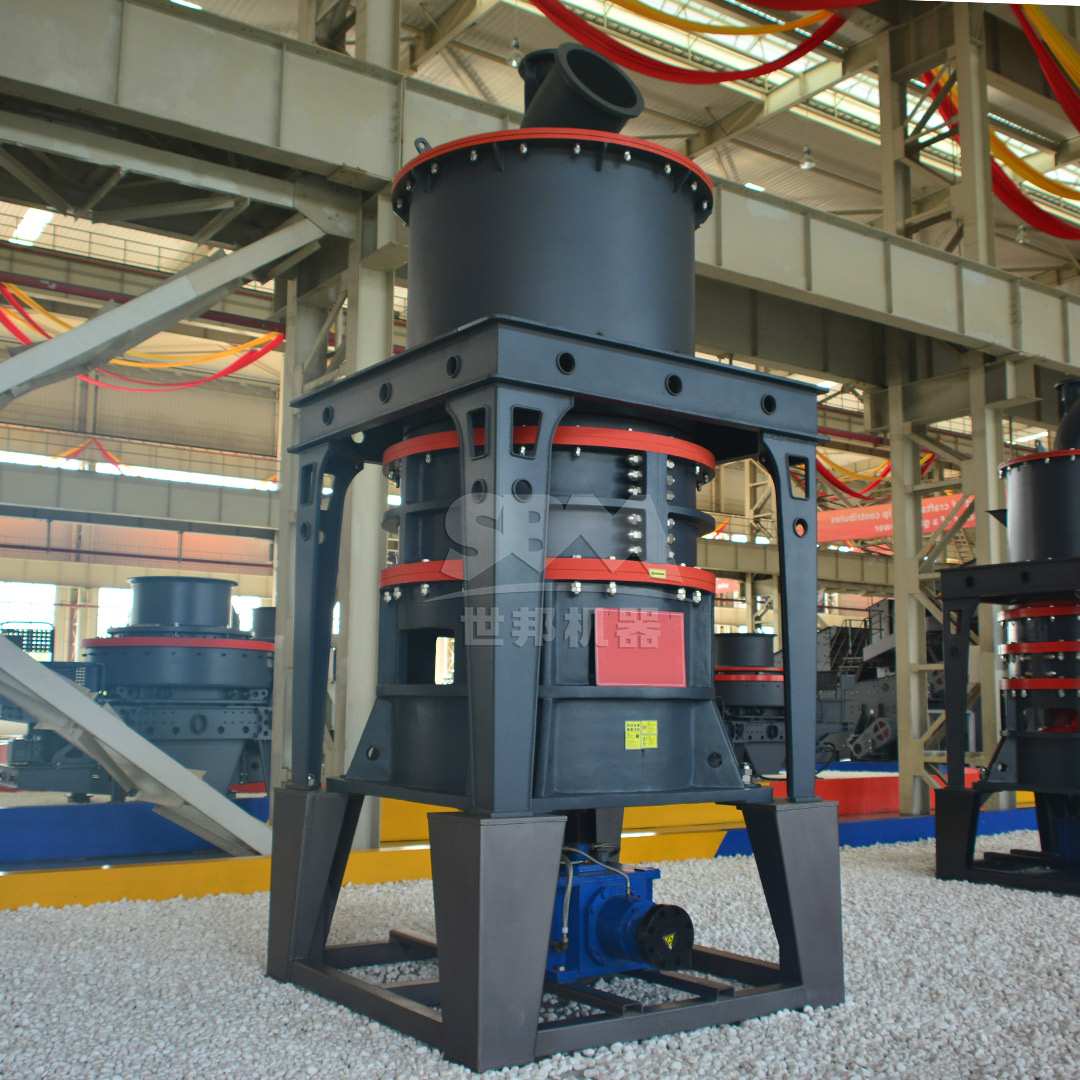
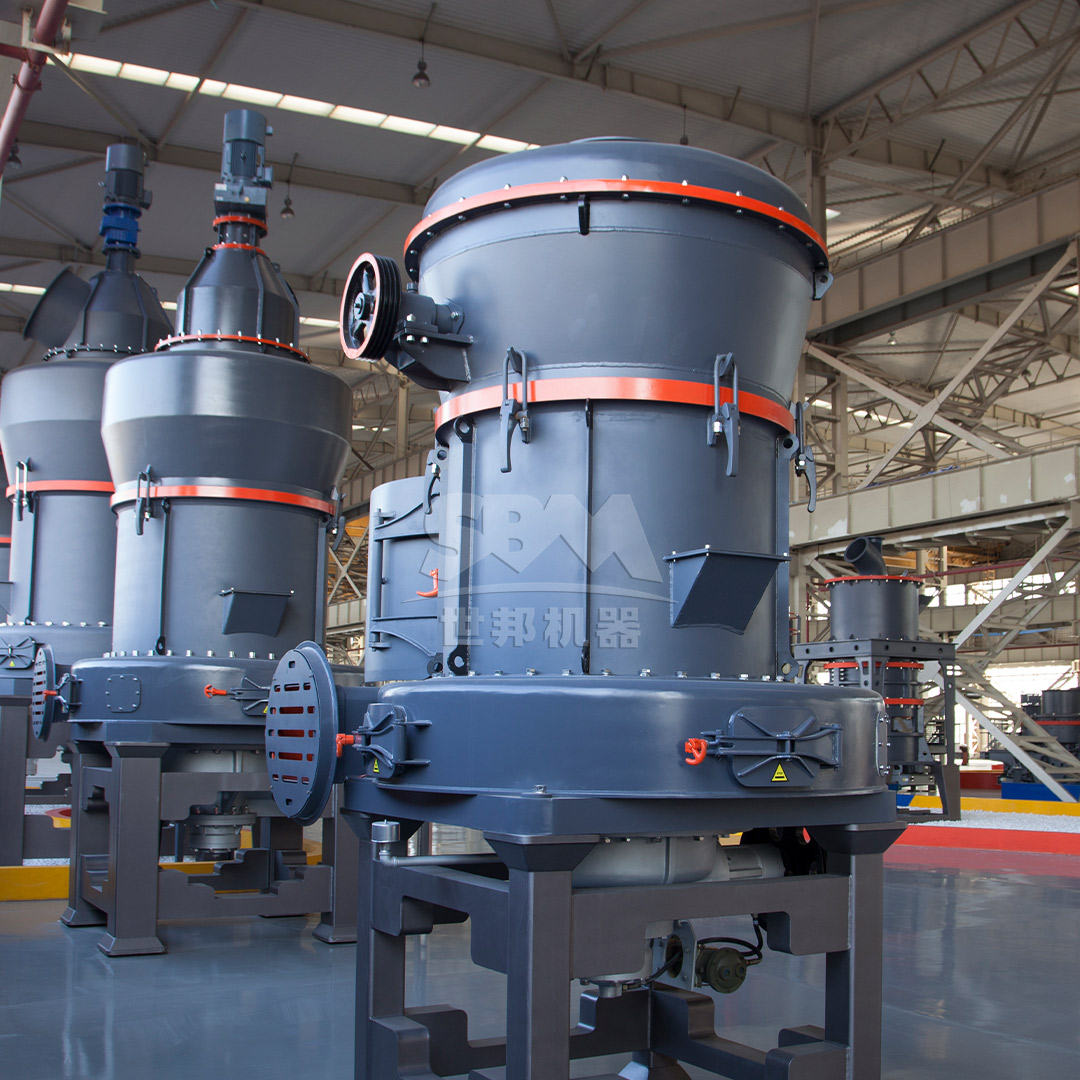
When the target shifts to 325-2500 mesh (5-45 μm), the physics of grinding changes. Jet mills are commonly used but extremely energy-intensive. The SCM Series Ultrafine Mill offers a superior alternative. It achieves 2× the capacity of jet mills with 30% lower energy consumption. Its vertical turbine classifier ensures no coarse powder mixing—critical for electronic ceramics where consistency is paramount. The three-layer grinding ring design disperses material effectively under centrifugal force and roller pressure.
Recommended Product: For the most demanding ultra-fine applications, the SCM Series Ultrafine Mill is the premier choice. The SCM1000 model offers a capacity of 1.0-8.5 t/h with a 132kW main motor and produces consistent fineness from 325 to 2500 mesh. The intelligent control system provides automatic feedback on product granularity, ensuring stable quality. The specially formulated rollers and rings extend service life several times over standard mills, reducing downtime and total cost of ownership.
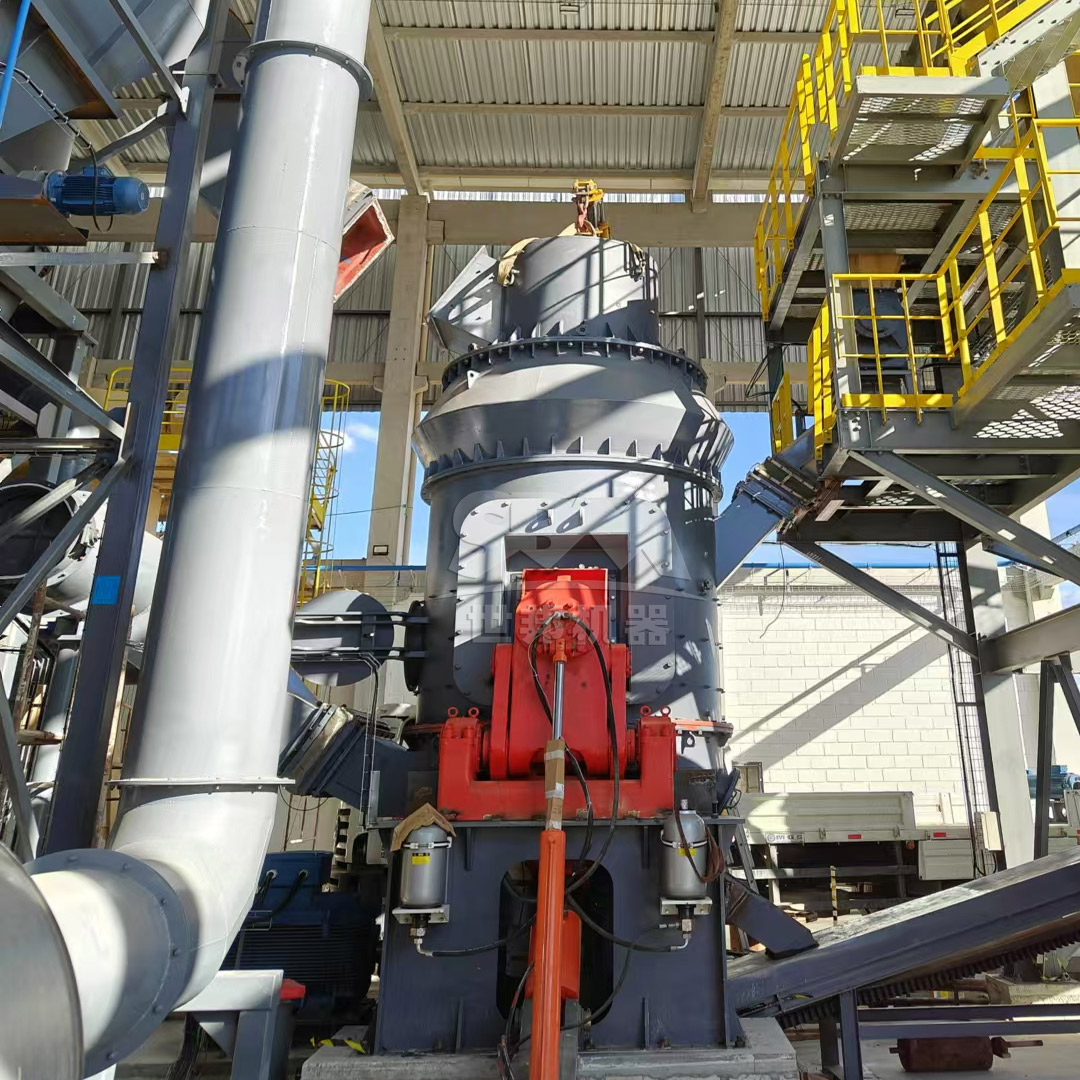
The LM Series Vertical Roller Mill is designed for high-volume operations requiring integrated crushing, grinding, and classification. With capacities reaching 250 t/h and floor space reduced by 50%, this is the solution for mega-projects. The non-contact design between rollers and table increases wear part longevity by 3×, and energy consumption is 30-40% lower than ball mills. The LM220K or LM280K models can handle feed sizes up to 50 mm, making them suitable for primary grinding of coarser titanium additive precursors before secondary ultra-fine processing.
Choosing the correct mill involves more than the main grinding unit. The following subsystems must be configured correctly:
For titanium additives, the classifier is arguably as important as the mill. Vertical turbine classifiers (used in SCM mills) provide sharp cut points. Dynamic classifiers (used in LM mills) allow multi-stage adjustment for fineness. Without proper classification, even the best grinding action yields inconsistent powder.
Titanium dioxide dust requires high-eiltration. Pulse dust collectors with bag filtration exceeding international standards are non-negotiable. Modern mills like the SCM and MTW series include soundproof room designs and sealed negative pressure operation, keeping emissions below 20 mg/Nm³ and noise under 85 dB.
Automated feeders (such as GZ series electromagnetic vibratory feeders) combined with PLC control systems reduce manual intervention. The expert-level auto-control system in the LM series supports remote switching, real-time parameter monitoring, and adaptive wear compensation.
A major sanitaryware manufacturer required TiO₂ powder with a consistent D90 of 15 μm for glaze production. Initial trials with a jet mill consumed 1,200 kWh/t and required frequent nozzle replacement. Switching to the SCM1680 Ultrafine Mill reduced specific energy consumption to 850 kWh/t (a 29% improvement), while throughput increased from 4 t/h to 8 t/h. The vertical turbine classifier eliminated particles above 20 μm, improving glaze surface finish by 15%. The plant achieved a full return on investment within 14 months.
Proper feed size is a prerequisite for mill performance. The Hammer Mill (PC series) effectively reduces material from 40 mm to 0-3 mm in a single pass. With high manganese steel liners and capacities up to 70 t/h (PC4015-132 model), it acts as an ideal pre-crusher upstream of the MTW or SCM mills. For vertical roller mills that can accept feed up to 50 mm, pre-crushing may not be necessary, but for the SCM series (max 20 mm), it is often recommended.
Titanium additives are abrasive. The mill’s wear parts—rollers, rings, shovels, and classifiers—require routine inspection. The MTW series anti-wear combined shovel blades and the SCM series special-alloy rollers are designed for extended life. A well-managed spare parts inventory ensures minimal production interruption. Mills with quick-change assemblies, such as the LM series modular roller design, allow maintenance teams to replace components in hours rather than days.
The right grinding mill for titanium additives balances capital expenditure, operational costs, product quality, and scalability. For general-purpose ceramic glazes and fillers in the 45-600 μm range, the MTW European Trapezium Mill provides an outstanding combination of economy, robustness, and efficiency. For manufacturers specializing in high-value electronic ceramics or premium sanitaryware requiring ultra-fine (325-2500 mesh) powders, the SCM Series Ultrafine Mill represents the pinnacle of processing technology—delivering finer particles, higher throughput, and lower energy costs than alternative ultra-fine technologies. Careful evaluation of material properties, production targets, and environmental standards will guide investment decisions that yield competitive advantage. Our engineering team stands ready to provide mill configuration, auxiliary system design, and on-site commissioning support tailored to your specific titanium additive production line.