Gypsum, a versatile mineral used extensively in the construction industry, requires a sophisticated processing line to transform raw mined rock into the fine, reactive powder known as plaster of Paris or craft plaster. The journey from quarry to finished product involves a carefully orchestrated sequence of crushing, grinding, and calcination. Each stage demands specialized equipment capable of delivering consistent particle size distribution, precise thermal treatment, and high throughput. This comprehensive guide explores the core machinery that constitutes a modern gypsum processing plant, offering insights into operational principles, selection criteria, and technological advancements that define industry best practices.
The processing of gypsum begins at the mine face, where large run-of-mine rocks can exceed 500mm in diameter. The initial phase of size reduction is critical to ensure downstream equipment operates efficiently. Primary crushing typically employs jaw crushers or impact crushers, which break down the material to a manageable size of 150-200mm. Following primary reduction, secondary crushers, such as hammer mills or cone crushers, further reduce the gypsum to a particle size of approximately 0-40mm, suitable for feed into grinding mills.
For medium to hard gypsum deposits, the hammer mill serves as an excellent secondary crushing solution. Its high-speed rotating hammers strike the material, propelling it against wear-resistant breaker plates. This action achieves a high crushing ratio and produces a consistent output size, ready for the grinding stage. Modern hammer mills feature robust high-manganese steel liners and dynamically balanced rotor assemblies, ensuring stable operation and minimal vibration even under continuous heavy loads. The capacity of these machines is directly proportional to rotor width and motor power, allowing plants to scale output from 8 TPH to over 70 TPH based on their specific production requirements.
Once the gypsum is crushed to the correct feed size, the pulverization stage begins. The goal here is to achieve a fine powder with a specific surface area suitable for efficient calcination. The choice of grinding mill is pivotal, as it directly influences the final product’s fineness, particle shape, and consistency. Several technologies are available, each with distinct advantages. For standard gypsum board or plaster production (30-325 mesh), Raymond mills or European trapezium mills are the industry standard. However, for specialized craft plasters requiring high fineness (325-2500 mesh), ultrafine grinding equipment is mandatory.
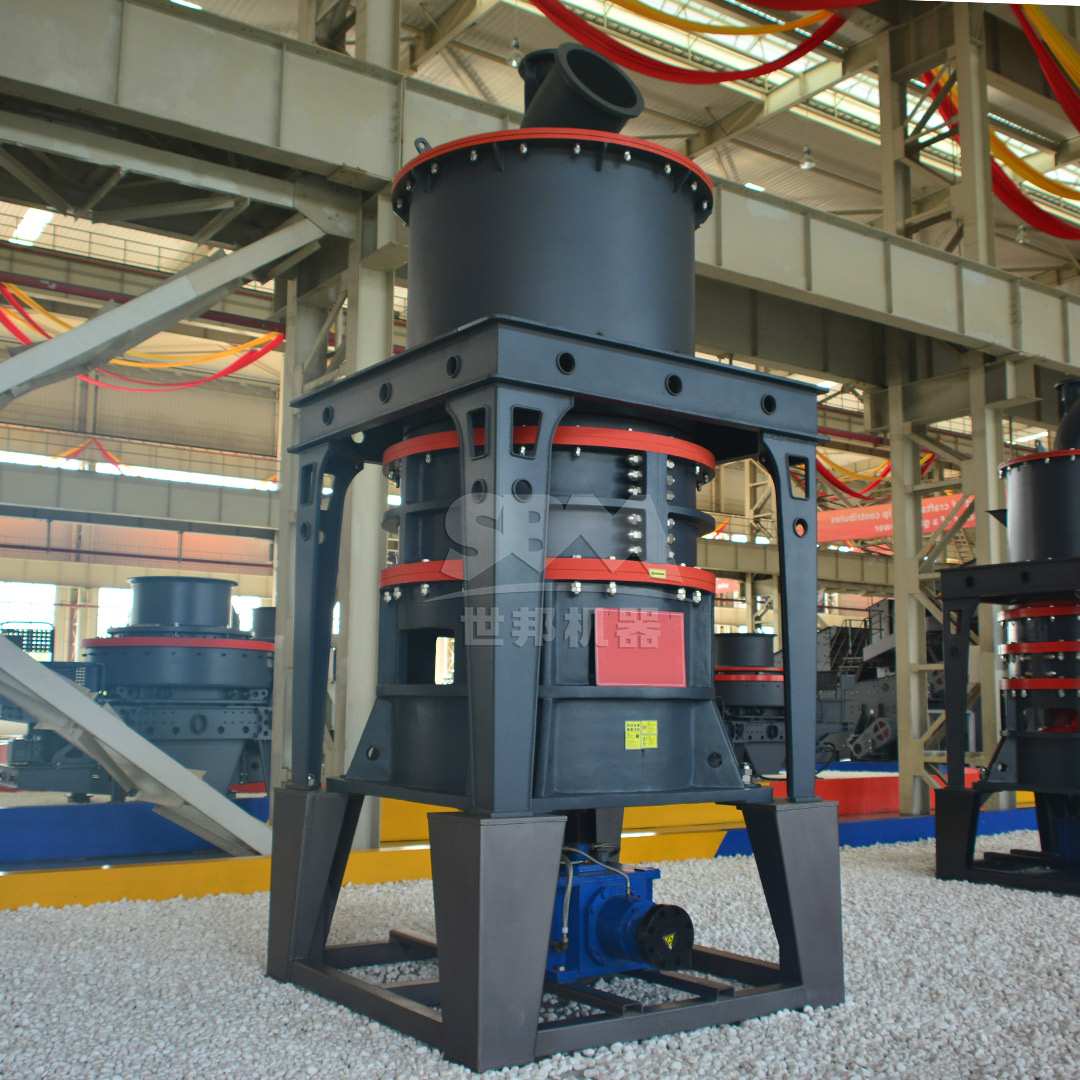
Among the various mills available, the SCM Series Ultrafine Mill stands out for high-end applications. Engineered by our company, this equipment is designed for output sizes between 45μm and 5μm (325-2500 mesh). It operates on a unique principle where the main motor drives multiple grinding rings; materials are dispersed by centrifugal force and crushed through layer-by-layer roller pressure. The vertical turbine classifier ensures precise particle size cutting, eliminating coarse powder contamination, which is crucial for producing high-value craft gypsum. Compared to jet mills, the SCM delivers twice the capacity while consuming 30% less energy, making it a sustainable and economical choice. Its intelligent control system monitors granularity in real-time, automatically adjusting parameters to maintain perfect consistency.
| SCM Model | Capacity (t/h) | Main Power (kW) | Fineness (Mesh) |
|---|---|---|---|
| SCM800 | 0.5-4.5 | 75 | 325-2500 |
| SCM1000 | 1.0-8.5 | 132 | 325-2500 |
| SCM1250 | 2.5-14 | 185 | 325-2500 |
| SCM1680 | 5.0-25 | 315 | 325-2500 |
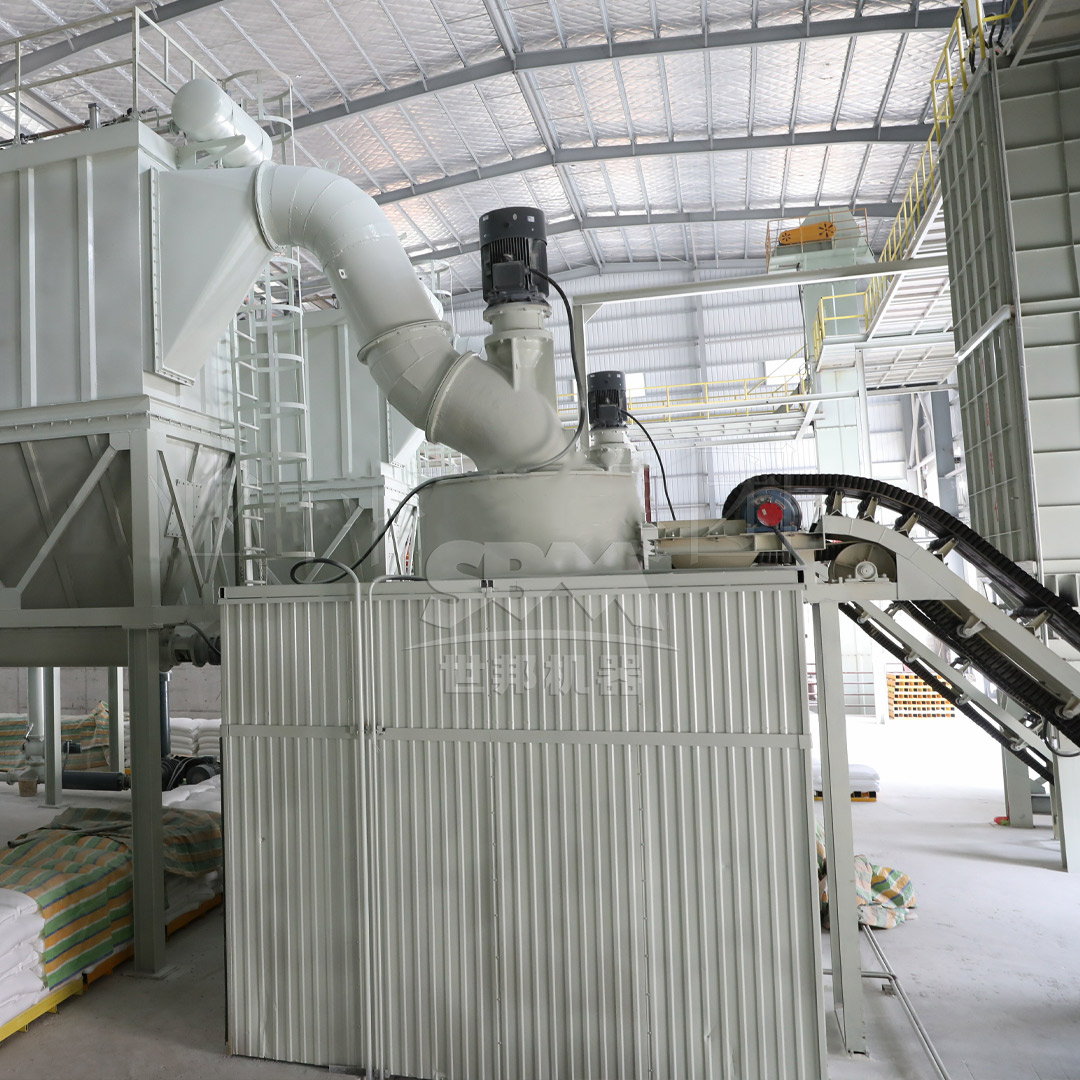
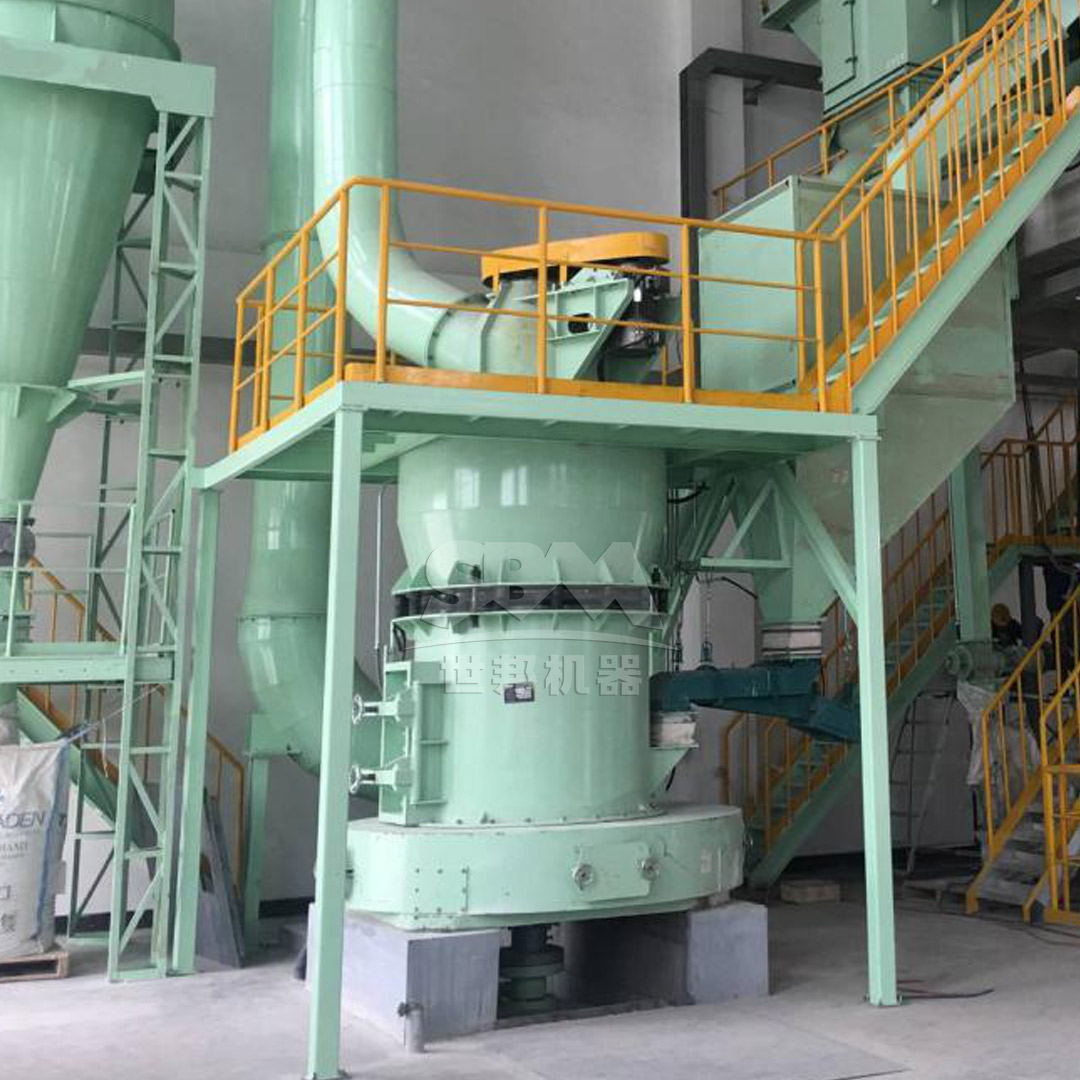
For producers targeting a fineness range of 30-325 mesh (standard for building plaster), the MTW Series European Trapezium Mill offers an unmatched combination of high capacity and low energy consumption. Featuring an integral bevel gear drive with up to 98% transmission efficiency, this mill reduces energy loss significantly. The anti-wear shovel design and optimized arc air duct extend maintenance intervals while ensuring smooth material flow. The volute structure with non-resistance flow design enhances air selection efficiency by 30%, directly increasing output. The MTW mill is the ideal upgrade from traditional Raymond mills, offering capacities up to 45 TPH while maintaining a compact footprint.
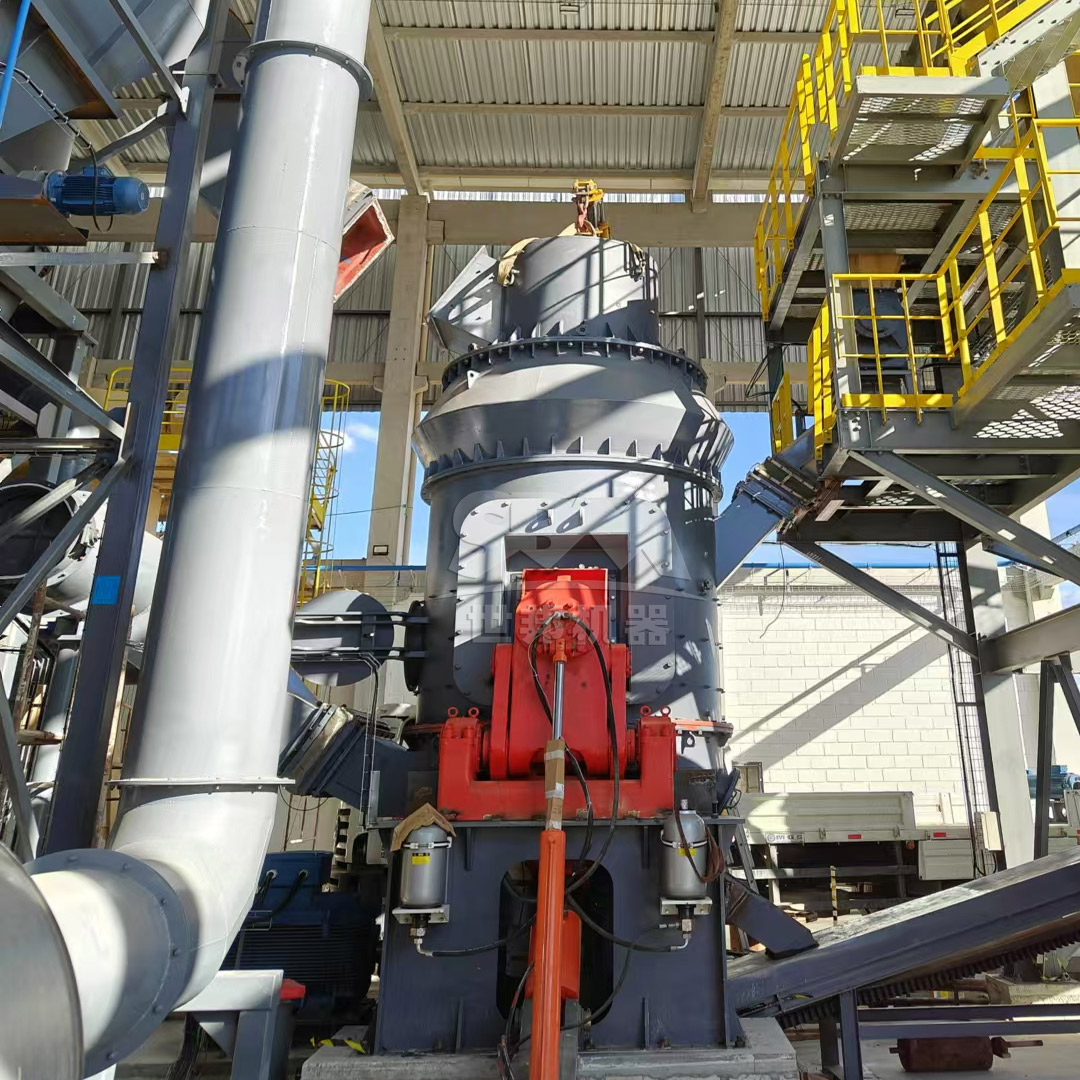
If your project demands monolithic integration and the highest throughput for pre-grinding, the LM Series Vertical Roller Mill serves as a comprehensive solution. It integrates crushing, drying, grinding, and classification into one unit, reducing the plant footprint by 50%. The rollers and table are designed for non-contact operation, extending wear part life by three times compared to ball mills. For large-scale industrial gypsum processing, the LM vertical mill drastically cuts infrastructure costs and features an expert-level automatic control system for remote monitoring.
Calcination is the chemical heart of the gypsum plant. This endothermic reaction drives off 75% of the chemically bound water from the gypsum (CaSO4·2H2O) to produce hemihydrate (CaSO4·0.5H2O). The specific type of calcination equipment determines the crystal structure and setting time of the final plaster, making precise temperature and residence time control essential.
Typically, the fine powder from the grinding mill is fed into a calcination kettle, rotary kiln, or flash calciner. In a boiling furnace or rotary kiln, hot gas streams heat the powder to temperatures between 150°C and 180°C. The calcined material is then rapidly discharged to prevent over-baking, which would create insoluble anhydrite, reducing the plaster’s strength. A robust dust collection system, often a pulse-jet baghouse, captures the fine gypsum particles carried by the exhaust gases, ensuring environmental compliance and recovering valuable product.
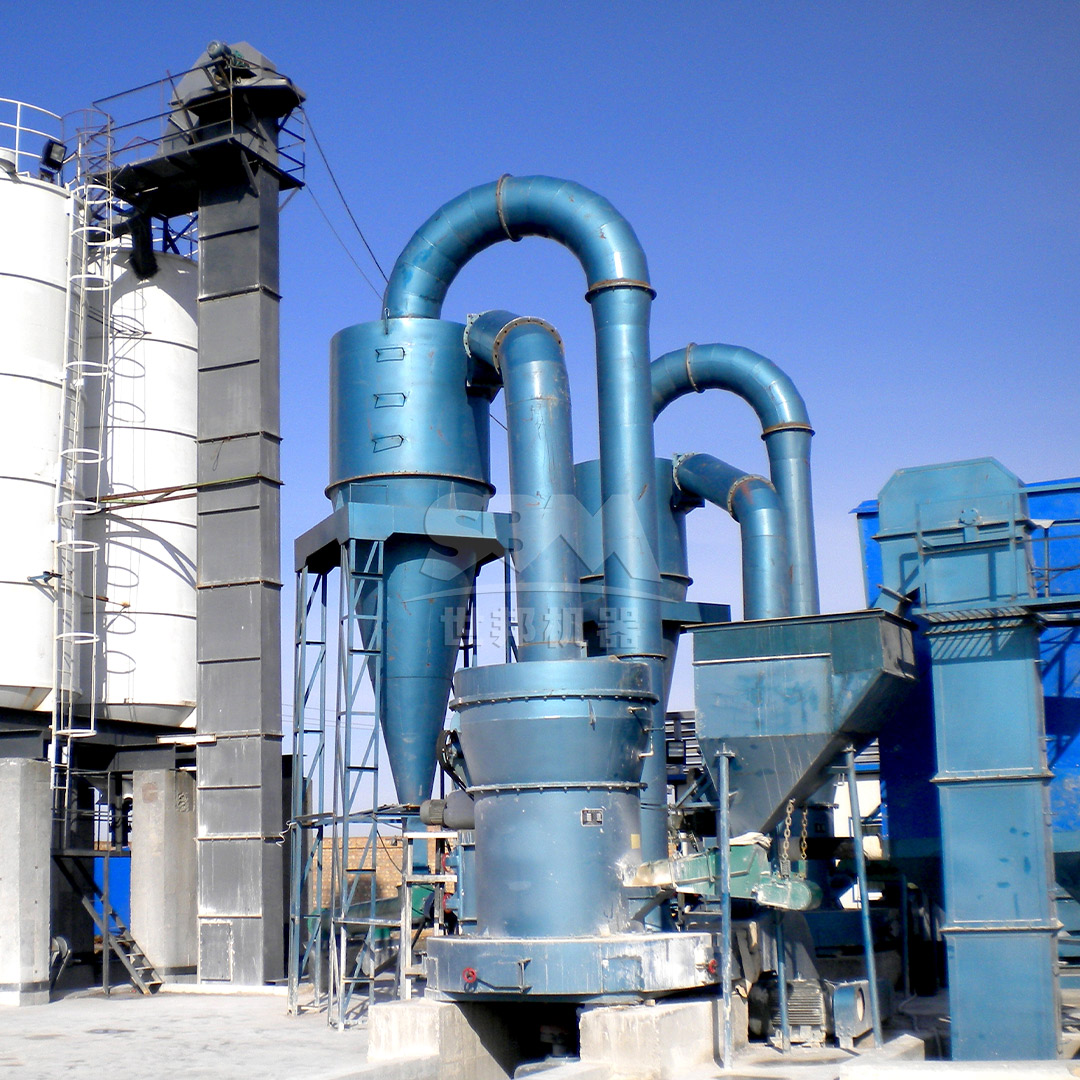
Deciding between the SCM Ultrafine Mill and the MTW Trapezium Mill depends entirely on the final product specification. For producing lightweight craft plaster castings that require a smooth, creamy surface with high water demand, fineness in the range of 400-1200 mesh is standard. Here, the SCM Series is the definitive choice. Its ability to achieve 5μm particles ensures intricate mold detail reproduction and high tensile strength in the final casting.
Conversely, if the plant primarily produces construction plaster, joint compound, or gypsum board core, where fineness of 100-200 mesh is sufficient, the MTW European Trapezium Mill offers the lowest cost per ton. Its higher capacity and lower maintenance requirements ensure maximum profitability over the plant’s lifespan. Additionally, for customers looking to produce ultra-fine powders with the lowest energy consumption, our LUM Ultrafine Vertical Roller Mill provides an alternative to the SCM, utilizing multi-rotor technology to prevent over-grinding and achieve precise fineness down to 5μm.
Beyond the primary mills and crushers, a successful gypsum line relies on properly sized auxiliary equipment. Wear-resistant conveyors and bucket elevators transport material between stages. High-efficiency dynamic classifiers, either integrated into the mill or standalone, ensure the particle size distribution is tightly controlled. The negative-pressure pneumatic conveying system moves powder to the calciner silo without dust leakage.
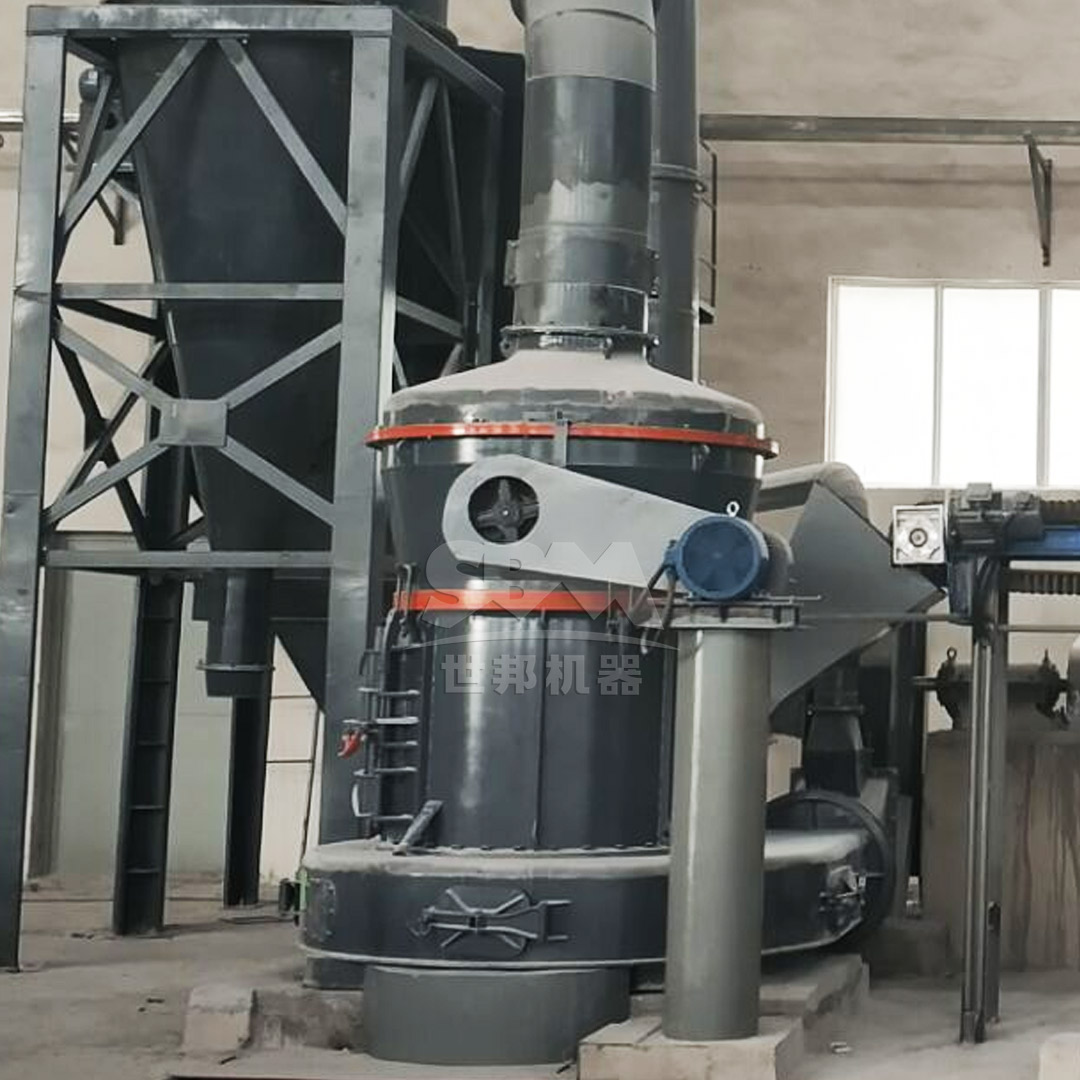
Our MRN Pendulum Mill is an excellent choice for those seeking a maintenance-friendly grinding solution for medium-scale operations. Featuring first-in-class thin oil lubrication systems and a scientific configuration that isolates the cyclone to reduce energy consumption, it provides reliable grinding performance for 30-325 mesh product at capacities ranging from 2.7 to 83 TPH.
Investing in a gypsum processing line requires a holistic view of the material’s journey. The selection of crushing, grinding, and calcination equipment must be synchronized to balance efficiency, product quality, and environmental stewardship. Starting with robust hammer mills for size reduction, transitioning to the appropriate grinding mill—whether the high-capacity MTW for standard plaster or the ultra-fine SCM for craft applications—and finishing with precise calcination technology ensures a profitable and high-quality operation. Our company manufactures the full range of equipment outlined in this guide. We provide complete integrated systems with intelligent controls to help you process gypsum into premium plaster products.