Barite (barium sulfate, BaSO4) is a critical industrial mineral widely used in oil and gas drilling fluids, paint, rubber, paper, and medical applications. Its high specific gravity (4.2–4.5 g/cm³) and chemical inertness make it indispensable. However, raw barite ore typically contains impurities such as quartz, calcite, dolomite, and iron oxides, necessitating a comprehensive beneficiation process. The efficiency of barite beneficiation hinges on a well-designed raw material processing circuit, which includes crushing, grinding, and upgrading (separation). This guide provides an in-depth look at the equipment used in each stage, with a focus on optimizing throughput and final product purity.
The choice of equipment and process flow depends on the ore type—whether it is a high-grade lump ore, a low-grade associated ore, or a residual deposit. While jigging, flotation, and magnetic separation are the core upgrading techniques, the physical preparation of the ore (size reduction) is the prerequisite for success. Selecting the right crushing and grinding machinery ensures that the liberation size of barite is achieved without over-grinding, which can lead to slimes and loss of valuable fines.
The run-of-mine (ROM) barite ore often contains rocks larger than 500mm. The first step in raw material processing is to reduce the ore to a manageable size for the grinding mills. Crushing is typically performed in two stages using jaw crushers and cone crushers or impact crushers.
Jaw crushers are the workhorses for primary crushing. They utilize a compressive force to break large rocks into smaller pieces, typically reducing 500mm ore down to 100–150mm. For barite, a heavy-duty jaw crusher with a high throughput is preferred to handle the high density of the material. The key advantage of jaw crushers is their reliability and ability to process highly abrasive materials.
Following primary crushing, the material is fed into secondary crushers to reduce the particle size further to 20–35mm, which is the ideal input size for most grinding mills. Cone crushers offer precise control over the output size and produce a more cubical shape, which is beneficial for downstream grinding efficiency. Alternatively, Hammer Crushers (0-3mm capacity) are used for medium-hard materials like barite when a finer product is required before grinding. They operate on the principle of impact, using high-speed rotating hammers to shatter the ore. For example, our PC4015-132 model offers a capacity of 40–70 t/h with a rotor diameter of 1150x1500mm, making it an excellent choice for medium-scale crushing plants.
| Equipment | Feed Size | Output Size | Typical Capacity | Core Advantage |
|---|---|---|---|---|
| Jaw Crusher | <500mm | 100-150mm | 50-200 t/h | High compression strength |
| Cone Crusher | <150mm | 20-40mm | 30-150 t/h | Cubical shape output |
| Hammer Mill | <40mm | 0-3mm | 8-70 t/h | Compact structure, low cost |
Grinding is the most critical stage in the beneficiation plant, as it determines the particle size distribution and the degree of liberation between barite and gangue minerals. The target fineness for drilling-grade barite is typically 200 mesh (74 microns) to 325 mesh (45 microns), with a specific gravity of at least 4.2 g/cm³. For industrial fillers, finer powders (up to 2500 mesh) are required.
Traditionally, Ball Mills have been used for barite grinding due to their robust design and ability to produce fine particles. They operate by rotating a cylinder filled with steel balls, using impact and attrition to grind the ore. While effective, ball mills consume significant energy. Our GMQY series Ball Mills, such as the GMQY3660 (Capacity: 280-34t/h; Power: 1250kW), are designed for large-scale operations. However, for modern plants aiming for energy efficiency and finer output, vertical roller mills and ultra-fine mills are becoming the industry standard.
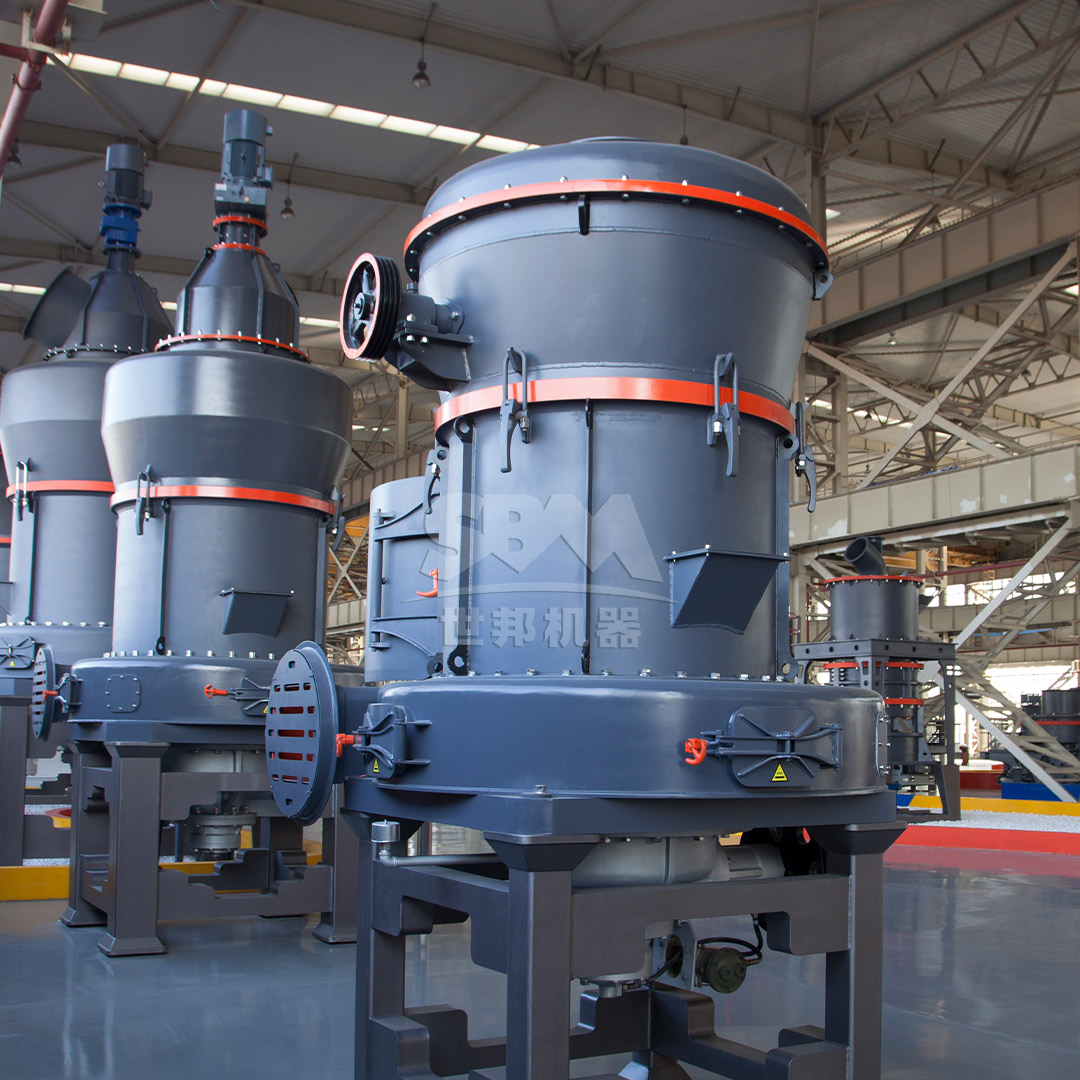
For medium-to-fine grinding (600-45μm), the MTW Series European Trapezium Mill is a superior choice. This mill features an integral bevel gear drive with up to 98% transmission efficiency, significantly reducing energy consumption compared to traditional gearboxes. The optimized arc air duct minimizes airflow energy loss, while the anti-wear shovel design reduces maintenance costs. The MTW175G model, with a capacity of 9.5-25 t/h and a main power of 160kW, can easily process barite down to 325 mesh, meeting API standards for oil drilling. Its patented internal suction oil lubrication system ensures stable operation under heavy loads.
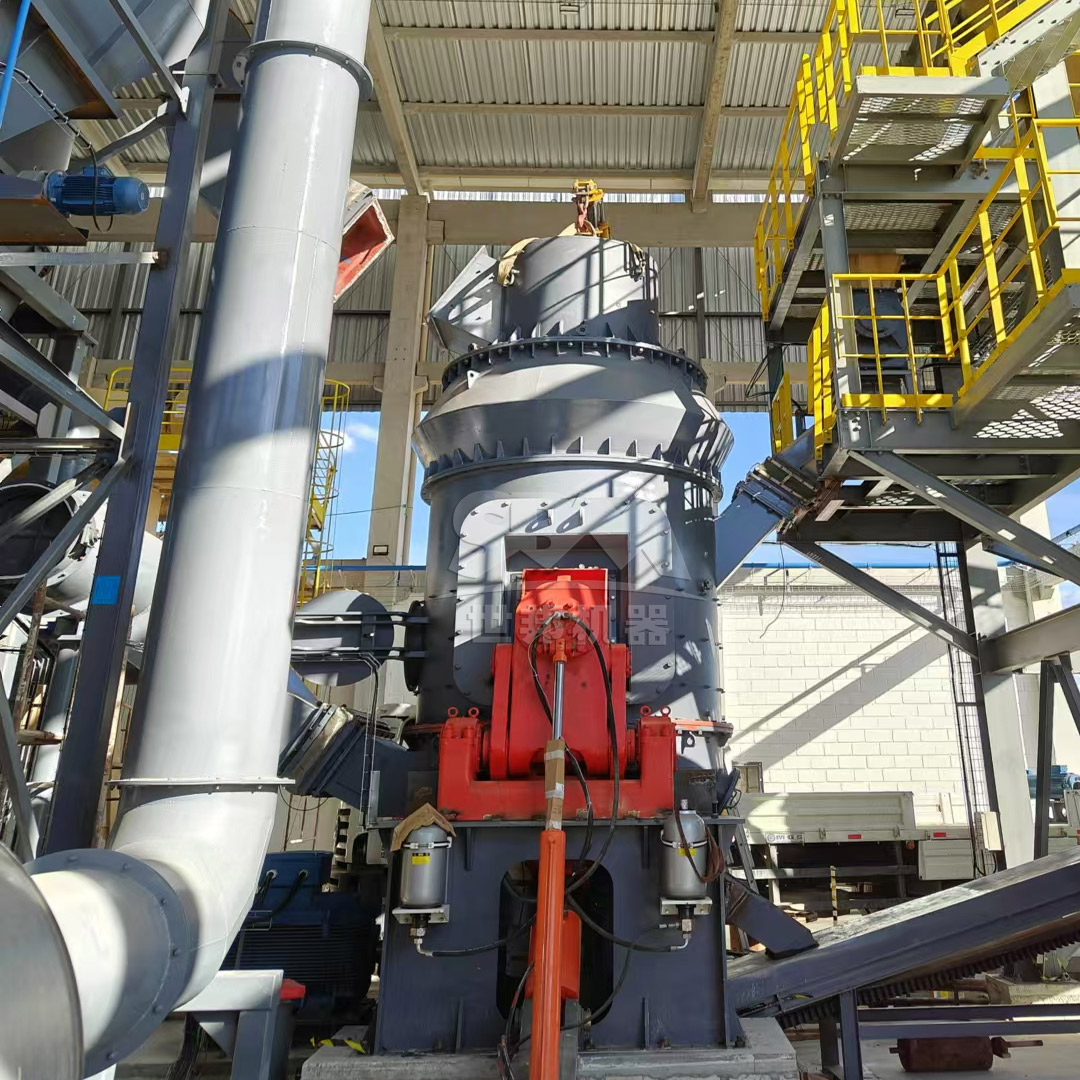
When high capacity and low energy consumption are paramount, the LM Series Vertical Roller Mill offers an integrated solution. It combines crushing, grinding, and classification in a single unit, reducing the plant footprint by 50% and infrastructure costs by 40%. The system operates under negative pressure, ensuring a dust-free environment and low noise levels. The LM190K model (Capacity: 23-68 t/h; Power: 500kW) is ideal for large beneficiation lines, utilizing a material bed grinding principle that consumes 30-40% less energy than ball mill systems. The non-contact between rollers and table extends the service life of wear parts by three times, ensuring reliable operation for abrasive barite.
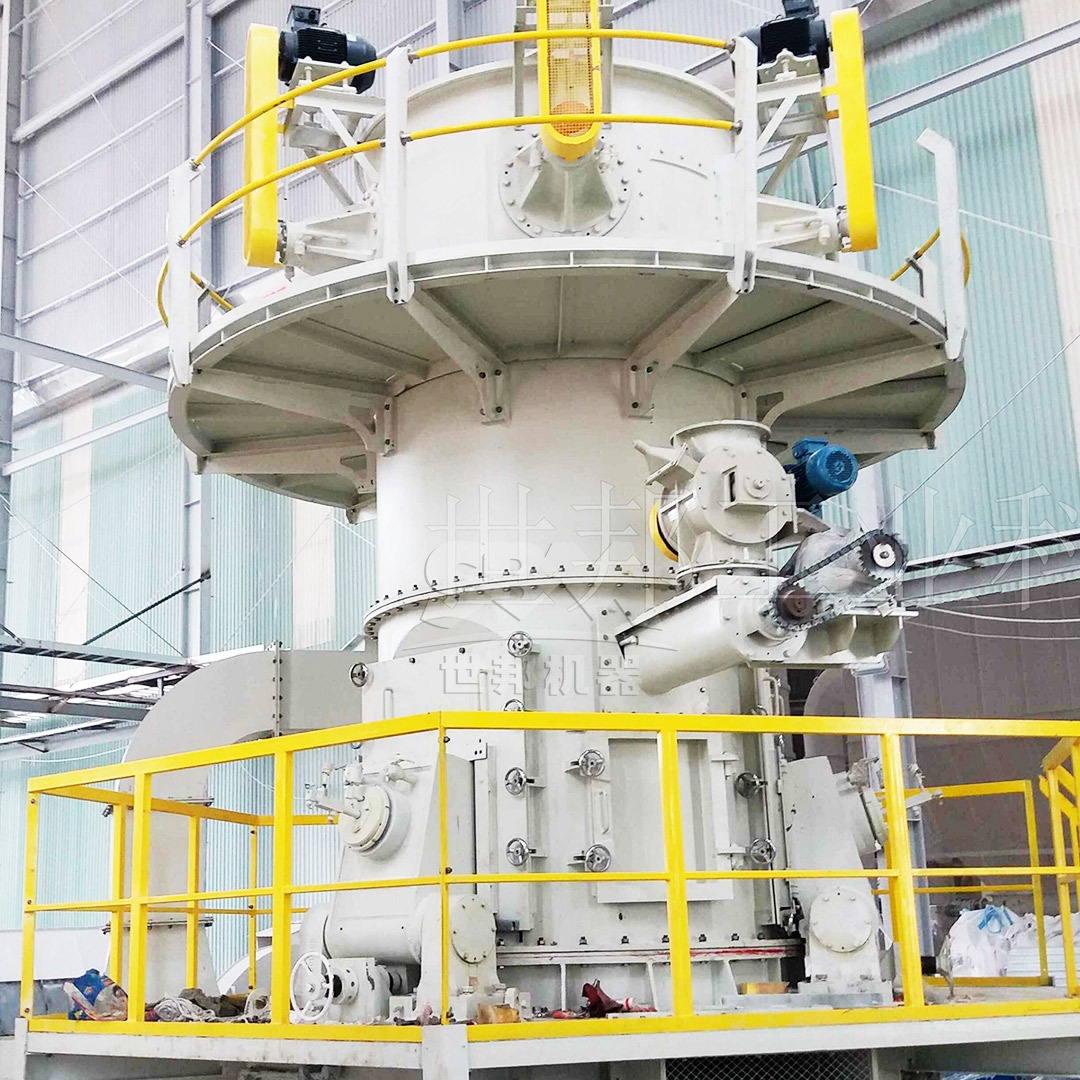
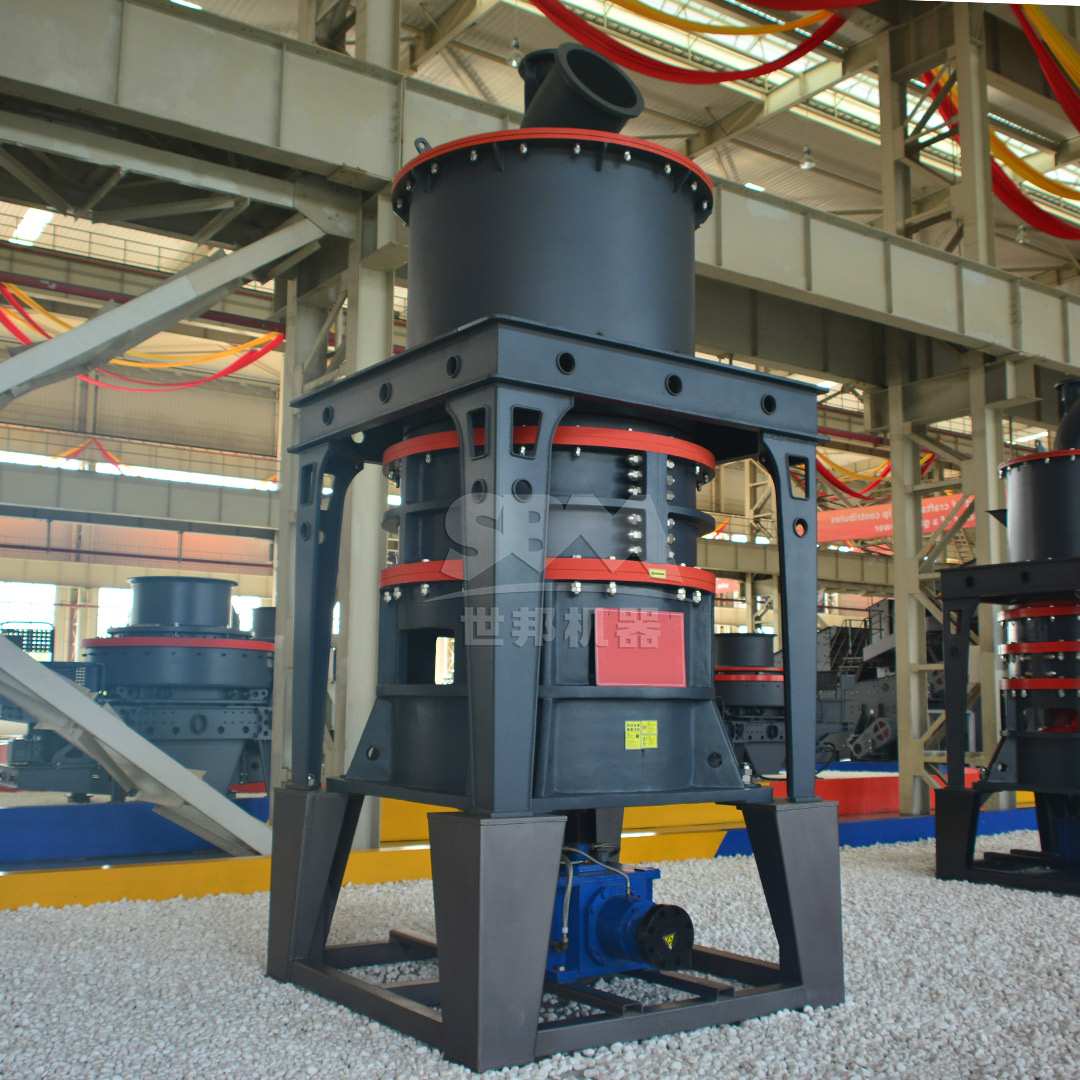
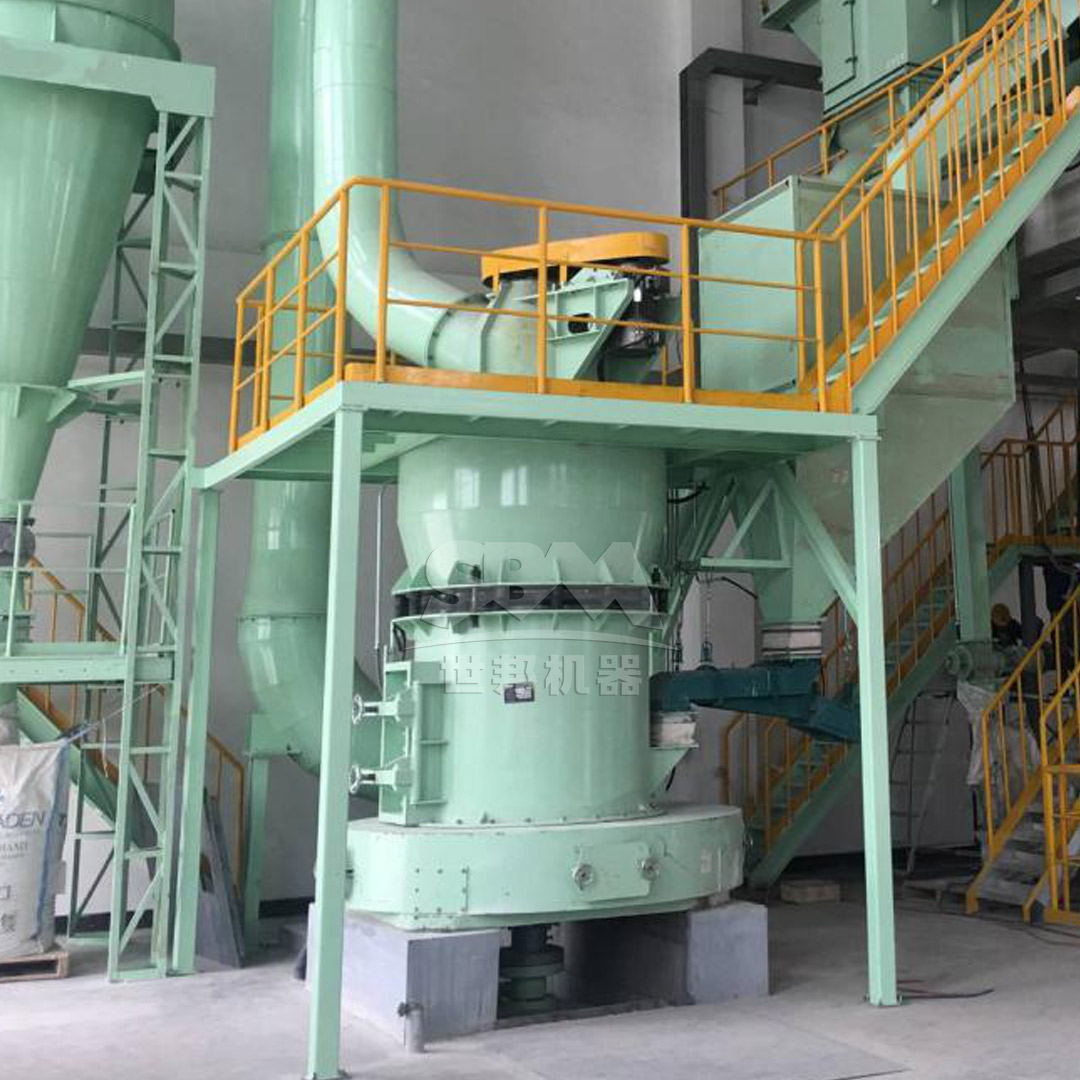
For high-value applications like paper filler or plastics, barite powder must be ultra-fine (325-2500 mesh). Our SCM Series Ultrafine Mill is specifically engineered for this task. Its capacity is 2x that of jet mills, with 30% lower energy consumption. The vertical turbine classifier ensures precise particle size cutting, ensuring no coarse powder mixing. The SCM1250 model provides a capacity of 2.5-14 t/h using a 185kW main motor, making it a cost-effective solution for premium barite powders.
Once the ore is ground, the beneficiation process separates barite from worthless gangue. The primary methods include gravity concentration (jigging, tabling), flotation, and magnetic separation. The choice depends on the specific gravity difference and the particle size distribution.
Barite has a high specific gravity (4.2) compared to common gangue minerals like quartz (2.65) and calcite (2.71). Therefore, gravity separation is the most economical and environmentally friendly method. Jigs are used for coarser feed (0.5-30mm), while shaking tables are highly effective for finer particles (0.074-2mm). To ensure optimal performance of these gravity devices, the feed must be well-classified and free of oversized particles. This is where the crushing and grinding circuit ensures the correct liberation size.
For low-grade ores or finely disseminated barite, froth flotation is required. In this process, reagents are added to the slurry to make the barite hydrophobic, allowing it to attach to air bubbles and be collected. Flotation requires a feed fineness typically around 200 mesh, which is achieved by the grinding equipment mentioned above.
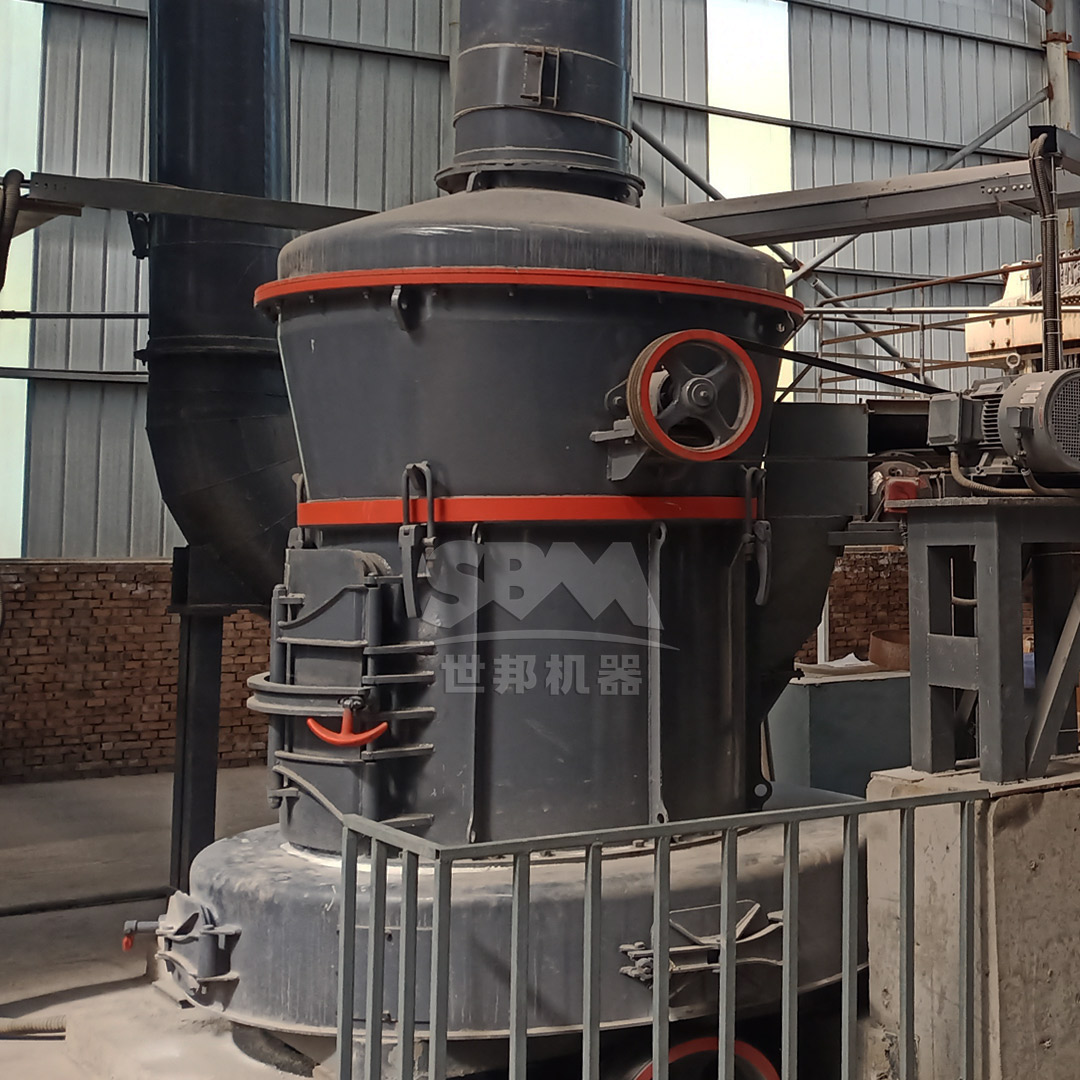
After dewatering (using thickeners and filters), the final concentrate is dried in rotary dryers. The dried powder is then sent to storage silos and packaged for shipment. In many lines, a small amount of grinding is performed post-drying to break up agglomerates, often using a Hammer Mill for sizing down to 0-1mm.
When designing or upgrading a barite processing plant, the selection of grinding equipment is the primary driver of economic viability. The following table summarizes the strengths of our main grinding technologies:
| Mill Type | Fineness Range | Input Size | Capacity | Suitable Stage |
|---|---|---|---|---|
| MTW Trapezium Mill | 45-325 mesh | ≤50mm | 3-45 t/h | Standard API Grind |
| LM Vertical Roller Mill | 45-600 mesh | ≤50mm | 3-250 t/h | Large Line Base Load |
| SCM Ultrafine Mill | 325-2500 mesh | ≤20mm | 0.5-25 t/h | High-Value Fines |
| Ball Mill | 74-800μm | ≤25mm | 0.65-450 t/h | Coarse Regrind |
For a comprehensive barite beneficiation plant aiming for the API 13-A standard (specific gravity ≥ 4.2 g/cm³ and 200 mesh fineness), we recommend a configuration of our MTW Series European Trapezium Mill as the main grinding unit. This equipment offers an exceptional balance of cost, efficiency, and reliability. For producers requiring high value-added ultra-fine powder for the chemical or plastic industries, integrating an SCM Series Ultrafine Mill into a parallel circuit will maximize revenue from the same raw feed.
Our mills come with industry-leading warranties and spare parts support, ensuring minimal downtime and long-term profitability. Whether you are expanding an existing site or building a greenfield project, our engineering team can design the material handling and grinding system to suit your specific ore characteristics.
Effective barite beneficiation is a multi-stage process that starts with efficient crushing and grinding. Modern equipment emphasizes not only high capacity but also energy efficiency, precise particle size control, and environmental compliance. By employing the correct technology—from jaw crushers down to ultra-fine mills—operators can significantly enhance the recovery rate and quality of their barite concentrate. The integration of intelligent control systems and wear-resistant materials ensures that the machinery operates at peak performance with minimal manual intervention, securing a competitive advantage in the global mineral market.