In the iron ore pelletizing industry, bentonite serves as the primary binding agent, ensuring the formation of robust green pellets with sufficient mechanical strength to withstand handling, transportation, and high-temperature processing. The quality of this binder directly impacts pellet uniformity, reduction behavior, and overall plant productivity. However, raw bentonite, as mined, contains high moisture levels (typically 15-25%), variable particle sizes, and impurities that render it unsuitable for direct use. To meet the demanding specifications of pellet plants, bentonite must undergo a rigorous processing regime encompassing drying, grinding, and often thermal activation to enhance its swelling index and binding capacity.
Selecting the right equipment for this process is not merely a matter of pulverization; it requires a holistic system design that ensures energy efficiency, precise fineness control, and consistent output quality. This article delves into the complete processing solutions for high-efficiency pellet binder bentonite, focusing on the integration of advanced grinding mills, drying systems, and activation technologies.
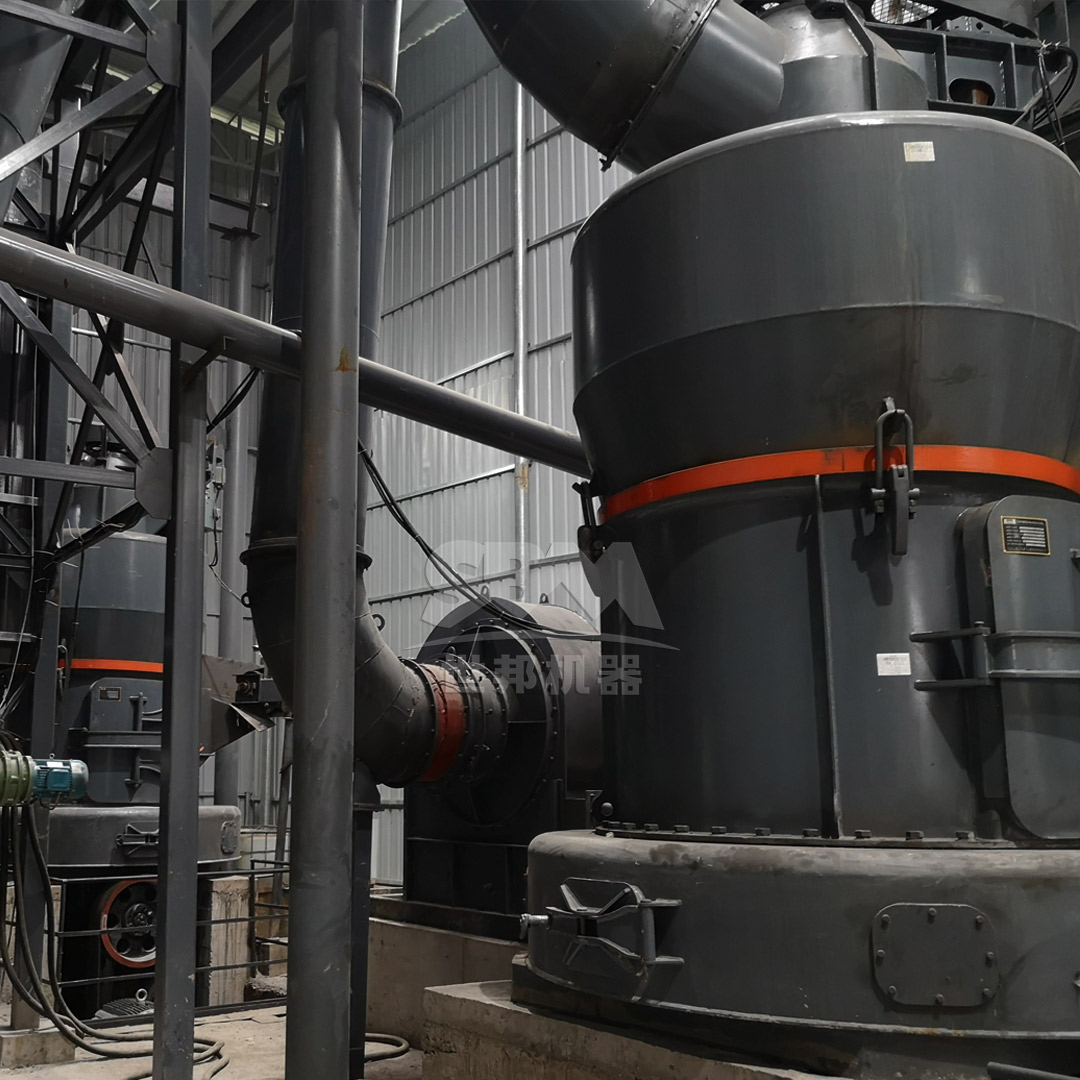
Before the fine grinding stage, run-of-mine bentonite often contains large lumps. A primary crushing stage is essential to reduce the feed size to a manageable level for downstream equipment. Our range of robust Hammer Mills is ideal for this initial size reduction, capable of handling feed sizes up to 40mm and delivering a consistent output of 0-3mm. With features like high-chrome wear-resistant hammers and a compact structure, these mills ensure reliable and continuous operation in harsh mining environments, minimizing downtime and lowering the total cost of ownership.
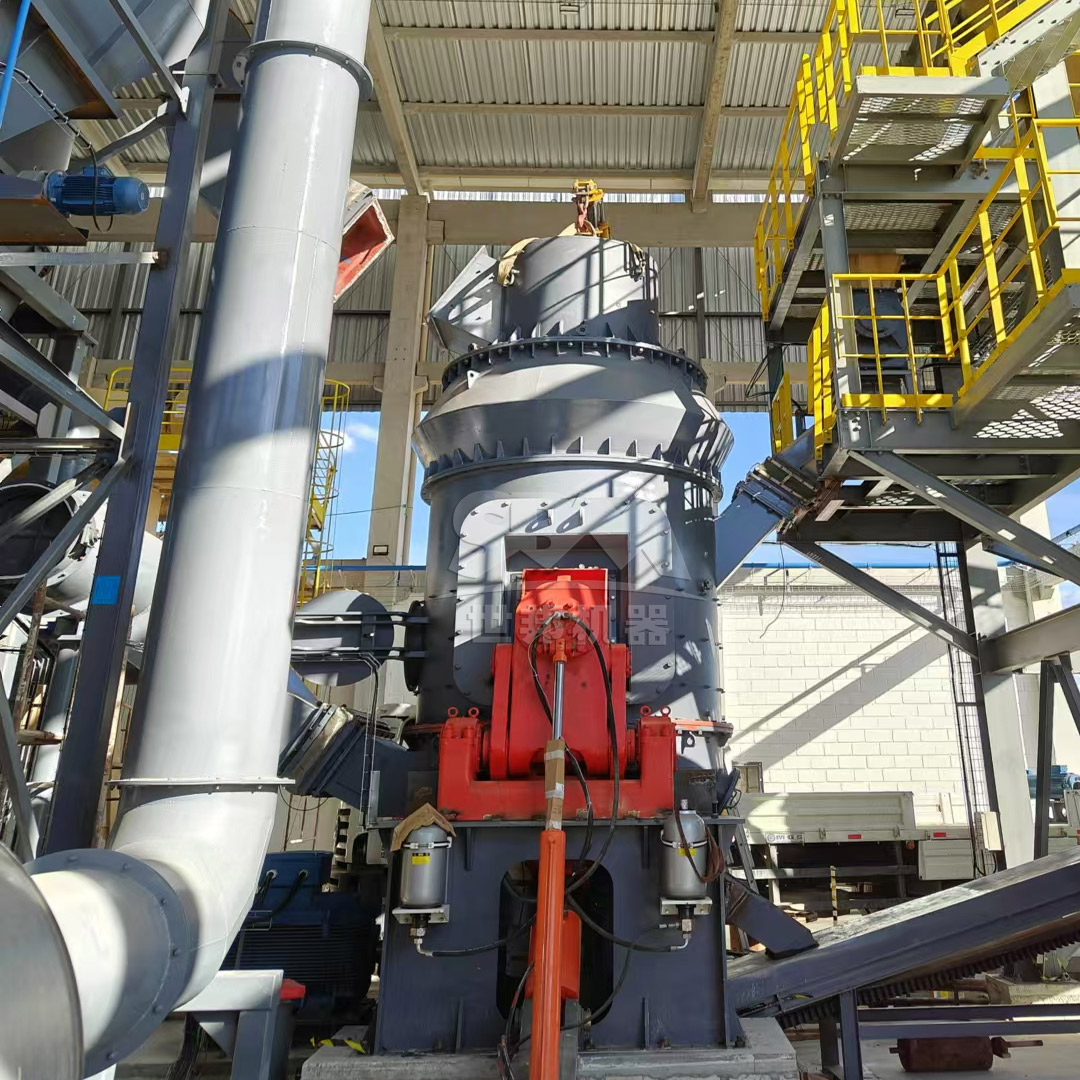
Moisture content is the most critical variable in bentonite binder production. For effective grinding in a mill, moisture must be reduced to less than 2-3%. Flash dryers or rotary dryers are commonly employed. However, integrating drying with the grinding process can significantly streamline operations and save energy. For instance, the LM Series Vertical Roller Mill inherently combines drying, grinding, and classification in a single unit. Hot gas is directed into the mill, evaporating surface and internal moisture from the bentonite particles as they are ground on the rotating table. This eliminates the need for a separate, stand-alone dryer, reducing capital expenditure, floor space requirements, and overall system energy consumption by up to 40% compared to traditional ball mill plus dryer configurations. This integrated approach ensures the feed material enters the classification zone with the precise moisture specification required for activation.
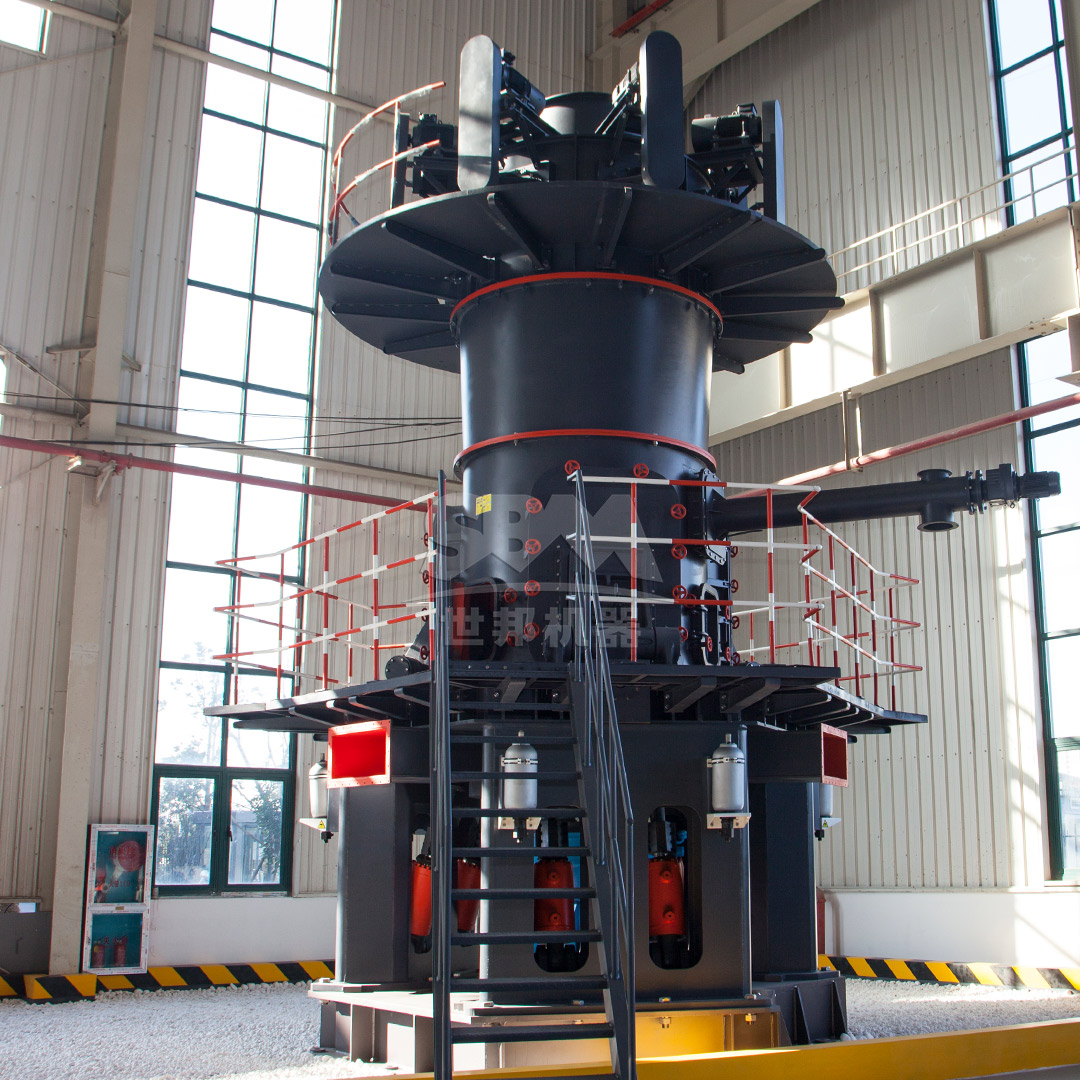
The heart of the binder production plant lies in the grinding stage. Pellet-grade bentonite demands a fineness typically in the range of 85-90% passing 200 mesh (74 μm) to 325 mesh (45 μm). This fine particle size increases the surface area, allowing for rapid water absorption and effective bonding with the iron ore concentrate.
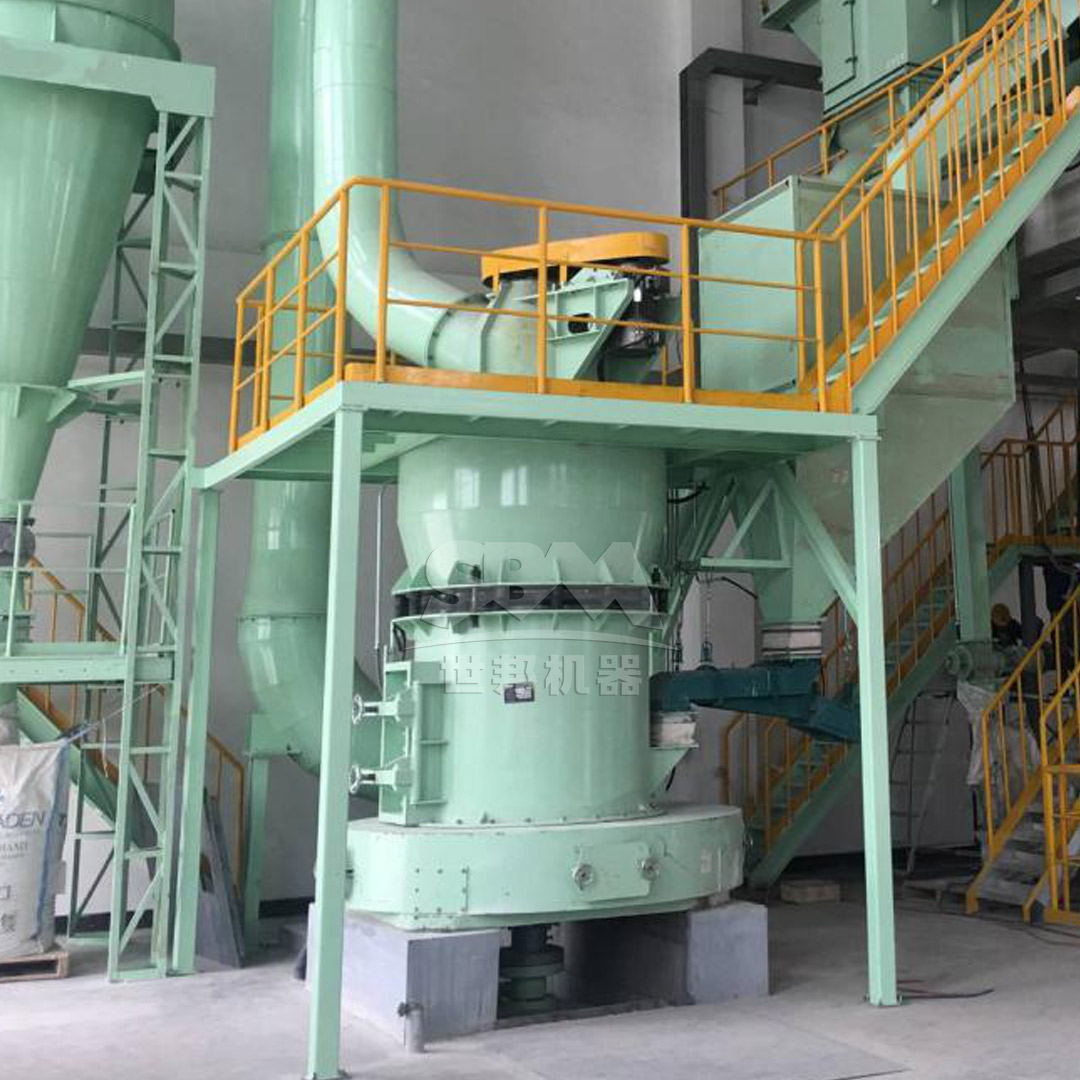
For large-scale operations requiring high throughput and moderate fineness, our MTW Series European Trapezium Mill is the industry standard. This mill is engineered with several technological innovations that make it exceptionally suited for bentonite:
With capacities reaching up to 45 tons per hour (as seen in models like the MTW215G), it can easily support mega-scale pellet plants.
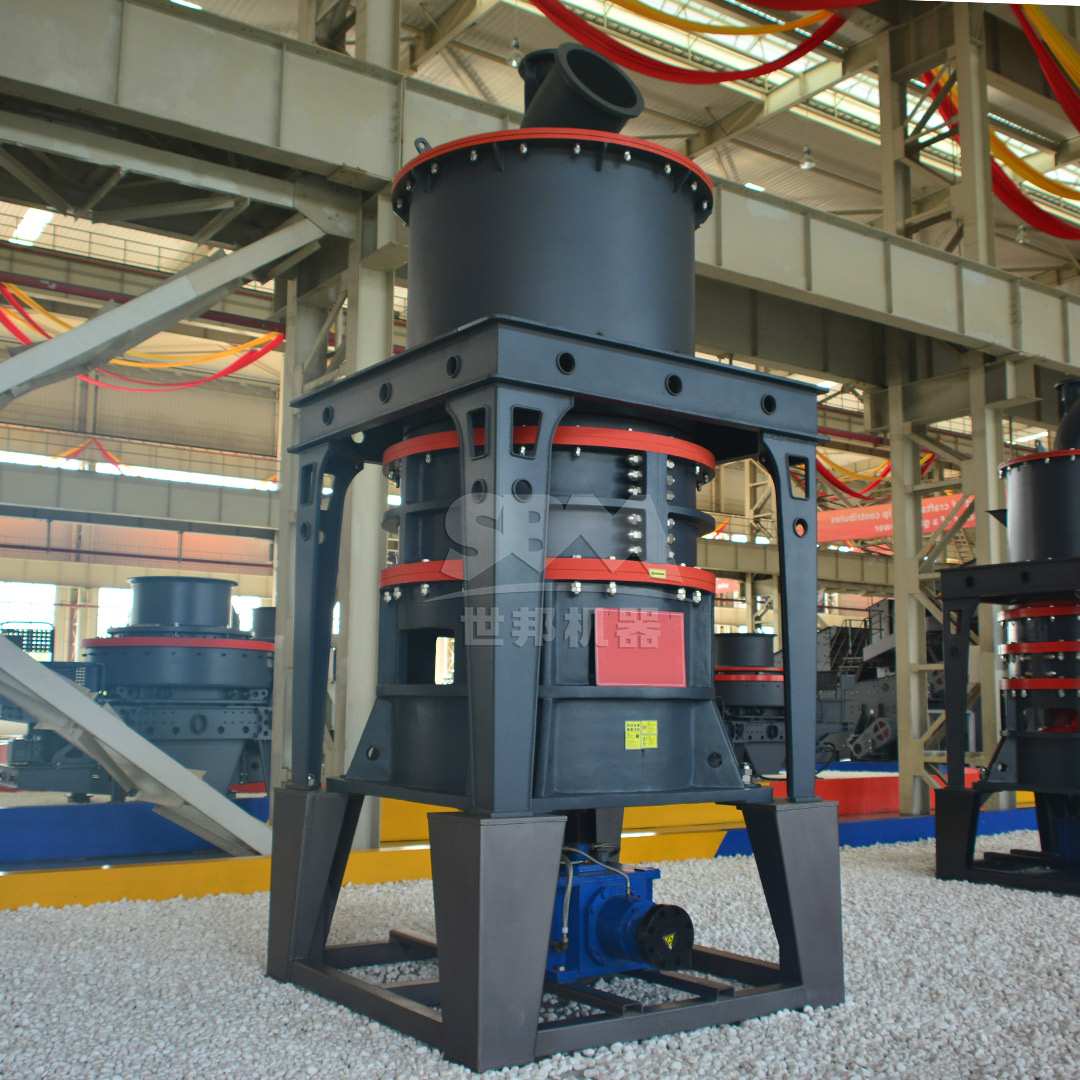
Certain premium pellet binder applications, or those using specific types of bentonite, require a higher degree of fineness (up to 2500 mesh) to maximize swelling potential. In these cases, the SCM Series Ultrafine Mill is the definitive choice. This mill delivers an output fineness of 45-5μm by utilizing a multi-layer grinding ring system and a high-speed vertical turbine classifier. This ensures a complete absence of coarse powder mixing, guaranteeing a uniform and ultra-fine finished product. The SCM mill is crucial for maximizing the economic value of premium bentonite reserves and producing high-performance binders.
| Parameter | MTW175G | SCM1250 |
|---|---|---|
| Output Fineness | 80-45 μm | 45-5 μm |
| Capacity (t/h) | 9.5 – 25 | 2.5 – 14 |
| Input Size (mm) | <40 | <20 |
| Main Motor Power (kW) | 160 | 185 |
| Key Application | Mass Production, Stand-Alone Drying | Ultra-fine High Value Binders |
Beyond simple drying and grinding, some pellet plants require thermal activation to improve the sodium exchange capacity of the bentonite. This involves heating the bentonite to specific temperatures (typically 100°C to 200°C) in a controlled environment. The LM Series Vertical Roller Mill provides a unique advantage here as well. By regulating the temperature of the hot gas introduced into the mill, operators can perform a preliminary activation process concurrently with grinding. For dedicated activation chambers, the consistent fine powder produced by our mills ensures an even heat transfer and reaction, preventing over-activation or ‘burning’ of the binder, thereby guaranteeing a high swelling index.
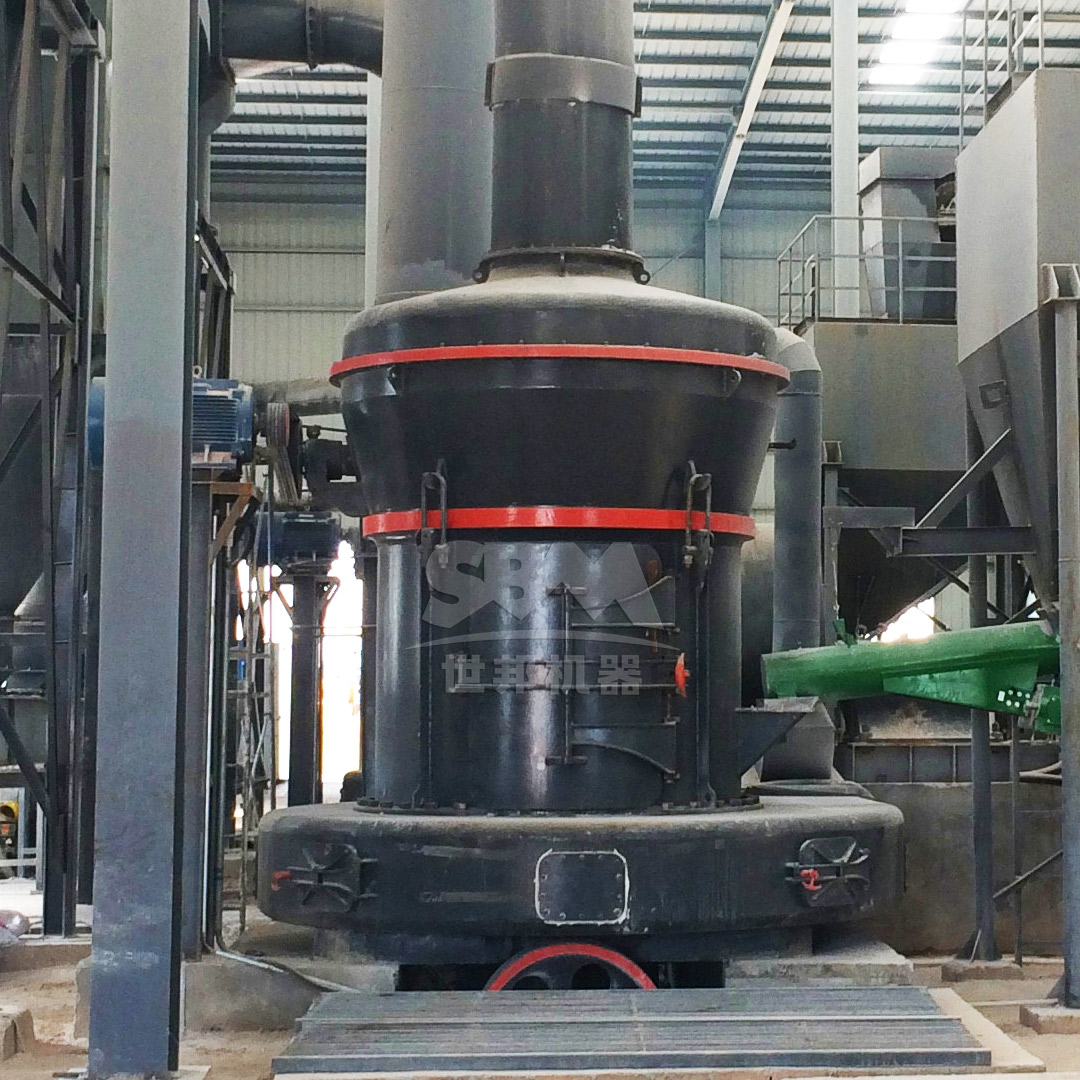
A typical 150,000 tons per year binder processing plant would be equipped with: a Hammer Mill for primary crushing, a pulse dust collector for environmental compliance, a bucket elevator for vertical transport, a stock bin with a belt feeder for surge capacity, and our MTW138Z as the main grinding unit. Alternatively, for a more compact layout, the LM130K can be used to intake the raw material directly, bypassing the need for a separate dryer and reducing the plant footprint by 50%.
Producing high-quality bentonite pellets begins with the right milling technology. From the energy-saving, integration capabilities of the LM Series to the high-capacity refining power of the MTW Series and the ultra-fine precision of the SCM Series, our equipment portfolio offers the complete grinding, drying, and activation solutions required for modern metallurgy. By leveraging these advanced systems, bentonite processors can achieve lower operating costs, high throughput, and consistent product quality, directly contributing to the efficiency of downstream iron ore pelletizing and direct reduction processes.