Bentonite, a clay mineral primarily composed of montmorillonite, plays a pivotal role in the construction and road-building industry, particularly as a stabilizer in asphalt mixtures. Its unique properties—such as high water absorption, swelling capacity, and thixotropic behavior—enhance the adhesion between asphalt binder and aggregate, improving the overall durability, rutting resistance, and moisture damage resistance of asphalt pavements. However, the efficacy of bentonite in asphalt applications is intrinsically linked to its particle size, purity, and surface characteristics. Raw bentonite, as mined, typically contains agglomerates and impurities that render it unsuitable for direct use. Therefore, specialized processing equipment is required to reduce the material to a fine, uniform powder, typically in the range of 30 to 2500 mesh (600 to 5 micrometers), depending on the specific performance requirements of the asphalt formulation.
Choosing the right bentonite processing machinery is a critical decision that impacts production efficiency, product quality, and operational costs. This article provides a comprehensive overview of the key machines used in bentonite processing for asphalt stabilizers, detailing their working principles, application ranges, and providing a practical selection guide. We will also highlight cutting-edge solutions from our product line that address the modern demands for high efficiency, energy conservation, and environmental compliance.
Before fine grinding, run-of-mine bentonite must undergo size reduction to a manageable level. The moisture content of raw bentonite is often high (20-30%), necessitating a drying step to reduce moisture to below 6% for efficient milling. After drying, primary crushers are employed to break down large rocks into smaller fragments, typically below 20-50 mm, to facilitate feeding and improve the efficiency of downstream grinding mills.
For initial size reduction, the Hammer Mill (0-3mm) is an ideal choice for processing dried bentonite. Its high-speed rotating hammers strike the material, shattering it against wear-resistant liners within the crushing chamber. The crushed material passes through a bottom screen to ensure a uniform output size of 0-3 mm. This machine is known for its high capacity, robust construction, and low investment cost, making it a practical first step in large-scale operations. Our model PC4015-132, for instance, offers a capacity of 40-70 t/h with a 132kW motor, ensuring a continuous feed supply for the subsequent grinding stages.
Fine grinding is the most crucial step in producing high-quality bentonite powder for asphalt modification. The goal is to achieve a specific surface area and particle size distribution to maximize the stabilizing effect. Several technologies are available, each with unique operational principles and output characteristics.
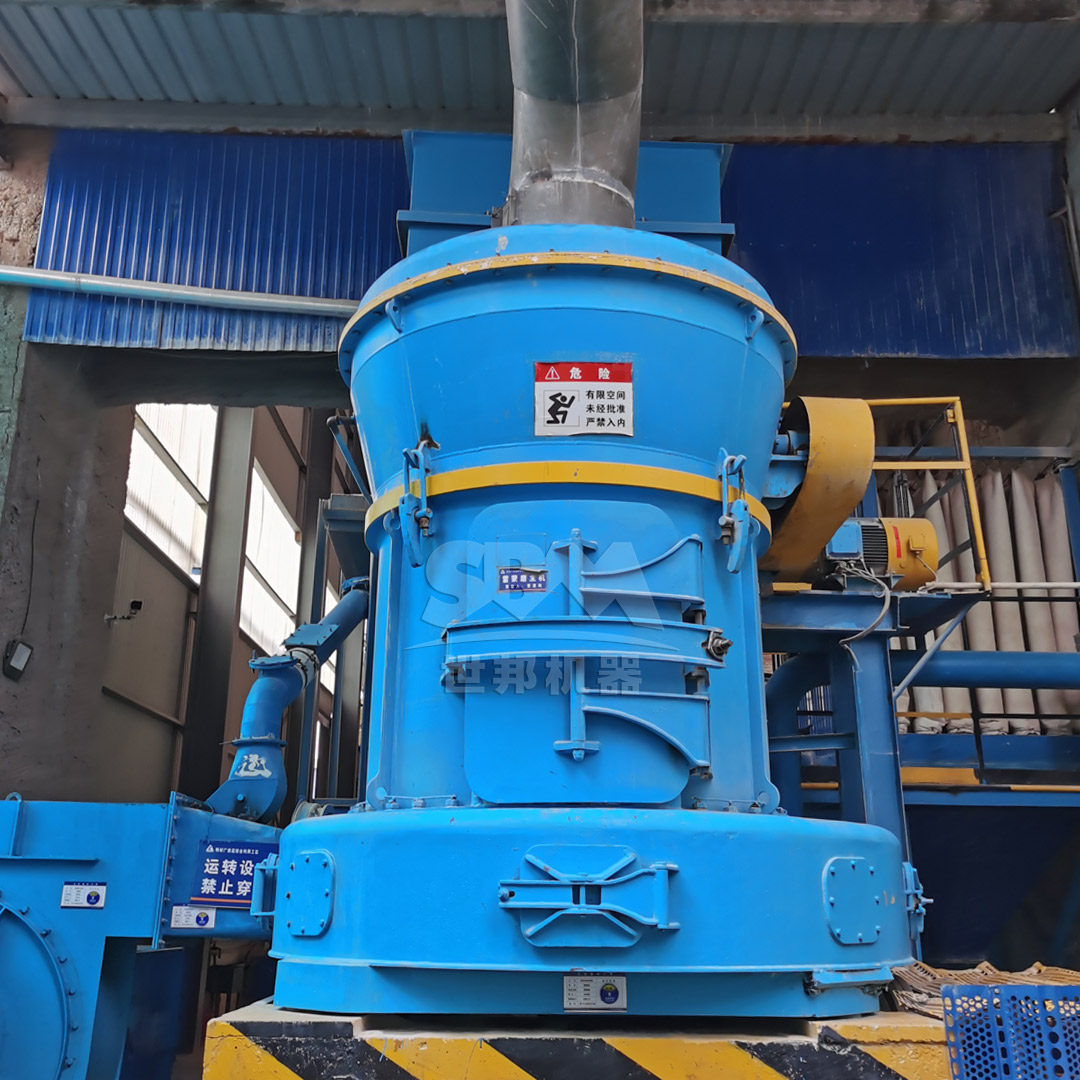
The MTW Series European Trapezium Mill is a flagship product for medium-fine grinding, producing a fineness range of 30-325 mesh (600-45 μm). This machine is engineered for high efficiency and low energy consumption. Its working principle involves the main motor driving the grinding rollers to revolve around the central axis. Simultaneously, the shovel blades feed the material between the rings and rollers. The centrifugal force generated presses the rollers against the material layer, achieving efficient crushing through extrusion. An integrated air classifier ensures precise product fineness.
Key technical advantages of the MTW mill include an anti-wear shovel design that reduces maintenance costs, an optimized arc air duct that minimizes airflow energy loss, and an integral bevel gear drive with up to 98% transmission efficiency. For a mid-sized operation producing asphalt-grade bentonite powder (e.g., 200 mesh), the MTW138Z model with a 90kW main motor and a capacity of 6-17 t/h offers an excellent balance of performance and cost. Its classifier power of 18.5kW allows for fine adjustment of the product specification.
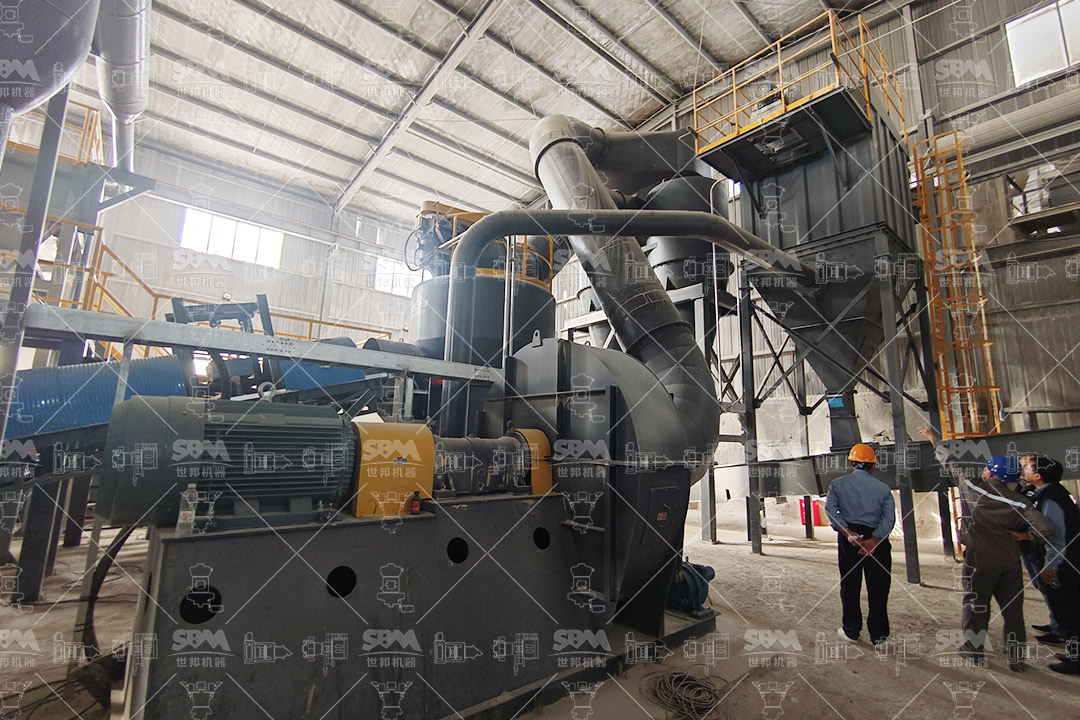
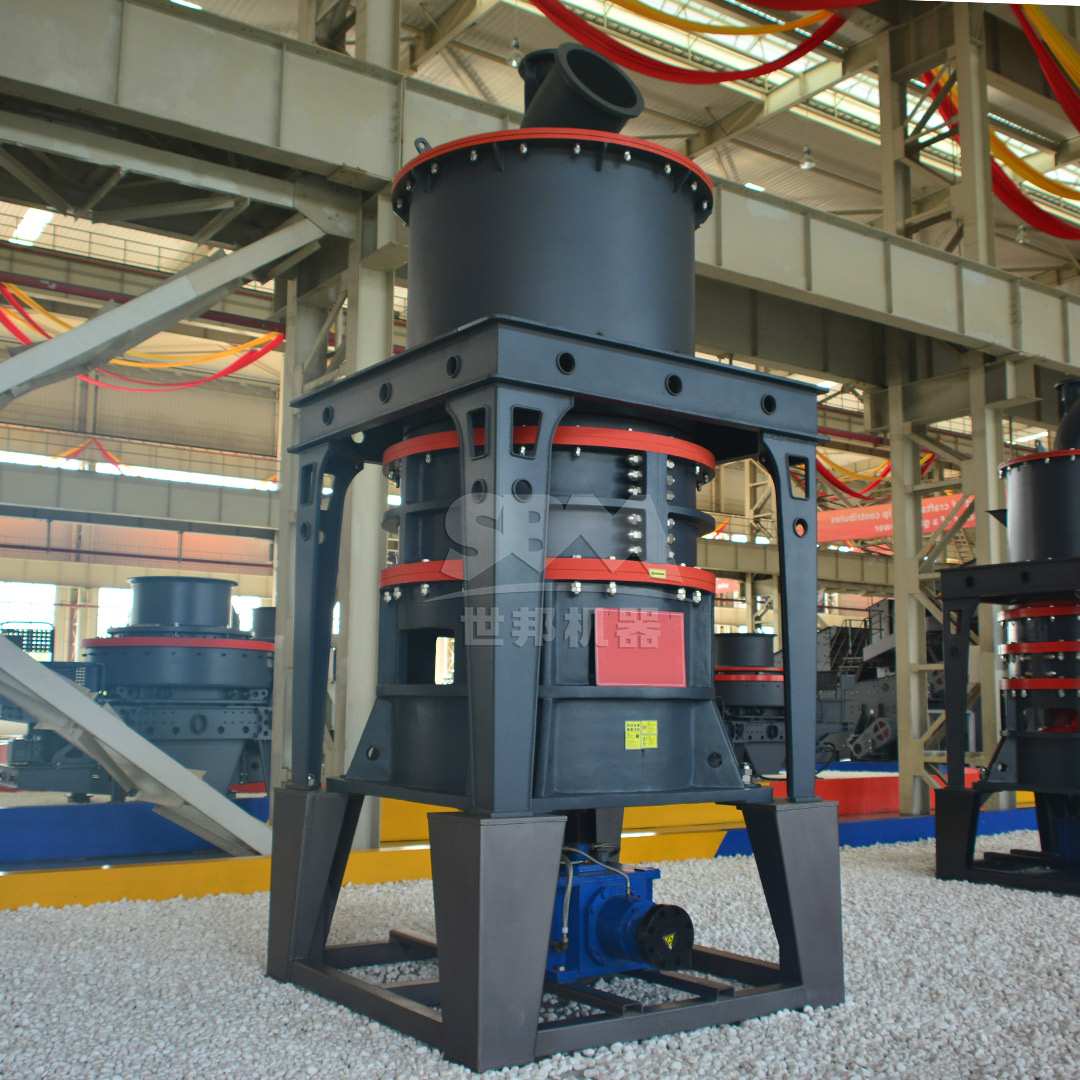
When a higher fineness (325-2500 mesh) is required for premium modified asphalt binders or polymer-modified systems, the SCM Series Ultrafine Mill is the superior choice. This mill operates on a completely different principle compared to the MTW series. The main motor drives three layers of grinding rings to rotate at high speed. Materials are dispersed into the grinding path by centrifugal force, crushed by the pressure of the grinding rollers, and ground layer by layer to achieve ultra-fine particles.
The SCM mill features a high-precision vertical turbine classifier that guarantees a sharp particle size distribution with no coarse powder mixing, which is essential for consistent asphalt quality. It is also highly energy-efficient, offering twice the capacity of a jet mill with 30% lower energy consumption. The durable design, featuring special material rollers and rings, extends the service life several times over, making it a robust solution for continuous industrial operation. For a production line requiring ultra-fine bentonite, the SCM1250 model boasts a capacity of 2.5-14 t/h with a main power of 185kW, capable of producing powders as fine as 2500 mesh.
For large-scale asphalt mixing plants or dedicated bentonite processing facilities, maximizing throughput and minimizing operational footprint are paramount.
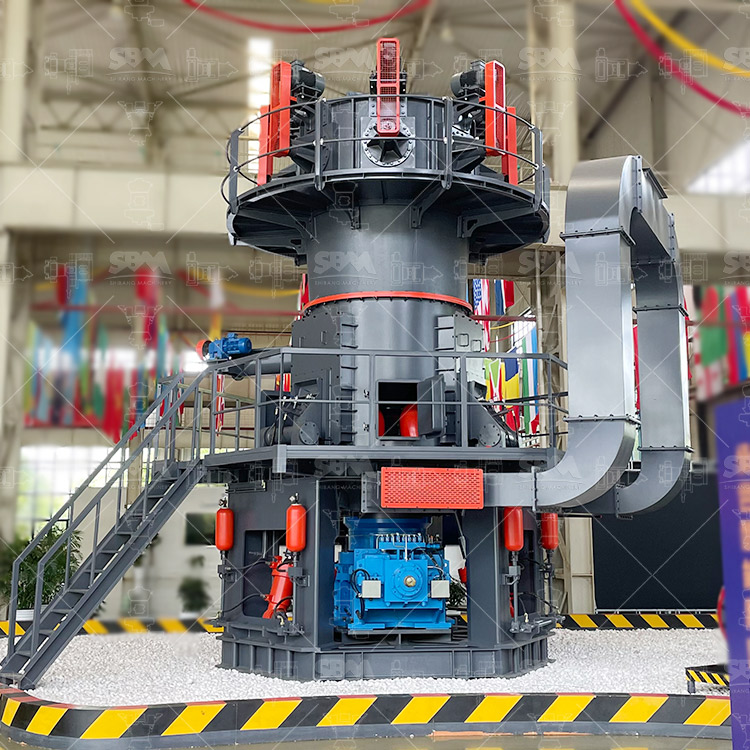
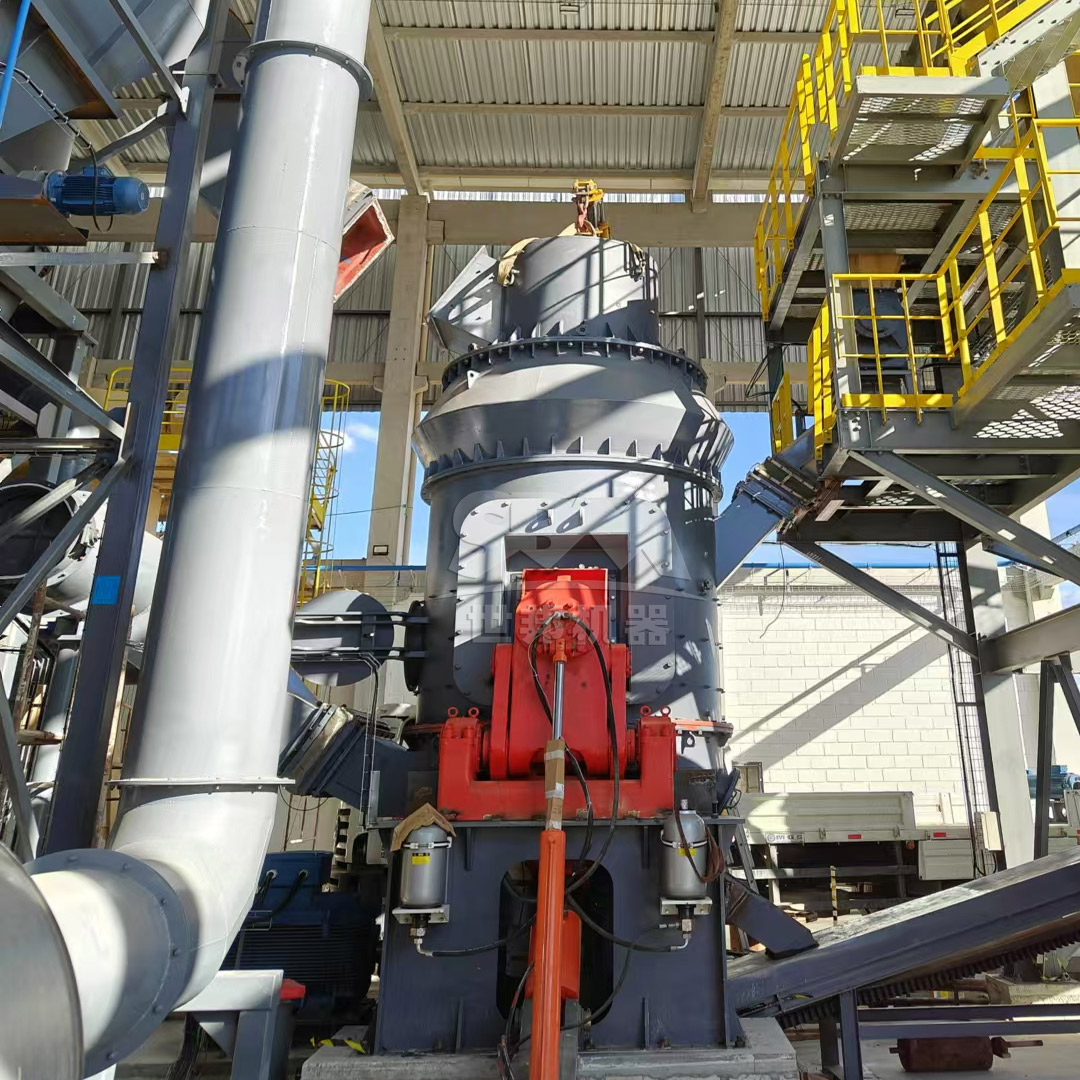
The LM Series Vertical Roller Mill is designed for the most demanding applications, with capacities ranging from 3 to 250 ton/h. Its integrated design combines crushing, drying, grinding, and classification into a single unit, reducing floor space by 50% and infrastructure costs by 40%. The working principle involves the material being fed centrally onto a rotating grinding table. Hydraulic cylinders press the grinding rollers against the material bed. The material is crushed and ground, and the fine particles are carried by an air stream to the dynamic classifier installed above. Coarse particles fall back to the table for regrinding, while the qualified fines are collected in a baghouse or cyclone.
This mill is ideal for producing the high volumes of bentonite powder required in large-scale, continuous asphalt production. The LM190K model, with a table diameter of 1900mm and power of 500kW, can produce 23-68 t/h, ensuring an uninterrupted supply to the asphalt mixing plant. Its fully sealed negative pressure operation guarantees low dust emission, meeting the strictest environmental standards.
| Machine Type | Output Fineness | Capacity Range | Ideal Application |
|---|---|---|---|
| Hammer Mill | 0-3 mm | 8 – 70 t/h | Primary size reduction |
| MTW Trapezium Mill | 45 – 600 μm | 3 – 45 t/h | Standard asphalt-grade filler |
| SCM Ultrafine Mill | 5 – 45 μm | 0.5 – 25 t/h | High-performance, ultra-fine filler |
| LM Vertical Mill | 45 – 600 μm | 3 – 250 t/h | Large-scale, integrated production |
Understanding the complete process flow is essential for proper equipment selection. The typical bentonite processing line for asphalt stabilizers consists of five main stages:
Raw bentonite is first crushed and dried to reduce moisture to below 5%. This is critical, as residual moisture can lead to clumping and poor dispersion in the asphalt binder.
Dried bentonite is stored in silos and fed into the grinding mill via a variable-speed screw feeder or vibrating feeder to ensure a consistent and controllable feed rate.
This core process is performed by mills like the MTW or SCM, which are selected based on the target particle size and throughput requirements.
Ground powder is transported by air to the classifier for size separation. Fines meeting the specification are collected by a high-efficiency pulse dust collector, while coarse particles are returned to the mill for regrinding.
The final product is packed in valve bags or delivered pneumatically to storage silos for dispatch to the asphalt production facility.
Selecting the right bentonite processing equipment depends on several critical factors. Our selection guide focuses on aligning machine capabilities with project specifications.
Bentonite is notoriously hygroscopic. Mills with integrated hot-air drying systems, like the LM Series Vertical Roller Mill, are highly recommended when processing bentonite with variable moisture content to ensure a dry, free-flowing final powder. Furthermore, the abrasive nature of bentonite necessitates the use of wear-resistant components, such as the special material rollers in the SCM series and the combined shovel blades in the MTW series.
With rising energy costs and tightened environmental regulations, the choice of mill is also a choice of operational philosophy. All our mills are designed with eco-friendly features. For example, SCM Series and LM Series include pulse dust collection systems with efficiency beyond international standards and soundproof enclosures to ensure noise levels are controlled to acceptable limits. The high-pressure negative-pressure system prevents any dust leakage into the workshop.
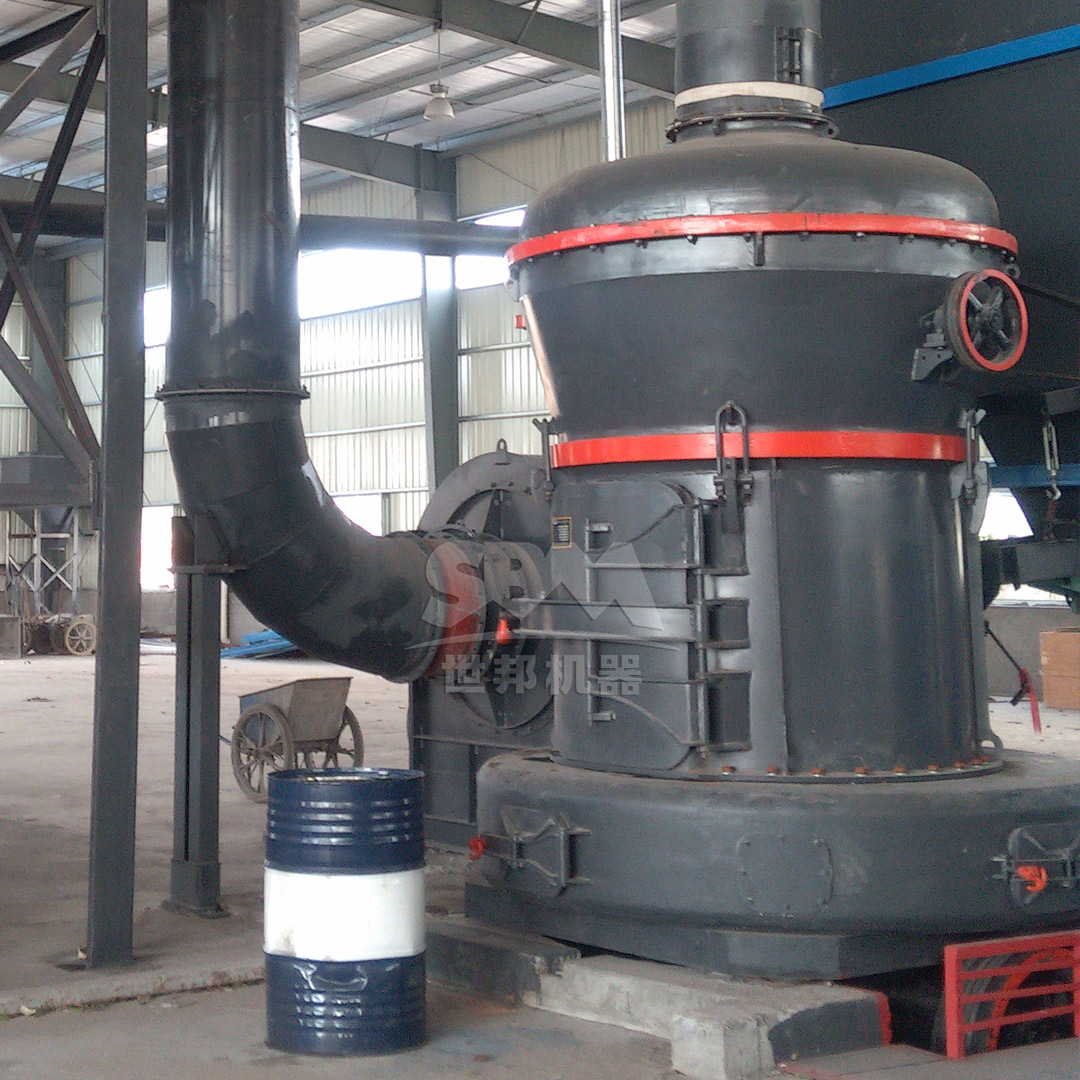
Based on the selection criteria above, we offer the following recommended machines from our portfolio for your bentonite processing project:
For those seeking the highest quality asphalt stabilizer with superior performance characteristics, the SCM Series Ultrafine Mill is our top recommendation. Its ability to consistently produce 325-2500 mesh powder ensures that the bentonite reaches its full potential in binding, waterproofing, and stabilizing asphalt mixtures. The high-precision classification and automatic control systems guarantee a uniform product, which is crucial for quality assurance in premium road construction projects. The models SCM1000 and SCM1250 are particularly suited to this industry, providing a balance of throughput (1.0-14 t/h) and ultra-fine output that is matchless in its class.
If your production line prioritizes high volume output at a competitive operational cost without strict ultra-fine requirements, the MTW175G model is an excellent alternative. Its 9.5-25 t/h capacity and fineness range of 30-325 mesh cover the vast majority of asphalt additive applications. The trapezium-style grinding ring and roller surfaces improve grinding efficiency and reduce energy consumption by up to 30% compared to traditional Raymond mills, making it a highly economical long-term investment.