Bauxite, the primary ore for aluminum, undergoes a complex journey from open-pit mine to the smelting pot. The quality of the final alumina (Al2O3) and the efficiency of the Bayer process depend heavily on the preparation of the raw material. Crushing, homogenization, and especially fine grinding are the foundational steps that determine the viability and economics of an aluminum smelting operation. This industrial guide explores the critical equipment stages in a modern bauxite processing plant, with a focus on maximizing yield, reducing energy consumption, and ensuring operational reliability. From the primary crusher to the final pulverizer, the choice of technology directly influences the material’s reactivity inside the digestion vessel and the overall throughput of the refinery.
The first stage in bauxite processing involves reducing run-of-mine (ROM) bauxite, which can be as large as 600mm, to a manageable size for downstream grinding. Typically, a jaw crusher or an impact crusher, such as the model categories of SBM Hammer Mills, are employed to reduce the ore to a size of 0-40mm. Given the high clay content and moisture levels often found in bauxite, robust equipment is essential. The crushed material is then stockpiled and blended in a homogenization bed to ensure a consistent feed chemical composition. This process smooths out variations in alumina and silica content, which is vital for stabilizing the Bayer liquor circuit. A vibrating feeder ensures a steady, controlled flow of material into the next stage, preventing surges that can destabilize the grinding circuit.
For operations requiring a final pre-grinding size of around 0-3mm, high-capacity hammer mills are the industry workhorse. Their high reduction ratio and ability to handle sticky materials make them ideal for a first pass on soft bauxite. However, for the refinery process to be efficient, the bauxite must often be ground to a much finer degree—typically below 50 mesh (approximately 0.3mm)—to free the alumina particles for chemical attack by caustic soda in the digester.
The digestion stage in the Bayer process requires bauxite slurry to be heated and mixed with sodium hydroxide. The specific surface area of the bauxite particles directly controls the rate of the chemical reaction. If the particles are too coarse, the reaction time is long, leading to mechanical inefficiencies and increased energy costs for heating. Conversely, over-grinding consumes excessive energy without a proportional increase in yield. Therefore, the selection of grinding equipment is a strategic decision. Traditionally, ball mills have been used for this task. Yet, modern operations demand more energy-efficient solutions that can also dry the material if necessary. This is where vertical roller mills (VRMs) and high-pressure suspension mills have revolutionized alumina refineries. These technologies combine drying, grinding, and classifying in a single unit, drastically reducing the plant footprint and energy penalties.
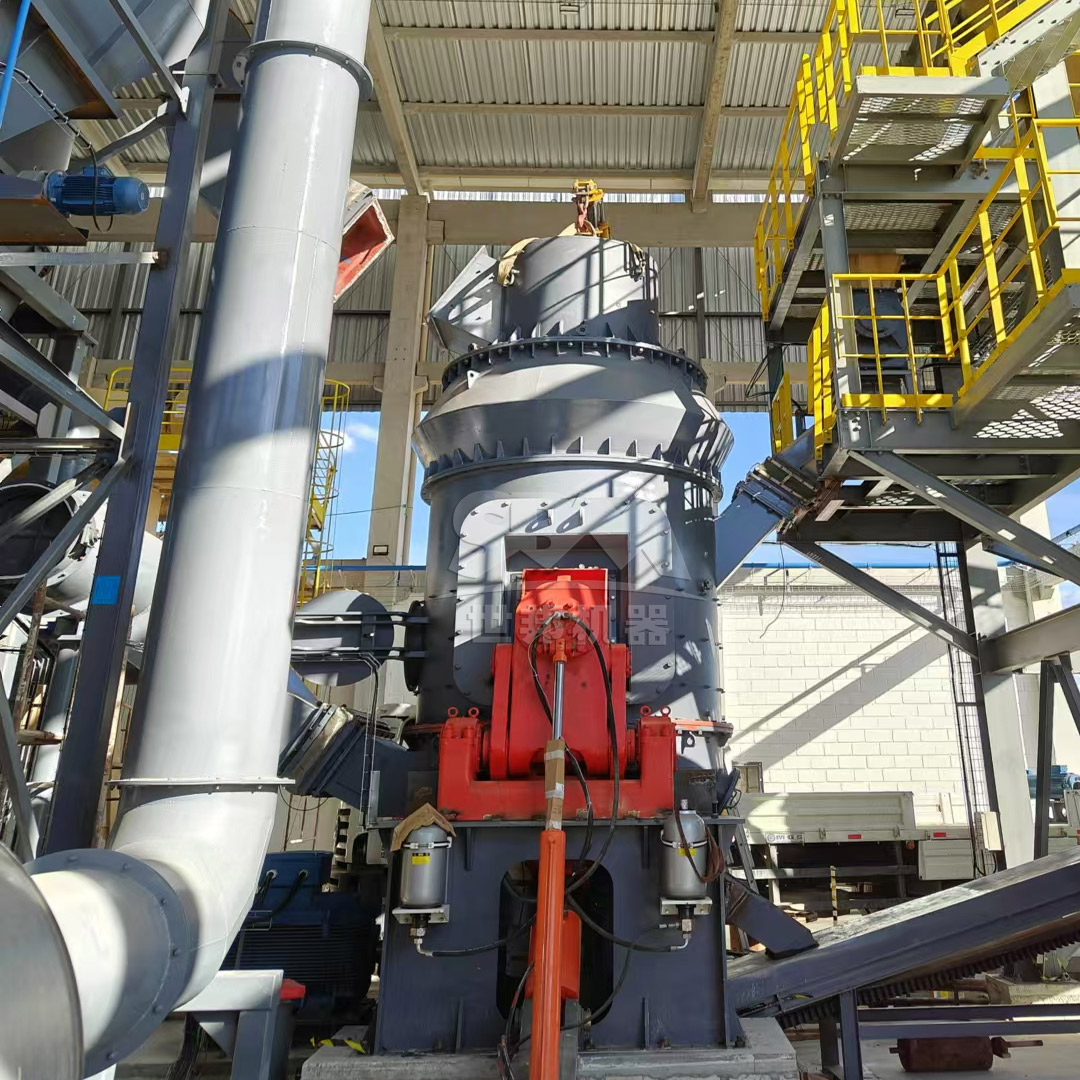
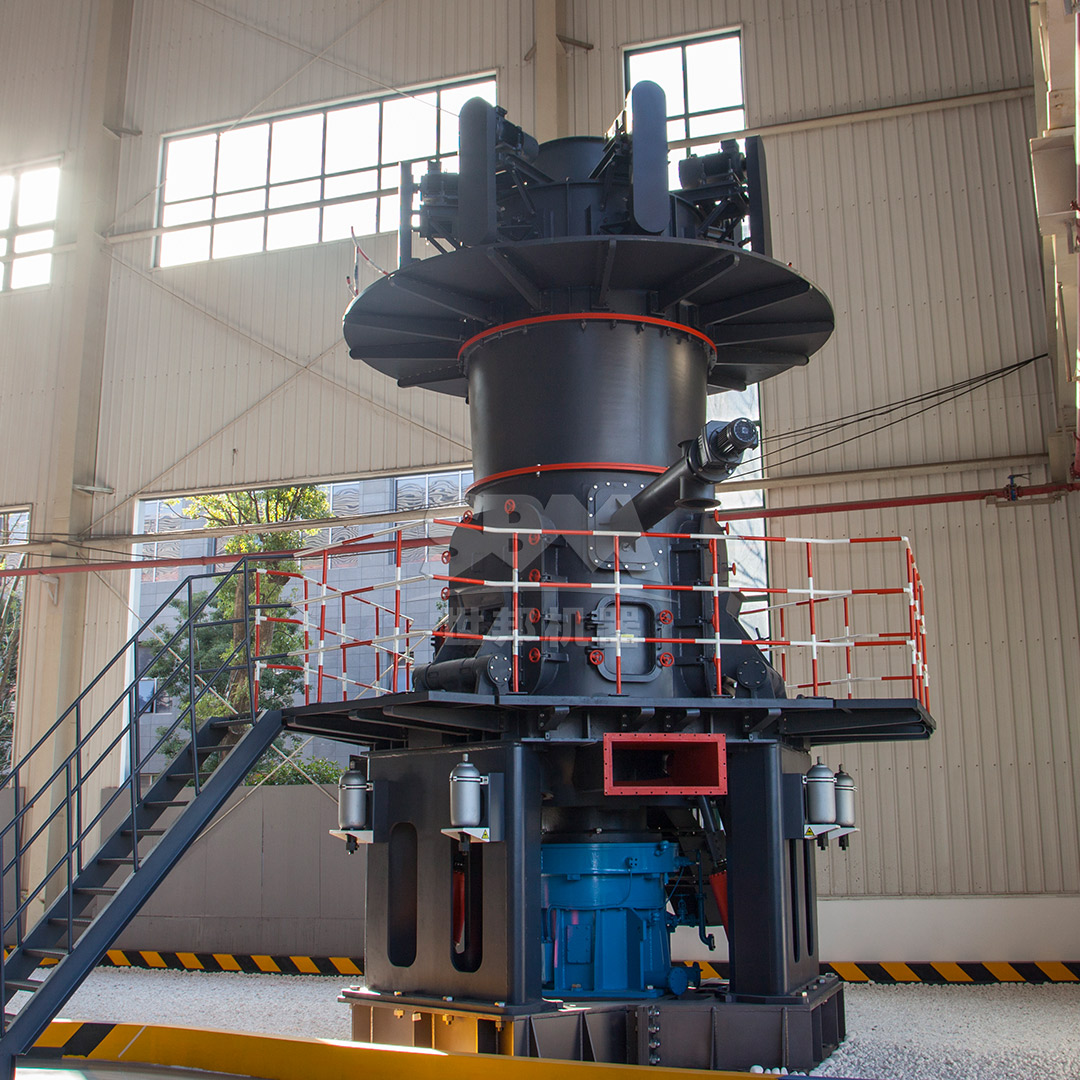
In modern bauxite preparation lines, the LM Series Vertical Roller Mill stands out for its integrated design. It accepts feed sizes up to 50mm and can grind down to 45-90 microns, which is the sweet spot for Bayer digestion. The system integrates crushing, grinding, and selection, reducing floor space by 50%. Its low operating costs, derived from a non-contact design between rollers and the table, extend wear part life by threefold compared to traditional mills. For an aluminum smelting operation, this translates to less downtime for maintenance and a smaller spare parts inventory, ensuring continuous chemical feed.
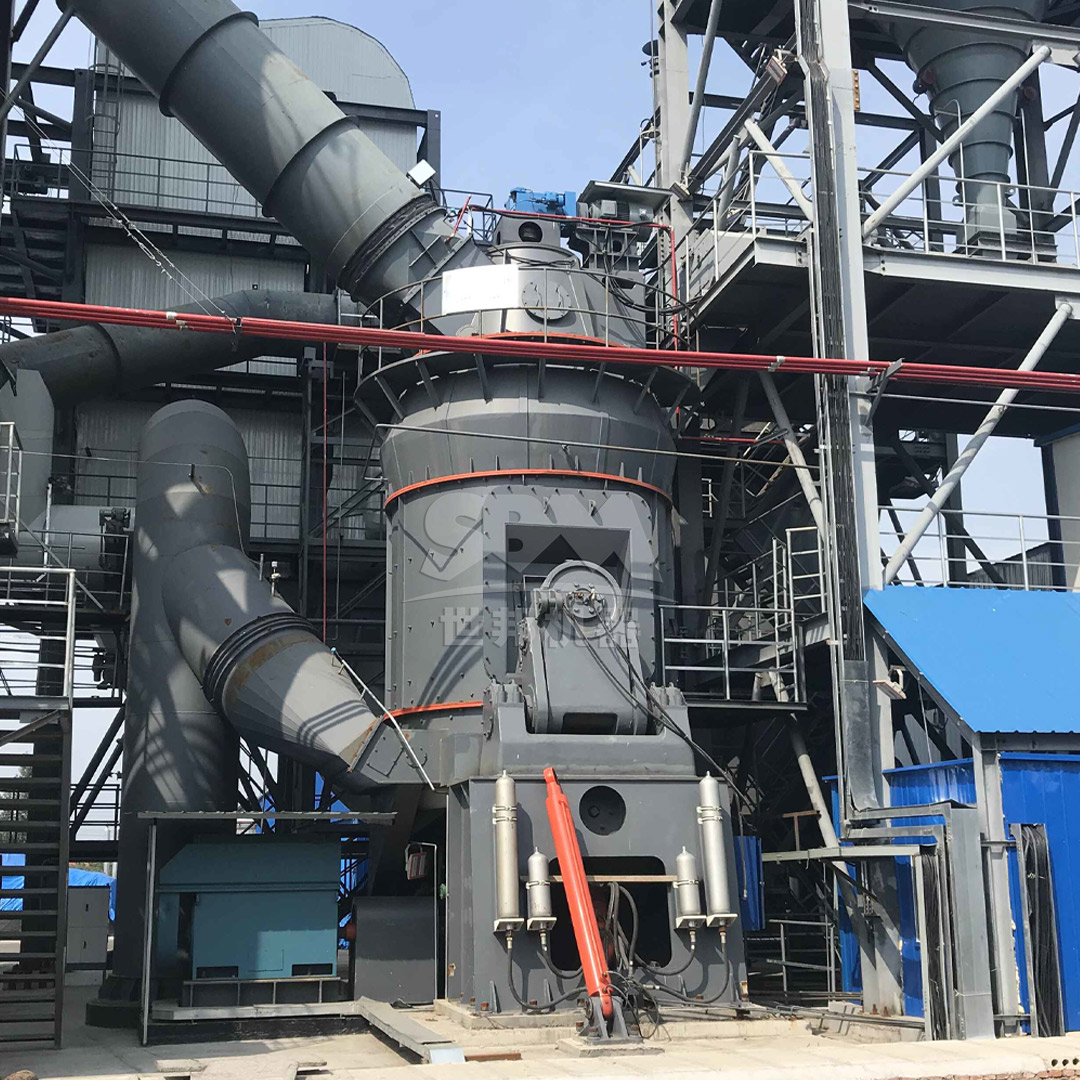
The efficiency of the downstream settling and precipitation stages is dictated by the particle size distribution (PSD) of the fine bauxite. A uniform PSD prevents the carryover of coarse sand into the red mud separation area. The LM mill’s vertical turbine classifier can achieve precise particle size cutting without coarse powder mixing. This precision ensures that the alumina trihydrate crystals are uniform, avoiding blockages in the precipitation tanks. The equipment allows for multi-stage adjustment of fineness, allowing operators to switch between a coarser grind for a low-temperature Bayer cycle and a finer grind for a high-temperature cycle without halting the production line.
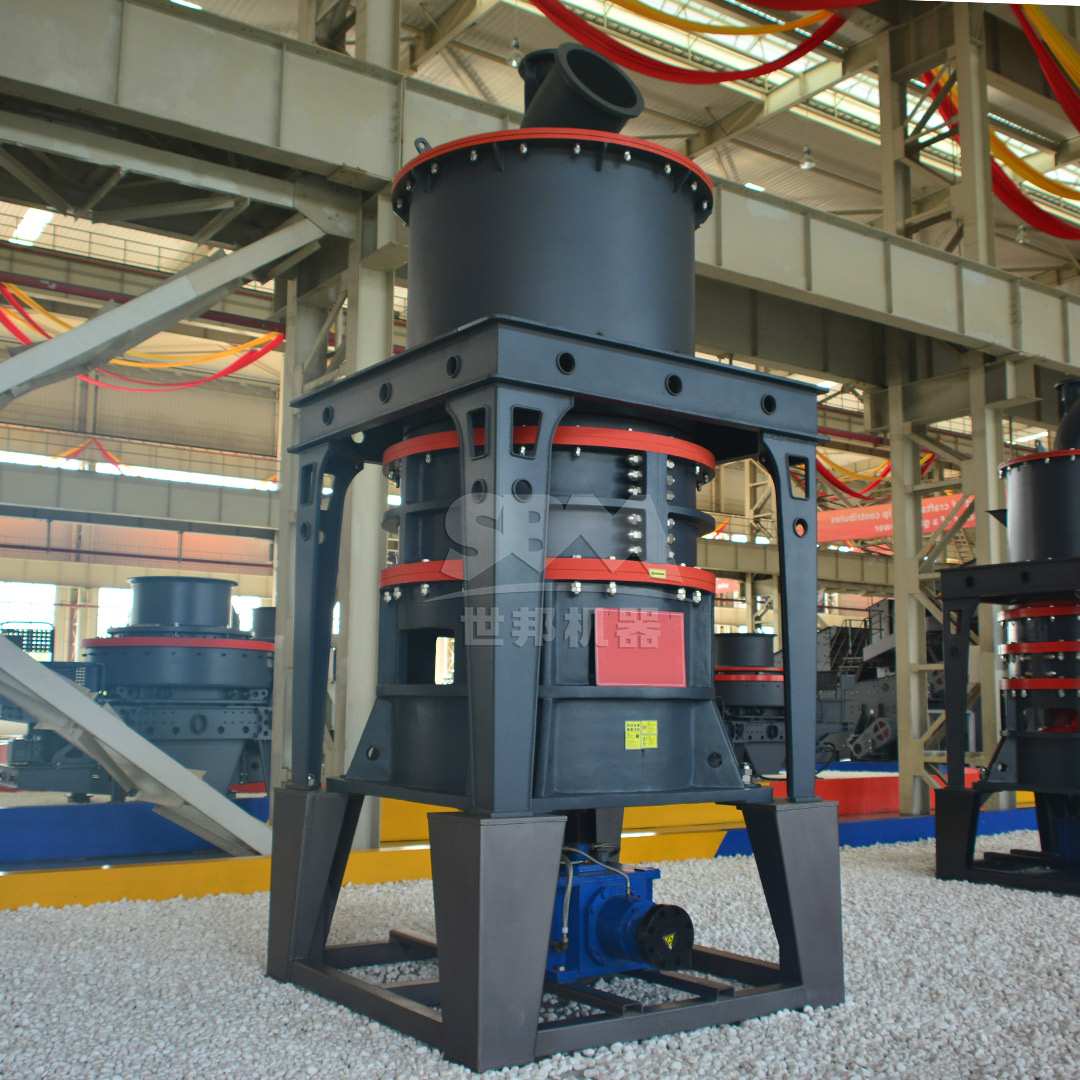
Some bauxite ores, particularly those with a high boehmite content, are notoriously difficult to digest. These materials require significantly finer grinding to expose the alumina within the crystalline matrix. In these scenarios, a jet mill’s energy consumption would be prohibitive. Instead, the industry turns to the SCM Series Ultrafine Mill. This equipment, capable of producing powders from 45μm down to 5μm (325-2500 mesh), is used to pre-treat a portion of the feed. By creating a ‘seed’ of ultra-fine particles, the digestion kinetics of the entire slurry are accelerated. The SCM mill operates with an intelligent control system that automatically adjusts the classifier speed based on a granularity feedback loop, ensuring a highly consistent finished product. Its capacity is twice that of a jet mill with 30% lower energy consumption, making it a feasible process addition for stubborn ore bodies.
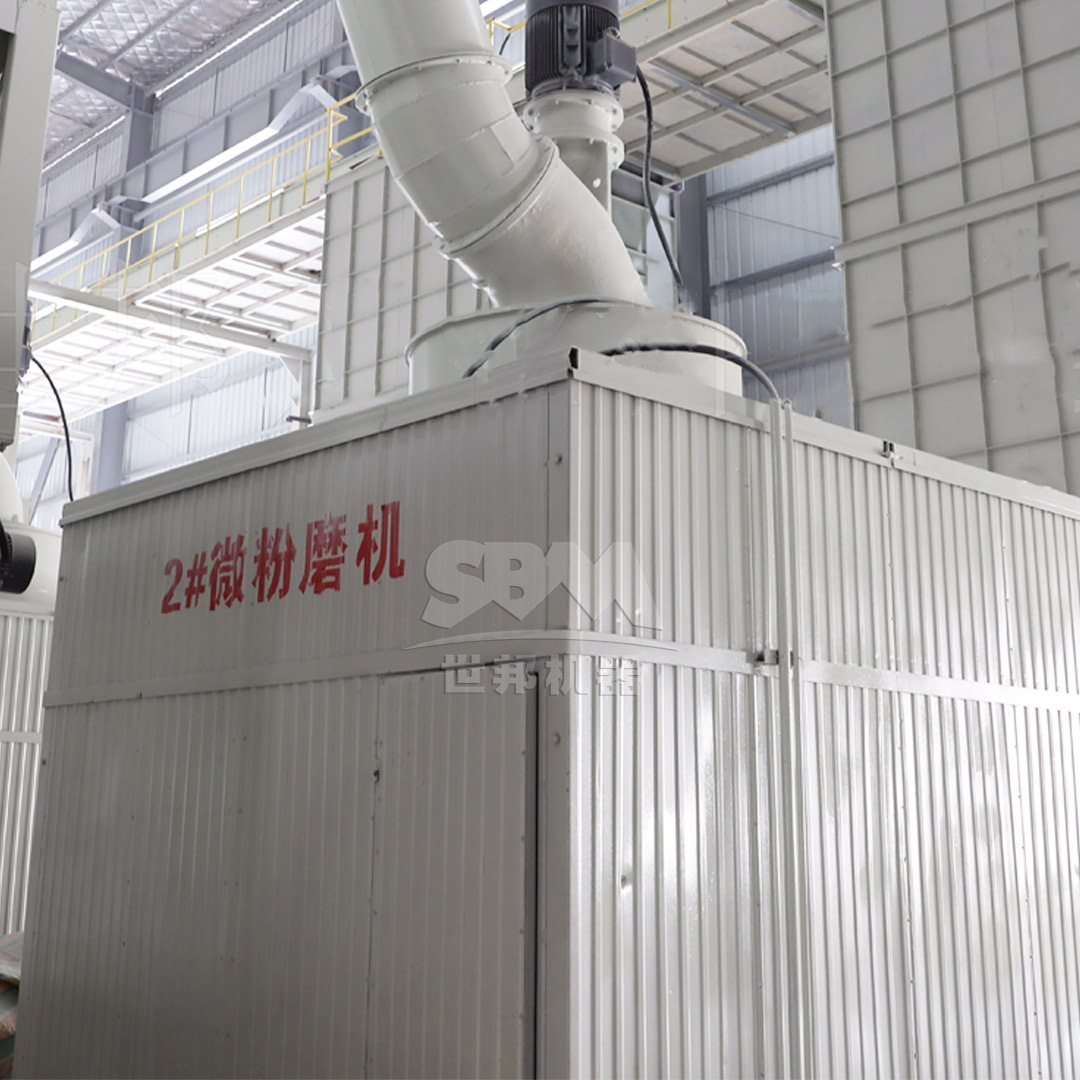
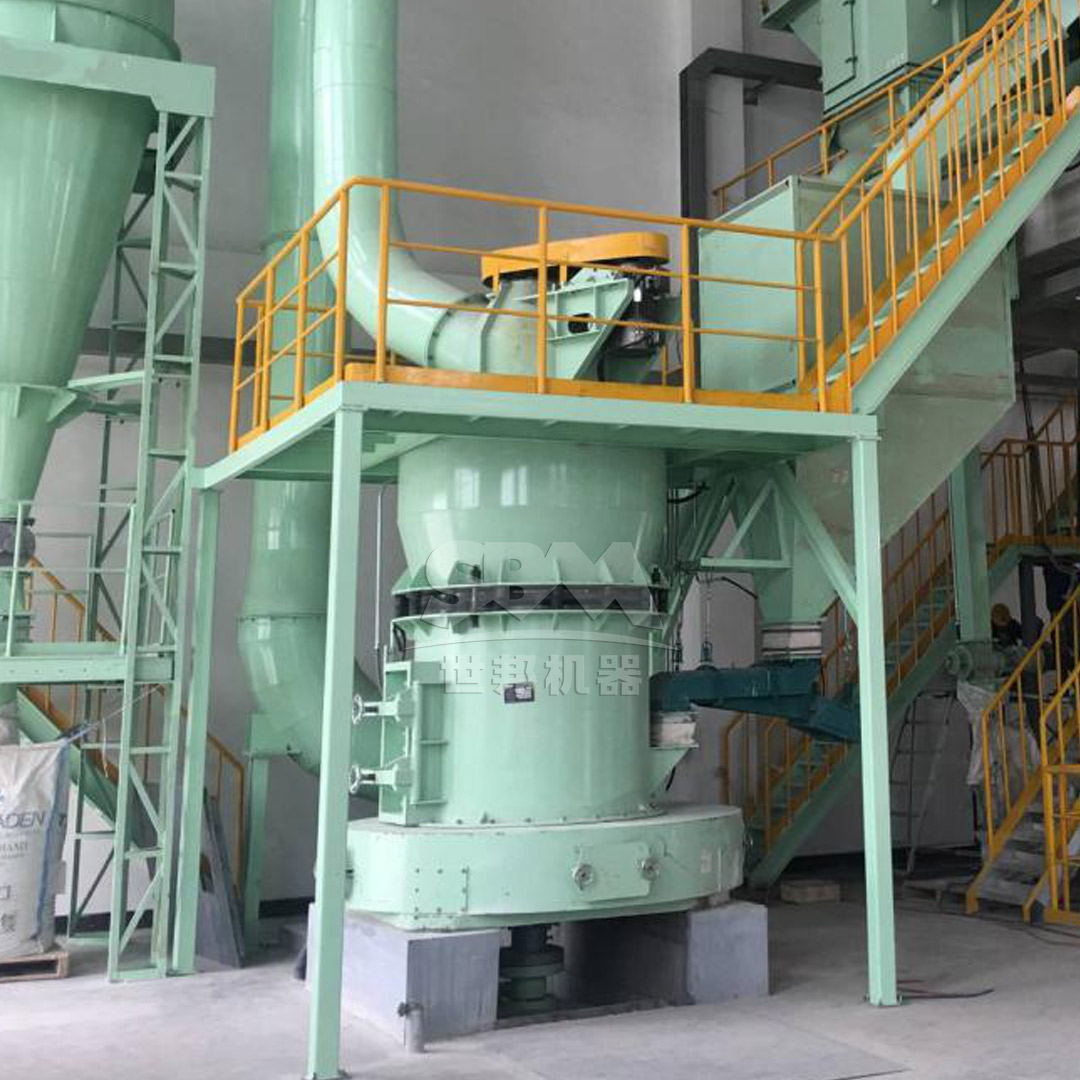
A complete bauxite grinding circuit is more than just the mill; it is an ecosystem of feeders, conveyors, and dust collectors. The process begins with a belt feeder integrated with a metal detector to protect the mill internals. The grinding chamber is often operated under negative pressure to prevent dust leakage, a critical environmental compliance requirement. Pulse dust collectors, like those highlighted in the technical specs of the MTW Series, ensure that emission levels comply with international standards. These collectors filter the air used to convey the product, capturing the ultra-fine particles that would otherwise be lost to the atmosphere. The separator fan must be meticulously matched to the mill’s capacity to maintain an optimal air-to-material ratio.
| Equipment | Feed Size | Fineness | Capacity | Key Advantage |
|---|---|---|---|---|
| Hammer Mill | ≤40mm | 0-3mm | 8-70 t/h | High reduction ratio |
| MTW Trapezium Mill | ≤50mm | 30-325 mesh | 3-45 t/h | Integral Bevel Gear Drive |
| LM Vertical Roller Mill | ≤50mm | 45-600 mesh | 3-250 t/h | 50% lower the footprint |
| SCM Ultrafine Mill | ≤20mm | 325-2500 mesh | 0.5-25 t/h | Energy saving vs jet mill |
To optimize your bauxite preparation process, we recommend our LM Series Vertical Roller Mill for the primary grinding stage. With capacities up to 250 t/h and integrated drying, it offers the lowest total cost of ownership for large-scale smelters.
For refineries processing high-hardness bauxite or requiring a pre-digestion boost, the SCM Series Ultrafine Mill is the ideal choice. Its high-precision classification (up to 2500 mesh) ensures the chemical reactivity needed for maximum alumina extraction, ensuring that no valuable ore is left undigested.
Given that a smelting operation runs 24/7, reliability is paramount. Modern grinding circuits are designed with redundant systems. For example, many plants install a bypass to direct material around the ultrafine mill if it requires maintenance, keeping the main boilers fed. Smart control systems, utilizing PLC and SCADA interfaces, monitor crucial parameters like mill differential pressure, outlet temperature, and main motor amp draw. This continuous monitoring facilitates ‘expert-level’ auto-control, allows for remote operation, and minimizes manual intervention, ensuring that the grinding circuit adapts to the varying hardness of the bauxite feed in real time. The days of relying solely on manual adjustment are gone; today’s digital mills ensure the lean operation required by the competitive aluminum market.