Oil fracturing, or hydraulic fracturing, is a well-stimulation technique that relies on high-performance proppants to keep fractures open and allow hydrocarbons to flow freely. Among the various proppant materials, sintered bauxite stands out due to its exceptional compressive strength, thermal stability, and chemical resistance. However, transforming raw bauxite ore into a high-quality proppant requires a sophisticated processing line, where every stage—from crushing to ultrafine grinding and classification—must be precisely controlled. This guide provides a comprehensive overview of the bauxite processing equipment necessary for building a complete, efficient, and profitable oil fracturing proppant production line.
The journey from raw ore to proppant involves several key steps: primary crushing, secondary crushing, fine grinding, ultrafine pulverization, granulation, and sintering. The grinding stage is particularly critical, as the particle size distribution of the bauxite powder directly influences the spherical shape, density, and crush resistance of the final proppant. Therefore, selecting the right milling equipment—with the capability to produce ultra-fine, uniform particles—is paramount. This article delves into the core machinery used in this process, focusing on the advanced technologies from our company that optimize efficiency, reduce energy consumption, and ensure product consistency.
The first step in the processing line is size reduction. Raw bauxite, often delivered in large lumps, must be crushed to a manageable size for downstream milling. A robust and reliable crusher is essential to handle the abrasive nature of bauxite, which has a high alumina content.
For this stage, our company offers high-performance hammer mills and jaw crushers designed for maximum throughput and durability. A typical configuration might include a primary jaw crusher to reduce rocks to <100mm, followed by a secondary crusher to achieve a feed size suitable for the grinding mills. The Hammer Mill (0-3mm) from our product line is an excellent choice for secondary crushing. Its optimized cavity design and high-speed rotating hammers provide a high crushing ratio and stable operation. The wear-resistant high-manganese steel liners ensure a long service life, which is critical given the abrasive nature of bauxite. With models like the PC4015-132, capable of handling 40-70 tons per hour, it effectively bridges the gap between crushing and fine grinding.
Following crushing, the bauxite is typically ground to a fine powder. This step requires a milling system that can handle a larger feed size and produce a consistent product with high efficiency. Traditional ball mills can be used, but they often consume significant energy. For more energy-efficient operations, we recommend our medium-speed and trapezium mills.
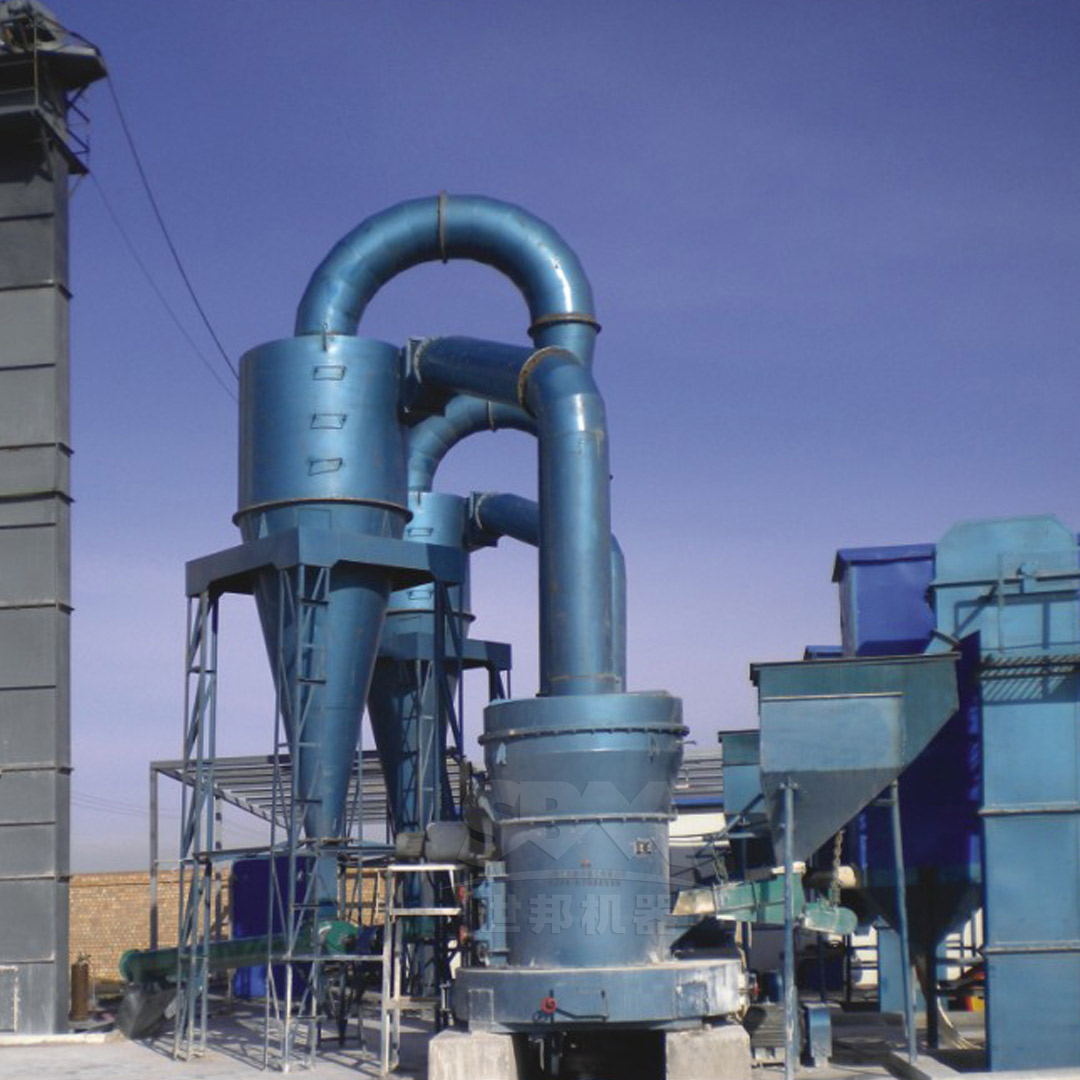
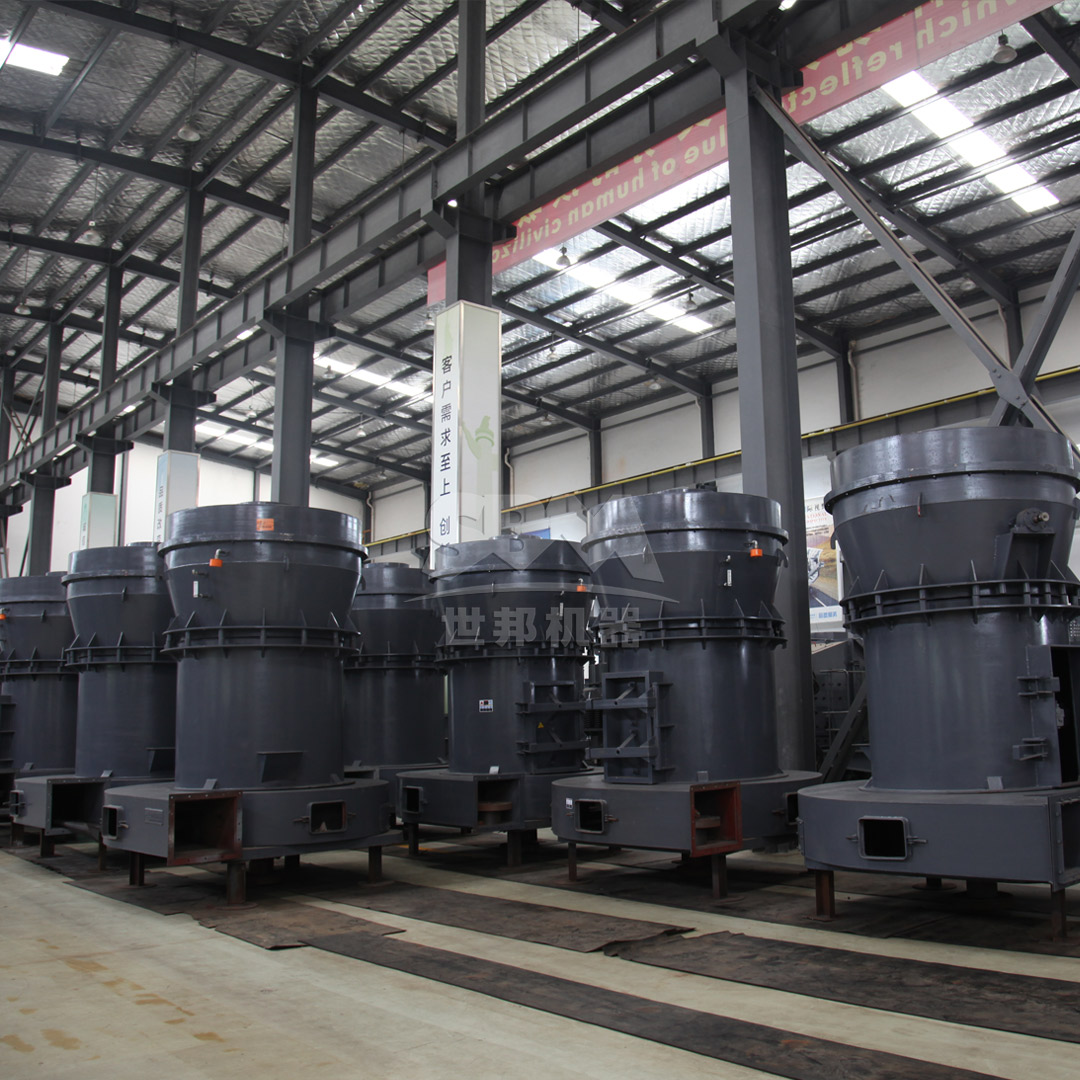
The MTW Series European Trapezium Mill (600-45μm) is a flagship product for this application. Its integral bevel gear drive achieves a transmission efficiency of up to 98%, reducing energy loss. The curved shovel design extends the life of grinding rollers and minimizes maintenance. The optimized arc air duct reduces airflow resistance, further enhancing efficiency. With a capacity of 3-45 t/h and a fineness range of 30-325 mesh, the MTW mill is perfect for preparing bauxite powder for the pelletizing stage. For operations requiring a slightly different performance envelope, the MTM Series Medium-speed Trapezium Mill offers intelligent pressure regulation that automatically compensates for roller wear, ensuring consistent output. Both series feature pulse dust collection systems that exceed environmental standards, making them an eco-friendly choice.
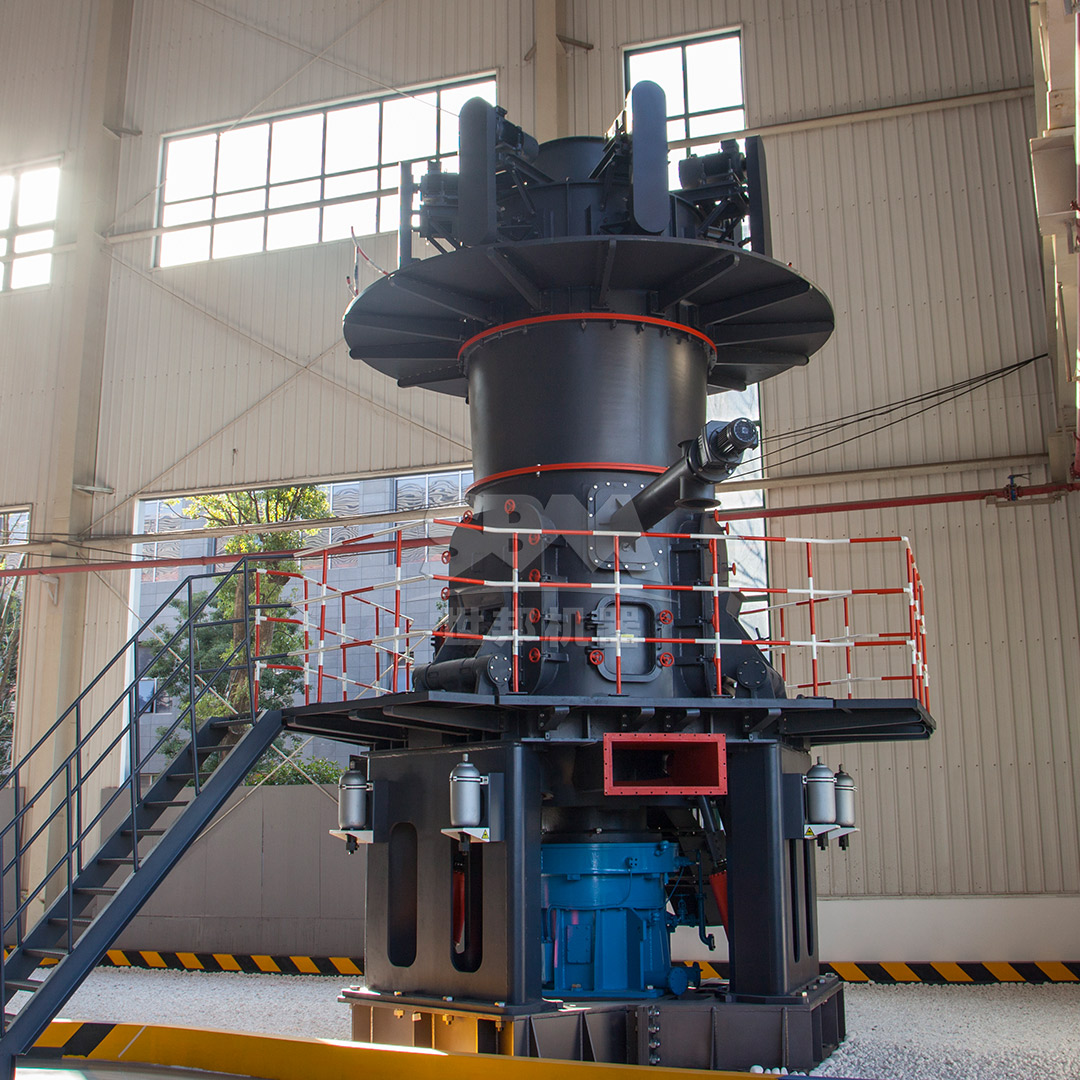
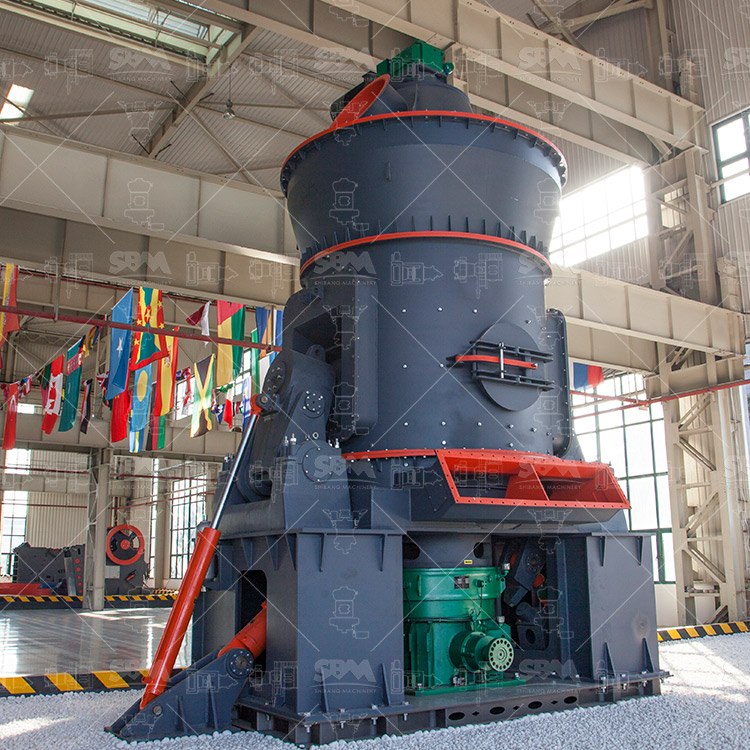
If an even higher capacity is required, the LM Series Vertical Roller Mill is an outstanding choice. Its integrated design combines crushing, grinding, and selection, which can reduce the plant footprint by up to 50%. With capacities up to 100 t/h, it is ideal for large-scale proppant plants. However, for the finest particle sizes required for premium proppants, we turn to the next stage.
High-strength proppants often require bauxite powder with a fineness of 325 mesh or finer (typically 45μm or less) to achieve maximum density and performance. Producing this ultrafine powder requires specialized equipment that can reliably generate a narrow particle size distribution.
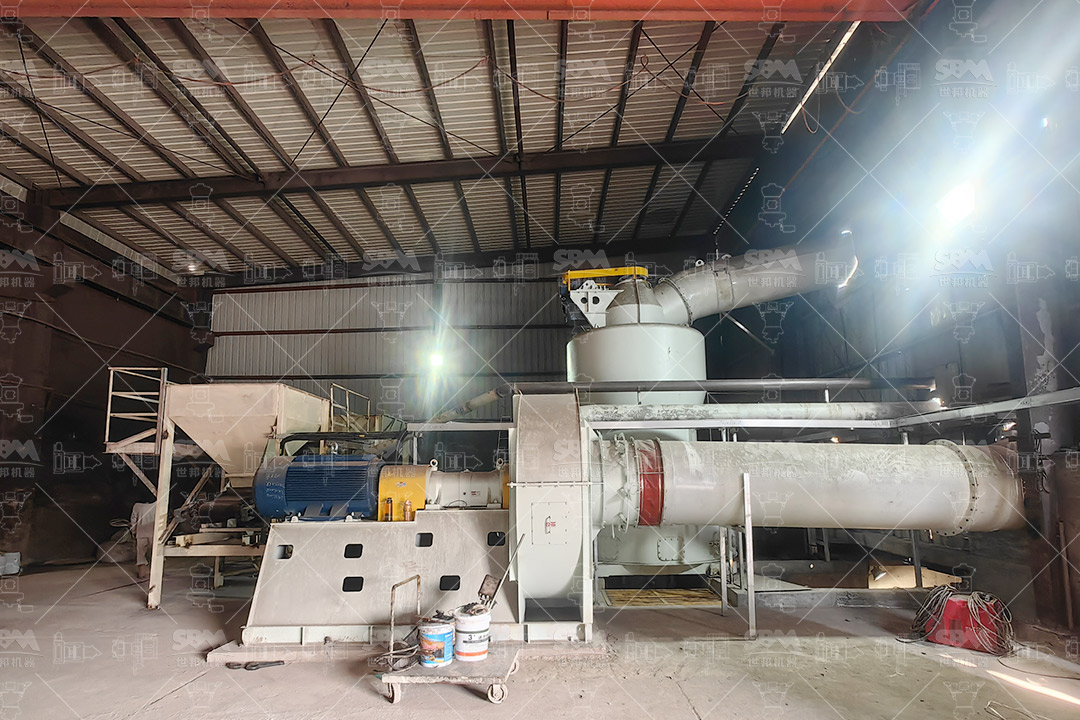
This is where our SCM Series Ultrafine Mill (45-5μm) excels. The SCM mill is specifically engineered for high-precision classification and energy-efficient grinding. Its capacity is twice that of traditional jet mills, while consuming 30% less energy. The vertical turbine classifier ensures that no coarse powder mixes with the final product, guaranteeing a uniform fineness from 325 to 2500 mesh. The special material used for the rollers and grinding rings extends their service life several times over, reducing downtime and operational costs. For instance, the SCM1250 model can produce 2.5 to 14 tons per hour, making it a workhorse for proppant producers.
Another excellent option for this stage is the LUM Ultrafine Vertical Roller Mill. It shares similar performance characteristics, offering high-efficiency grinding with multi-rotor classification technology to ensure no coarse particles. Both the SCM and LUM mills operate under negative pressure, preventing dust leakage and ensuring a clean working environment.
For a complete production line focused on high-quality proppants, we highly recommend integrating the SCM Series Ultrafine Mill. Its combination of high efficiency, low energy consumption, and precise particle size control makes it the ideal final grinding solution. Whether you need to produce ultra-fine powder for high-strength proppants or a coarser grade for standard applications, the SCM mill offers the flexibility and reliability you need. With models available from SCM800 to SCM1680, we can tailor a solution to meet your specific production targets.
A modern bauxite proppant production line often integrates a combination of the equipment mentioned above. A typical setup might include:
| Stage | Equipment | Function | Key Output Size |
|---|---|---|---|
| 1. Crushing | Jaw Crusher + Hammer Mill | Reduce raw bauxite to <3mm | 0-3 mm |
| 2. Fine Grinding | MTW Series Trapezium Mill | Grind to fine powder | 30-325 mesh |
| 3. Ultrafine Grinding | SCM Series Ultrafine Mill | Produce ultra-fine powder for high-strength proppants | 325-2500 mesh |
| 4. Granulation | High-speed Mixer / Disc Pelletizer | Form spherical green pellets | — |
| 5. Sintering | Rotary Kiln | Harden pellets at high temperatures | — |
| 6. Screening | Vibrating Screen | Separate proppants by size | Various mesh sizes |
After the milling stages, the fine bauxite powder is mixed with binders and other additives and then granulated. The resulting green pellets are sintered in a rotary kiln at temperatures exceeding 1400°C to achieve the final strength and density. Finally, the sintered proppants are screened to ensure a precise particle size distribution before being packaged.
Beyond the core milling equipment, a successful production line relies on robust auxiliary systems. These include:
Investing in the right bauxite processing equipment is the key to optimizing your oil fracturing proppant production line. From the energy-efficient fine grinding of the MTW series to the precise classification of the SCM ultrafine mill, each piece of machinery plays a vital role in determining the final quality of your proppant. Our company’s solutions are designed to provide high throughput, lower operational costs, and exceptional product consistency. By choosing our grinding technologies, you are not just acquiring equipment; you are partnering with a leader in the field to ensure your proppant manufacturing business operates at the highest level of efficiency and profitability. Contact us today to discuss your specific requirements and build a production line that sets the industry standard.